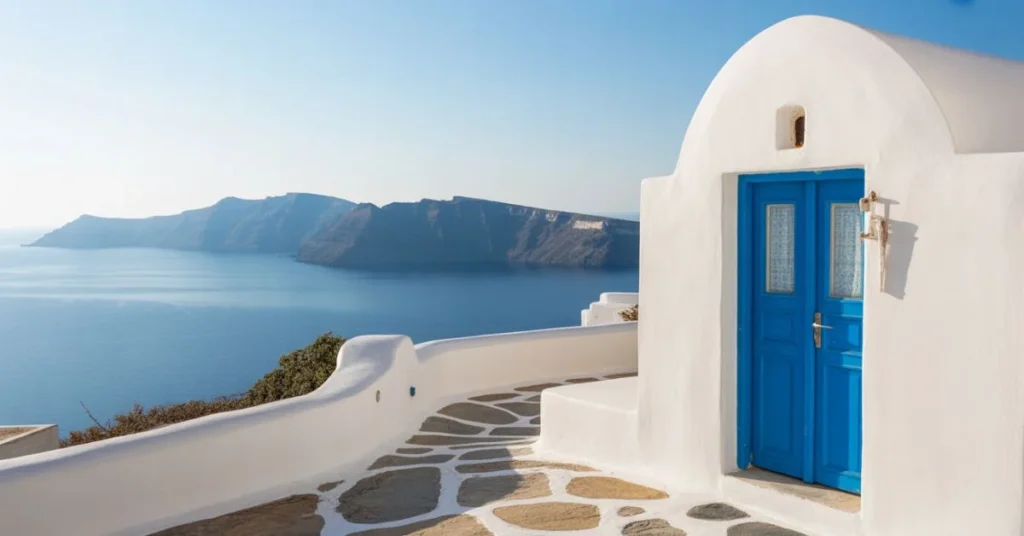
There’s something quietly powerful about a whitewashed home sitting under a bright blue sky, framed by stone paths and soft coastal light. That image captures the essence of Greek Cottage Architecture. Rooted in the islands of the Aegean, this style blends practicality with beauty. It was never about showing wealth. It was about comfort, climate, and living close to nature.
Across places like the Aegean Sea and the island of Santorini, cottages were built with thick walls, simple shapes, and natural materials to withstand heat, wind, and salt air. Over time, these practical choices shaped one of the most admired coastal styles in the world.
Today, homeowners are turning to Greek Cottage Architecture not only for its charm but also for its calming effect. Clean lines, textured surfaces, and sun-filled rooms create spaces that feel peaceful yet grounded.
Foundations Rooted in Climate and Landscape
The beauty of Greek Cottage Architecture begins with its environment. Traditional cottages were designed to survive intense summer heat and strong coastal winds. Instead of fighting nature, builders worked with it.
Thick stone or clay walls act as natural insulation. Small windows reduce heat during peak sun hours. Homes are often positioned to catch sea breezes flowing from the Mediterranean Sea. Flat or gently curved roofs help reflect sunlight, keeping interiors cooler.
In villages across Greece, cottages are tightly grouped together. This layout reduces wind impact and creates shaded walkways. It also builds a sense of community.
Modern homes inspired by Greek Cottage Architecture still use these climate-smart ideas. Even if you live far from the coast, thick walls, light colors, and smart window placement can make your home feel naturally balanced and energy efficient.
The Power of White and Earth
White is more than a color in Greek Cottage Architecture. It is a strategy. Lime-washed walls reflect sunlight, keeping homes cool during hot summers. But white also creates a clean canvas that allows textures to stand out.
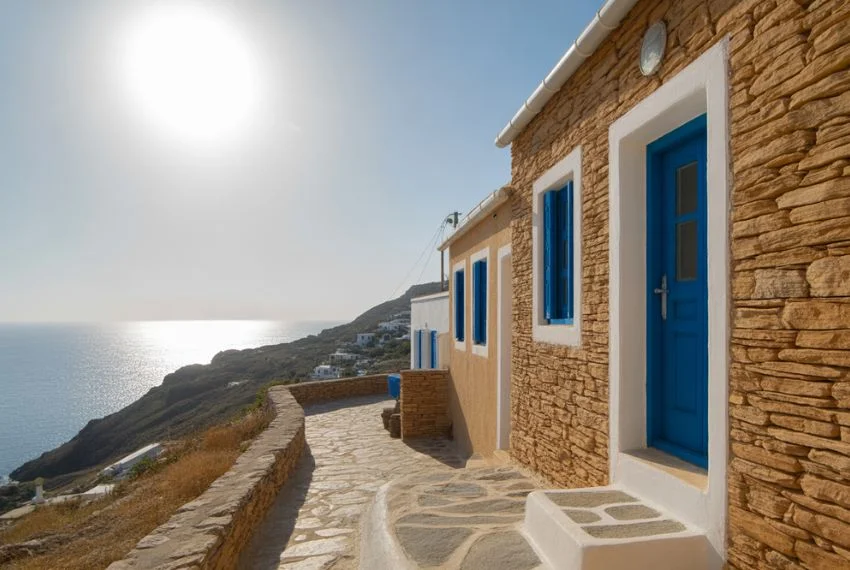
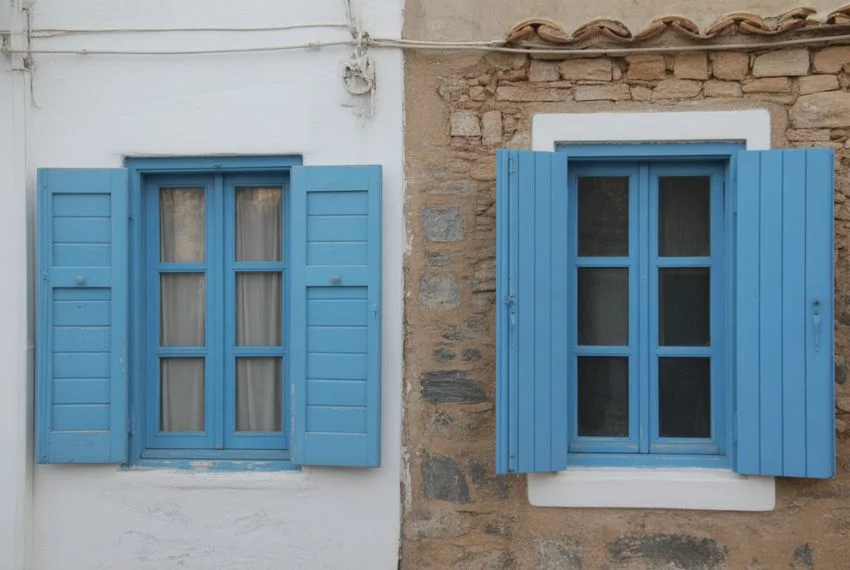
You’ll often see soft earth tones paired with white—sand beige, terracotta, muted olive, and stone gray. Doors and shutters are traditionally painted deep blue, inspired by the sea and sky around the Cyclades.
This limited color palette keeps the exterior simple yet striking. It also makes natural materials shine. Rough stone steps, clay roof tiles, and wooden beams add depth without visual clutter.
If you want to bring Greek Cottage Architecture into your own home, start with a neutral base. Add texture through stone accents or limewash paint. Keep colors soft and connected to nature.
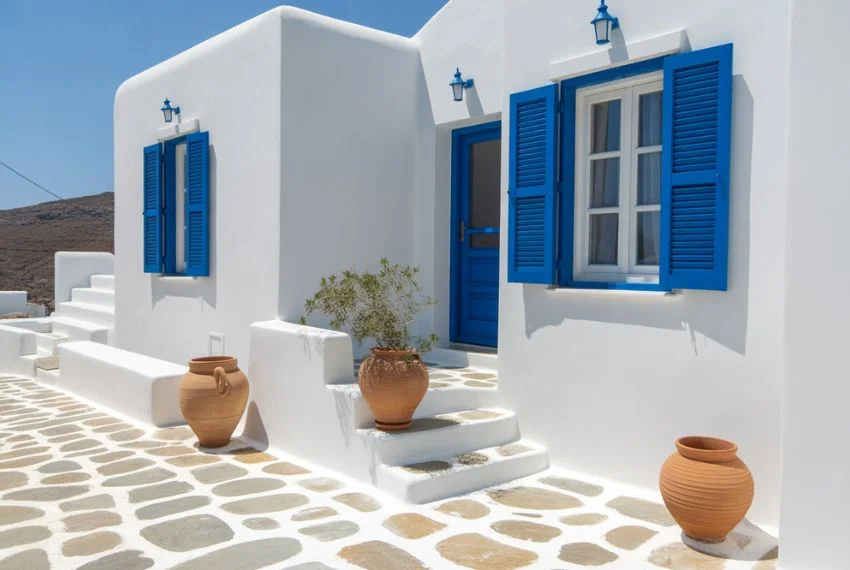
Organic Forms and Soft Geometry
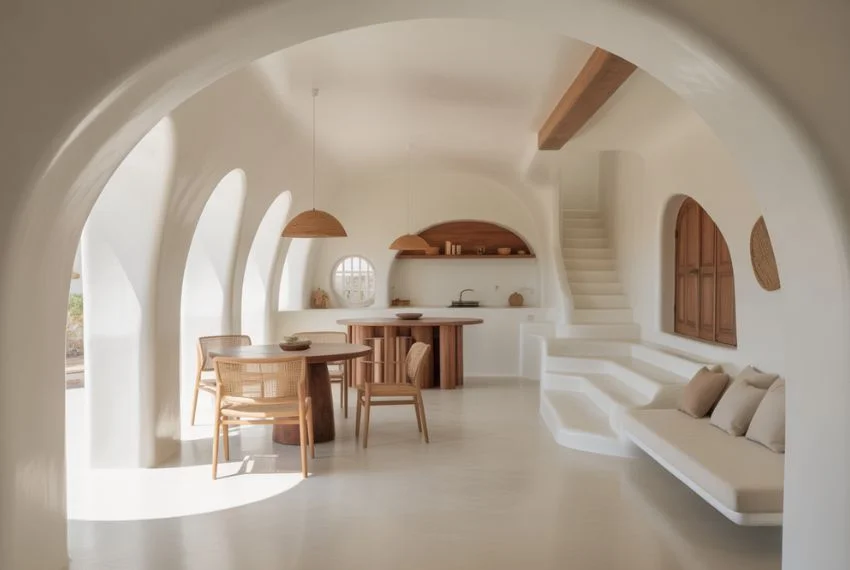
One defining feature of Greek Cottage Architecture is its gentle shapes. Instead of sharp edges and strict symmetry, you’ll often find curved corners, arched doorways, and rounded walls.
These forms weren’t purely decorative. Rounded shapes resist strong winds better than flat surfaces. They also create a softer visual flow, making cottages feel welcoming rather than rigid.
Arches frame entrances and windows, adding character without complexity. Domed ceilings, seen in parts of Oia, help circulate air and maintain cooler temperatures.
In modern adaptations, architects borrow these curved elements to create warmth. Even adding one arched doorway or a curved plaster wall can instantly echo Greek Cottage Architecture in a contemporary setting.
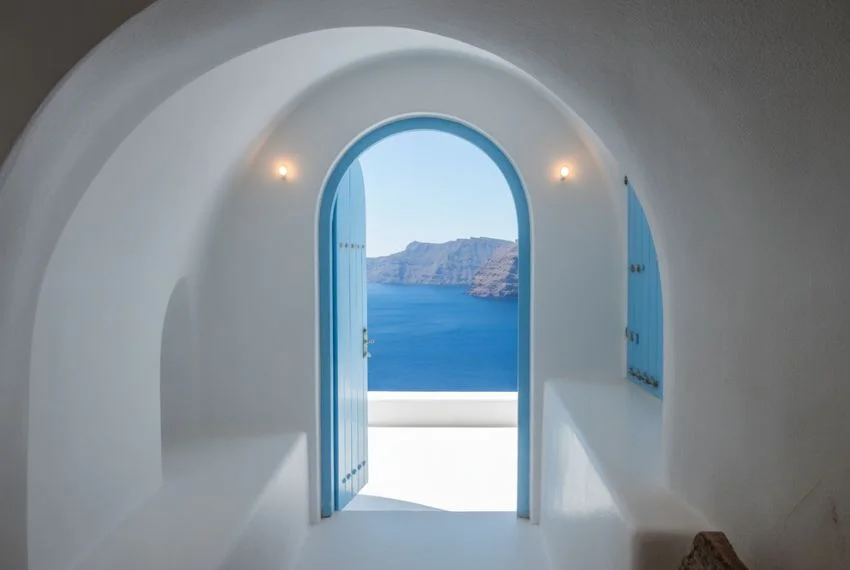
Texture as the Main Design Statement
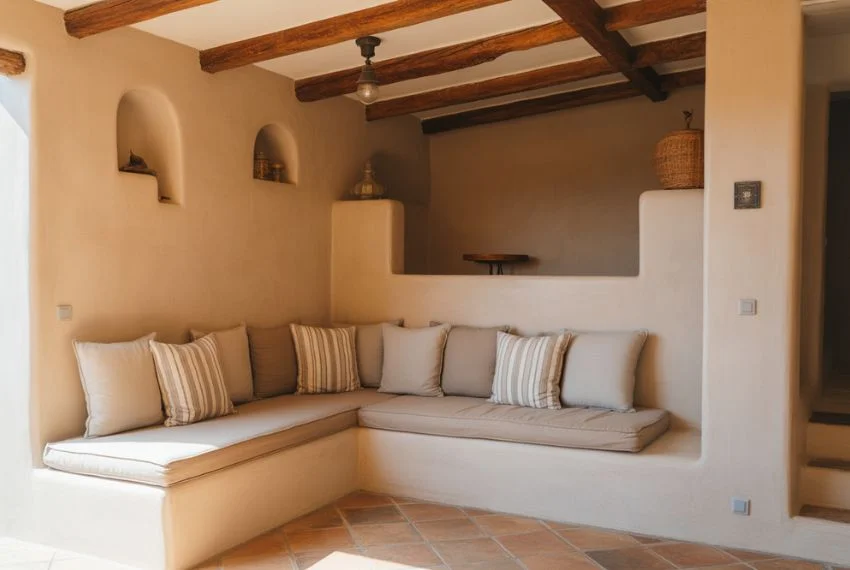
While minimal in color, Greek Cottage Architecture is rich in texture. Texture replaces ornamentation. Instead of decorative trims or elaborate carvings, surfaces themselves become the focal point.
Hand-applied plaster gives walls subtle movement. Exposed stone adds raw authenticity. Wooden ceiling beams introduce warmth. Terracotta tiles bring depth underfoot.
Inside traditional cottages, you might find built-in seating carved into the wall. These simple benches are topped with linen cushions and woven textiles. The look is effortless yet intentional.
This layered texture creates visual interest without overwhelming the senses. That’s why Greek Cottage Architecture feels calming. Every surface has character, but nothing feels excessive.
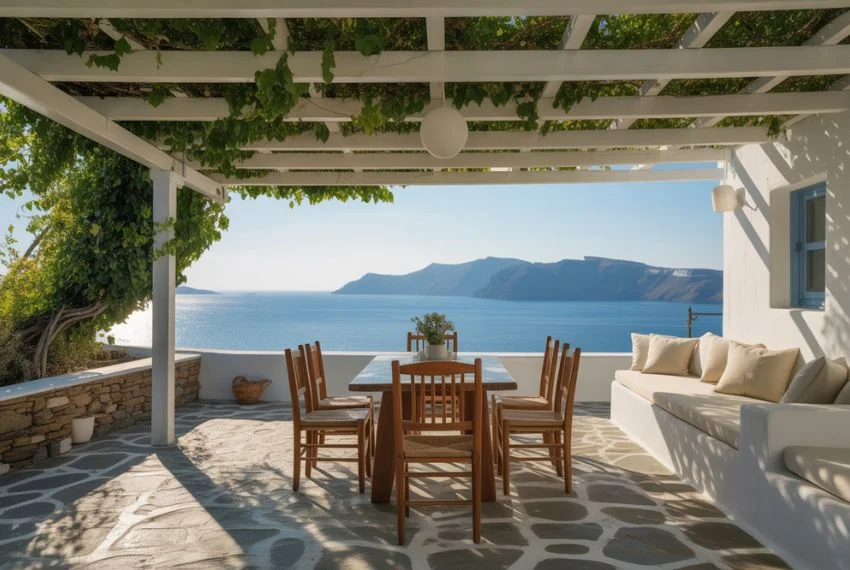
Seamless Indoor-Outdoor Living
Life near the sea encourages openness. Greek Cottage Architecture often blurs the line between inside and outside.
Courtyards are central to many cottages. They provide privacy while allowing sunlight to pour in. Outdoor dining areas sit under wooden pergolas covered with climbing vines. Stone terraces overlook the sea.
On islands such as Mykonos, outdoor spaces are treated like living rooms. Built-in benches, ceramic pots, and simple wooden tables create relaxed gathering areas.
To recreate this feeling, focus on natural transitions. Use similar flooring indoors and outdoors. Add linen curtains that move with the breeze. Keep furniture simple and durable.
When done thoughtfully, Greek Cottage Architecture turns even a small patio into a peaceful retreat.
Materials That Age Gracefully
A major reason Greek Cottage Architecture feels timeless is its use of honest materials. Stone, clay, wood, and lime plaster all age beautifully. Instead of looking worn, they gain character over time.
Salt air may fade paint slightly. Sun exposure may soften wood tones. These changes are welcomed rather than hidden. They tell a story of place and climate.
Traditional builders relied on locally sourced materials. This approach made cottages sustainable long before sustainability became a design trend.
Today, choosing natural materials not only captures the look of Greek Cottage Architecture but also supports eco-friendly building practices. Reclaimed wood, stone veneer, and mineral-based paints are smart modern options.
Bringing Greek Cottage Architecture Into Modern Homes
You don’t need to live by the sea to embrace Greek Cottage Architecture. Small design decisions can make a big impact.
Start with these steps:
- Use limewash or matte white paint for walls.
- Introduce one statement arch in a doorway or window.
- Add natural materials like linen curtains and wooden beams.
- Choose simple, low-profile furniture.
- Keep décor minimal and meaningful.
Avoid over-decorating. The strength of this style lies in restraint. Focus on light, air, and texture.
Modern architects continue to reinterpret Greek Cottage Architecture, blending traditional shapes with contemporary layouts. The result is homes that feel both ancient and fresh.
Final Thoughts
At its heart, Greek Cottage Architecture is about living simply and thoughtfully. It respects climate, values natural materials, and celebrates light. There is no excess. No unnecessary detail. Only balance.
From the stone villages overlooking the Aegean Sea to modern coastal homes around the world, this style continues to inspire. Its quiet beauty feels relevant now more than ever.
If you’re seeking a home that feels calm, grounded, and timeless, Greek Cottage Architecture offers a blueprint rooted in centuries of practical wisdom and coastal charm.
Also Read About Viking Bedroom Ideas: Fierce and Timeless Nordic Style for Your Home.
FAQs
What defines Greek Cottage Architecture?
It features whitewashed walls, thick stone construction, small windows, natural materials, and simple curved forms designed for coastal climates.
Why are Greek cottages painted white?
White reflects sunlight, keeping interiors cooler during hot summers while creating a clean and bright exterior look.
Can Greek Cottage Architecture work in urban areas?
Yes. Even small elements like limewashed walls, arches, and natural textures can bring this coastal aesthetic into city homes.
What materials are commonly used?
Stone, clay, lime plaster, wood, and terracotta are traditional materials used in Greek cottages.