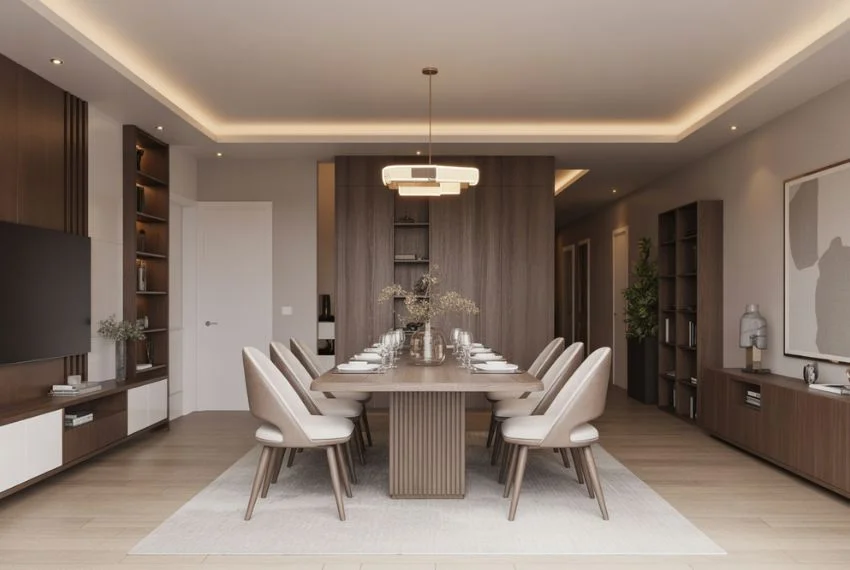
There is something powerful about walking into a dining space that feels intentional. The table is solid and well-made. The chairs feel sturdy. The lighting casts a warm glow across polished wood or stone. These are the small signals that turn ordinary spaces into memorable ones. Formal Dining Rooms are not just about hosting guests. They are about honouring tradition, quality, and thoughtful design.
In many modern homes, open layouts dominate. Yet dedicated dining spaces still hold value. They create a clear place for gathering, celebrating, and slowing down. When craftsmanship and detail take center stage, the room feels timeless rather than trendy. From hand-carved furniture to layered lighting, every choice matters.
This guide explores how to design Formal Dining Rooms that feel refined, balanced, and built to last. You’ll learn how materials, architecture, furniture, and décor all work together to create a space that feels complete.
Formal Dining Rooms Begin with Architectural Character
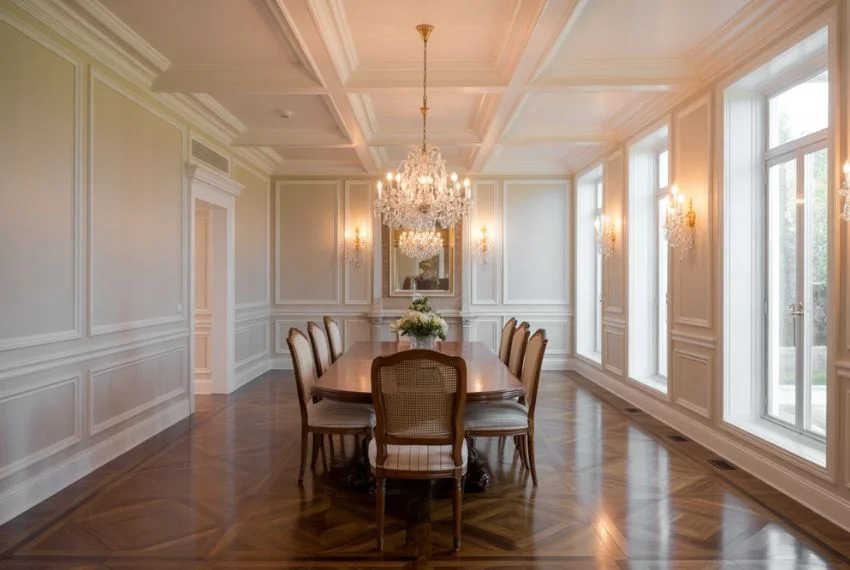
Before selecting furniture or décor, look at the structure of the room itself. Strong architectural details set the foundation for beautiful Formal Dining Rooms. Elements such as crown molding, wainscoting, coffered ceilings, or paneled walls add depth and personality.
For example, wall panelling instantly makes a space feel tailored. Even simple trim work painted in a rich tone can elevate plain walls. Ceiling treatments also draw the eye upward and add visual balance. A coffered ceiling painted in soft white over a darker wall color creates subtle contrast without overwhelming the space.
Flooring plays an important role as well. Hardwood remains a classic choice because it brings warmth and durability. Herringbone or chevron patterns add a layer of quiet sophistication. If you prefer stone or tile, choose natural finishes with visible texture.
When the architectural base is strong, the rest of the room feels intentional. Instead of relying on decoration alone, the structure itself carries visual weight. This approach ensures the space will age gracefully over time.
Invest in Handcrafted Furniture That Anchors the Room
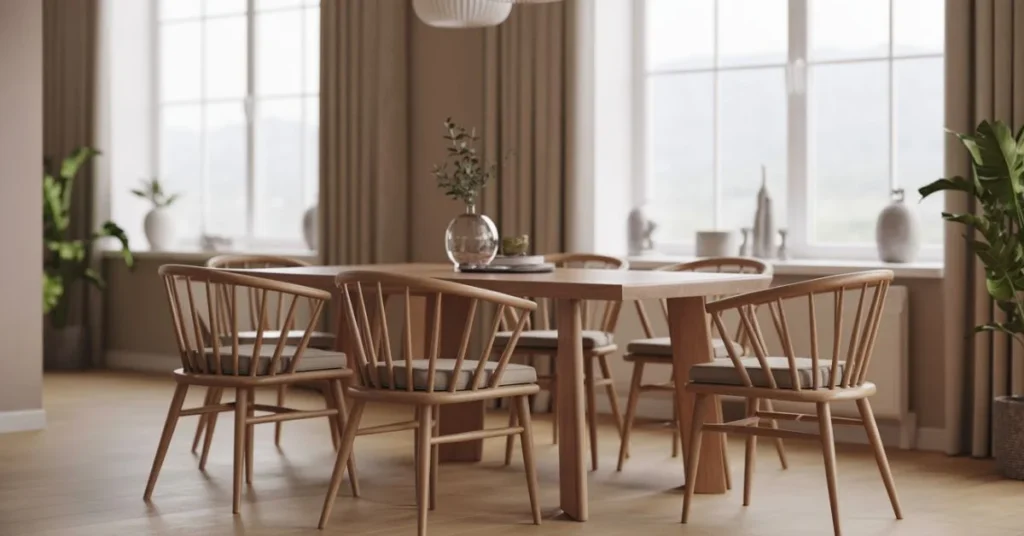
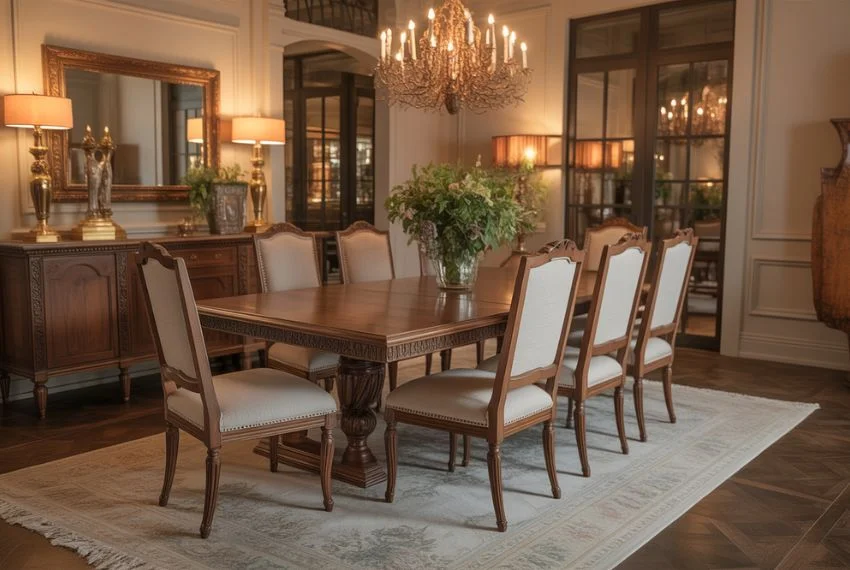
Furniture is the heart of Formal Dining Rooms. The dining table should feel substantial. Solid wood tables made from oak, walnut, or mahogany provide both beauty and durability. Look for visible grain patterns and expert joinery. These details signal true craftsmanship.
Chairs deserve equal attention. Upholstered seats with tailored seams or nailhead trim add polish. Carved wooden legs or curved backs introduce softness without losing structure. Comfort is just as important as appearance, especially for long dinners or celebrations.
A sideboard or buffet completes the layout. This piece provides storage for dinnerware while also offering a surface for styling. Choose one with detailed hardware or paneling to reinforce the room’s theme.
Rather than filling the room with too many items, focus on fewer, higher-quality pieces. Well-made furniture lasts for decades. It also builds emotional value. Many families pass down dining tables through generations, turning everyday objects into heirlooms.
When selecting furniture, think long term. Quality construction ensures that your dining space remains functional and beautiful for years.
Layer Lighting for Depth and Drama
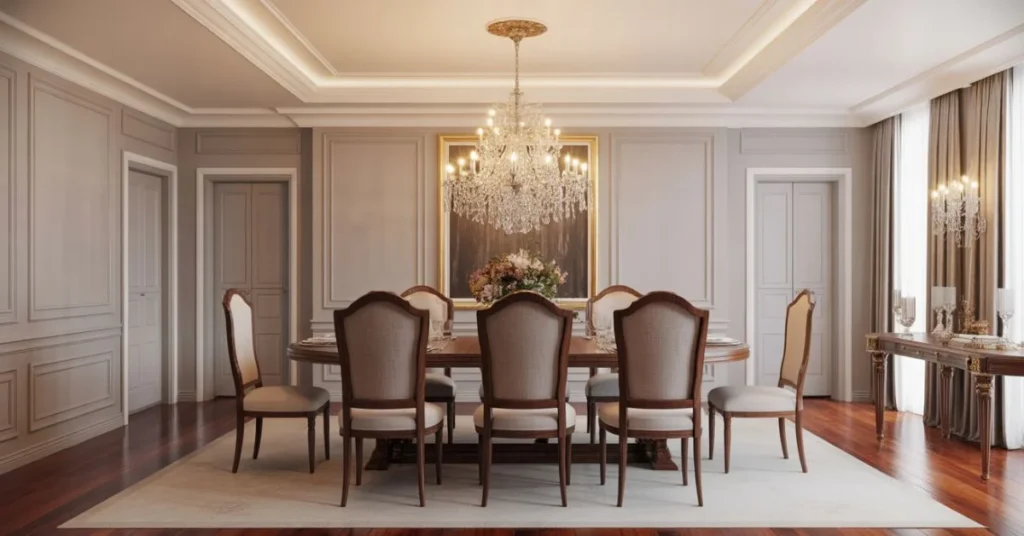
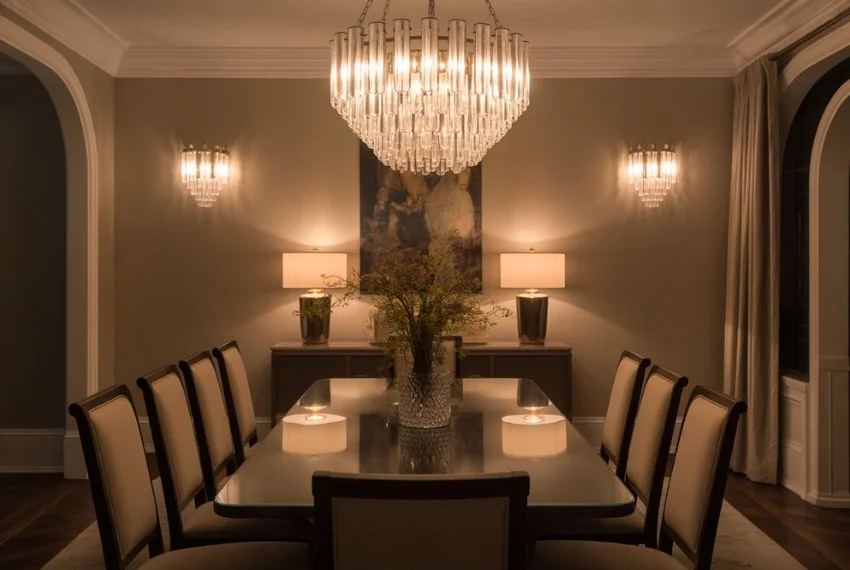
Lighting shapes the mood of Formal Dining Rooms more than any other element. A statement chandelier often becomes the focal point. Crystal designs reflect light across the room, while metal fixtures offer a more understated elegance.
However, one light source is rarely enough. Wall sconces add dimension and highlight architectural features. Table lamps placed on a buffet introduce warmth and intimacy. Recessed lighting can softly illuminate artwork or textured walls.
Dimmers are essential. They allow you to shift from bright family dinners to softer evening gatherings. This flexibility makes the space more usable throughout the day.
Consider scale carefully. The chandelier should feel proportional to the table. A fixture that is too small may disappear visually. One that is too large can overwhelm the space. Measure the table and ceiling height before making a purchase.
Thoughtful lighting design creates balance. It enhances craftsmanship rather than hiding it. When wood grains, fabric textures, and wall details are gently highlighted, the entire room feels richer.
Choose Materials That Reflect Skill and Texture
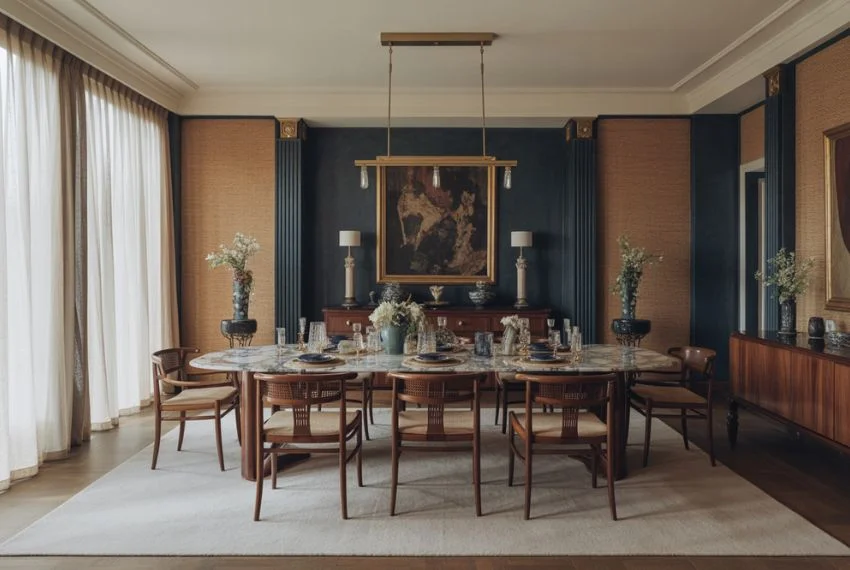
Materials define the sensory experience of Formal Dining Rooms. Natural surfaces often carry the most character. Marble tabletops, linen drapes, silk rugs, and wool upholstery introduce texture without clutter.
For example, a marble accent on a buffet top adds subtle luxury. Linen curtains filter sunlight beautifully while maintaining structure. A patterned wool rug beneath the table softens sound and anchors the layout.
Mixing textures creates depth. Smooth polished wood contrasts well with woven fabrics. Matte walls pair nicely with glossy finishes. These combinations make the room feel curated rather than flat.
Colour also matters. Deep blues, forest greens, charcoal grays, or warm neutrals create a grounded atmosphere. Accent shades in gold, brass, or bronze add warmth without overpowering the palette.
Instead of chasing short-term trends, focus on materials that age gracefully. Natural finishes often look better over time. Small imperfections add character rather than detract from it.
When every surface feels intentional, the room communicates care and quality.
Highlight Art, Table Settings, and Decorative Details
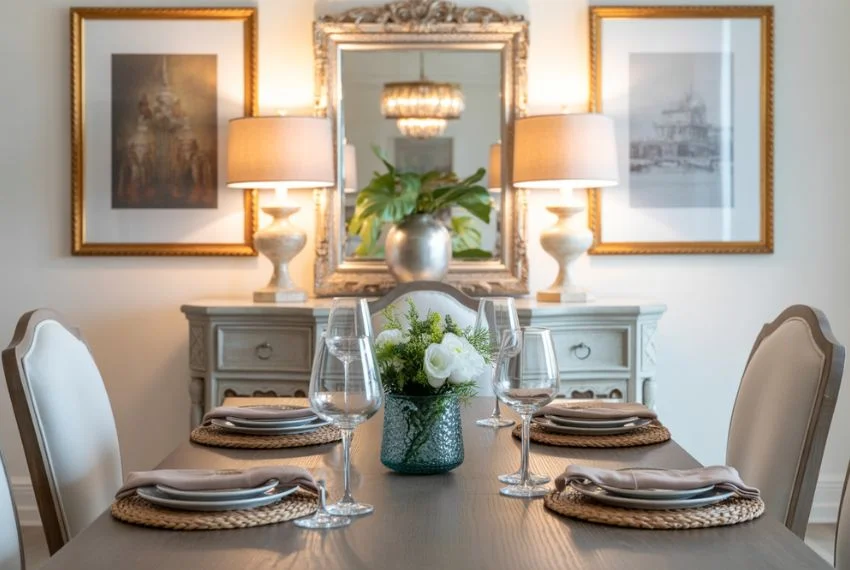
Decor completes Formal Dining Rooms by adding personality and narrative. Artwork above a buffet or along a feature wall can anchor the design. Choose pieces that reflect your taste while maintaining balance with the room’s palette.
Mirrors are also effective. They reflect light and make the space feel larger. A framed mirror with carved detailing reinforces the craftsmanship theme.
Table settings offer another opportunity for refinement. Layered dinnerware, cloth napkins, and simple centerpieces create a polished look. Fresh flowers or seasonal greenery add life without overwhelming the table.
Avoid overcrowding surfaces. Negative space allows each item to stand out. A single large statement bowl may be more impactful than several smaller objects.
Even small details like cabinet hardware, chair stitching, or decorative trim contribute to the overall feel. These subtle touches separate ordinary dining spaces from carefully designed environments.
When styling is done with restraint and purpose, the room feels cohesive and welcoming.
Balance Tradition with Modern Function
Today’s Formal Dining Rooms do not have to feel outdated. You can honor tradition while incorporating modern comfort. For example, pairing a classic wooden table with contemporary upholstered chairs creates contrast without tension.
Technology can also blend quietly into the space. Hidden outlets inside a sideboard or discreet speakers allow the room to adapt for gatherings. Modern fabrics that resist stains make maintenance easier without sacrificing elegance.
Open floor plans often connect dining areas to kitchens or living spaces. Use rugs, lighting, or subtle ceiling changes to define the dining zone. This approach maintains a sense of formality while respecting modern layouts.
Flexibility is key. The room should work for holiday dinners, quiet family meals, and even occasional workspace needs. Thoughtful planning ensures the space remains useful rather than decorative only.
By combining craftsmanship with practicality, you create a dining space that supports real life while preserving its refined character.
Final Thoughts
Designing Formal Dining Rooms that showcase craftsmanship and detail requires intention at every step. From architectural features to furniture selection, lighting, materials, and décor, each element contributes to the final atmosphere.
When you prioritize quality over quantity, the space feels grounded and timeless. Solid wood tables, layered lighting, textured fabrics, and thoughtful styling all work together to create a room that invites gathering.
More than just a place to eat, a well-designed dining space becomes a setting for milestones and shared moments. With careful planning and smart investment choices, your dining room can reflect both tradition and modern comfort for years to come.
Find Out Also About Trending Kitchen Marble Countertops Designs for Stylish Homes.
FAQs
1. What makes a dining room feel formal?
Architectural details, substantial furniture, layered lighting, and refined materials all contribute to a formal atmosphere.
2. Are formal dining rooms still relevant today?
Yes. Even in open layouts, dedicated dining areas create structure and elevate gatherings.
3. What is the best material for a formal dining table?
Solid wood remains the most durable and timeless choice. Marble accents can also add sophistication.
4. How can I update a traditional dining room?
Introduce modern chairs, contemporary lighting, or updated fabrics while keeping core furniture pieces.
5. How do I avoid making the room feel too stiff?
Add warmth through layered lighting, textured fabrics, and personal artwork.