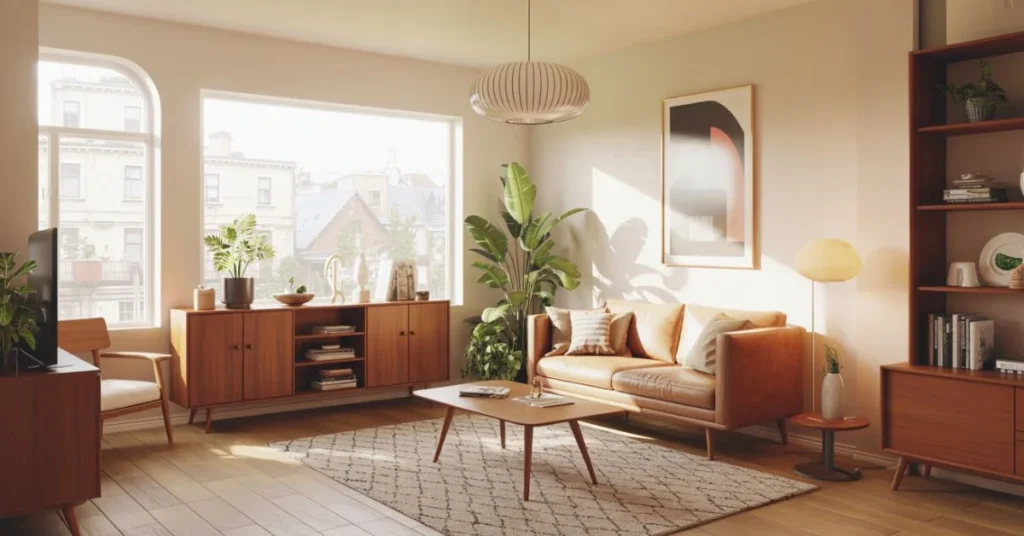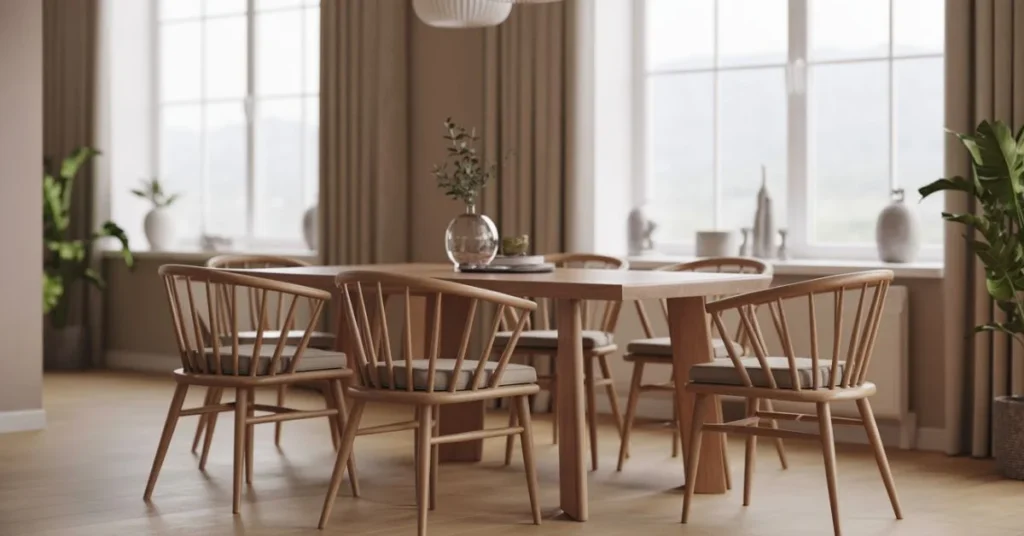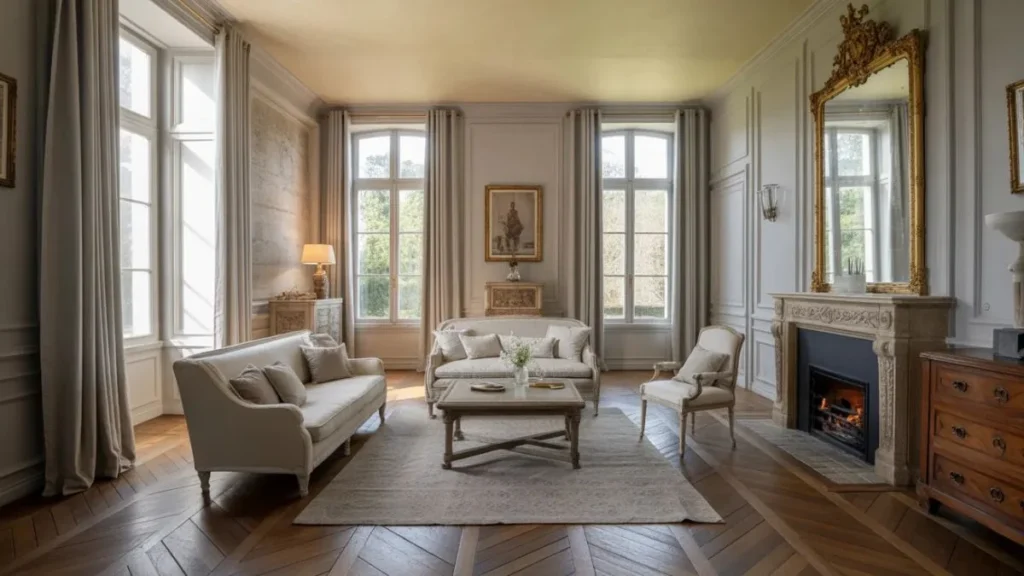
French Chateau Inspired Decor is not just about making a room look expensive. It is about creating a home that feels graceful, layered, and full of history. The style takes cues from French châteaux and grand manor homes, where symmetry, carved details, refined furniture, mirrors, paneling and soft textiles all worked together to create rooms that felt elegant without looking cold. Historically, the word château shifted from meaning a fortified residence to a manorial home, and many later French examples became known for balanced architecture, decorative interiors, and formal garden planning.
What makes this look so lasting is its balance. A true château-inspired room does not rely on shiny new pieces or too much ornament. Instead, it mixes beauty with comfort. Think warm neutrals, aged wood, antique-style furniture, plaster-like walls, linen drapes, gilded mirrors, and objects that feel collected over time. The goal is not to copy a museum room exactly. The goal is to bring that timeless European spirit into a real home in a way that still feels liveable.
What Defines the Chateau Look
At its heart, French Chateau Inspired Decor is built on three big ideas: symmetry, craftsmanship, and softness. Historic French interiors often used carved wood paneling known as boiserie, balanced wall arrangements, and mirrors placed to reflect light and expand the feeling of space. Museum examples of French rooms also show how carved and gilded details were often arranged with harmony rather than chaos.
That is why this style feels grand but not loud. Even when details are rich, the room still feels calm. Furniture tends to have elegant curves, shaped legs, carved frames, and fine upholstery. Architectural references often include symmetrical layouts, mansard roof associations, and a sense of proportion that gives the whole space dignity.
For a home today, this means you should focus less on “adding fancy things” and more on building a room with order and gentle richness. Use matching lamps on a console, a centered mirror over a fireplace, or a pair of chairs across from a sofa. That quiet structure is what makes the room feel European instead of random.
Start with a Soft French Colour Palette
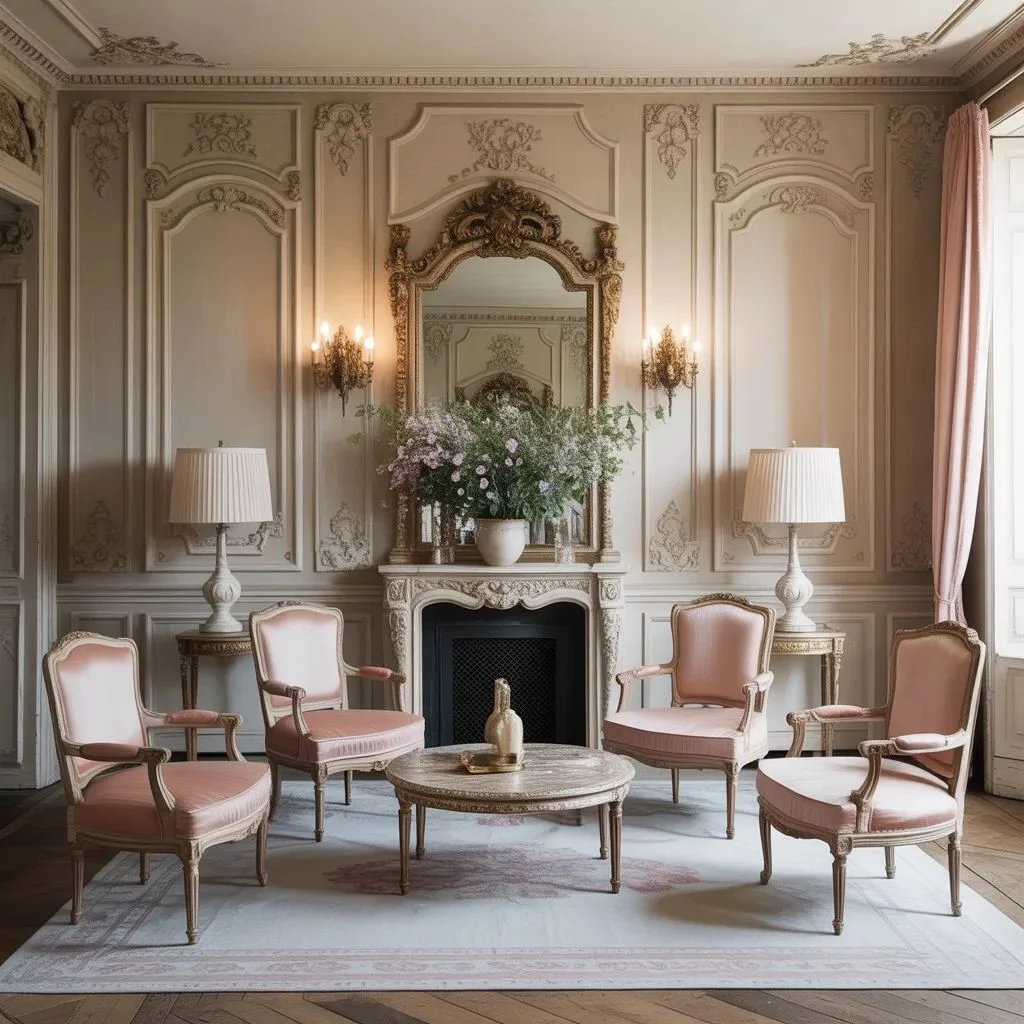
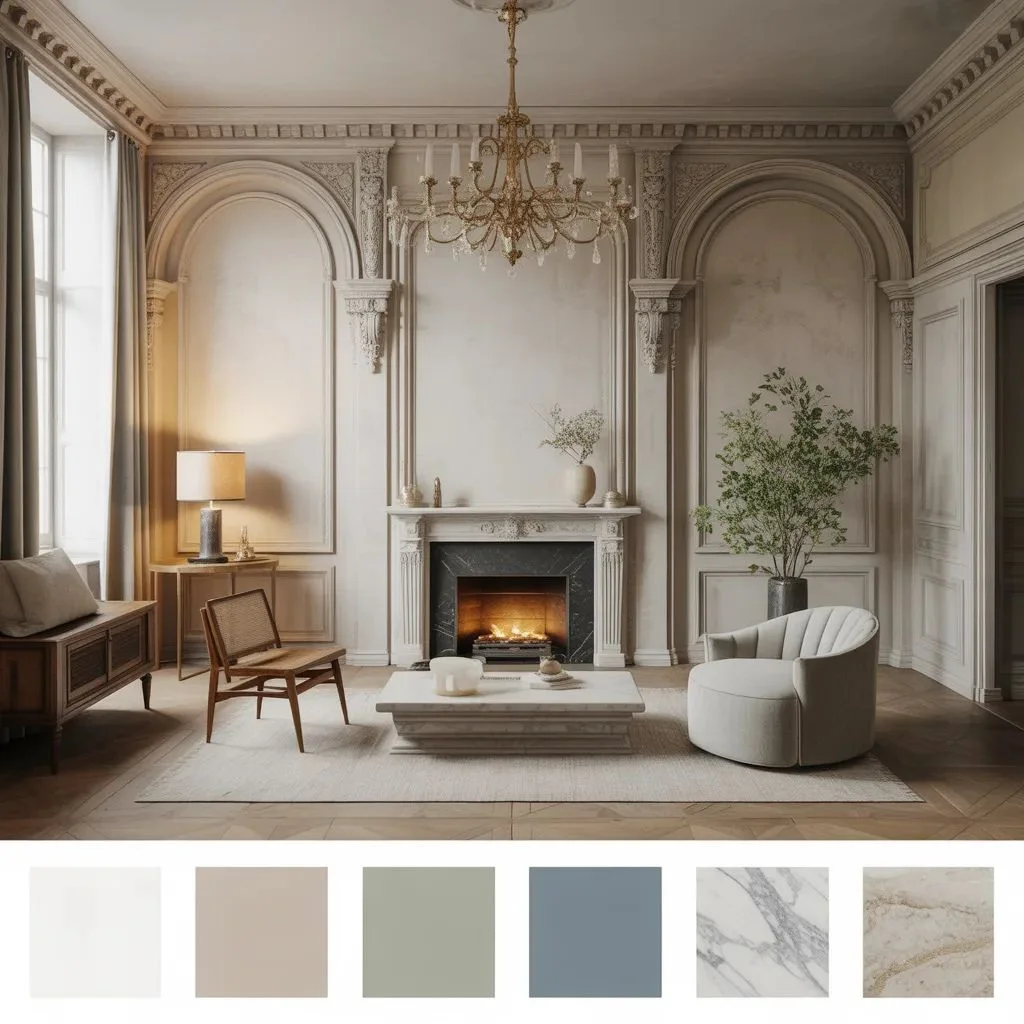
The easiest way to bring French Chateau Inspired Decor into your home is through colour. Start with shades that look aged, chalky, and relaxed. Good base colors include warm ivory, antique white, soft taupe, mushroom, pale greige, muted sage, dusty blue, and faded stone. These colors create the calm backdrop that lets texture and furniture stand out.
Avoid harsh white, glossy gray, or trendy high-contrast color schemes. Château style looks best when the palette feels sun-washed and slightly imperfect. Walls should look like plaster, limewash, or matte paint rather than slick modern surfaces. Wood tones should feel natural, weathered, or dark and rich instead of orange or overly polished.
Metal finishes also matter. Choose old brass, soft gold, bronze, or black iron in small amounts. The best rooms usually mix finishes in a subtle way. For example, a gilded mirror can sit beautifully above a limestone-look mantel while iron sconces add a little weight. Keep everything toned down. In this style, softness is more powerful than shine.
Choose Furniture That Feels Collected
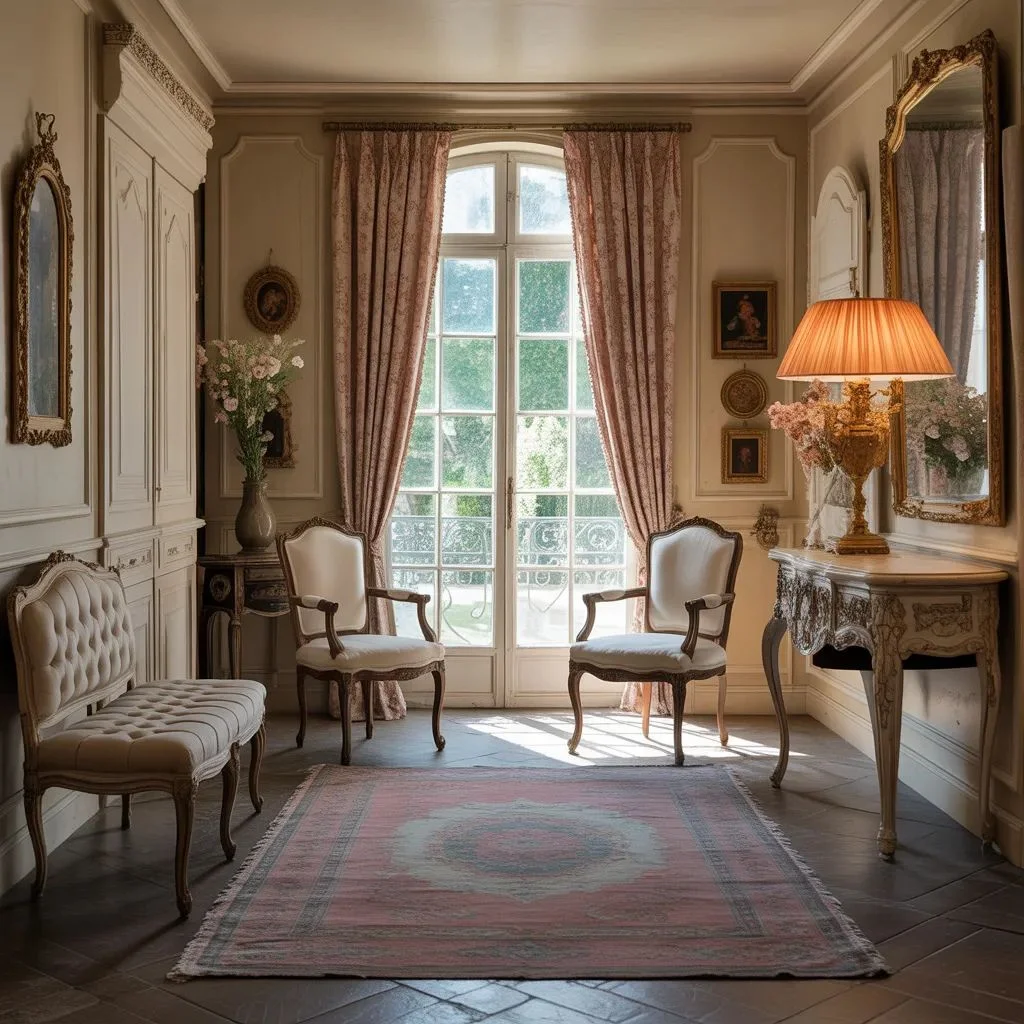
Furniture is where French Chateau Inspired Decor really comes alive. Look for pieces that feel storied rather than showroom perfect. A carved wood dining table, a weathered sideboard, a curvy bergère chair, a Louis-style armchair, a tufted bench, or a graceful commode can all help build the look. French furniture of the 18th century became especially admired for its refined design and high level of craftsmanship, shaped by strong workshop traditions and specialist guild work in Paris.
A helpful rule is to mix large anchor pieces with lighter accents. For example, pair a substantial farmhouse table with delicate upholstered dining chairs. Or place a formal carved chest under relaxed linen drapery. This contrast keeps the room from feeling stiff.
Do not overmatch your furniture. A château-inspired home should look assembled over time, not bought in a single weekend. One antique or antique-style statement piece can do more than five generic “French” items. Prioritize silhouette first. Look for cabriole legs, carved aprons, shaped arms, caning, marble tops, and distressed finishes. Even in a smaller home, one beautiful chair, one vintage mirror, and one classic table can set the tone.
Build the Room from the Walls Down
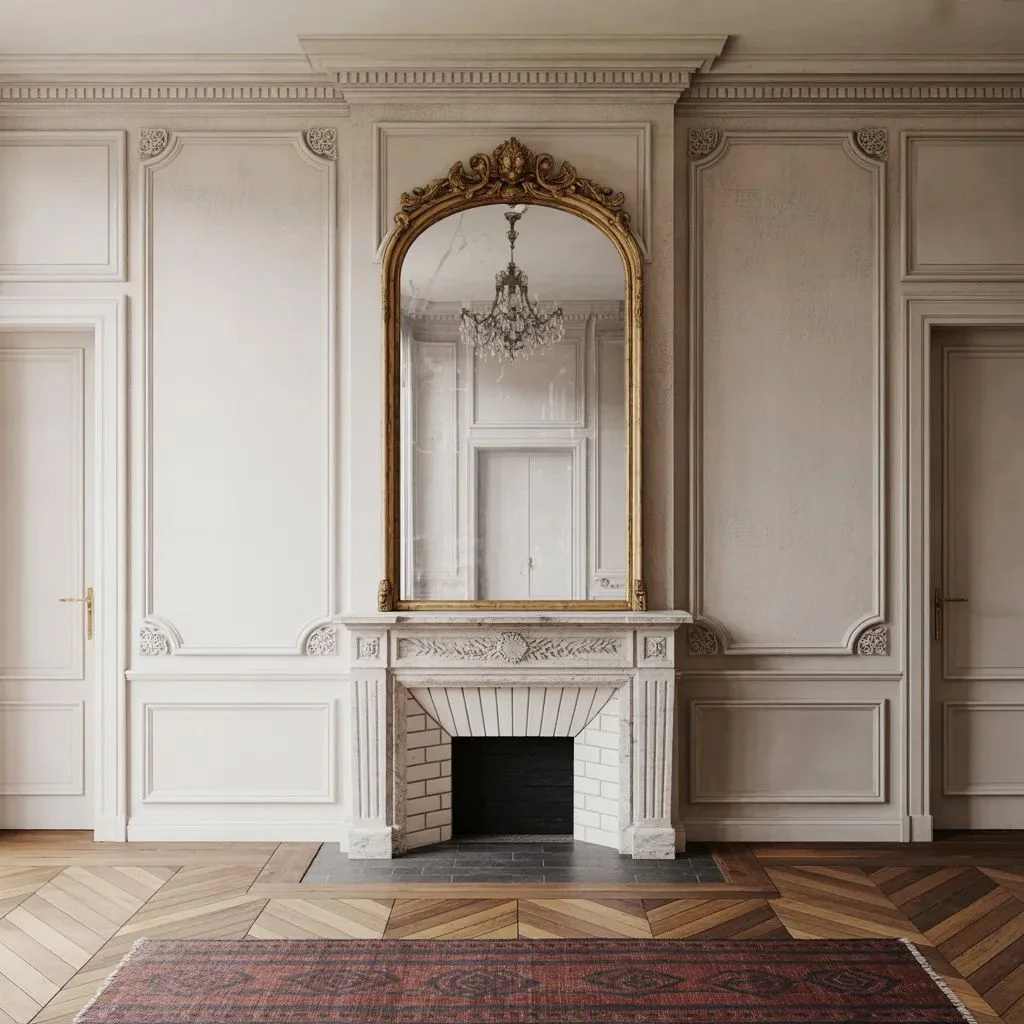
One reason French Chateau Inspired Decor feels so rich is that the walls, floors, and ceilings do a lot of the work. If you ignore the room shell and focus only on accessories, the result often feels incomplete. Start with walls that have depth. You can use panel molding, simple applied trim, limewash paint, plaster finishes, or wallpaper with a faded historic feel. The goal is to create a room that already looks architectural before furniture even enters.
French period rooms often used boiserie, mirrors, carved paneling, and balanced repetition to create harmony. Museum rooms from Paris and Grasse show how mirrors and gilded panels were used to reflect light while maintaining a carefully ordered look.
For flooring, wide wood planks, chevron or herringbone patterns, aged oak tones, limestone-look tile, and muted rugs all fit beautifully. If you have plain modern flooring, a large vintage-style rug can soften it quickly. Ceilings should stay elegant and simple. Ceiling medallions, subtle beams, or understated molding work well. You do not need every detail at once. Even one statement wall with molding and an oversized mirror can shift the whole room closer to that classic European mood.
Layer Textiles with Grace
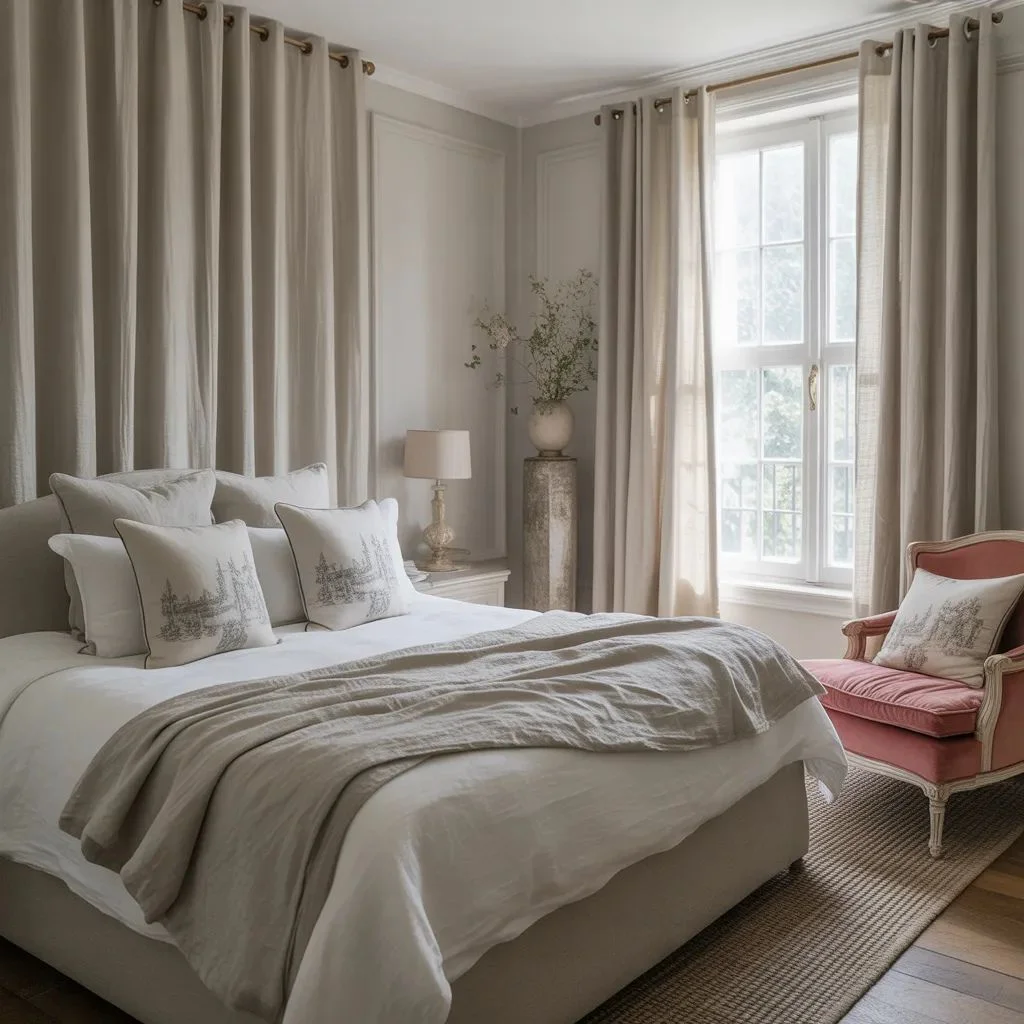
Textiles give this style its warmth. Without them, the room can feel formal but empty. With them, it starts to feel inviting and complete. Use linen, cotton, velvet, wool, and washed fabrics that drape softly. Curtains should usually hang high and full, even if the pattern is simple. Slipcovered chairs gathered bed skirts, and upholstered benches can all help soften architectural lines.
A classic pattern to use carefully is toile de Jouy. Britannica describes it as cotton or linen printed with landscapes and figures, tied to the famous Jouy-en-Josas factory founded in 1760, while The Met notes that the style became associated with monochromatic pictorial cottons favored for elegant interiors.
That said, restraint matters. One toile pillow, one floral chair, or one patterned drape panel is often enough. Pair patterned fabrics with solids so the room stays refined. Add texture through fringe, quilting, embroidery, and matelassé instead of loading every surface with print. The goal is to create a layered look that feels romantic, not busy.
Use Mirrors, Lighting and Small Details Wisely
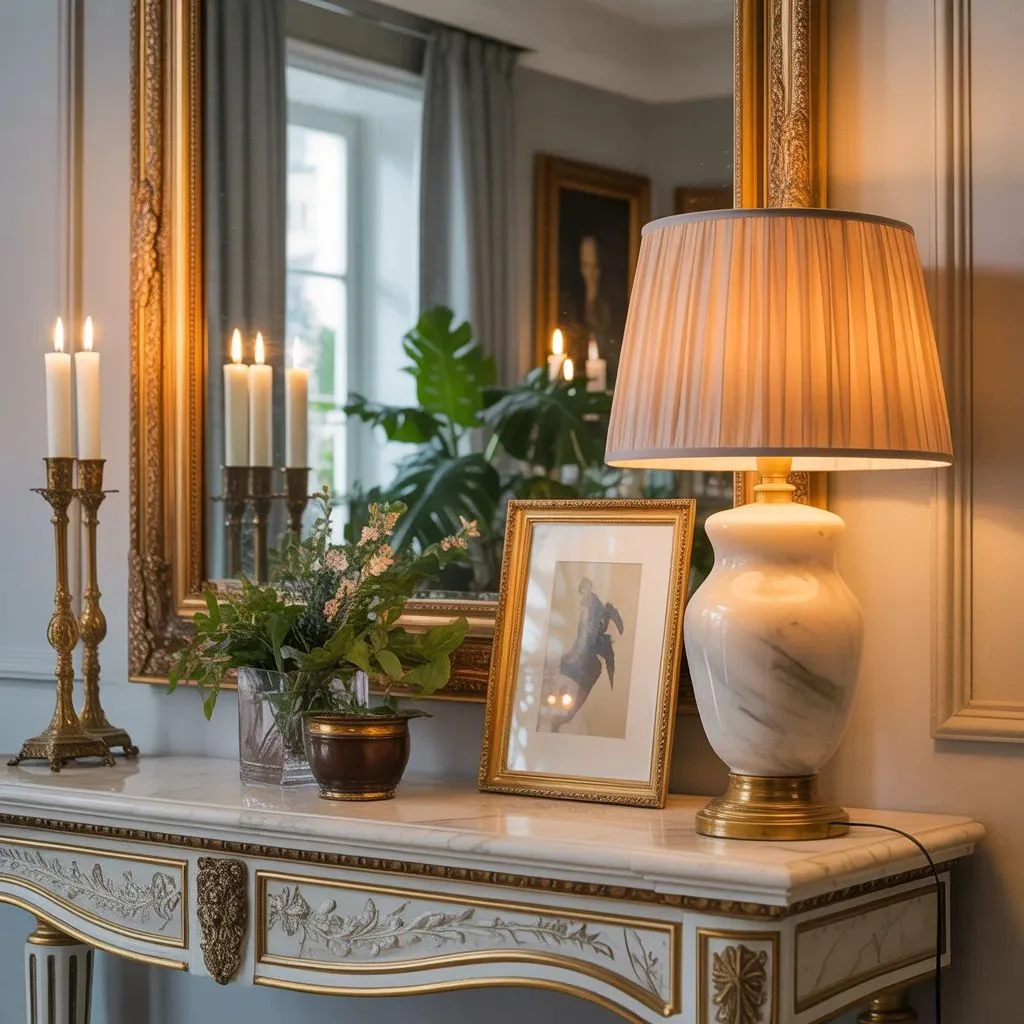
This is the section where French Chateau Inspired Decor can easily go right or wrong. The right details make the room feel timeless. Too many details make it feel staged. Start with one or two focal accessories that carry visual weight. A gilt mirror, an alabaster-style lamp, bronze candlesticks, old books, a marble bust, a ceramic urn, or a framed landscape painting can all work beautifully.
Mirrors are especially important in this style. In historic French interiors, they were not only decorative but also helped reflect limited light and make rooms feel larger. The Met’s French rooms show mirrors used within paneled walls to increase brightness and visual rhythm.
Lighting should feel warm and layered. Use wall sconces, chandeliers, buffet lamps, and table lamps with fabric shades. Skip overly bright white bulbs. In a château-inspired room, light should glow, not glare. Accessories should also leave breathing room. A console table with just a mirror, two lamps, and one vase often looks more luxurious than a surface packed with small objects. Edit often. Quiet luxury comes from confidence, not clutter.
Make It Feel Authentic in a Modern Home
Many people love French Chateau Inspired Decor but worry it will feel too formal for daily life. The good news is that the look adapts beautifully when you focus on mood instead of strict historical copying. In a modern home, you can keep clean walls and simple layouts while adding château character through furniture shape, materials, and layering.
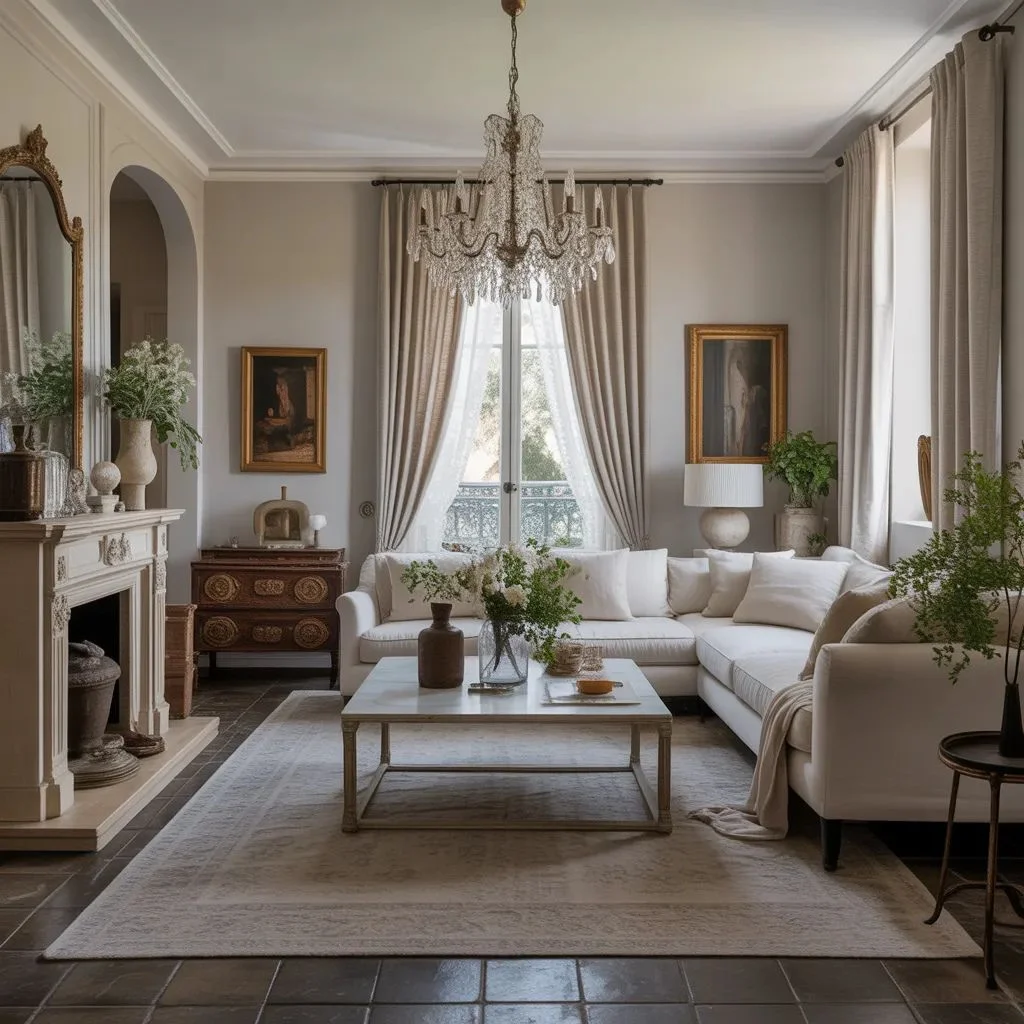
Try combining a modern sofa with antique-style side tables. Pair plain walls with one ornate mirror. Use a classic chandelier in an otherwise simple room. Add long linen curtains, a worn rug, and one carved chest, then stop. A few strong choices will usually feel more believable than turning every corner into a themed display.
This approach also helps your home stay personal. Not every room needs panel molding and gold leaf. A bedroom may need softness and fabric. A dining room may need symmetry and a statement chandelier. A hallway may only need an antique console and art. When done well, the style feels inherited, calm, and elegant. That is what gives it lasting power.
Bringing the Look Home
French Chateau Inspired Decor works best when you build it slowly. Start with the backdrop, then add furniture with shape, then layer textiles, mirrors, and meaningful objects. Do not rush to make the room look “finished.” The charm of this style comes from patience. It should feel as though each piece earned its place.
For a classic European look, remember this simple formula: soft palette, architectural detail, graceful furniture, aged finishes, layered fabrics, and thoughtful symmetry. When those essentials come together, your home feels elegant in a way that is warm, believable, and easy to live with. That is the real beauty of French Chateau Inspired Decor.
Editor Pick: New Orleans Style Courtyard Ideas Inspired by Historic Southern Homes.