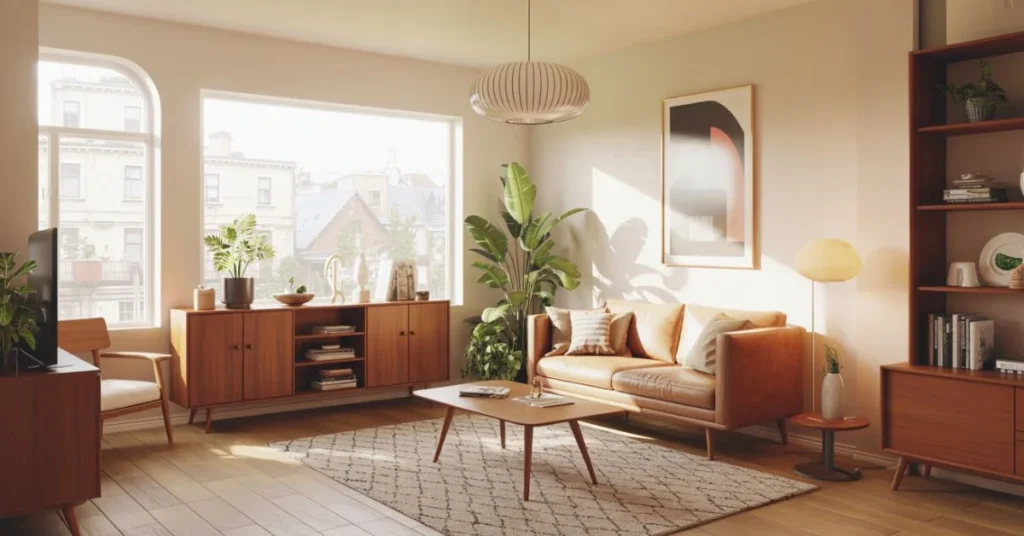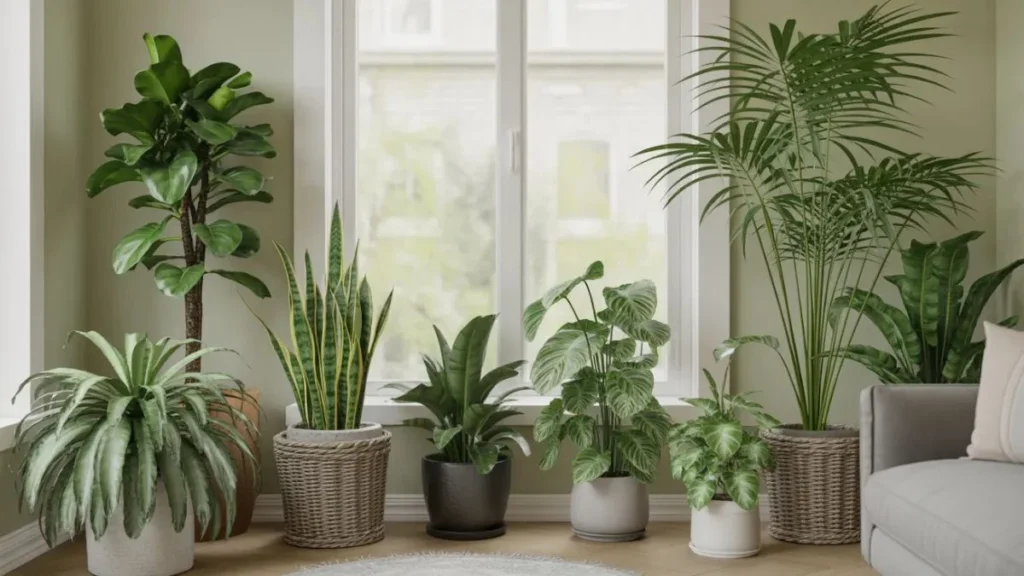
Many people look for House Plants That Purify the Air for a Healthier Home because they want a simple way to make indoor spaces feel cleaner, greener, and calmer. That idea did not come out of nowhere. NASA’s well-known 1989 research found that certain plants could reduce some indoor pollutants in sealed test settings. But later research and EPA guidance show a more realistic picture: plants can help in small ways, while source control and ventilation still do the heavy lifting in real homes.
That balanced view is the best way to approach this topic. A few healthy houseplants can add beauty, softness, and a sense of freshness to a room. Some studies in apartments and homes have found reductions in VOCs or particulate matter with certain plant setups, but the effects are usually modest compared with simply reducing pollution sources and bringing in clean outdoor air when possible. So, the smart goal is not to expect miracle air cleaning. The smart goal is to choose the right plants, keep them healthy, and let them become one useful part of a healthier home.
What these plants can really do
The biggest reason this topic gets confusing is that one famous study is often repeated without context. NASA’s original clean-air work tested plants in tightly controlled environments, not in ordinary homes with open doors, moving air, HVAC systems, cooking, dust, and daily activity. A major 2020 review translated older plant experiments into air-cleaner terms and found that matching normal building ventilation would require an impractical number of plants in most spaces. EPA guidance also says indoor air problems are best addressed with source control and adequate ventilation, and that air cleaning alone is not enough.
Still, that does not mean plants are pointless. More recent small-scale studies suggest that some common houseplants may help lower TVOCs or PM2.5 under certain conditions, especially when several plants are used together and the space is smaller or less ventilated. That makes plants a helpful support tool, not a replacement for fresh air, clean filters, and low-emission products. In plain words, House Plants That Purify the Air for a Healthier Home are best treated as a smart addition to a healthy indoor routine, not the whole solution.
How to choose the right plants for each room
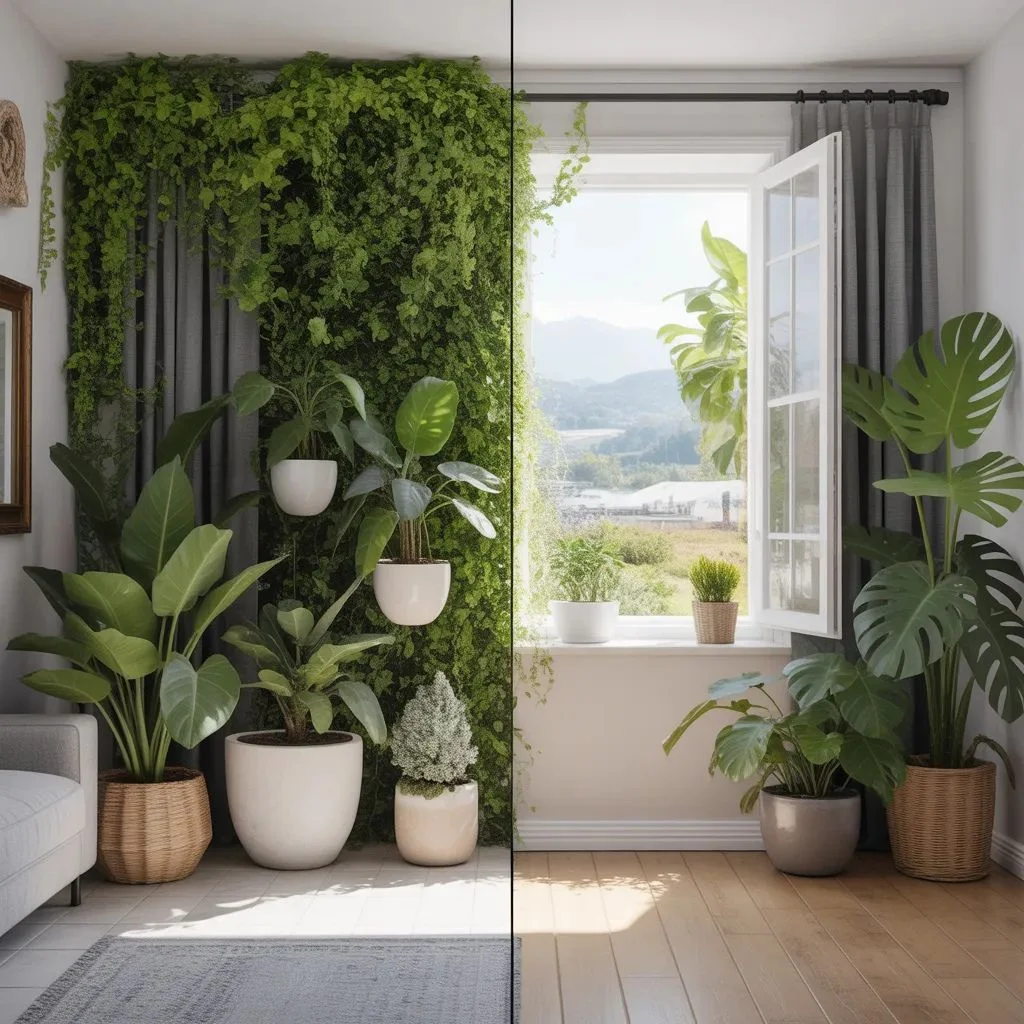
The best plant is not always the one with the strongest “air-purifying” reputation. It is the one that will stay alive in your room. A dark hallway needs a different plant than a sunny window. A busy family room needs something forgiving. A home with cats or dogs needs extra care, because some of the most popular indoor plants are toxic to pets. That is why it helps to think about light, watering habits, room size, and pet safety before you buy anything.
Try to match the plant to the lifestyle of the room. Bedrooms and offices usually do well with upright plants that need little attention. Shelves and hanging corners look better with trailing plants. Bathrooms or shaded corners often suit plants that enjoy warmth and softer light. If you are a beginner, choose easy-care varieties first. If you have pets, give priority to non-toxic options like spider plant or areca palm. That simple planning step makes House Plants That Purify the Air for a Healthier Home much more practical in daily life.
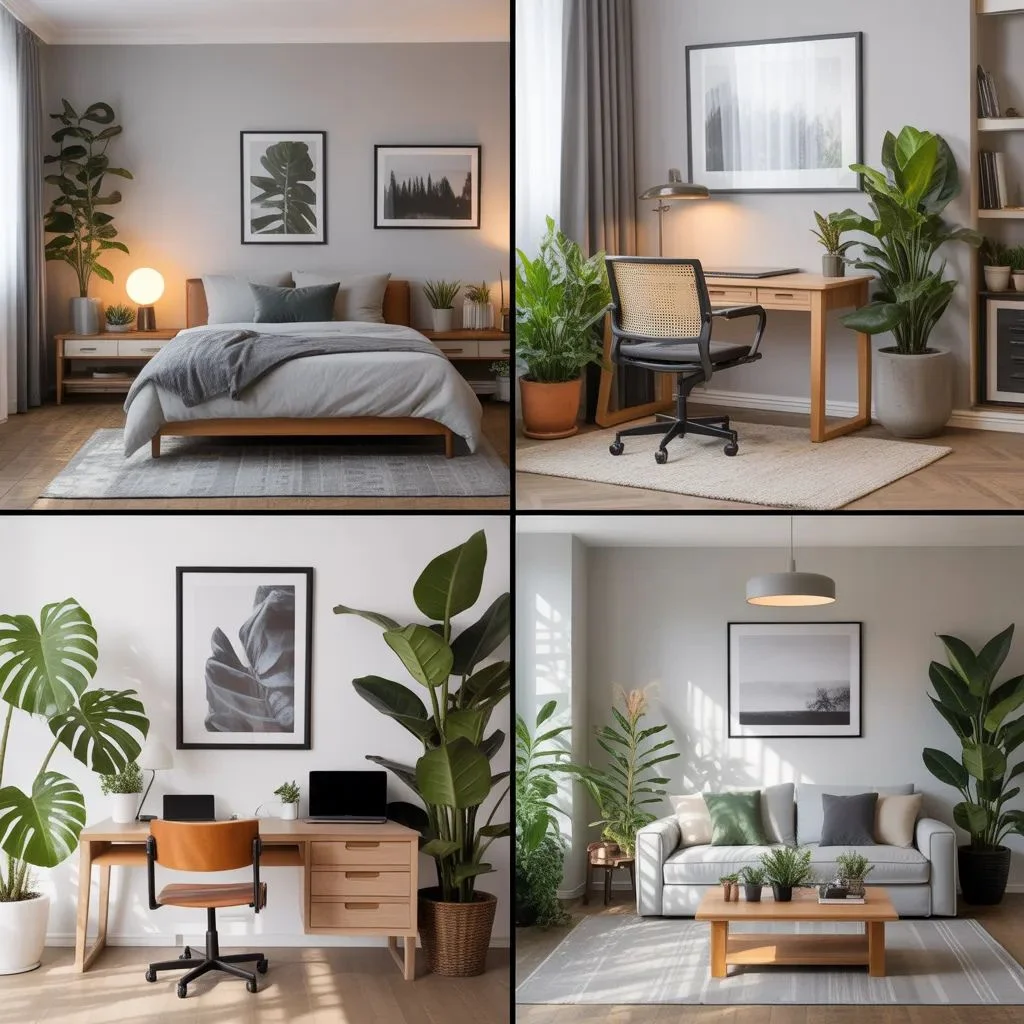
The easiest starters: Spider Plant and Pothos
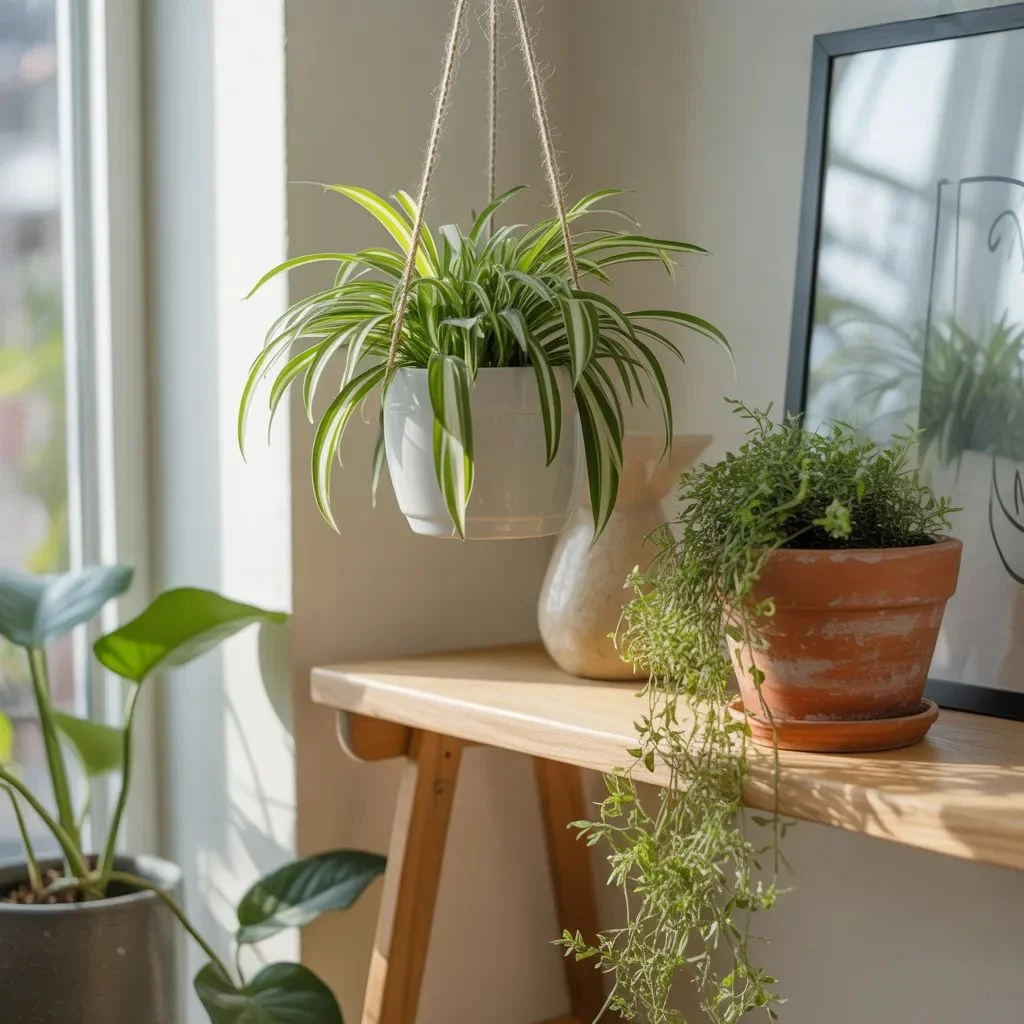
If you want an easy first step, start with the spider plant. It is one of the most forgiving indoor plants around. NC State notes that spider plants do well in bright indirect light, like moist but well-drained soil, and suffer when left waterlogged or scorched by direct sun. They also produce baby plantlets, which makes them fun to grow and share. For pet owners, this is one of the safest popular options, since ASPCA lists spider plant as non-toxic to cats and dogs.
Pothos is another beginner favorite because it grows fast, trails beautifully, and handles less-than-perfect conditions. NC State describes it as very easy to grow, happy in bright indirect light, and able to survive in low light for long periods, as long as the potting mix drains well and dries between waterings. It is excellent for shelves, bookcases, and hanging planters where you want soft green movement. The one caution is pets: ASPCA lists golden pothos as toxic to cats and dogs because of insoluble calcium oxalates.
Together, these two plants give you a lot of design value with little stress. Spider plant is great for a light kitchen corner or hanging basket. Pothos works beautifully in living rooms, entry tables, and home offices where a trailing vine adds life to hard edges. For many homes, these are the most realistic starting point for House Plants That Purify the Air for a Healthier Home because they are affordable, easy to replace, and simple to maintain.
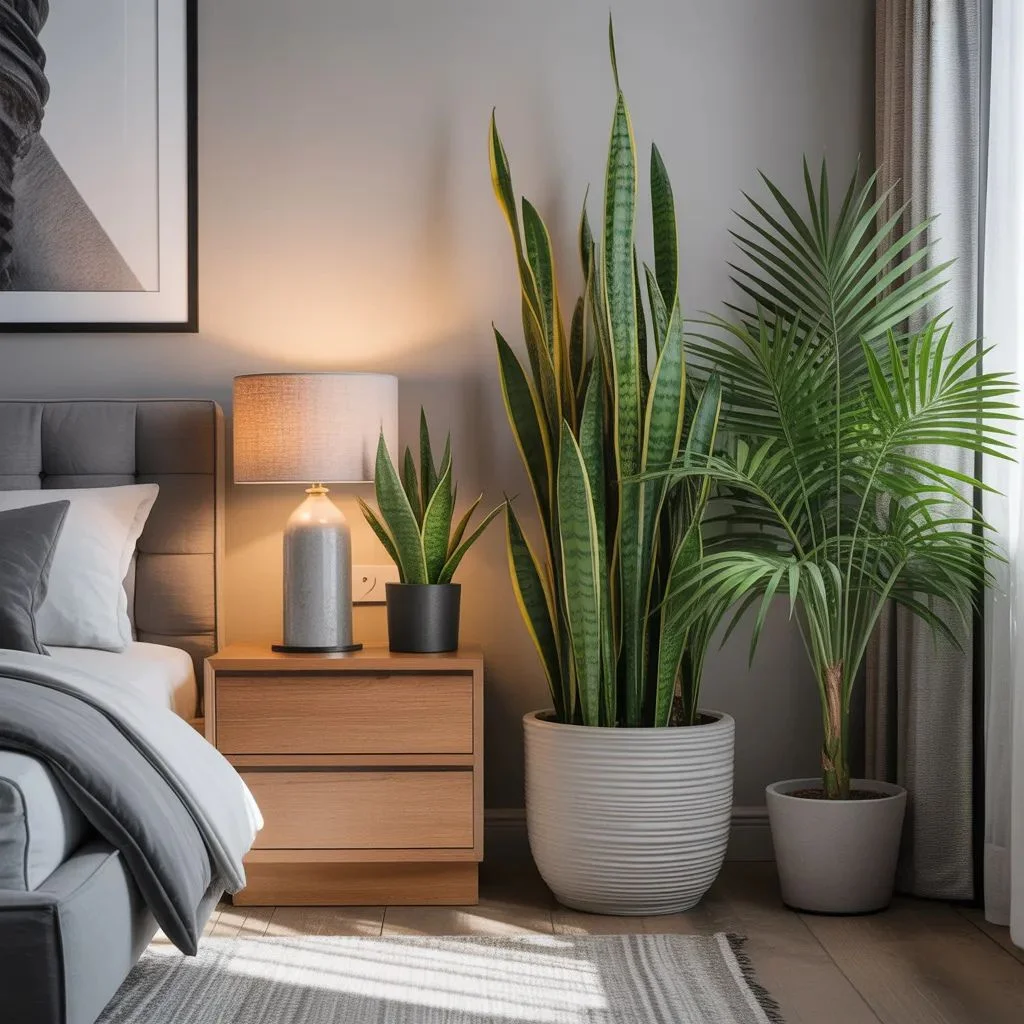
Strong shapes for bedrooms and offices: Snake Plant, Dracaena, and Areca Palm
Snake plant remains popular for good reason. It has a clean, upright look that suits modern spaces, and NC State describes it as durable, low-maintenance, and tolerant of very low light. It needs well-drained soil and careful watering, with the soil drying between waterings and even less water in winter. This is the plant for people who forget to water now and then. But it is not a pet-safe choice. ASPCA lists snake plant as toxic to both cats and dogs.
Dracaena is another strong pick for offices and corners that need height without fuss. NC State says dracaena prefers bright, indirect light, moist but well-drained potting mix, and the top inch of soil should dry before the next watering. It is also sensitive to salts, chlorine, and fluoride in tap water, so filtered water can help prevent brown tips. Like snake plant, though, dracaena is toxic to pets according to ASPCA.
If you want the same sculptural effect with a softer, tropical feel, the areca palm is a strong alternative. Clemson notes that areca palms do best in bright indirect sunlight and warm indoor temperatures, while ASPCA lists them as non-toxic to cats and dogs. They need more room than smaller houseplants, but a healthy areca palm can make a living room or sunny office feel instantly fresher and more relaxed. This makes it one of the best family-friendly choices among House Plants That Purify the Air for a Healthier Home.
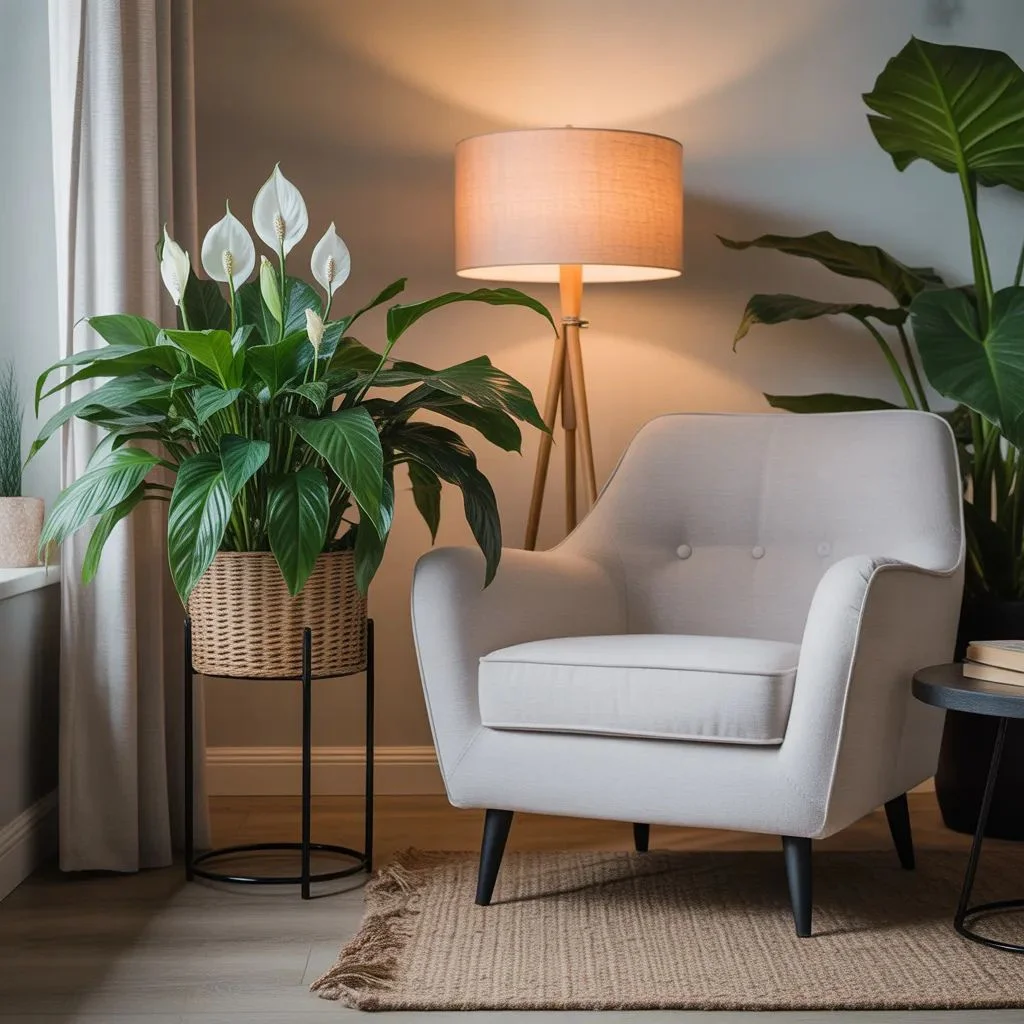
A softer look for calm corners: Peace Lily and leafy low-light favorites
Peace lily is often recommended in “air-purifying plant” lists, and it is easy to see why. It looks graceful, handles lower light than many houseplants, and gives you both glossy leaves and white blooms. NC State says peace lilies prefer partial to deep shade, warm conditions, and soil that stays moist but not soggy. They also respond well to regular leaf cleaning, which helps the plant look better and discourages indoor pests.
This is the kind of plant that works especially well in reading corners, bedrooms with filtered light, and bathrooms that stay warm. It has a calmer visual effect than spiky plants and helps soften a room with lots of hard surfaces. But there is an important warning here: ASPCA lists peace lily as toxic to both cats and dogs, with oral irritation and drooling among the common signs if chewed. So it is best placed well out of reach in homes with curious pets.
If you want the same soft green mood without that pet concern, go back to spider plant or consider a pet-safe palm. The key idea is simple: the best plant for air-friendly living is one that suits the room and the people in it. When chosen carefully House Plants That Purify the Air for a Healthier Home do more than decorate. They make spaces feel lived-in, cared for, and easier to enjoy every day.
Placement and care habits that help the whole room feel fresher
Plants work best when they are healthy, clean, and placed where they can actually grow. Put low-light tolerant plants in darker corners, but place brighter-light plants near east-, west-, or filtered south-facing windows as needed. Avoid crowding every plant into one corner just for style. Spread them through the home where they fit the light and where you spend the most time, such as the living room, home office, or bedroom. That gives you a more natural look and makes routine care easier.
Just as important, do not ignore the basics of indoor air quality. EPA guidance is clear that reducing pollution at the source and improving ventilation matter more than plants alone. Choose lower emission products when possible, avoid overusing strong chemical sprays indoors, replace HVAC filters on schedule, and open windows when outdoor air is suitable. Plants fit into that picture nicely, but they should sit beside those habits, not instead of them.
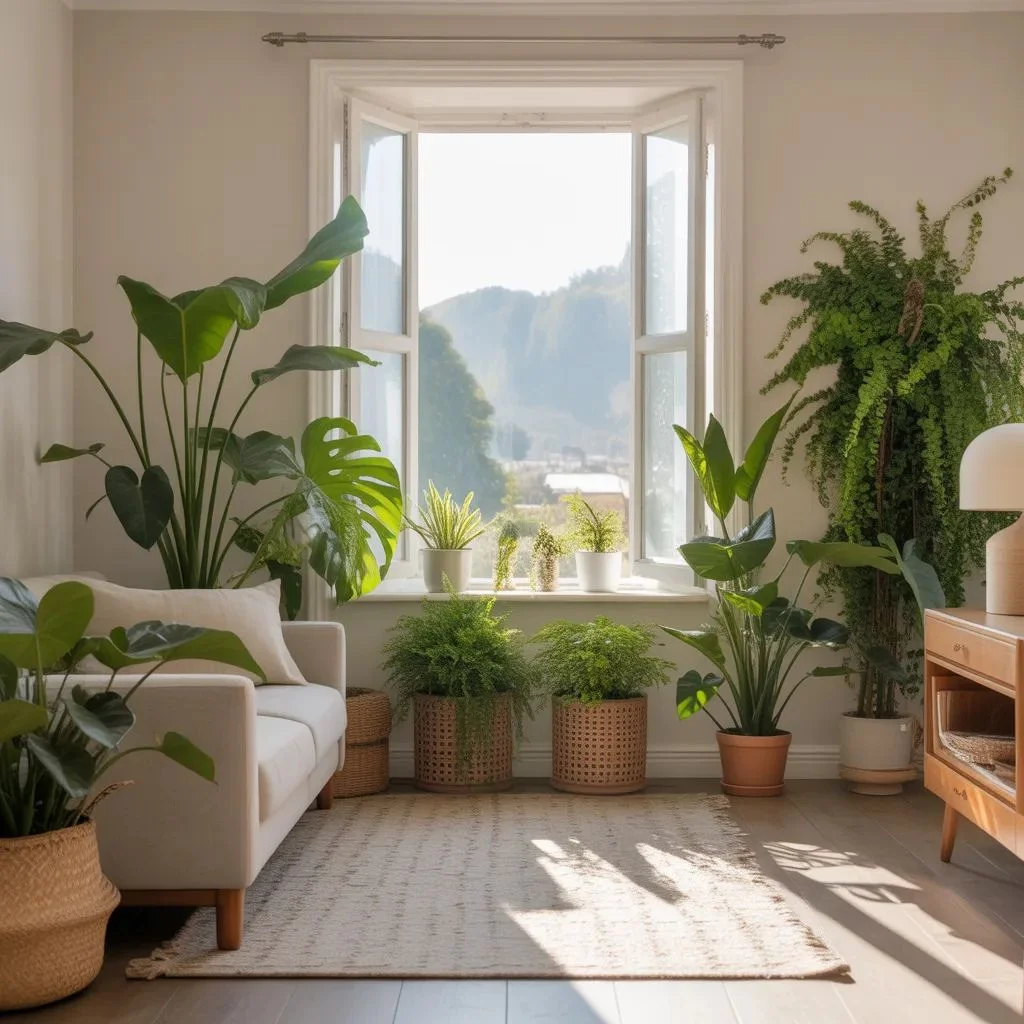
Bringing it all together
The best version of this idea is the honest one. Plants can support a healthier-feeling home, and some studies suggest they may help reduce certain indoor pollutants in specific settings. At the same time, the strongest evidence says real-world air quality still depends much more on source control and ventilation. So, build your plant collection with both beauty and realism in mind.
Choose one or two easy plants first, place them where they will thrive, and let them grow with your home. That is the most practical way to use House Plants That Purify the Air for a Healthier Home. You get greener rooms, a calmer mood, and a healthier routine without expecting plants to do a job they were never meant to do alone.
Our Pick: Apartment Decoration With Plants Ideas to Make Small Spaces Feel Alive.
FAQs
Do houseplants really clean indoor air?
Yes, but only to a limited extent in normal homes. NASA’s original work showed pollutant removal in sealed settings, while later reviews and EPA guidance say the effect is much smaller in real buildings and does not replace ventilation or source control.
Which houseplants are easiest for beginners?
Spider plant, pothos, and snake plant are among the easiest to keep alive. Spider plant and pothos are especially beginner-friendly, while snake plant is famous for tolerating missed waterings.
Which options are safer for homes with pets?
Spider plant and areca palm are safer choices because ASPCA lists them as non-toxic to cats and dogs. Pothos, peace lily, snake plant, and dracaena are all listed as toxic to pets.
How many plants should I keep in one room?
There is no magic number. A few healthy plants are enough to improve the look and feel of a room. For actual air quality, ventilation and source control still matter more than adding more pots.