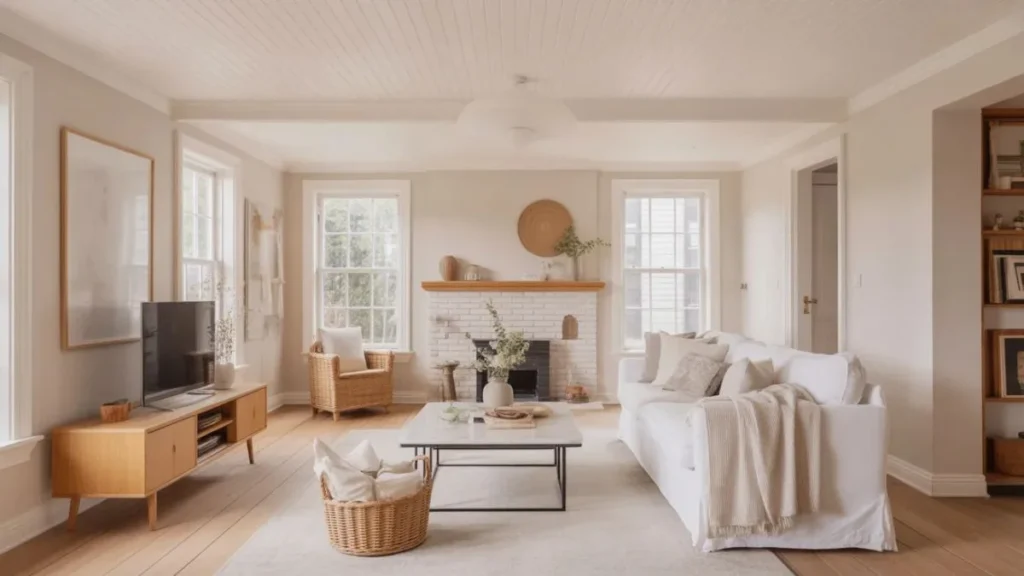
A plain ceiling can make a whole room feel unfinished, even when the walls, floor, and furniture look good. That is why low cost wood ceiling ideas work so well. They add warmth, texture, and character without forcing you into a full renovation. Current retailer guides also show that budget-friendly ceiling options now come in several forms, including beadboard panels, plywood-style panels, faux-wood planks, and even wood-look systems that install right over an existing surface. Lowe’s notes that many ceiling coverings can go directly over drywall or joists if the ceiling is sound, which makes this type of project more realistic for DIY homeowners.
The good news is that you do not need expensive hardwood boards to get the look. At the time of writing, one Home Depot MDF beadboard panel is listed at $22.78 for a 4-by-8 sheet, Cape Cod MDF beadboard planks are listed at $1.65 per square foot, and Armstrong WoodHaven beadboard planks are listed around $5.11 per square foot. That spread shows the real budget lesson: the look can stay similar while the material cost changes a lot. Your smartest move is to match the product to the room, your skill level, and the finish you want. Prices and availability can vary by market, so use these as planning examples rather than fixed quotes.
Why a Budget Wood Ceiling Can Look Custom
One reason low cost wood ceiling ideas feel so effective is that the ceiling covers a large visual surface. Even a simple panel pattern can change the mood of the room. Lowe’s says wood slats and plank ceilings add depth and style, and their DIY plank ceiling guide estimates some ceiling projects can stay under $1000 depending on room size and product choice. That makes ceiling upgrades a strong value project compared with major structural remodelling.
Budget projects also work best when the installation is simple. According to Lowe’s, some plank ceilings can be installed with tracks, while others can be adhered directly to a flat, sound ceiling. The guide also recommends buying about 10 percent extra for cuts and waste. That small planning step matters because ceiling work usually involves trimming around lights, edges, and vents. In other words, the most affordable ceiling is not always the cheapest board. It is the system that gives you a good finish with the least waste, least prep, and least frustration.
Use Full Beadboard Panels for Quick Coverage
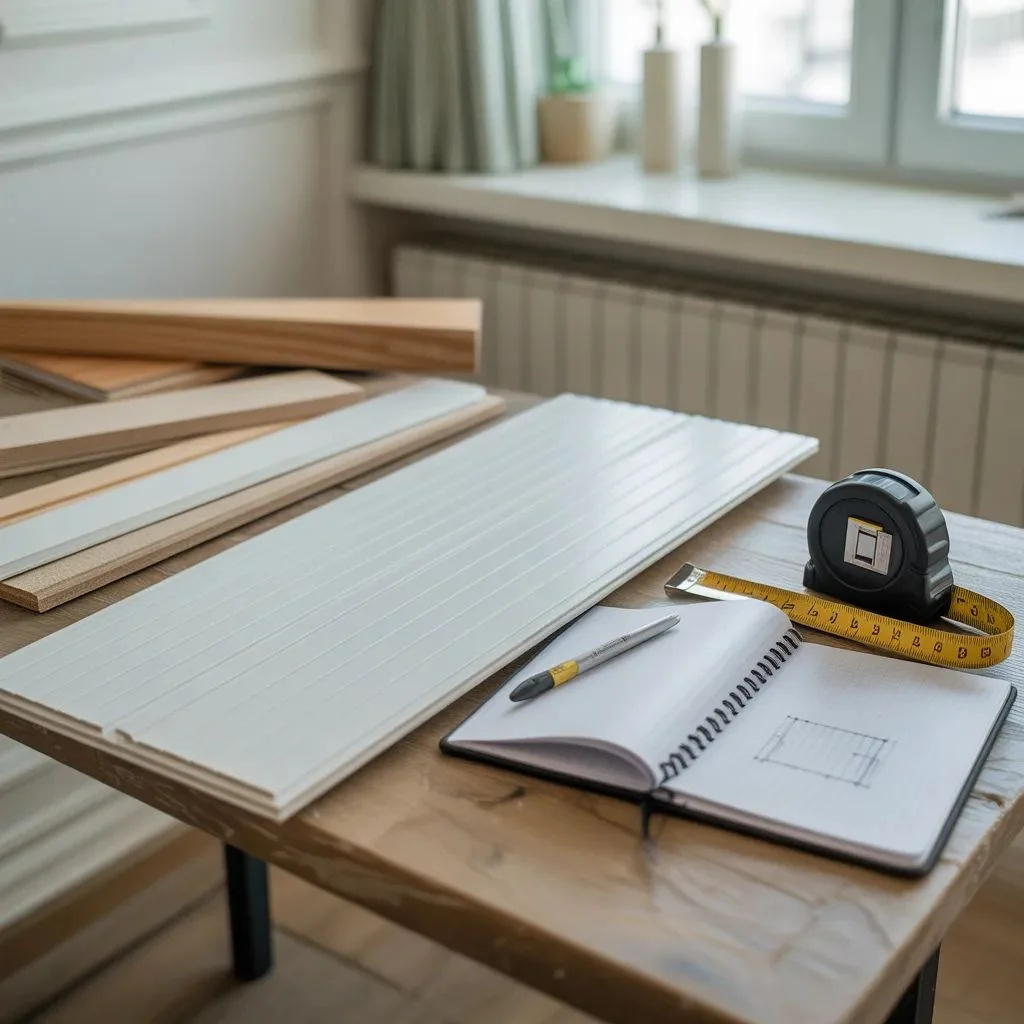
If you want classic cottage style on a tight budget, beadboard is one of the best places to start. This Old House explains that beadboard is used on walls and ceilings and now comes in wood, MDF, and PVC. That range matters because it gives you several price and performance levels without changing the overall look too much. Beadboard also works especially well in bedrooms, hallways, laundry areas, breakfast nooks, and porches because the repeating grooves make the ceiling feel finished and intentional.
For many homes, sheet-style beadboard is the easiest entry point into low cost wood ceiling ideas. A large panel covers more area quickly, which means fewer seams and less labor. If you paint it white or a warm cream, it can brighten the room and hide the fact that the material itself was inexpensive. If you want a little more character, finish the seams with narrow trim strips so the ceiling looks built in instead of basic. This approach is especially smart when you are covering an older textured ceiling and want a clean reset without spending custom-plank money.
Try Plywood Bead Panels for Rustic Texture
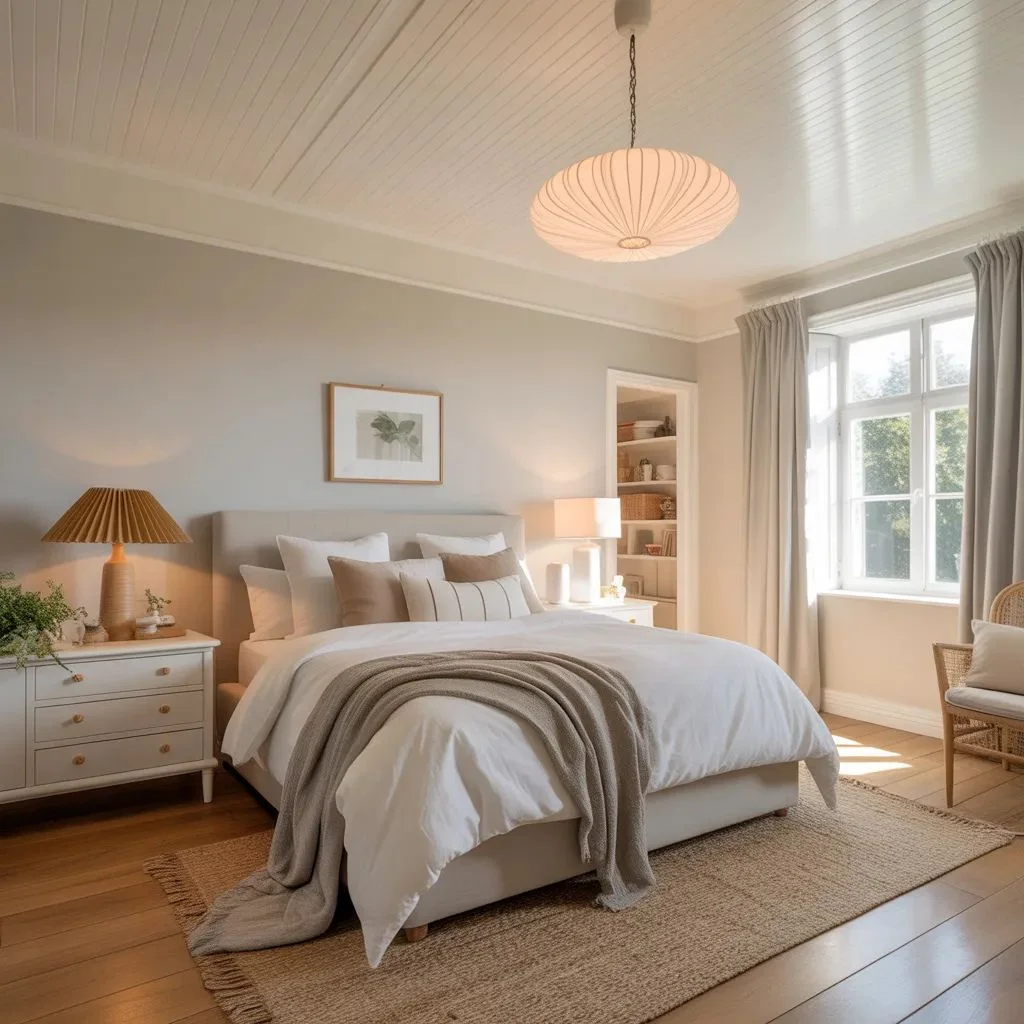
Plywood bead panels are a strong choice when you want more wood character than standard MDF but still want fast coverage. Home Depot lists Ply-Bead plywood panels for decorative use and notes that they are lightweight, durable, and suitable for covered and protected ceiling or soffit applications. That makes them useful for farmhouse, cabin-inspired, or casual family-room ceilings where a little texture is welcome.
This is one of the most practical low cost wood ceiling ideas if you like a natural or stained finish. Instead of installing many narrow boards, you cover a big section at once and then use trim battens or slim strips to hide joints and create rhythm across the ceiling. The result can look surprisingly custom, especially in long rooms like hallways or narrow dining spaces. You can leave the grain visible for warmth, stain it a little darker for a rustic look, or paint it for a softer style. The biggest advantage is that the panel gives you wood texture without demanding the time and cost of full tongue-and-groove installation.
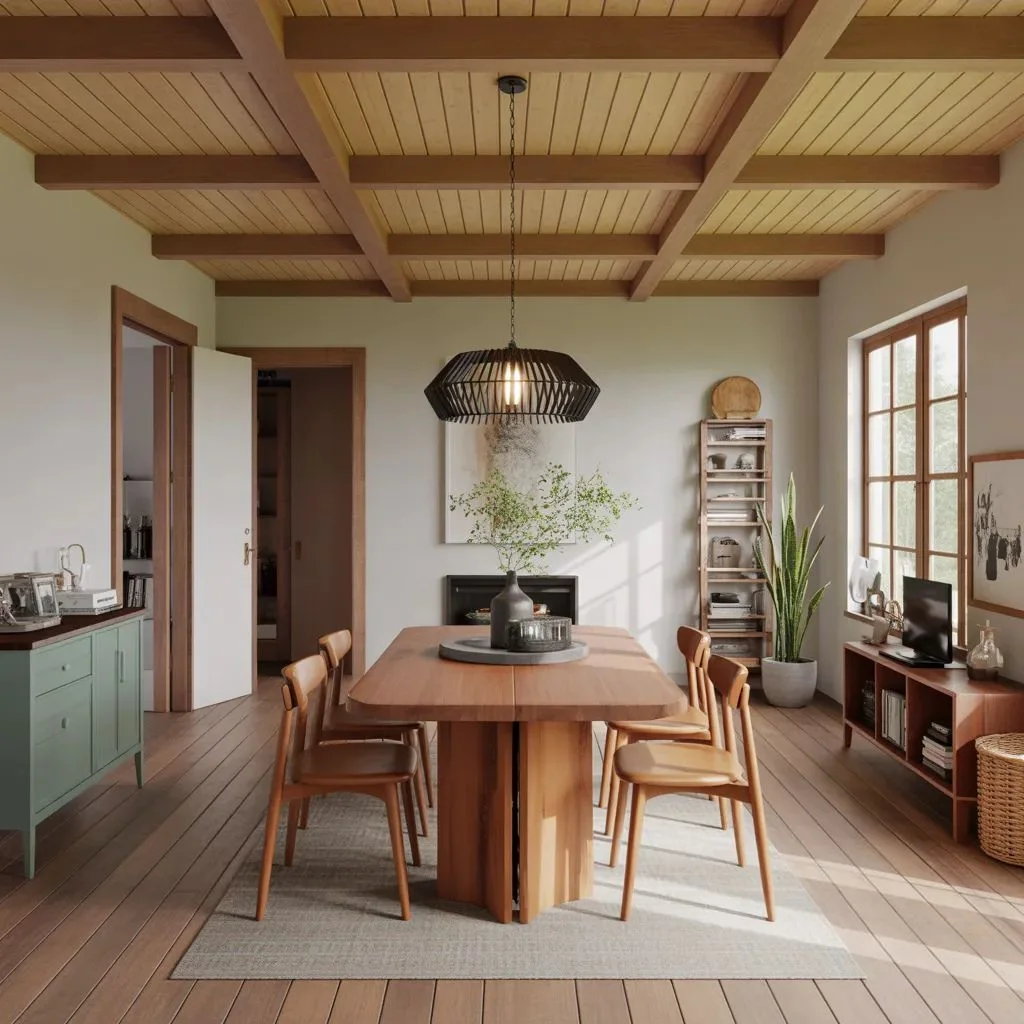
Choose Simple Tongue and Groove Planks Where Finish Matters
When you want the neatest finished look, tongue-and-groove or faux-wood planks are worth considering. Lowe’s says plank ceilings are available in different materials and finishes, and they can be installed with a grid system or attached directly to the existing ceiling. Their guide also points out that faux-wood ceiling panels are designed for ceiling use, which can make installation easier than trying to repurpose flooring.
This option usually costs more than sheet beadboard, but it often gives a cleaner result with less finishing work after installation. Current retailer examples show Armstrong WoodHaven planks around $4.80 to $5.11 per square foot, which puts them above basic panels but still below many custom wood ceilings. I like this route for small living rooms, entryways, offices, or one feature room where you want the ceiling to feel polished from day one. If your budget is tight, use planks only in the main visible section of the home and choose a simpler painted ceiling in secondary rooms. That keeps the look elevated without spreading the cost everywhere.
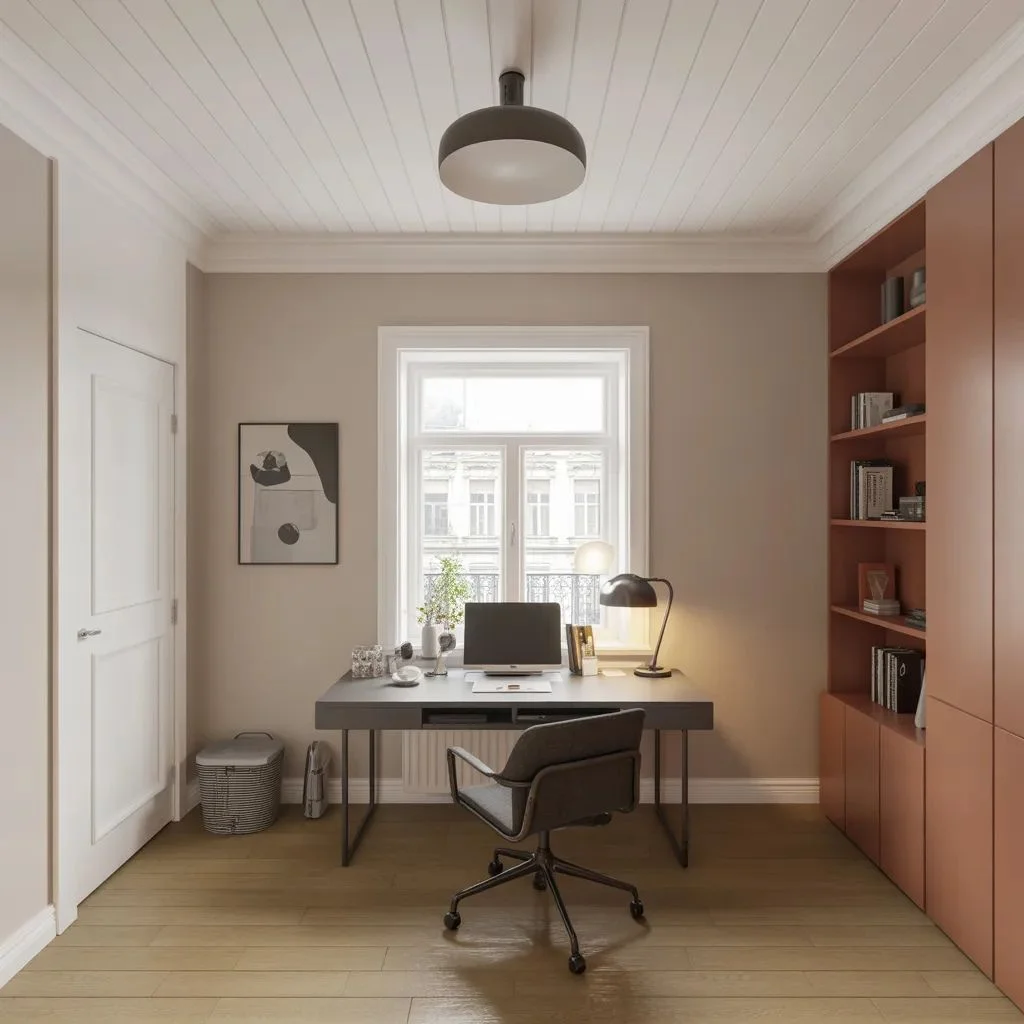
Fake the Custom Look With Faux Beams
Not every budget makeover needs full ceiling coverage. Sometimes the smartest design move is to leave most of the ceiling plain and add just enough wood detail to create depth. Lowe’s notes that faux ceiling beams can be attached to ceiling studs for warmth and texture, and they work especially well when you want architectural interest without rebuilding the whole ceiling.
This is one of my favorite low cost wood ceiling ideas for homes with average ceiling height because it gives a custom feel while controlling material use. You can pair faux beams with a painted drywall ceiling, a beadboard field, or even a simple white ceiling that needs more personality. In a living room, three to five evenly spaced beams can completely change the room. In a kitchen, a single beam line can visually define an island or dining area. The budget advantage is simple: instead of paying to cover every square foot with wood, you use wood only where the eye notices it most.
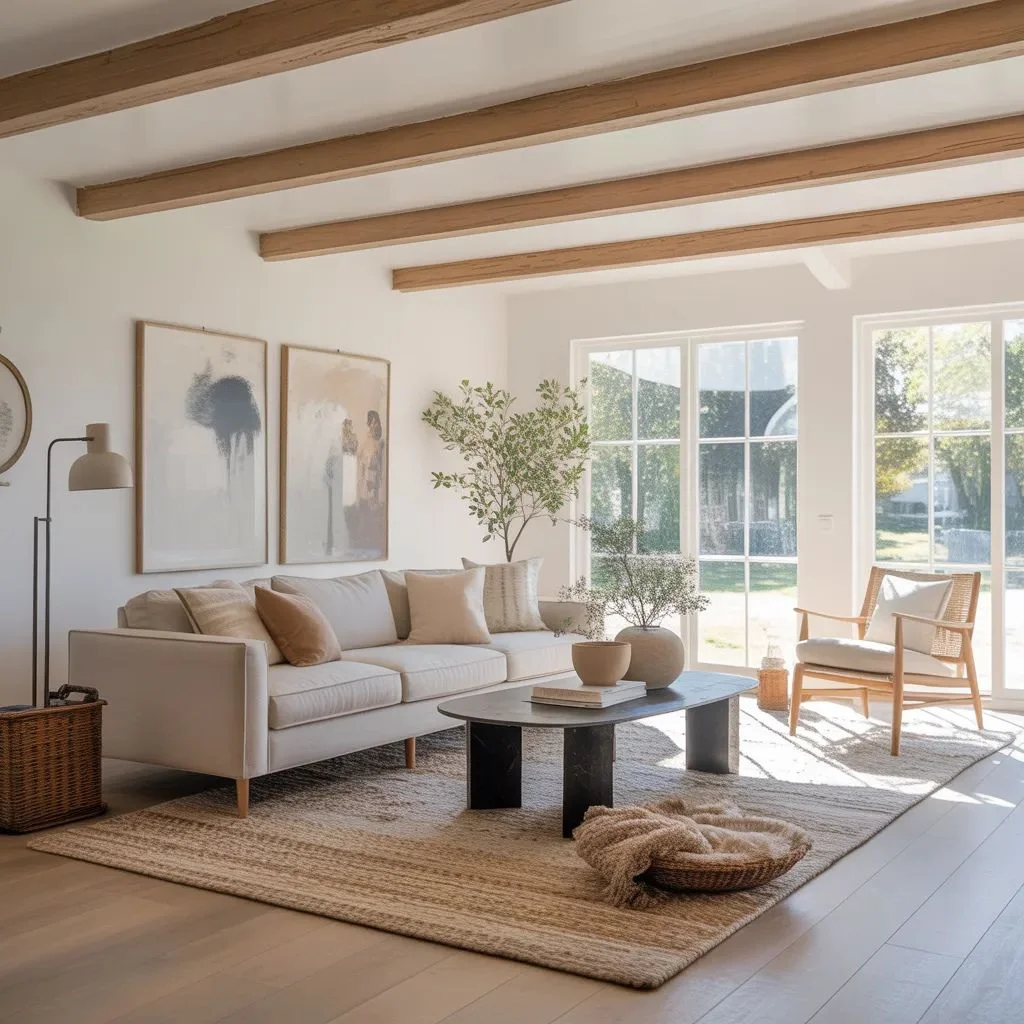
Paint or Whitewash to Stretch Cheaper Materials
Finish plays a huge role in how expensive a ceiling feels. Lowe’s says paint is one of the easiest and most affordable ways to transform a room, and lighter ceilings can help a space feel brighter and more open. Their plank ceiling guide also notes that darker plank ceilings in lower rooms can make the space feel smaller and cozier, while lighter finishes reduce that effect.
That is why painted or whitewashed ceilings belong in almost every list of low cost wood ceiling ideas. A basic MDF panel can look much more refined after primer, paint, and matching trim. A lower-cost pine or plywood ceiling can feel softer and more modern after a whitewash that lets some grain show through. If you want a clean coastal or cottage look, paint is your friend. If you want warmth without heaviness, try a light oak stain or diluted white finish. Good finishing can make average material look intentional, while poor finishing can make even better material look cheap.
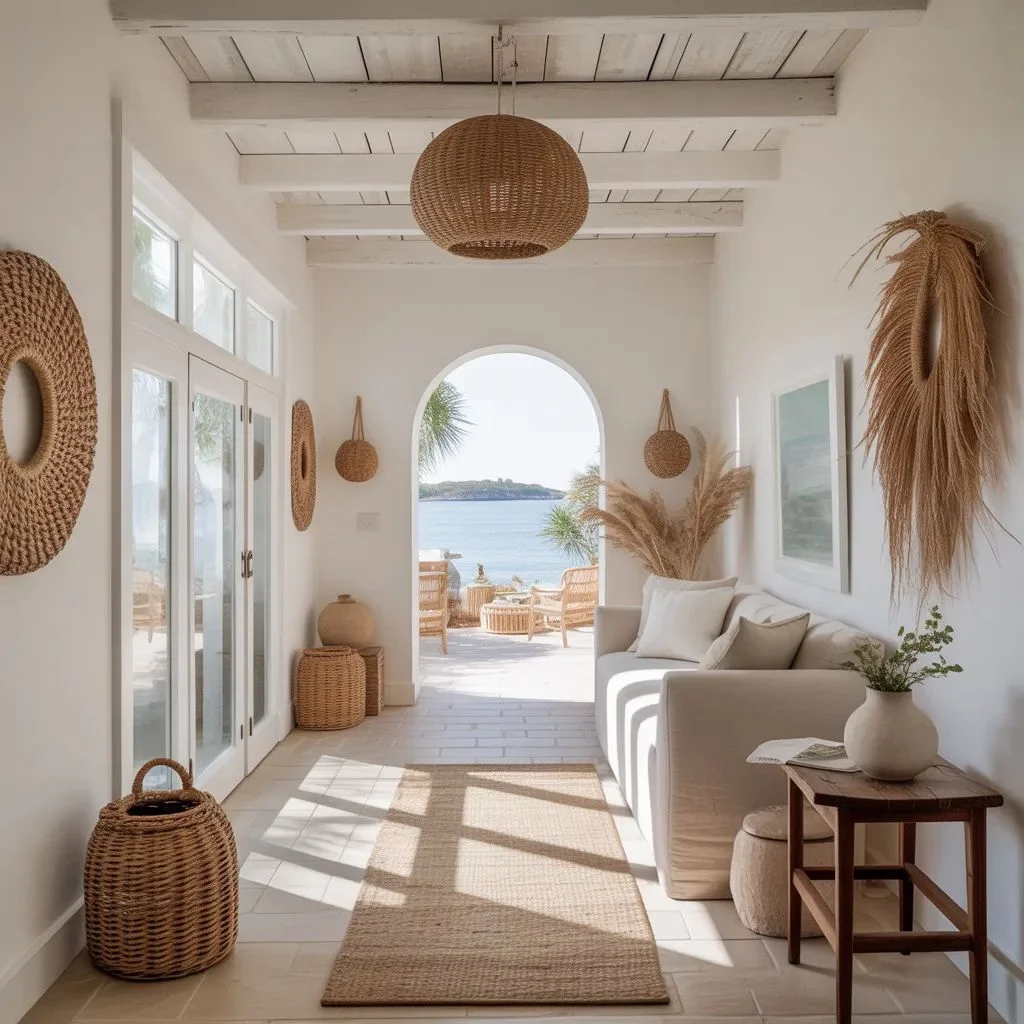
Match the Material to the Room
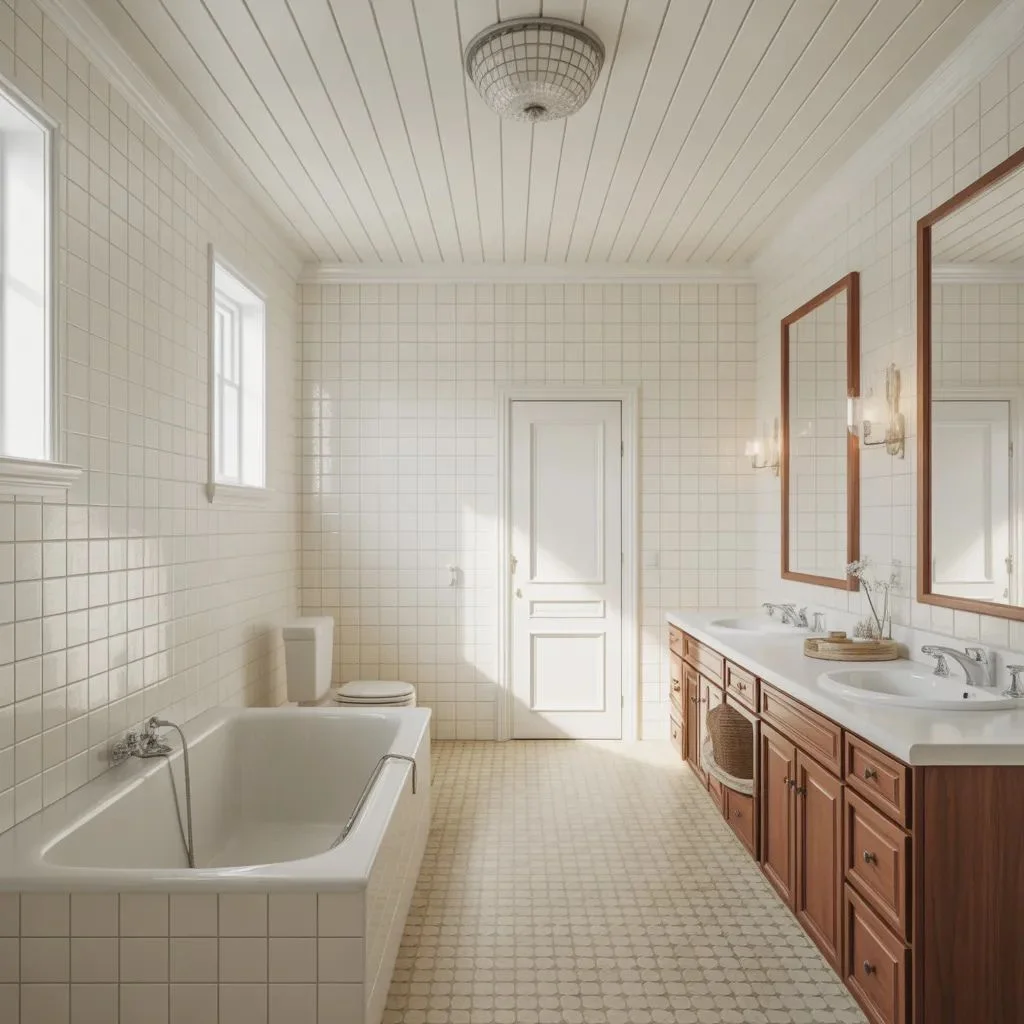
The cheapest material is not always the best choice in every space. This Old House says MDF beadboard is stable and smooth but not as moisture resistant as other options, while PVC beadboard has excellent moisture resistance and is better suited to bathrooms, basements, and other damp areas. Lowe’s also notes that for humid environments, you should choose products suited to higher moisture and let materials acclimate before installation.
So if you are planning low cost wood ceiling ideas room by room, use that logic to protect your budget. In a bedroom or hallway, MDF beadboard can be a very smart value choice. In a bathroom, basement, or laundry room, a moisture-friendly option is the safer move because replacement costs more than choosing the right product the first time. For a living room or dining room, you have more freedom to choose by appearance, since the room is usually drier and more visible. Good design is not about forcing the same board into every space. It is about putting the right ceiling in the right room so the makeover lasts.
How to Keep Your Ceiling Makeover on Budget
A beautiful result usually comes from restraint, not from adding more and more detail. Start by measuring the ceiling carefully, then decide whether you want full coverage, one feature zone, or a simple beam layout. Lowe’s recommends multiplying the room’s square footage by the product price and adding 10 percent for waste and trimming. They also note that product cost, room size, labor, and extra materials such as adhesive, trim, and clips all affect the final number.
The smartest budget trick is to spend where the eye lands first. Use better planks in the entry, living room, or dining room if those are the spaces guests see most. Use more affordable panels in bedrooms, hallways, or utility spaces. Keep your trim profile simple. Repeat one finish throughout the house so the design feels connected. And do not ignore prep: a track system can help cover damaged ceilings with less surface prep, while adhesive methods need a flatter substrate. When you plan the installation around the condition of the existing ceiling, you avoid the kind of hidden repair costs that ruin a budget makeover.
A Warm Finish Without the Big Price Tag
The best low cost wood ceiling ideas are not about copying luxury homes board for board. They are about creating warmth, rhythm, and character with materials that fit your room and your budget. Beadboard sheets work when you need quick coverage. Plywood bead panels bring more grain and texture. Faux-wood planks deliver a polished feature-ceiling feel. Faux beams add drama with less material. And the right paint or whitewash can make a modest product look far more expensive than it really is.
If you want the safest route, start with one small room and test the look there. A guest bedroom, hallway, breakfast nook, or powder room is often enough to prove how much a ceiling can change the whole mood of a home. Once you see that difference, planning the next room gets much easier.
Recommended: Best Ways to Install Fake Beams on Ceiling on a Budget.
FAQs
What is the cheapest wood ceiling option?
In many cases, sheet-style beadboard or MDF beadboard panels are among the lowest-cost ways to get a wood-look ceiling because they cover large areas quickly and keep labor simple. Current Home Depot examples show very budget-friendly beadboard panel pricing compared with more finished plank systems.
Can I use MDF on a bathroom ceiling?
It is better to be careful. This Old House says MDF beadboard is not as moisture-resistant as other options and may not suit high-humidity areas, while PVC beadboard is a better fit for damp spaces like bathrooms and basements.
Do wood ceilings make a room look smaller?
They can, depending on the ceiling height and finish. Lowe’s says dark plank ceilings in lower rooms can make the space feel smaller and cozier, while lighter finishes help reduce that effect and keep the room feeling more open.