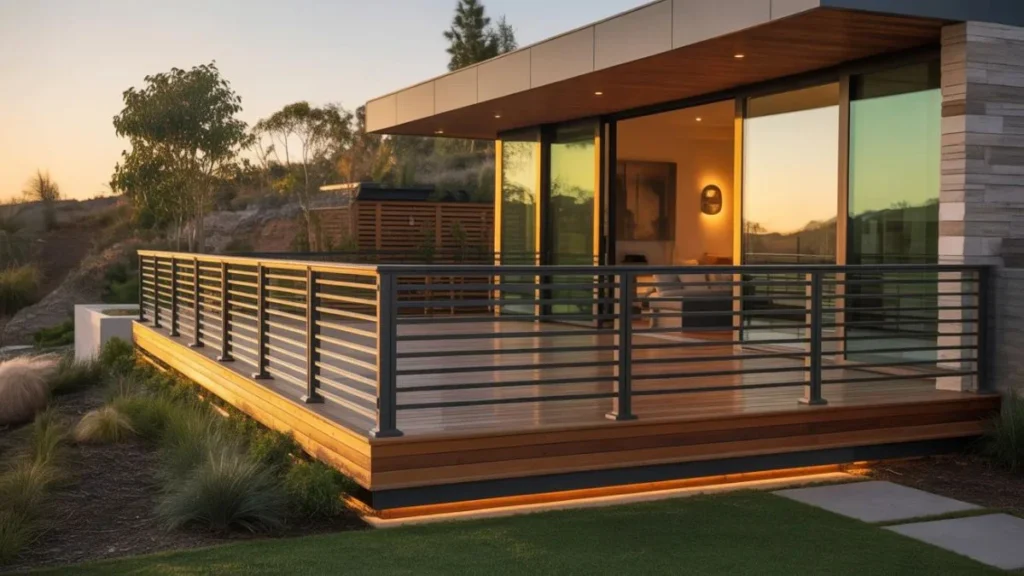
A good railing does more than keep a deck safe. It frames the view, shapes the mood of the space, and can make an ordinary backyard feel far more finished. It also has real safety value: in many U.S. homes, guards are required once a deck is more than 30 inches above grade, with common minimum height rules around 36 inches and baluster openings no larger than 4 inches, though local codes can be stricter.
That is why the best Deck Railings are never an afterthought. They should match the house, fit the view, and be realistic about maintenance. Some homeowners want the warmth of wood, while others prefer powder-coated aluminium, composite, glass, cable, or mesh for a cleaner and lower-maintenance finish.
Why Deck Railings deserve more attention
When people plan a deck, they often focus on board color, furniture, and lighting first. But railing is the detail that sits at eye level. It is the part you notice from the yard, from inside the house, and from the street. A railing can make a deck feel modern, classic, coastal, rustic, or upscale depending on the material and profile you choose.
It also affects how open the deck feels. Cable and glass systems are popular because they help preserve sightlines. Composite and wood can feel more substantial and traditional. Mesh and rod infill bring in stronger lines and a more architectural look.
Stylish ideas that elevate any deck
1. Go for slim black aluminium for a crisp modern frame
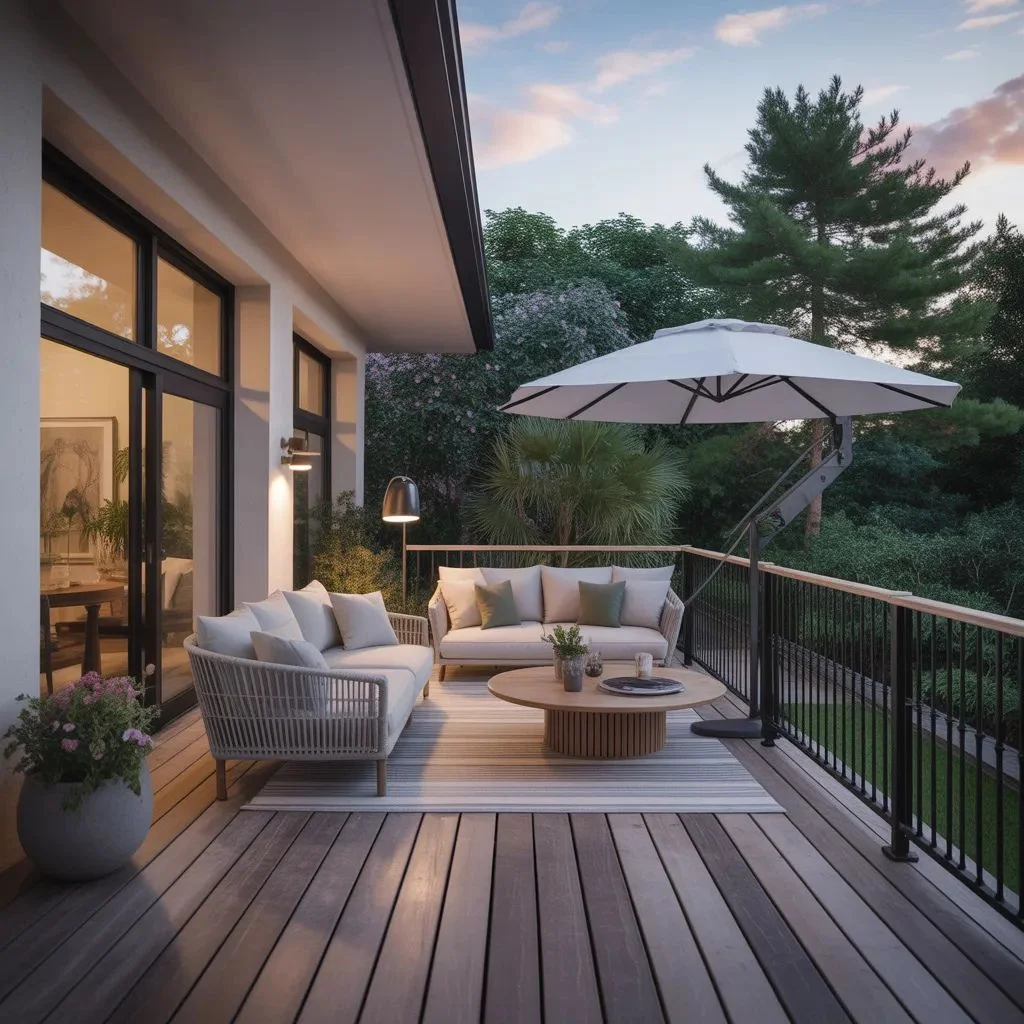
Black aluminium railing is one of the easiest ways to make a deck look current without doing anything too bold. The thin profiles feel clean and tailored, and the dark finish visually recedes so your furniture, plants, and landscape stand out more. Powder-coated aluminium is also valued for resisting rust and corrosion, which makes it a practical choice in many climates.
This option works especially well on contemporary homes, white exteriors, and decks with gray or natural-toned boards. If you want a polished result, repeat that black finish in nearby details like outdoor sconces, door hardware, or window trim.
2. Use cable railing when the view is the star
Cable systems are ideal when you want safety without blocking the landscape. They bring a sleek, minimal look and are commonly used to keep views open across water, gardens, hills, or pool areas. Trex and Deckorators both position cable railing as a modern solution for unobstructed sightlines.
Cable railing looks best when the rest of the deck is kept simple. Think streamlined furniture, large planters, and a restrained color palette. It is a strong choice for homes that already lean modern, Scandinavian, coastal, or mountain contemporary.
3. Choose glass panels for a bright, high-end feel
Glass railing gives a deck a more open and luxurious presence. It is especially effective where you want to highlight scenery or make a smaller deck feel larger. Glass systems are specifically marketed for unobstructed views, and many use tempered panels for durability.
The trade off is maintenance. Glass needs regular cleaning if you want it to stay clear and polished, especially in rainy, dusty, or coastal settings. But for many homeowners, the airy look is worth the extra care.
4. Pick composite railing for a classic look with less upkeep
Composite railing is a smart middle ground for people who like a more traditional deck but do not want the routine sanding, painting, or staining that wood often needs. Brands like Trex and Timber Tech emphasize composite railing for its lower-maintenance appeal and easy cleaning with basic soap-and-water care.
Design-wise, composite works well on family decks, suburban backyards, and homes with a timeless exterior. White, black, bronze, and soft neutral tones are usually the safest choices because they age well visually and pair easily with different furniture styles.
5. Keep real wood if warmth matters more than convenience
Wood railing still has something many newer systems cannot fully copy warmth. It feels familiar, textured, and natural. On cottages, farmhouse homes, craftsman exteriors, and rustic cabins, wood can look more authentic than metal or glass.
The main downside is upkeep. Wood benefits from finishes that help repel water and protect against UV exposure, and it may need periodic cleaning, staining, or sealing to stay in good shape. That maintenance can be worthwhile if you want a deck that feels soft, lived-in, and connected to the landscape.
6. Mix materials for a more custom-built look
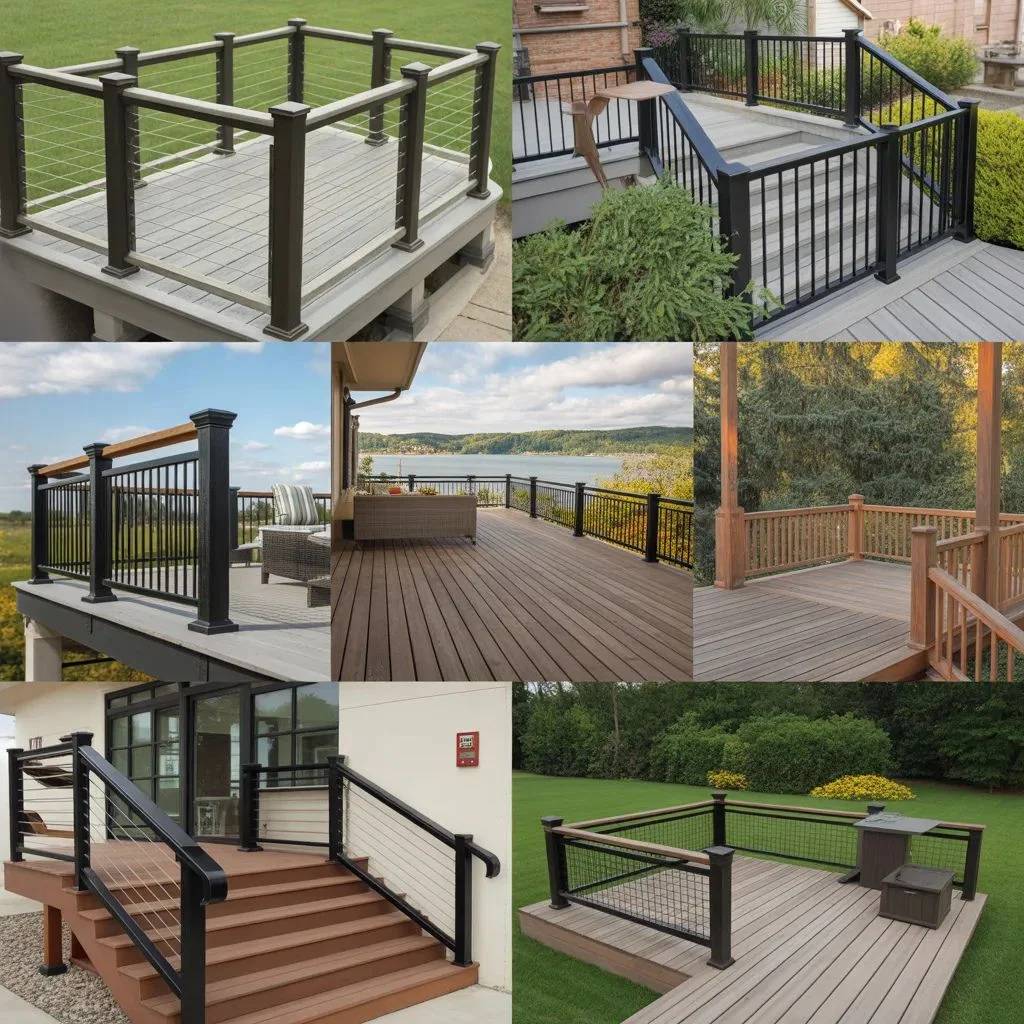
Some of the best-looking decks do not rely on one material alone. A wood top rail paired with black metal balusters, or composite posts paired with cable infill, can make the railing feel more intentional and expensive. Trex’s systems are designed with multiple infill options, which reflects how common this mixed-material approach has become.
This is a great strategy when you want both warmth and contrast. A wood cap softens the look, while metal infill keeps the design sharp. It also helps a new deck feel more tailored to the architecture instead of looking like a basic kit.
7. Try mesh panels for a modern-rustic edge
Mesh railing sits in a very interesting design space. It feels slightly industrial, slightly rustic, and still modern. Trex describes mesh as a low-maintenance option that keeps views open while bringing a distinct industrial touch.
This style works beautifully on dark-stained decks, wooded properties, and homes that use black window frames or metal exterior accents. If straight cable looks too sleek for your taste, mesh can give you openness with a little more personality.
8. Add rod railing for bold horizontal lines
Rod railing gives you the openness of a contemporary system, but with thicker, stronger-looking lines than cable. It is a good fit for modern farmhouse, transitional, and minimalist homes where you want the railing to feel graphic and architectural. Trex includes horizontal rod options within its aluminum railing family, showing how this look has moved into mainstream outdoor design.
Because the lines are more visible than cable, rod railing becomes part of the composition. It works best when repeated elsewhere, such as in horizontal siding, slat privacy panels, or long rectangular planters.
9. Match the railing to the house, not just the deck boards
One of the biggest mistakes homeowners make is choosing railing only by looking at the decking sample. A better approach is to step back and look at the entire house. The railing should connect with the window color, trim tone, roof accents, and even the style of the back door.
That is why black railings feel so versatile. They often echo existing fixtures and frames. White railings can look fresh on traditional homes, while bronze or warmer tones can soften a deck that might otherwise feel too stark. This is less about trend and more about visual balance.
10. Finish the design with built-in railing lighting
Lighting can make even simple Deck Railings feel more complete. Post cap lights and rail lights add safety after dark, help define stairs and edges, and create a warm mood for evening use. Trex specifically promotes post cap lighting to improve safety, ambiance, and sophistication, and notes energy-efficient LED systems in its outdoor lighting line.
This detail matters most on decks used for dinner, entertaining, or late-night lounging. It is also one of the easiest ways to make the deck feel like an outdoor room instead of just a platform attached to the house.
How to choose the right material for your lifestyle
The best-looking railing is not always the best choice for the way you live. If you do not want seasonal upkeep, aluminium and composite are usually easier to live with than wood. If the view is everything, cable or glass will likely make you happiest. If you want a timeless family-friendly look, composite or painted aluminium can be the safer bet.
It also helps to think about your setting. Coastal, rainy, or dusty locations may push you toward low-maintenance finishes. Homes with lots of trees and pollen may make glass more work than expected. A shaded backyard may make wood feel beautiful, while a full-sun deck may reward materials that need less refinishing over time.
What to check before you build
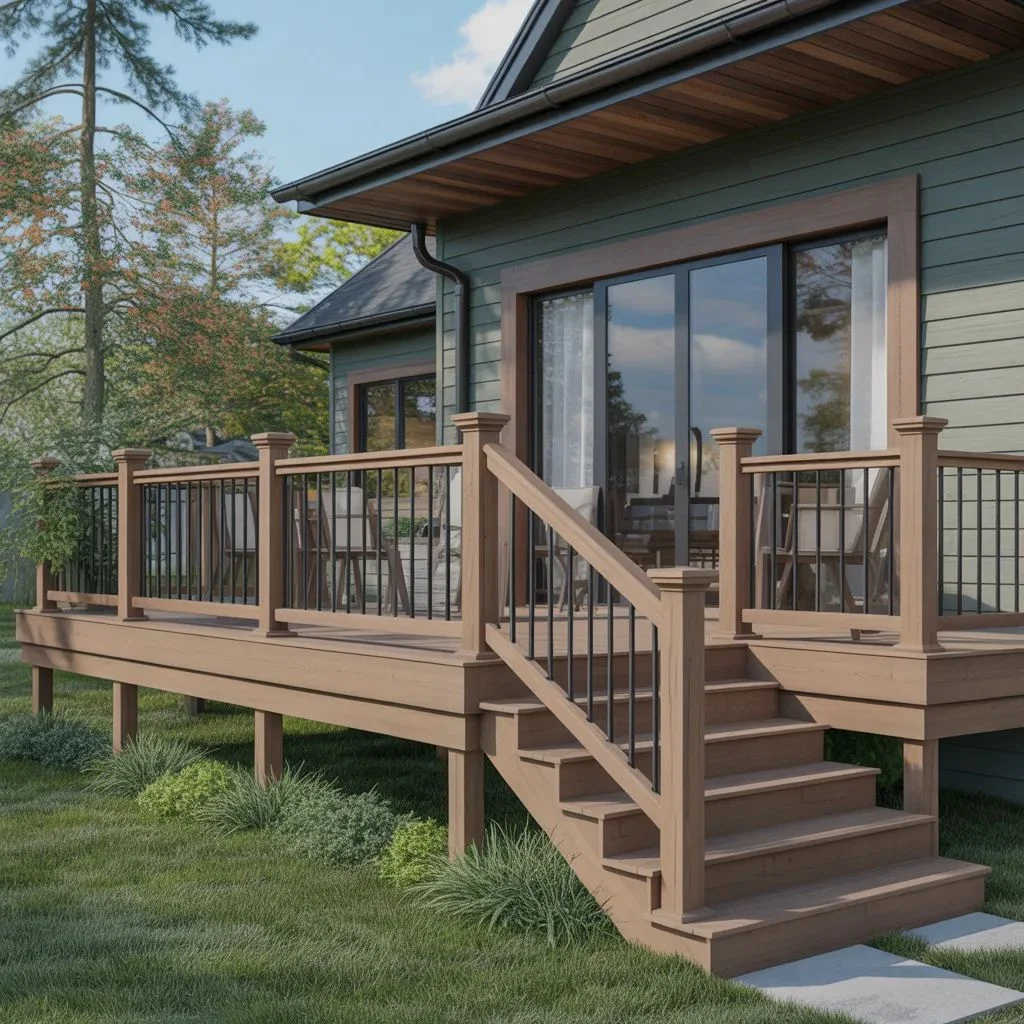
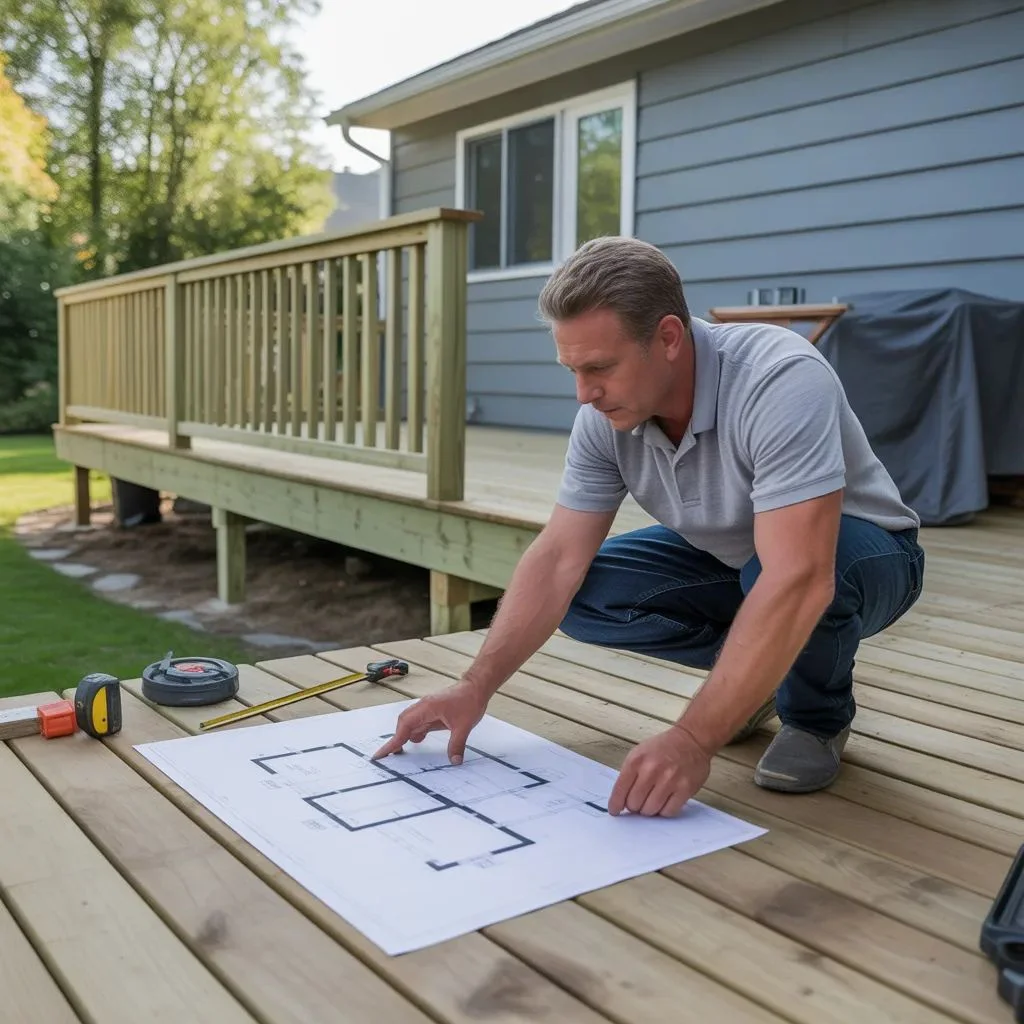
Before falling in love with a style, verify local code, permit needs, and any HOA restrictions. Trex notes that code requirements and HOA standards can influence what railing works for a property, and code rules do vary by jurisdiction.
A few basics are worth remembering. Residential guards are commonly required when the deck surface is more than 30 inches above grade. Minimum guard height is often 36 inches, some places require 42 inches, and baluster openings are generally limited to 4 inches. Stairs can have separate handrail rules, so it is important not to assume the flat-deck details apply everywhere.
Small choices that make Deck Railings look expensive
Consistency matters more than complexity. Clean post spacing, thoughtful colour repetition, and a railing style that matches the home will usually look better than an overdesigned mix of shapes and finishes. A simple black aluminium rail can look more upscale than an overly ornate system that does not fit the architecture.
Proportion matters too. Thin rail profiles usually feel more refined on modern homes, while chunkier rails suit traditional designs better. If your deck is small, avoid anything that visually blocks the space too much. If the deck overlooks a beautiful yard, choose a system that protects the view rather than competing with it.
The best Deck Railings feel like part of the architecture
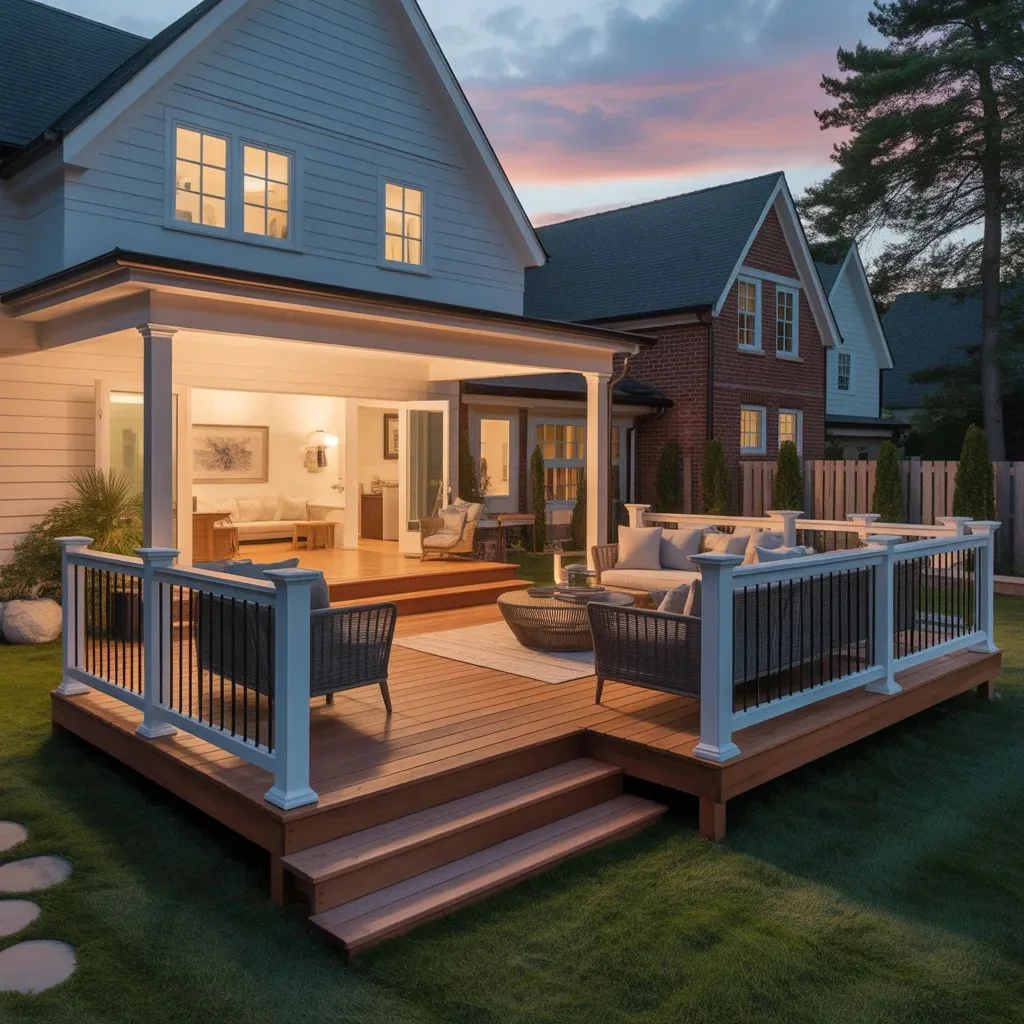
The most successful deck designs do not treat the railing as a safety add-on. They use it as a design tool. Whether you choose wood for warmth, cable for openness, glass for a luxury feel, composite for low-stress upkeep or aluminium for crisp modern lines, the goal is the same: make the deck feel finished, comfortable, and connected to the home.
Choose a railing that fits your real life, not just a photo online. That is the detail that turns a basic backyard deck into a space that feels thoughtful and inviting for years.
Editor Choice: Modern Interior Railing Ideas for a Sophisticated Home.