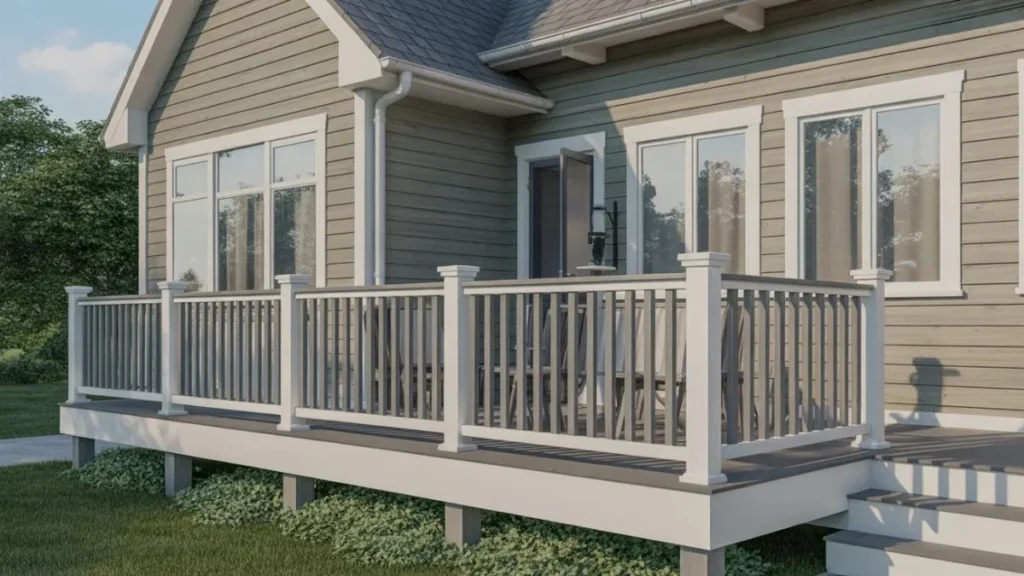
Old railings can make an entire porch, deck, staircase, or balcony feel dated, even when the rest of the space looks good. The nice part is that a full rebuild is not always the answer. In many homes, the structure is still usable, but the style feels heavy, worn, or too builder-basic.
That is where smart DIY Railing Ideas make a real difference. A few thoughtful changes can turn an old railing into something that looks cleaner, more current, and far more intentional. Sometimes that means paint. Sometimes it means new infill panels, better post caps, or a wider top rail that feels custom instead of generic.
This guide focuses on realistic DIY Railing Ideas that can upgrade what you already have without making the project feel overwhelming. The goal is simple: keep the railing safe, improve the look, and make the whole area feel more finished.
Begin With Safety Before Style
Before trying any DIY Railing Ideas, check whether your old railing is only ugly or failing. Grab each post and shake it. Look for movement at the base, soft wood, rusty fasteners, split joints, or loose stair connections. If the frame itself is weak, cosmetic updates should come after repairs.
This step matters even more on elevated decks and stairs. In many U.S. deck guides, railings are required around deck areas that are 30 inches or more above ground, guards are commonly a minimum of 36 inches high, openings cannot allow a 4-inch sphere to pass through, and stairs with four or more steps need continuous handrails. Local rules vary, so confirm your code before rebuilding or changing spacing.
A good rule is this: if you are only changing the look, the project stays simpler. If you are changing post spacing, rail height, stair layout, or structural connections, treat it like a true build project, not just decor.
The Fastest Upgrade Is Often Paint
Among all DIY Railing Ideas, paint gives the biggest visual change for the least money. A railing with dated turned balusters or worn spindles can look surprisingly modern once it is cleaned, sanded, patched, and coated in one solid color.
Black is the most popular choice for a reason. It sharpens the lines, hides visual clutter, and makes old shapes feel more modern. Crisp white works well on cottage or coastal homes. A soft greige or warm charcoal can also look beautiful when you want something less stark. For indoor stair railings, a satin or semi-gloss finish usually looks polished without feeling too shiny.
If your railing is pressure-treated wood, do not rush the finish. Treated wood should be dry enough to absorb water before you paint or stain it, and guidance commonly recommends exterior latex primer and exterior latex paint for painted finishes. Painting before the wood is dry can lead to poor adhesion, bubbling, or peeling.
A weekend paint job is one of those DIY Railing Ideas that feels small while you are doing it, but the difference afterward can be huge.
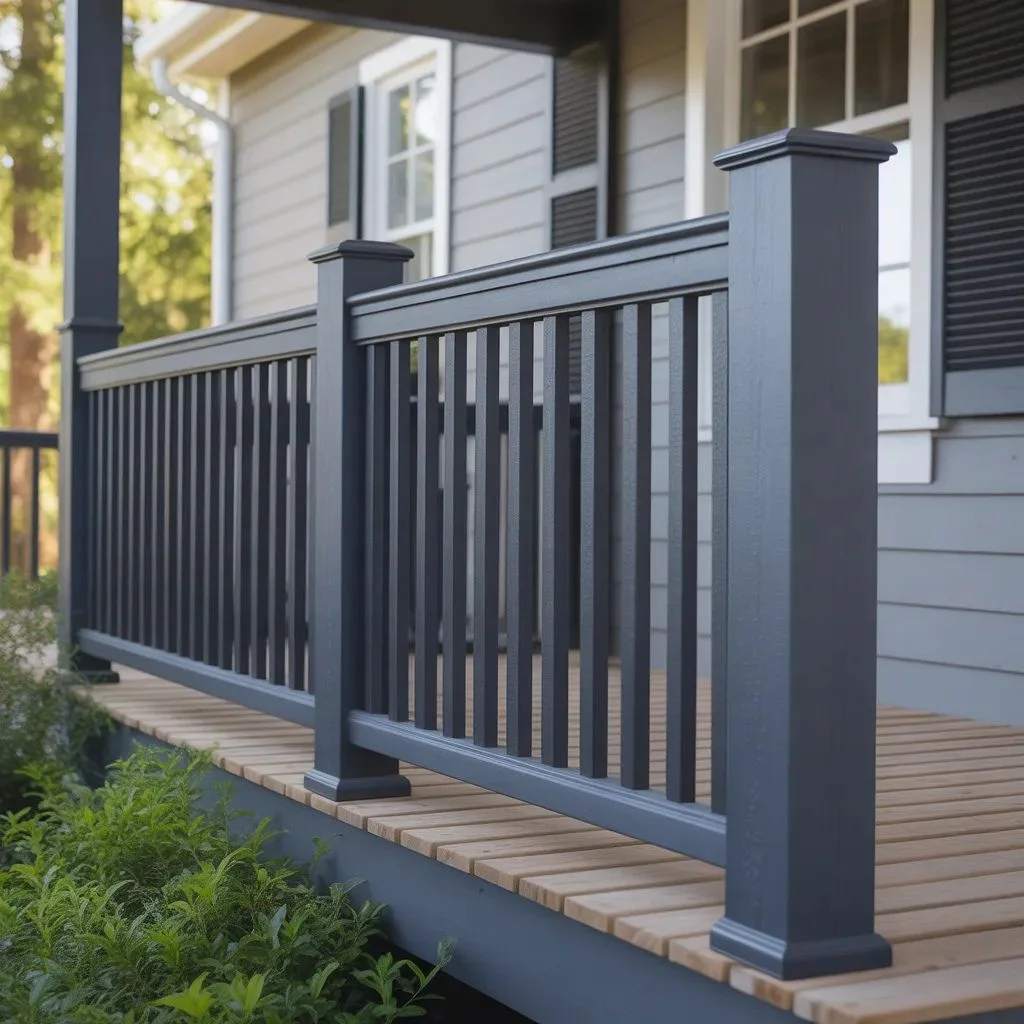
Replace Heavy Balusters With Cleaner Lines
Old railings often look dated because the infill is too busy. Thick wood pickets, ornate shapes, and uneven spacing can make the whole area feel heavier than it needs to. One of the smartest DIY Railing Ideas is to keep the main frame and replace only the balusters or infill.
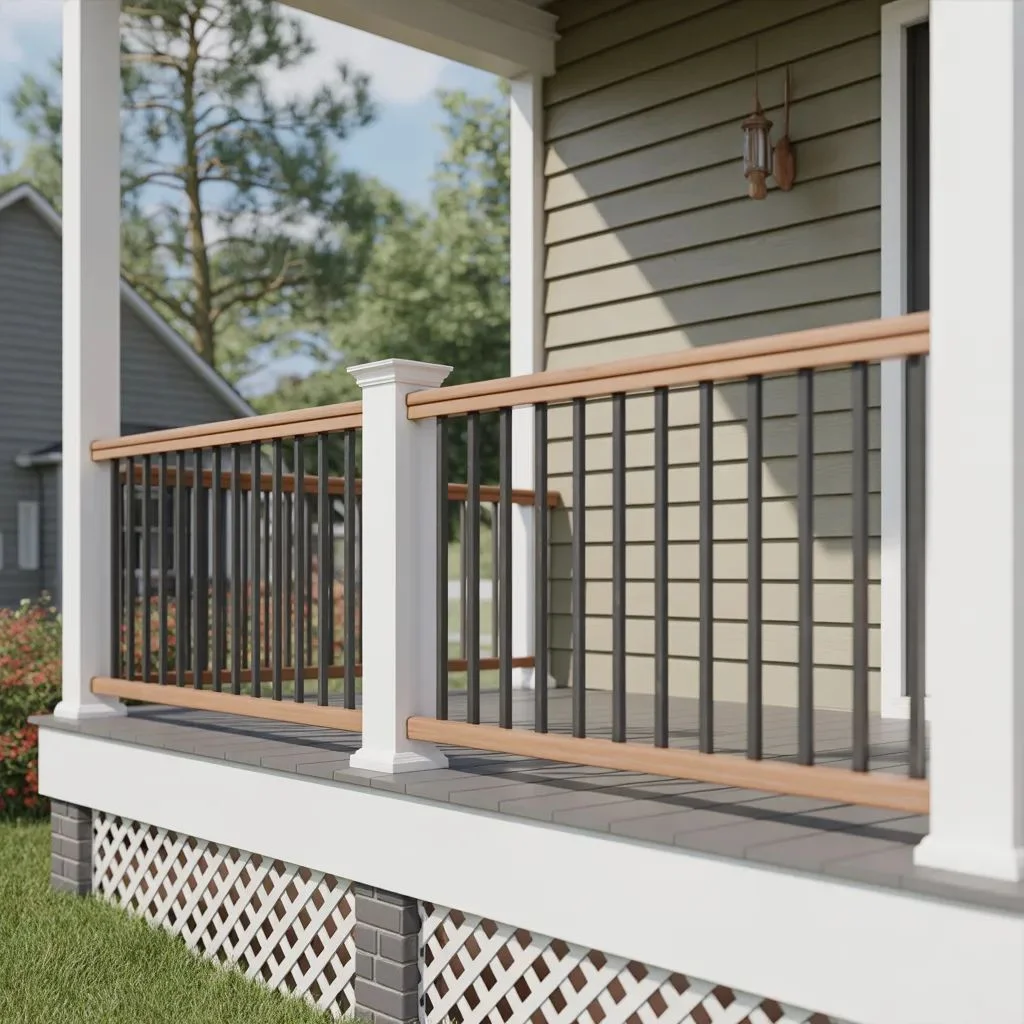
Slim black metal balusters are an easy example. They work with painted wood posts, suit modern farmhouse and transitional homes, and immediately reduce the visual weight of the railing. Horizontal wood slats can also work, especially on porches and interior staircases, as long as local code allows the spacing and layout.
This is also where mixed materials shine. TimberTech’s design guidance highlights the appeal of contrasting materials and colors, especially black metal elements paired with lighter posts or deck surfaces. That mix helps a railing look more custom and less off-the-shelf.
If you want a newer look without rebuilding everything, this category of DIY Railing Ideas is usually the sweet spot.
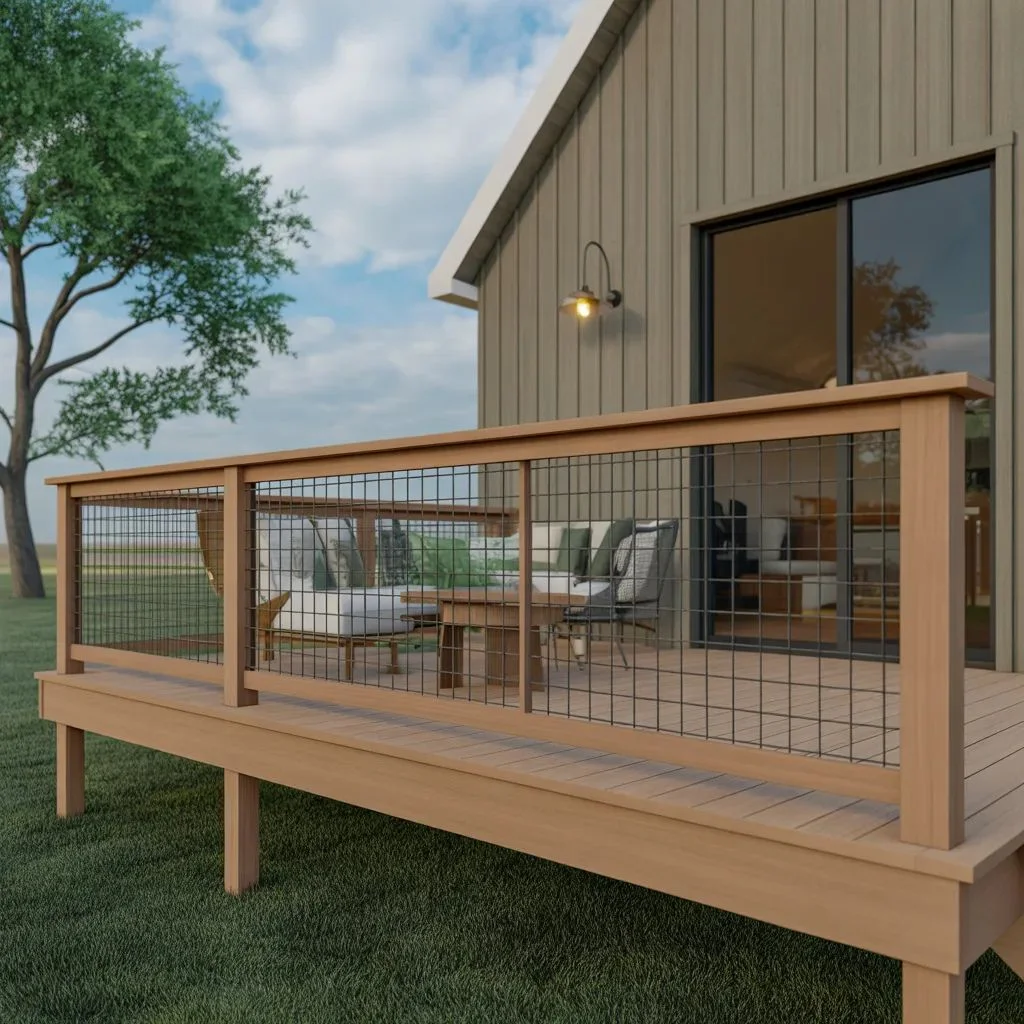
Try Hog Wire Panels for an Open Yet Warm Look
If your railing blocks the view or feels too bulky, hog wire panels are one of the best DIY Railing Ideas to consider. They sit nicely between rustic and modern, which is why they work on farmhouses, cabins, updated suburban decks, and even minimalist backyards.
Decks.com describes hog wire railings as stylish, practical, affordable, and increasingly popular, with mesh panels that keep views open while still defining the edge. That combination is exactly why homeowners like them so much. You get texture and structure without the closed-in feeling of thick wood pickets.
The look becomes even better when the frame is simple. Think square posts, clean horizontal rails, and either natural stained wood or matte black paint. If the mesh is galvanized, it can lean slightly industrial. If you paint the surrounding frame black or deep brown, it becomes softer and more architectural.
For many outdoor spaces, hog wire is one of the most practical DIY Railing Ideas because it feels current without trying too hard.
Use Cable Infill for a Crisp Modern Update
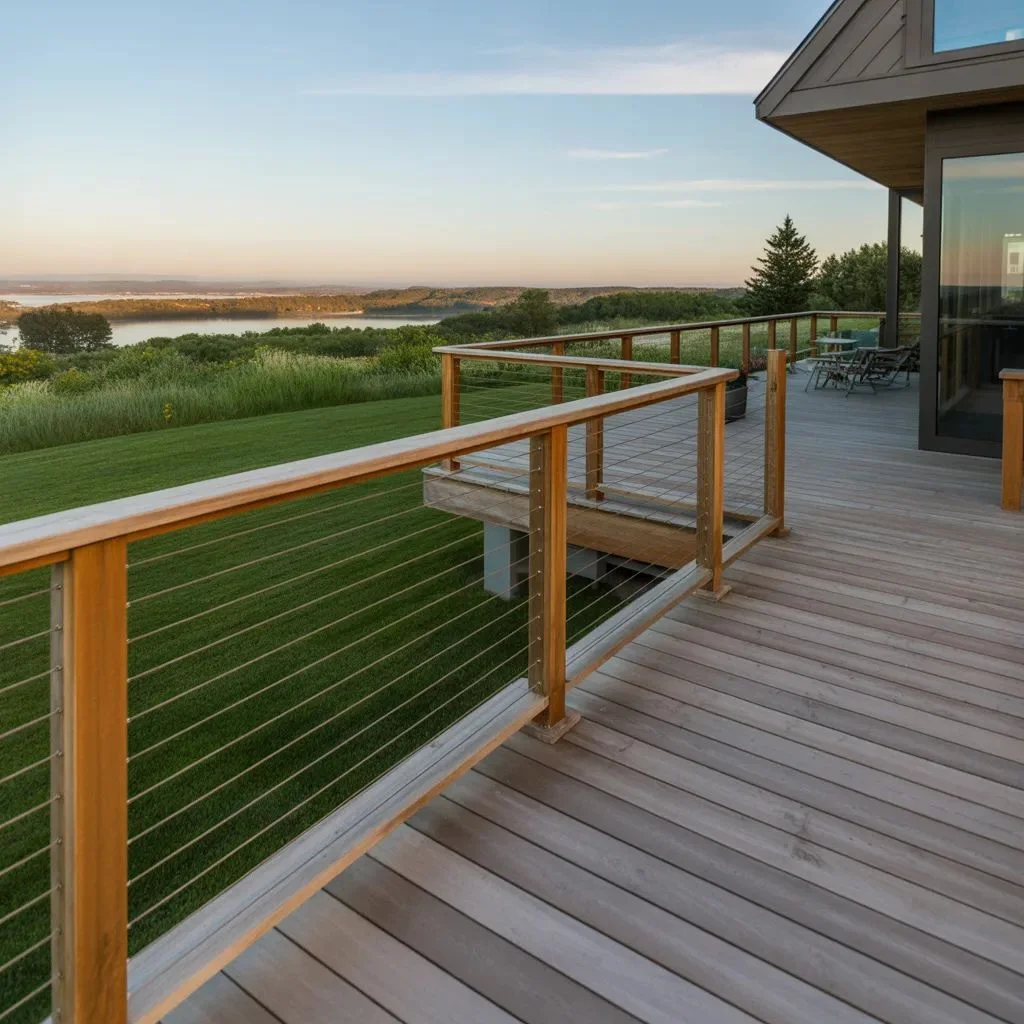
Cable railing is one of the most polished DIY Railing Ideas for decks with a view. It removes visual clutter, opens sightlines, and gives old framing a cleaner silhouette. If your existing deck has solid bones but the railing looks bulky, cable can change the feel of the whole perimeter.
Decks.com notes that cable railings use tensioned stainless-steel cable, create unobstructed views, and offer a sleek, contemporary look. The same guide also points out that cable usually costs more upfront than standard wood systems and depends on correct installation, proper tension, and adequate structural support.
That means cable works best when you are ready to be precise. It is not the most forgiving option for a rushed DIY project. The top rail and posts need to be strong, aligned, and securely installed because the system depends on tension. When done well, though, few DIY Railing Ideas look as clean.
A simple wood post frame with stainless cable can also be a nice middle ground. It keeps some warmth while still modernizing the railing.
Turn the Top Rail Into a Design Feature
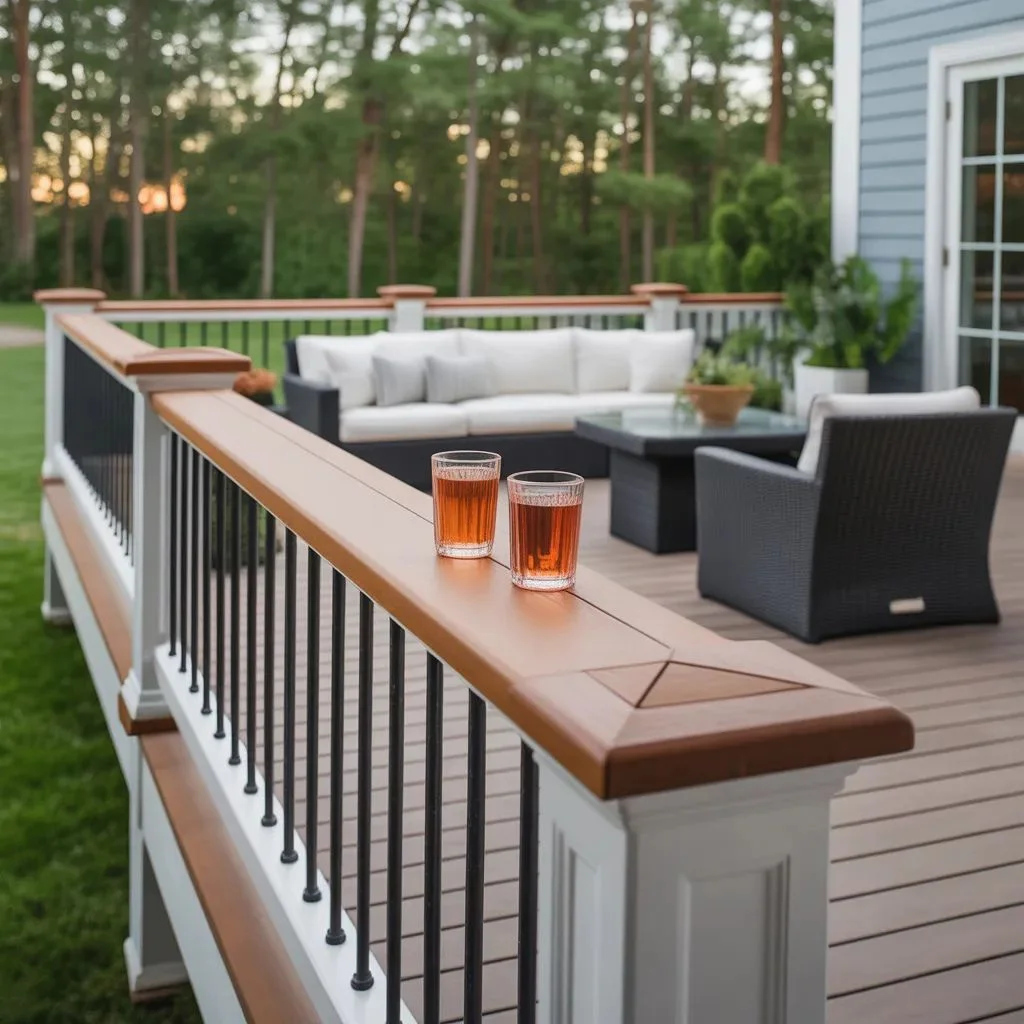
A lot of old railings feel basic because the top rail looks thin and unfinished. One of the easiest DIY Railing Ideas is to replace or cap the top rail with something wider and more substantial.
This is often called a drink rail or cocktail rail. TimberTech’s design examples show how a capped top rail can add both style and function by giving you a sleek line plus a useful surface for drinks, planters, or small decor.
This is a smart move if your current railing frame is still in decent shape. A wider top board can make the railing feel more custom-built right away. It also helps visually tie together posts and infill, especially when you use a contrasting finish. For example, black balusters with a medium-tone wood cap look balanced and expensive.
Small upgrades like this are what make DIY Railing Ideas feel thoughtful instead of random.
Add Privacy Without Making the Space Feel Heavy
Sometimes the problem is not the railing itself. The issue is that the space feels too exposed. In that case, the best DIY Railing Ideas may include privacy features rather than a full railing replacement.
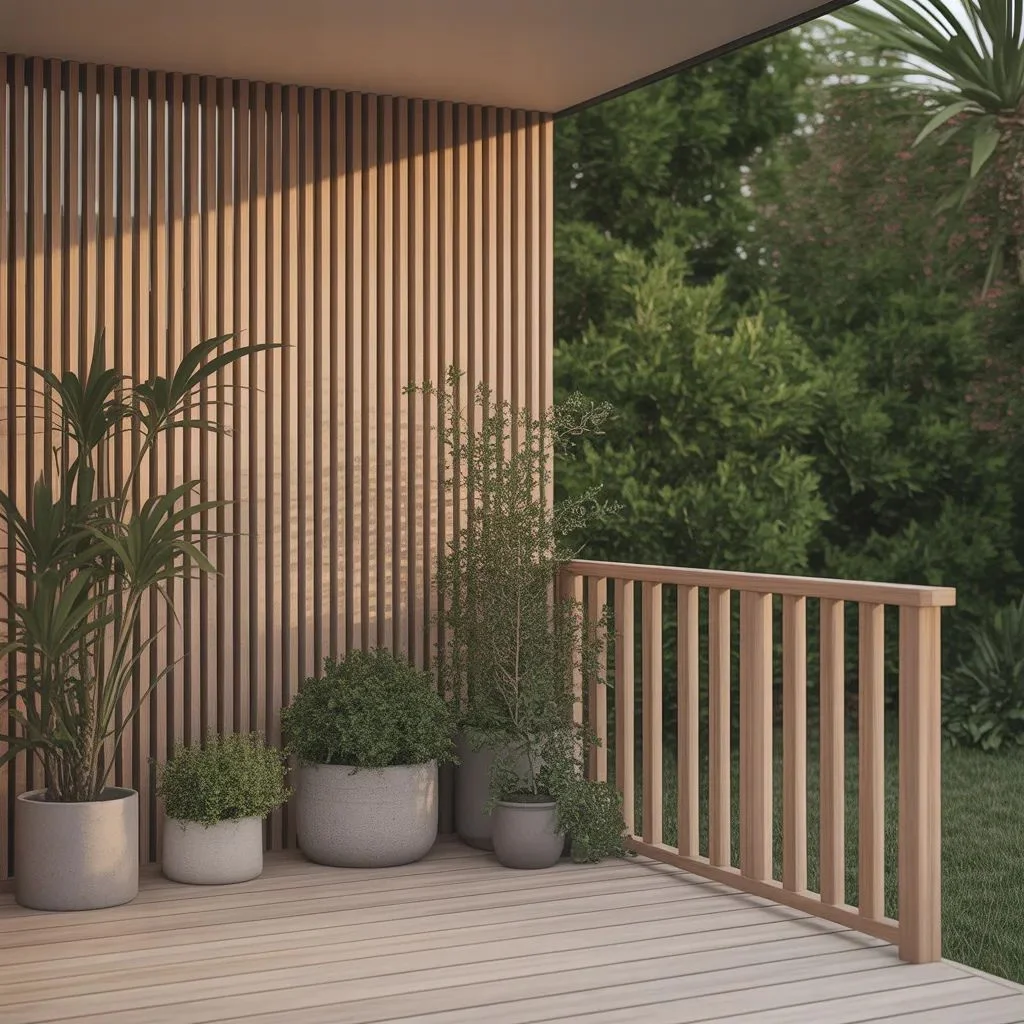
Slatted privacy panels, partial screens, or planter-backed sections can all make a porch or deck feel more comfortable. Timber Tech’s design guidance points to slatted panels, trellises, and perimeter planting as ways to create more privacy while keeping the space attractive. It also notes that if the deck is high enough to require a railing, any privacy screen at the edge still needs to meet local code for safety.
This is why I like using privacy only where it solves a real problem. Add it beside a seating area, around a hot tub corner, or near a neighbor-facing edge. Leave the rest more open. That balance keeps the space airy.
For homeowners who want comfort as much as style, these kinds of DIY Railing Ideas can completely change how often the area gets used.
Refresh the Posts for a More Custom Look
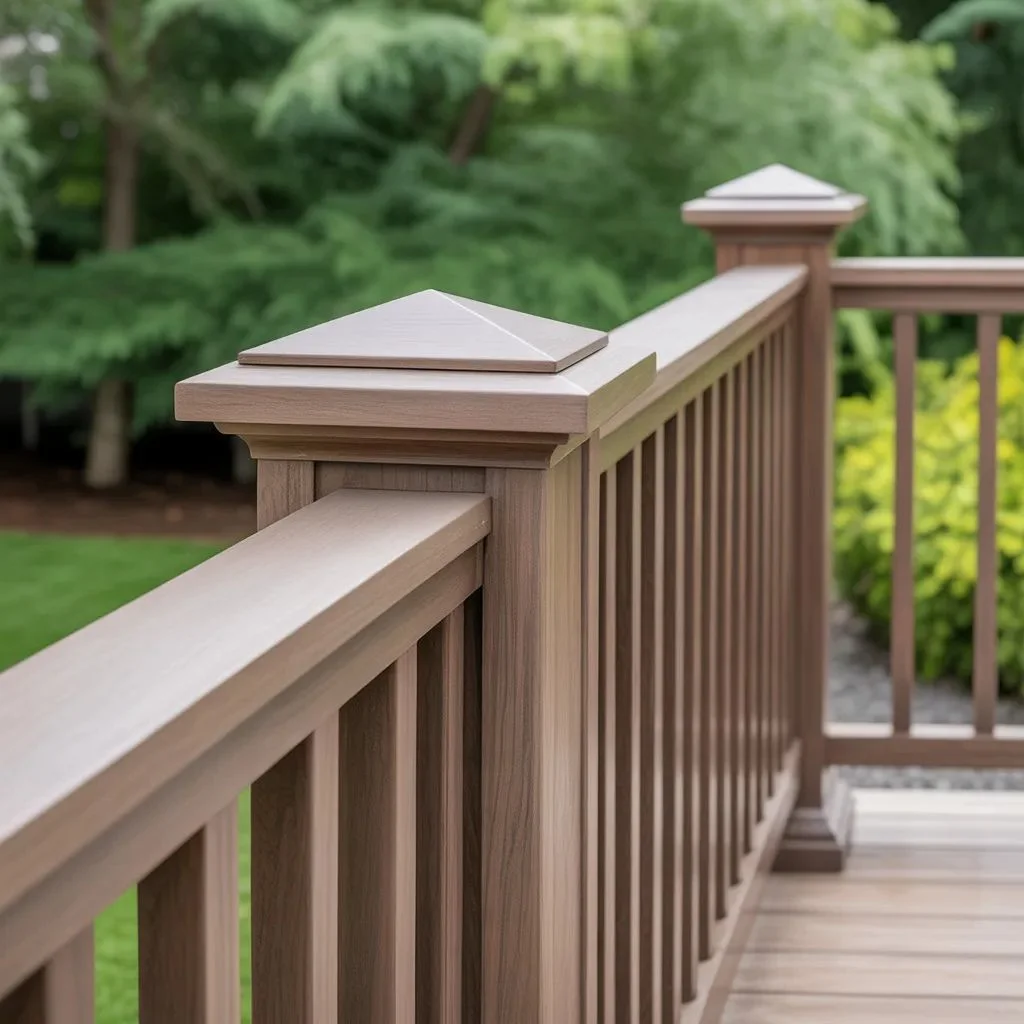
Posts are easy to overlook, but they do a lot of visual work. Even when the rails are fine, chunky, weathered, or awkwardly detailed posts can drag the whole design down. A post refresh is one of the smartest DIY Railing Ideas when you want maximum effect without touching every component.
You can wrap plain posts to square them off, add trim only where it simplifies the shape, or swap dated caps for cleaner flat-profile versions. Matching post caps and bases can make an old railing feel intentional. Solar caps can also be practical if the deck needs a little evening light.
The best approach is restraint. Simpler post shapes almost always age better than decorative ones. If you want the railing to feel current for years, choose clean geometry and consistent proportions.
Choose Materials That Age Well Outdoors
The most successful DIY Railing Ideas are not just stylish on day one. They also stay good-looking after heat, rain, and regular use. That is why material choice matters so much.
Trex’s material guide frames traditional wood as lower in upfront cost but higher in ongoing maintenance, while composite options are marketed as more resistant to water-related movement and as requiring less painting, staining, or sealing over time. Wood can still be beautiful, but it usually asks more from you.
If you are rebuilding sections of an exterior railing, pressure-treated lumber is common, but use the right hardware with it. The American Wood Council guide says fasteners used with preservative-treated wood should be hot-dipped zinc-coated galvanized steel, stainless steel, silicon bronze, or copper, and connectors should be galvanized or stainless steel. It also notes that field-cut ends should be treated with an approved preservative.
That sounds technical, but it really comes down to one thing: pretty railings do not last if the hardware is wrong. Good DIY Railing Ideas always pair style decisions with material decisions.
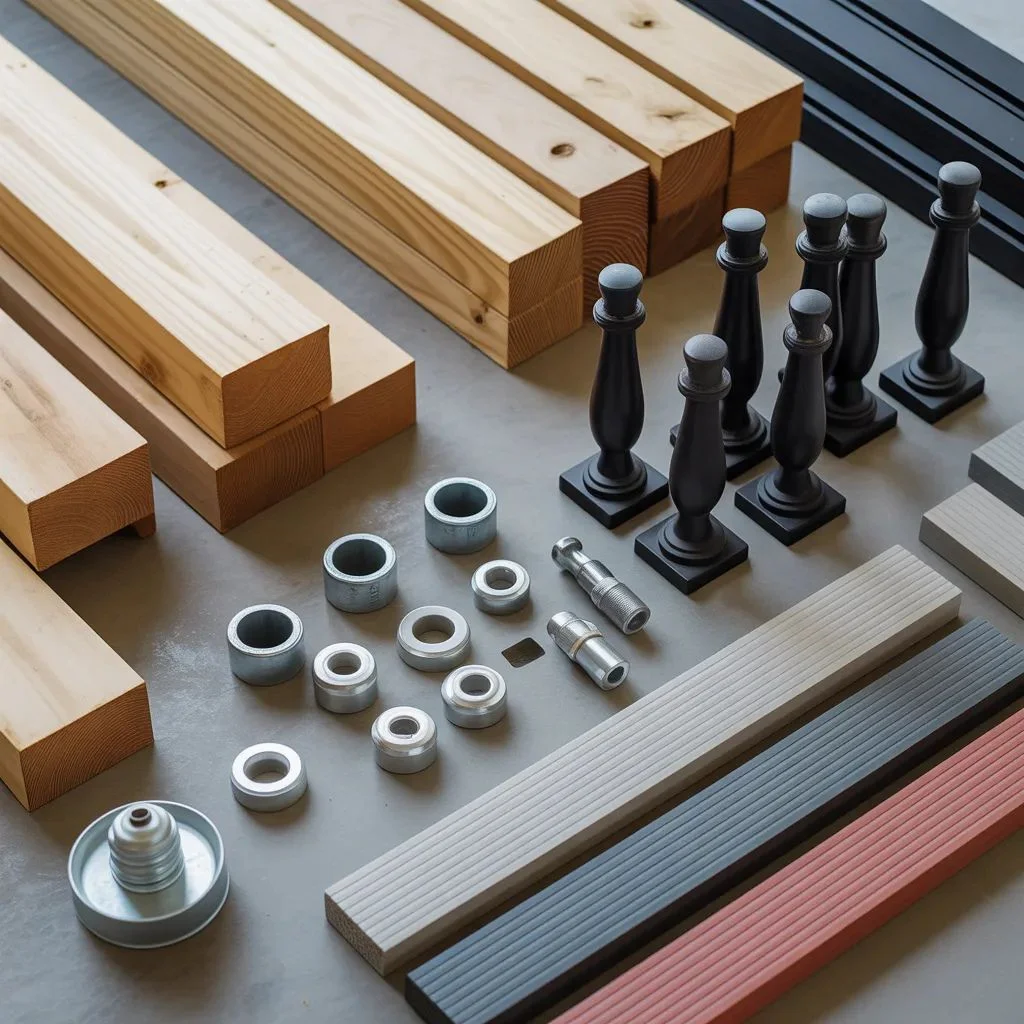
The Mistakes That Make a New Railing Look Cheap
Even strong DIY Railing Ideas can fall flat when the details are off. The most common mistake is mixing too many styles at once. A farmhouse mesh panel, ornate post caps, glossy red-brown stain, and modern cable details usually fight each other instead of working together.
The second mistake is ignoring scale. Thin rails with thick posts look awkward. Oversized caps can make a railing look top-heavy. Uneven panel spacing is another issue that the eye notices quickly, even when you cannot explain why it looks wrong.
The third mistake is skipping prep. old paint, moisture, rust, and loose hardware always show through eventually. If you want your makeover to last, spend more time on prep than feels exciting. That is usually the difference between a project that looks upgraded and one that looks temporary.
Final Thoughts
The best DIY Railing Ideas are the ones that solve the real problem. If the railing is solid but dated, paint may be enough. If it feels bulky, switch to slimmer infill. If the space feels exposed, add a privacy section. If the view is the star, hog wire or cable may be worth it.
You do not need every trend. You need one clear direction and enough discipline to carry it through the details. Once you do that, old railings stop looking like an afterthought and start feeling like part of the design.
That is the real power of smart DIY Railing Ideas. They do more than update the railing. They change how the entire space feels.
Highly Recommended: Modern Terrace Railings That Instantly Elevate Outdoor Style.
Quick FAQs
What is the easiest railing makeover for beginners?
Painting and replacing only the balusters are usually the easiest starting points. They keep the structure mostly intact while still changing the look in a big way.
Are cable railings a good DIY project?
They can be, but they need accurate layout, strong posts, correct tension, and code-aware installation. They also tend to cost more upfront than standard wood railing.
Can I paint pressure-treated wood right away?
It is better to wait until the wood is dry enough to absorb water. Guidance for treated wood commonly recommends allowing it to dry before finishing and using exterior latex primer and paint if you want a painted result.
What hardware should I use with treated lumber?
Use corrosion-resistant hardware. The American Wood Council guide recommends hot-dipped galvanized or stainless-compatible options for treated wood applications, with galvanized or stainless connectors.