There is something deeply comforting about a home that feels like it has always been there — warm, worn, and full of stories. That is the soul of primitive homes interiors, and right now, more people are craving it than ever.
In a world dominated by sleek surfaces and fast furniture, primitive home décor stands apart. It asks you to slow down, choose with intention, and layer your space with things that carry real meaning. Whether you are starting from scratch or simply want to add more soul to your current rooms, this guide covers everything you need to know about layering texture, wood, and antiques the right way.
What Are Primitive Homes Interiors?
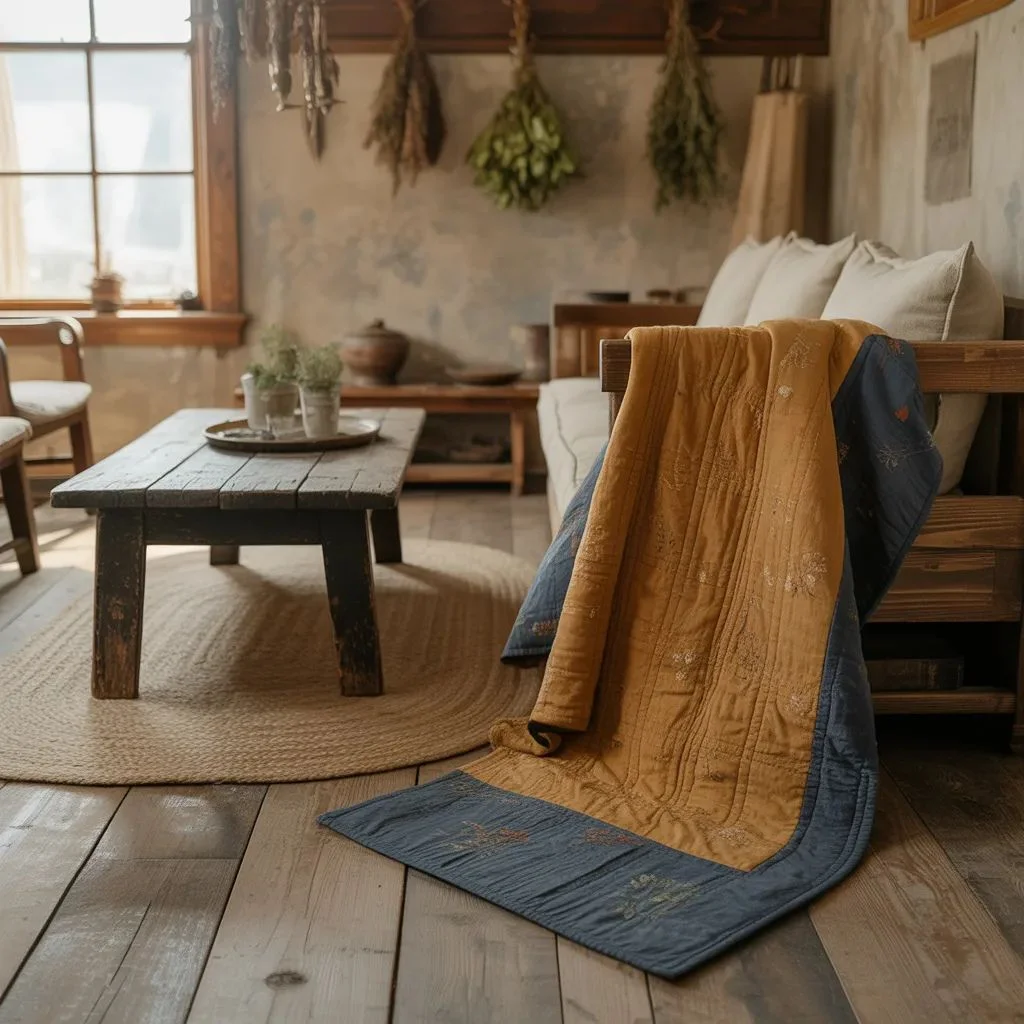
Primitive homes interiors draw from early American colonial and folk design traditions. This style is rooted in simplicity, handcraft, and the beauty of natural, imperfect materials. Think hand-stitched quilts draped over wooden benches, dried herb bundles hanging from exposed beams, and antique baskets tucked into corners.
Unlike modern farmhouse style — which leans clean and polished — primitive décor embraces genuine age and wear. A chipped paint finish is not a flaw; it is a feature. A slightly lopsided pottery jug is more interesting than a perfect one. The goal is warmth over perfection, and character over curation.
In 2025, this aesthetic has gained serious momentum. After years of minimalist interiors, people are returning to spaces that feel real, nostalgic, and deeply personal. Primitive style answers that craving beautifully.
The Color Palette of Primitive Style
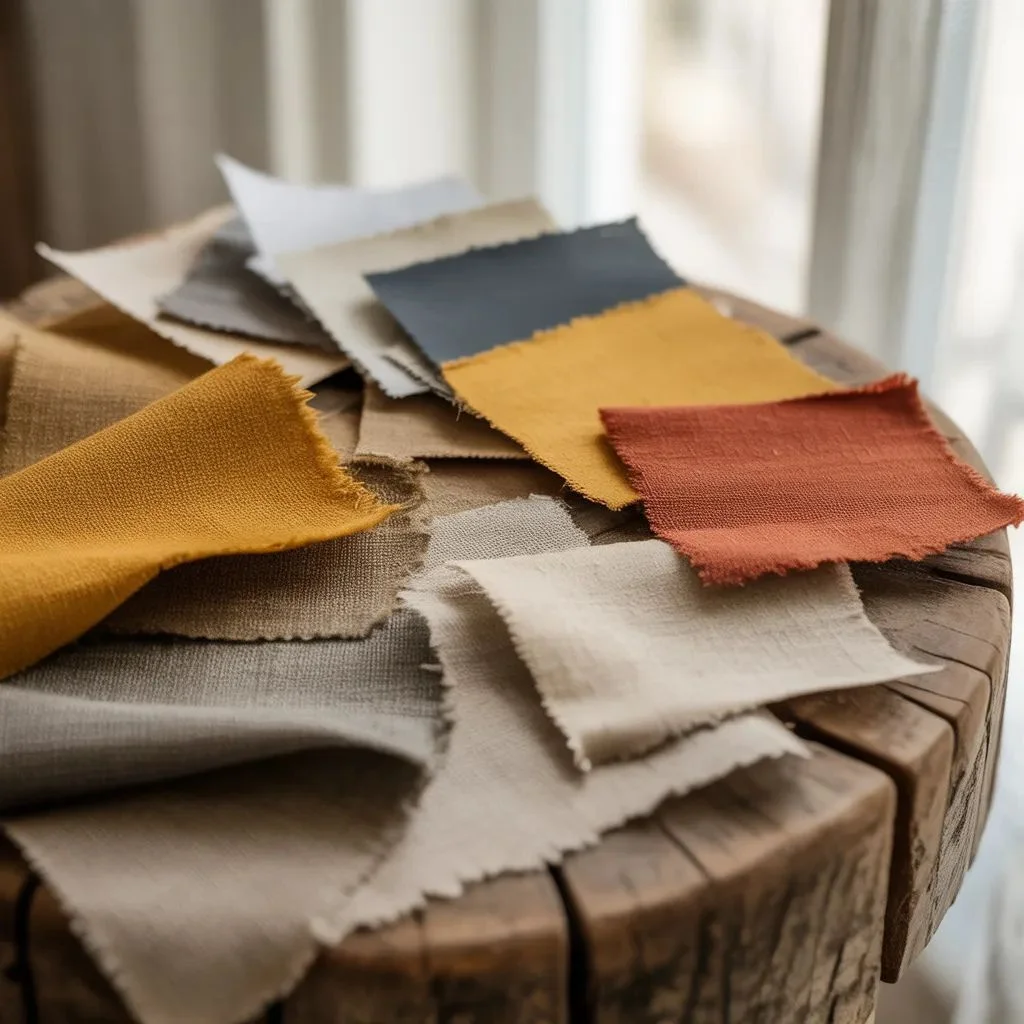
Color is the foundation of every successful primitive homes interiors project. The palette is grounded, earthy, and quietly confident. You will not find bright whites or trendy pastels here.
The most common tones include:
- Deep mustard and ochre — warm, honeyed yellows that feel like autumn light
- Warm black and charcoal — used for painted furniture, iron hardware, and accents
- Earthy browns — from weathered wood to rich chocolate and tobacco tones
- Aged cream and off-white — softer and more complex than stark white
- Muted brick red and russet — inspired by handmade pottery and dried botanicals
These colors work together because they all belong to the same natural family. You do not need to perfectly match them — slight variations in tone actually make a primitive space feel more authentic.
Pantone named Mocha Mousse as their Color of the Year for 2025, describing it as a warm brown with earthy elegance. It is practically a blueprint for primitive décor’s core palette.
How to Layer Texture in a Primitive Home
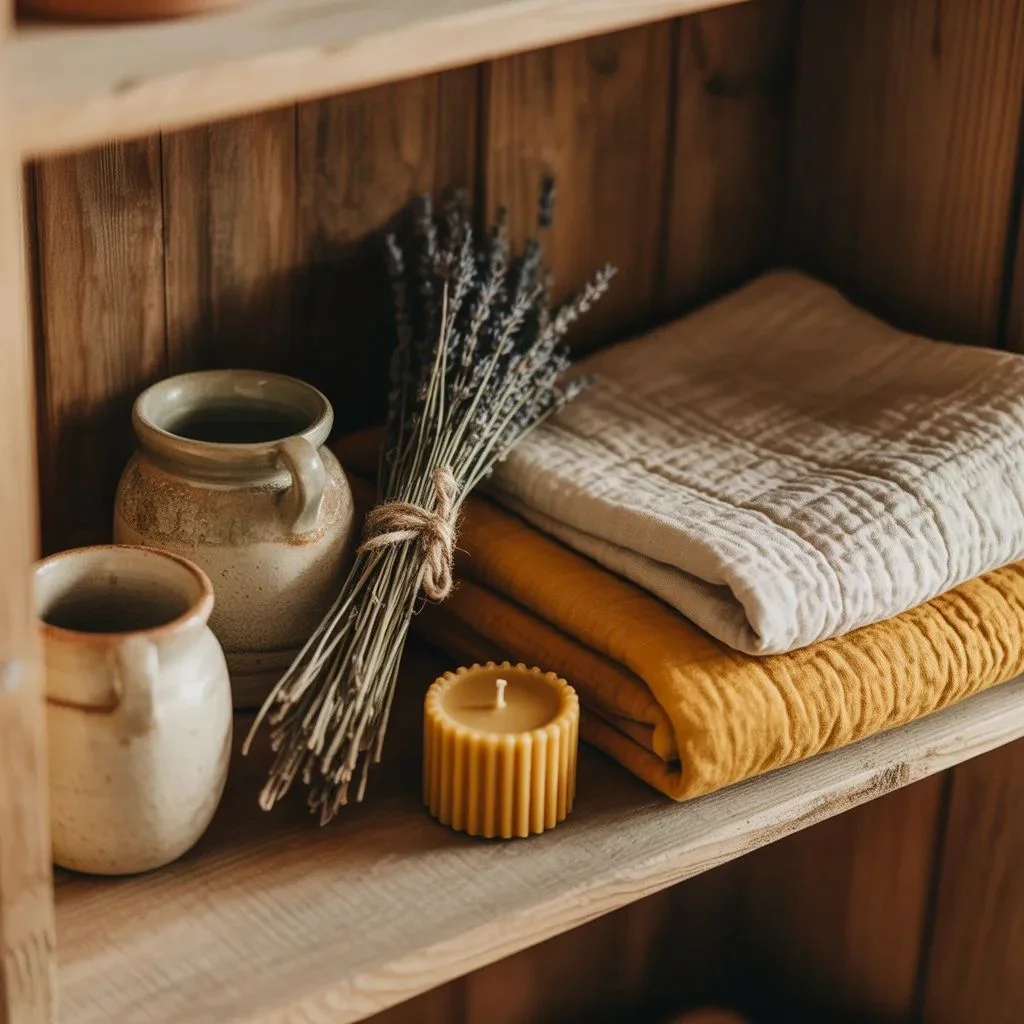
Texture is the secret weapon of primitive homes interiors. Without it, even the right colors and furniture can fall flat. With it, a room comes alive — it feels layered, tactile, and genuinely inviting.
Here is how to build texture the right way:
Start with Your Foundation
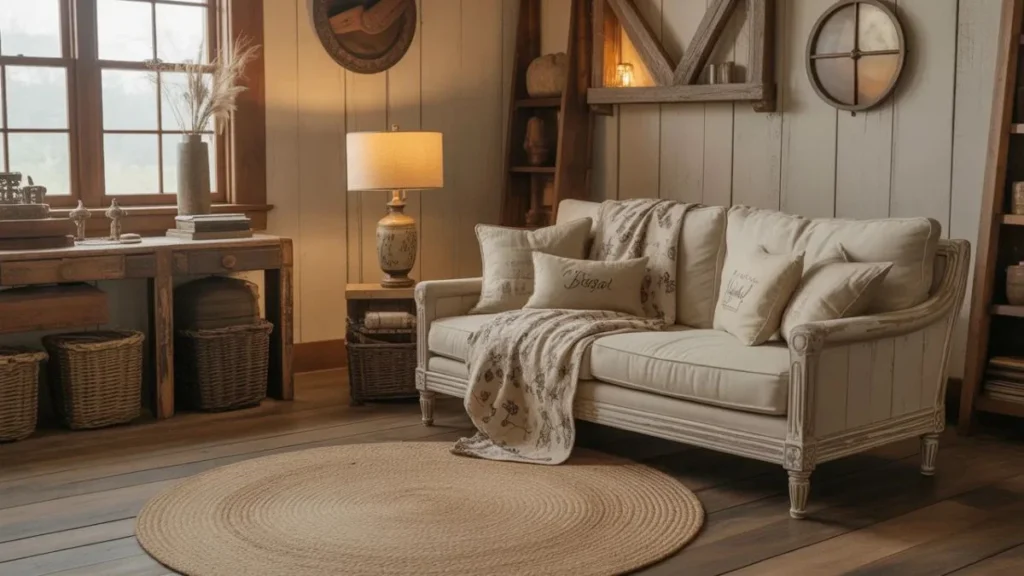
Wide-plank hardwood floors or stone tile set the tone immediately. If you have wall-to-wall carpet, consider adding a large braided jute rug or a wool flat-weave rug in earthy tones. These anchor the room and introduce the first layer of natural texture.
Layer Soft Textiles
Next, build up your soft furnishings. In a primitive room, you want to see a mix of textiles — not matching sets. Linen throw pillows, a wool blanket, a quilted table runner, and a cotton slipcover can all coexist beautifully as long as they share a cohesive color story.
Hand-stitched quilts are a particularly strong choice for primitive style. They add color, pattern, and the unmistakable warmth of something made by hand.
Add Natural and Organic Elements
Dried botanicals, beeswax candles, woven baskets, and stoneware pottery all contribute organic texture to a primitive interior. These elements connect the home to the natural world and reinforce the handmade, time-worn quality that country primitive decor is known for.
Do not over-arrange them. A slightly imperfect vignette on a wooden shelf — with varying heights, materials, and textures — always looks more authentic than a perfectly symmetrical display.
Using Wood the Right Way
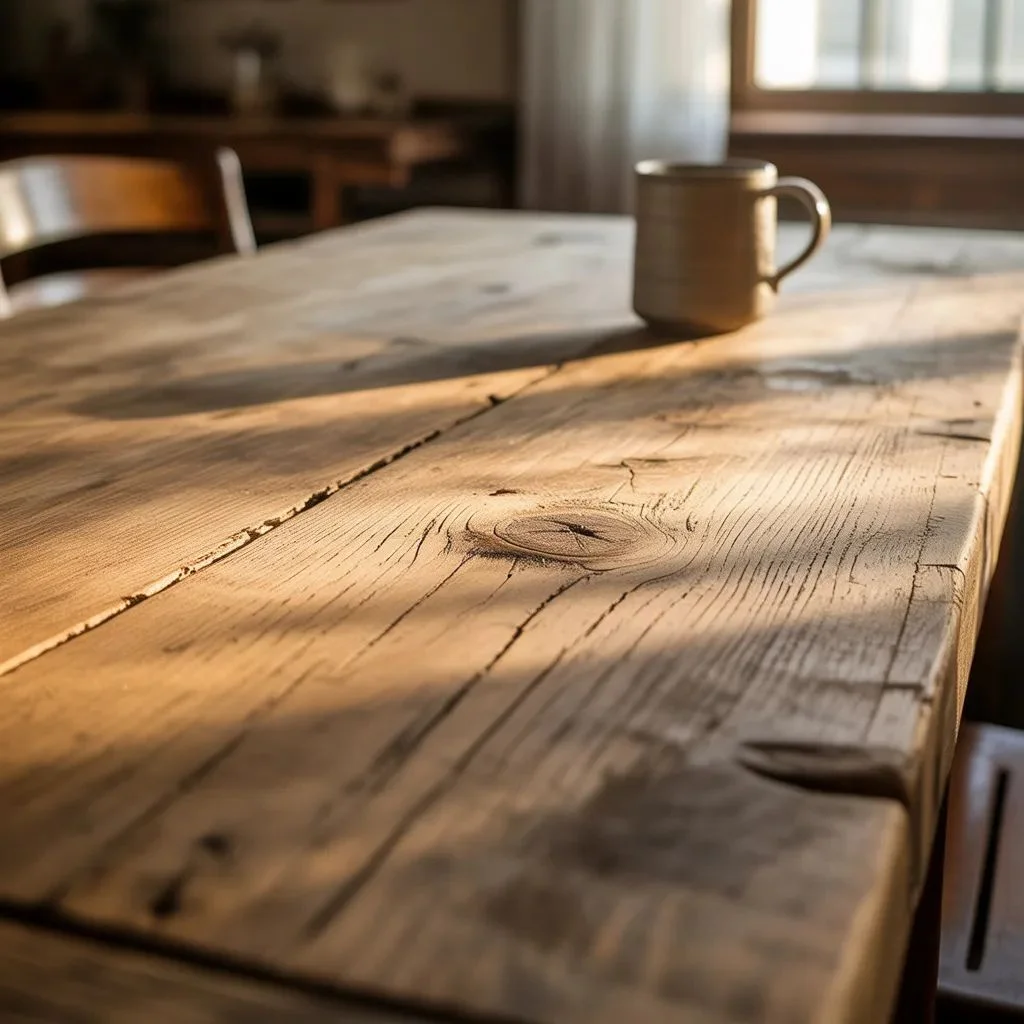
Wood is the backbone of primitive homes interiors. It appears on floors, furniture, walls, ceilings, and decorative accents. But not just any wood — primitive decor calls specifically for wood with character.
Look for these qualities:
- Knots and grain variation — signs of natural growth and authenticity
- Weathering and distressing — aged finishes that suggest history and use
- Reclaimed and salvaged pieces — old barn wood, pallet wood, or antique furniture with original paint
- Hand-hewn details — visible chisel marks, uneven edges, hand-carved accents
One of the strongest trends in 2025 is stripping vintage wood furniture to expose its natural grain. Dealers and homeowners are removing old paint or varnish to reveal the warm, honest wood beneath. It is a perfect technique for primitive style, where the goal is always to show the true nature of the material.
Mix wood tones freely. Primitive rooms are not about matching sets — a dark walnut farmhouse table pairs naturally with lighter pine chairs or a painted bench. The variation is what makes the room feel collected and real, not assembled from a catalogue.
Styling Antiques Without Cluttering Your Space
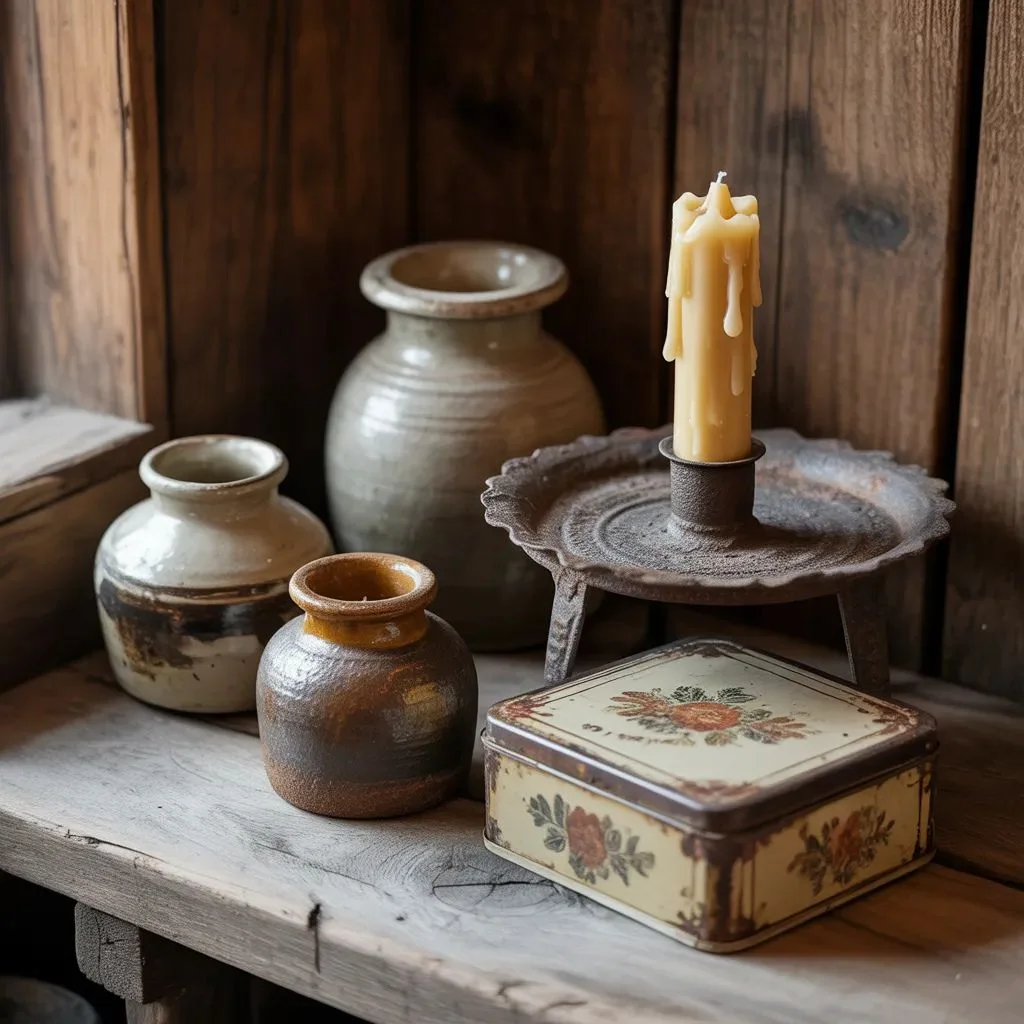
Antiques are at the heart of primitive homes interiors. They carry history, personality, and a sense of permanence that new pieces simply cannot replicate. But there is an art to using antiques well — and it starts with restraint.
Choose Meaningful Pieces
Every antique in a primitive room should earn its place. Whether it is an old butter mold, a painted tin canister, or a wooden dough bowl, each piece should contribute something — texture, color, form, or story. Avoid picking up antiques simply because they are old. Ask: does this belong in my space?
Group by Material or Color
One of the most effective ways to display antique home décor without creating visual chaos is to group items by a shared characteristic — similar materials (wood, iron, stoneware), a consistent color family, or a common function (kitchen tools, farm implements, textile tools).
A collection of old wooden spoons hanging on a wall is more interesting than scattered individual pieces. Three crockery jugs in graduated sizes create a much stronger moment than one jug alone.
Balance Old with Negative Space
Primitive does not mean maximalist. Leave breathing room between collections. A single antique dough bowl on a bare wooden table can be more powerful than a table covered in objects. Let your best pieces stand out by surrounding them with space.
Room-by-Room Primitive Décor Ideas
Living Room
The living room is where primitive farmhouse style gets to shine. Start with a large braided or wool rug to anchor the space. Add a wooden coffee table with visible grain and wear. Layer the sofa with linen and wool throws in earthy tones, and hang a hand-stitched quilt as wall art for a bold, textural focal point.
Candle sconces with real beeswax tapers on either side of the fireplace bring soft, flickering warmth to the space in the evenings. A basket or two near the hearth for firewood storage doubles as décor.
Kitchen
In a primitive kitchen, open shelving beats cabinetry every time. Line wooden shelves with mismatched stoneware dishes, old crockery, and cast iron pieces. A vintage wooden dough bowl on the counter filled with seasonal produce looks both beautiful and practical.
Swap chrome hardware for hand-forged iron pulls and knobs. Add a braided rug runner in front of the sink. A dried herb wreath hung above the window completes the look without any fuss.
Bedroom
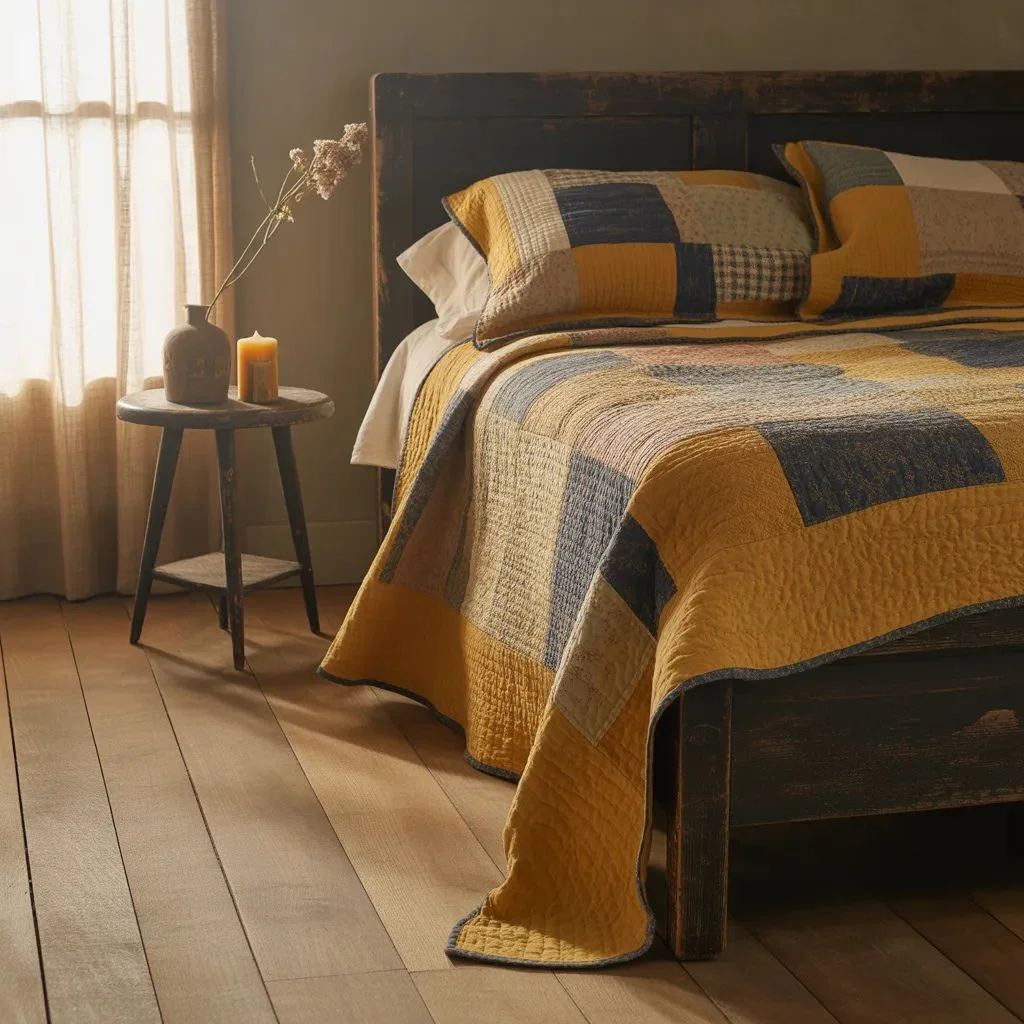
The bedroom is where primitive style feels most restorative. Start with a distressed wood bed frame — dark walnut or painted black work best. Layer the bed with a hand-stitched quilt as the primary coverlet and add linen shams and a wool throw at the foot.
Replace modern nightstands with small painted antique tables or wooden crates. A single beeswax candle and a dried flower stem in a stoneware vase is all the nightstand styling you need.
Entryway
First impressions matter. In a primitive home, the entryway sets the tone immediately. A wooden bench with a woven storage basket beneath it, a wrought iron coat hook rack on the wall, and a small, braided rug underfoot do the job perfectly.
If you have wall space, a vintage wooden sign or a grouping of antique frames creates instant warmth and personality the moment guests walk through the door.
Common Mistakes to Avoid
Even with the best intentions, a few missteps can make a primitive space feel off. Here is what to watch out for:
- Buying new items made to look old. Factory-distressed furniture from big-box stores rarely carries the soul of a genuine antique. Invest time in thrift stores, estate sales, and antique markets for the real thing.
- Using too many matching sets. Matching bedroom sets or living room furniture suites flatten the collected, layered feel that makes primitive homes interiors special.
- Overcrowding every surface. More is not more in primitive style. Thoughtful editing creates impact. Display your best pieces with breathing room around them.
- Ignoring lighting. Overhead fluorescent or cool-white lighting destroys the warmth of a primitive room instantly. Use warm-toned bulbs, candles, and lamp light wherever possible.
- Mixing in too many modern or glossy elements. High-gloss surfaces, chrome fixtures, and sleek modern furniture are jarring in a primitive space. Keep them minimal or eliminate them entirely.
Where Old Meets Soul
There is a reason primitive homes interiors are having such a strong moment right now. In a world that can feel rushed and disposable, a home layered with genuine wood, real texture, and antiques that have survived generations feels like a quiet act of defiance — and of care.
You do not need a big budget or a historic house to achieve this look. Start with one piece: a wooden bowl, a braided rug, a hand-stitched quilt from a local estate sale. Build slowly, choose with intention, and let imperfection be your guide.
The most beautiful primitive spaces are not designed — they are gathered. One honest, soulful piece at a time.
Editor Choice: Above Bed Decor Ideas That Go Way Beyond a Basic Headboard.