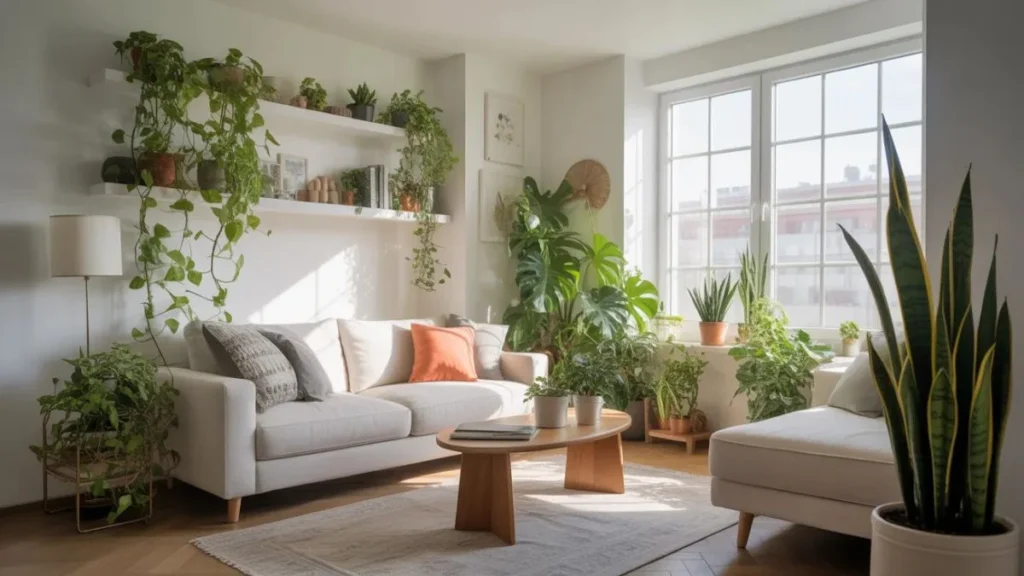
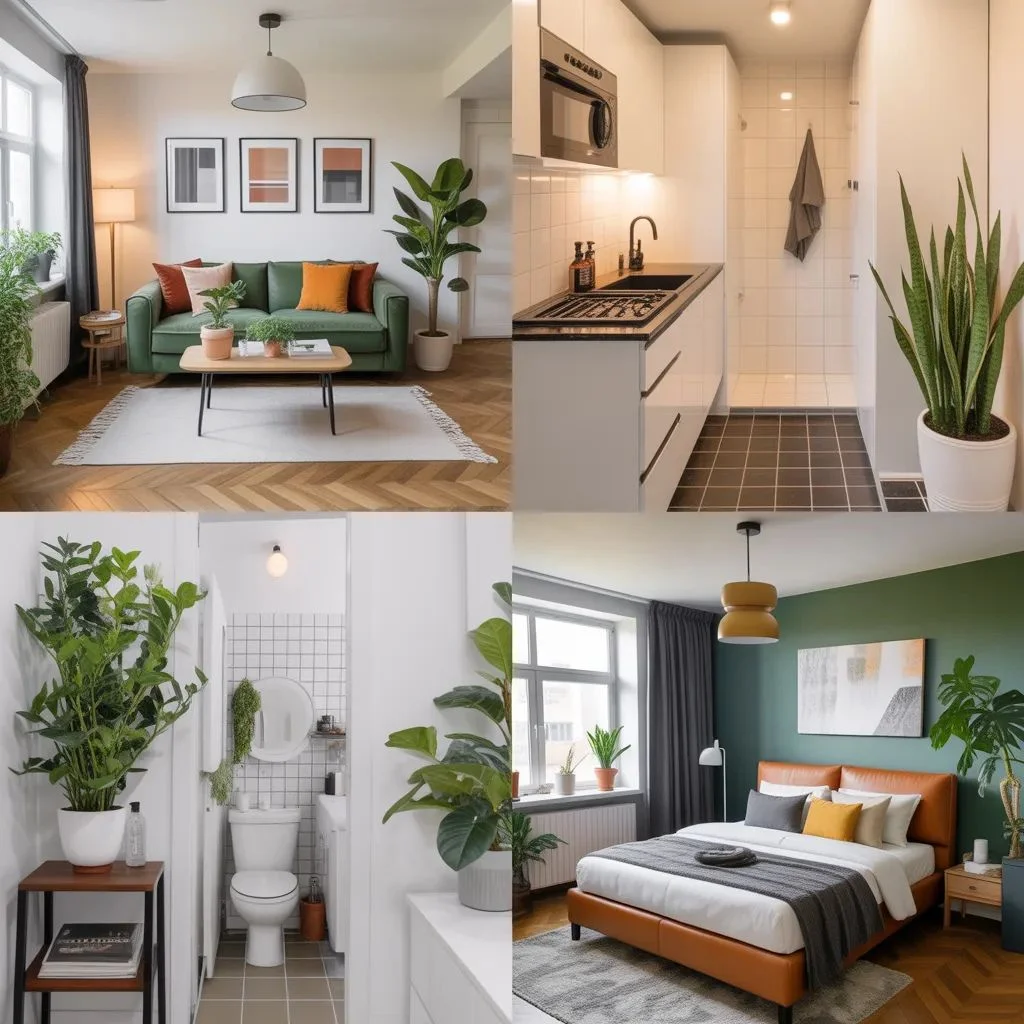
Small apartments do not need big square footage to feel warm, stylish, and full of life. The real secret is using greenery with purpose. Apartment Decoration With Plants works best when plants are treated as part of the room design, not as random extras placed on empty corners. When you match the right plant to the right light, container, and location, even a compact apartment can feel softer, brighter, and more inviting. Low-light plants generally grow more slowly and use less water, so choosing them well is especially useful in smaller indoor spaces.
- Start With Light Before You Buy Anything
- Choose Plant Shapes That Work Hard in Small Rooms
- Make Every Room Earn Its Greenery
- The Best Beginner Plants for a Stylish Small Apartment
- Styling Tricks That Make a Small Apartment Feel Bigger
- Care Habits That Keep the Look Fresh
- Common Mistakes That Make Plant Decor Feel Messy
- A Small Apartment Can Still Feel Lush
- FAQs
Plants also do something visual that furniture alone cannot. A trailing vine softens sharp shelves, a slim upright plant draws the eye upward, and a compact tabletop plant makes a small room feel finished without adding clutter. That is why Apartment Decoration With Plants is not just a trend. It is one of the easiest ways to make a studio, rental, or small flat feel more personal and alive.
Start With Light Before You Buy Anything
The smartest way to plan Apartment Decoration With Plants is to check your apartment’s natural light first. North-facing windows usually suit low-light plants. East- and west-facing windows are better for medium-bright light. South-facing windows usually provide the strongest natural light. If you skip this step and choose plants only by looks, the design may start beautifully and fail a few weeks later.
Low light does not mean no light. Plants kept in dim areas may grow slowly, stretch toward the light, and produce fewer flowers. In apartments with limited sun, moving plants closer to a window or adding artificial light can improve growth. For leafy non-flowering houseplants, white or balanced grow lights can work well when natural light is weak.
This one step changes everything. Instead of asking, “Which plant is trendy?” ask, “Which plant fits this exact corner?” That mindset makes Apartment Decoration With Plants feel effortless rather than frustrating.
Choose Plant Shapes That Work Hard in Small Rooms
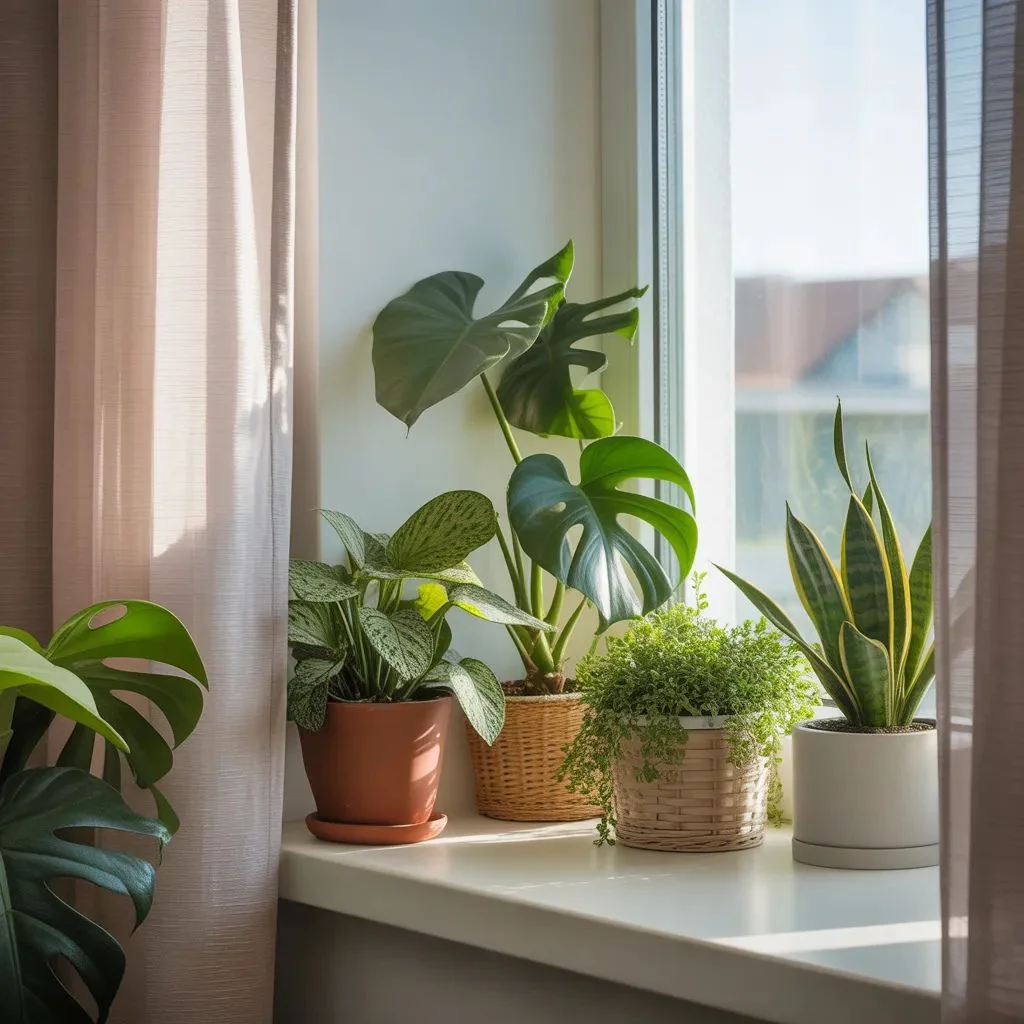
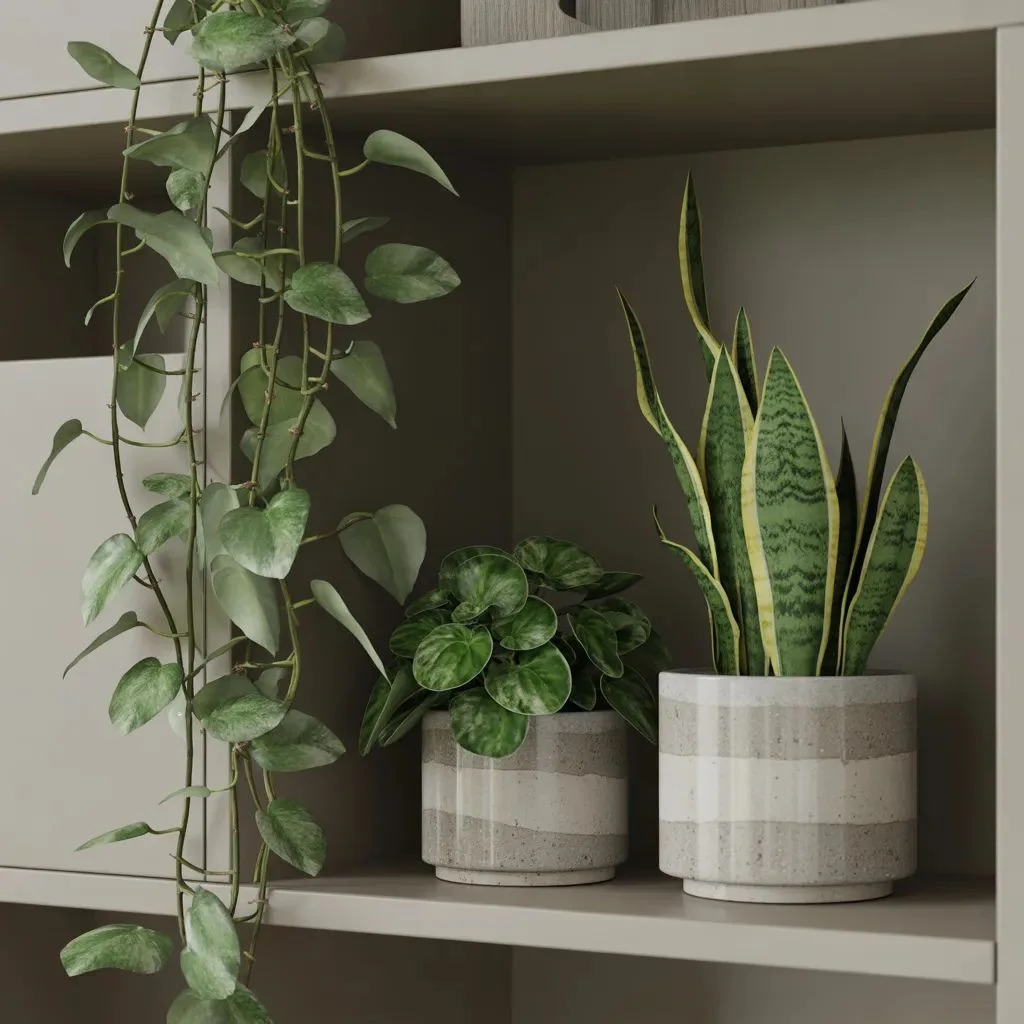
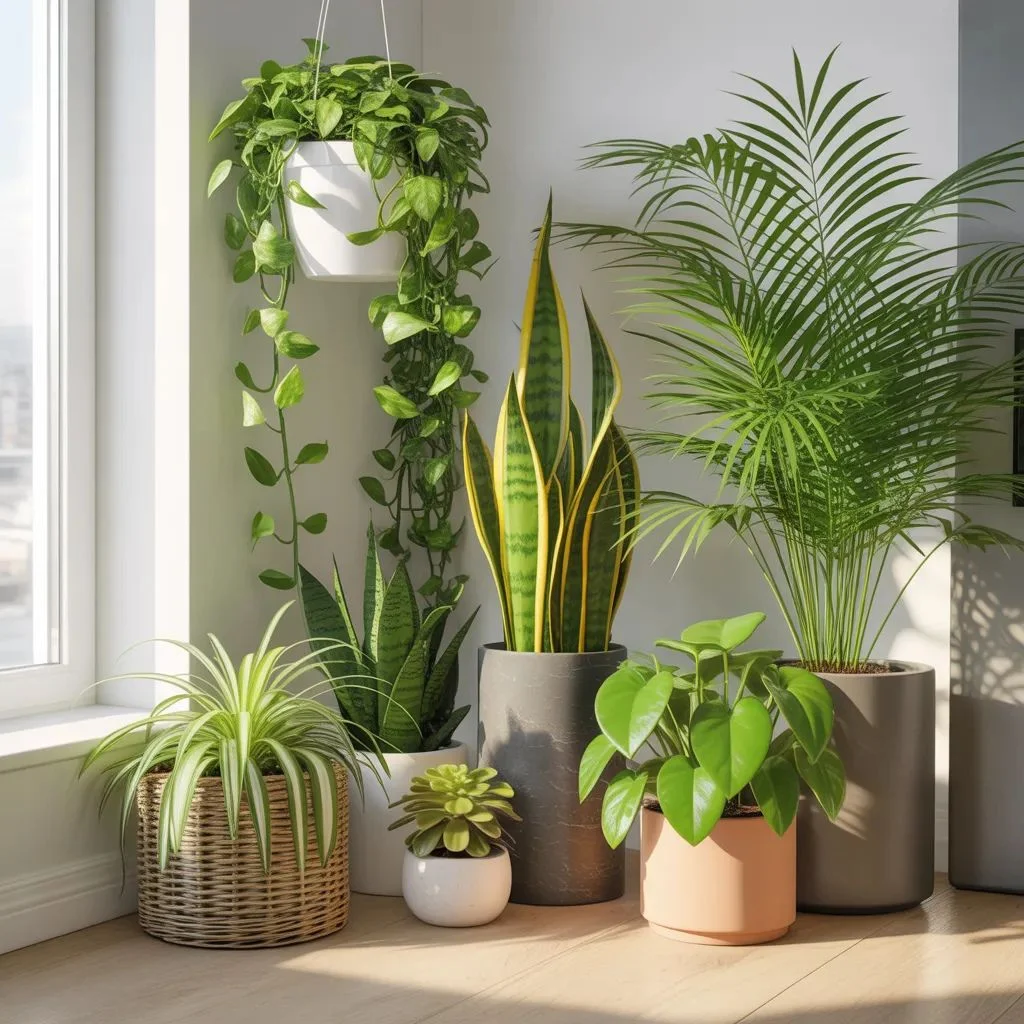
In a small apartment, shape matters almost as much as color. Trailing plants are perfect for shelves, wall brackets, and cabinet tops because they add movement without using floor space. Pothos is especially forgiving and can tolerate a range of indoor conditions, though it should be kept out of harsh direct sun. Snake plant gives height in a narrow footprint and is widely recommended for low-light rooms. Compact plants like peperomia or calathea help fill side tables, desks, and kitchen ledges without making them look crowded.
A good rule is to mix three visual roles: one upright plant, one trailing plant, and one small accent plant. That combination creates layers, and layers make a room feel designed. A tall plant leads the eye upward, a hanging vine softens hard edges, and a small plant adds detail close to eye level. This is where Apartment Decoration With Plants starts looking editorial instead of accidental.
Try to repeat pot tones instead of repeating the exact same plant. For example, use terracotta, soft white ceramic, or matte black planters throughout the apartment. That creates visual unity even when the plants themselves are different. Small homes usually look better with a calm pot palette and varied leaf shapes.
Make Every Room Earn Its Greenery
The living room is usually the best place to create a main plant moment. A slim snake plant near a sofa arm, a pothos on a floating shelf, or an areca palm in an empty corner can make the room feel fuller without blocking movement. If your living room gets filtered light, many common houseplants will stay happy there. Areca palms are also considered non-toxic to dogs and cats by ASPCA, which makes them a strong option for pet homes.
Kitchens are perfect for smaller greenery because counters and windowsills already create natural display zones. A compact peperomia, spider plant, or herb pot can add freshness without taking much space. Spider plants are listed by ASPCA as non-toxic to dogs and cats, which is useful if pets like to explore lower surfaces or window areas.
Bathrooms can be excellent for moisture-loving plants when there is enough light. RHS notes that many tropical houseplants enjoy higher humidity, and bright bathrooms out of direct sun can suit plants such as maidenhair ferns or peace lilies. Peace lilies like warmth and moderate humidity, though pet owners should remember they are not pet-safe choices.
Bedrooms often look best with restraint. One medium plant on a dresser and one trailing plant on a shelf usually feels calmer than turning the room into a mini jungle. In design terms, the goal is softness, not overload. Apartment Decoration With Plants is strongest when every room gets just enough greenery to feel intentional.
The Best Beginner Plants for a Stylish Small Apartment
If you are new to plant styling, begin with forgiving varieties that still look polished. Pothos is one of the easiest choices for shelves and hanging planters. RHS describes it as a very forgiving houseplant that tolerates a fair bit of neglect, and it can work in both sunny and shady positions if protected from harsh direct sun.
Snake plant is another reliable favorite. University of Maryland Extension notes that snake plants tolerate low light especially well, which is why they work so well in apartments with shaded corners or inconsistent daylight. Their upright form also gives a modern look that suits minimal interiors.
For pet-friendly styling, look at spider plant, peperomia, calathea, prayer plant, and areca palm. ASPCA lists these as non-toxic to dogs and cats, making them safer choices for homes with curious pets. On the other hand, pothos and snake plant are toxic to dogs and cats, so they should be placed out of reach if animals have access to your plant areas.
That balance matters. A beautiful apartment should also feel practical. Good Apartment Decoration With Plants is not about buying the most dramatic plant in the store. It is about choosing greenery that fits your light, your schedule, and your real daily life.
Styling Tricks That Make a Small Apartment Feel Bigger
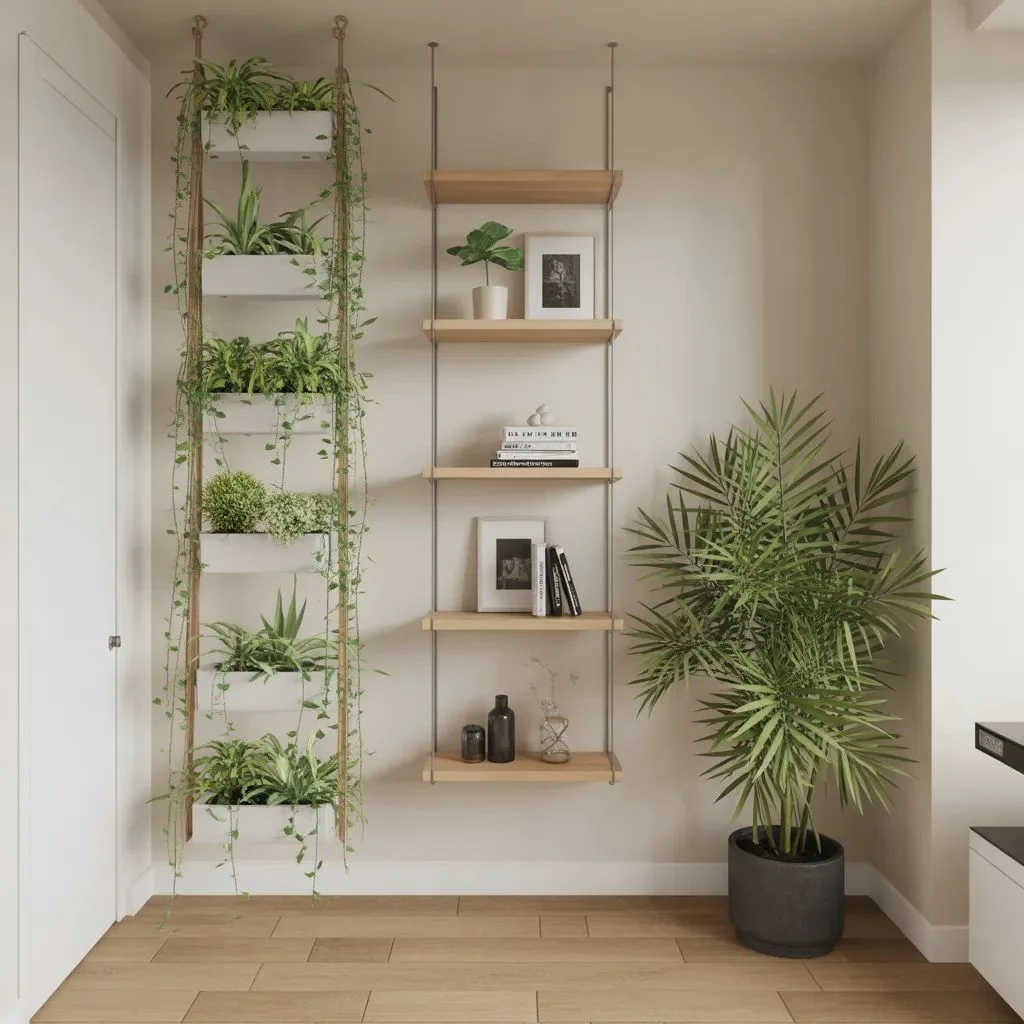
One of the best tricks is to use vertical space. Floating shelves, wall planters, ladder shelves, and hanging baskets let you decorate upward instead of outward. This keeps the floor open, which makes the apartment feel larger. Trailing plants are especially useful here because they add fullness without needing a wide pot or large plant stand.
Another smart move is to place plants where the eye naturally pauses. Think entry console, coffee table corner, bookshelf edge, kitchen sill, or bathroom vanity. A plant in the right spot acts like a visual stop sign. It finishes the view. This is why Apartment Decoration With Plants often makes even simple apartments look more professionally styled.
Scale also matters. One tall plant usually works better than five tiny scattered pots on the floor. Small pots can disappear visually or start to look messy when they are not grouped well. It is often more effective to build one focal point per room, then support it with smaller plants at different heights.
Finally, let empty space stay empty. Plants bring life, but they also need breathing room to look elegant. In small homes, restraint is part of the design.
Care Habits That Keep the Look Fresh
The fastest way to ruin beautiful Apartment Decoration With Plants is overwatering. In lower light, plants grow more slowly and use less water, so soggy soil becomes a common problem. University of Minnesota Extension advises checking the soil rather than watering on a fixed emotional schedule, and good drainage is essential because standing water can lead to root rot and fungus gnats.
Choose pots with drainage holes whenever possible, and water thoroughly before letting excess water drain away. Decorative cachepots are fine, but plants should not sit in trapped water. If leaves look weak, pale, or stretched, the problem may be light rather than thirst. That is an important distinction because many indoor plant mistakes come from trying to fix a light issue with more water.
Humidity can also matter more than many beginners expect. RHS notes that many tropical houseplants prefer higher humidity, which is why bathrooms and kitchens can sometimes outperform dry living rooms. Ferns and some palms appreciate that extra moisture, while succulents generally prefer abundant light and lower humidity conditions.
A simple weekly routine is enough for most apartments: check soil, trim yellow leaves, wipe dusty foliage, rotate pots for even growth, and scan for pests. That light maintenance keeps the space looking alive rather than neglected.
Common Mistakes That Make Plant Decor Feel Messy
The most common mistake is buying plants first and deciding placement later. The second is ignoring light levels. The third is using too many tiny planters without any visual order. These mistakes can make a small apartment feel crowded rather than fresh. Low light can also cause weak, stretched growth, so a sad plant in the wrong place rarely improves a room.
Another mistake is choosing difficult plants for a busy lifestyle. If you often travel, forget watering, or have low light, start with tougher varieties instead of moisture-demanding statement plants. A healthy easy plant always looks better than a struggling rare one.
And do not forget pet safety. Some of the most popular indoor plants, including pothos and snake plant, are toxic to cats and dogs. In homes with pets, style the apartment around safer choices or keep risky plants completely out of reach.
A Small Apartment Can Still Feel Lush
The beauty of Apartment Decoration With Plants is that it works on almost any budget and in almost any layout. You do not need a giant living room or a sun-filled loft. You just need a thoughtful mix of light-aware placement, space-saving plant shapes, and simple care habits. Start with one tall plant, one trailing plant, and one compact accent plant. Build from there. Soon, the apartment will feel less boxed in and more alive.
When plants are chosen with intention, they do more than decorate. They soften the room, create rhythm, and make everyday spaces feel calmer and more human. That is what great Apartment Decoration With Plants really does. It turns a small home into a living space with personality.
Editors Pick: Simple Ideas For Using Kallax To Divide A Room On A Budget.
FAQs
What are the best plants for a small apartment with low light?
Snake plant, cast iron plant, ZZ plant, and some peace lilies are commonly recommended for lower-light indoor spots. North-facing windows and dimmer corners usually suit low-light plants better than sun-loving ones.
Which apartment plants are safer for cats and dogs?
Spider plant, areca palm, peperomia, calathea, and prayer plant are listed by ASPCA as non-toxic to dogs and cats.
How often should I water indoor apartment plants?
It depends on the plant and the light it gets. In lower light, plants use less water, so check the soil before watering. Avoid leaving pots standing in water.
Can I keep plants in a bathroom?
Yes, if the bathroom has enough light. Humidity-loving plants such as some ferns and peace lilies can do well in bright bathrooms out of direct sunlight.