

A Backyard Tiki Hut is more than just a shelter—it’s a tropical escape right in your own yard. Imagine sipping a cold drink under a thatched roof, surrounded by bamboo furniture, soft lighting, and the sounds of nature. Whether you love hosting friends or simply want a serene retreat, a tiki hut can transform your outdoor space into a personal paradise. These huts are versatile, stylish, and can fit into backyards of almost any size. From rustic DIY designs to professionally built tropical lounges, there’s a perfect tiki hut for every home. By incorporating natural materials, tropical décor, and comfortable seating, you can bring an island vibe to your backyard. In this guide, we’ll explore everything you need to know about designing, building, and styling a Backyard Tiki Hut, ensuring it’s both functional and Instagram-worthy.
Choosing the Perfect Spot for Your Backyard Tiki Hut
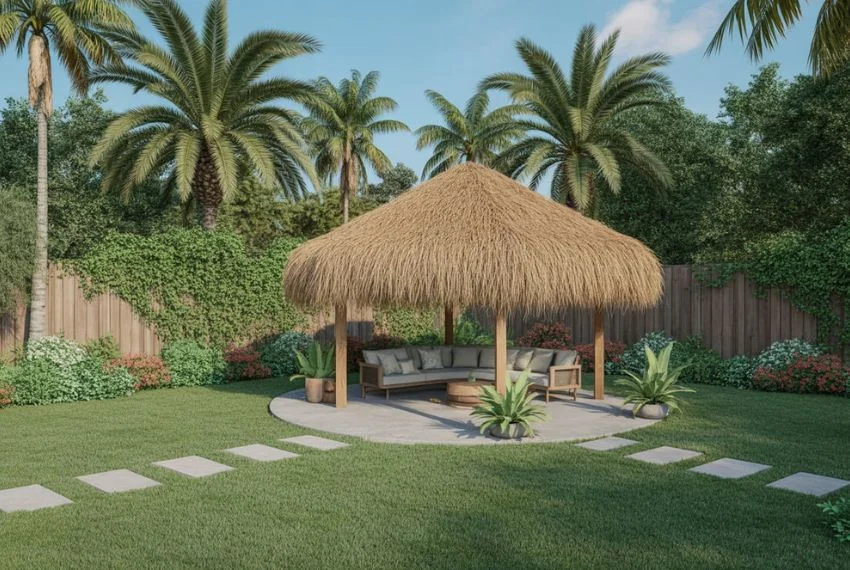
Selecting the right location is the first step in building your Backyard Tiki Hut. Ideally, you want a spot that balances sunlight and shade while remaining easily accessible. Placing the hut near your pool or garden adds a scenic touch but make sure it’s on a flat surface to avoid structural issues. Consider proximity to your house for convenience, especially if you plan to add a bar or kitchen area inside. Landscaping around the hut can enhance its tropical vibe—think flowering plants, palm trees, or a small pond. A well-chosen spot not only improves aesthetics but also ensures your tiki hut is comfortable year-round. Once the location is decided, you can plan your hut’s size, orientation, and surrounding décor.
Essential Materials and Construction Tips
Materials define the look and durability of your Backyard Tiki Hut. Traditional bamboo and thatch roofing bring authenticity, while weather-resistant woods like cedar or teak provide long-lasting support. For those who want a modern twist, metal frames with natural cladding work beautifully. Decide if you want a DIY project or a professionally built structure—DIY kits are available and allow customization, but professionals ensure sturdiness and safety. Pay attention to roofing materials to prevent leaks, especially in rainy areas. A solid foundation, whether concrete or compacted gravel, will support your hut for years. Mixing natural textures with practical durability ensures your tiki hut stays beautiful and functional.
Stylish Furniture for Your Backyard Tiki Hut
Furniture makes your Backyard Tiki Hut truly liveable. Lounge chairs, hammocks, and bamboo or rattan seating create a cozy tropical feel. Consider bar stools if you’re adding a mini bar or counter. Tables made from reclaimed wood or bamboo enhance the hut’s rustic charm, while weatherproof cushions and fabrics ensure comfort through all seasons. Multi-functional furniture, like benches with storage or foldable chairs, maximizes space without sacrificing style. Carefully chosen furniture complements your hut’s design while providing practical comfort, making it perfect for both quiet afternoons and lively gatherings.
Tropical Décor and Lighting Ideas
Decor and lighting turn your Backyard Tiki Hut into a magical retreat. String lights or lanterns create a soft glow in the evening, while tiki torches add authentic tropical flair. Hanging plants, palm fronds, and tropical-themed cushions enhance the atmosphere. Don’t forget small decorative details like bamboo mats, seashells, or themed wall art. Lighting should be both functional and decorative, illuminating pathways and seating areas without overpowering the space. Proper décor balances style and comfort, ensuring your tiki hut feels like a true tropical escape.

Outdoor Entertainment Options
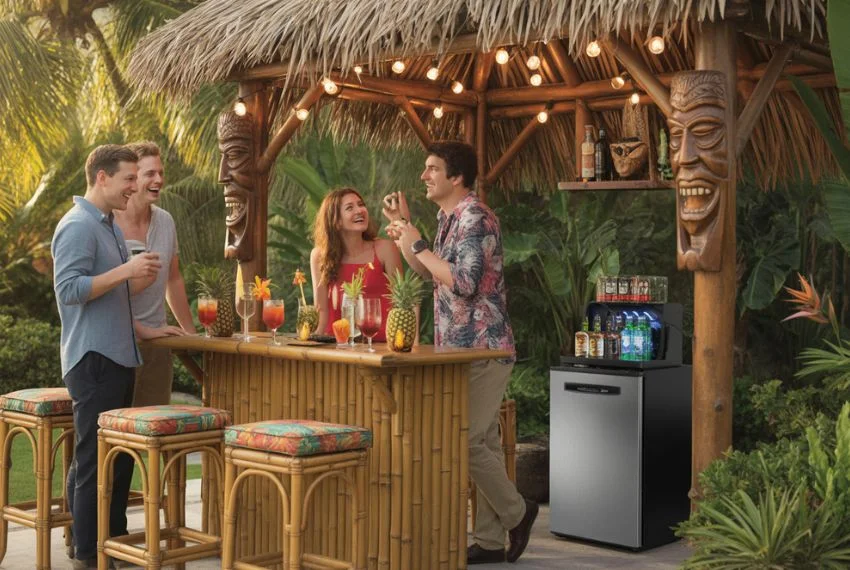
A Backyard Tiki Hut is perfect for hosting friends and family. Consider adding a mini bar, a small outdoor fridge, or a music system to create a full tropical lounge experience. Games like cornhole, ring toss, or card tables can enhance social gatherings. For larger backyards, consider a fire pit nearby for warmth and ambiance. Entertainment makes your tiki hut a social hub, transforming your backyard into a mini resort where fun meets relaxation.
Seasonal and Weather-Proof Tips
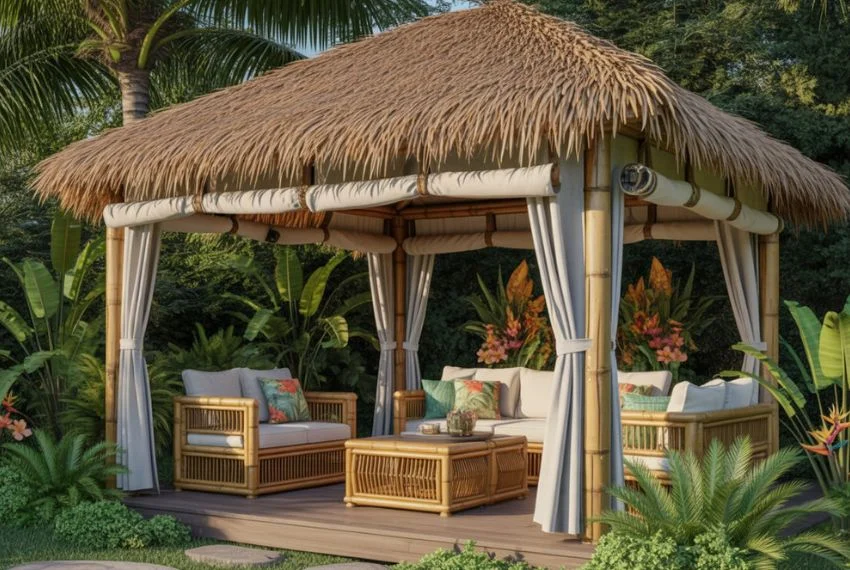
Protecting your Backyard Tiki Hut against harsh weather extends its life. Thatch roofs may need seasonal maintenance, while bamboo can be treated to resist moisture and pests. Consider removable covers or roll-up sides to shield against rain or wind. Furniture and cushions should be stored or covered during extreme weather. Adding durable outdoor rugs and water-resistant fabrics keeps the hut inviting year-round. With simple precautions, your tiki hut can stay functional and stylish across all seasons.
Adding Personal Touches
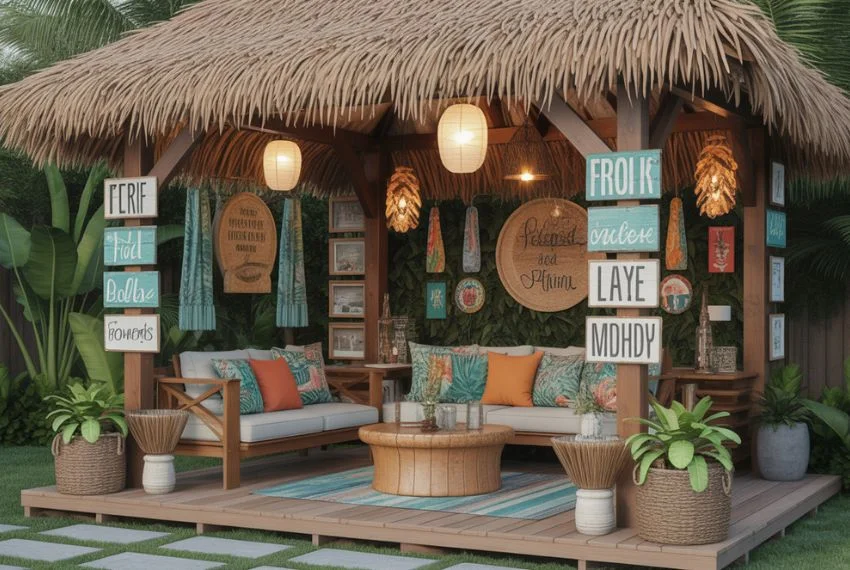
Make your Backyard Tiki Hut uniquely yours. DIY signs, personalized décor, or themed accessories give your space character. Stringing family photos, lanterns, or tropical souvenirs can reflect your personality while keeping the island vibe. Seasonal decorations—like summer lanterns or tropical holiday lights—also add charm. Personal touches make your tiki hut more than just a structure; it becomes a cherished part of your home.
Final Thoughts
A Backyard Tiki Hut transforms any outdoor space into a tropical getaway, offering relaxation, entertainment, and style. By choosing the right location, durable materials, comfortable furniture, and thoughtful décor, you can create a personal retreat that impresses friends and family alike. Whether you enjoy quiet afternoons alone or lively gatherings with loved ones, a tiki hut brings island vibes right to your backyard. Start planning yours today and embrace the tropical lifestyle at home.
Also read about Vintage Tiki Decor Ideas to Elevate Your Retro Lounge or Bar.
FAQs
1. How big should a backyard tiki hut be?
It depends on your space and intended use. Small huts can host 2–4 people, while larger designs accommodate 8–12 comfortably.
2. Can I build a tiki hut myself?
Yes! DIY kits are available for beginners, but professional builders ensure safety and durability for larger or complex designs.
3. What are the best weather-resistant materials?
Bamboo, teak, cedar, and treated wood are ideal. For roofing, synthetic thatch or waterproof options work well in wet climates.
4. How do I decorate my tiki hut on a budget?
Use DIY decorations, repurposed furniture, string lights, and affordable tropical plants to create style without overspending.