
Owning an old home comes with charm, character, and a touch of nostalgia. However, along with these perks, there are some common problems in old homes that homeowners often face. From plumbing issues to outdated electrical systems, these challenges can be daunting if left unattended. Understanding these problems is the first step toward preserving the beauty and safety of your old house.
Old homes tell a story, but they also demand regular maintenance. In this article, we’ll explore the most common problems in old homes, why they occur, and practical solutions to fix them—so you can enjoy your vintage property without stress.
Aging Roof and Leaks
One of the most noticeable common problems in old homes is an aging roof. Shingles can deteriorate, wooden beams may rot, and leaks can appear, especially after heavy rains. A leaky roof can damage ceilings, walls, and even the foundation over time.
How to fix it:
- Inspect the roof regularly for missing or damaged shingles.
- Repair minor leaks with roofing sealant.
- Consider replacing old roofing materials with modern, durable alternatives.
Outdated Electrical Systems
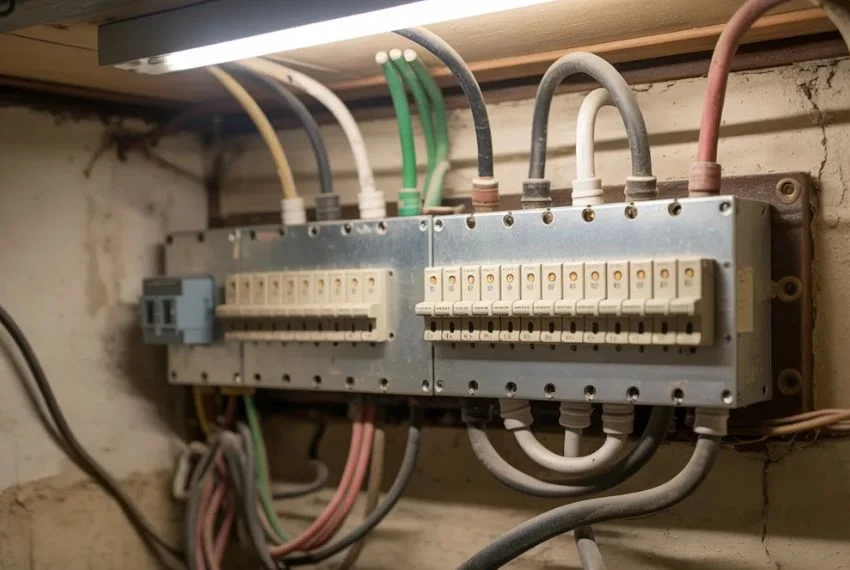
Old homes often have outdated wiring that may not meet current safety standards. This is one of the common problems in old homes that can pose fire hazards. Frequent tripping of breakers, flickering lights, or exposed wires are warning signs.
How to fix it:
- Hire a licensed electrician to inspect and update wiring.
- Replace old fuse boxes with modern circuit breakers.
- Add grounded outlets and surge protectors for safety.
Plumbing Issues
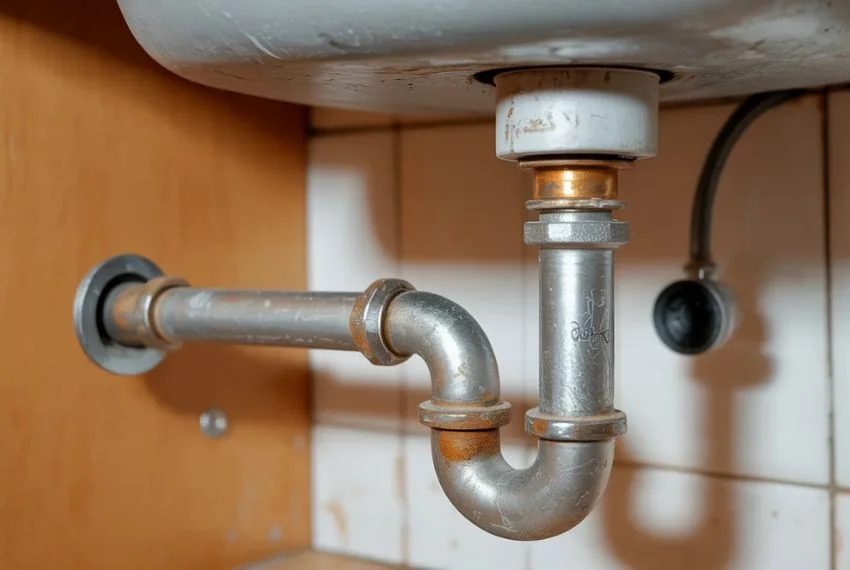
Old plumbing pipes can corrode, leak, or even burst, leading to water damage and mold growth. Many homeowners face this among common problems in old homes. Pipes made from galvanized steel or lead can also affect water quality.
How to fix it:
- Replace corroded pipes with modern materials like PEX or copper.
- Regularly check for leaks under sinks and behind walls.
- Install water pressure regulators to prevent pipe bursts.
Foundation Cracks and Settling
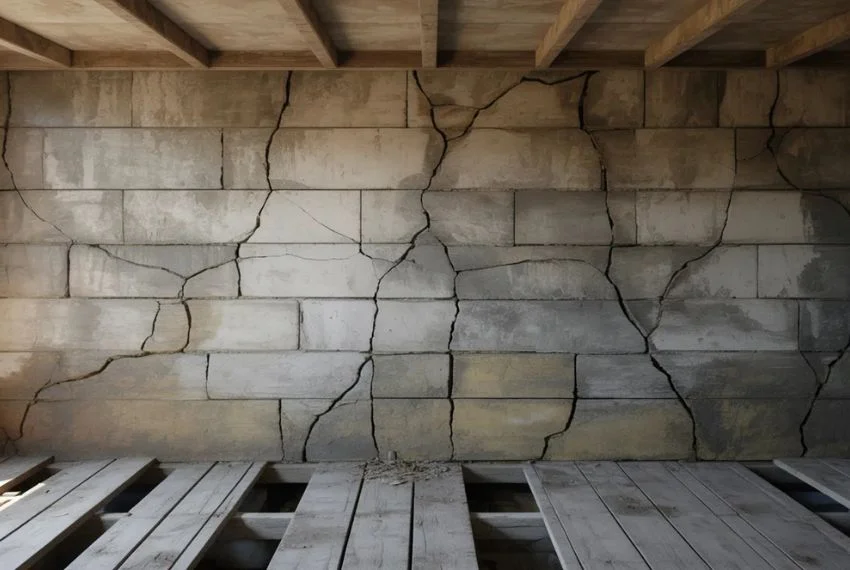
Foundation issues are serious common problems in old homes. Cracks in walls, uneven floors, and sticking doors or windows may indicate foundation settling. Ignoring these issues can lead to structural damage.
How to fix it:
- Inspect for cracks in walls, floors, and the basement regularly.
- Consult a structural engineer for major foundation issues.
- Use epoxy injections or underpinning methods to stabilize the foundation.
Poor Insulation and Energy Loss
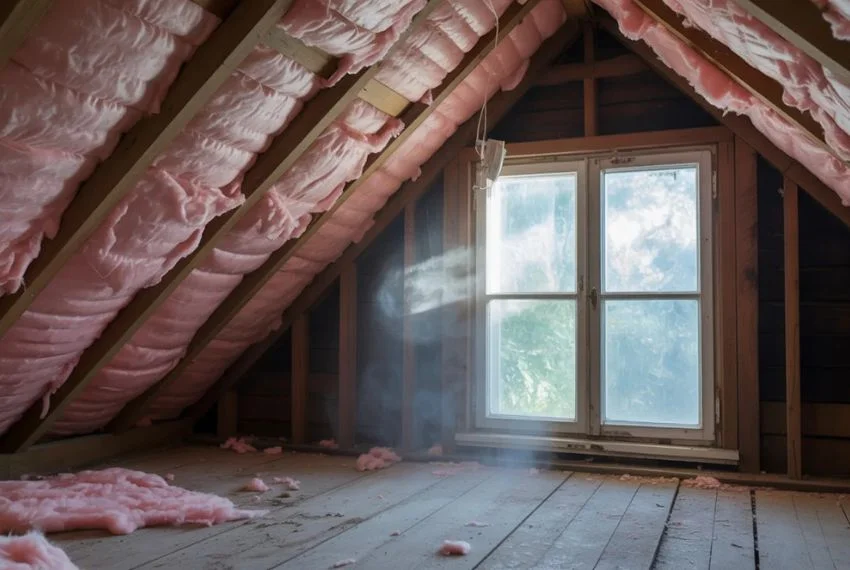
Many old homes were built without modern insulation, leading to common problems in old homes like high energy bills and drafty rooms. Walls, attics, and old windows can let in cold air during winters and heat during summers.
How to fix it:
- Add insulation in the attic, walls, and crawl spaces.
- Replace old windows with energy-efficient double-pane glass.
- Seal gaps around doors and windows with weather stripping.
Pest Infestation
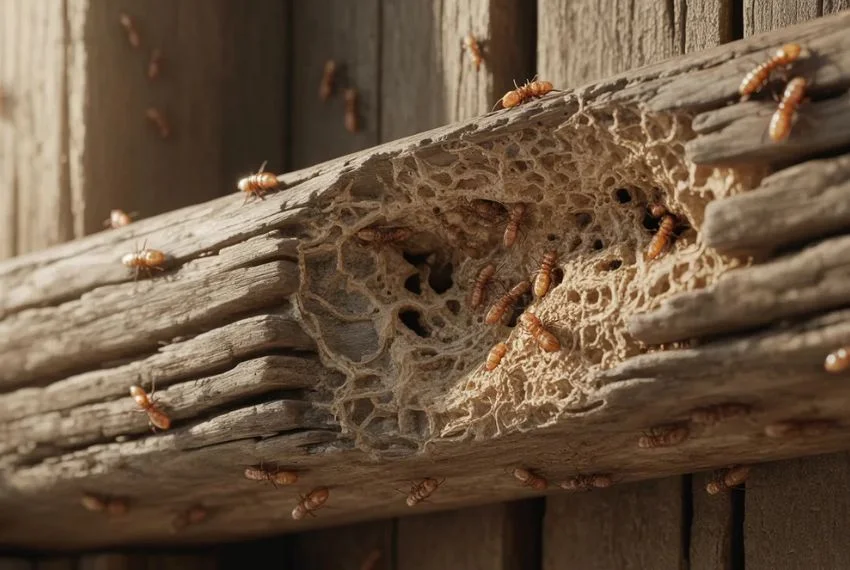
Termites, rodents, and insects often target old homes. This is one of the common problems in old homes that can damage wood, wiring, and overall structural integrity.
How to fix it:
- Conduct regular inspections for termites and rodents.
- Seal entry points and cracks.
- Use professional pest control services for severe infestations.
Moisture and Mold
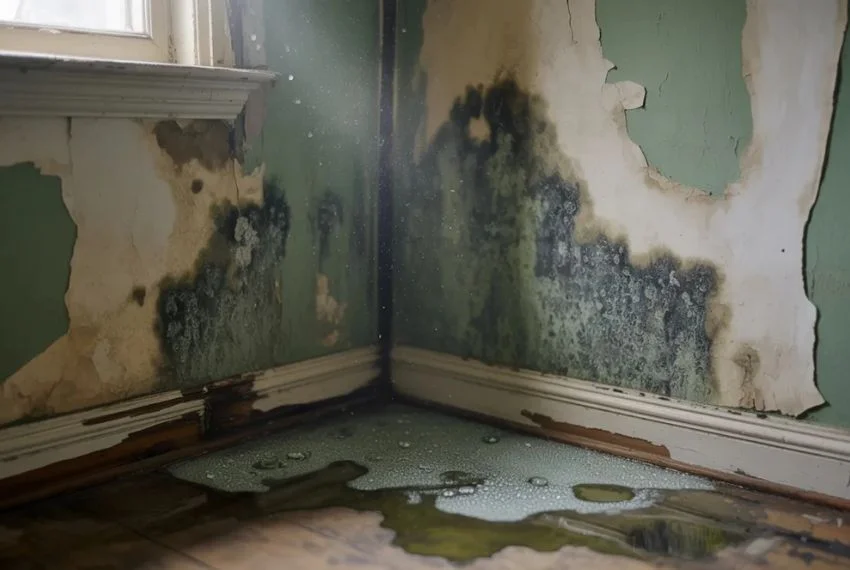
Moisture can accumulate due to leaks, poor ventilation, or rising damp. Mold growth is a health hazard and another one of the common problems in old homes.
How to fix it:
- Improve ventilation in bathrooms, kitchens, and basements.
- Fix leaks promptly.
- Clean minor mold with a vinegar solution; call professionals for severe mold.
Final Thoughts
Owning an old home is rewarding but comes with challenges. By understanding the common problems in old homes and taking proactive steps, you can preserve its charm while ensuring safety and comfort. Regular inspections, timely repairs, and modernization in critical areas like plumbing, electrical, and roofing are key to enjoying a vintage home for years to come.
Also Read About Step-by-Step Farmhouse Renovation Ideas for a Timeless Look.
FAQs
Q1: Are old homes more expensive to maintain?
Yes, maintenance can be higher due to age-related issues, but regular upkeep prevents major costs.
Q2: How often should I inspect my old home?
A seasonal inspection is ideal, with detailed checks every year for structural, plumbing, and electrical systems.
Q3: Can I modernize an old home without losing its charm?
Absolutely! Updating essentials like wiring, plumbing, and insulation can be done while preserving vintage features.

