
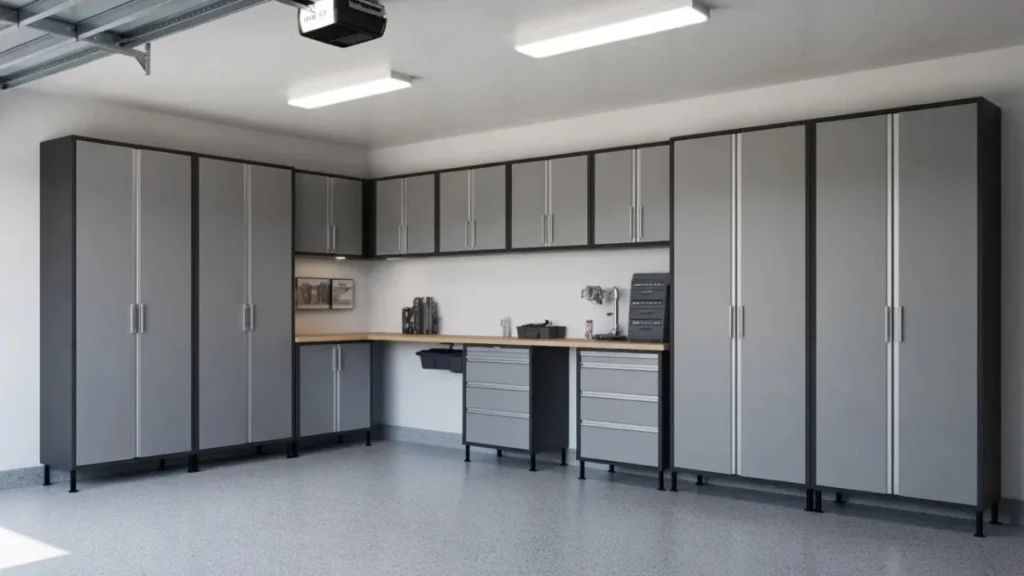
Garage drop zone ideas have become one of the hottest home organization trends — and for good reason. If your family enters and exits the house through the garage, that space is doing a lot of heavy lifting every single day. Shoes get kicked off, backpacks land on the floor, jackets drape over car mirrors, and somehow the keys are never where you left them.
- What Is a Garage Drop Zone and Why Do You Need One?
- Step 1 — Assess Your Garage Entryway Space
- Step 2 — Choose the Right Storage Elements
- Step 3 — Plan Your Layout for Maximum Functionality
- Step 4 — Incorporate Smart Organizational Systems
- Step 5 — Explore Stylish Garage Drop Zone Ideas for Every Budget
- Garage Drop Zone Ideas for Families with Kids
- How to Keep Your Garage Drop Zone Organized Long-Term
- Frequently Asked Questions
A well-designed garage drop zone changes all of that. It gives every item a home, keeps outdoor mess out of your living areas, and makes your morning routine far less chaotic. Whether you have a roomy three-car garage or a tight single bay, you can carve out a functional, stylish entryway that works for your family.
In this guide, we’re walking you through the best garage drop zone ideas — from budget-friendly DIY setups to built-in dream designs — so you can create a space that’s both practical and good-looking.
What Is a Garage Drop Zone and Why Do You Need One?
A garage drop zone is a dedicated transitional area located near the door connecting your garage to your home. Think of it as a mini mudroom — a place to shed outdoor gear, store everyday essentials, and create a clear boundary between the outside world and your clean indoor space.
Without a garage drop zone, clutter slowly migrates into your kitchen, hallway, and living room. Shoes end up under the dining table. Wet jackets hang on chair backs. Backpacks become tripping hazards by the front door. Sound familiar?
A designated drop zone solves all of that. It keeps the mess contained, gives everyone a system to follow, and honestly makes your whole home feel more organized — even when life gets busy.
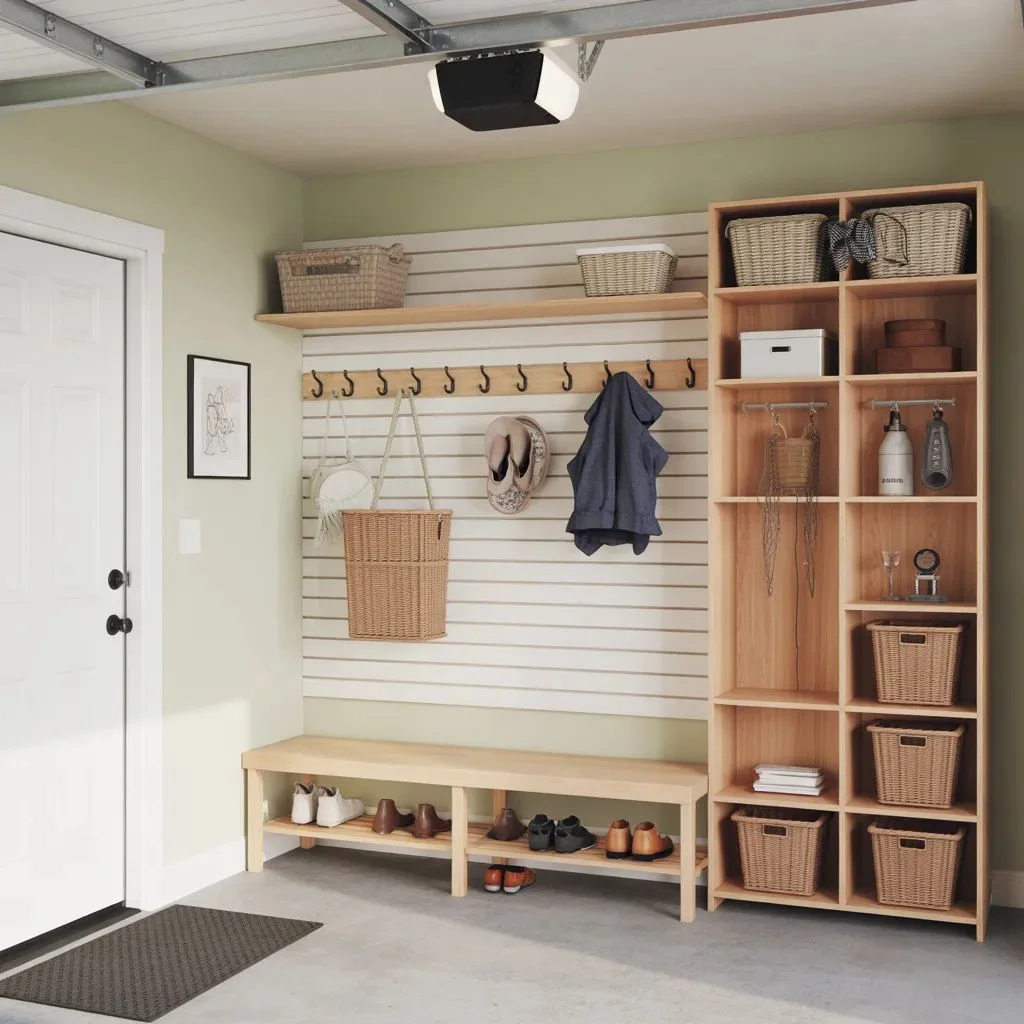
Step 1 — Assess Your Garage Entryway Space
Before you buy a single hook or shelf, take a good look at the space you’re working with. The success of your garage drop zone ideas depends heavily on understanding your layout and your family’s actual habits.
Start by measuring the wall next to your entry door. Note how far you can extend the zone without blocking car access or walkways. Even a narrow strip — just 2 to 3 feet wide — is enough to create a functional drop zone.
Ask yourself a few honest questions:
- How many people use this entrance daily? Families with multiple kids need more hooks, cubbies, and shoe storage than a household of two.
- What items pile up here most? Is it shoes, sports gear, school bags, pet supplies, or coats? Let the answer drive your storage choices.
- What’s your budget? Garage drop zones can range from a $50 freestanding coat rack to a fully custom built-in worth thousand.
Once you understand your space and needs, you’re ready to start designing.
Step 2 — Choose the Right Storage Elements
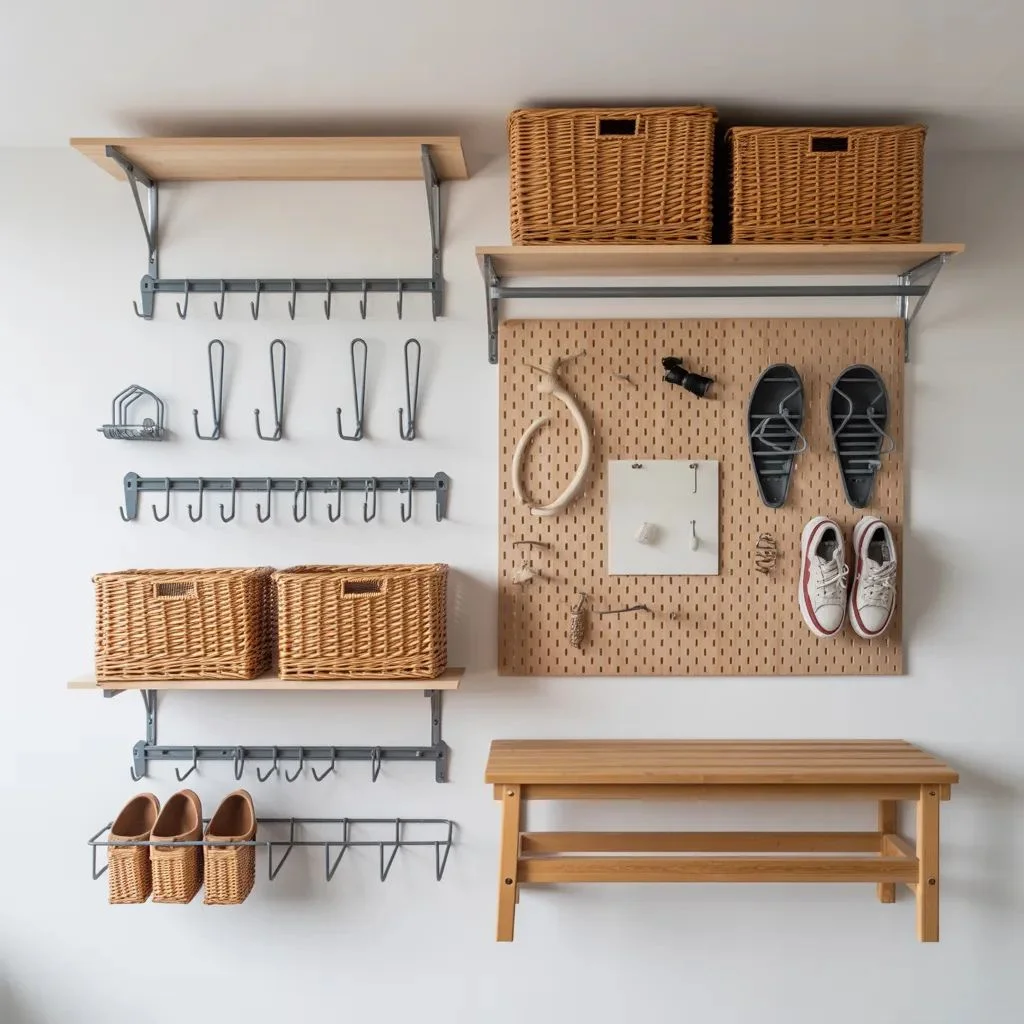
The best garage drop zone ideas combine multiple storage elements to handle different types of items. Here’s what to consider for each category:
Wall Hooks and Pegboards
Wall hooks are the backbone of any drop zone. Install them at a height that works for everyone — lower hooks for kids, upper hooks for adults. Heavy-duty hooks handle bulky coats, while smaller ones are perfect for bags and hats. Pegboards are a flexible option that let you rearrange hooks and baskets as your needs change.
Bench Seating with Under-Storage
A bench serves double duty: it gives you a place to sit while putting on shoes, and it hides storage underneath. Look for benches with built-in cubbies or add wicker baskets below a simple wooden bench. This is one of the most family-friendly garage drop zone ideas because it makes the space feel intentional rather than improvised.
Cubby Systems and Lockers
If you have multiple family members, individual cubbies or lockers are a game-changer. Assign each person their own space, complete with a hook, shelf, and basket. This eliminates the “whose stuff is this?” problem entirely and keeps everyone accountable for their own belongings.
Shoe Storage
Shoes are often the biggest source of garage entryway clutter. A slatted shoe rack, tiered shelf, or pull-out drawer keeps footwear contained and visible. For larger families, over-door shoe organizers or floor-to-ceiling shoe cabinets work beautifully.
Shelving and Baskets
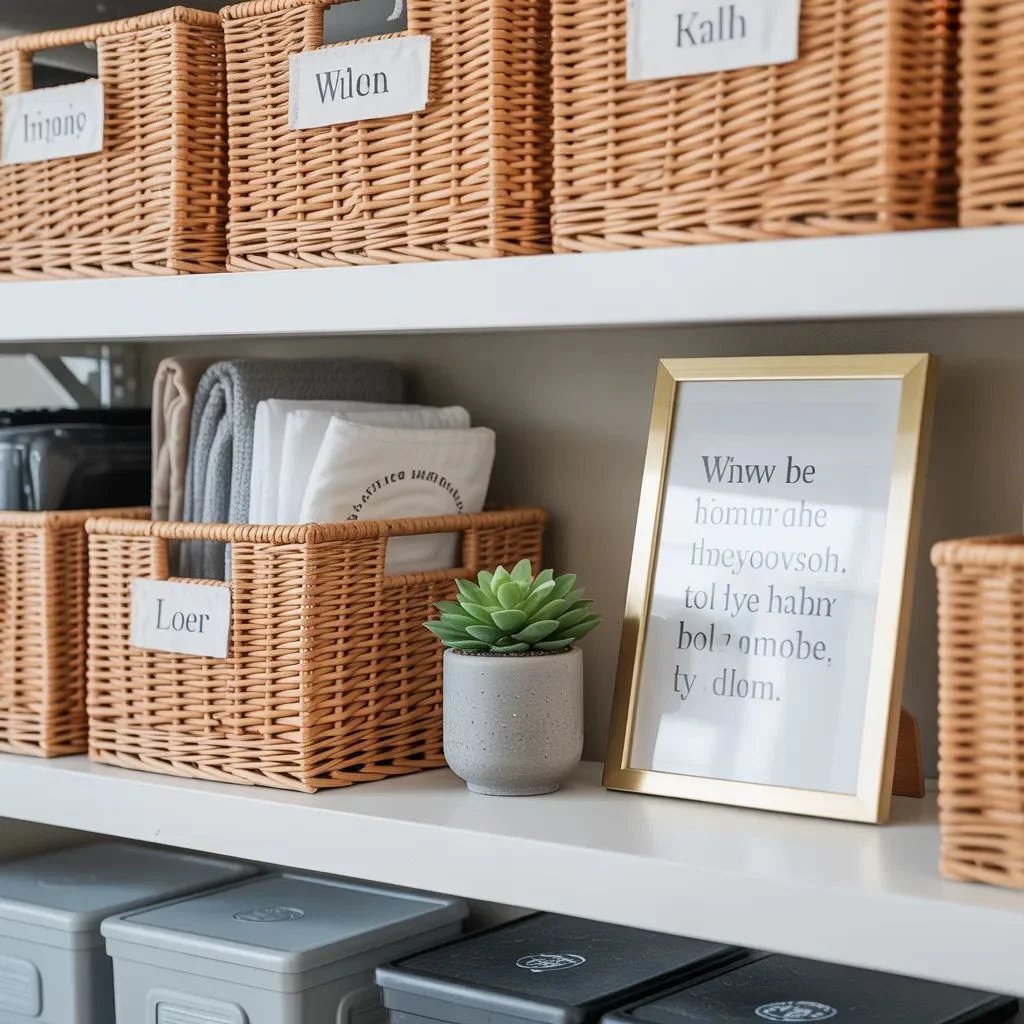
Open shelving paired with labeled baskets gives you easy grab-and-go access while keeping things looking tidy. Use baskets for items like scarves, sunglasses, pet leashes, or reusable shopping bags. Label each basket clearly so every family member knows exactly where things belong.
Step 3 — Plan Your Layout for Maximum Functionality
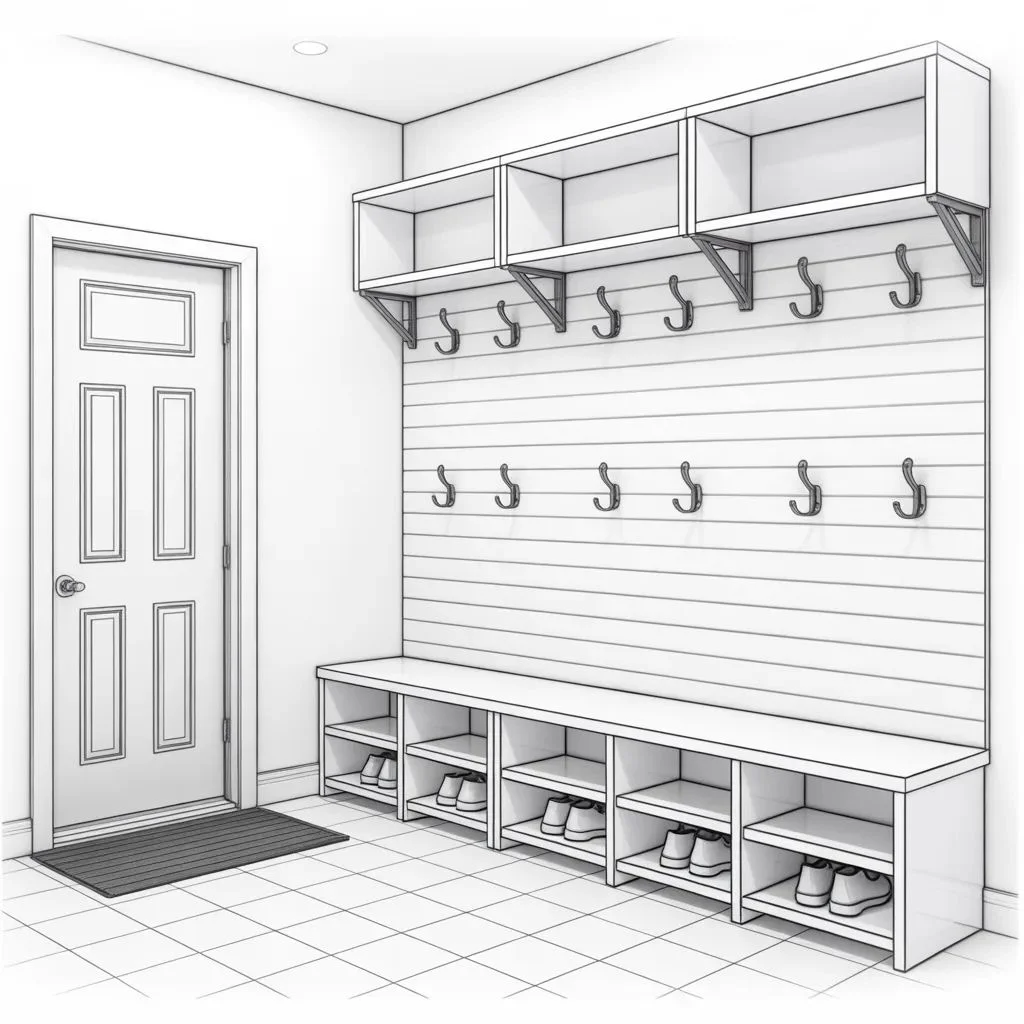
Once you’ve chosen your storage elements, it’s time to plan the layout. A good garage drop zone flows naturally — everything is within reach the moment you walk in the door.
A proven layout that works for most families:
- Hooks at eye level or slightly above, right beside the door
- Bench directly below the hooks — sit, take off shoes, hang your coat
- Shoe rack or cubbies under or beside the bench
- Upper shelving for hats, helmets, seasonal items, or labeled baskets
- A small key rack or charging station near the door for everyday essentials
If wall space is limited, go vertical. Install floating shelves above the hooks. Use the back of the entry door for a pocket organizer. Every inch counts in a tight garage drop zone.
Step 4 — Incorporate Smart Organizational Systems
The best garage drop zone ideas aren’t just about storage — they’re about systems that get used. Here are a few smart strategies to keep your drop zone working long-term:
- Label everything. Labels remove the guesswork. When each basket and cubby has a name on it, things go back where they belong.
- Keep a donation box nearby. A small bin for items to donate or return keeps clutter from building up and makes regular decluttering effortless.
- Use a charging station. A small power strip or charging dock built into a shelf keeps phones and tablets off the kitchen counter and in one convenient spot.
- Add a small mirror. A mirror by the garage door lets everyone do a quick check before heading out — practical and polished.
- Rotate seasonal items. Keep only current-season gear in the drop zone. Move off-season items to overhead storage or bins elsewhere in the garage.
Step 5 — Explore Stylish Garage Drop Zone Ideas for Every Budget
Your garage drop zone doesn’t have to look like an afterthought. With a little creativity, it can be one of the most stylish spaces in your home. Here are some design ideas across different price points:
Budget-Friendly (Under $150)
Use IKEA KALLAX shelving units as cubbies, add a few heavy-duty wall hooks, and tuck a simple wooden bench in front. A coat of paint on the wall behind the unit instantly elevates the look. This is one of the most popular garage drop zone ideas for renters or anyone who isn’t ready to commit to built-ins.
Mid-Range ($150–$600)
Invest in a freestanding locker system or a wall-mounted bench and cubby unit from retailers like Wayfair or Home Depot. Add matching baskets and a coordinated hook rail for a cohesive, put-together look. Slatwall panels are also a great mid-range option — they give you flexible, reconfigurable storage without the cost of custom cabinetry.
High-End (Custom Built-Ins)
Built-in cabinetry with a bench seat, integrated shoe drawers, and full-height lockers creates a seamless, mudroom-quality look right inside your garage. Choose durable finishes that can handle moisture and temperature swings. This investment pays off significantly in both daily convenience and home resale value.
Garage Drop Zone Ideas for Families with Kids
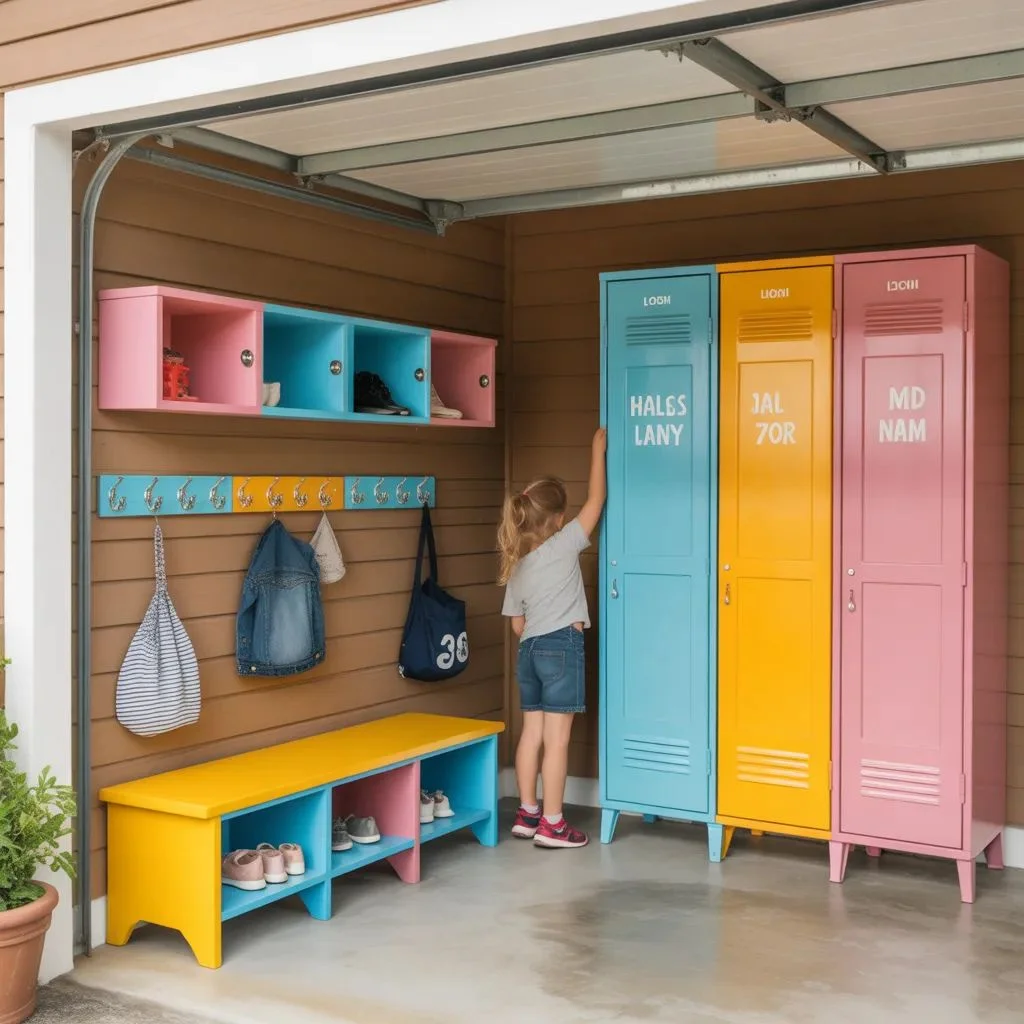
Families with kids have unique needs when it comes to garage drop zone organization. Kids bring in more clutter — backpacks, sports gear, art supplies, muddy shoes — and they’re less likely to follow complicated systems.
Keep it simple and visual for younger children:
- Low hooks they can reach independently — this encourages them to hang up their own coats and bags.
- Photo labels on cubbies — for non-readers, a picture of their name or a photo helps them identify their space.
- A “drop basket” for immediate offloading — one large basket right by the door where they can dump shoes and bags the second they walk in, sorting later.
- Sports gear station — a dedicated rack or bin for balls, helmets, and cleats keeps sports equipment from spreading across the garage.
As kids grow, their storage needs change — so build flexibility into your system. Adjustable shelving and modular cubby units are worth the investment for growing families.
How to Keep Your Garage Drop Zone Organized Long-Term
Creating a beautiful garage drop zone is one thing. Keeping it that way is another. Here are a few habits that make a real difference:
- Do a weekly reset. Spend five minutes each Sunday clearing out anything that doesn’t belong — stray items, mail, random sports equipment.
- Involve the whole family. Assign each person responsibility for their own cubby or hook section. Make it a household rule that things go back to their designated spot before the end of the day.
- Declutter seasonally. Every three months, go through the drop zone and remove items that are no longer needed or belong in storage.
- Adjust as your life changes. A system that works for toddlers won’t work for teenagers. Revisit your drop zone setup as your family’s needs evolve.
The goal isn’t perfection — it’s a system that’s easy enough to maintain even on the busiest days.
Highly Recommended: Smart Garage Cabinet Ideas to Maximize Every Inch of Your Garage.
Frequently Asked Questions
Q: What is the ideal size for a garage drop zone?
A: There’s no one-size-fits-all answer, but even a 3-foot-wide strip of wall space is enough to create a functional garage drop zone. For larger families, aim for 6 to 8 feet of wall space to accommodate hooks, a bench, and cubby storage for everyone.
Q: Can I create a garage drop zone without doing renovations?
A: Absolutely. Freestanding furniture — like a bench with under-storage, a coat tree, and a standalone shoe rack — can create a fully functional drop zone without drilling a single hole. IKEA and similar retailers offer great modular options that are easy to install and reconfigure.
Q: What flooring works best under a garage drop zone?
A: Durable, easy-to-clean flooring is key. Rubber floor tiles, interlocking foam mats, or epoxy-coated concrete all work well in garage entryway areas. They handle mud, moisture, and heavy foot traffic while being easy to wipe down.
Q: How do I keep my garage drop zone from getting cluttered again?
A: The key is building simple daily habits. Do a quick 5-minute reset at the end of each day, declutter seasonally, and involve every family member in the system. The more intuitive and accessible your storage is, the more likely people are to use it correctly.
Q: Is a garage drop zone worth the investment?
A: Yes — for most families, a garage drop zone pays for itself in reduced stress, saved time, and a cleaner home. Even a modest setup under $200 can dramatically change how your household functions on a daily basis.