When you want more privacy in a room but do not want to build a wall, KALLAX is one of the easiest budget-friendly fixes. IKEA sells KALLAX in several sizes, officially presents it as a shelving unit that can also work as a room divider, and keeps entry pricing relatively low compared with custom partitions or built-ins. For example, the smaller 2×4 unit is listed at 30 1/8 x 57 5/8 inches, while larger versions go up to 57 7/8 x 57 7/8 inches and beyond.
- Why Kallax Earns Its Place in Small Homes
- Begin with the Smallest Divider That Solves the Problem
- Use Open and Closed Storage in the Same Unit
- Shape a Sleeping Zone Without Building a Wall
- Carve Out a Home Office That Still Feels Light
- Give a Plain Kallax a More Finished Look
- Keep the Setup Safe and Easy to Live With
- A Smarter Way to Divide Space for Less
- FAQs
That flexibility is exactly why Simple Ideas For Using Kallax To Divide A Room On A Budget works as a real decorating strategy, not just a quick fix. You get storage, visual separation, and a cleaner layout at the same time. In a studio, it can create a sleeping nook. In a shared bedroom, it can give each person a stronger sense of personal space. In a living room, it can quietly mark where the lounge area ends and the work zone begins.
Why Kallax Earns Its Place in Small Homes
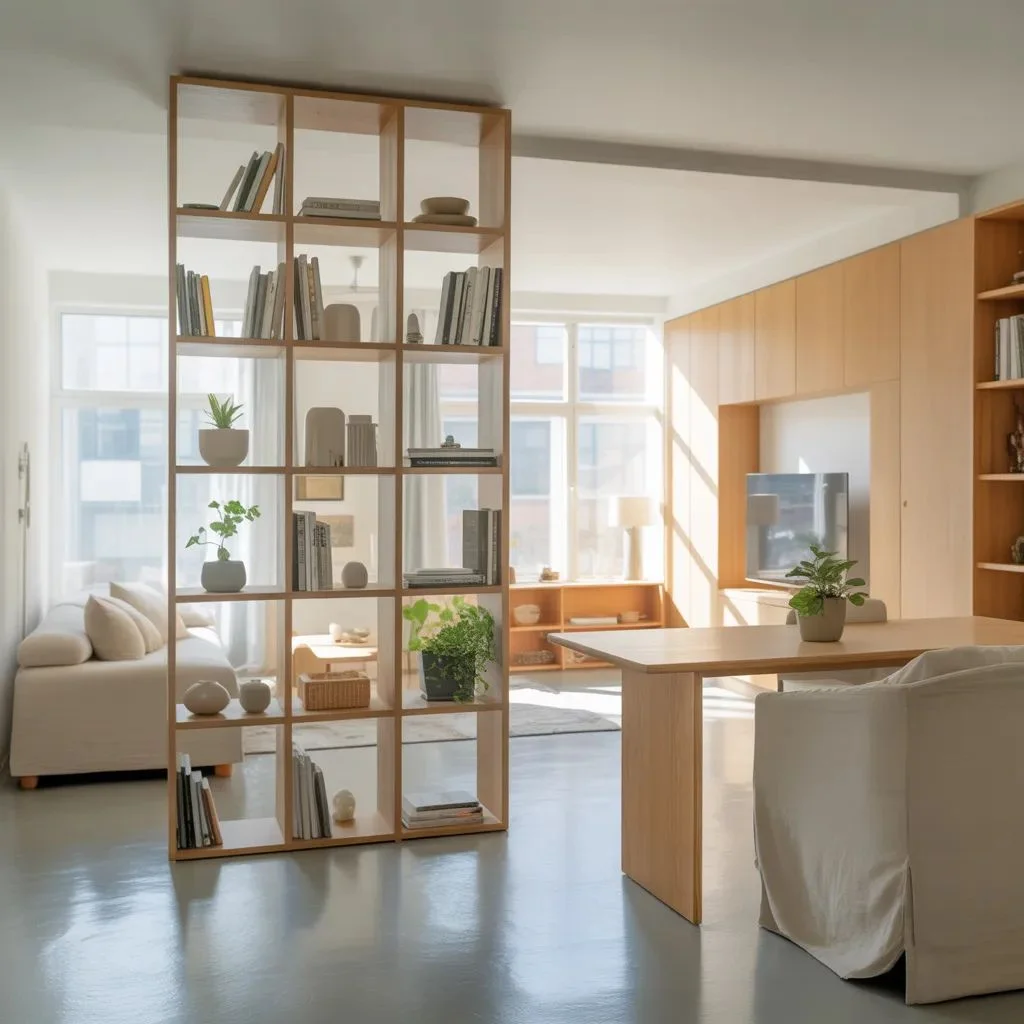
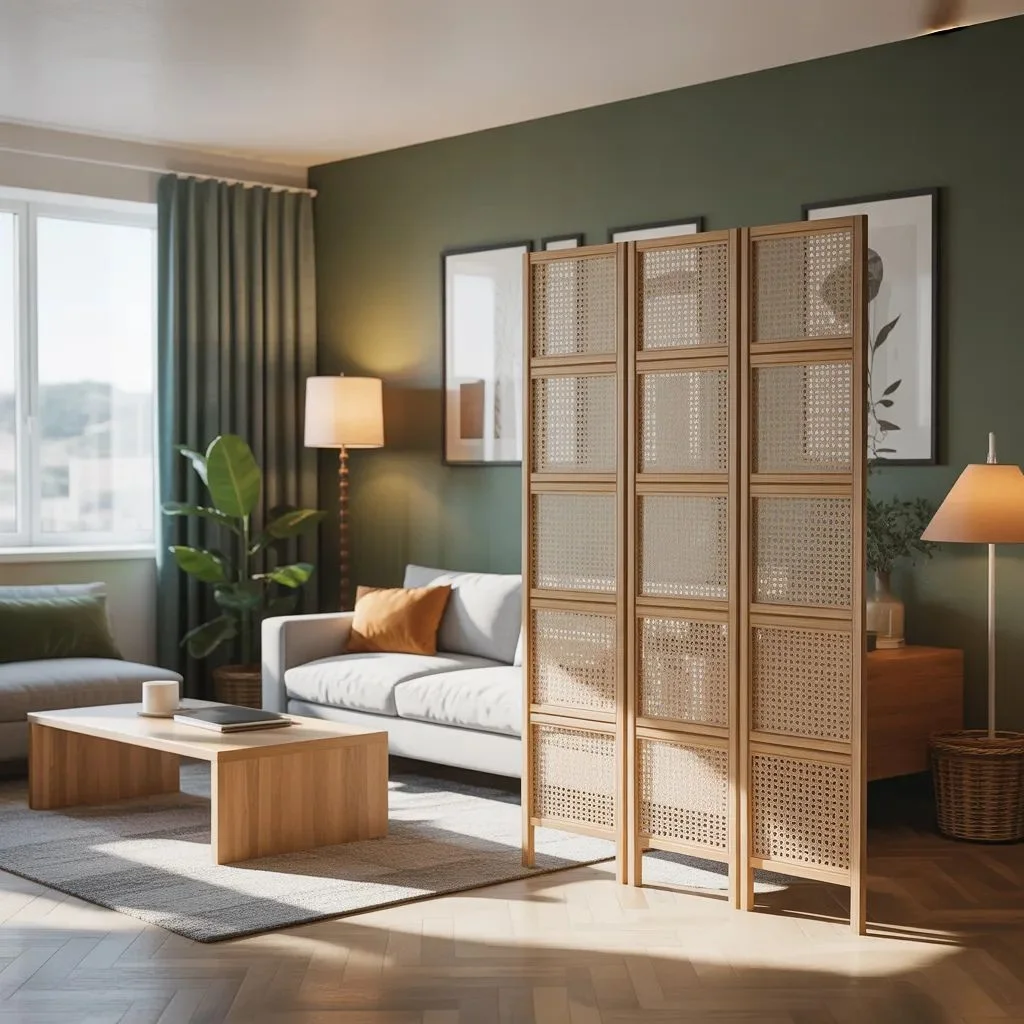
KALLAX works well as a divider because it gives you separation without making the room feel boxed in. Open shelving is especially useful in small spaces because it can define zones while still allowing light and sightlines to move through the room. Design guidance for studios often recommends dividers that are not too heavy or solid for exactly this reason.
That matters more than people think. A solid partition may sound nice at first, but in a small apartment it can make everything feel tighter. A cube shelf gives you a softer boundary. You still know where one zone ends and another begins, but the room keeps some openness.
There is also the cost factor. A budget room makeover usually fails when every idea adds a new expense. KALLAX keeps things simpler. One piece can act as storage, display, and divider at the same time. That means fewer items to buy later. A shelf, a screen, and a storage cabinet may all do useful jobs, but one KALLAX can cover all three in a lighter and often cheaper way.
Begin with the Smallest Divider That Solves the Problem
One of the smartest moves in Simple Ideas For Using Kallax To Divide A Room On A Budget is choosing the smallest size that still does the job. That sounds obvious, but many people buy the largest unit they can fit, then wonder why the room feels crowded.
A good rule is this: decide what kind of separation you need before you decide on size. If you only want to visually split a living area from a desk corner, a smaller KALLAX may be enough. If you want a stronger divide between a bed and the rest of a studio, a taller or wider one makes more sense. IKEA’s current listings show smaller, lower-cost options starting around the compact single-cube style and 2×4 format, while mid-size and larger units move up in price as they add coverage and storage.
Think of it like this. If your goal is a “hint” of division, go smaller. If your goal is “I do not want to look at my bed from the sofa,” go larger.
A simple budget trick is to place the shelf only where the eye needs the break. You do not need to stretch it across the entire room. Even a partial divider can create the feeling of separate zones. That is often enough to make a studio feel more organized and much less chaotic.
Use Open and Closed Storage in the Same Unit
The best cheap decorating ideas usually do two things at once. That is why mixing open cubes with baskets or inserts works so well.
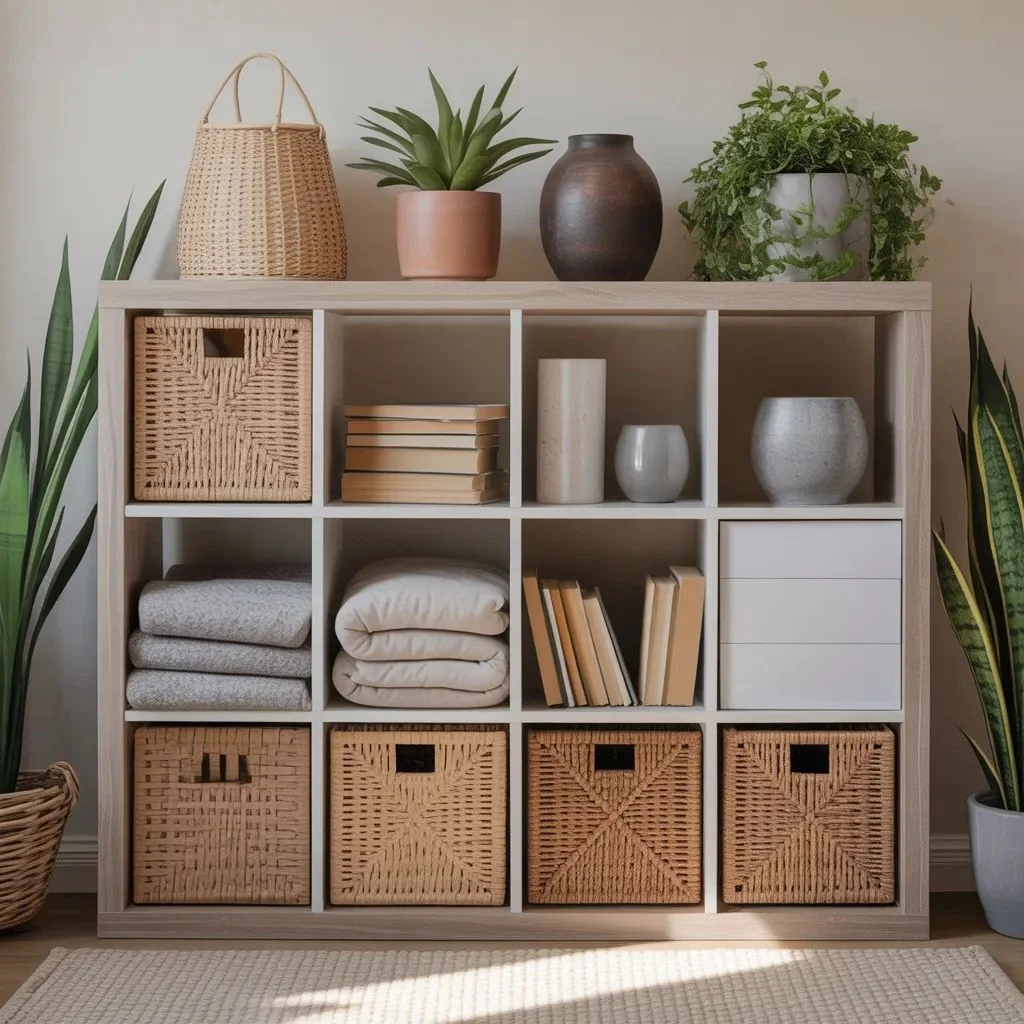
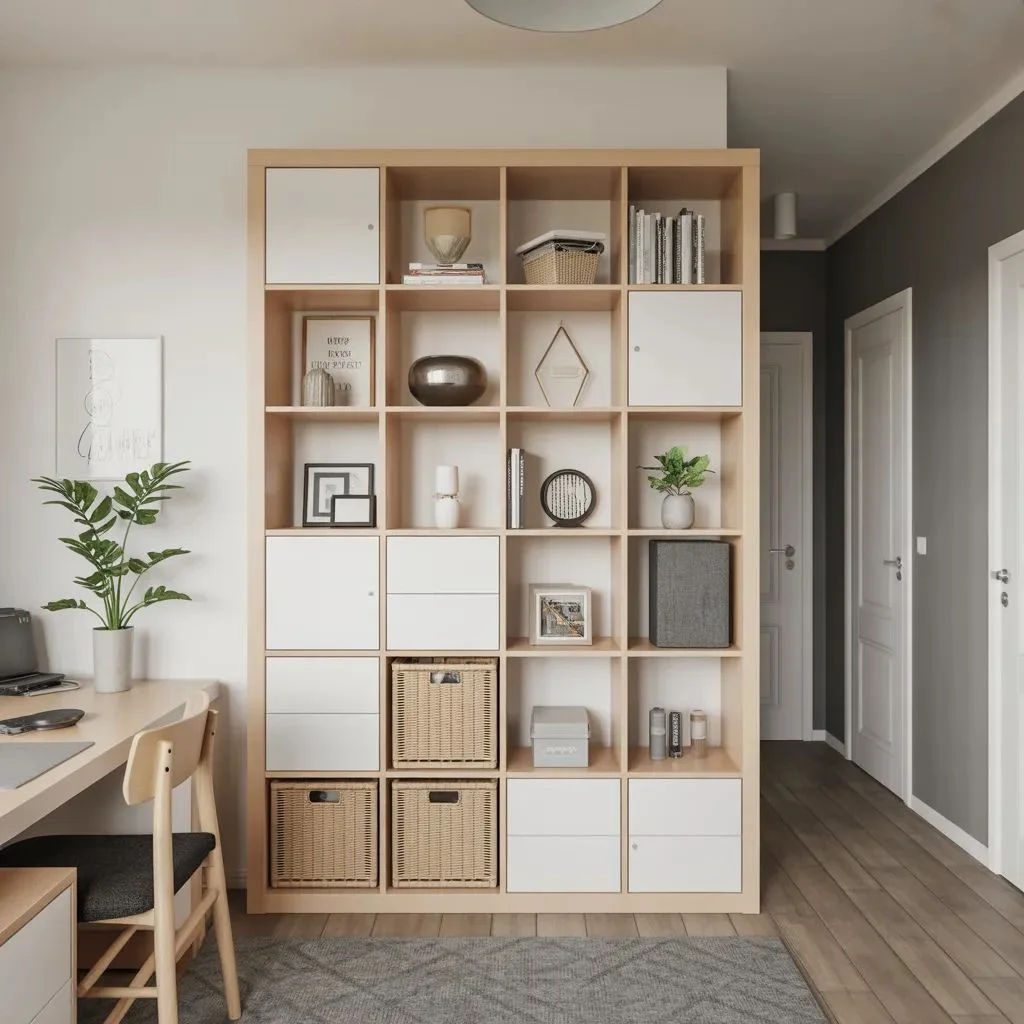
Leave some cubes open for books, plants, or a lamp. Use other cubes for bins, folded blankets, office supplies, or all the random things that make a room feel messy. The result is a divider that looks intentional instead of temporary. IKEA also highlights that KALLAX can be customized with inserts and boxes, which is part of what makes it adaptable to different budgets and uses.
This is where a lot of people save money without realizing it. Instead of buying extra cabinets, you let the divider become your hidden storage. That means less clutter in view and fewer “organizing” purchases later.
A practical setup might look like this:
Two top cubes open for decor.
Middle cubes for baskets.
Lower cubes for heavier items you do not need every day.
That mix keeps the divider airy at eye level and more practical below. It also stops the shelf from looking too heavy. If every cube is stuffed full, the room can feel busy. A little empty space makes the setup feel calmer and more expensive.
Shape a Sleeping Zone Without Building a Wall
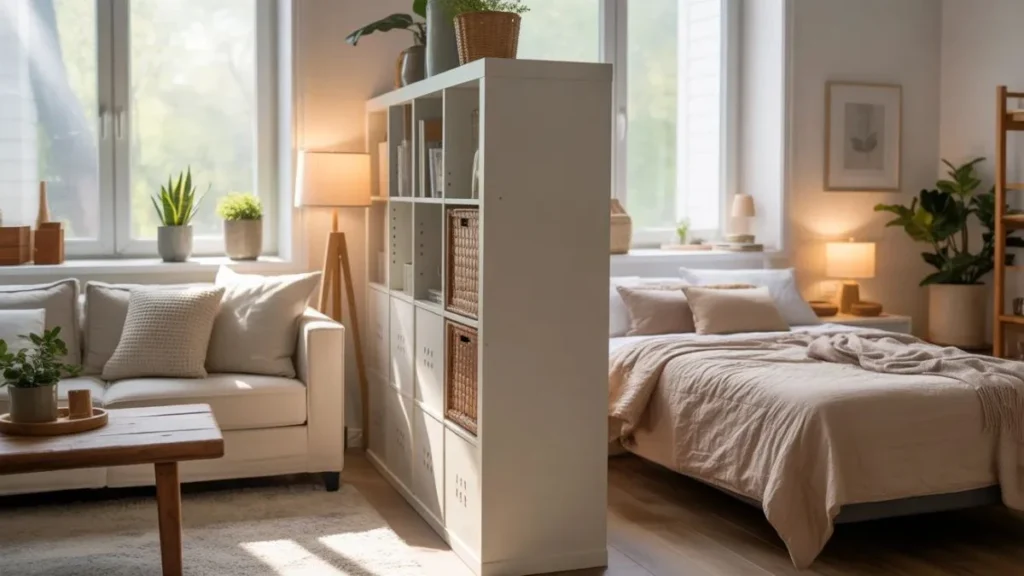
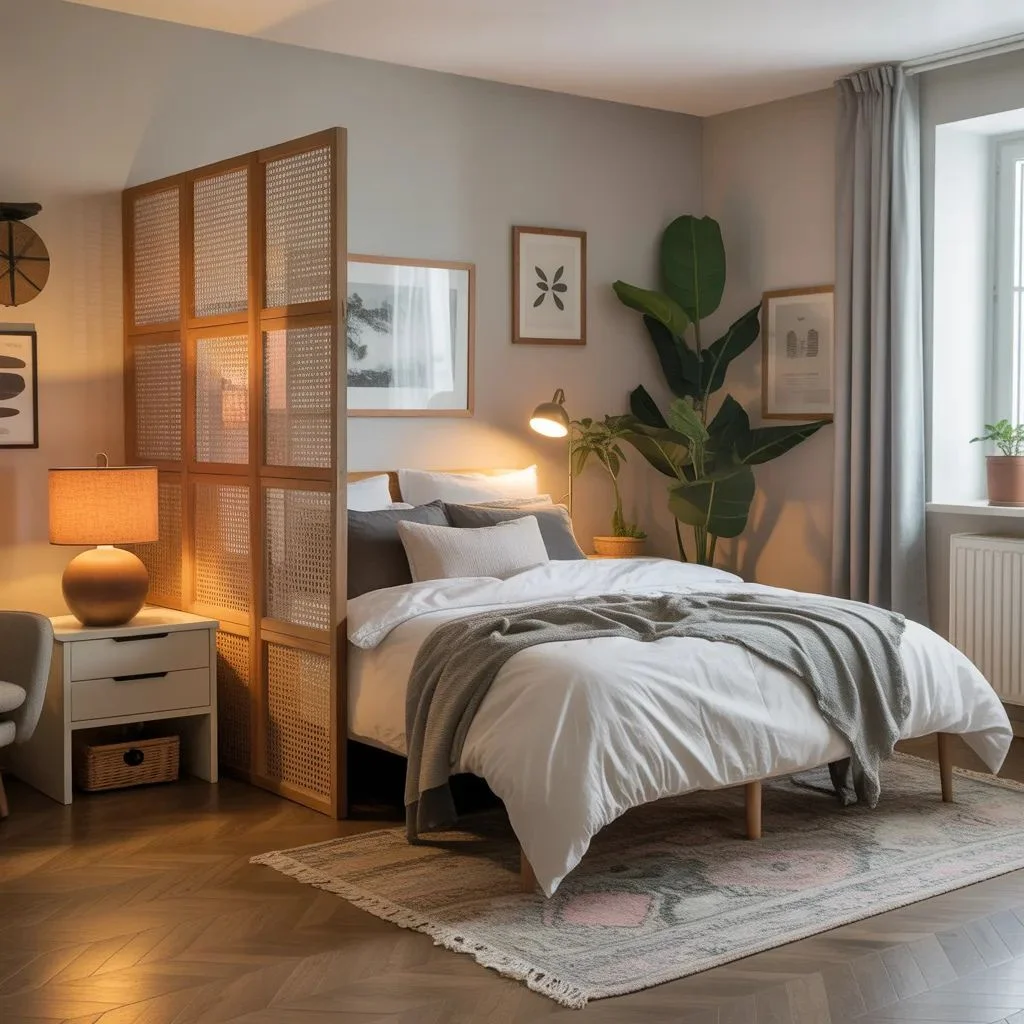
For studio apartments or shared rooms, this is often the most useful idea of all. Place a KALLAX perpendicular to the wall near the side or foot of the bed to create a mini sleeping zone. Suddenly the bed feels less exposed, and the rest of the room feels like its own area again.
This works because you are not trying to fully hide the bed. You are only interrupting the direct view. That small change can make a one-room home feel more like two purposeful spaces.
A recent Apartment Therapy DIY example showed how stacked KALLAX units combined with a simple MDF back panel created a much more room-like separation in a shared bedroom. You do not have to copy that exact project, but it proves the idea can be pushed further when you want a stronger divide without full construction.
For a cheaper version, skip the custom back panel and style the bed side more softly. Add a floor lamp, a narrow rug, and one or two storage baskets in the lower cubes. That is enough to make the sleep zone feel intentional.
I once saw a small rental bedroom where the divider was not even centered. It only covered about two-thirds of the bed. But because it blocked the main sightline from the doorway, the room immediately felt more private. That is a good reminder: you do not always need full coverage to get the effect.
Carve Out a Home Office That Still Feels Light
A KALLAX divider is also a strong answer when your desk keeps taking over the room. A lot of people working from home do not need a separate office. They just need the work zone to stop spilling into the rest of the house.
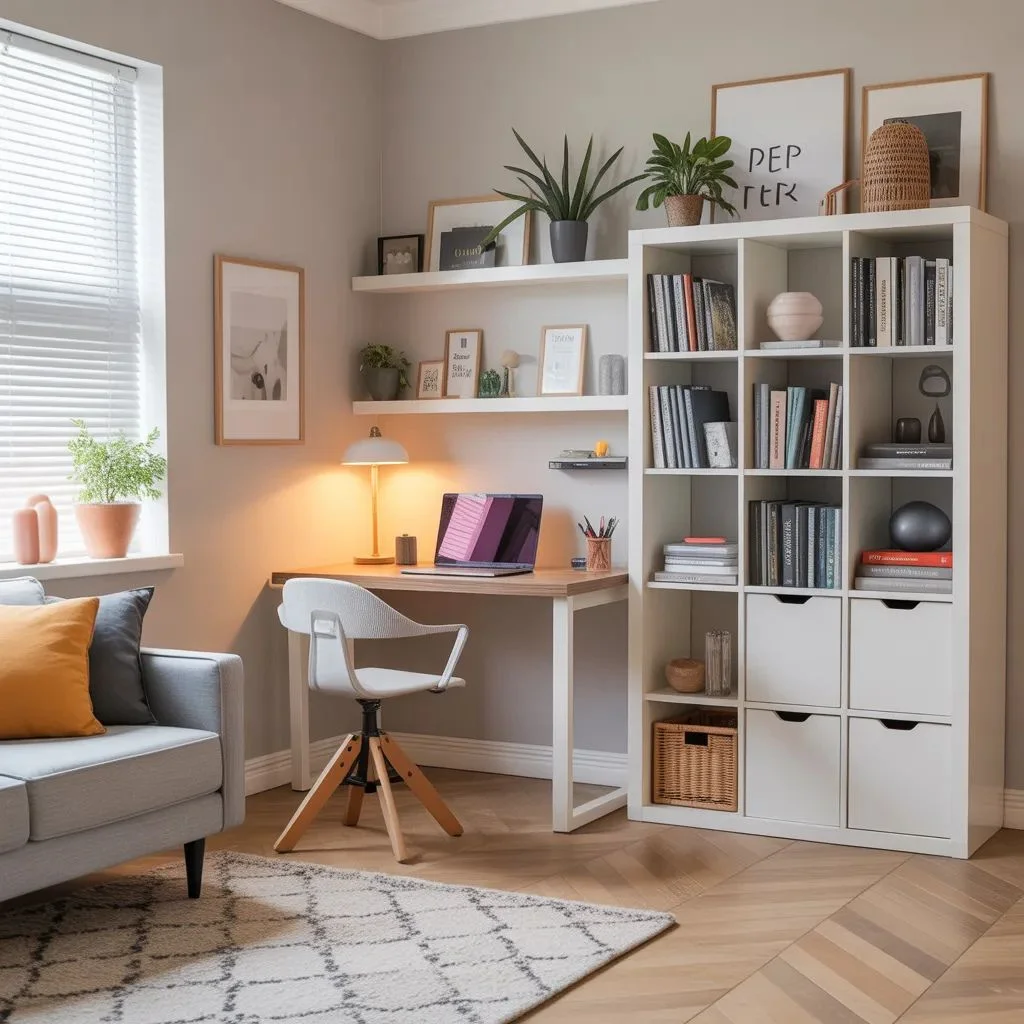
Set the shelf beside or behind the desk to mark the office edge. Keep the cubes on the desk side practical with files, chargers, and stationery. On the living-room side, style them with books, framed prints, and a plant. One shelf, two different personalities.
This idea works especially well because open dividers help keep a small room brighter and less closed off than heavier barriers. Advice for small-space zoning often points to solutions that preserve light rather than block it completely.
If you are on a tight budget, do not over-style it. The cheapest polished look is usually the simplest one: matching baskets, one stack of books, one trailing plant, and plenty of breathing room. Too many objects can make the whole divider look like a storage accident instead of a design choice.
Give a Plain Kallax a More Finished Look
Budget-friendly does not have to look basic. Some of the best results come from tiny upgrades that change the mood without changing the furniture.
Start with color around the piece. A divider looks more intentional when the two zones on either side feel connected. That could mean repeating one accent color, using similar wood tones, or placing matching lamps on both sides. In small rooms, lighter finishes and better light flow can also help the space feel more open and airy.
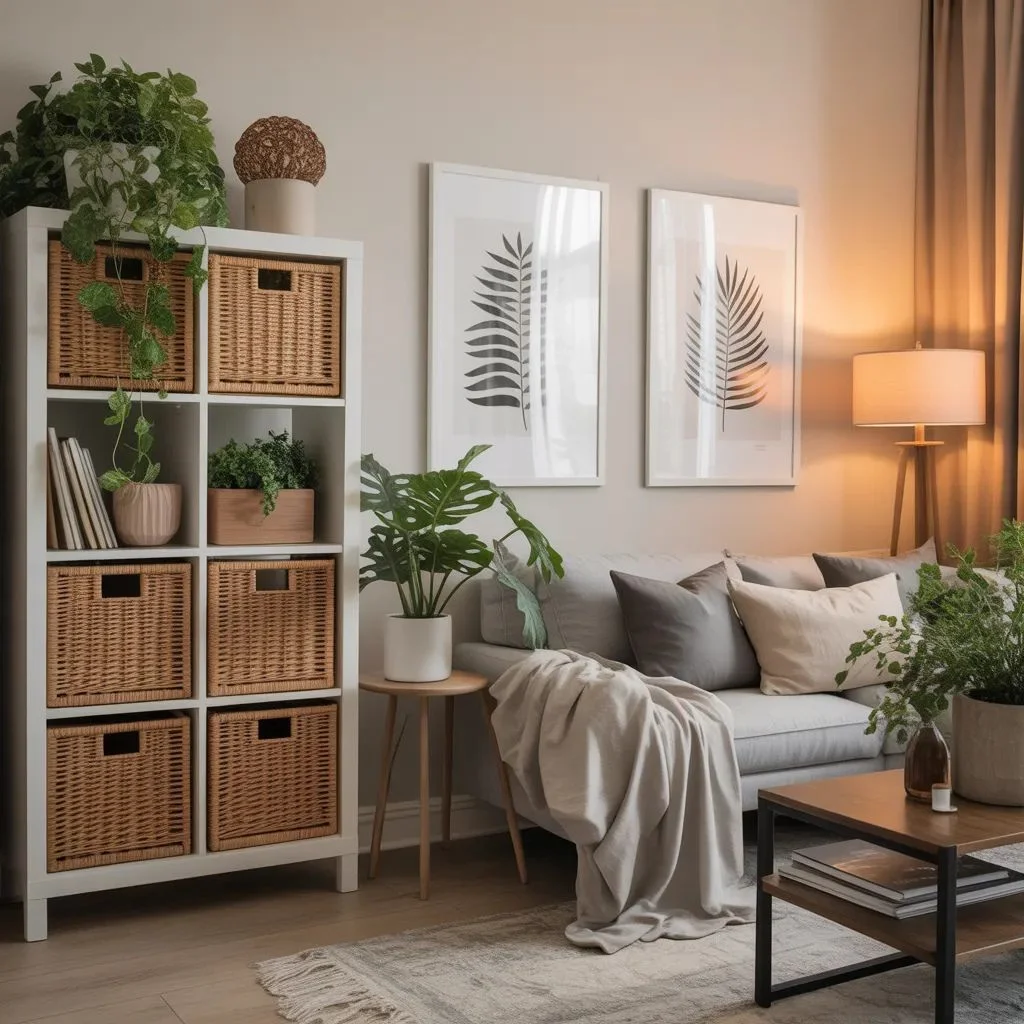
Then think about texture. Woven baskets, linen storage boxes, matte ceramic planters, and soft textiles can make a plain cube shelf feel warmer. This matters because KALLAX has a simple shape. The styling around it is what gives it personality.
Another low-cost trick is to treat one side as display and the other as utility. The prettier side faces the living area. The harder-working side faces the desk, kids’ zone, or bed area. That way the shelf looks styled where people see it most, while still doing practical storage work where it matters.
This part is easy to overlook, but it makes a huge difference: leave some cubes empty. Empty space is not wasted space. It is what keeps the divider from feeling bulky.
Keep the Setup Safe and Easy to Live With
Any article on Simple Ideas For Using Kallax To Divide A Room On A Budget should say this clearly: do not ignore safety. IKEA’s product pages and safety guidance state that KALLAX units must be securely anchored to reduce tipping risk. The 2×4 unit, for example, is listed with a warning to anchor it properly, and IKEA’s broader KALLAX safety messaging repeats that these units should be fixed to the wall with the enclosed fastener.
That means the best placement is usually one where the unit can still be safely secured according to the product guidance. If you are renting, check what is allowed in your walls and use the correct hardware for your surface. If you are unsure, it is worth getting advice before treating a tall shelf like a freestanding partition.
Also pay attention to daily flow. A divider should improve the room, not create awkward traffic. Leave enough space to walk around it comfortably. Keep heavier items in lower cubes. IKEA lists the current max load for one common KALLAX shelf at 29 pounds per shelf, so it is smart to distribute weight sensibly rather than loading the top with heavy decor.
A good room divider should feel quiet in the space. Safe, useful, and easy to live with beats dramatic every time.
A Smarter Way to Divide Space for Less
The reason Simple Ideas For Using Kallax To Divide A Room On A Budget keeps working is simple: it solves more than one problem at once. It creates zones, adds storage, and helps a room feel more organized without pushing you into a full renovation.
That is what makes it such a strong choice for renters, small-home owners, students, and anyone trying to improve a room without overspending. You do not need a custom build. You do not need a contractor. You just need the right size, a clear purpose, and a bit of styling discipline.
Used well, KALLAX does not just divide a room. It helps the room make more sense.
Recommended: Smart IKEA Hacks to Keep Your Home Organized on a Budget.
FAQs
Is KALLAX good for dividing a room?
Yes. IKEA explicitly presents KALLAX as a shelving unit that can also work as a room divider, which makes it one of the more practical off-the-shelf options for open-plan spaces.
What KALLAX size works best in a studio apartment?
It depends on your goal. A smaller unit works well for a light visual break, while a larger unit is better when you want to screen a bed or create a stronger boundary. Current KALLAX listings range from compact units up to larger square formats like 57 7/8 x 57 7/8 inches.
Can renters use KALLAX as a room divider?
They can, but safety matters. IKEA’s guidance says KALLAX should be securely anchored to reduce tip-over risk, so renters should first make sure they can install it properly for their wall type and lease rules.
How do I make a KALLAX divider look more expensive?
Keep it simple. Mix open cubes with matching baskets, repeat colors across both zones, add one or two plants, and avoid filling every shelf. The more edited the styling looks, the more polished the divider feels.