When people talk about timeless furniture that changed the way we sit, the Togo Sofa by Michel Ducaroy always enters the conversation. Designed in 1973, this low, sculptural sofa challenged traditional ideas of what a couch should look and feel like. There were no rigid frames, no visible legs, and no stiff posture. Instead, it offered relaxed comfort and a casual style that felt ahead of its time.
More than five decades later, the Togo Sofa by Michel Ducaroy is still in production by Ligne Roset and remains one of the most recognizable pieces in modern interiors. It has appeared in luxury apartments, creative studios, boutique hotels, and design magazines around the world.
In this article, we’ll explore the story behind the design, who Michel Ducaroy was, what makes the Togo unique, how to style it, and why it continues to influence contemporary furniture trends.
Who Was Michel Ducaroy?
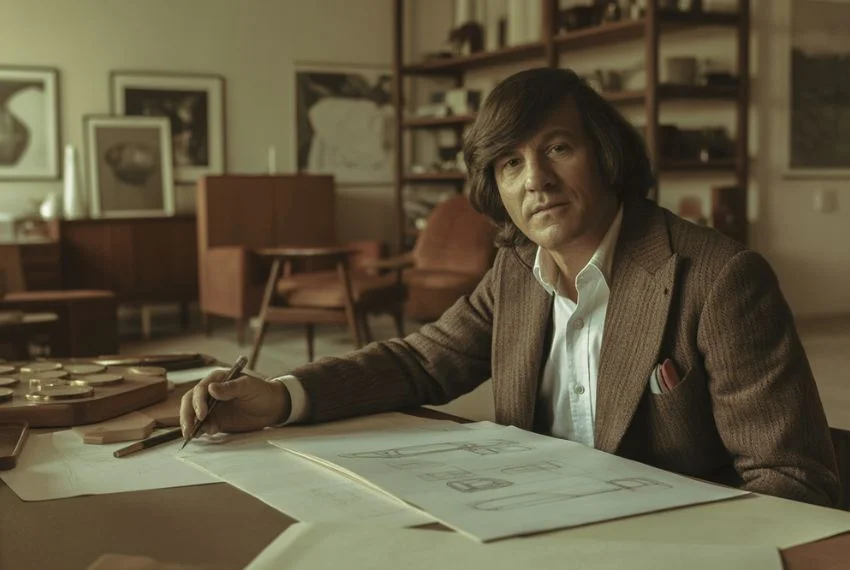
Michel Ducaroy was a French designer born in 1925 in Lyon. Coming from a family involved in furniture manufacturing, design was part of his early life. He studied at the École Nationale des Beaux-Arts in Lyon and later joined Ligne Roset, where he became one of the brand’s most influential designers.
Ducaroy believed in combining comfort with modern materials. During the 1960s and 1970s, many designers were experimenting with foam, plastics, and new construction methods. Ducaroy embraced these changes and pushed boundaries.
When he introduced the Togo Sofa by Michel Ducaroy in 1973, it looked radically different from traditional sofas. At first, it surprised many people. But soon, it became a symbol of relaxed living and contemporary style.
His design philosophy was simple: furniture should adapt to the human body rather than forcing the body to adapt to furniture. That belief shaped the Togo’s distinctive form.
The Birth of a Design Revolution in 1973
The Togo Sofa by Michel Ducaroy was launched during a time of cultural change. The early 1970s were marked by experimentation in art, fashion, and interior design. People were moving away from formal living rooms and embracing more casual lifestyles.
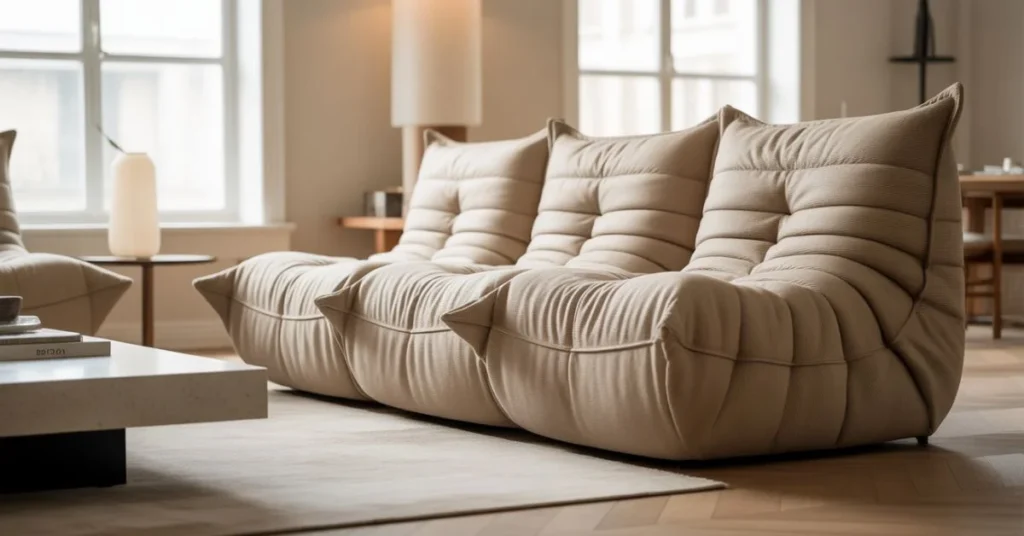
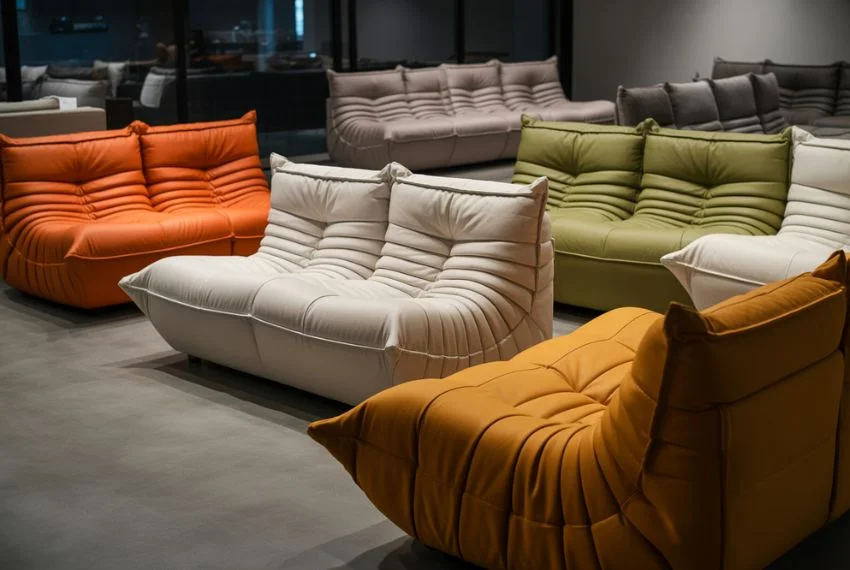
Unlike traditional sofas built around wooden or metal frames, the Togo was made entirely from multi-density polyurethane foam. This construction allowed it to have its signature slouched shape and quilted pleats.
Ducaroy reportedly found inspiration in a tube of toothpaste folded over itself. That soft, organic form became the foundation of the design. The result was seating that looked almost sculptural, yet felt incredibly comfortable.
When the Togo Sofa by Michel Ducaroy first appeared, it stood out immediately. It had no legs and sat directly on the floor, creating a grounded, informal atmosphere. It wasn’t just a sofa; it was a statement about how people wanted to live.
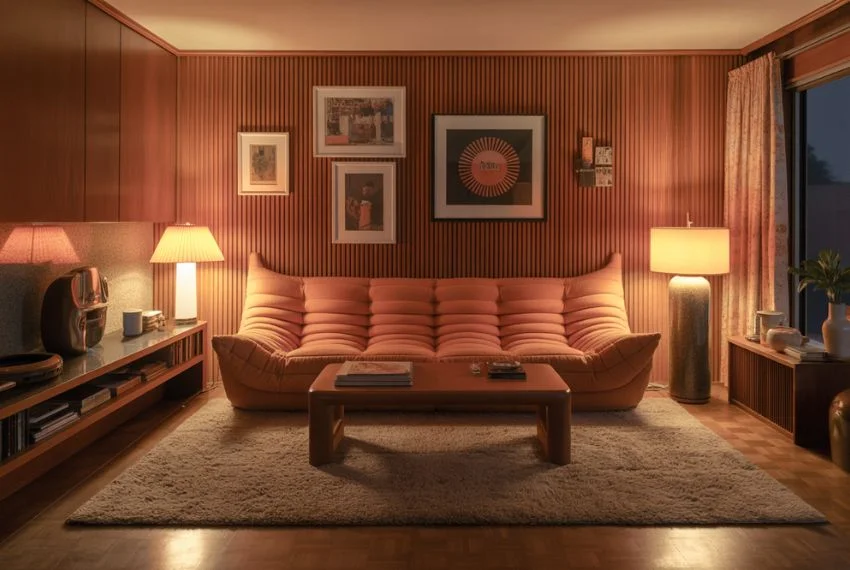
What Makes the Togo Sofa Unique?
Several elements set the Togo Sofa by Michel Ducaroy apart from other seating options:
1. All-Foam Construction
The absence of a rigid frame allows the sofa to contour to the body. This makes it comfortable for long conversations, reading, or relaxing.
2. Distinctive Pleated Design
The quilted, ruched fabric is not just decorative. It helps the upholstery fit tightly over the foam structure, maintaining its shape.
3. Modular Flexibility
The Togo collection includes multiple pieces: corner seats, armless chairs, ottomans, and loveseats. This modular approach allows homeowners to create customized layouts.
4. Low-Slung Profile
Its low height creates a relaxed and modern look. It works especially well in open-plan spaces and minimalist interiors.
Because of these features, the Togo Sofa by Michel Ducaroy feels both playful and sophisticated at the same time.
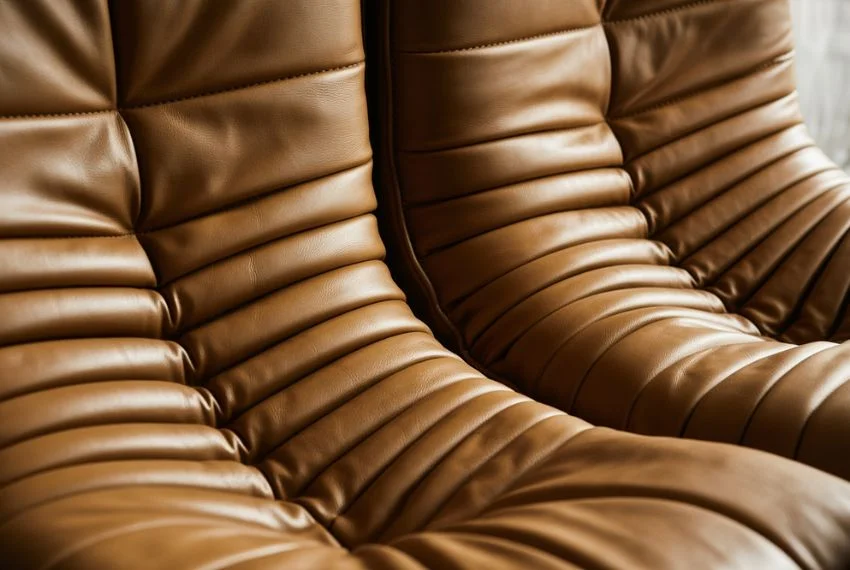
How to Style the Togo Sofa in Modern Interiors
One reason the Togo Sofa by Michel Ducaroy remains popular is its adaptability. It fits into many interior styles without losing its identity.
Minimalist Spaces
Pair it with clean walls, simple lighting, and neutral tones. A cream or gray Togo enhances a calm environment without overpowering the room.
Bold Contemporary Rooms
Choose a bright colour like orange, mustard, or deep blue. The sculptural form becomes the focal point of the space.
Eclectic Interiors
Mix it with vintage rugs, art pieces, and layered textures. The soft curves balance sharper design elements.
Because it sits low, it works best with equally low coffee tables or floor cushions. Large artwork or tall plants behind the sofa help create vertical balance.
The Togo Sofa by Michel Ducaroy adapts easily, whether the setting is a city apartment or a spacious loft.
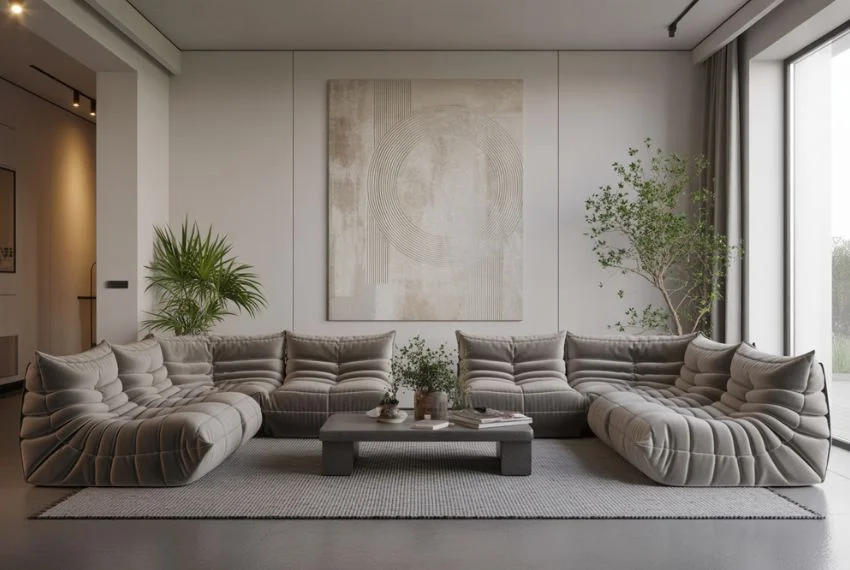
Why It Remains a Timeless Icon
Trends come and go, but the Togo Sofa by Michel Ducaroy continues to attract new generations of design lovers.
First, comfort never goes out of style. The deep, sink-in feel appeals to people who value relaxation. Second, its bold shape still feels modern, even decades after its launch.
Design influencers and architects frequently showcase the Togo in editorial shoots. It has also appeared in contemporary homes featured in international design publications.
Its continued production by Ligne Roset ensures quality craftsmanship and authenticity. Many original pieces from the 1970s are still in use today, which speaks to its durability.
The Togo Sofa by Michel Ducaroy has crossed from being just furniture to becoming a design icon.
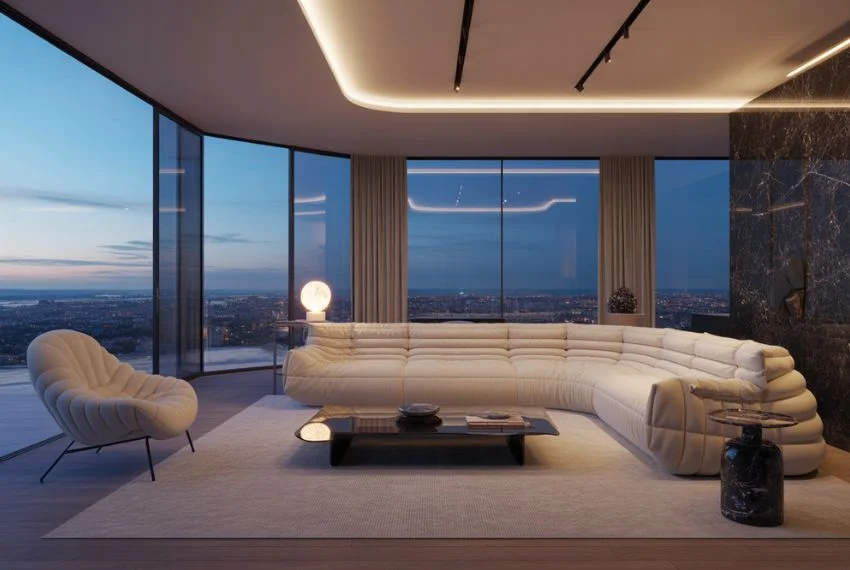
Is the Togo Sofa Worth the Investment?
The Togo Sofa by Michel Ducaroy is positioned in the premium furniture market. Authentic pieces from Ligne Roset can be expensive, depending on configuration and fabric choice.
However, buyers are not just paying for a sofa. They are investing in:
- A piece of design history
- Long-lasting construction
- Recognizable style
- Resale value in the vintage market
If you value comfort, originality, and timeless design, the Togo is often considered worth the price. Many homeowners view it as a long-term addition rather than a short-term purchase.
Before buying, consider room size, ceiling height, and layout. Because it is low-profile, it may not suit very formal interiors or people who prefer upright seating.
Still, for many, the Togo Sofa by Michel Ducaroy delivers both comfort and cultural significance.
Final Thoughts
Few furniture pieces manage to remain relevant for over fifty years. The Togo Sofa by Michel Ducaroy has done exactly that. Introduced in 1973, it broke traditional design rules and introduced a new way of living—one centered on relaxation and informality.
From its all-foam structure to its distinctive pleated upholstery, every detail reflects Michel Ducaroy’s forward-thinking approach. Today, it continues to appear in modern homes, luxury spaces, and creative environments around the world.
If you are looking for a sofa that combines comfort, history, and bold visual impact, the Togo remains one of the strongest choices in contemporary design.
Also Read About Old Newspaper Crafts Ideas to Turn Everyday Paper Into Creative Décor.
FAQs
When was the Togo sofa designed?
The Togo sofa was designed in 1973 by Michel Ducaroy.
Who manufactures the Togo sofa today?
It is produced by Ligne Roset, the original French furniture company that launched it.
Is the Togo sofa comfortable for everyday use?
Yes, its multi-density foam construction makes it suitable for daily lounging and relaxation.
Does the Togo sofa come in different sizes?
Yes, the collection includes modular pieces that can be arranged in various configurations.