

Indoor pools are no longer just for luxury hotels or mansions. With smart planning and modern technology, Basement Pools Designs have become a popular upgrade for homeowners who want year-round swimming in a private, controlled space. In 2026, designers are focusing on comfort, wellness, and visual appeal—turning basements into spa-like retreats.
Modern basement pools combine sleek materials, advanced ventilation systems, and calming aesthetics to create a relaxing environment. Whether the goal is fitness, family fun, or pure luxury, today’s basement pool designs are tailored to different lifestyles and space limitations.
In this guide, we’ll explore the top basement pool design ideas designers recommend in 2026. These trends balance beauty, safety, and functionality, helping you create an indoor pool that feels open, stylish, and enjoyable all year long.
Modern Pool Layouts That Maximize Basement Space
Smart layouts are the backbone of successful Basement Pools Designs, especially since basement space can be limited. Designers in 2026 prefer clean, streamlined layouts that make the pool area feel open rather than crowded. Rectangular pools remain a top choice because they fit easily into narrow or long basement spaces.
Plunge pools are another popular trend, especially for compact basements. They provide the benefits of swimming and relaxation without taking up too much space. Designers often pair these pools with built-in seating or steps that double as lounging areas.
Zoning is also a key layout strategy. Separating the pool area from changing spaces or relaxation zones using glass walls or partial dividers keeps the space functional while maintaining visual openness. Minimal walkways and integrated storage further enhance usability.
A well-planned layout ensures the basement pool feels intentional, balanced, and easy to use without overwhelming the space.
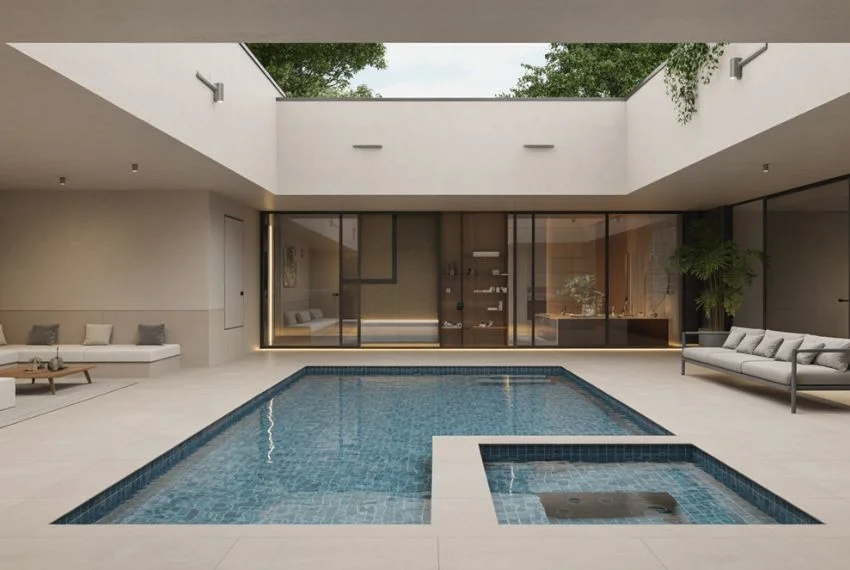
Lighting and Ceiling Designs That Create a Luxury Feel
Lighting is one of the most important elements in modern Basement Pools Designs. Since natural light is limited, designers rely on layered lighting to create a bright yet calming atmosphere. Recessed ceiling lights provide general illumination, while LED strip lighting adds a soft glow around the pool edges.
Underwater LED lights are a major trend in 2026. They enhance visibility, improve safety, and add a luxurious ambiance. Color-adjustable lighting allows homeowners to change the mood from energizing to relaxing with ease.
Ceiling design also plays a big role. Reflective or light-colored ceilings help bounce light around the room, making the space feel taller and more open. Some designers incorporate wood slats or moisture-resistant panels to add texture without sacrificing durability.
Together, lighting and ceiling design transform basement pools into elegant, spa-inspired spaces.

Materials and Finishes Designers Are Using in 2026
Material selection defines the overall look and longevity of Basement Pools Designs. Designers in 2026 favor materials that are moisture-resistant, low-maintenance, and visually calming. Porcelain tiles are a top choice due to their durability, slip resistance, and wide range of modern finishes.
Natural stone-inspired tiles are trending for pool surrounds, offering a luxury spa feel without high maintenance. Glass mosaic tiles are often used inside the pool to reflect light and add depth to the water.
For walls and accents, waterproof wall panels and textured tiles are replacing traditional paint. These materials handle humidity better and elevate the design. Matte finishes are preferred over glossy ones to reduce glare and create a soothing environment.
Using high-quality materials ensures the basement pool remains stylish, safe, and durable for years.
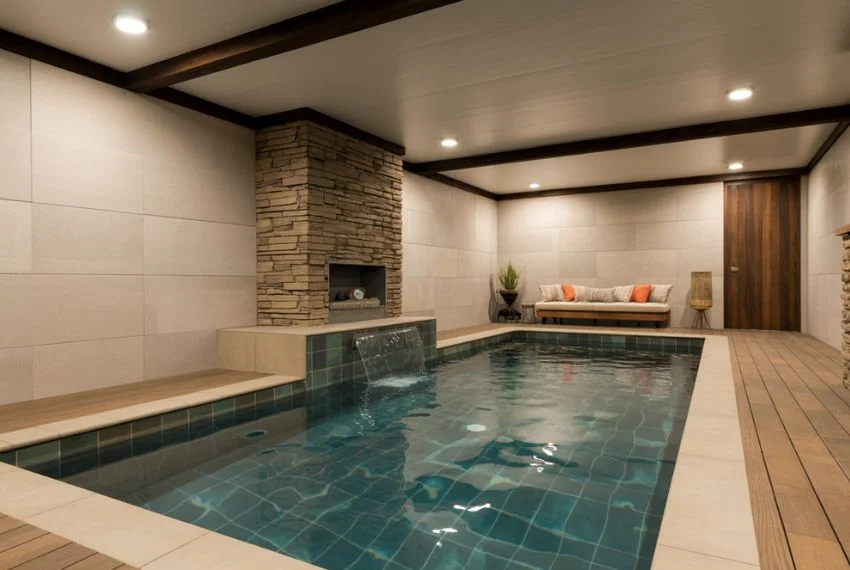
Ventilation and Climate Control for Year-Round Comfort
Proper ventilation is essential in all Basement Pools Designs. Without it, humidity can cause mold, odors, and structural damage. Designers in 2026 prioritize advanced ventilation systems that control moisture while maintaining comfortable air temperatures.
Dehumidification systems are now seamlessly integrated into basement pool designs. These systems keep humidity levels balanced and protect finishes and furniture. Heated floors are also becoming popular, adding comfort and preventing condensation.
Climate control extends to water temperature as well. Smart pool heating systems allow homeowners to maintain consistent water warmth throughout the year. When ventilation and climate systems are properly designed, the basement pool feels fresh, comfortable, and inviting at all times.
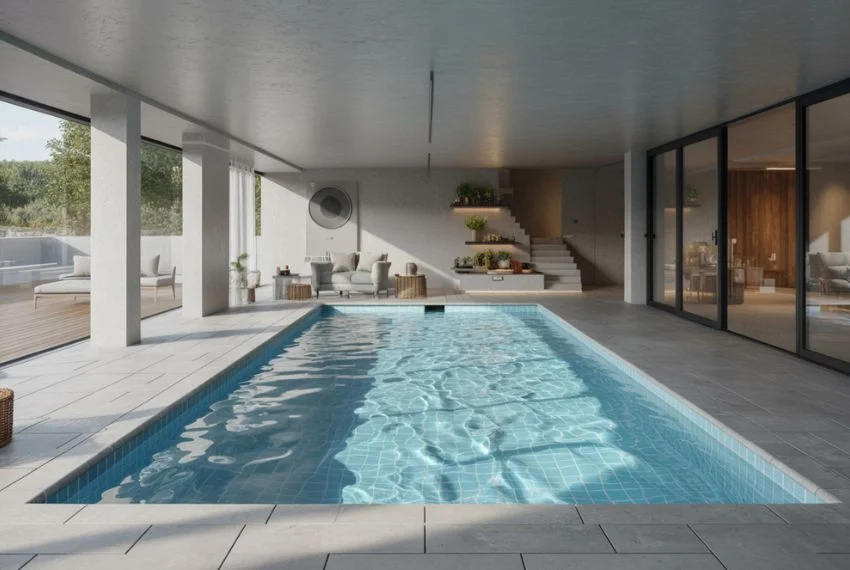
Safety and Wellness Features Designers Prioritize
Safety is a major focus in modern Basement Pools Designs, especially for family homes. Non-slip flooring, shallow entry steps, and handrails are standard features designers recommend. Pool covers are also popular for added safety and energy efficiency.
Wellness-focused features are another big trend in 2026. Many basement pools now include massage jets, resistance swim systems, and built-in seating for hydrotherapy. These features turn the pool into a multi-purpose wellness zone rather than just a swimming area.
Soft, indirect lighting and noise-reducing materials help create a calming environment that supports relaxation. When safety and wellness are combined, basement pools become a valuable addition to both physical and mental well-being.
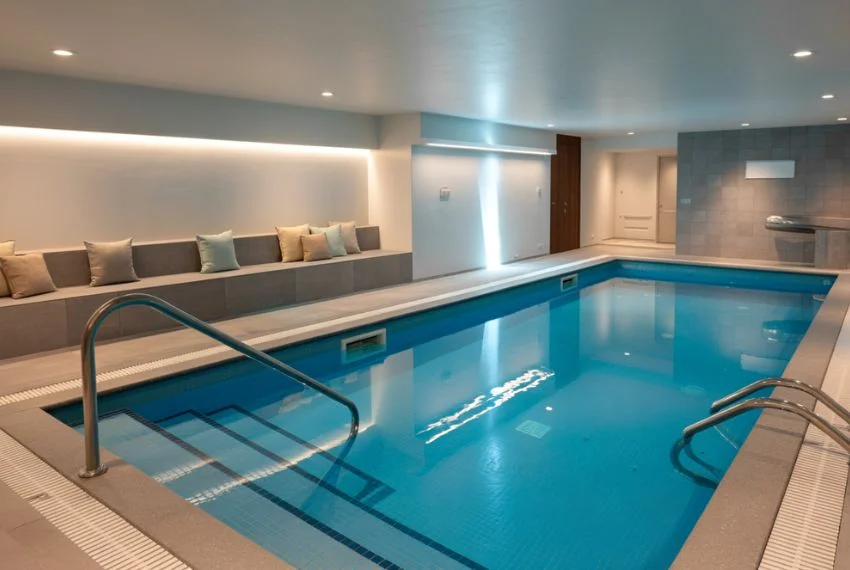
Final Note
The best Basement Pools Designs in 2026 focus on smart layouts, luxurious lighting, durable materials, proper ventilation, and safety-focused features. Designers are creating indoor pools that feel open, elegant, and relaxing—no matter the size of the basement.
With thoughtful planning and modern design choices, a basement pool can become a private retreat that adds long-term value and enjoyment to your home.
Also read about Basement Bar Ideas for Small and Large Basements.
FAQs
Q1: Are basement pools safe for homes?
Yes, with proper ventilation, non-slip surfaces, and safety features, basement pools are safe and durable.
Q2: What pool size works best for basements?
Plunge pools and rectangular designs work best for limited basement spaces.
Q3: How do basement pools handle humidity?
Advanced dehumidification and ventilation systems control moisture effectively.
Q4: Are basement pools expensive to maintain?
Maintenance costs vary, but modern systems help reduce long-term expenses.

