A pile of clean laundry with nowhere to go is just a problem wearing a fresh smell. Laundry room folding station ideas solve the one bottleneck that turns wash day into an all-day event: the moment clothes come out of the dryer and have nowhere flat, clean, or convenient to land. Busy households don’t need a bigger laundry room. They need a dedicated folding surface that works with the space they already have, whether that’s a full mudroom-laundry combo or a closet the size of a phone booth. This list covers folding stations that fit tight budgets, rentals, and full renovations alike, so the next load out of the dryer actually gets folded instead of dumped on the bed.
Quick Wins
- A folding station doesn’t need extra square footage — countertop-over-appliance setups reclaim space you already have
- Rolling carts and fold-down tables solve the problem in rentals or laundry closets with zero permanent changes
- The best stations pair a flat surface with immediate storage so folded clothes don’t just relocate the pile
- Matching the station’s finish to the room’s existing colour scheme prevents the “add-on” look many DIY builds end up with
Countertop Over Front-Loading Machines Solves the Space Problem First
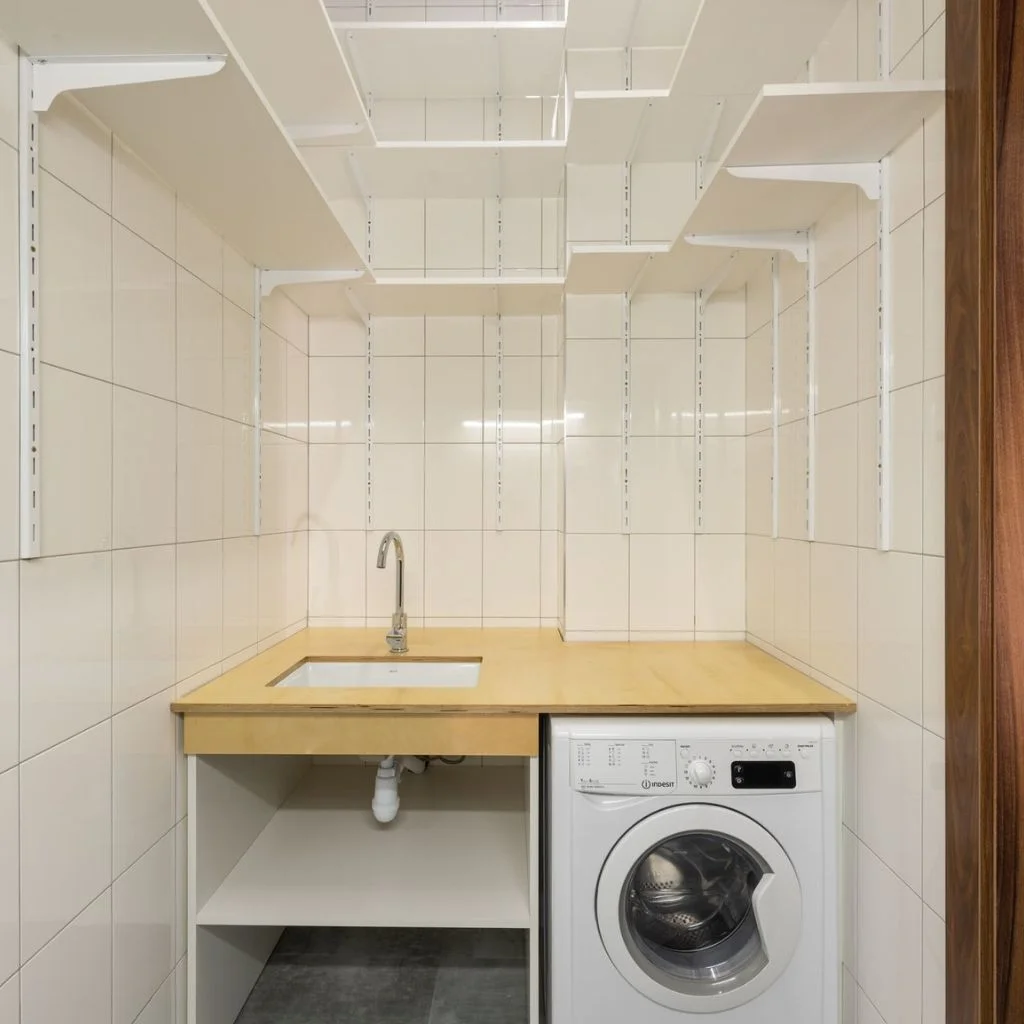
If the laundry room has front-loading washer and dryer units, the space above them is the easiest folding station most households overlook. A butcher block or laminate countertop, cut to fit and secured with L-brackets, turns two appliances into one long folding surface without stealing an inch of floor space. Choose a countertop depth that matches the appliances exactly — anything deeper creates an awkward overhang that catches hips and hampers, anything shallower defeats the purpose. Butcher block warms up a utility room that otherwise reads as all plastic and metal, while a quartz or laminate top handles spills and hot iron bases better if ironing happens in the same spot.
Why this works: the surface sits at the exact height most people already fold at comfortably, and it requires no new footprint in rooms where every square foot is already accounted for.
Wall-Mounted Fold-Down Tables Handle Laundry Closets Without Losing Walking Room
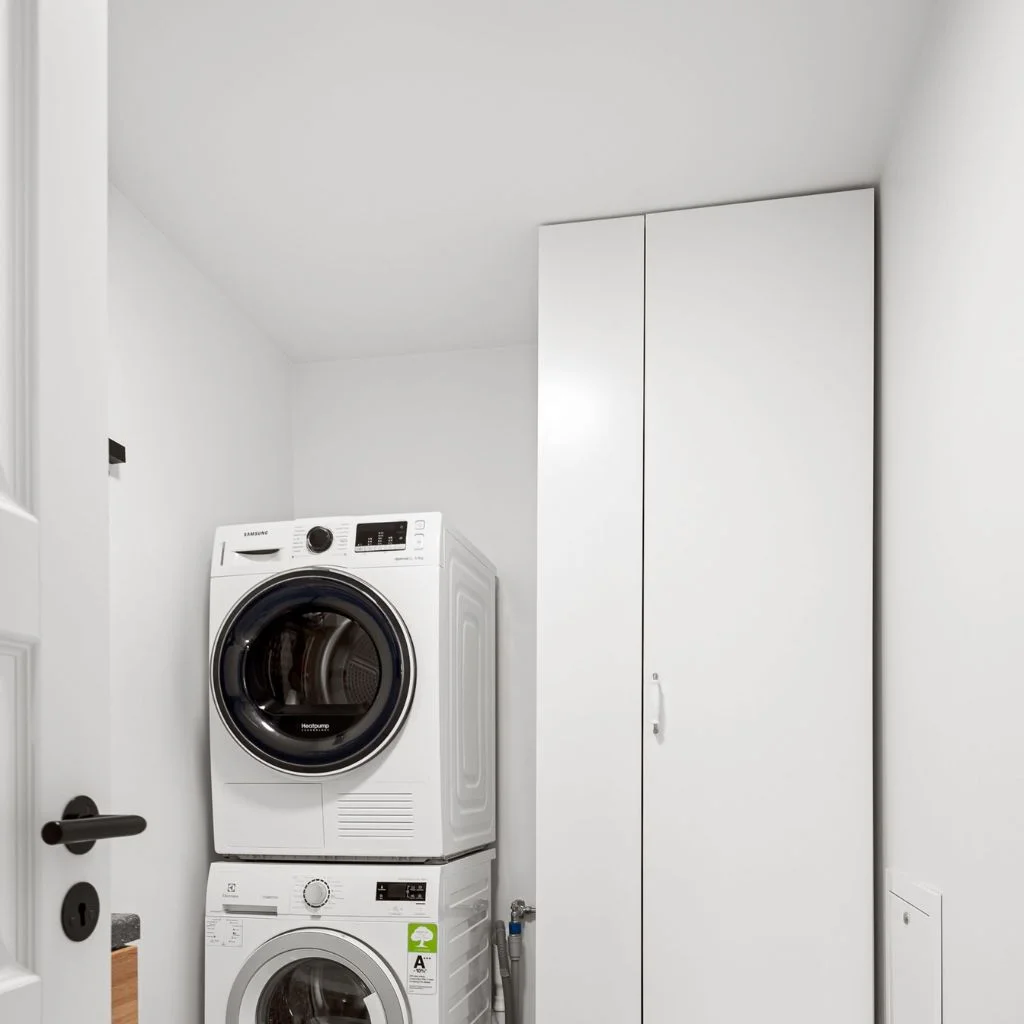
Picture a laundry closet barely wide enough to open both appliance doors at once — the kind found in older apartments and starter homes. A wall-mounted, hinged folding table solves this without demanding permanent floor space. Fold it flat against the wall when not in use, drop it down when a load finishes, and the closet returns to walking-room width the second folding is done. Look for a table rated to hold at least 15–20 pounds of wet-to-damp laundry, and mount it at standing-fold height (roughly 36 inches) rather than counter height, since these tables are used standing far more often than seated.
Installation is a weekend project rather than a full renovation. A piano hinge along the top edge and a simple folding leg or wall bracket underneath is usually all the hardware needed, and pre-built versions are widely available for anyone who’d rather skip the cutting and sanding. Anchoring into studs, not just drywall, matters here more than almost any other station on this list, since the table takes downward pressure every time it’s used.
Rolling Carts Bring Portable Folding Stations to Renters and Small Spaces
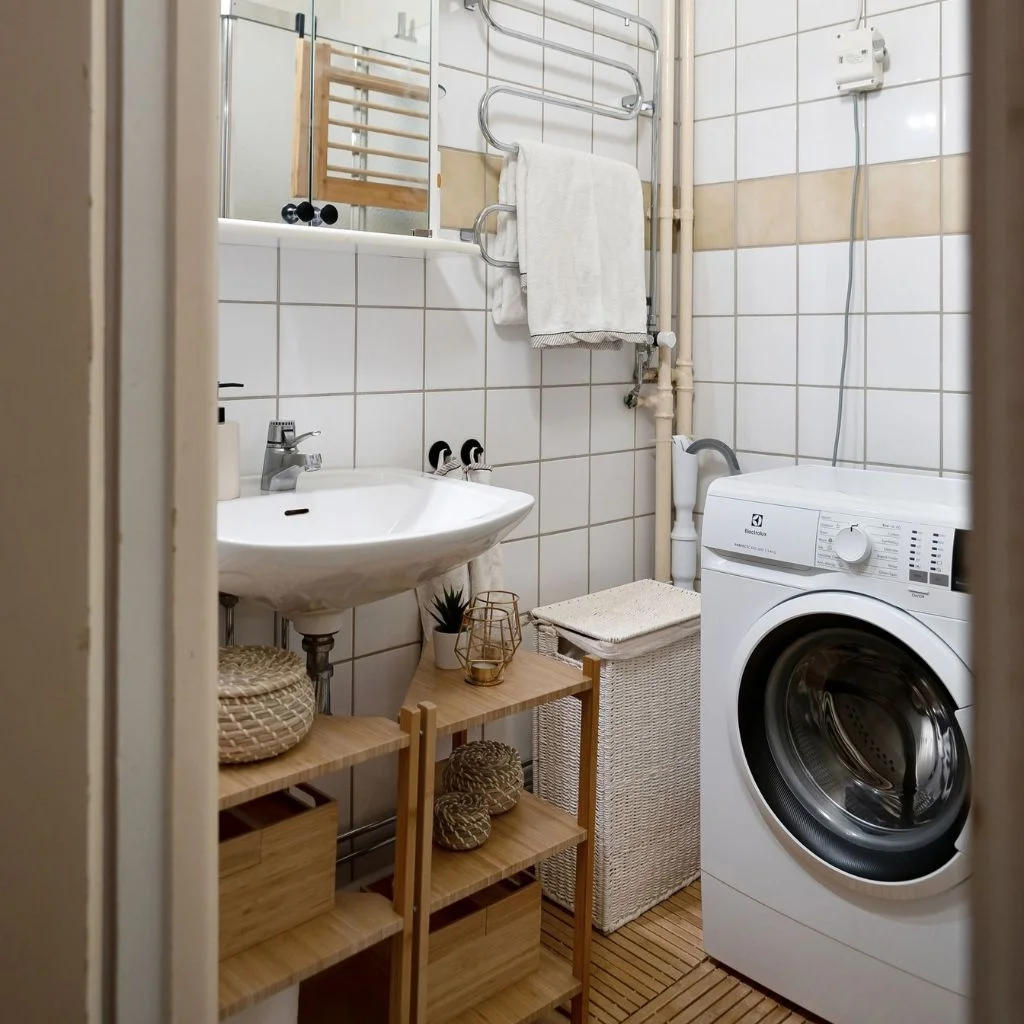
A common mistake is assuming a folding station has to be fixed to a wall or appliance. For renters, or anyone unwilling to drill into rental walls, a rolling cart with a flat top and open shelving underneath does the same job with none of the commitment. Roll it beside the dryer on wash day, then push it against a wall or into a closet the rest of the week. Bar-cart style carts with a solid wood top tend to look more intentional than plastic utility carts, and locking caster wheels keep the cart from sliding mid-fold on hard flooring.
A three-tier bar cart also solves storage in the same move — top for folding, middle shelf for baskets in progress, bottom shelf for detergent and stain removers. For households doing laundry in a hallway, garage corner, or shared building laundry room with no dedicated space at all, the cart is often the only realistic option, and it costs a fraction of any built-in alternative.
Open Shelving Above the Folding Surface Keeps Supplies Within Reach
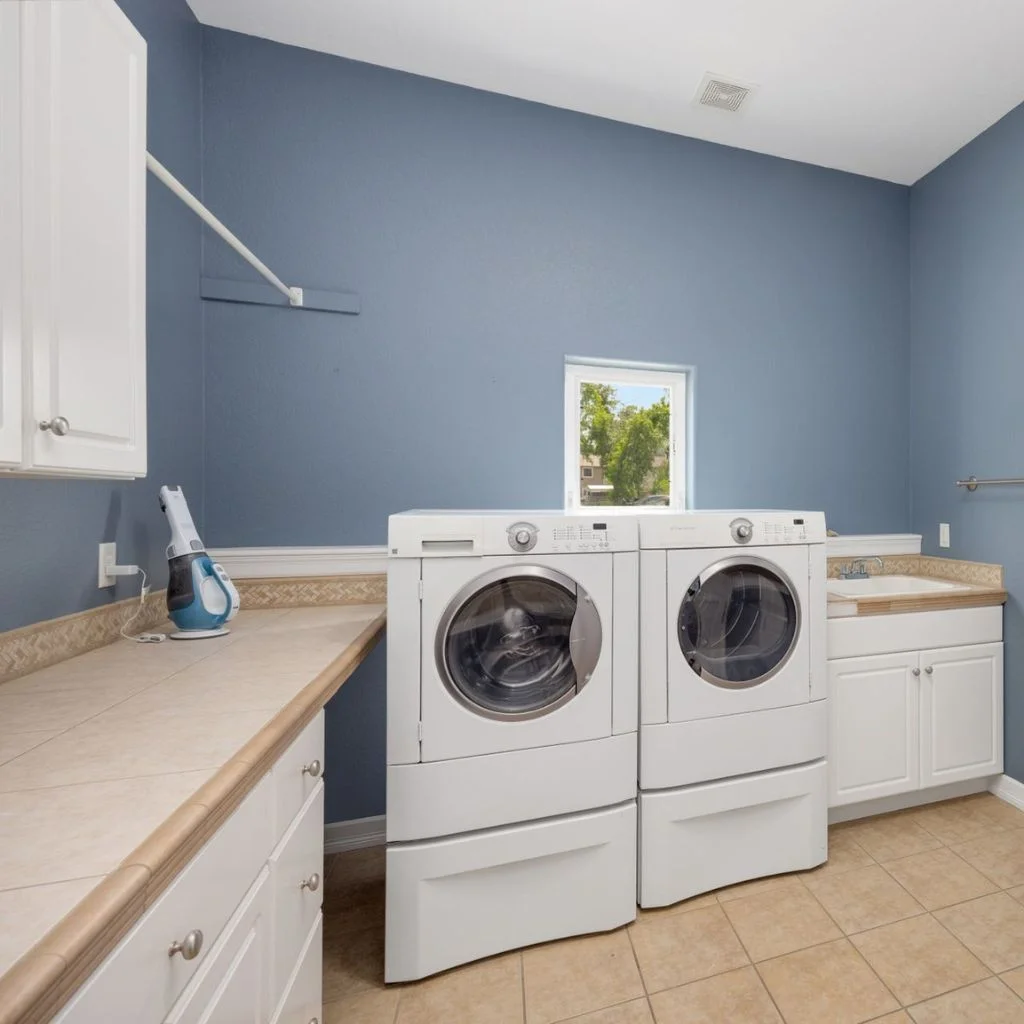
Whatever surface gets chosen, pair it with open shelving directly above rather than closed cabinets. Detergent, dryer sheets, stain sticks, and a folded-basket supply stay visible and grabbable mid-task, which matters more in a laundry room than almost anywhere else in the house — nobody wants to set down a hot iron or a half-folded shirt to dig through a cabinet. Floating shelves in a finish that matches the countertop tie the whole station together visually instead of reading as mismatched afterthoughts.
Why this works: open shelving removes the extra steps that make folding feel like a chore within a chore, and it keeps the most-used items visible so nothing gets forgotten mid-restock.
Fold-Down Wall Panel Turns Dead Space Into a Station in Tiny Rooms
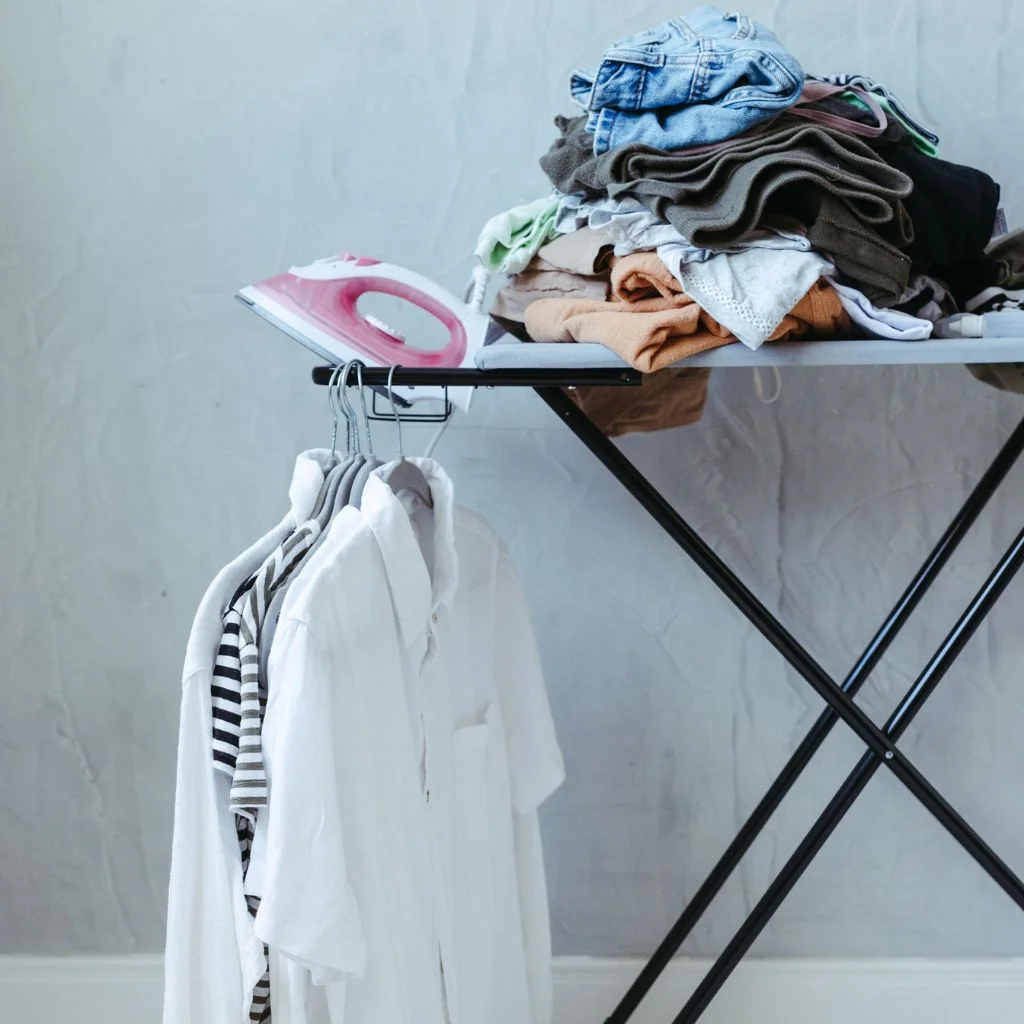
In a laundry room too small for even a rolling cart, a slim fold-down wall panel — the same hardware used for Murphy desks — creates a folding surface that disappears completely when not needed. Mounted at counter height, these panels typically fold up against the wall on a piano hinge and lock flat with a simple hook-and-eye or magnetic catch. This is the option worth considering for laundry rooms doubling as pantries, half-baths, or hallway nooks, where every inch of standing room matters between loads.
Because the panel disappears entirely, it also works well in shared spaces where laundry isn’t the room’s only job — a home office alcove or a hallway closet, for instance. The trade-off is durability under heavy daily use, so this option suits smaller households or lighter laundry loads better than a family of six running the machines daily.
Building a Custom Plywood Counter Keeps the Project Under Budget
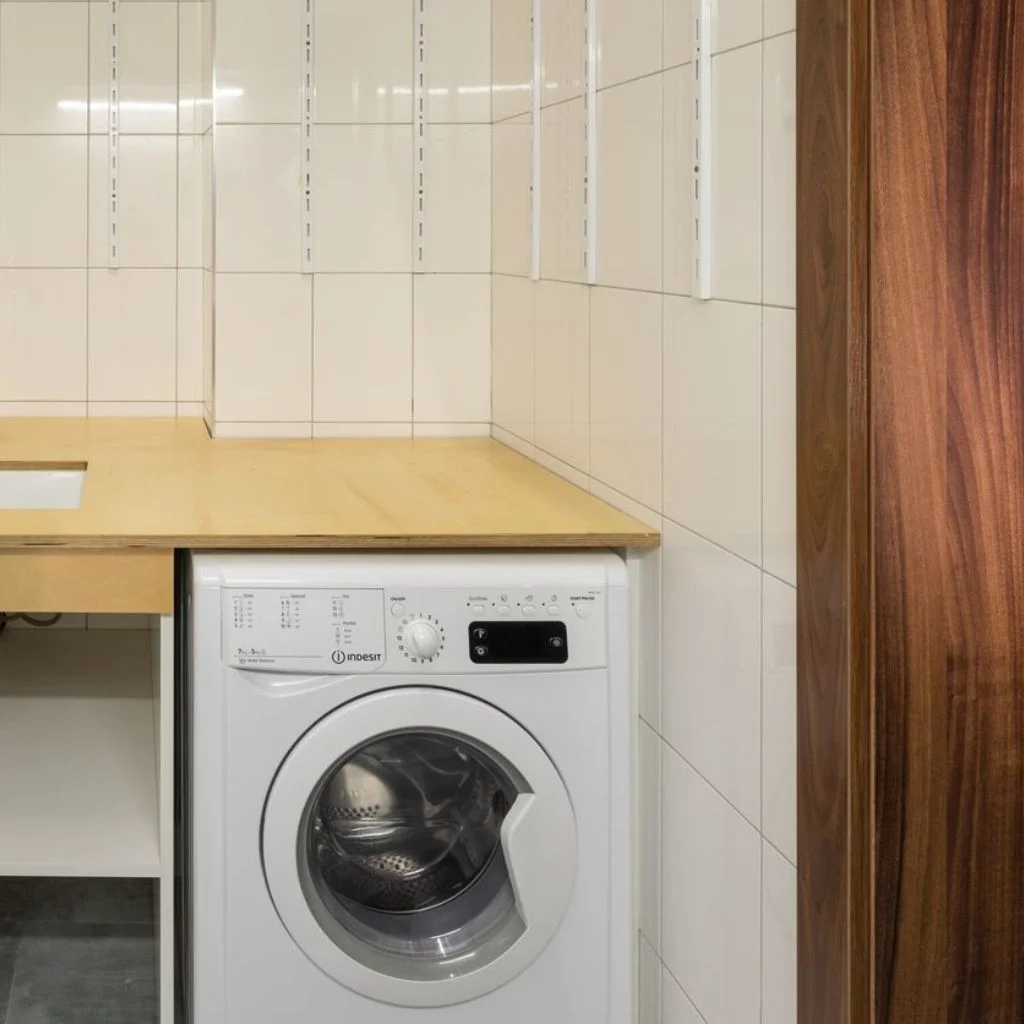
For anyone comfortable with basic tools, a plywood counter is the cheapest route to a real folding station. A sheet of ¾-inch plywood, cut to size, sanded, and finished with a durable countertop paint or laminate sheet, costs a fraction of butcher block or stone while holding up fine to folded fabric and the occasional damp basket. Support it with simple wood brackets or a small cabinet base for extra storage underneath. This approach suits garages, basements, and unfinished laundry rooms where the goal is function first, polish second.
Sorting Bins Built Into the Station Prevent the Post-Fold Pile-Up
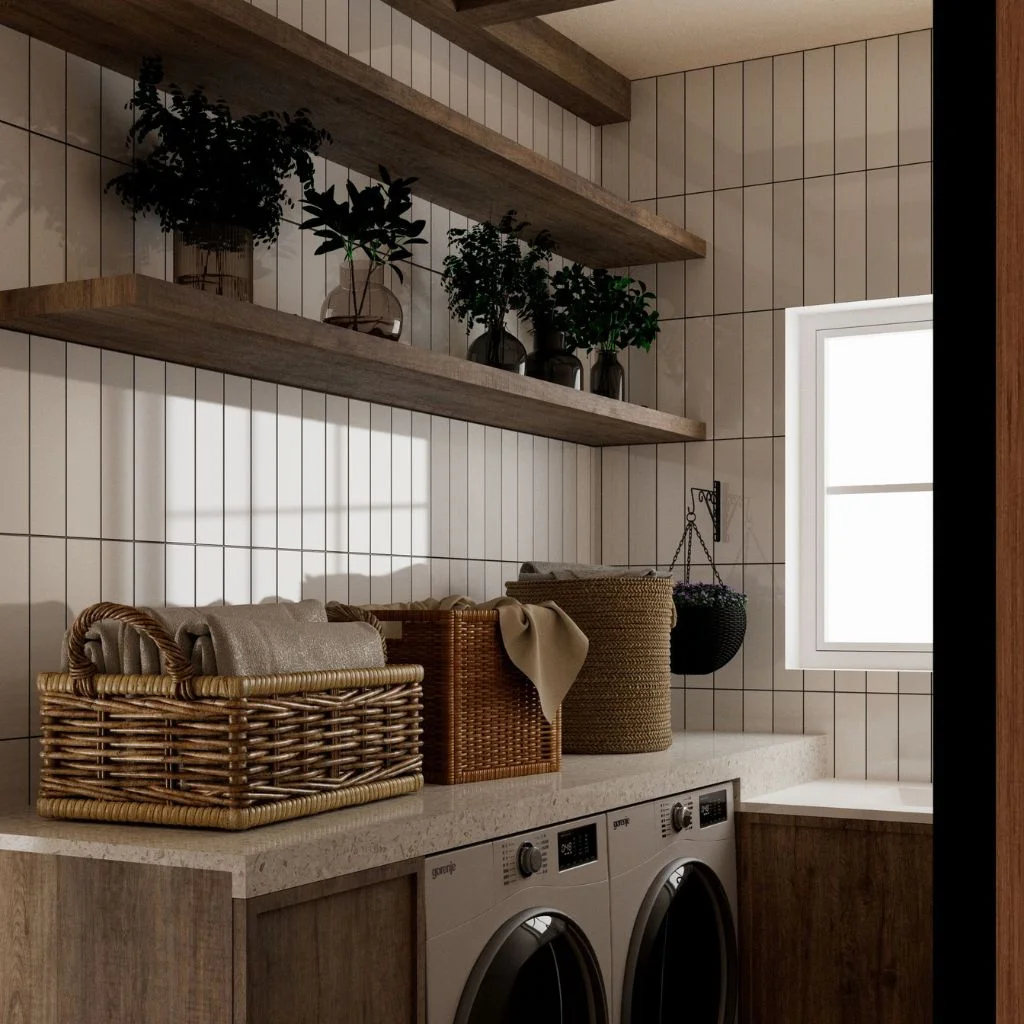
Folding the laundry solves half the problem — the other half is what happens to the folded stack afterward. A common mistake is building a beautiful folding station and then letting folded clothes sit in a pile on it anyway, waiting to be carried upstairs. Built-in sorting bins or labelled baskets underneath the folding surface, one per household member or per category (towels, sheets, kids’ clothes), turn the station into a full system rather than just a flat surface. This is the detail that keeps folded laundry from becoming a new kind of clutter.
Canvas bins on a simple wood or wire frame work well under most of the surfaces already covered here, and labelling them — even with a basic tag rather than anything decorative — removes the guesswork that usually causes folded piles to sit untouched for days. Households with kids tend to see the biggest payoff, since a labelled bin per child turns “put your laundry away” into a task that doesn’t require a parent to sort it first.
Vintage and Farmhouse-Style Stations Add Character Without Losing Function
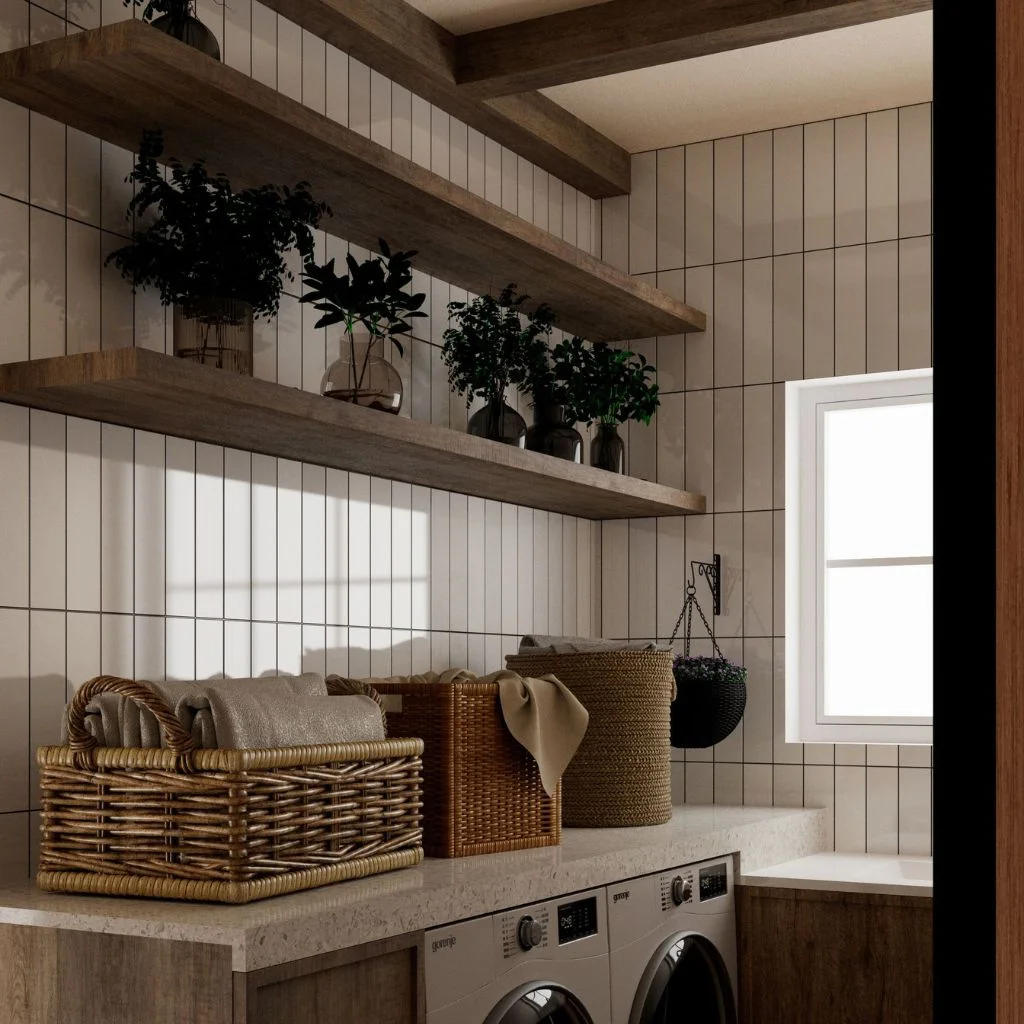
A laundry room doesn’t have to look purely utilitarian. A repurposed farmhouse table, a vintage dresser topped with butcher block, or a reclaimed wood counter brings warmth to a room that’s otherwise all appliances and tile. These pieces work best when the household already leans toward a farmhouse or vintage aesthetic elsewhere in the home, since a folding station is one of the more visible fixtures in an open-concept mudroom-laundry combo. Pair with woven baskets instead of plastic bins to keep the look consistent.
Hanging Rods Above the Station Cut Ironing and Wrinkling Time
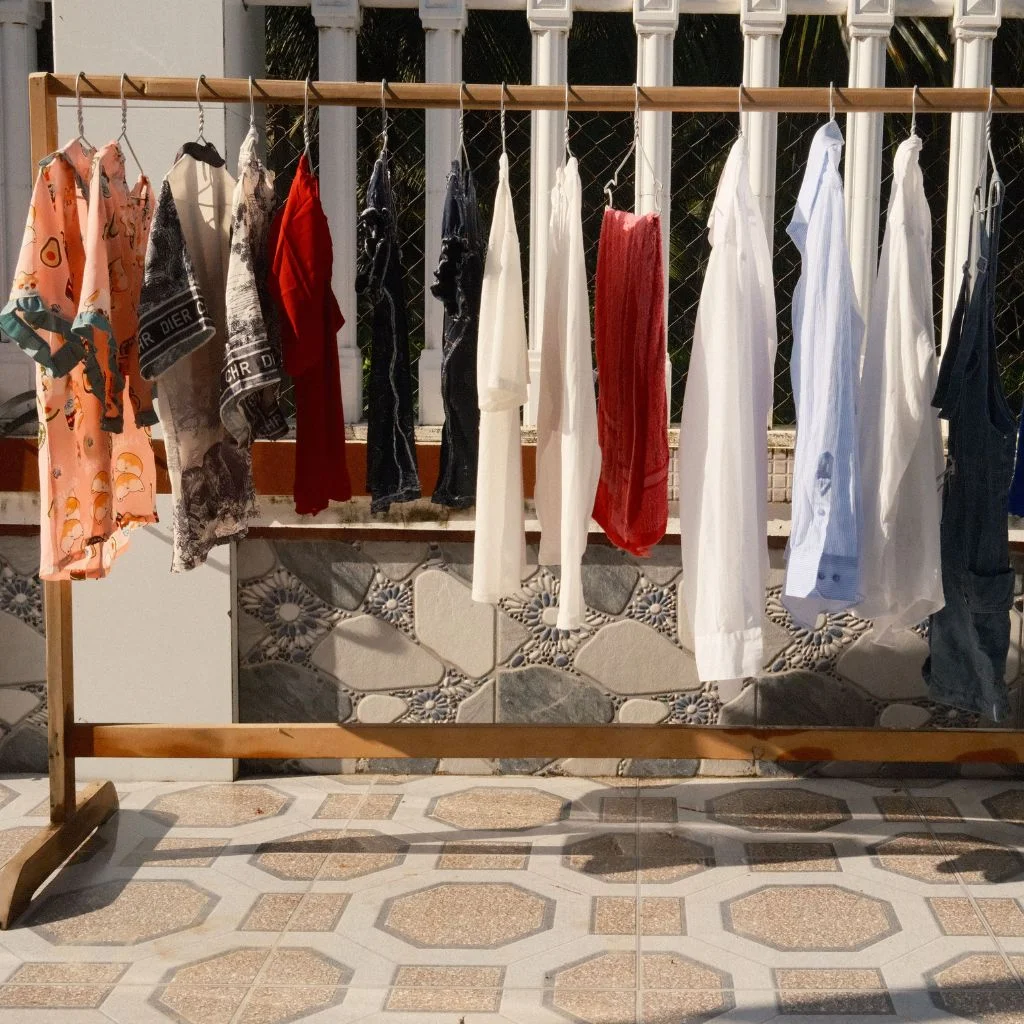
A shirt comes out of the dryer slightly damp, gets folded anyway because there’s nowhere else to put it, and comes out wrinkled an hour later. A hanging rod mounted above or beside the folding surface solves this before it happens — button-downs, dresses, and delicates go straight onto a hanger instead of into the fold pile, cutting down on ironing later in the week. This pairs especially well with the countertop-over-appliance setup, since the rod can mount to the same wall bracket system.
A single 24–36 inch rod is usually enough — this isn’t meant to replace a closet, just to catch the handful of items that shouldn’t be folded in the first place. Mounting it slightly above eye level keeps longer items like dresses from dragging on the counter below.
Matching the Station’s Colour Scheme to the Room Avoids the Add-On Look
The fastest way to make a folding station look like an afterthought is to install it in a finish that clashes with the room’s existing cabinetry or wall colour. Matching the countertop, shelving, and bracket hardware to the laundry room’s existing palette — even loosely, like keeping all wood tones warm or all metal finishes brushed nickel — makes a DIY station read as original to the room rather than bolted on later. This matters most in laundry rooms visible from a kitchen or mudroom entry, where the space is seen daily by more than just the person doing the wash.
It’s a low-cost fix compared to everything else on this list — a can of paint or a swap of cabinet pulls can bring a mismatched station in line with the rest of the room for less than the cost of a single new appliance. Worth doing last, once the functional layout is settled, rather than first.
One Upgrade Worth Prioritising First
Out of every idea here, the flat surface paired with immediate storage underneath is the change that matters most — a folding station without a place for the folded stack to go just relocates the pile instead of solving it. Whether that’s a plywood counter with labelled bins, a countertop over the washer and dryer, or a rolling cart with open shelving, start there before worrying about finish or style. The rest — hanging rods, matching hardware, vintage character — are upgrades on top of a system that already works.
Also Read About: Little Cabin Kitchen Ideas That Feel Cosy Year Round.