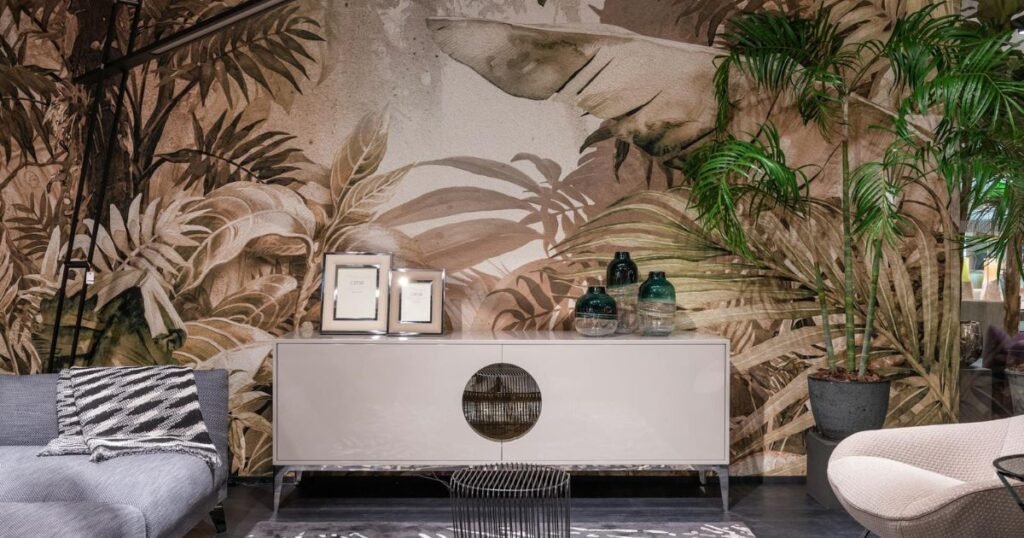
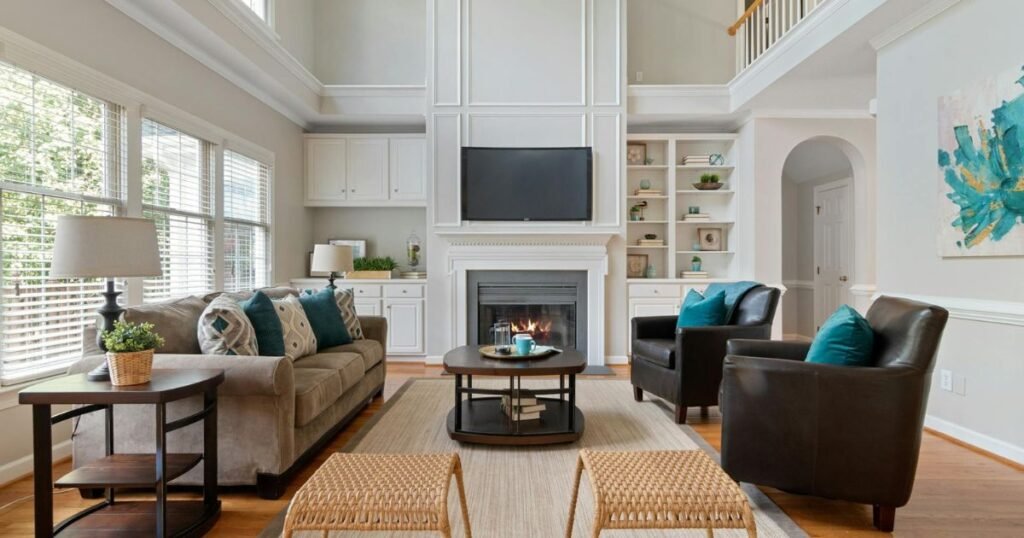
The Retro 70s Living Room style is making a confident comeback, and for good reason. This era was all about comfort, bold expression, and warm interiors that felt lived-in rather than staged. Earthy tones, statement furniture, layered textures, and playful patterns defined 1970s living rooms—and today, these elements feel fresh again when styled thoughtfully.
A modern Retro 70’s Living Room blends nostalgia with practicality. Instead of copying the past exactly, homeowners are re-using iconic colors and furniture shapes while keeping layouts functional and uncluttered. From low-profile sofas to rich brown woods and cozy textiles, this look creates a welcoming space that feels both stylish and personal.
In this guide, you’ll find practical Retro 70s Living Room inspiration, focusing on earthy colour palettes, standout furniture pieces, and décor ideas that work in real homes.
Earthy Colour Palettes That Define a Retro 70’s Living Room
Colour is the foundation of every authentic Retro 70s Living Room. Unlike modern neutral spaces, the 1970s embraced warmth and depth through nature-inspired shades.
Popular 70s colours included:
- Burnt orange
- Mustard yellow
- Olive green
- Chocolate brown
- Rust and terracotta
- Warm beige and cream
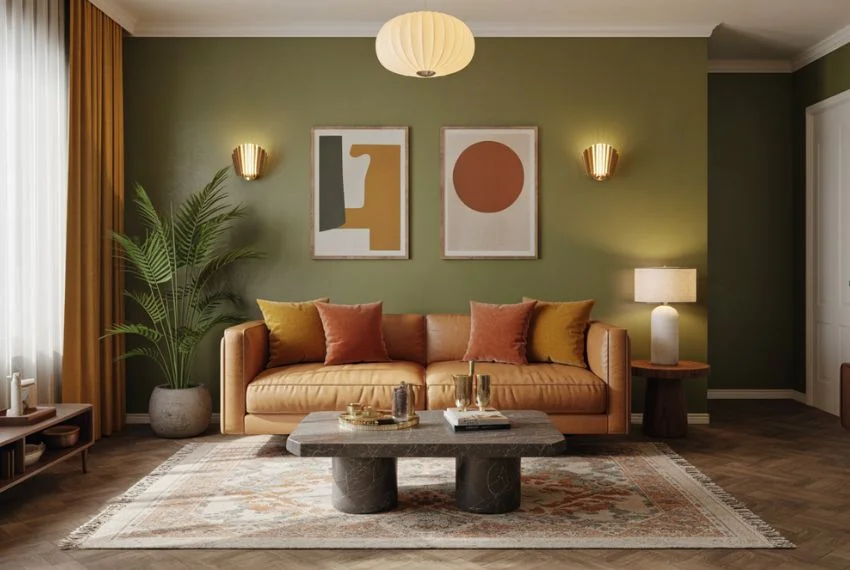
These earthy tones create a grounded, cozy atmosphere that instantly feels retro. For a balanced look, choose one dominant colour—such as olive green or rust—and support it with softer neutrals like beige or warm white.
Painted walls aren’t the only way to add colour. You can also introduce earthy tones through upholstered furniture, curtains, rugs, and wall art. A Retro 70s Living Room often mixes several warm shades together, creating visual depth without feeling overwhelming.
Statement Furniture That Anchors the Space
Furniture is the heart of a Retro 70s Living Room, and statement pieces are essential. The 1970s favoured bold shapes, low seating, and furniture that felt comfortable above all else.
Key furniture styles include:
- Low-profile or modular sofas
- Tufted leather couches in brown or tan
- Curved armchairs and barrel chairs
- Chunky coffee tables in wood or glass
- Sideboards with simple, solid lines
Instead of filling the room with many small pieces, focus on a few bold items that stand out. A curved sofa or oversized armchair instantly captures the 70s vibe. Pair these with solid wood tables to ground the space.
When planning your Retro 70s Living Room, let furniture placement feel relaxed. The goal is conversation and comfort, not rigid symmetry.
Textures and Materials That Add Warmth
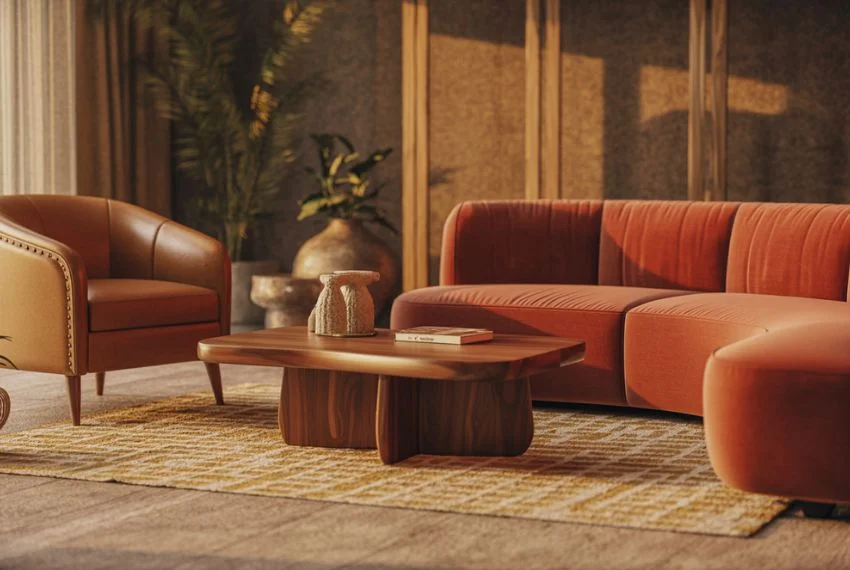
Layered textures are a defining feature of a true Retro 70s Living Room. The 70s were all about tactile materials that made spaces feel cozy and inviting.
Common retro materials include:
- Velvet and corduroy upholstery
- Leather seating
- Wool or shag rugs
- Natural wood furniture
- Rattan, cane, and wicker accents
A shag rug under a coffee table is one of the easiest ways to bring instant 70s character into a living room. Combine it with a velvet sofa or textured throw pillows for contrast.
Mixing materials is key. A Retro 70s Living Room feels rich and layered when smooth leather, soft fabric, and natural wood exist together in harmony.

Lighting Ideas Inspired by 1970s Interiors
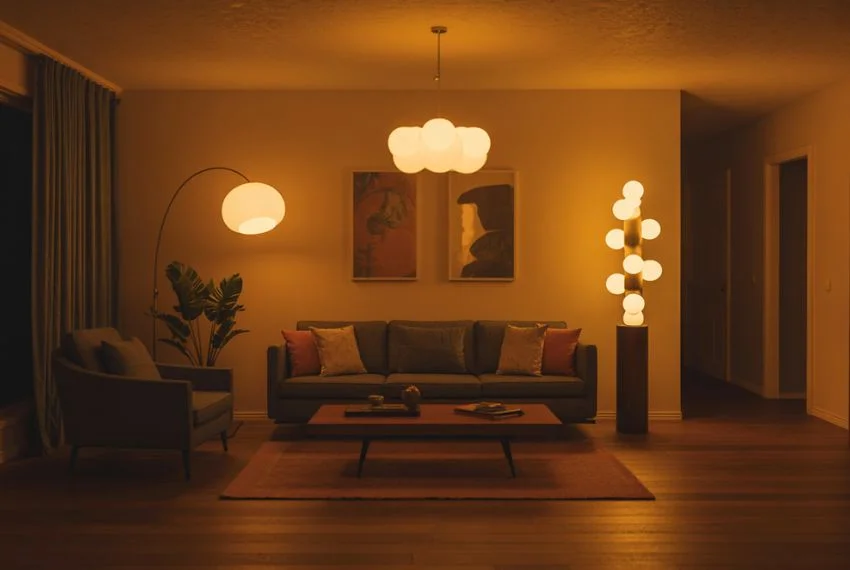
Lighting plays a major role in setting the mood of a Retro 70s Living Room. The 70s favoured warm, ambient lighting rather than bright overhead fixtures.
Retro-inspired lighting ideas include:
- Arc floor lamps
- Mushroom table lamps
- Globe pendant lights
- Brass or chrome lamp bases
- Soft yellow bulbs
Instead of relying on one main light, use multiple lamps to create a relaxed glow. This layered lighting approach enhances earthy tones and highlights statement furniture.
For authenticity, choose lamps with rounded shapes and warm metal finishes. Proper lighting can make even a modern space feel like a genuine Retro 70s Living Room.
Patterns and Wall Décor with Vintage Character
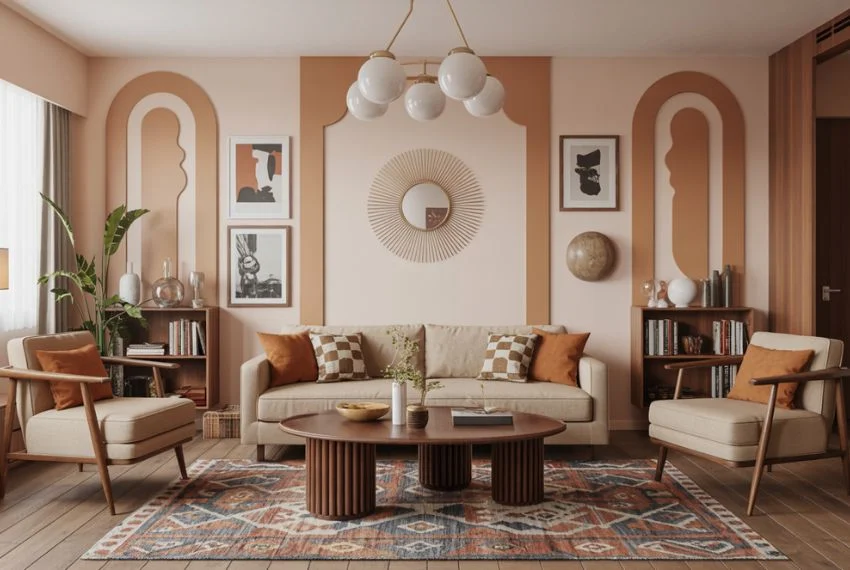
Patterns were everywhere in 1970s interiors, and they remain essential for a complete Retro 70s Living Room look. Think bold but cozy—not sharp or overly busy.
Popular retro patterns include:
- Geometric designs
- Large floral prints
- Abstract shapes
- Striped or circular motifs
You can introduce patterns through area rugs, throw pillows, wallpaper, or even framed art. Wood-panelled walls or accent walls with retro wallpaper instantly add authenticity.
Wall décor should feel personal. Vintage posters, macramé hangings, sunburst mirrors, and abstract art all fit beautifully into a Retro 70s Living Room without feeling outdated.
Blending Retro Style with Modern Comfort
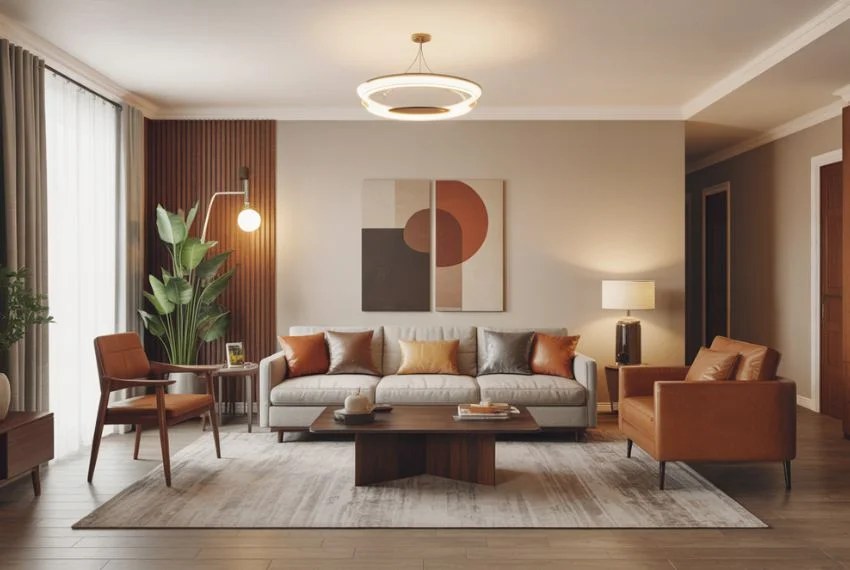
A successful Retro 70s Living Room doesn’t feel like a time capsule. The best designs combine vintage inspiration with modern comfort and functionality.
Ways to modernize the look:
- Choose updated fabrics in retro colours
- Pair vintage furniture with modern lighting
- Keep layouts open and uncluttered
- Use neutral walls to balance bold décor
This approach allows you to enjoy the warmth and personality of the 70s while keeping the space liveable. Modern technology, clean lines, and smart storage can coexist with retro furniture and earthy tones.
The result is a Retro 70s Living Room that feels timeless rather than trendy.
Styling Tips for an Authentic Retro 70s Living Room
To pull everything together, focus on thoughtful styling rather than over-decorating.
Helpful styling tips:
- Stick to warm, earthy colour families
- Limit plastic and high-gloss finishes
- Choose furniture with soft curves
- Add plants like ferns or rubber trees
- Keep accessories intentional, not excessive
Plants were a big part of 70s interiors, and they still work perfectly today. Adding greenery enhances the natural feel of a Retro 70s Living Room and complements wood and fabric textures beautifully.
Final Thoughts
A Retro 70s Living Room celebrates warmth, comfort, and bold personality. With earthy tones, statement furniture, rich textures, and layered lighting, this style creates a welcoming space that feels both nostalgic and relevant. By mixing vintage inspiration with modern comfort, you can design a living room that reflects the spirit of the 1970s without sacrificing everyday practicality. Whether you go all-in with bold colours or subtly layer retro elements, the charm of a Retro 70s Living Room lies in its relaxed, expressive character.
Also read our latest article about retro 70s bedroom ideas.