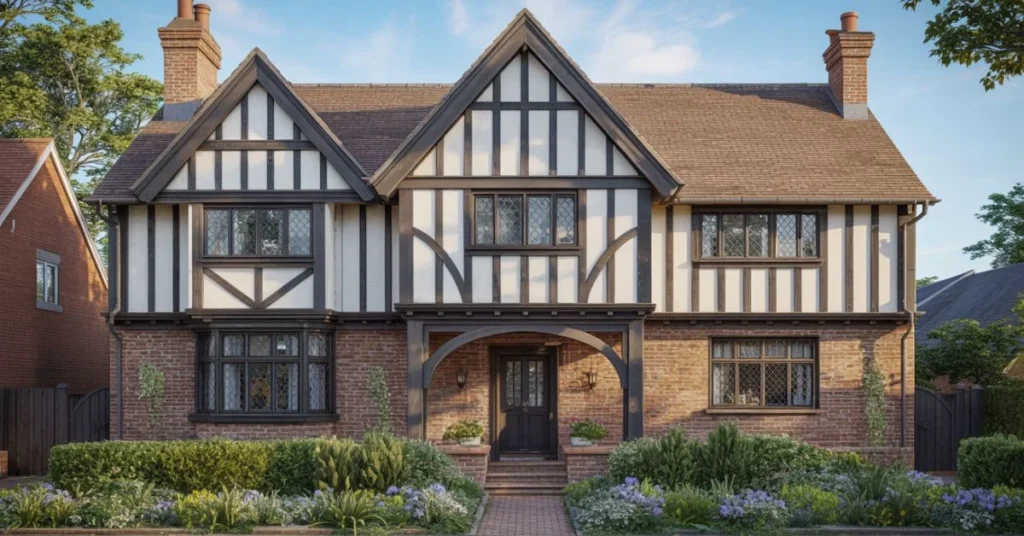
Tudor homes have a presence that modern houses often lack. Steeply pitched roofs, half-timber detailing, leaded windows, and solid masonry give these homes a storybook quality rooted in English history. When planning a Tudor Home Renovation, the goal should never be to erase that story. Instead, the best renovations improve comfort and function while protecting the architectural features that make Tudor homes special.
Whether you own a historic Tudor property or a mid-century Tudor Revival, careful renovation choices can help your home age gracefully while meeting today’s living needs. This guide walks through thoughtful renovation ideas that honour original craftsmanship and design.
Understanding the Core Features of Tudor Architecture
Before any renovation work begins, it’s important to understand what defines a Tudor home. These features should guide every design decision.
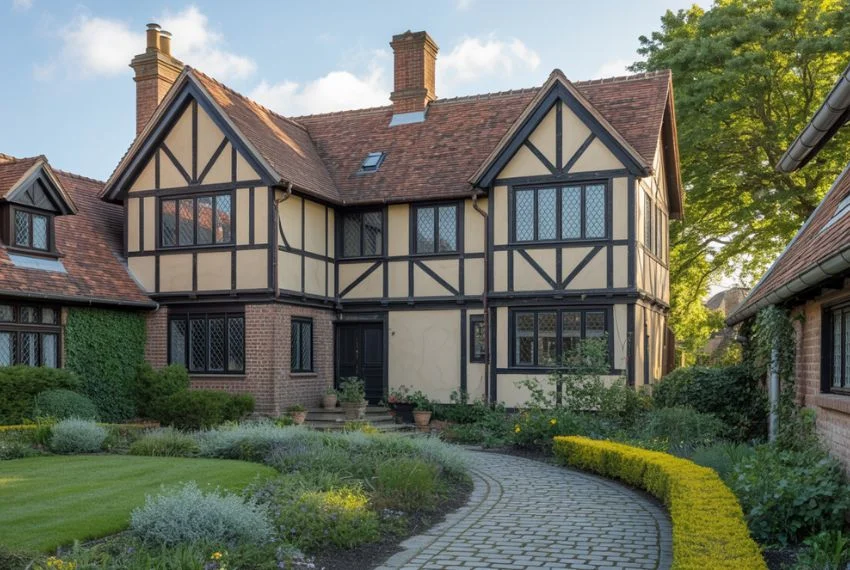
Key Tudor characteristics include exposed timber framing, stucco or brick infill, tall chimneys, narrow or grouped windows, and asymmetrical facades. Interiors often feature heavy wood beams, plaster walls, arched doorways, and handcrafted details.
A successful Tudor Home Renovation respects these elements rather than replacing them with trends that feel out of place. Knowing what makes your home architecturally significant helps you decide what to preserve, restore, or subtly update.
Preserving Exterior Details During Renovation
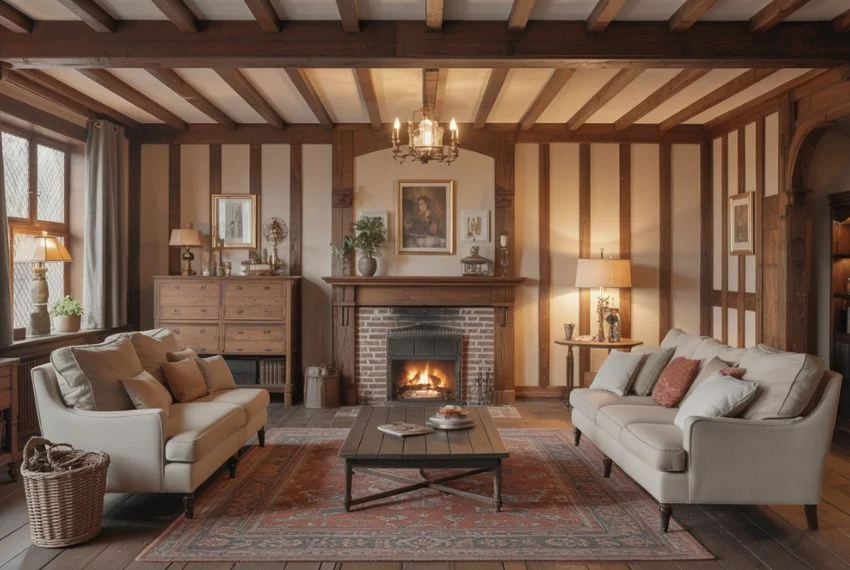
The exterior is where Tudor homes make their strongest visual statement. Renovation should focus on restoration rather than redesign.
Original half-timbering should be repaired, not removed. If wood is damaged, matching the original profile and material is critical. Stucco infill should maintain its texture and tone, avoiding smooth modern finishes that clash with the historic look.
Roofing is another key consideration. Steep gables and dormers should retain their proportions, and materials like slate or wood-look shingles often suit Tudor homes better than flat, modern roofing options. Thoughtful exterior restoration ensures your Tudor Home Renovation remains visually authentic from the street.
Updating Windows Without Losing Character
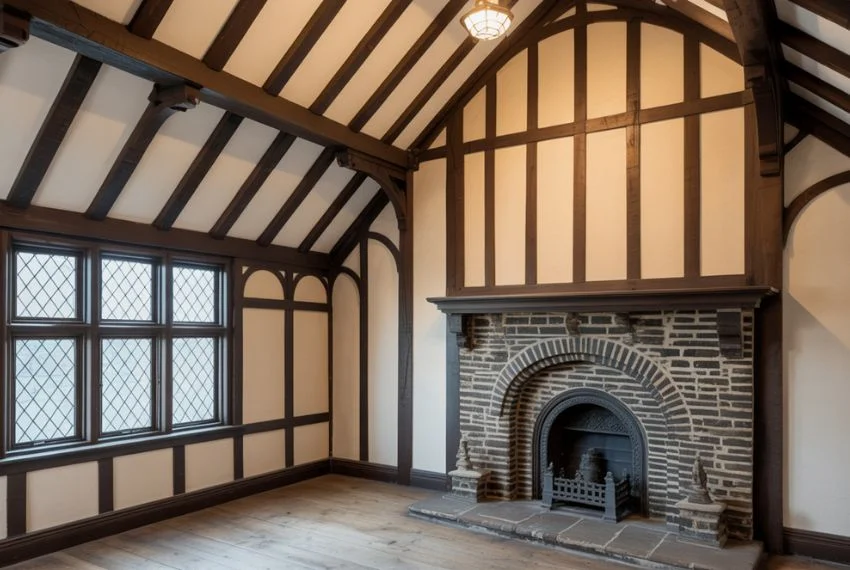
Windows are one of the most challenging elements to renovate in a Tudor home. Original leaded glass or multi-pane windows are central to the home’s identity.
When possible, restore existing windows instead of replacing them. If replacement is unavoidable, choose custom or high-quality alternatives that replicate original proportions, muntin patterns, and frame styles. Avoid oversized panes or minimalist frames, as they can dramatically change the home’s appearance.
Respecting window scale and placement is a crucial part of any Tudor Home Renovation, especially when energy efficiency upgrades are needed.
Restoring Wood Beams and Interior Trim
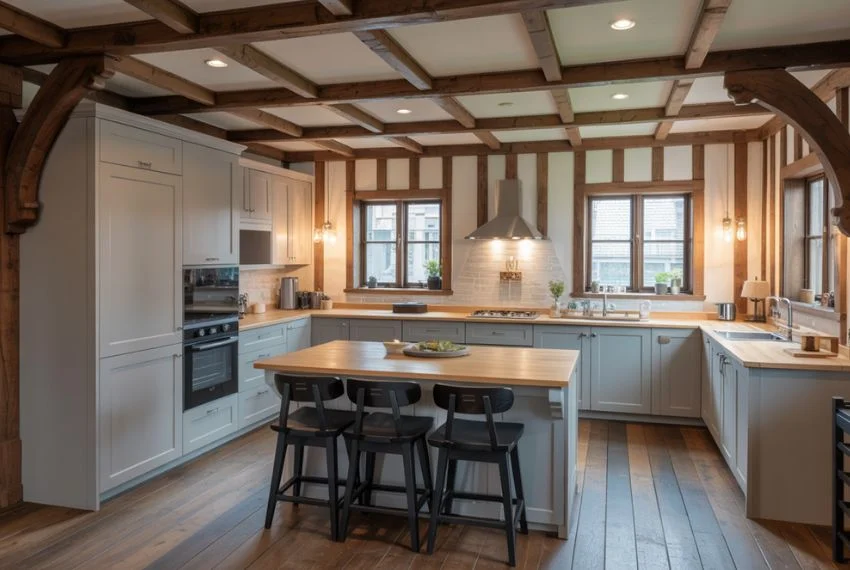
Exposed wood beams are a defining feature of Tudor interiors. Over time, they may darken, crack, or suffer surface damage, but removing them would strip the home of its soul.
During renovation, beams can be cleaned, repaired, and sealed to maintain their natural texture. Painted or faux beams should be avoided unless historically accurate to the home’s era.
Original trim, stair railings, and door frames should also be preserved whenever possible. Maintaining these details allows a Tudor Home Renovation to feel warm and grounded rather than overly polished.
Modernizing Kitchens with a Traditional Approach
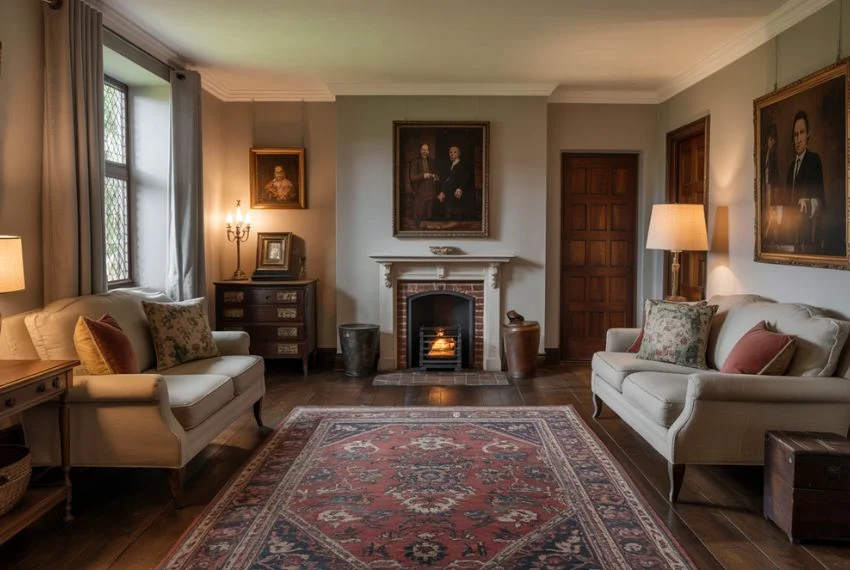
Kitchens often require the most updating, but they don’t need to look modern to function well.
In a Tudor home, cabinetry with simple panelling, natural wood finishes, or muted painted tones works better than high-gloss or handle-less designs. Stone or wood countertops complement the historic feel more naturally than ultra-sleek materials.
Modern appliances can be integrated discreetly, using panel-ready fronts or placing them within traditional cabinetry layouts. A well-planned Tudor Home Renovation blends convenience with period-appropriate design.
Bathroom Renovations That Feel Timeless
Bathrooms in older Tudor homes were often small and utilitarian. Renovation offers a chance to improve comfort while staying true to the home’s character.
Classic tile patterns, neutral colours, and traditional fixtures help maintain harmony with the rest of the house. Freestanding tubs, pedestal sinks, and aged metal finishes often suit Tudor interiors better than contemporary spa designs.
Avoid overly modern lighting or sharp geometric features. Bathrooms should feel like a natural extension of the home, not a visual interruption within your Tudor Home Renovation.
Improving Layout Without Major Structural Changes
One common renovation goal is creating better flow between rooms. Tudor homes often have compartmentalized layouts, which can feel restrictive by modern standards.
Instead of removing multiple walls, consider widening existing doorways or using arched openings that reflect original design motifs. This approach maintains structural integrity and visual rhythm.
A thoughtful Tudor Home Renovation improves usability without sacrificing the layered, cozy feel that defines Tudor interiors.
Upgrading Heating, Electrical, and Insulation Carefully
Behind-the-scenes updates are essential but should be handled with care. Electrical rewiring, plumbing updates, and insulation improvements can all be done without disturbing historic finishes.
Work should be planned to minimize damage to plaster walls, wood beams, and original flooring. Modern systems should remain invisible wherever possible.
These upgrades are often the most valuable part of a Tudor Home Renovation, improving safety, comfort, and efficiency without altering appearance.
Choosing Materials That Match the Era
Material selection plays a huge role in maintaining authenticity. Natural materials like wood, stone, brick, and lime-based plaster are better suited to Tudor homes than synthetic alternatives.
Flooring options such as wide-plank wood or natural stone align well with historic interiors. When repairs are needed, sourcing reclaimed or reproduction materials can help maintain continuity.
The right materials ensure your Tudor Home Renovation feels cohesive rather than pieced together.
Landscaping That Complements Tudor Style
Renovation doesn’t stop at the walls. Tudor homes traditionally pair well with structured yet natural landscaping.
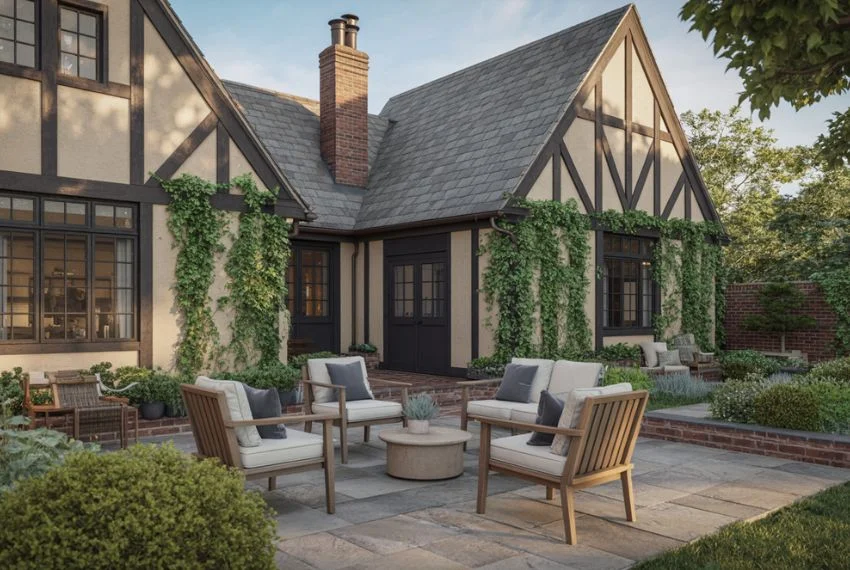
Stone pathways, low hedges, cottage-style gardens, and mature trees enhance the architectural character. Avoid overly modern hardscaping or minimalist designs that clash with the home’s traditional look.
Exterior surroundings should support the goals of your Tudor Home Renovation, creating a complete and harmonious property.
Final Thoughts
Renovating a Tudor home is about balance. Comfort, efficiency, and modern living matter—but so does history. The most successful projects respect original architecture while making subtle, thoughtful updates.
By preserving defining features, choosing period-appropriate materials, and avoiding design trends that feel out of place, homeowners can ensure their Tudor homes remain timeless. A well-executed Tudor Home Renovation doesn’t erase the past—it protects it while making room for the future.
Also Read About Tudor Home Decor Ideas.
FAQs
Can you modernize a Tudor home without changing its appearance?
Yes. Many upgrades, including insulation, wiring, and plumbing, can be done discreetly while keeping original design elements intact.
Are Tudor homes expensive to renovate?
Costs can be higher due to specialized materials and craftsmanship, but careful planning helps control expenses.
Should original features always be restored instead of replaced?
Whenever possible, yes. Restoration preserves authenticity and often adds long-term value.
What mistakes should be avoided during Tudor renovation?
Removing original details, using ultra-modern finishes, and altering window proportions are common mistakes.

