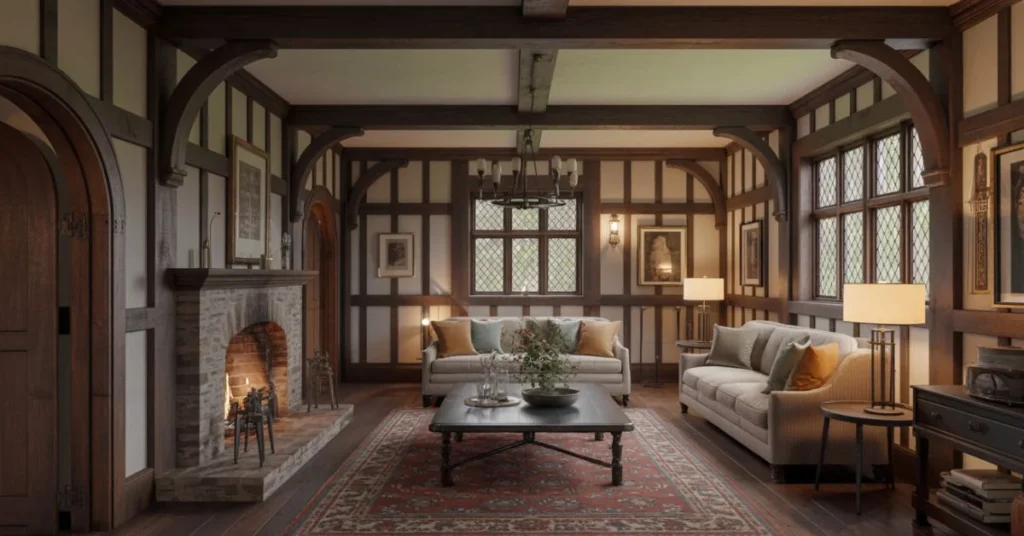
Tudor homes stand out instantly. Their steep roofs, decorative timber framing, and storybook charm feel rooted in history yet warm and welcoming. Originating in England during the late medieval period, these homes continue to inspire homeowners who love character-rich interiors. Today, Tudor Home Decor Styles bring together old-world details, cozy textures, and thoughtful craftsmanship that feel timeless rather than outdated.
This guide walks you through what defines Tudor interiors and explores different decor styles inspired by traditional English architecture, so you can understand the look and apply it with confidence.
What Defines Traditional Tudor Homes
Before diving into decor, it helps to understand the architectural roots. Tudor homes were first built in England during the 15th and 16th centuries. They were designed to feel sturdy, warm, and practical while still showcasing craftsmanship.
Key architectural features include:
- Exposed wooden beams and half-timbered walls
- Steeply pitched roofs and tall chimneys
- Small-paned or leaded glass windows
- Stone, brick, and dark wood materials
These features heavily influence Tudor Home Decor Styles, shaping everything from furniture choices to colour palettes.
Traditional Tudor Home Decor Style
The most classic approach stays true to history. This version of Tudor Home Decor Styles focuses on authenticity and heritage.
Interiors often feature:
- Dark wood panelling or ceiling beams
- Heavy oak furniture with carved details
- Stone fireplaces as the room’s focal point
- Rich textiles like wool, tapestry, and linen
Colour palettes lean toward deep browns, warm creams, forest green, burgundy, and muted gold. Lighting is usually soft and warm, often using iron chandeliers or candle-style fixtures. This style feels formal yet deeply comfortable, ideal for homeowners who appreciate tradition.

English Cottage Tudor Decor Style
This softer, more relaxed take blend’s Tudor structure with cottage comfort. It’s one of the most popular Tudor Home Decor Styles for modern living because it feels inviting rather than heavy.
Common elements include:
- Lighter wood tones mixed with white or cream walls
- Floral or botanical patterns
- Cozy seating with plush cushions
- Open shelving with ceramics and vintage finds
Instead of dark and dramatic, this style feels airy and lived in. It works especially well in smaller Tudor homes or spaces that receive plenty of natural light.

Storybook and Romantic Tudor Decor
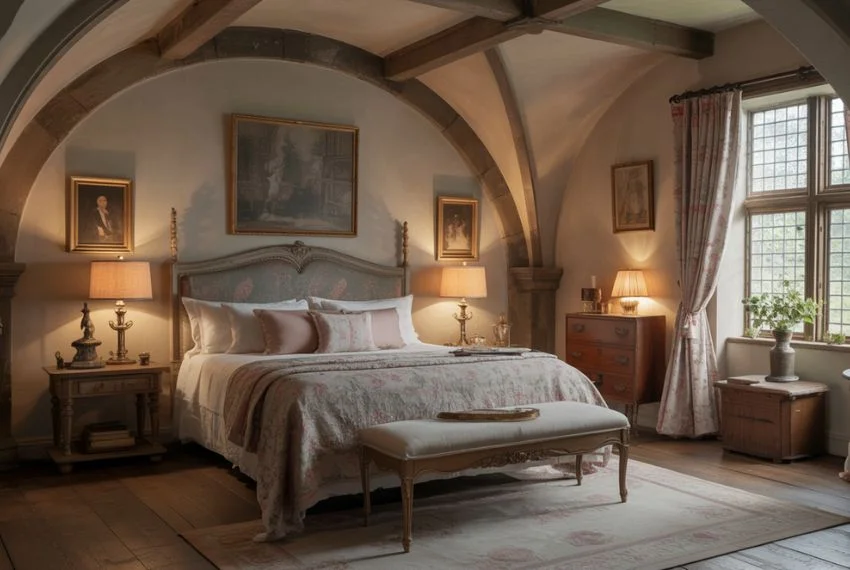
Some Tudor homes feel like they belong in a fairytale. This decor style emphasizes charm, softness, and nostalgia while still respecting architectural roots.
Key features:
- Arched doorways and rounded furniture edges
- Antique or distressed wood finishes
- Soft lighting from wall sconces and table lamps
- Lace, linen, and embroidered textiles
Among all Tudor Home Decor Styles, this one focuses most on emotion. It’s perfect for bedrooms, reading nooks, or dining rooms meant to feel intimate and romantic.
Modern Tudor Home Decor Style
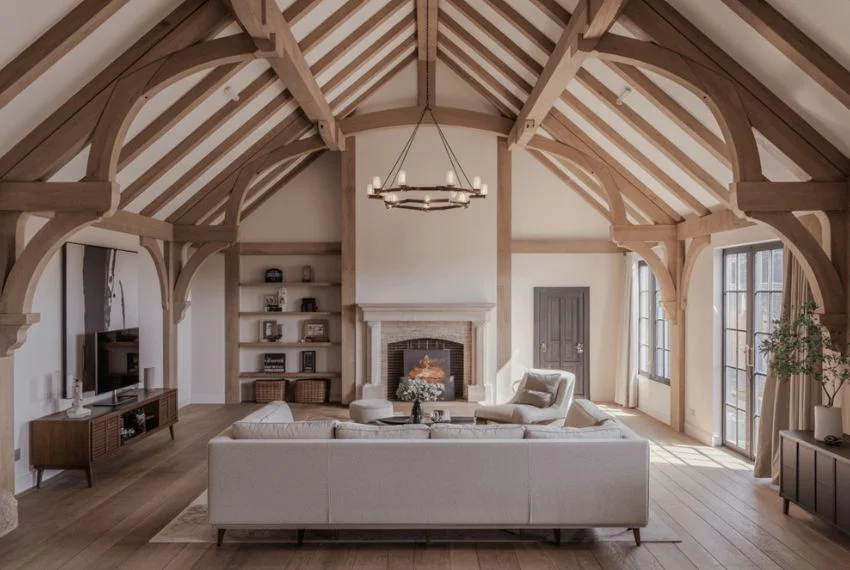
Modern living doesn’t mean abandoning tradition. Many homeowners update Tudor Home Decor Styles by blending classic architecture with cleaner, simpler interiors.
This approach includes:
- Preserving beams while using neutral wall colors
- Mixing antique furniture with modern pieces
- Streamlined kitchens with stone countertops
- Minimal decor that highlights architectural details
The result feels balanced. You still get Tudor charm, but with open spaces and functionality suited to today’s lifestyles.
Dark Academia Tudor Decor Style
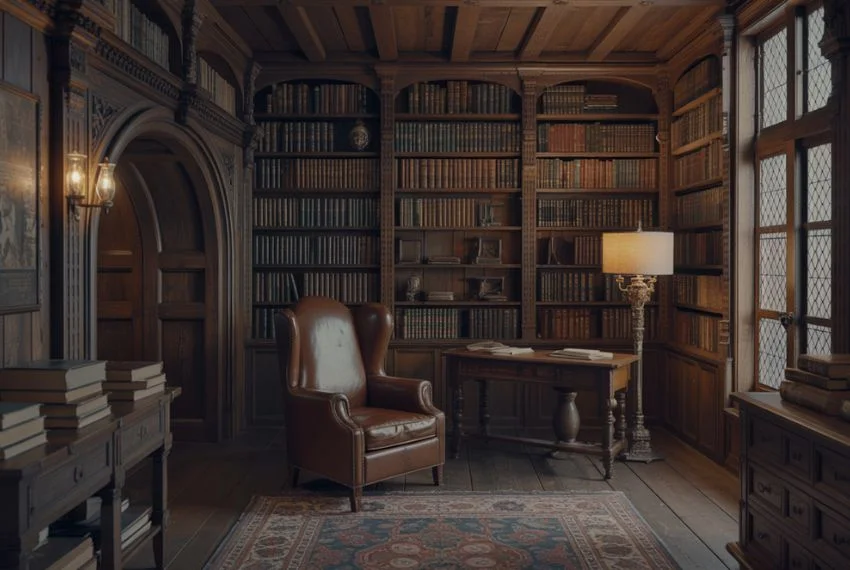
Dark academia pairs beautifully with Tudor homes due to their historic roots. This style leans intellectual, moody, and dramatic, making it a natural extension of Tudor Home Decor Styles.
Expect:
- Deep colours like charcoal, navy, and espresso
- Leather chairs, bookcases, and writing desks
- Vintage artwork, globes, and framed maps
- Low, warm lighting
This decor works especially well in studies, libraries, and living rooms where atmosphere matters more than brightness.
Materials That Define Tudor Interiors
Materials play a major role in shaping Tudor Home Decor Styles. These interiors avoid anything overly sleek or artificial.
Common materials include:
- Solid wood (oak is especially popular)
- Natural stone and brick
- Iron and wrought metal accents
- Wool, leather, and linen fabrics
These materials age beautifully, adding to the home’s character rather than detracting from it.
Furniture Choices for Tudor Homes
Furniture in Tudor interiors feels grounded and purposeful. Pieces often look handcrafted and slightly oversized.
Best choices include:
- Wooden dining tables with thick legs
- Upholstered armchairs with rolled arms
- Storage pieces like hutches and sideboards
- Beds with wooden or fabric headboards
Across all Tudor Home Decor Styles, furniture should feel sturdy, comfortable, and timeless.
Lighting That Complements Tudor Decor
Lighting is subtle but essential. Tudor homes avoid harsh brightness in favor of warmth.
Popular lighting options:
- Iron chandeliers with candle-style bulbs
- Wall sconces near fireplaces or hallways
- Table lamps with fabric shades
This lighting approach enhances the cozy, historic feel that defines Tudor Home Decor Styles.
How to Choose the Right Tudor Decor Style for Your Home
Not every Tudor home needs to look the same. Some lean formal, while others feel relaxed or modern. When choosing among Tudor Home Decor Styles, consider:
- The amount of natural light in your space
- Whether your home is original or newly built
- Your lifestyle and comfort preferences
Mixing elements is perfectly acceptable as long as the core materials and tones stay consistent.
Final Note
Tudor homes offer a rare blend of history, warmth, and architectural beauty. From classic traditional interiors to cottage-inspired comfort and modern updates, Tudor Home Decor Styles provide flexibility without losing character. By honouring natural materials, thoughtful craftsmanship, and rich textures, you can create a home that feels both timeless and liveable.
Also read about Castle Decor Ideas for a Grand, Historic Interior Look.
FAQs
Are Tudor home interiors always dark?
No. While traditional styles use darker tones, many modern Tudor interiors use lighter colours and balanced lighting.
Can modern furniture work in Tudor homes?
Yes, when mixed carefully with classic elements, modern furniture can complement Tudor architecture.
What rooms suit Tudor decor best?
Living rooms, dining rooms, libraries, and bedrooms work especially well due to their cozy nature.

