Designing a sloped yard can feel overwhelming at first. Uneven ground, erosion issues, and limited usable space often make homeowners think a hillside is more of a problem than a feature. The good news is that with the right approach, sloped land can become one of the most eye-catching parts of your property. Thoughtful hillside landscaping ideas can turn difficult terrain into a layered, functional, and visually striking outdoor space.
Whether you’re working with a gentle slope or a steep hillside, smart planning, proper plant selection, and structural elements can make all the difference. This guide walks you through practical solutions that balance beauty and function while helping your hillside feel intentional and easy to maintain.
Understanding the Challenges of Hillside Landscaping
Before exploring design solutions, it’s important to understand why sloped yards require a different approach. Hillsides naturally deal with gravity, water movement, and soil stability, which can work against traditional landscaping methods.
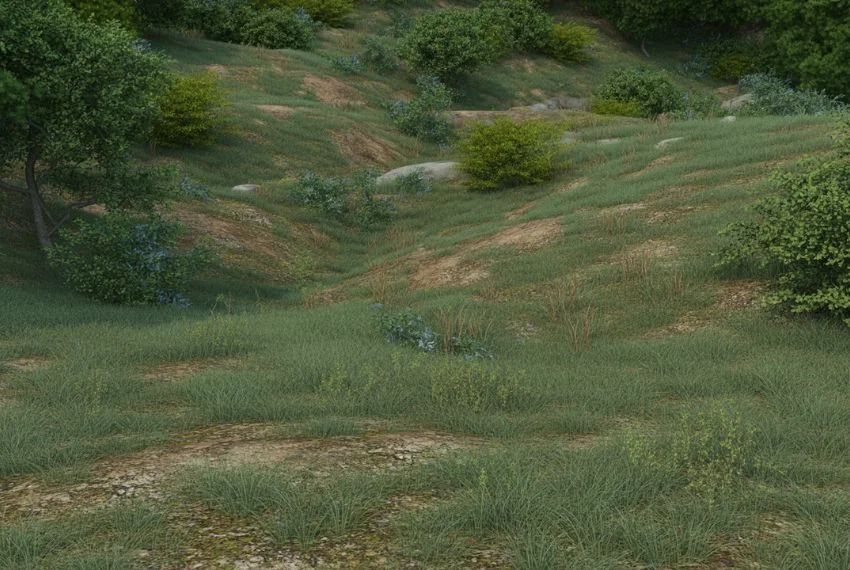
One of the biggest challenges is soil erosion. Rainwater flows downhill quickly, washing away soil and exposing plant roots. Drainage issues can also develop if water pools in certain areas or runs too fast through others. On steeper slopes, maintenance becomes harder, making mowing, planting, and watering more difficult.
This is where well-planned hillside landscaping ideas come into play. Instead of fighting the slope, successful designs work with the land’s natural shape. The goal is to stabilize the soil, slow water movement, and create usable areas that feel balanced and safe.
Terraced Hillside Landscaping for Structure and Style
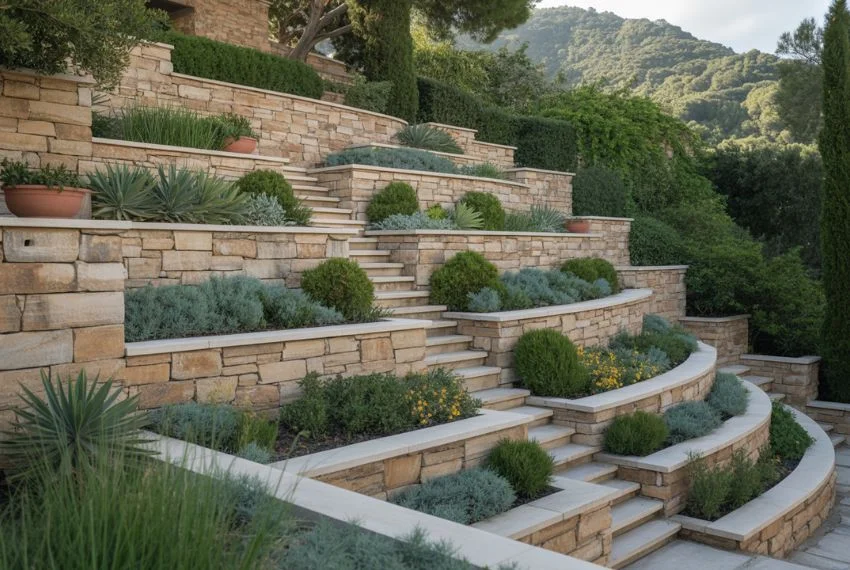
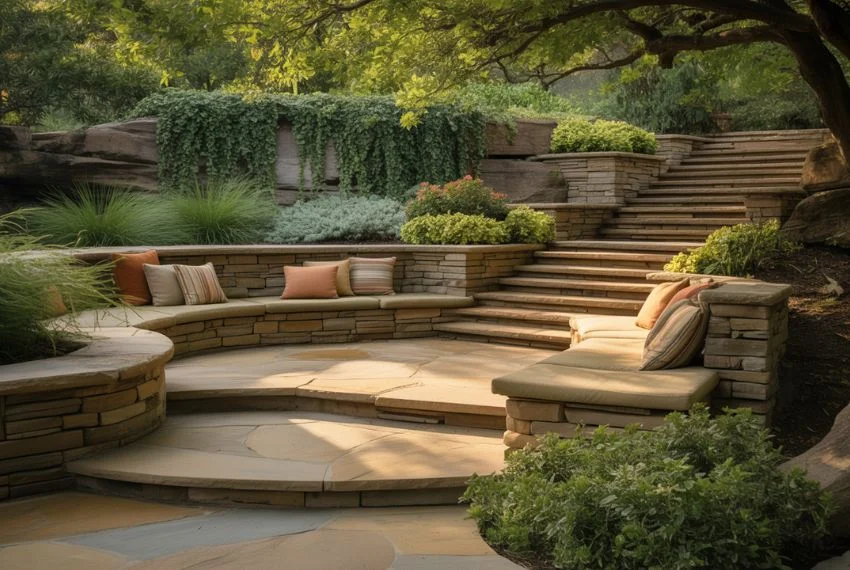
Terracing is one of the most effective ways to manage a sloped yard. By breaking the hillside into a series of flat levels, terraces reduce erosion and create functional planting or seating areas.
Stone, concrete blocks, or treated timber can all be used to form terraces. Each level acts as a retaining system that holds soil in place while giving your landscape a clean, organized look. Terraced gardens also make planting and maintenance much easier compared to a continuous slope.
From a design perspective, terracing adds depth and dimension. You can dedicate each level to a different purpose, such as flower beds, vegetable gardens, or small patios. Among all hillside landscaping ideas, terracing offers one of the best balances between practicality and visual appeal.
Retaining Walls That Add Function and Visual Interest
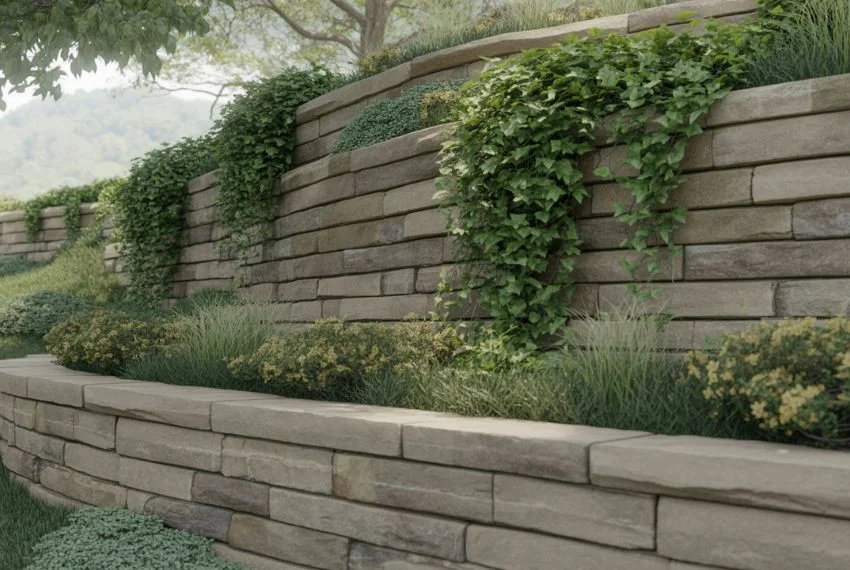
Retaining walls are essential for stabilizing steep slopes and preventing soil movement. Beyond their structural role, they also act as strong design features when used thoughtfully.
Natural stone walls create a timeless look that blends well with the landscape, while concrete blocks offer a clean, modern feel. Wooden retaining walls can work for smaller slopes and budget-friendly projects but may require more maintenance over time.
You can soften retaining walls by adding plants along the edges or incorporating built-in seating. When designed correctly, retaining walls become an integral part of your hillside landscaping ideas, not just a structural necessity.
Choosing the Right Plants for Sloped Yards
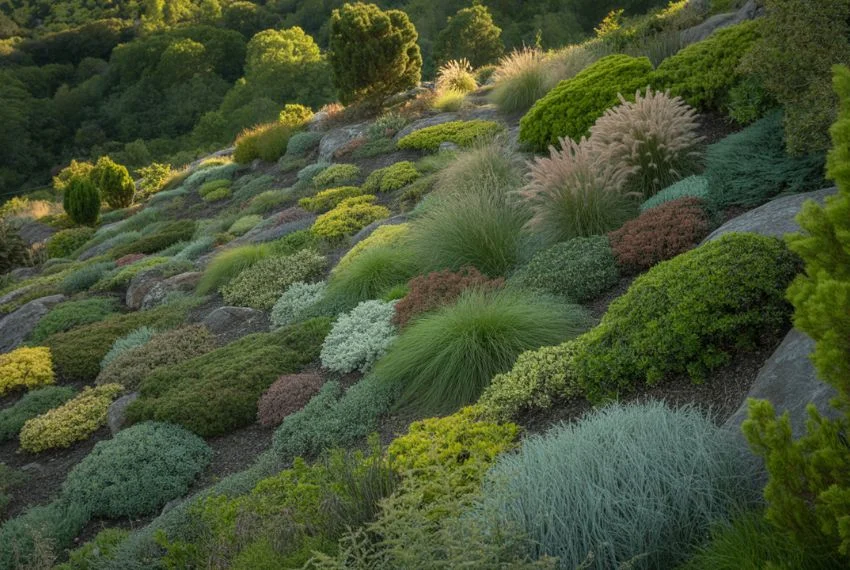
Plant selection plays a major role in hillside success. The best plants for slopes have deep or spreading roots that help hold soil in place while requiring minimal upkeep.
Ground covers such as creeping thyme, juniper, or vinca help reduce erosion and create a cohesive look. Shrubs and ornamental grasses add height, texture, and movement, while native plants adapt better to local conditions and need less water.
Layering plants is key. Taller plants should be placed higher up the slope, with shorter ground covers below. This approach enhances stability and creates a natural flow. Well-chosen plants are the backbone of effective hillside landscaping ideas, ensuring long-term success.
Low-Maintenance Hillside Landscaping Ideas
A hillside should not become a constant chore. Low-maintenance strategies make your outdoor space more enjoyable and sustainable over time.
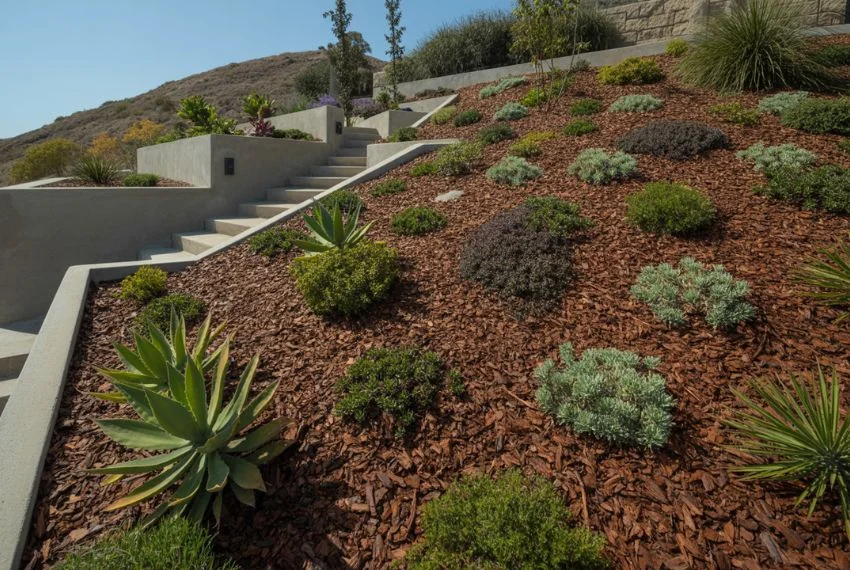
Mulching helps retain moisture and prevent soil erosion, especially after planting. Drip irrigation systems deliver water directly to plant roots, reducing runoff and waste. Choosing drought-tolerant and native plants further minimizes watering needs.
Reducing turf grass on slopes also lowers maintenance. Grass can be difficult to mow safely on hillsides, so replacing it with ground covers or gravel paths is a smart move. These low-maintenance hillside landscaping ideas save time while keeping your yard attractive year-round.
Creating Functional Outdoor Spaces on a Hill
A sloped yard doesn’t mean you have to give up outdoor living. With smart planning, you can carve out functional spaces that feel comfortable and welcoming.
Steps and pathways improve access and safety while guiding movement through the landscape. Stone or concrete steps blend well into hillside designs and reduce wear on the soil. Small patios or seating areas can be integrated into terraces or flat sections of the slope.
Viewing decks and lookout spots are another popular option, especially on hillsides with scenic views. These functional hillside landscaping ideas turn your yard into a destination rather than just a backdrop.
Budget-Friendly Hillside Landscaping Solutions
Landscaping a slope doesn’t have to be expensive. Strategic choices can help you manage costs without sacrificing quality.
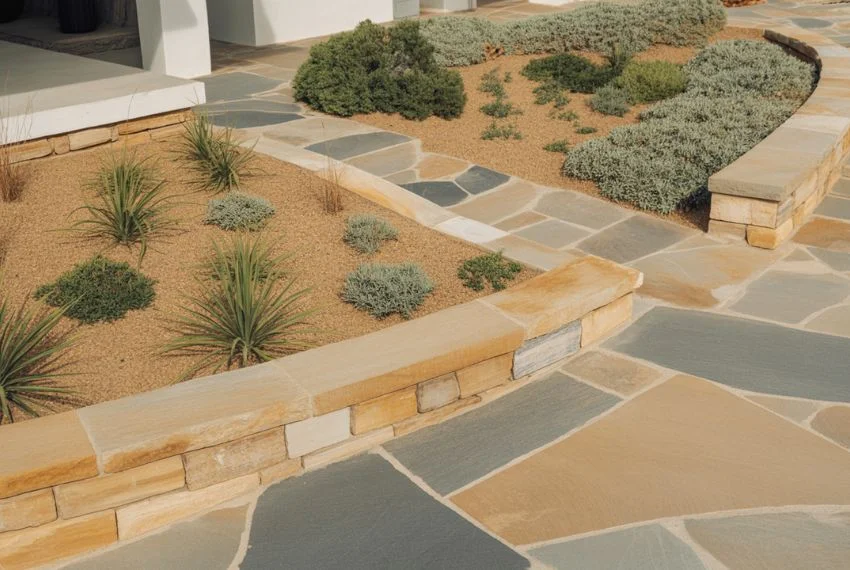
Start with a phased approach, tackling one section at a time. This allows you to spread expenses over time. Using locally sourced stone and materials can significantly reduce costs while giving your yard a natural look.
DIY planting is another way to save money. Focus your budget on structural elements like retaining walls and handle planting yourself. Thoughtful planning makes even budget-conscious hillside landscaping ideas look polished and intentional.
Final Note
A sloped yard may come with challenges, but it also offers unique opportunities. With careful planning, the right materials, and smart plant choices, you can transform uneven land into a beautiful and functional outdoor space. The most successful hillside landscaping ideas work with the natural terrain rather than against it, creating stability, usability, and visual balance.
Whether your goal is erosion control, low maintenance, or creating outdoor living areas, a well-designed hillside can add lasting value and character to your home.
Find out about Natural Outdoor Grass Ideas for Backyards, Lawns, and Patios.
FAQs
Are hillside landscaping ideas expensive?
Costs vary depending on slope size and materials, but phased projects and smart plant choices can keep budgets manageable.
What plants work best for hillside landscaping?
Ground covers, ornamental grasses, shrubs, and native plants are ideal for erosion control and low maintenance.
Can I landscape a steep slope myself?
Small projects and planting can be DIY-friendly, but steep slopes often require professional help for structural elements.
How do I maintain a hillside garden long-term?
Use mulch, drip irrigation, and low-maintenance plants to reduce upkeep and prevent erosion.