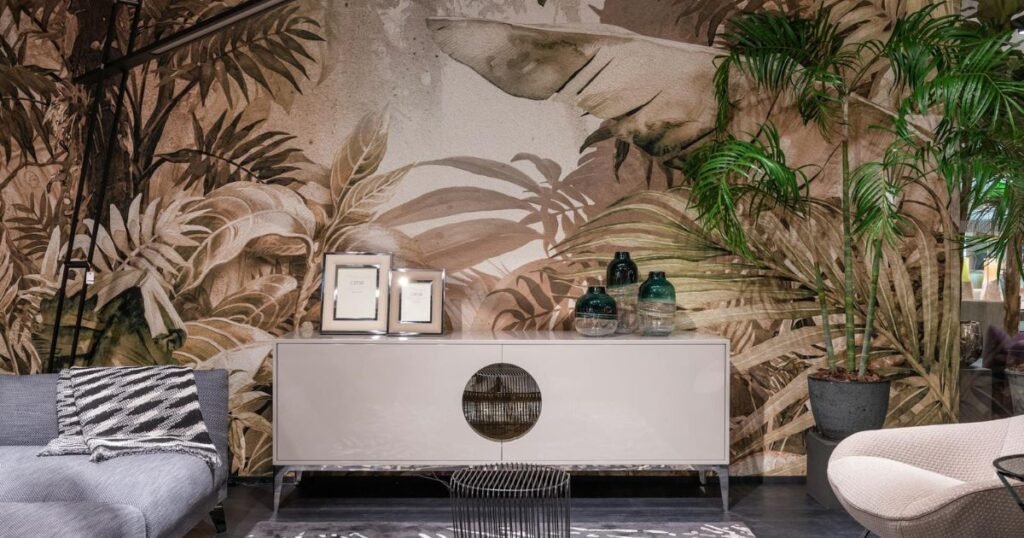
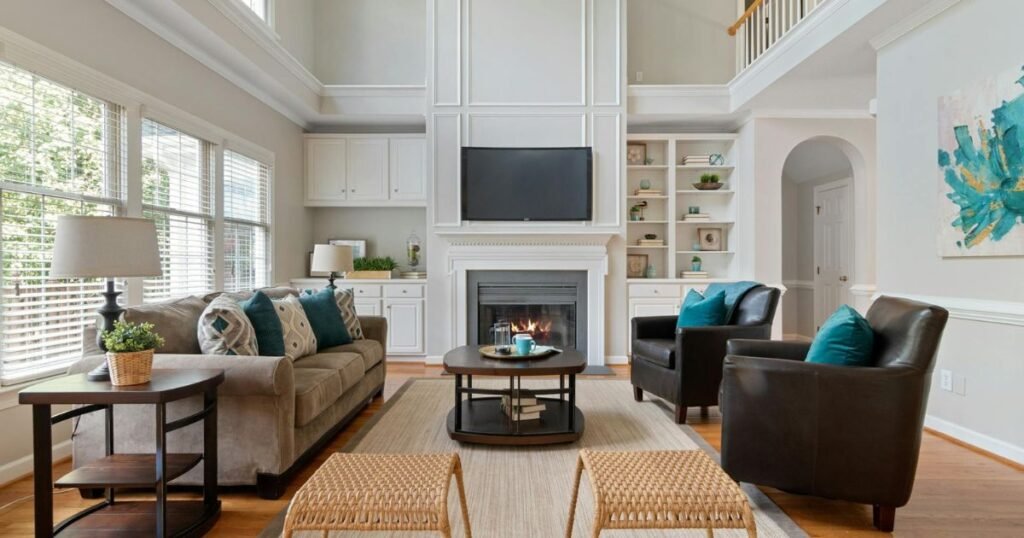
A Japandi Carpet Living Room perfectly balances Japanese minimalism with Scandinavian warmth. This style celebrates clean lines, natural materials, and neutral tones while making the space feel inviting and lived in. Adding a carefully chosen carpet is one of the simplest ways to transform your living room. A Japandi carpet not only adds texture and comfort but also ties together furniture, décor, and natural elements in a seamless, calming way.
Whether your home is small or spacious, a carpet in your Japandi Living Room can define the seating area, enhance warmth, and elevate the overall aesthetic. Opt for understated designs that support the minimalist ethos while offering a tactile, cozy experience.
Choose Neutral and Natural Colores
The foundation of a Japandi Carpet Living Room lies in its soothing colour palette. Think warm beige, soft gray, muted taupe, and earthy browns. These shades create a calm backdrop that allows furniture, textiles, and décor to shine. A neutral carpet also complements the natural wood tones often used in Japandi interiors.
If you want a subtle pop, consider soft moss green or dusty blue accents. They add depth without breaking the minimalist harmony. Pair the carpet with linen throws, wool cushions, or a wooden coffee table to complete the cozy feel.
When selecting a carpet, look for natural fibres like wool, cotton, or jute. They provide warmth, durability, and a tactile comfort that synthetic materials often lack. A neutral base makes it easier to swap out accessories or furniture in the future without disrupting the room’s flow.
Opt for Minimalist Patterns
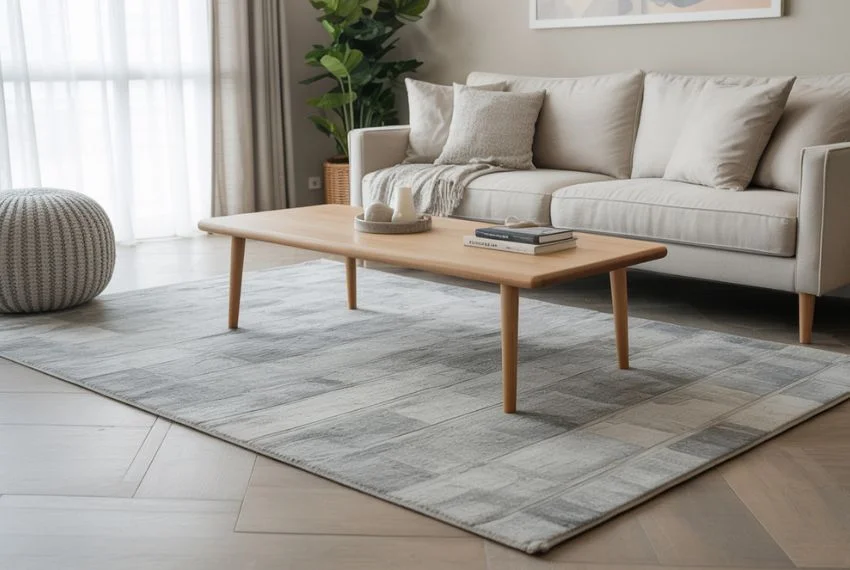
While plain carpets work beautifully, subtle patterns can elevate a Japandi Carpet Living Room without overwhelming it. Geometric shapes, soft stripes, or organic motifs are excellent choices. The key is simplicity—patterns should echo the understated elegance of Japanese and Scandinavian design principles.
Consider hand-woven rugs or those with slight tonal variations for added depth. They add visual interest while keeping the space airy. A minimalist pattern works especially well in larger living rooms where a plain carpet might feel too sparse.
Another tip: match the carpet’s pattern with other elements, like cushions, curtains, or a throw, for a cohesive look. This approach creates a gentle rhythm in the space without cluttering it.
Focus on Texture for Warmth
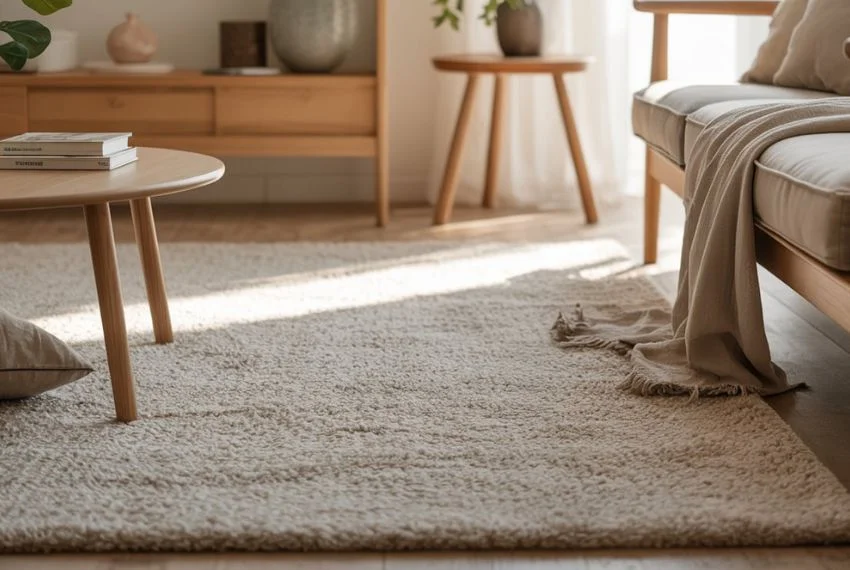
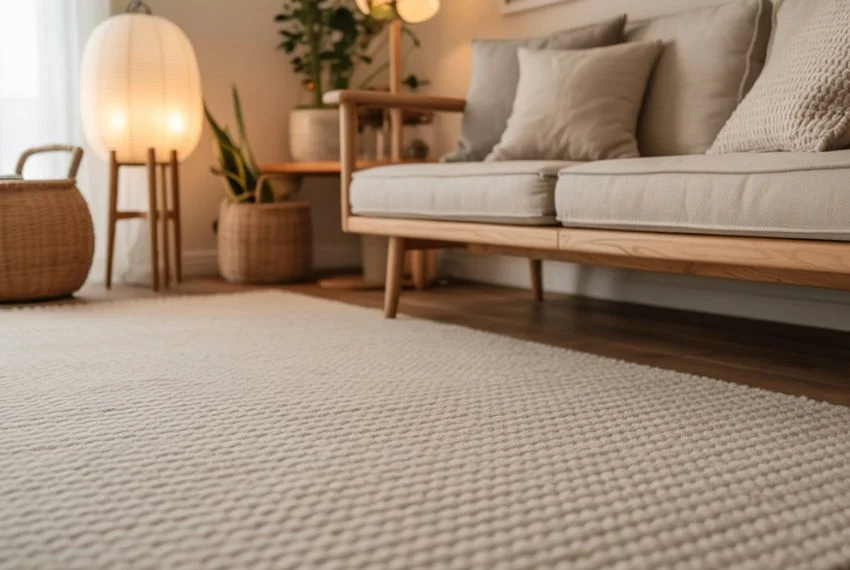
Texture is crucial in a Japandi Carpet Living Room. While minimalism emphasizes clean lines, texture prevents the space from feeling cold or stark. Wool, jute, or hand-knotted carpets introduce a soft, inviting layer underfoot.
Combine your carpet with other textured elements like knitted throws, linen cushions, or wooden furniture with a matte finish. This layering adds warmth and tactile variety while maintaining the minimalist aesthetic.
Consider rugs with a slightly raised pile for extra comfort in seating areas, or flat-weave options for dining spaces. Textured carpets can also anchor the room, helping to visually separate different functional zones in an open-plan living area.
Keep Proportions Balanced
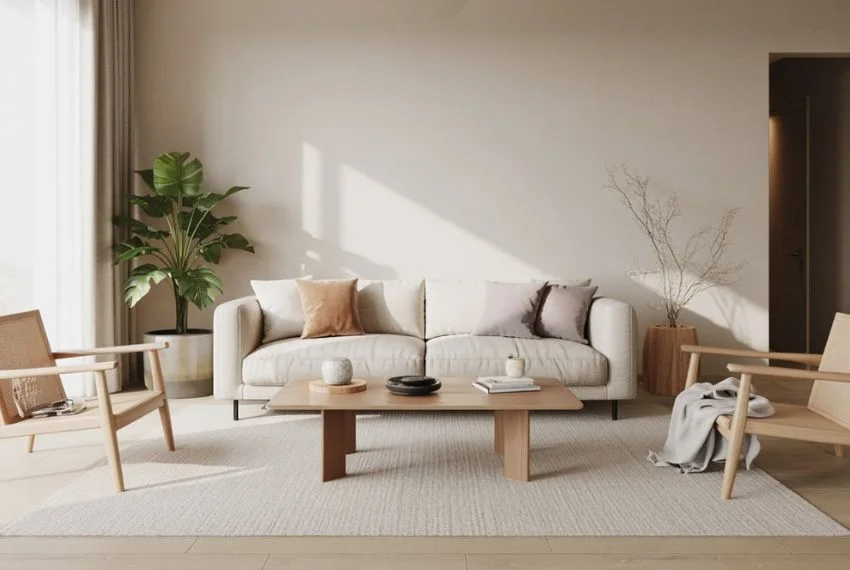
Proportion is vital in a Japandi Carpet Living Room. A carpet that’s too small can make the seating area feel disconnected, while an oversized rug may overwhelm the room’s minimalism. Ideally, the rug should extend beneath furniture to create cohesion.
Measure your seating area carefully. For example, the front legs of sofas and chairs should rest on the carpet to anchor the space. Leave some floor exposed around the edges to preserve a sense of openness. This balance ensures that the room feels both spacious and cozy.
For small apartments, choose a medium-sized rug to create intimacy without making the room feel cramped. In larger spaces, multiple layered rugs can define zones without disrupting the calm Japandi flow.
Layering for Subtle Sophistication
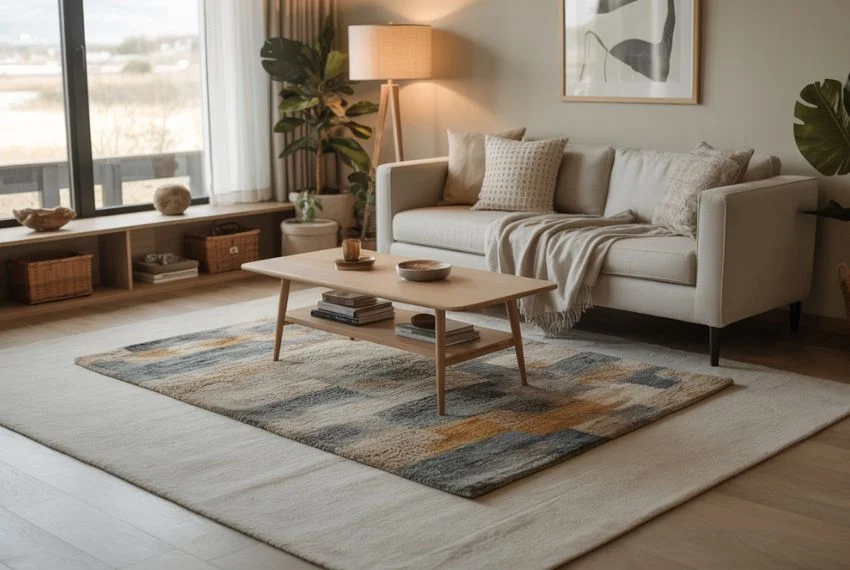
Layering rugs can add sophistication to a Japandi Carpet Living Room. Start with a larger neutral base rug and layer a smaller, subtly patterned rug on top. This creates depth, texture, and visual intrigue without compromising the minimalist style.
Layering also allows you to experiment with colour, texture, and pattern on a small scale. For instance, a jute rug underneath a soft wool rug brings natural warmth and a cozy feel. It’s an excellent trick for open-plan spaces or living rooms that double as entertainment areas.
Layered carpets work particularly well when paired with low wooden furniture and minimalist décor. They help define the seating area and create a cozy, grounded atmosphere without cluttering the room visually.
Final thoughts
A Japandi Carpet Living Room combines minimalism, warmth, and mindful design. Choosing the right carpet enhances these qualities, anchoring the space while adding comfort and style. Focus on neutral colours, tactile textures, understated patterns, and proper proportions to achieve a balanced, inviting room.
A well-chosen Japandi carpet ties the entire living room together, making it feel cohesive, cozy, and effortlessly elegant. It’s the perfect way to bring Japanese simplicity and Scandinavian warmth into your home, creating a serene space that you’ll love spending time in.
Also read about Cool Blue Interiors That Give Homes a Calm, Icy Sophistication.
FAQs
Q1: What is a Japandi Living Room?
A Japandi Living Room combines Japanese minimalism with Scandinavian comfort, emphasizing natural materials, neutral colors, and clean, functional design.
Q2: Which carpets suit a Japandi Living Room best?
Opt for neutral, textured carpets made from wool, cotton, or jute. Subtle patterns are optional, but simplicity is key.
Q3: Can I layer carpets in a Japandi Living Room?
Yes! Layering a smaller patterned rug over a neutral base adds depth and sophistication without breaking the minimalist aesthetic.
Q4: How can I make a Japandi Living Room feel cozy?
Combine soft textures, warm tones, natural wood, and minimalist furniture. Layering textiles and using tactile carpets will enhance comfort.