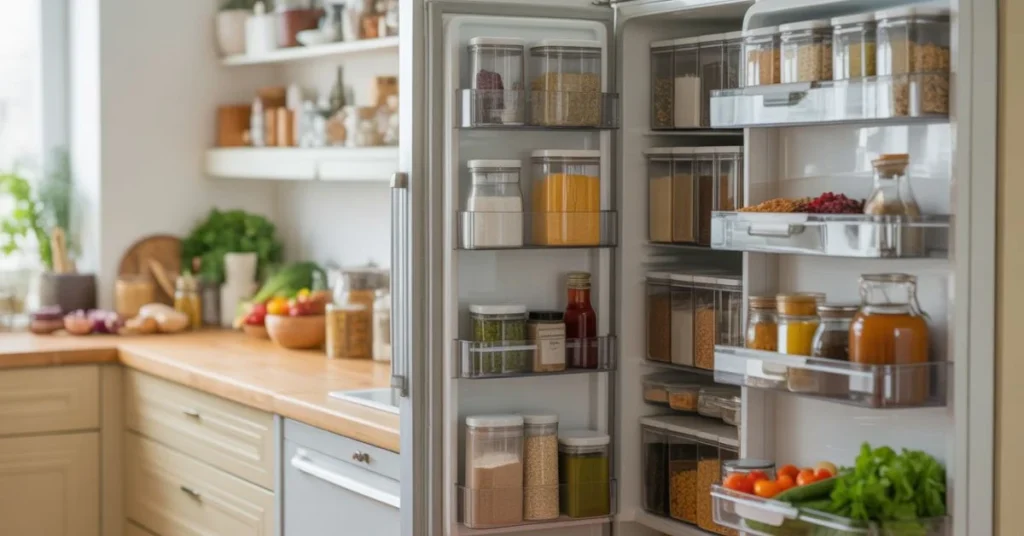
A Stocked Capsule Kitchen is more than just a minimalist approach—it’s a strategy for stress-free cooking, saving money, and reducing food waste. Imagine opening your pantry and fridge to find only versatile, high-quality ingredients that allow you to create a variety of meals effortlessly. With a Stocked Capsule Kitchen, you always have the essentials ready, making everyday cooking faster, simpler, and more enjoyable. This guide will walk you through the key elements, pantry essentials, and smart organization tips to always maintain a Stocked Capsule Kitchen.
What is a Stocked Capsule Kitchen?
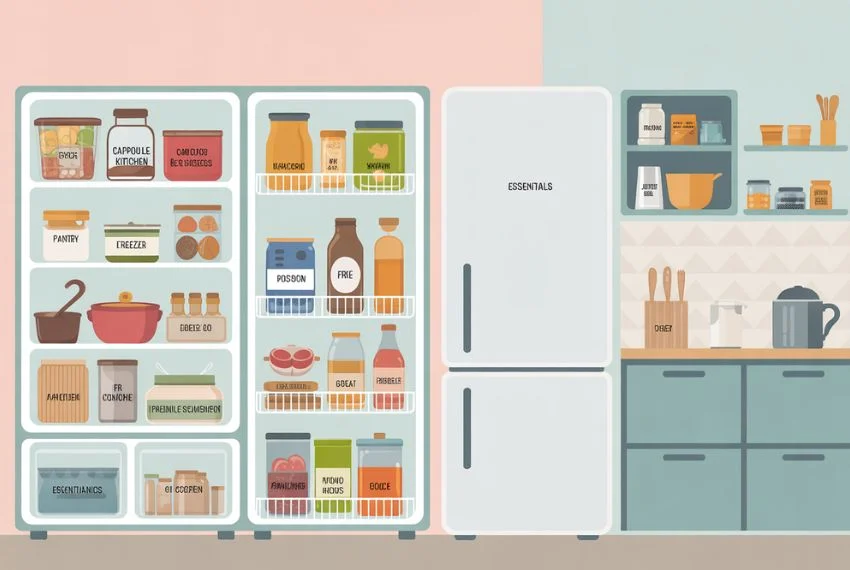
A Stocked Capsule Kitchen is a curated collection of pantry, fridge, and freezer essentials that form the foundation of your meals. The idea is to keep only what you truly need—versatile staples, high-quality ingredients, and items that mix and match easily. Unlike traditional kitchens, a Stocked Capsule Kitchen minimizes clutter, prevents impulse purchases, and ensures you always have ingredients on hand for quick, healthy meals.
Pantry Essentials for a Stocked Capsule Kitchen
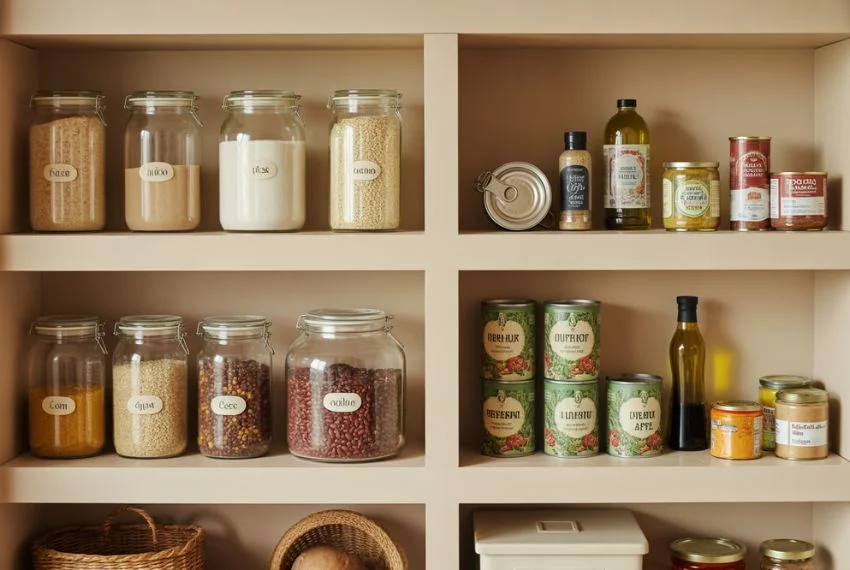
The pantry is the backbone of a Stocked Capsule Kitchen. Key items to keep include:
- Whole grains: rice, quinoa, oats
- Legumes: lentils, chickpeas, beans
- Canned goods: tomatoes, coconut milk, tuna
- Oils and vinegars: olive oil, avocado oil, balsamic vinegar
- Spices and herbs: salt, pepper, paprika, dried herbs
These staples allow you to prepare countless meals, from soups and stews to stir-fries and salads, all while maintaining a Stocked Capsule Kitchen that is functional and efficient.
Fridge Staples to Always Have
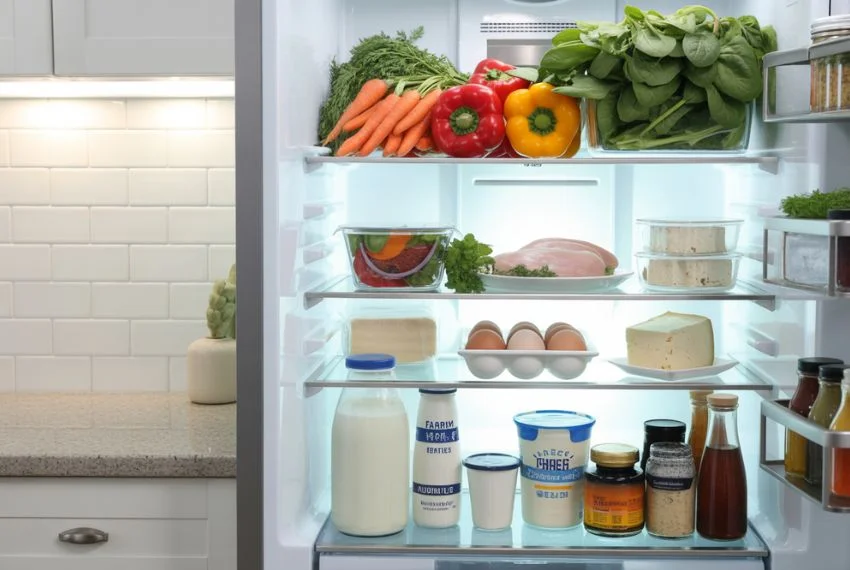
A Stocked Capsule Kitchen isn’t complete without a well-maintained fridge. Essential fridge items include:
- Fresh vegetables: carrots, bell peppers, spinach
- Proteins: eggs, chicken, tofu
- Dairy or alternatives: milk, yogurt, cheese
- Condiments: mustard, soy sauce, hot sauce
Keeping your fridge stocked ensures you can whip up meals quickly, support healthy eating habits, and maintain your Stocked Capsule Kitchen philosophy.
Freezer Essentials for Convenience
The freezer is a lifesaver for any Stocked Capsule Kitchen. Key freezer staples:
- Frozen vegetables and fruits for smoothies and stir-fries
- Meat or plant-based proteins for last-minute meals
- Pre-cooked grains or beans for quick assembly meals
A Stocked Capsule Kitchen with a well-organized freezer makes meal prep stress-free and reduces food waste.
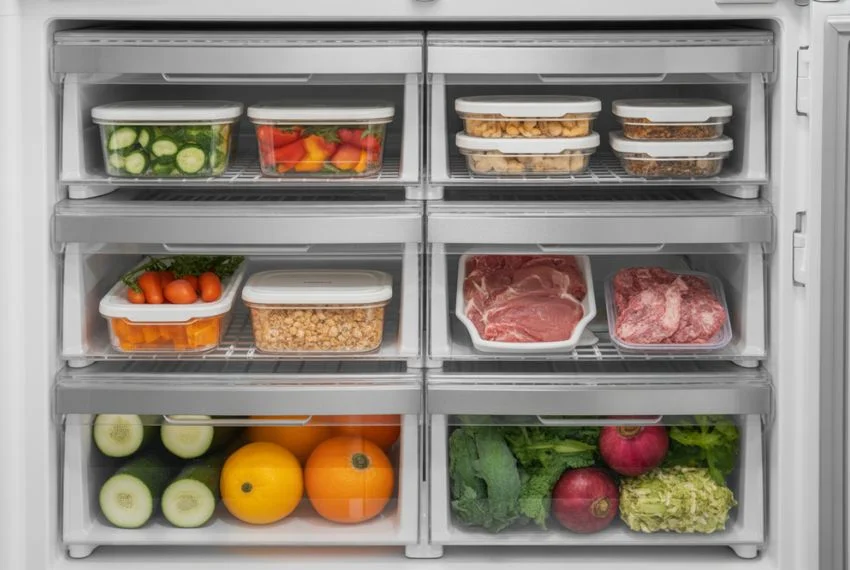
Smart Storage and Organization Tips
To maintain your Stocked Capsule Kitchen, organization is key:
- Use clear jars and labeled containers to see what you have at a glance
- Rotate older ingredients to the front to prevent spoilage
- Group items by category for faster meal prep
A well-organized Stocked Capsule Kitchen saves time, reduces waste, and makes cooking enjoyable.
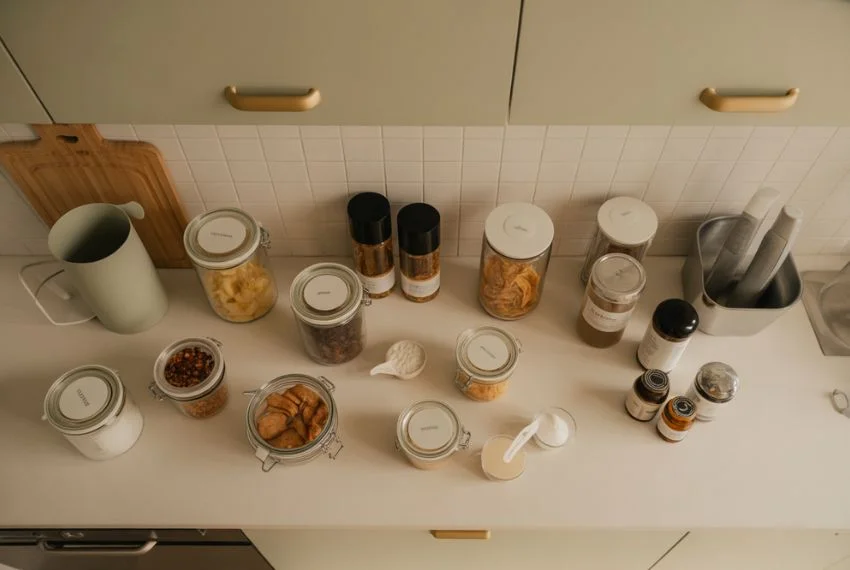
Meal Planning in a Stocked Capsule Kitchen
Meal planning is easier when your kitchen is fully stocked. With a Stocked Capsule Kitchen, you can:
- Plan weekly meals without last-minute grocery trips
- Mix and match pantry, fridge, and freezer staples for variety
- Save time and money by using what you already have
By sticking to your capsule kitchen essentials, you can enjoy healthy, balanced meals every day.
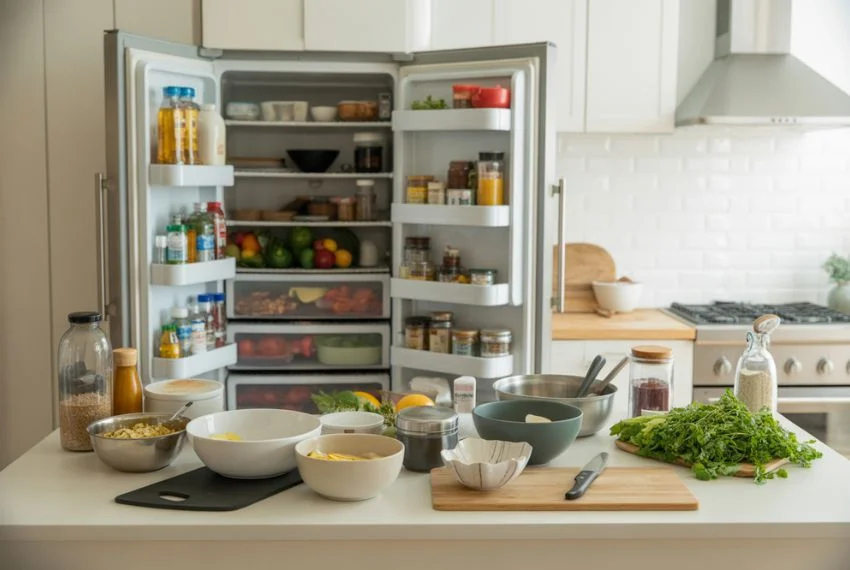
Final Thoughts
A Stocked Capsule Kitchen transforms how you approach cooking, shopping, and meal prep. By keeping your pantry, fridge, and freezer filled with versatile, high-quality essentials, you ensure that every meal is stress-free and efficient. Start building your Stocked Capsule Kitchen today and enjoy a simpler, more organized, and enjoyable cooking experience.
Also Read About From Barn to Beauty: Inspiring Barndominium Kitchen Designs.
FAQs
1. How often should I restock my capsule kitchen?
Restock your Stocked Capsule Kitchen weekly or bi-weekly to ensure freshness and avoid running out of essentials.
2. Can I include snacks in my Stocked Capsule Kitchen?
Yes, keep a few healthy, versatile snacks like nuts, dried fruits, or granola bars.
3. Do I need to buy everything at once?
No, gradually build your Stocked Capsule Kitchen based on your cooking habits and dietary preferences.