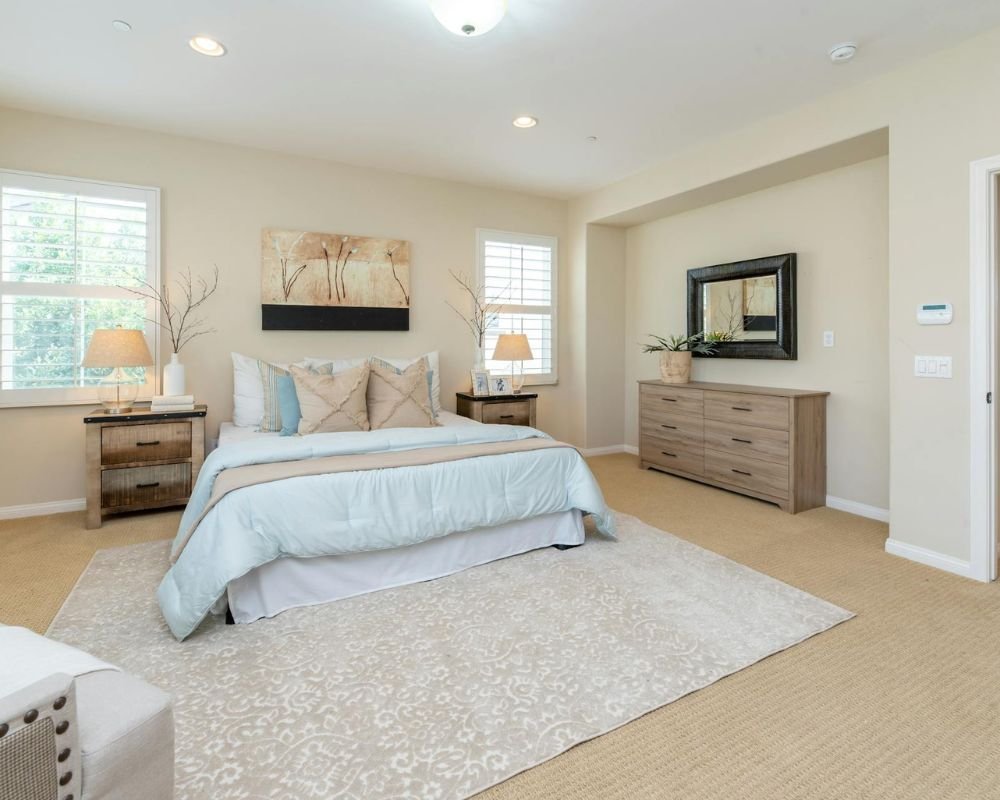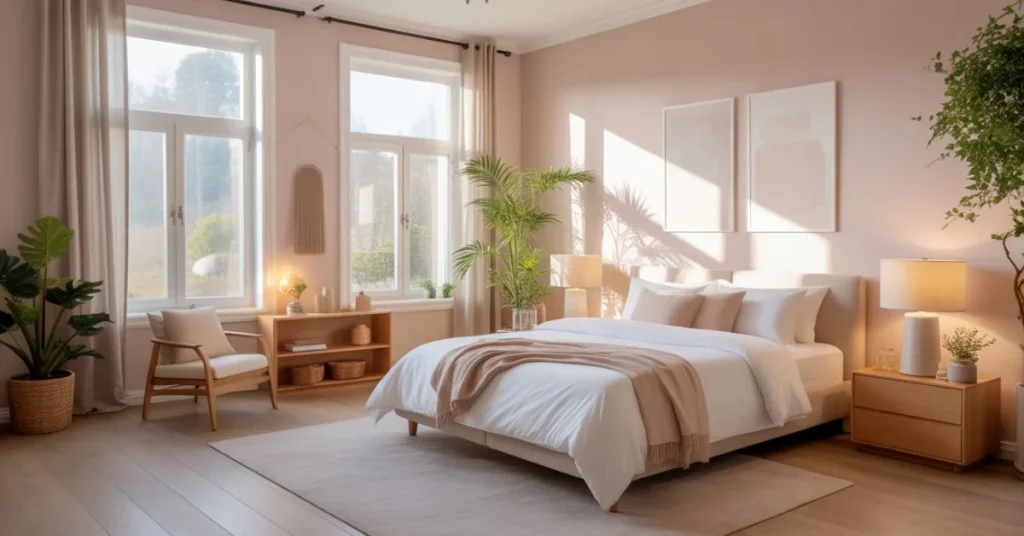
Creating a peaceful and balanced bedroom isn’t just about picking beautiful furniture—it’s about arranging your space to promote rest, relaxation, and positive energy. A proper Feng Shui Bedroom Layout can transform your sleep quality, emotional well-being, and even your relationships. This guide will walk you through practical tips to design your bedroom according to Feng Shui principles, making it a sanctuary for calm and harmony.
Why Feng Shui Bedroom Layout Matters
A Feng Shui Bedroom Layout focuses on energy flow, also known as Chi. When your bedroom is arranged properly, it allows positive energy to circulate freely, supporting relaxation and rejuvenation. Clutter, poor furniture placement, or harsh lighting can block this energy, leading to restless nights and stress. By following simple Feng Shui rules, you can create a bedroom that feels open, balanced, and inviting.
Position Your Bed for Optimal Energy
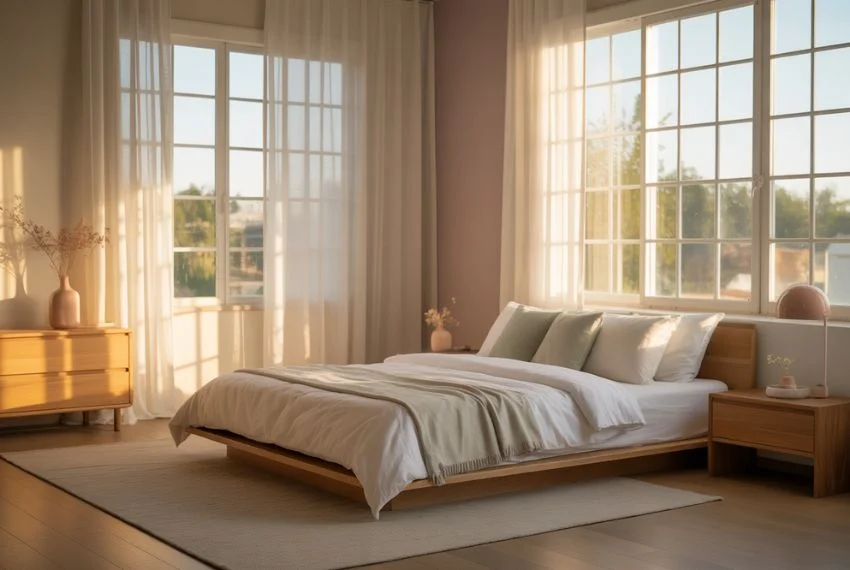
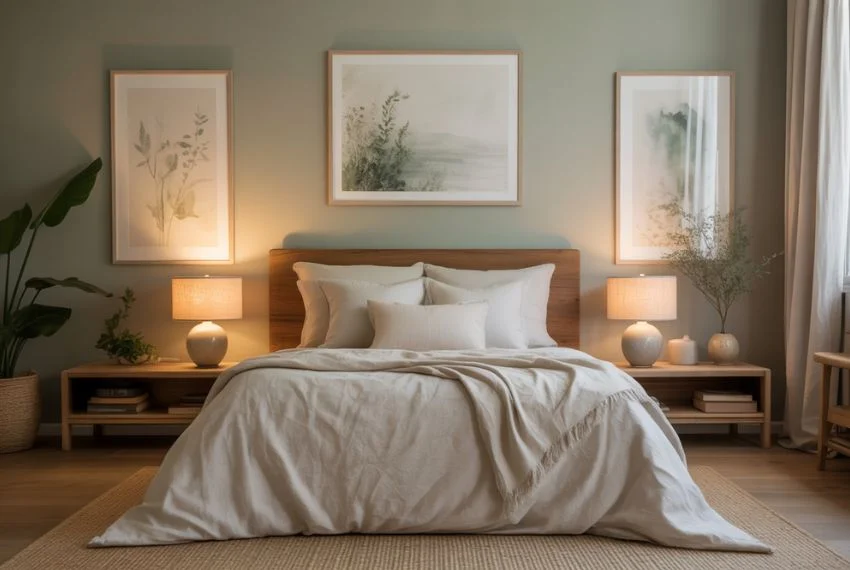
The bed is the centerpiece of a Feng Shui Bedroom Layout. Place it in the “command position,” ideally against a solid wall and diagonally opposite the door. Avoid placing the bed directly in line with the doorway, as this can disrupt energy flow and create a sense of vulnerability. Use a sturdy headboard for support, which symbolizes stability in your life.
Tip: Keep nightstands on both sides for balance and symmetry.
Declutter for Calm and Clarity
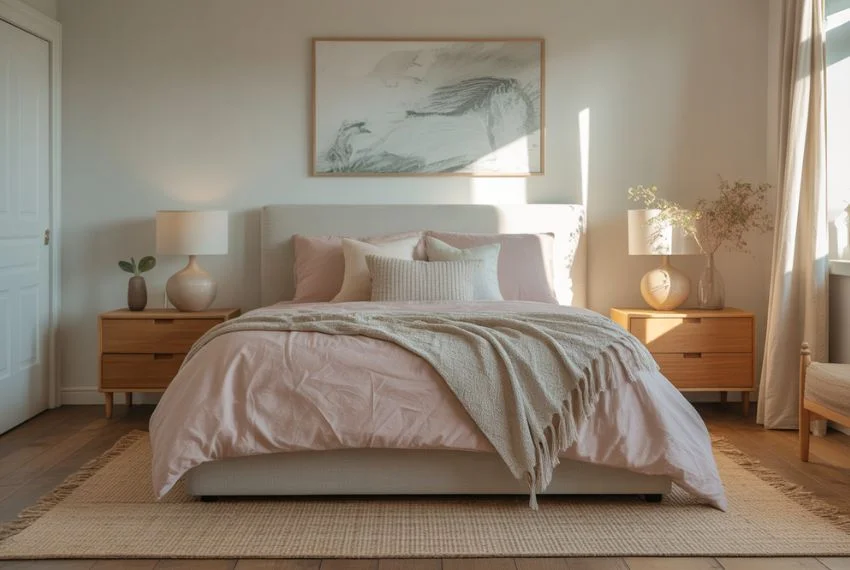
Clutter is one of the biggest disruptors of a harmonious Feng Shui Bedroom Layout. Remove unnecessary items, organize drawers, and keep surfaces clean. A tidy space encourages clear thinking and better sleep. Consider storage solutions that hide clutter, like under-bed drawers or stylish baskets.
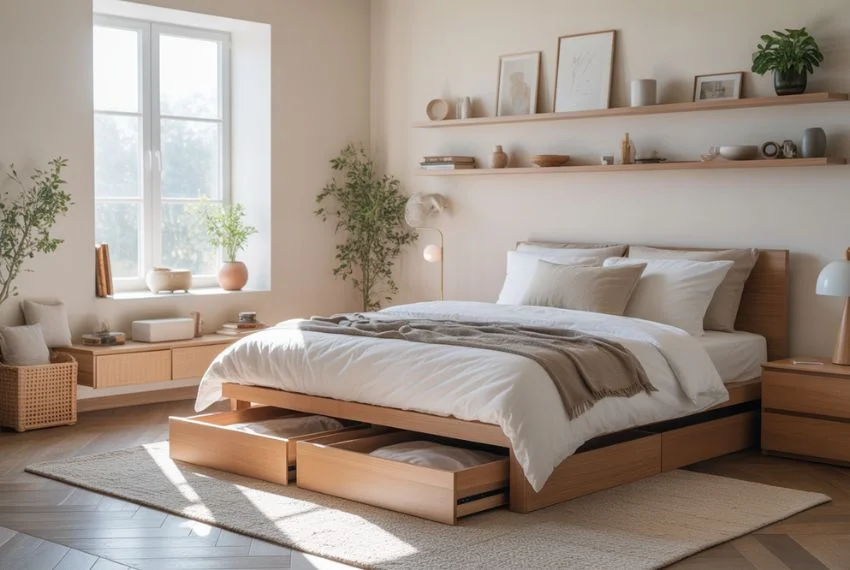
Use Soothing Colours and Natural Materials
Colours and materials play a vital role in a Feng Shui Bedroom Layout. Soft, muted tones like pastels, earth tones, or light blues promote calmness. Incorporate natural materials such as wood, cotton, or linen for furniture, bedding, and flooring. Avoid overly bright or harsh colors that can overstimulate your senses.
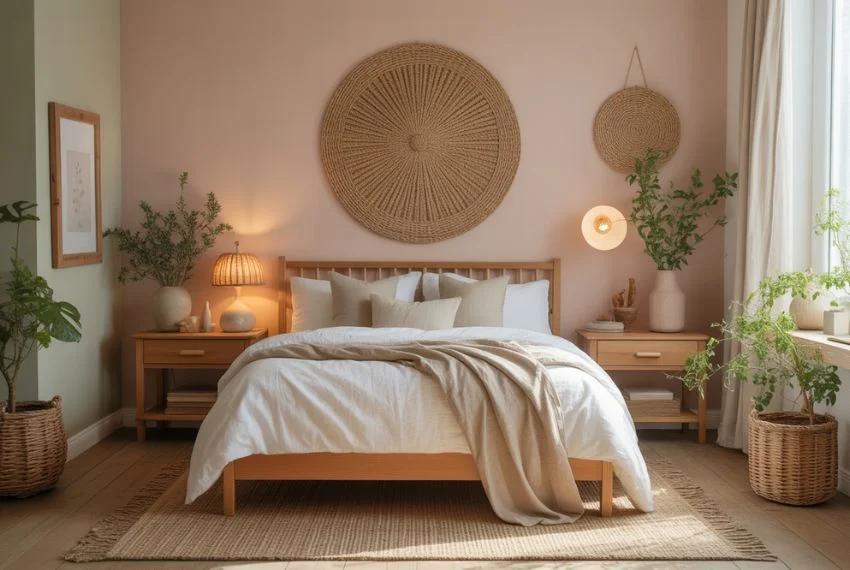
Balance Lighting and Airflow
Proper lighting enhances your Feng Shui Bedroom Layout. Aim for a combination of natural daylight and soft, warm artificial lights. Avoid harsh overhead lights; instead, use lamps or wall sconces for gentle illumination. Ensure good airflow to keep energy fresh—open windows regularly or use an air purifier.
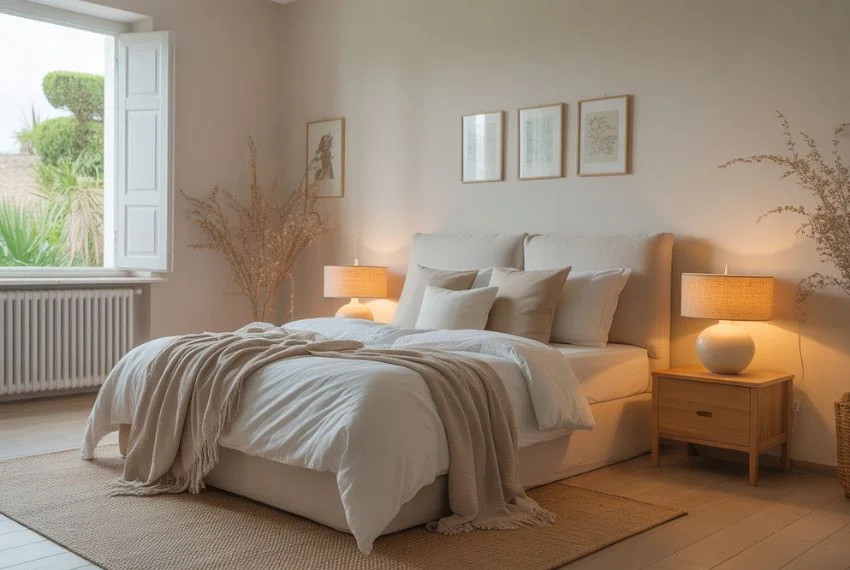
Add Elements of Nature
Incorporating nature into your Feng Shui Bedroom Layout promotes relaxation and harmony. Use potted plants, flowers, or natural artwork to connect with the outdoors. Choose low-maintenance plants like peace lilies or snake plants, which also improve air quality. Avoid large or aggressive plants that may feel overwhelming in a small space.
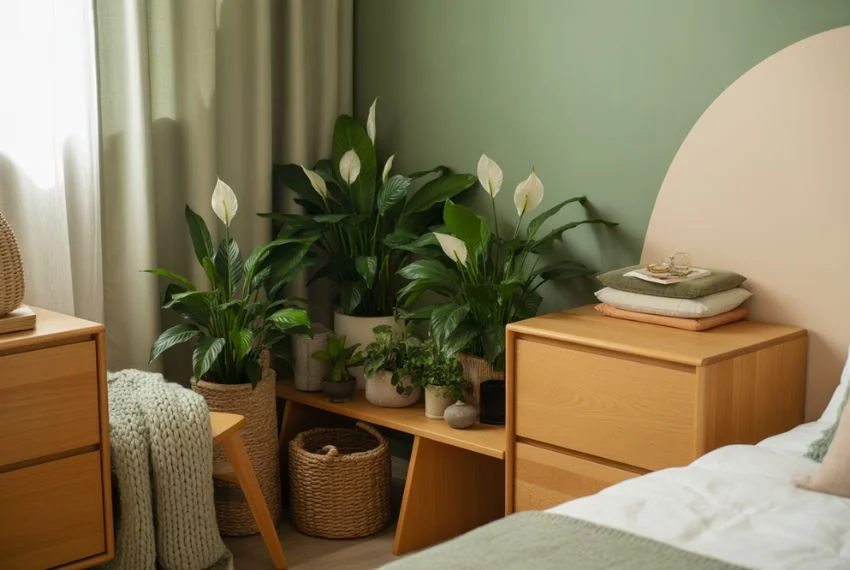
Mindful Decor Choices
Decor in a Feng Shui Bedroom Layout should inspire peace and positivity. Avoid mirrors that face the bed directly, as they can disturb sleep. Choose art and accessories that evoke calm emotions, like serene landscapes or abstract designs in soft tones. Personal touches should enhance tranquillity rather than create visual chaos.
Final Thoughts
A well-thought-out Feng Shui Bedroom Layout can do more than just improve the look of your room—it can enhance your sleep, energy, and overall sense of well-being. By positioning your bed correctly, decluttering, choosing soothing colours, balancing light, incorporating nature, and selecting mindful decor, your bedroom becomes a sanctuary of harmony and rest. Take the time to design your space carefully and experience the transformative benefits of Feng Shui.
Also Read About Boost Positive Energy with These Feng Shui Living Room Tips.
FAQs
Q1: Can I apply Feng Shui to a small bedroom?
Yes! Even in a small bedroom, you can optimize your Feng Shui Bedroom Layout by decluttering, using light colors, and keeping furniture proportional.
Q2: What’s the best bed placement for Feng Shui?
The bed should be in the command position—against a solid wall and not directly aligned with the door.
Q3: Are mirrors bad in a Feng Shui bedroom?
Avoid mirrors facing the bed, as they can disrupt energy and sleep quality.
Q4: Which colours work best in a Feng Shui bedroom?
Soft tones like pastels, earth colours, and light blues create calm energy.