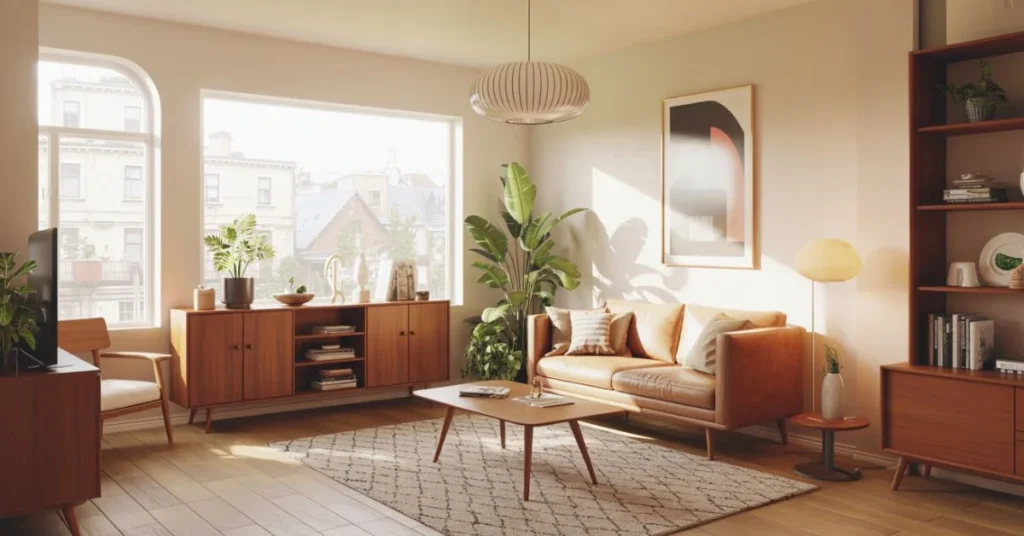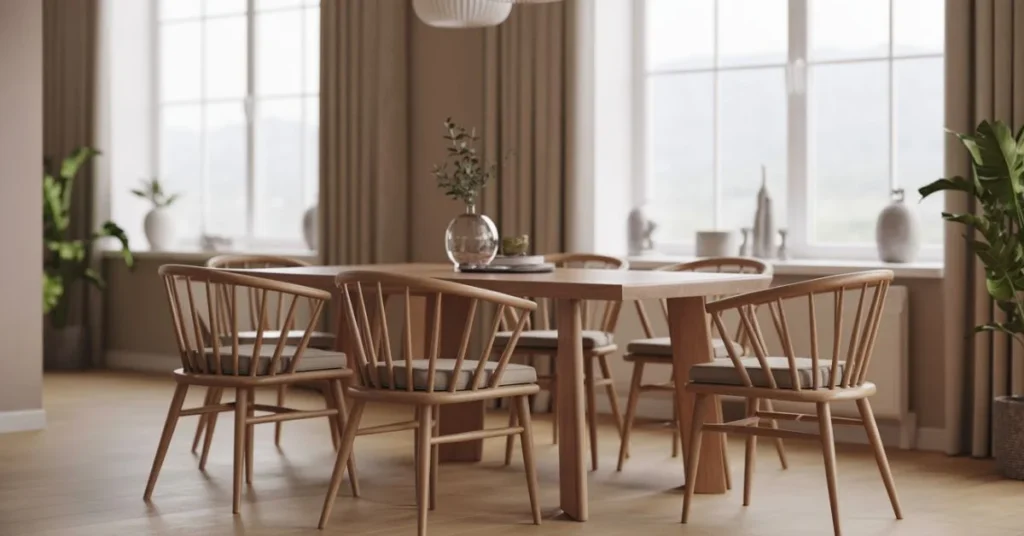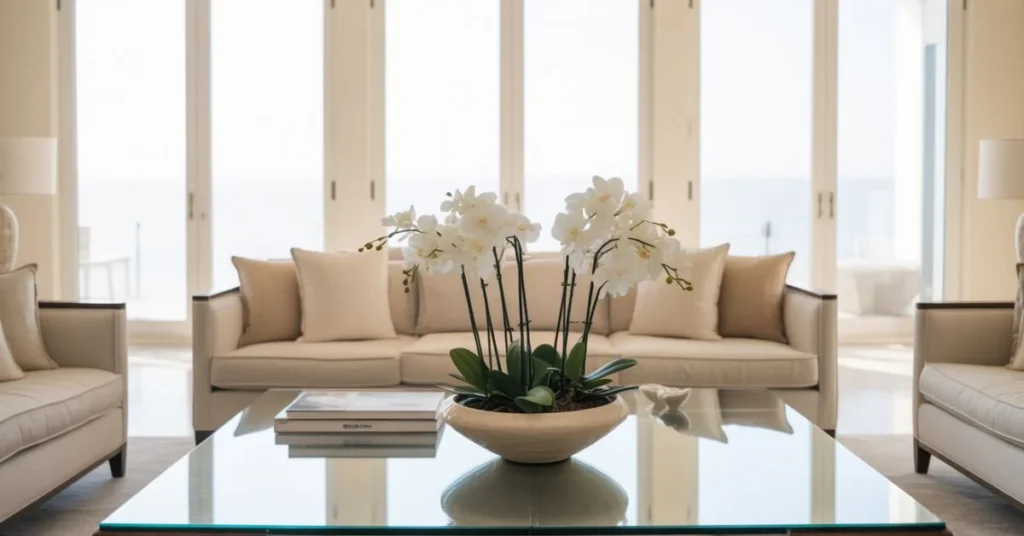
Selling a home is more than putting up a “For Sale” sign. Buyers decide within seconds whether a space feels right. That first impression can shape offers, negotiations, and even how quickly the property sells. This is where Home Staging becomes a powerful tool.
In today’s competitive real estate market, buyers scroll through listings on platforms like Zillow and Realtor.com before they ever step inside a property. If your home doesn’t stand out visually, it gets skipped. Strategic Home Staging helps create emotional appeal, highlight strengths, and reduce distractions.
When done correctly, it can increase perceived value and attract stronger offers. Whether you plan to stage professionally or handle it yourself, these techniques will help you maximize results and present your home with confidence.
The Strategic Impact of Home Staging on Property Value
Many homeowners underestimate how much presentation affects pricing. Home Staging is not about decorating for personal taste. It is about marketing.
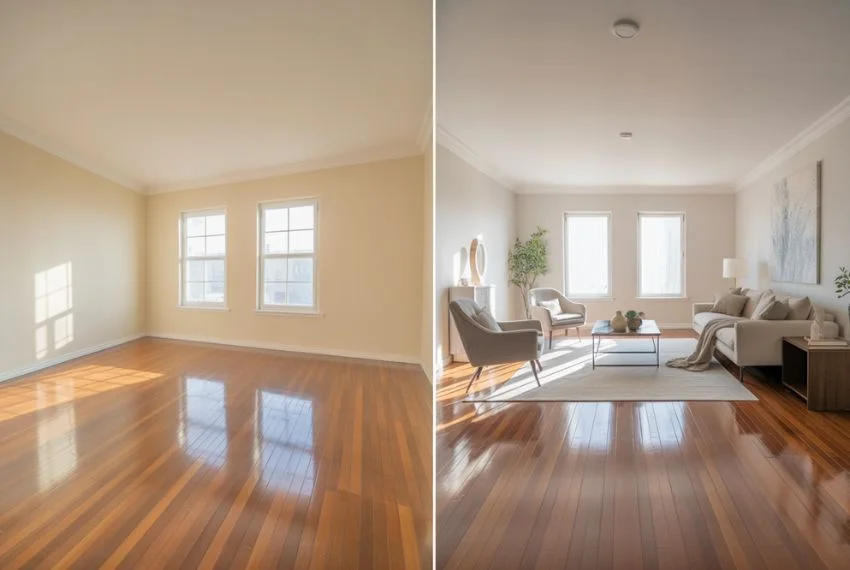
Professionally staged homes often photograph better, appear larger, and feel move-in ready. Buyers are more likely to see the full potential of each room when clutter and personal items are removed. Instead of imagining changes, they picture themselves living there.
Think of it this way: a staged home reduces buyer hesitation. When doubts decrease, offers increase. Strategic Home Staging also helps prevent lowball offers because the property feels polished and cared for.
Even small improvements — neutral paint, better lighting, rearranged furniture — can dramatically shift perception. The goal is simple: make your property look like the best option in its price range.
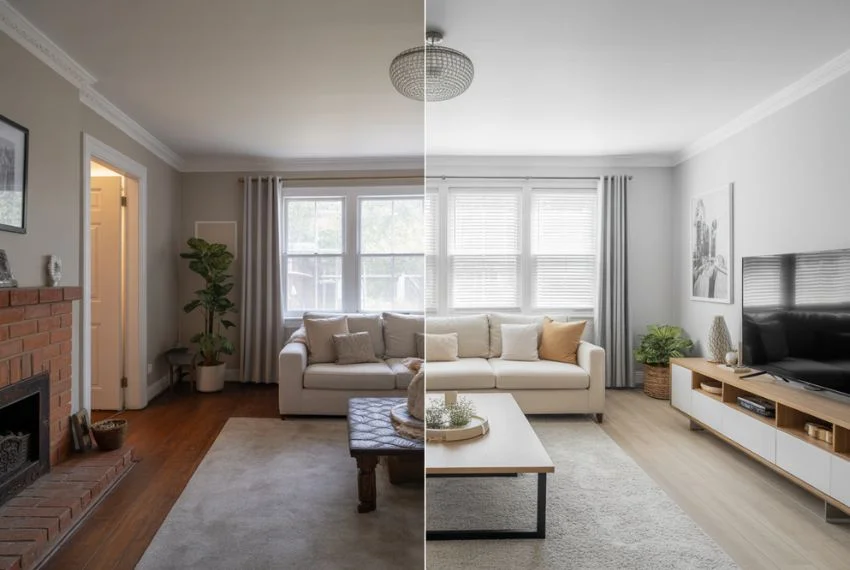
Creating a Powerful First Impression
Buyers form opinions before stepping inside. The exterior sets expectations.
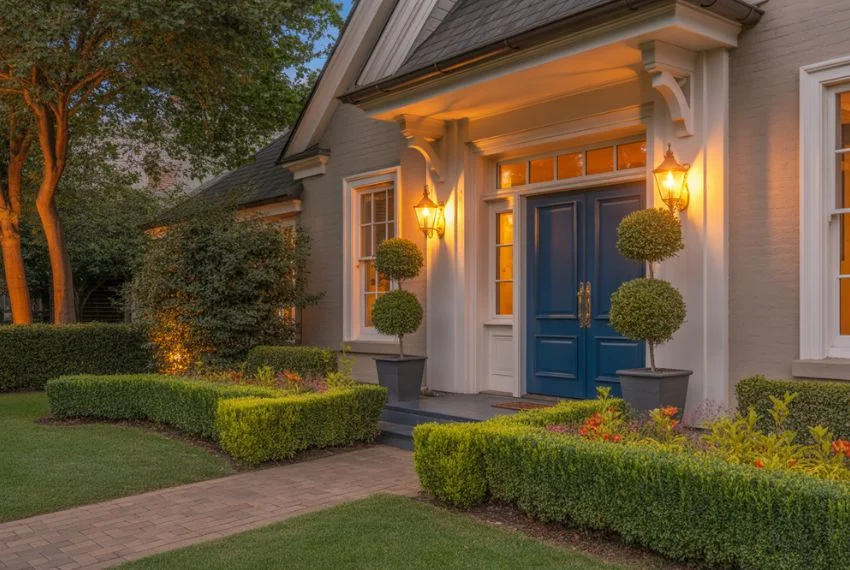
Start with curb appeal. Fresh landscaping, clean pathways, and a freshly painted front door create a welcoming entry. These small upgrades signal that the property is well maintained.
Inside, the entryway should feel open and inviting. Remove extra shoes, coats, and bulky furniture. A simple console table with a mirror can add light and depth.
Strategic Home Staging focuses heavily on this first visual impact. When buyers feel positive immediately, they carry that impression throughout the tour. A strong start builds emotional momentum.
Lighting also plays a big role. Open curtains, clean windows, and replace outdated bulbs with warm, bright lighting. Natural light increases perceived space and comfort.
Decluttering and Depersonalization: The Foundation of Success
Clutter distracts buyers. Personal photos, bold artwork, and unique decor can make it hard for visitors to imagine the space as their own.
Effective Home Staging begins with simplifying. Remove excess furniture to make rooms appear larger. Clear kitchen counters except for a few tasteful accents. Organize closets — buyers will look inside.
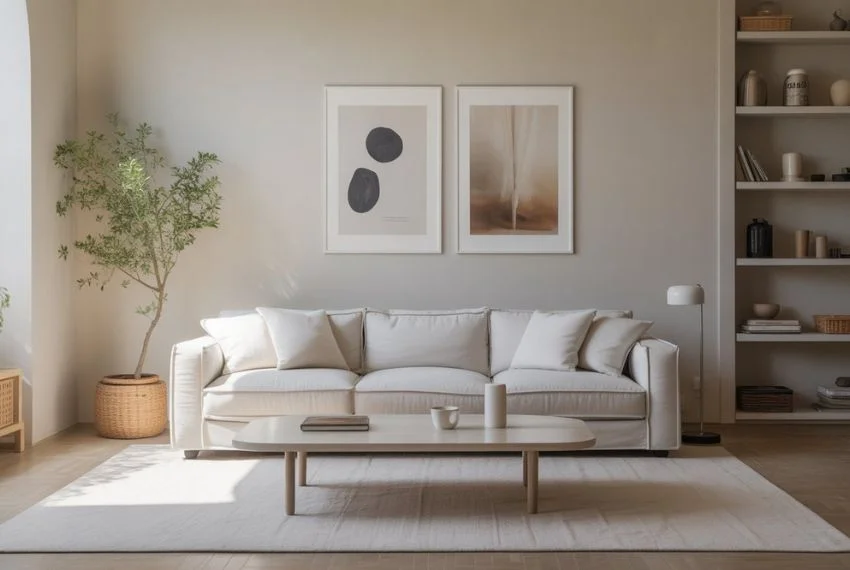
Depersonalizing does not mean making the home cold. It means creating a neutral canvas. Soft tones, simple accessories, and balanced layouts help buyers visualize their future in the space.
A helpful tip: pack early. Anything you will not need before moving should be boxed up. This reduces clutter and prepares you for relocation at the same time.
When buyers see open, breathable rooms, they associate the home with comfort and possibility.
Optimizing Furniture Placement for Flow and Space
Furniture arrangement directly affects how large or small a room feels.
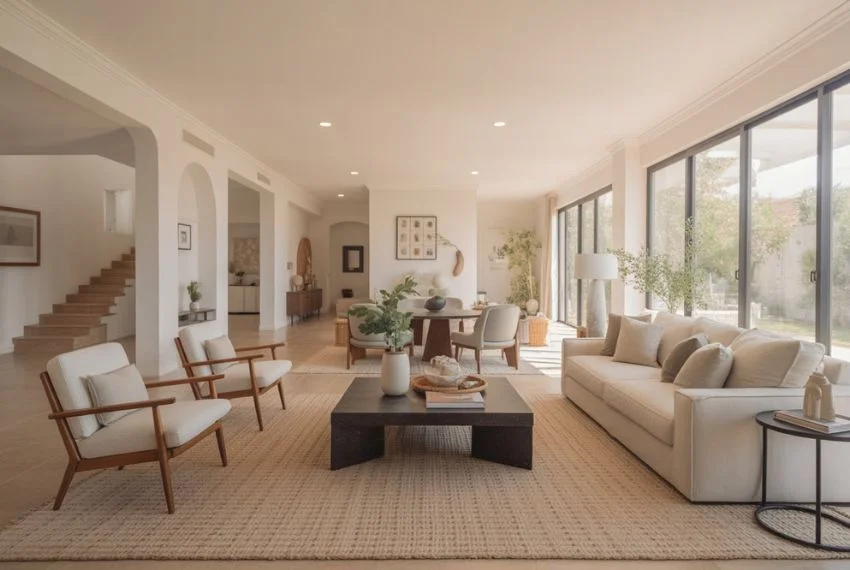
In Home Staging, less is often more. Oversized sofas, heavy chairs, or too many side tables shrink a room visually. Rearranging pieces to create walking space instantly improves flow.
Position seating to highlight focal points like fireplaces, large windows, or architectural details. Every room should have a clear purpose. If buyers hesitate about how to use a space, it reduces perceived value.
Dining areas should feel open yet defined. Bedrooms should feel calm and spacious. Remove extra dressers if needed. Make beds with crisp, neutral bedding for a clean look.
Good layout encourages movement. When buyers walk easily through a property, it feels larger and more functional.
Enhancing Key Rooms That Influence Buyer Decisions
Certain rooms have a greater impact on offers: the kitchen, living room, and primary bedroom.
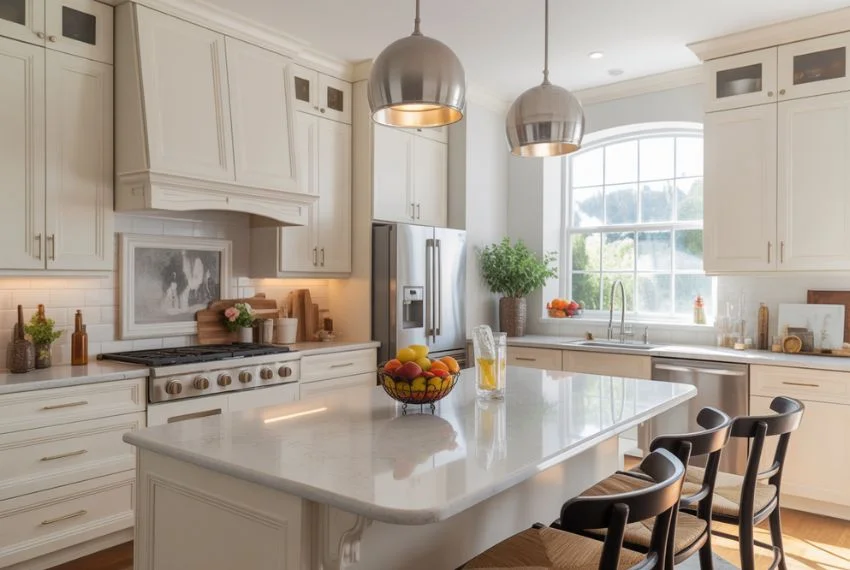
In the kitchen, clear countertops and add subtle accents like a bowl of fresh fruit or simple greenery. Replace outdated cabinet handles if needed. Even minor updates can refresh the space.
Bathrooms should feel spa-like. White towels, clean mirrors, and minimal products create a polished impression.
Strategic Home Staging prioritizes these high-impact areas because buyers focus on them most. If these spaces feel updated and inviting, the entire property benefits.
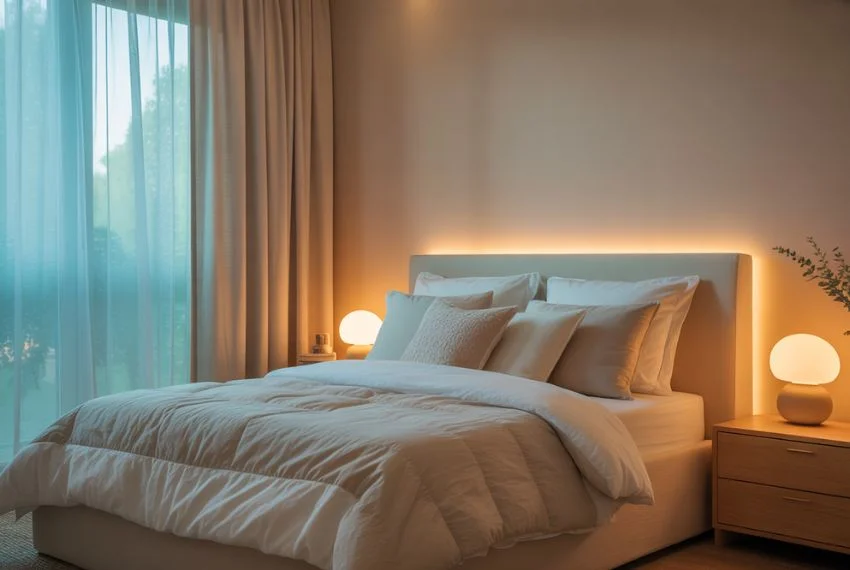
Bedrooms should feel restful. Use light bedding, balanced pillows, and minimal decor. Soft lighting can elevate the atmosphere instantly.
Investing attention in these spaces delivers the highest return.
Leveraging Colour Psychology and Lighting
Colour influences mood more than most sellers realize.
Neutral shades like soft beige, light gray, and warm white appeal to broader audiences. Bold walls may reflect personality, but they can limit buyer interest. Strategic repainting is often one of the most effective Home Staging techniques.
Lighting enhances colour. Replace dim bulbs and add floor or table lamps to darker corners. Layered lighting — ceiling lights, lamps, and natural light — creates warmth and depth.
Mirrors can also increase brightness and make rooms feel larger. Place them opposite windows to reflect light naturally.
When a property feels bright and balanced, it photographs better and looks more attractive online.
Professional vs. DIY Home Staging: Choosing the Right Approach
Some homeowners prefer to handle Home Staging themselves. Others hire professionals for expert results.
Professional stagers understand market trends and buyer expectations. They may bring rental furniture and decor to enhance presentation. While this costs more upfront, it can increase sale price and reduce time on market.
DIY staging works well when homeowners focus on decluttering, rearranging, and refreshing paint. Researching buyer preferences in your local market helps guide decisions.
If your property is vacant, professional staging may be more impactful. Empty rooms often feel smaller and less inviting.
Evaluate your budget, timeline, and property condition before choosing your approach. Either way, thoughtful Home Staging increases your competitive advantage.
Final Note
Selling a home is both a financial and emotional decision. Strategic Home Staging bridges the gap between listing and sold.
By improving first impressions, optimizing layout, enhancing lighting, and focusing on high-impact areas, you create a property buyers remember. These techniques do more than improve appearance — they increase perceived value.
In a market driven by online listings and visual appeal, thoughtful Home Staging positions your property ahead of the competition. When buyers walk in and immediately feel at home, stronger offers often follow.
Also read about Trending Wood Backsplash Kitchen Ideas Homeowners Love.
FAQs
1. Does Home Staging really increase sale price?
Yes. Proper Home Staging can increase perceived value and reduce time on market, often leading to better offers.
2. How much should I spend on Home Staging?
Costs vary. Many homeowners spend 1–3% of the listing price, depending on whether they stage professionally or DIY.
3. Can I stage my home while living in it?
Absolutely. Focus on decluttering, neutral decor, and maintaining daily cleanliness.
4. Is Home Staging necessary in a seller’s market?
Even in strong markets, staged homes stand out online and may attract multiple offers.