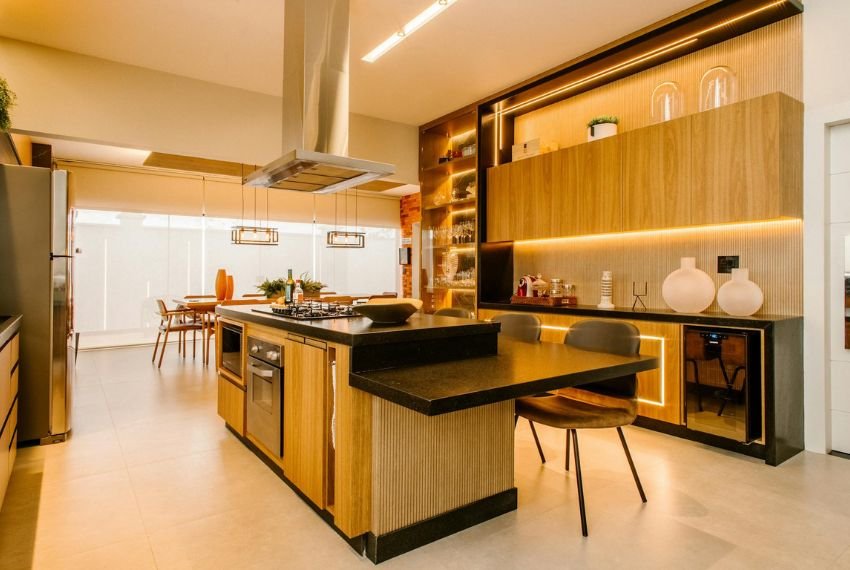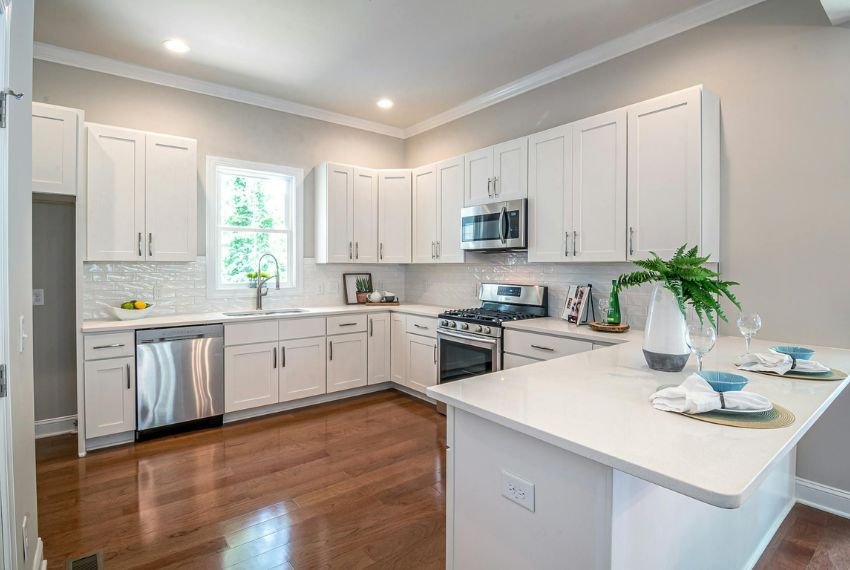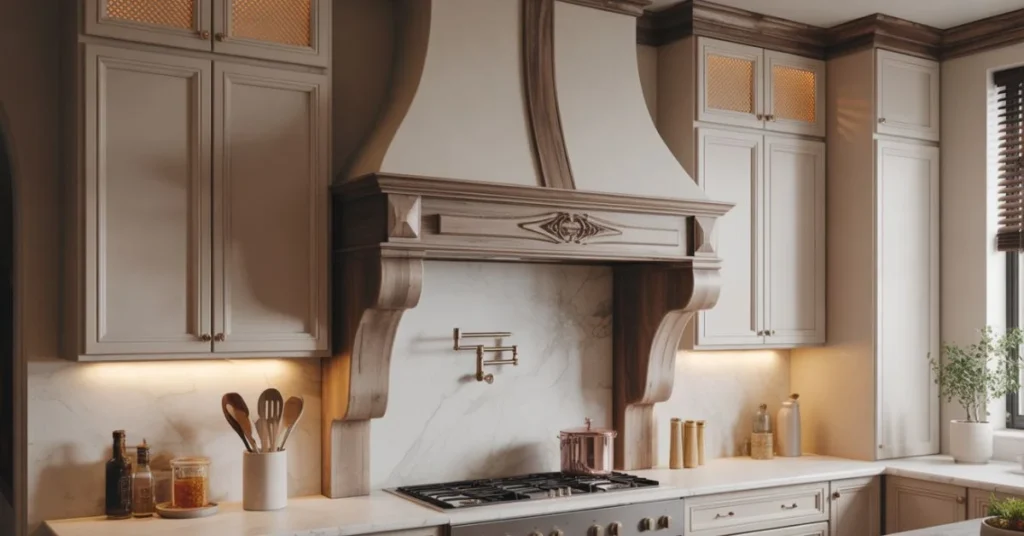
A kitchen often feels incomplete when the range hood looks plain or bulky. Many homes come with simple metal vents that work well but lack style. That is where a DIY Vent Hood Cover can make a huge difference. Instead of replacing the entire hood system, you can build a custom cover that hides the vent and turns it into a design feature.
Homeowners love this project because it is affordable and flexible. With the right materials and a little planning, a DIY Vent Hood Cover can match farmhouse kitchens, modern spaces, or classic interiors. Some people prefer wood panels for warmth, while others choose plaster or shiplap for a softer, built-in look.
Another advantage is personalization. You can adjust the height, shape, and finish to match your cabinets and backsplash. I once visited a friend who built a wooden hood cover over a basic vent fan. The kitchen instantly looked like it belonged in a magazine.
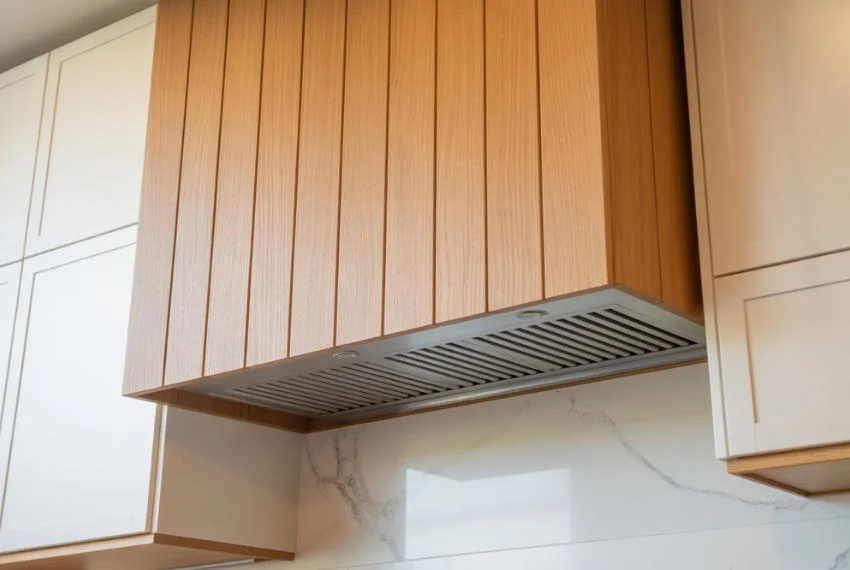
Classic Wooden Box Vent Hood Cover
One of the simplest ways to upgrade your kitchen is with a wooden box-style DIY Vent Hood Cover. This design creates clean lines and blends nicely with cabinets.
Start by building a basic frame using lightweight wood boards. The frame attaches to the wall around your existing vent hood. Once secured, cover the structure with plywood panels. After sanding the edges, paint or stain the wood to match your kitchen cabinets.
This project works especially well in modern or transitional kitchens because the design looks simple and polished. You can also add trim around the bottom edge for a more finished appearance.
Many homeowners choose white paint for a bright look, but darker stains create a rich contrast against light cabinets. The beauty of this DIY Vent Hood Cover style is that it hides metal vents while still allowing proper airflow.
If you want a quick upgrade that feels professional, the wooden box hood cover is one of the easiest options to build.
Farmhouse Shiplap Vent Hood Cover
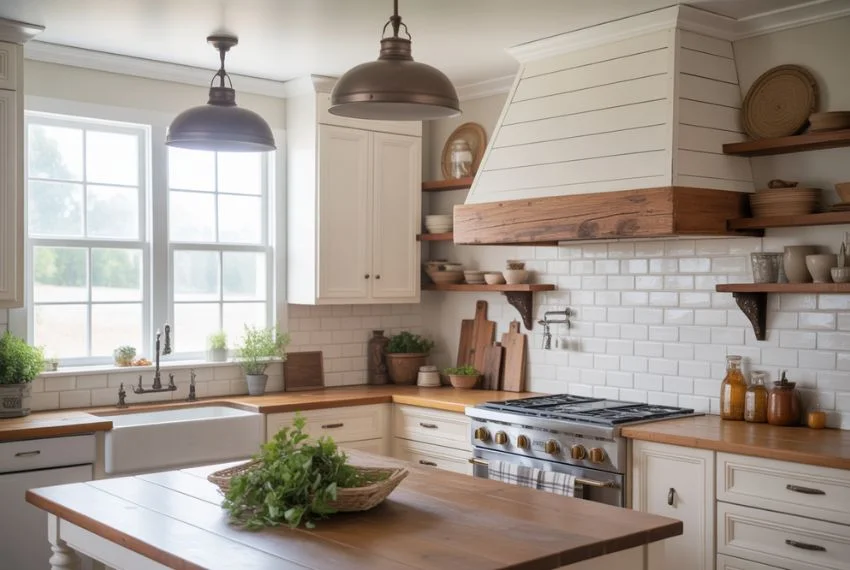
Farmhouse kitchens continue to be popular, and a shiplap DIY Vent Hood Cover fits perfectly into this style. The horizontal wood boards add texture and warmth to the kitchen.
Begin by building a triangular or box-shaped frame over the vent hood. Once the frame is secure, attach shiplap boards across the surface. Keep the spacing consistent so the lines look clean and intentional.
Painting the shiplap in white or cream creates that classic farmhouse charm. For a rustic feel, a soft gray or light wood stain works beautifully as well.
To complete the design, many homeowners add a small wood trim or a floating shelf along the bottom. This detail gives the DIY Vent Hood Cover a handcrafted look.
This project does not require advanced tools and the final result feels cozy and welcoming. It is perfect for kitchens with wood accents, apron sinks, and vintage lighting.
Curved Plaster Vent Hood Cover
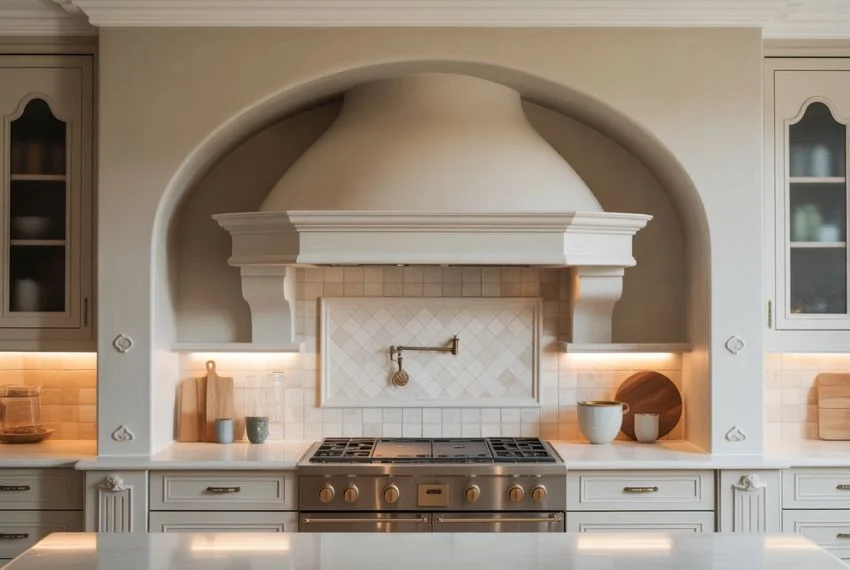
If you want something more elegant, a curved plaster DIY Vent Hood Cover can give your kitchen a luxury feel. This style often appears in Mediterranean or modern European kitchens.
Instead of sharp angles, this design features soft curves. Start with a wooden or metal frame shaped like a gentle arch. Then attach drywall or backer board over the frame to create the curved structure.
After the surface is smooth, apply plaster or joint compound to achieve that seamless look. Once painted, the DIY Vent Hood Cover appears like a built-in architectural feature rather than a separate appliance.
Neutral colours work best for this design. Soft beige, warm white, or light stone tones highlight the elegant curves.
Although this project requires patience, the final result can completely transform your kitchen and make it feel custom-designed.
Rustic Beam Vent Hood Cover
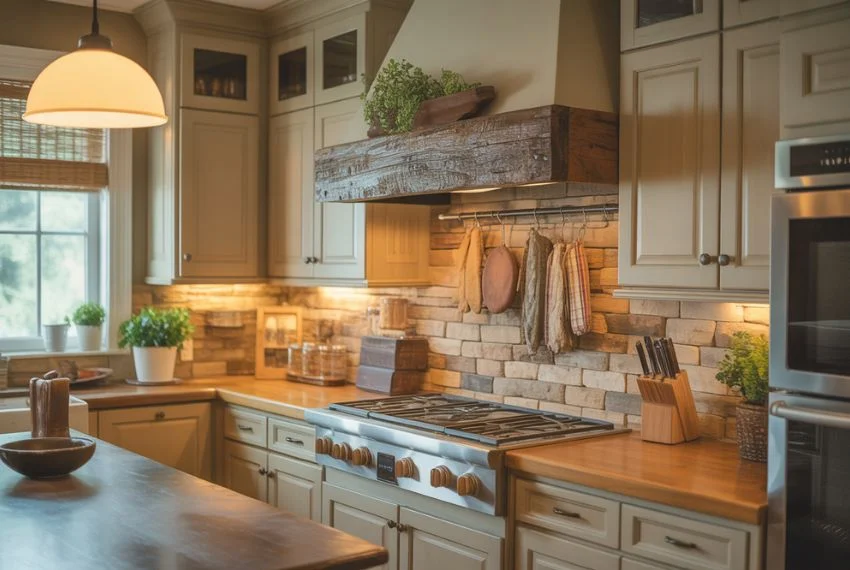
Rustic kitchens often feature wood beams and natural materials. A beam-style DIY Vent Hood Cover fits perfectly with that aesthetic.
Start by building a simple box frame around the vent hood. Instead of plain panels, attach reclaimed wood planks to the outside. These boards add character with natural grain and texture.
To enhance the rustic look, install a thick wood beam along the bottom edge of the hood cover. This beam becomes a strong visual element in the kitchen.
Many people use reclaimed barn wood for this project. The aged texture gives the DIY Vent Hood Cover a warm, authentic feel.
This design pairs beautifully with stone backsplashes, wooden cabinets, and farmhouse sinks.
Modern Minimal Vent Hood Cover
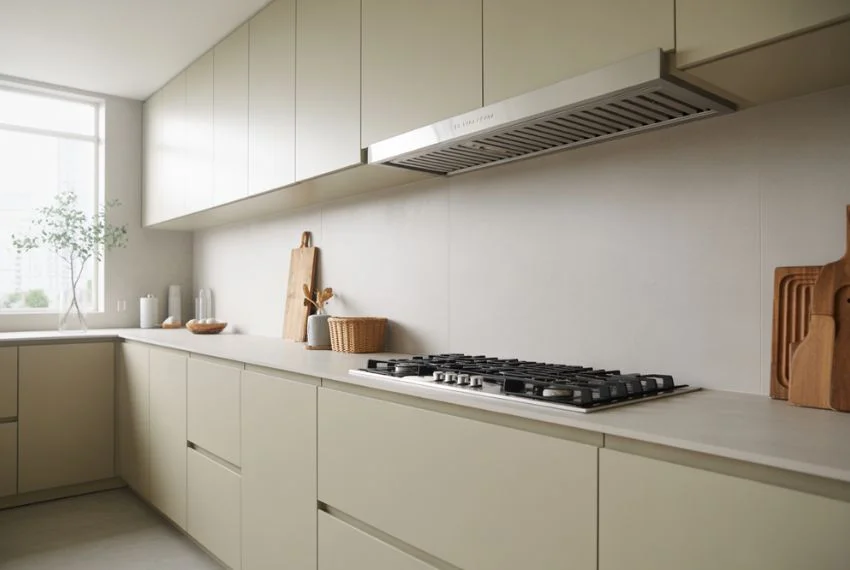
Minimalist kitchens focus on clean lines and simple surfaces. A sleek DIY Vent Hood Cover can help achieve that modern aesthetic.
For this design, build a narrow rectangular frame that aligns perfectly with upper cabinets. Cover the structure with smooth panels such as MDF or plywood.
After sanding, paint the entire hood cover the same colour as the cabinets. This creates a seamless look where the vent blends into the kitchen design.
Handleless cabinets and neutral tones work especially well with this approach. The result is a DIY Vent Hood Cover that feels understated but elegant.
Homeowners who prefer clutter-free kitchens often choose this modern design because it keeps the space visually calm and balanced.
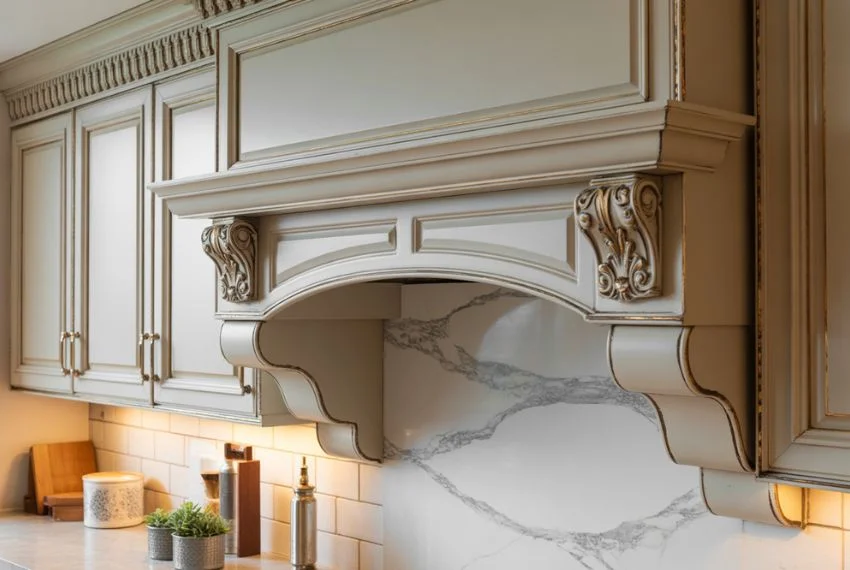
Decorative Trim Vent Hood Cover
Sometimes the small details make the biggest impact. A decorative trim DIY Vent Hood Cover adds charm without changing the entire kitchen layout.
Start with a simple wooden hood frame. Then attach decorative molding or trim along the edges. Crown molding, panel trim, or geometric patterns can all create unique designs.
After installation, paint the entire structure so the trim blends seamlessly into the cover.
This style works well in traditional kitchens where cabinets already feature decorative elements. The trim turns a basic DIY Vent Hood Cover into a beautiful centerpiece above the stove.
If you enjoy small design details, this project allows you to personalize the kitchen while keeping the construction fairly simple.
Final Thoughts
A well-designed DIY Vent Hood Cover can dramatically change how a kitchen looks and feels. Instead of letting a plain metal vent stand out, you can transform it into a stylish focal point.
From classic wooden boxes to curved plaster designs, there are many ways to build a DIY Vent Hood Cover that suits your space. Some styles focus on rustic warmth, while others create a sleek modern look.
The best part is that these projects are flexible. You can adjust the shape, color, and materials to match your cabinets and kitchen layout. Even a simple cover can make the entire cooking area feel more polished.
If you enjoy home improvement projects, building a custom hood cover is a rewarding way to upgrade your kitchen without spending a fortune.
Also Read About Burnt Orange Living Room Ideas That Add Warmth and Character to Your Home.
FAQs
Is it safe to build a DIY vent hood cover?
Yes, it is safe if you maintain proper clearance and ventilation around the range hood. Always follow manufacturer guidelines and local building codes.
What materials are best for a DIY vent hood cover?
Common materials include plywood, MDF, shiplap boards, drywall, and plaster. The choice depends on the design style you want.
How much does a DIY vent hood cover cost?
Most homeowners spend between $50 and $200 depending on materials. Reclaimed wood or specialty finishes may increase the cost.
Can beginners build a vent hood cover?
Yes. Many DIY Vent Hood Cover designs use simple frames and panels, making them suitable for beginners with basic tools.