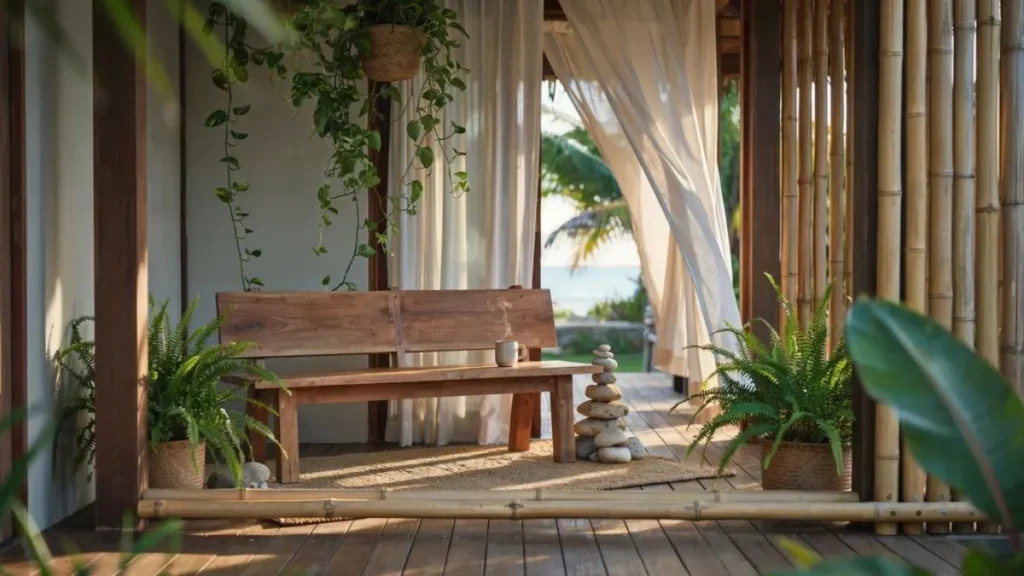
Most porches collect clutter — a forgotten chair, a dying plant, a pile of shoes nobody moves. But a porch has the potential to be the most restorative space in your entire home.
Zen porch home decor strips that chaos back to its bare bones and replaces it with intention. Calm materials, purposeful arrangement, and a strong connection to the natural world — that is the foundation. Done right, your porch stops being a thoroughfare and starts being a destination.
This guide covers every element you need — from flooring and furniture to plants, lighting, and colour — to create an outdoor space that genuinely settles the mind.
The Core Principles Behind Zen Porch Home Decor
Zen design is not a trend. It is a philosophy that has shaped Japanese interiors and gardens for centuries, centred on simplicity, natural harmony, and the removal of everything unnecessary. Applied to a porch, it means every object earns its place.
The three principles that drive effective zen porch home decor are ma (intentional empty space), wabi-sabi (finding beauty in imperfection), and shizen (naturalness). These are not abstract ideas — they translate directly into practical decisions about what you buy, where you place it, and what you leave out.
Before purchasing anything, assess your current porch. Remove what does not belong. Strip the space to its shell. You can always add back — but starting from less is far easier than editing from excess.
Flooring and Foundation Choices That Set the Tone
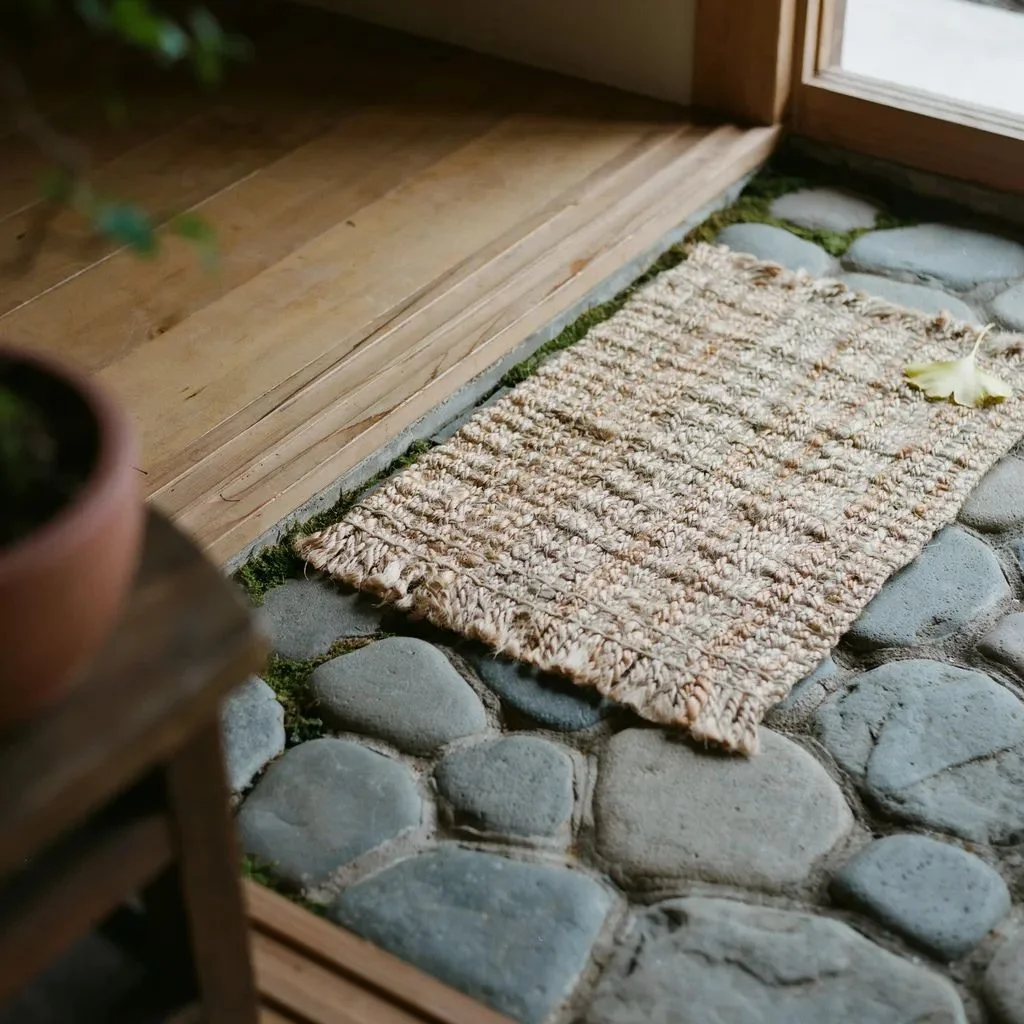
The floor is the first thing feet touch and the last thing the eye lands on. In zen porch home decor, flooring should feel grounded, warm, and organic rather than polished or decorative.
Natural Wood Decking
Teak, cedar, and ipe are the strongest choices for outdoor wood decking. They weather beautifully over time, shifting from golden amber to silver-grey — a natural embodiment of wabi-sabi. Leave wood untreated or apply a light oil finish to preserve its texture without masking its character.
Stone Pavers and Gravel Paths
Flagstone, slate, and natural pebble tiles carry the same organic energy as a Japanese garden path. Pair large stone pavers with fine white gravel in the gaps. The contrast in texture creates visual interest without the need for colour or pattern.
Outdoor Tatami-Style Mats
Woven seagrass or jute outdoor rugs mimic the grid-like calm of traditional tatami. Layer one over wood decking to define a seating zone and introduce warmth underfoot. Choose neutral tones — sand, flax, or sage — to stay within the zen colour range.
Furniture Selection for a Truly Restful Porch
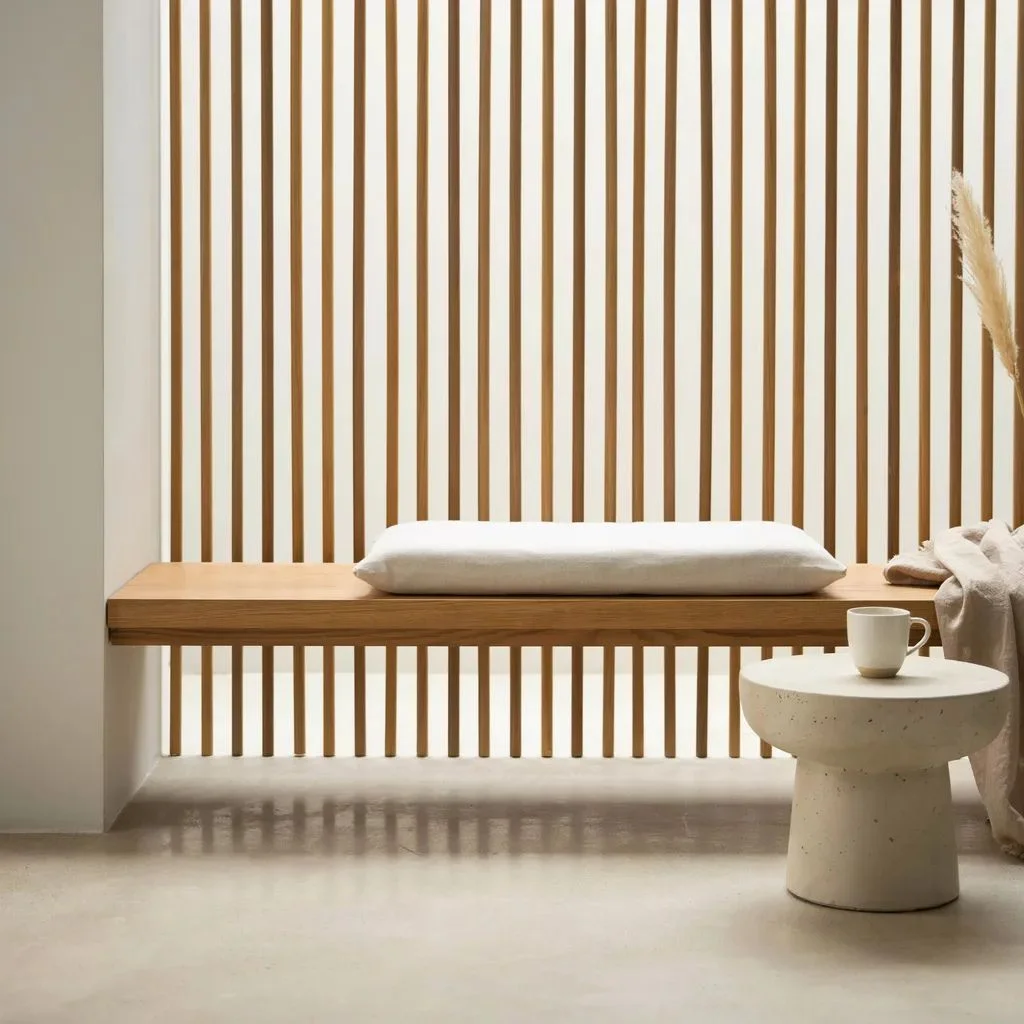
Zen porch furniture is not sparse because of budget constraints — it is sparse by design. Each piece carries weight and function. Overcrowding a porch with chairs, side tables, ottomans, and plant stands destroys the sense of peace before a person even sits down.
The key furniture pieces for a zen porch include:
- Low-profile seating: Floor-level cushions, platform benches, or low lounge chairs keep the sightline open and the atmosphere unhurried. Look for pieces in raw teak, bamboo, or powder-coated steel with clean lines and no ornamental detailing.
- One anchor chair: A single statement chair — a handwoven rattan egg chair or a minimalist Adirondack in natural wood — acts as the centrepiece. Resist the urge to add a matching pair unless space genuinely supports it.
- A low side table: Stone, concrete, or solid teak side tables complement the aesthetic far better than glass or metal. Keep surfaces clear except for one or two intentional objects — a candle, a ceramic cup, a smooth stone.
Natural Materials and Textures That Ground the Space
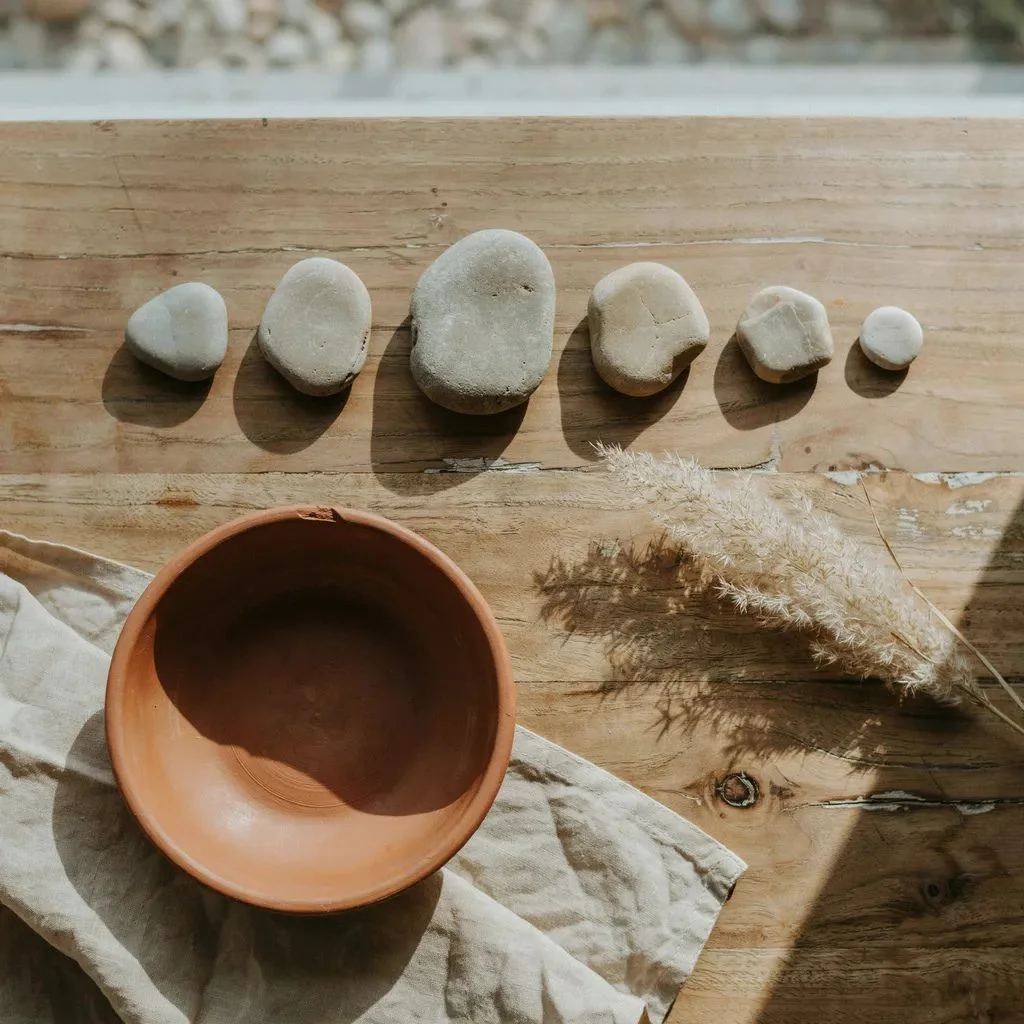
Material choice is one of the fastest ways to shift a porch from ordinary to intentionally zen. Synthetic materials — plastic furniture, vinyl rugs, resin planters — undercut the calm no matter how carefully the rest of the space is arranged.
Prioritise these natural materials throughout your zen porch home decor:
- Bamboo: As screens, accent pieces, or planter stands. Bamboo carries instant visual calm and is one of the fastest-growing renewable materials available.
- Linen and cotton: For cushion covers, throw blankets, and curtain panels. Both breathe naturally and soften with age rather than deteriorating in quality.
- Ceramic and terracotta: Handmade planters, wind chimes, and decorative bowls in unglazed or earth-toned finishes. Each piece has a slight imperfection that deepens character over time.
- Rattan and seagrass: Woven items introduce texture without visual weight. A rattan lantern or seagrass basket adds warmth without the bulk of solid furniture.
- River stones: Placed in clusters, used as mulch in planters, or arranged on a tray beside a candle. Smooth stones are inherently meditative objects.
Plants and Greenery as Living Decor
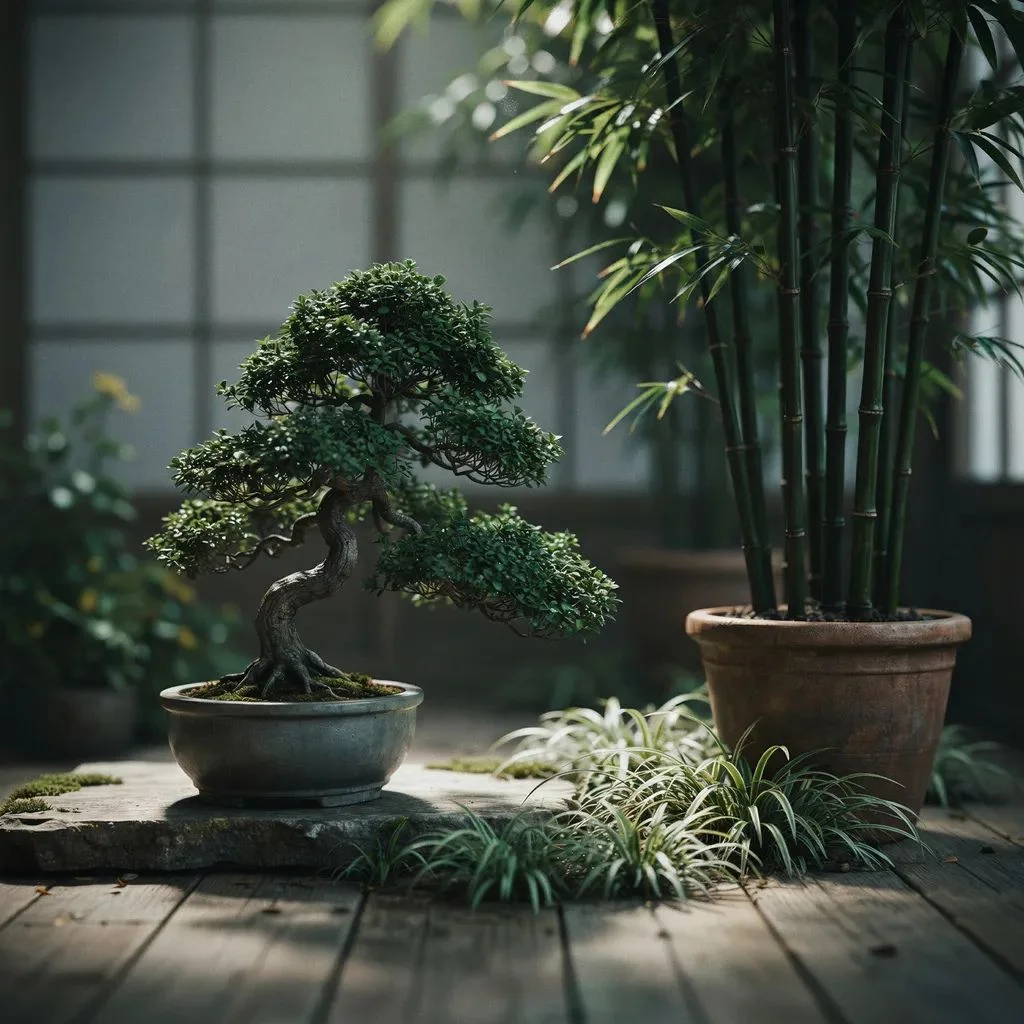
No zen porch home decor scheme is complete without plants. Greenery is not ornament in this context — it is architecture. Plants define boundaries, soften hard edges, add movement, and introduce a living rhythm that no manufactured object can replicate.
Best Plant Choices for a Zen Porch
- Bamboo (clumping varieties): Forms natural screens and privacy walls. Use black bamboo or clumping golden bamboo in large terracotta pots flanking the porch entrance.
- Japanese forest grass (Hakonechloa): Cascading, feather-soft grass that sways in the lightest breeze. Plant in clusters for a flowing, meditative effect.
- Moss and ground covers: In shaded porch corners, a layer of living moss over stones or soil creates the unmistakable atmosphere of a Japanese garden.
- Ferns: Boston ferns, bird’s nest ferns, and maidenhair ferns thrive in partial shade and introduce lush, layered texture without overwhelming the space.
- Bonsai trees: A single, carefully tended bonsai on a low bench or stone surface is one of the most powerful zen symbols available for porch decor. It demands attention but rewards patience.
Avoid flowering annuals with strong colour or fast-dying cycles. The goal is evergreen calm, not seasonal decoration. Stick to foliage plants with interesting form and keep planting arrangements deliberate and sparse.
Lighting That Shifts the Mood After Dark
Daytime on a zen porch is shaped by natural light. After dark, the lighting you choose either preserves the calm or destroys it entirely. Bright overhead bulbs and floodlights are incompatible with zen porch home decor — they flatten shadows and eliminate atmosphere.
These are the lighting layers that work:
- Paper lanterns: Hung at varying heights or placed on the ground, paper lanterns in white or warm ivory cast a diffused, forgiving glow. Choose weatherproof versions designed for outdoor use.
- Candles and oil lamps: Real flame is irreplaceable for creating genuine warmth. Pillar candles in simple ceramic holders, or a traditional Japanese stone lantern if your porch has structural space, are both ideal.
- Low-voltage ground stakes: LED ground lights buried along a porch pathway or beneath a bamboo cluster create light at plant level — the most natural and organic position for outdoor illumination.
- Edison-style string lights: Strung along a pergola or porch beam in a single horizontal line (not tangled clusters), warm-white Edison bulbs add ambient light without the visual chaos of multicolour or bright white LEDs.
Colour Palettes That Support Calm
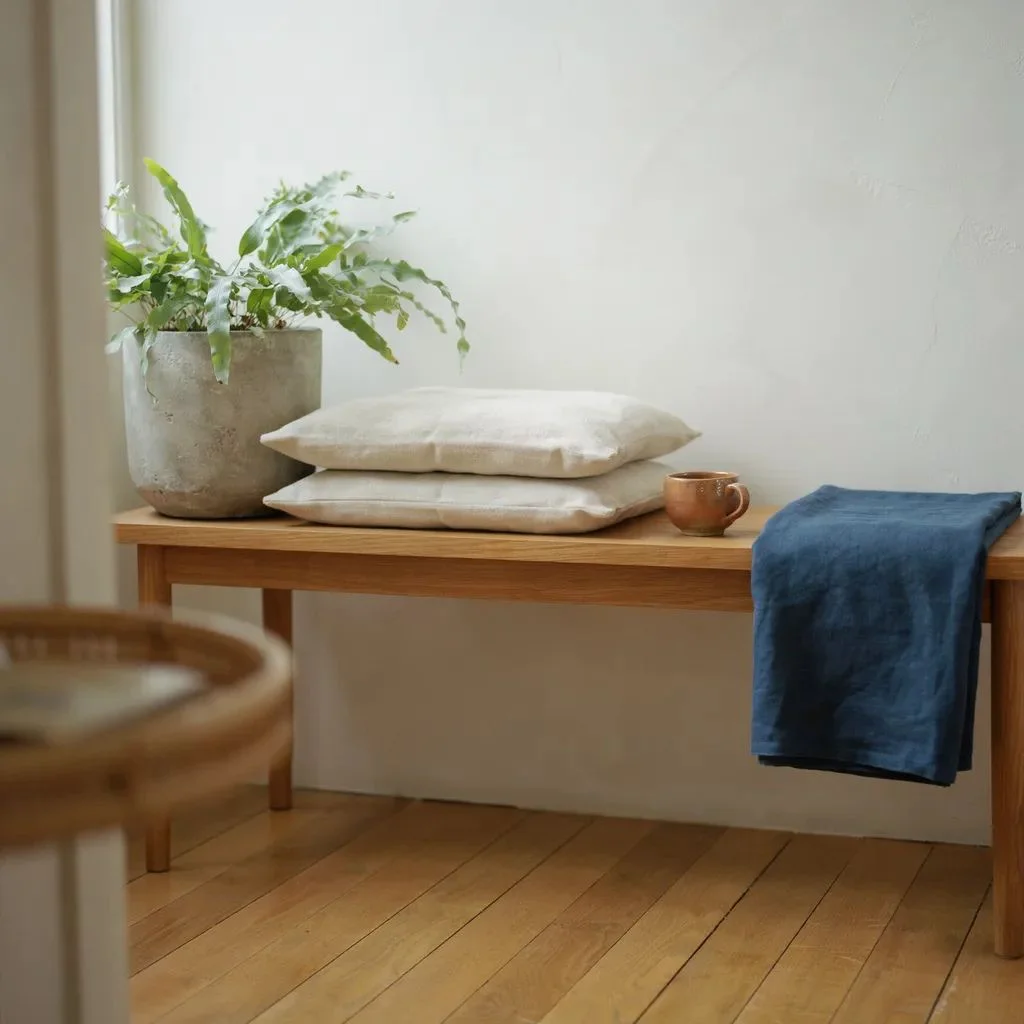
Colour in zen porch home decor is not chosen for excitement — it is chosen for its psychological effect on the nervous system. Saturated colours, high contrast, and busy patterns work against the entire premise of the space.
The three zen-compatible colour groupings are:
- Neutrals — Linen, stone, raw white, off-white, warm grey, and sand. These form the base of any zen porch palette. Walls, large textiles, and furniture should draw from this range.
- Naturals — Teak, bamboo, slate, terracotta, and bark. These are not paint colours but material tones that appear as colour in the overall space. They add warmth without saturation.
- Muted greens — Sage, moss, eucalyptus, and deep forest green. Introduced through plants primarily, these anchor the connection to nature and add depth without energy.
If you want to introduce a single accent colour, reach for deep indigo, charcoal black, or burnt umber. These deepen the palette without introducing energy or distraction.
Water Features and Sound Elements
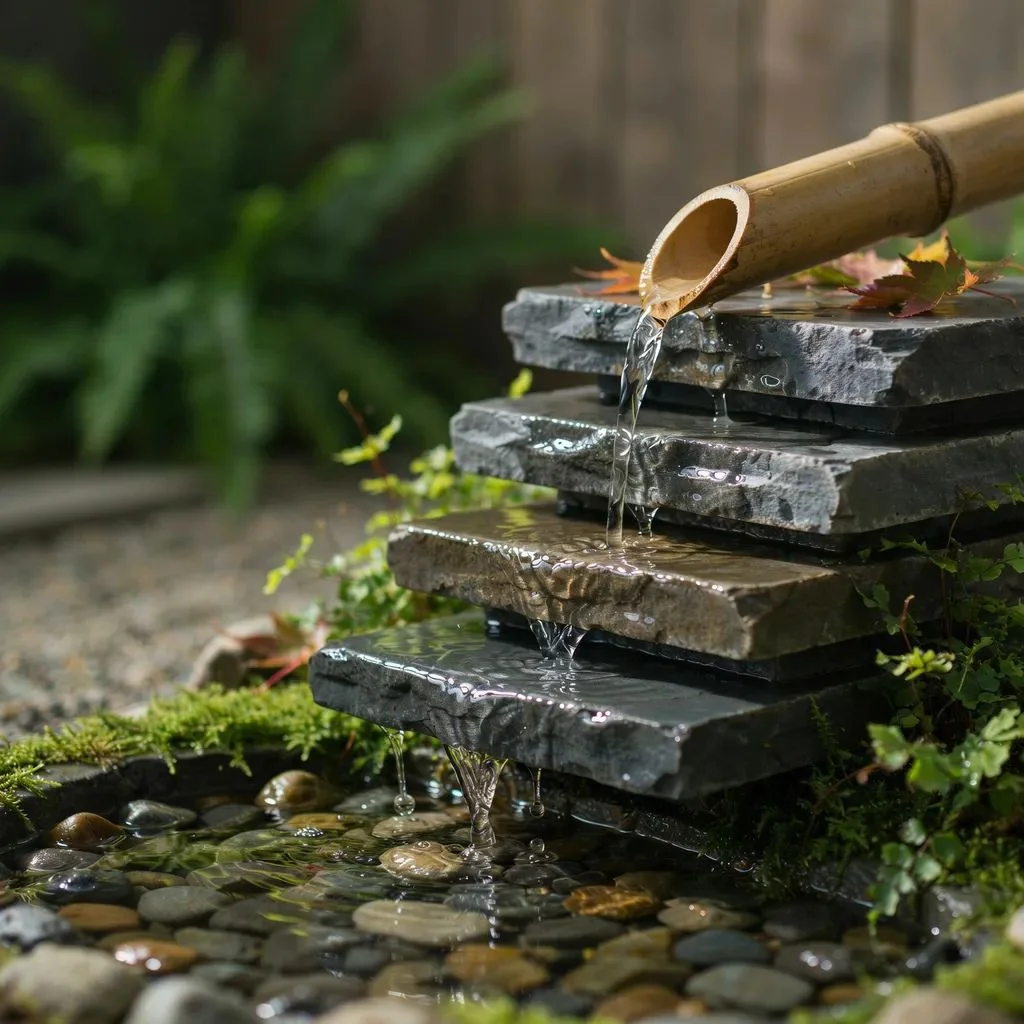
Sound is a design element that most porch decorators overlook entirely. In zen philosophy, the presence of gentle water sound actively reduces cortisol levels and interrupts the mental chatter that follows people home from their day.
Tabletop and Wall-Mounted Fountains
A small recirculating water fountain — stone, slate, or glazed ceramic — placed on a low table or mounted to a porch wall introduces the sound of moving water without requiring plumbing. Models with bamboo spouts or tiered stone bowls align best with the overall zen aesthetic.
Wind Chimes
Bamboo wind chimes produce a hollow, resonant sound that is deeply associated with Japanese outdoor spaces. Unlike metal chimes, which can be sharp and bright, bamboo tones are low and irregular — closer to percussion than melody. Hang them at the porch edge where they catch natural movement without being loud enough to disturb.
Mindful Accessories and Decorative Accents
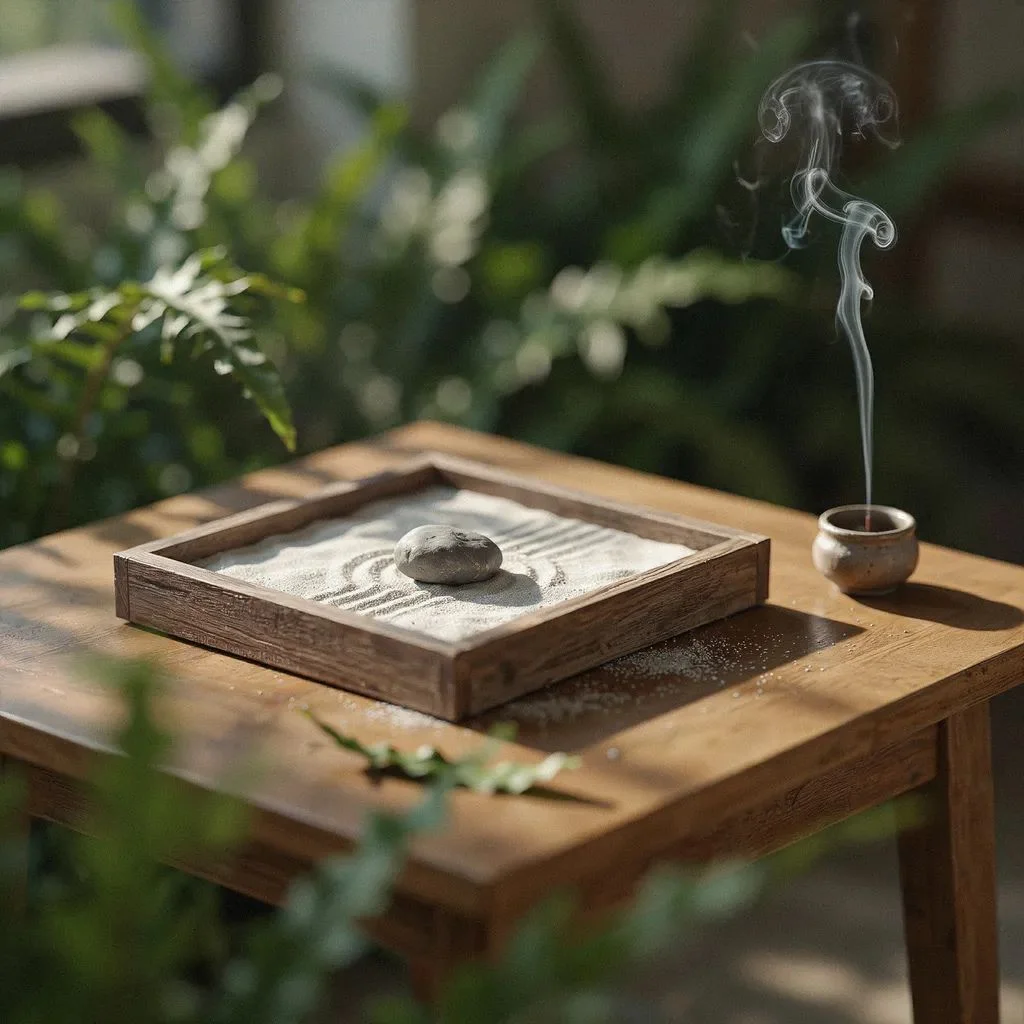
Accessories in zen porch home decor are chosen with the same rigour as furniture. The rule is simple — if an object does not serve a purpose (practical or deeply intentional), it does not belong on the porch.
Accessories that earn their place include:
- Incense holders: A single ceramic incense holder placed near the seating area creates ritual. The scent of sandalwood or hinoki cypress deepens the sensory calm significantly.
- Raked gravel trays: A shallow wooden or stone tray filled with fine white sand and a small rake is a direct nod to karesansui (Japanese dry garden). It is tactile, meditative, and completely unique as a porch decor element.
- Stacked stone sculptures: Three to five smooth stones balanced into a cairn are visually arresting without being decorative in a conventional sense. Place them at porch corners or beside planters.
- Shoji-style screens: Portable folding screens in a lattice or rice paper panel design create a sense of boundary and privacy without blocking light. Use them to define zones or shield the porch from street view.
- One piece of art: A single wall-mounted piece — a circular wooden sculpture, a ceramic moon disc, or a brushstroke-style print in a weatherproof frame — is enough. One piece, placed with intention, carries more visual weight than five competing items.
Keeping the Space Clutter-Free Long Term
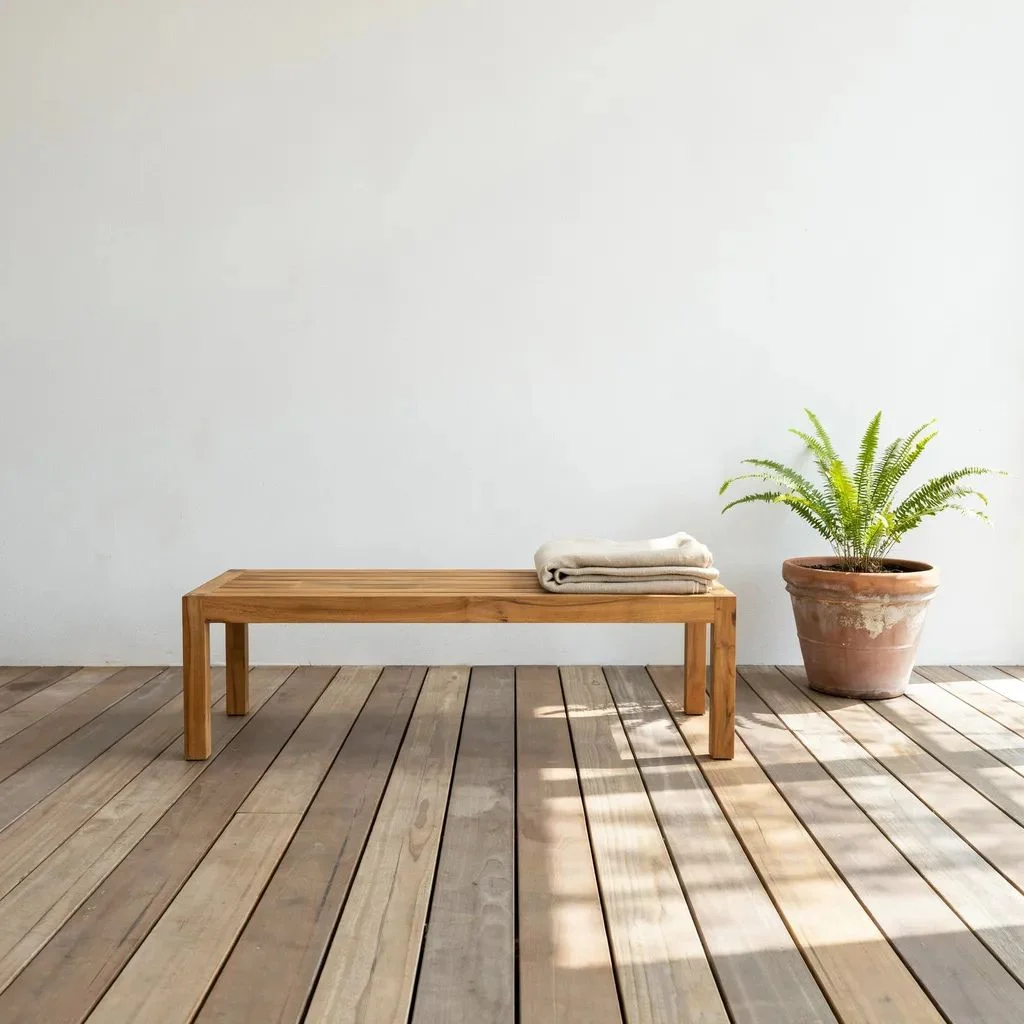
The hardest part of zen porch home decor is not the initial setup — it is the ongoing discipline. Porches attract things. Deliveries land there. Shoes collect. Seasonal plants die and get replaced badly. Without a maintenance habit, even the most intentional porch reverts to chaos within a few months.
Build these habits into your porch routine:
- A weekly edit: Spend ten minutes every week removing anything that does not belong. Move it to its proper place or remove it entirely. This takes discipline at first, then becomes automatic.
- Storage with boundaries: A single weatherproof basket or built-in bench with a lid can hold cushion covers, throws, and candles. Everything stored, nothing visible. One container, not three.
- Seasonal swaps, not additions: When seasons change, swap pieces out rather than layering new ones on top. Replace the linen throw with a heavier wool one. Swap summer ferns for sculptural grasses. Subtract before you add.
- A ‘nothing new’ rule: Before any new object enters the porch, an existing one must leave. This one constraint does more for long-term zen decor than any single purchase.
Stillness Starts at the Door
Zen porch home decor is an exercise in restraint and restraint, in a world of excess, is genuinely radical. Strip your porch back to what matters. Choose materials that age with grace. Let plants do the heavy lifting. Let light do its work. Let silence be part of the design.
The porch that greets you at the end of the day should feel like a full exhale. With the right foundation, the right objects, and the discipline to keep it clear, that is exactly what zen porch home decor delivers — not just a beautiful space, but a genuinely restorative one.
Also Read About Stop Ignoring Your Small Backyard and Create Something Beautiful with Mini Pools for Small Yards.