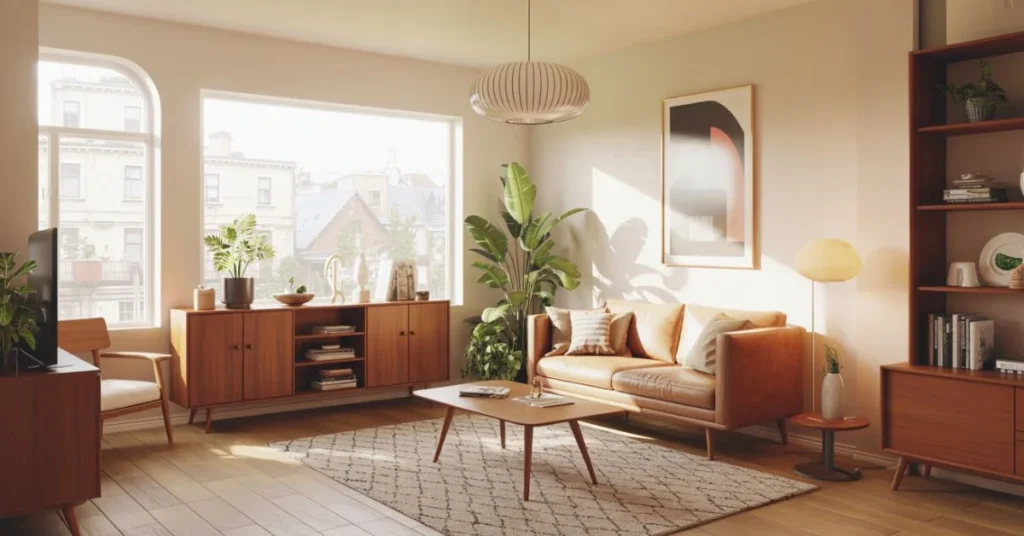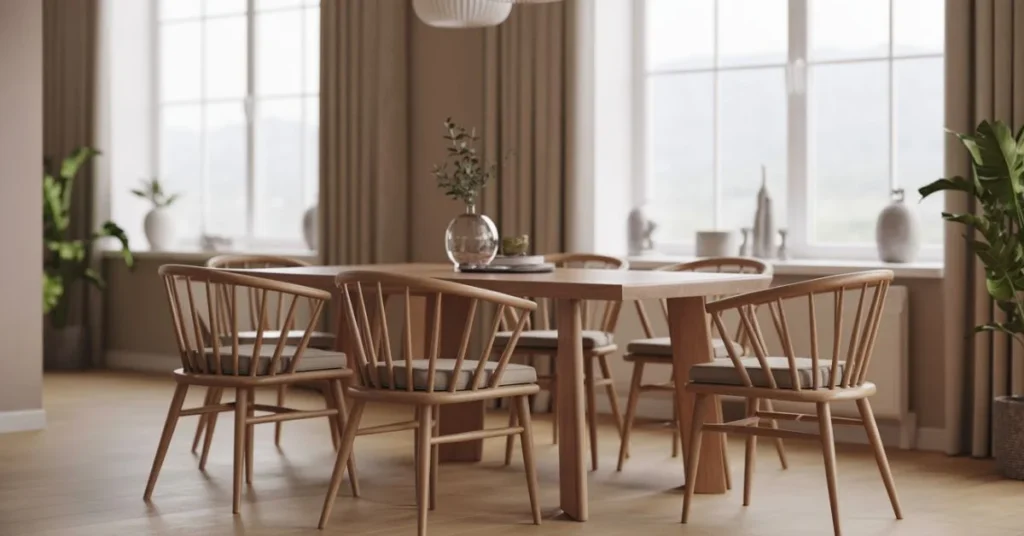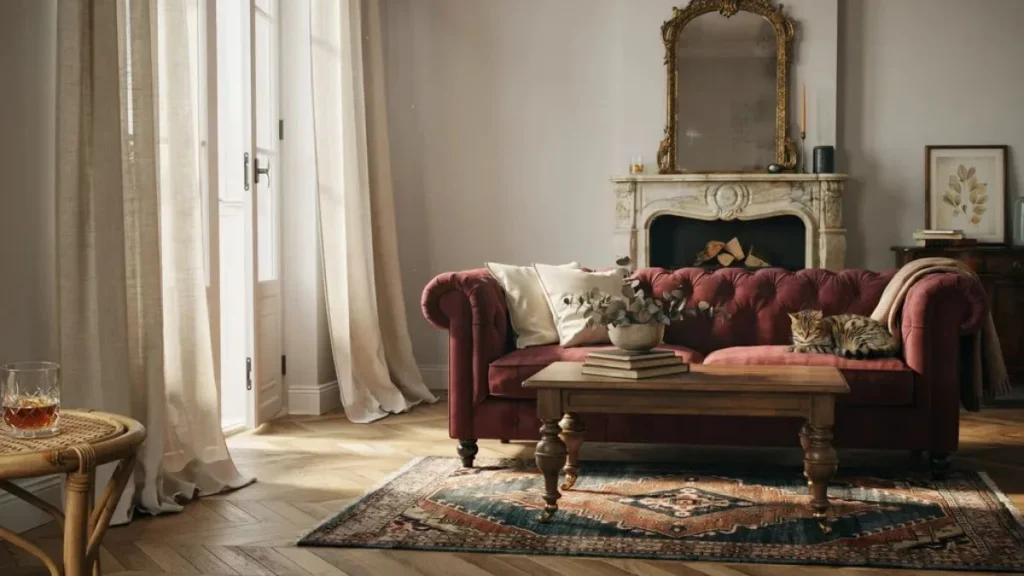
There is something deeply reassuring about a home that carries history in its bones. The vintage home aesthetic has never truly gone out of fashion — it just cycles through interpretations, each generation reclaiming the warmth, craft and visual depth that modern minimalism often leaves behind. Right now, interiors are actively pulling from the past, and the results are anything but dated.
Whether you are drawn to the ornate grandeur of Victorian parlours, the clean optimism of mid-century sitting rooms, or the rustic soul of French countryside kitchens, there is a vintage style worth revisiting. These are not museum recreations — they are living, breathing approaches to decorating that sit comfortably beside contemporary life.
Victorian Opulence Reimagined for Contemporary Homes

The Victorian era produced some of the most lavish domestic interiors ever imagined, and the vintage home aesthetic rooted in that period is experiencing a genuine revival. The key is restraint — taking the most compelling Victorian signatures and letting them breathe in a modern context.
Think deep jewel-tone walls in forest green or midnight navy paired with white crown moulding. Layer in a single statement chandelier in antique brass or oil-rubbed bronze rather than filling every surface with ornament. A carved mahogany console table, an oval gilded mirror, or a velvet chaise in a corner adds drama without overwhelming the space.
How to bring it in without the clutter
Victorian rooms were famously dense, but modern takes strip back the accumulation whilst keeping the richness. Choose one or two standout antique pieces — a button-back armchair, an overmantel mirror — and keep surrounding surfaces clean. Dark wood floors and wainscotting panels ground the look without requiring a full period remodel.
Mid-Century Modern — The Vintage Style That Never Ages
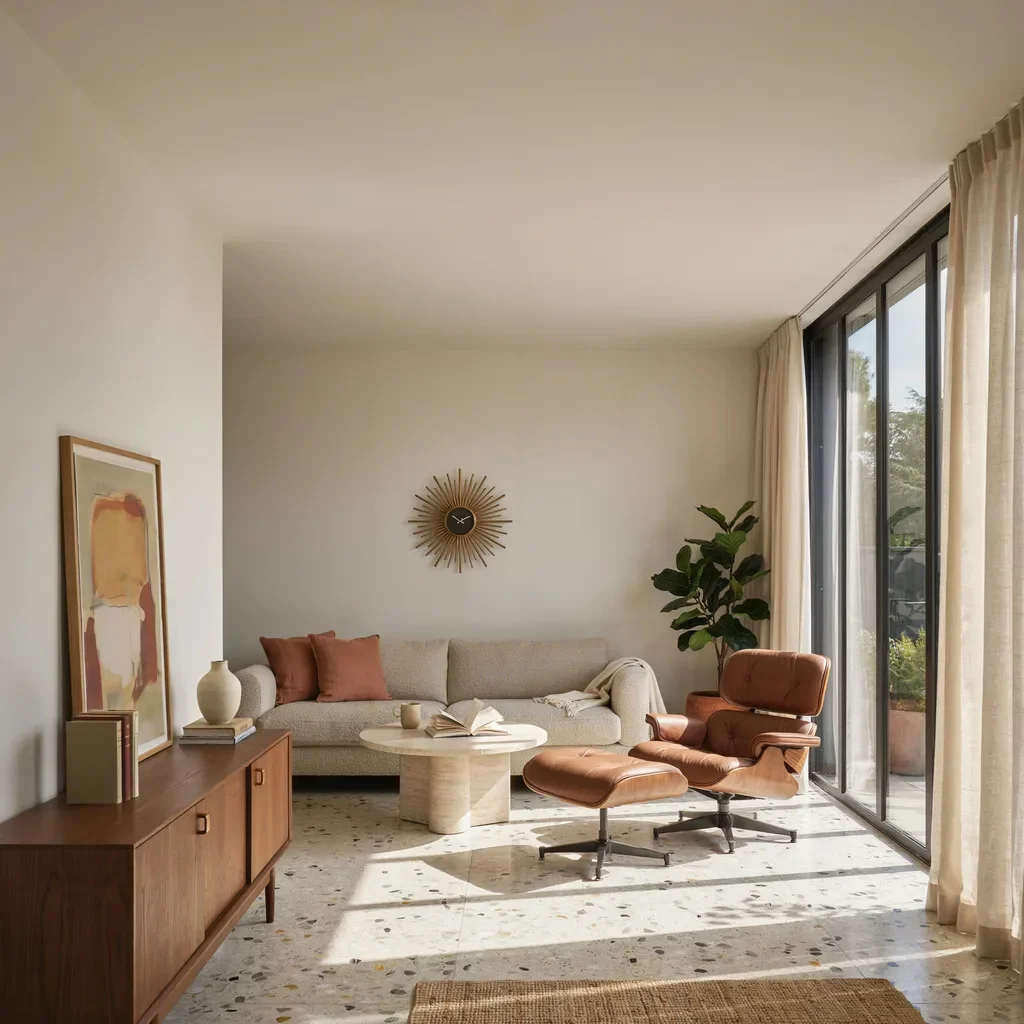
No conversation about the vintage home aesthetic is complete without mid-century modern. Born from the post-war optimism of the 1950s and ’60s, this style married clean lines with organic warmth in a way that remains deeply relevant. It suits contemporary open-plan living better than almost any other vintage movement.
The hallmarks are well known for good reason. Tapered wooden legs on low-profile furniture, walnut or teak finishes, bold geometric textiles, and a colour palette that runs from warm cream and mustard through to terracotta and olive. Sunburst clocks, abstract prints, and terrazzo surfaces complete the look.
Mixing mid-century pieces with present-day interiors
The beauty of mid-century pieces is their willingness to coexist. A walnut credenza works in a white, minimal flat. An Eames-inspired chair belongs in a contemporary open-plan kitchen. Pair these pieces with natural materials — rattan, linen, stone — and the result feels current rather than costume.
French Provincial Charm for Kitchens and Living Rooms
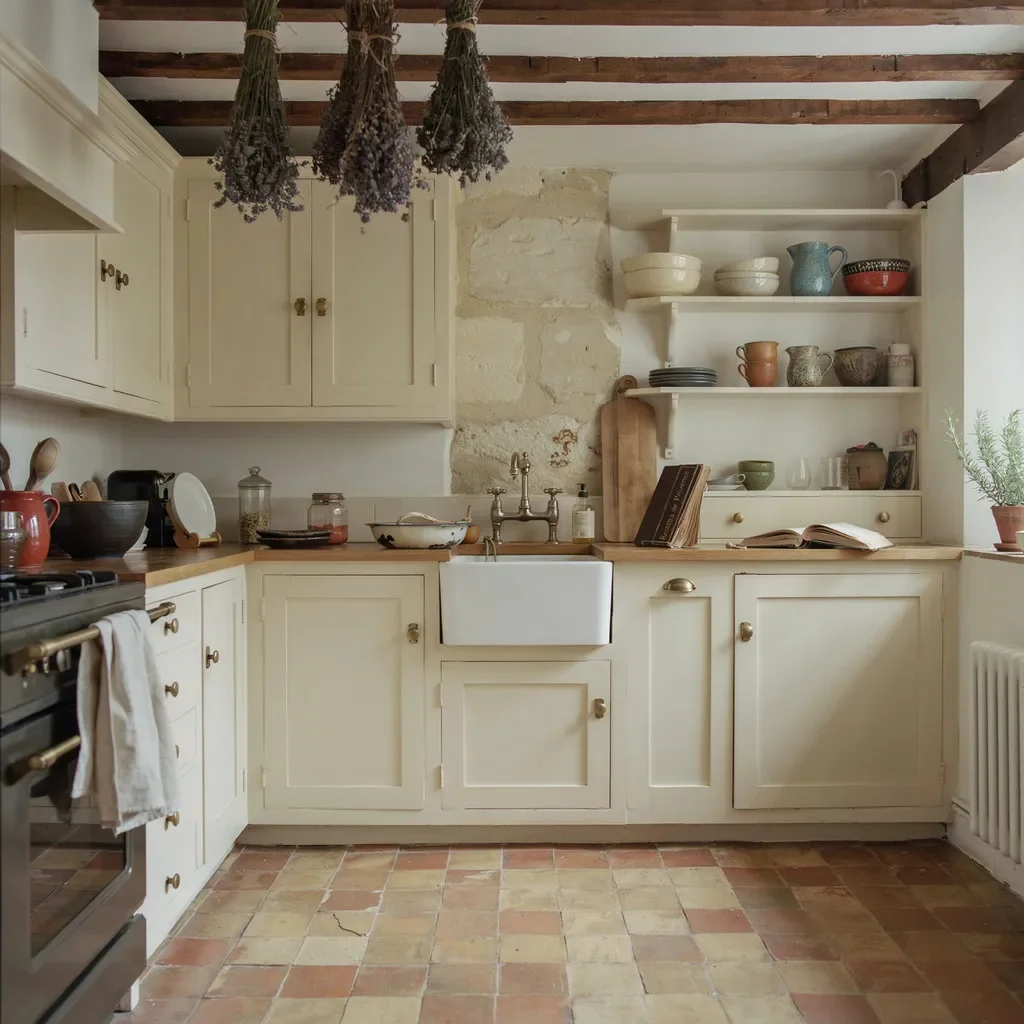
The French countryside aesthetic carries a vintage home aesthetic that feels both timeless and deeply liveable. It draws from the rural farmhouses of Provence and Normandy, where beauty was found in natural textures, worn surfaces, and understated elegance rather than polished perfection.
In the kitchen, this translates to cream or soft sage cabinetry with aged brass or iron hardware, exposed stone or brick feature walls, farmhouse sinks, and terracotta or stone-effect floor tiles. Open wooden shelving displaying stoneware and mismatched vintage crockery adds a layer of personality that feels genuinely collected rather than styled.
Living spaces with Provençal warmth
Beyond the kitchen, French provincial style brings linen-upholstered sofas in natural tones, distressed wooden side tables, rattan chairs, and botanical artwork. Lavender, olive branches, and dried grasses act as effortless accessories that reinforce the pastoral mood without demanding constant upkeep.
Art Deco Glamour That Works in Modern Apartments
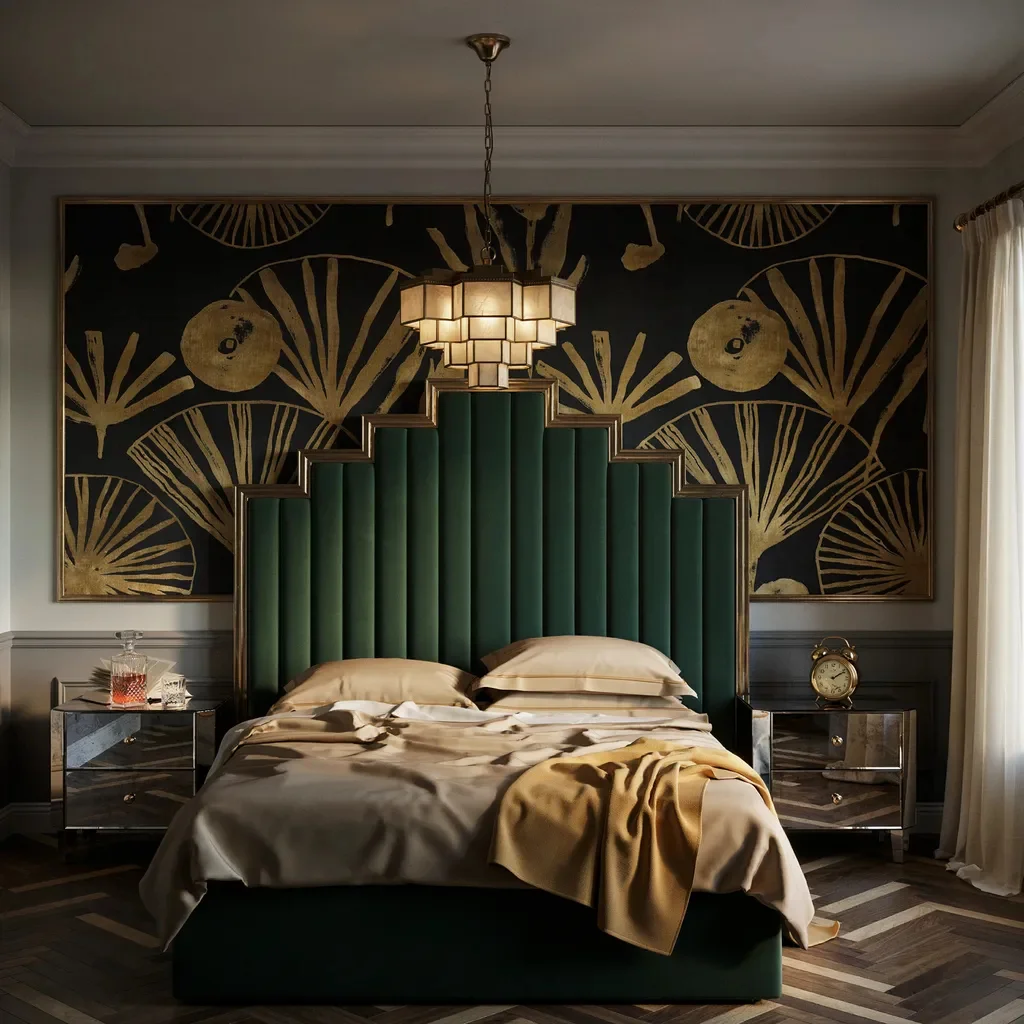
Art Deco is perhaps the most glamorous chapter in the vintage home aesthetic story. The 1920s and ’30s produced an obsession with geometry, symmetry, and luxury materials that translates effortlessly into modern apartments and townhouses — particularly in spaces that benefit from a sense of drama.
Signature elements include chevron or fan-shaped parquet floors, mirrored surfaces, emerald and sapphire jewel tones, sunburst and fan motifs, and hardware in aged brass or gold. Geometric pendant lights make an instant statement. Velvet in rich tones against lacquered surfaces creates the contrast the style is known for.
Keeping Art Deco from feeling heavy
The trick is to treat Art Deco accents as punctuation rather than wallpaper. A geometric brass mirror above a neutral console, a single emerald velvet sofa in an otherwise white room, or chevron tile in a bathroom are enough to convey the aesthetic. Balance every bold piece with breathing room around it.
Rustic Americana and the Appeal of Worn-In Warmth
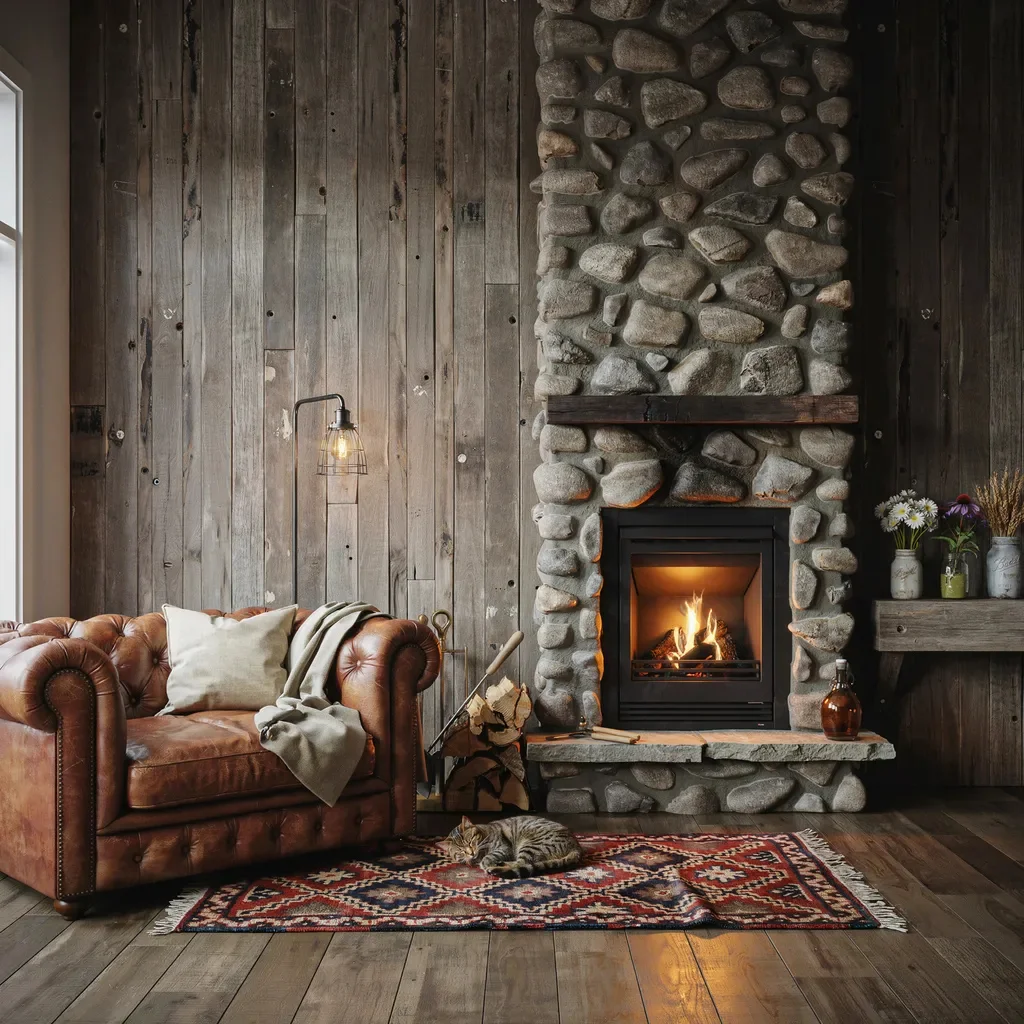
The Americana variant of the vintage home aesthetic taps into a specific kind of honesty — spaces that look genuinely lived in, where every surface tells a story. Reclaimed wood, exposed brick, cast iron, and hand-stitched textiles are the foundations of this style, which translates particularly well into country homes, cabins, and spaces where the architecture has natural character.
A distressed leather Chesterfield sofa, wide-plank floors worn to a natural patina, and a stone fireplace form the structural core. Layering in hand-woven rugs, quilted throws, and galvanised metal accessories adds depth without manufactured quaintness. The goal is a room that looks as though it assembled itself over decades.
Urban applications of Rustic Americana
City apartments can borrow from this aesthetic through selective material choices. A reclaimed wood shelf, an antique metal floor lamp, or a leather accent chair brings the warmth of the style into a contemporary setting without demanding a full architectural overhaul.
Japandi with Vintage Touches — East Meets Aged West
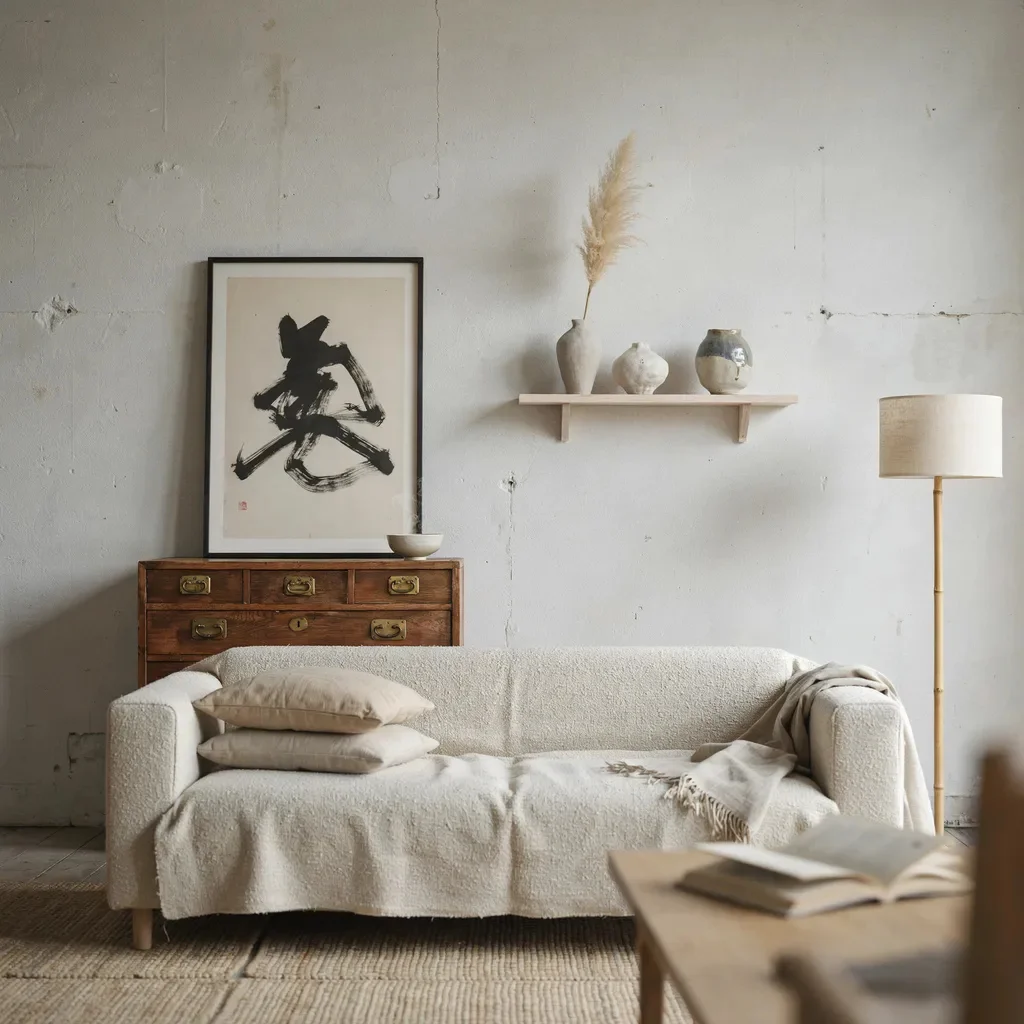
One of the more nuanced expressions of the vintage home aesthetic is the pairing of Japandi sensibility with deliberately aged pieces. Japandi — the fusion of Japanese wabi-sabi and Scandinavian hygge — already embraces imperfection and natural aging as core values. Introducing genuine vintage furniture into this framework feels entirely coherent.
A Japanese tansu chest with worn lacquer, a vintage Danish teak side table, or an aged ceramic collection from a local market all sit beautifully within a Japandi room. The palette stays muted — bone, ash, moss, clay — and the layering is intentional. Nothing shouts; everything contributes.
Sourcing aged pieces for a Japandi interior
Charity shops, estate sales, and Japanese second hand markets (or their online equivalents) are ideal sources. Look for pieces with genuine wear — faded lacquer, slightly uneven surfaces, softened edges — rather than artificially distressed reproductions. Authenticity is the point.
Bringing Vintage Into Modern Spaces Without Losing Coherence
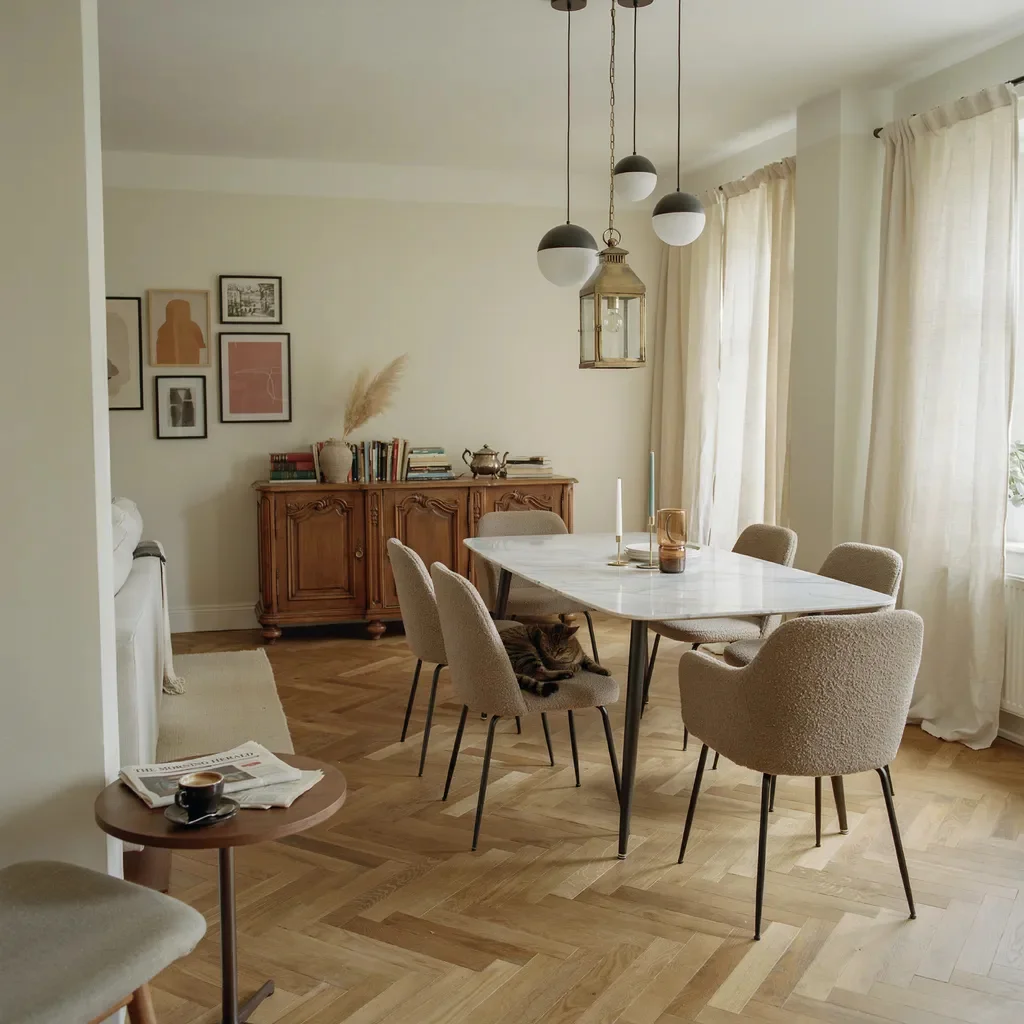
The real skill in curating a vintage home aesthetic is knowing how to integrate aged pieces with modern architecture and contemporary living. A room full of antiques risks feeling like a period drama set. The goal is a layered tension between then and now.
Start with a neutral contemporary base — white or off-white walls, clean architectural lines, unfussy flooring — and introduce vintage pieces as considered choices rather than wholesale room sets. One dominant vintage piece per room anchors the aesthetic without overwhelming it. A Victorian armoire in an otherwise minimal bedroom. A 1960s credenza in a white open-plan living space. A farmhouse dresser in a sleek kitchen.
The rule of mixed metals and materials
Vintage rooms naturally accumulated mixed metals and materials over time, and this is something worth emulating deliberately. Brass alongside chrome, oak beside painted wood, linen layered over velvet — these combinations give a space the kind of visual complexity that makes it feel considered rather than assembled in an afternoon.
Old Bones, New Life
The vintage home aesthetic endures because it connects a home to something larger than trend cycles. These styles carry craft, story, and a visual warmth that contemporary interiors often struggle to manufacture. Whether you are fully committed to one era or mixing references across decades, the approach remains the same: choose pieces that feel genuine, give them space to breathe, and let the room tell its own story.
A home that borrows from the past does not look old — it looks considered. And in a world of fast furniture and disposable interiors, that quality is worth more than ever.
Editor Choice : Beautiful Console Table Styling Ideas for Entryways, Hallways & Living Rooms.