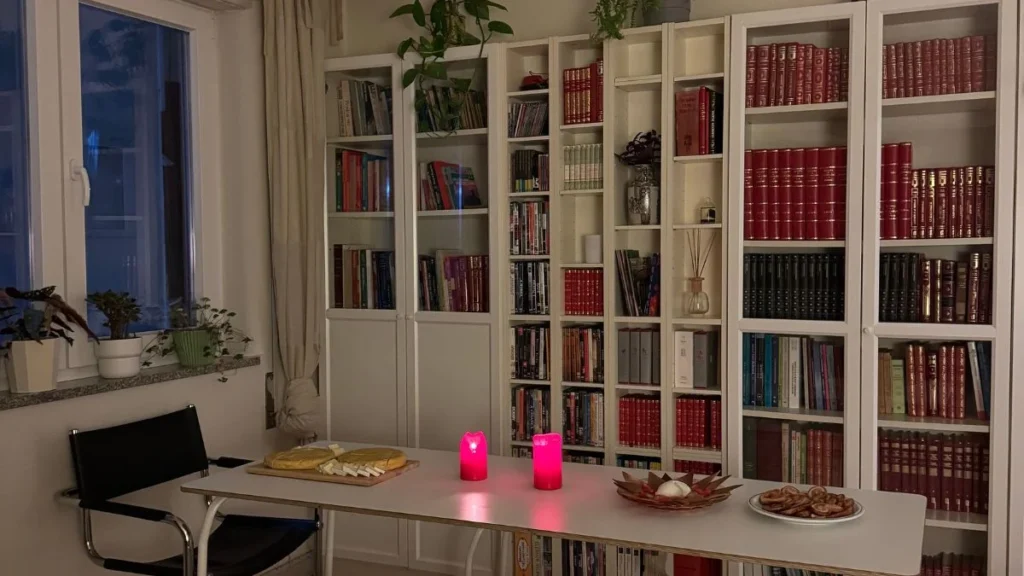
My Billy bookcase sat the same flat white for six years before I finally picked up a brush on a wet Saturday. That single weekend taught me more about painting Billy bookcase furniture than any tutorial had. If you’re wondering whether it’s worth the effort, this guide covers everything from prep work to final finish, including what IKEA’s laminate surface needs, which products stick for good, and how to dodge the drips and peeling that wreck so many first attempts.
Quick Cheat Sheet Before You Start
- Billy bookcases have a foil laminate finish, which is the main reason paint peels off if you skip priming.
- A light sand with fine-grit paper, plus a proper bonding primer, gives paint something to grip.
- Mineral paint or a paint and primer hybrid in a satin finish stands up to daily wear far better than standard wall paint.
- Rushing the cure time is the single most common mistake. Give a full week before loading books back onto the shelves.
Understanding What Your Billy Bookcase Is Actually Made Of
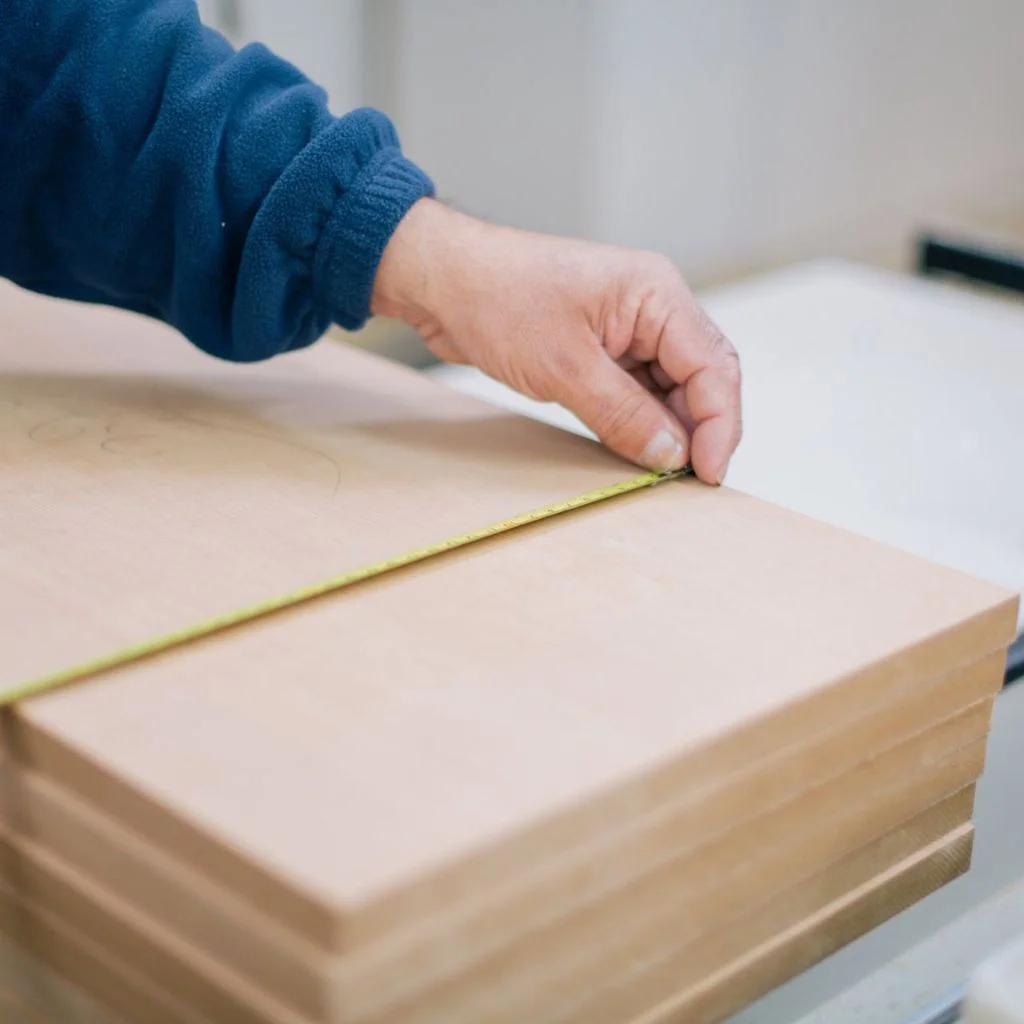
Before touching a paint tin, it helps to know what you’re working with. Billy bookcases are built from particleboard covered in a thin, printed foil laminate rather than solid wood or raw MDF.
That laminate is designed to be wipeable and scratch-resistant, which is exactly why ordinary paint struggles to bond to it. Paint needs a slightly rough, porous surface to grip onto, and factory laminate is neither.
This single detail explains almost every failed Billy bookcase paint job you’ve probably seen online, where the finish chips at the corners within weeks. Once you understand the surface, the rest of the process makes a lot more sense.
Gathering The Tools And Materials Before You Begin
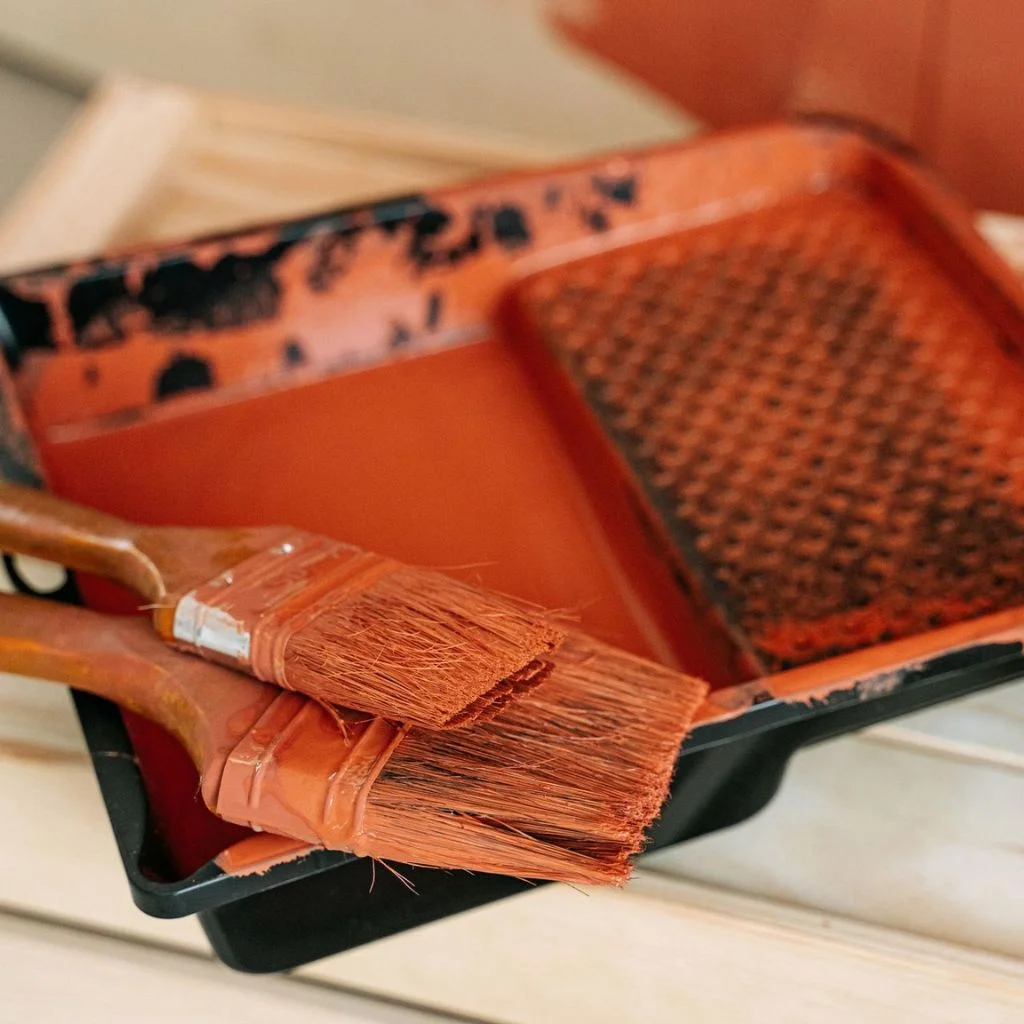
Having everything laid out before you start saves a rushed trip to the hardware shop halfway through a coat. Here’s what a proper Billy bookcase paint job actually calls for.
• Fine-grit sandpaper, 220-grit, for scuffing the laminate
• A deglosser or sugar soap solution for cleaning grease and dust
• A dedicated bonding primer made for laminate or melamine surfaces
• Mineral paint or a paint and primer hybrid in your chosen colour
• A fine foam roller for flat panels and an angled brush for edges
• Painter’s tape, a drop cloth, and a tack cloth for dust removal
Spending a little extra on a proper bonding primer is where most of the budget should go. It matters far more than the paint brand you choose.
Preparing The Surface For Long Lasting Paint Adhesion
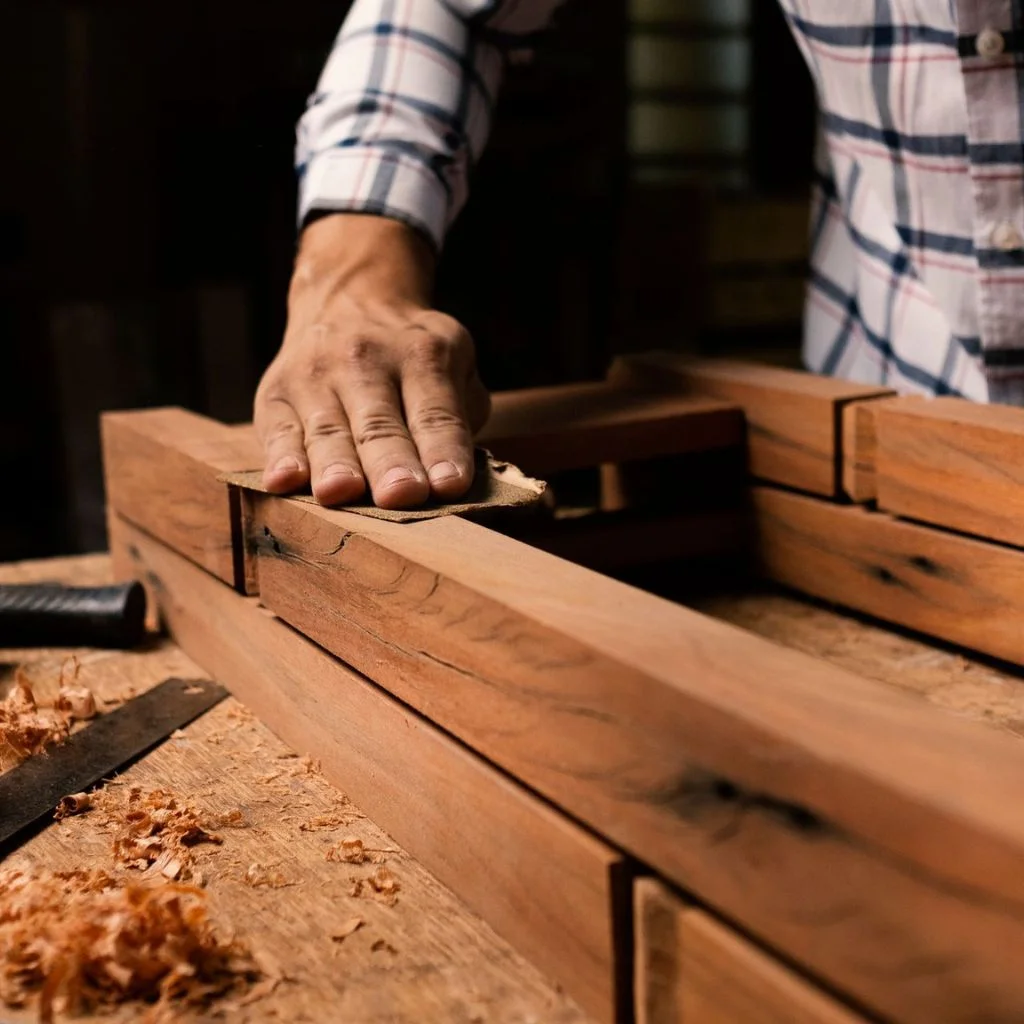
Preparation is genuinely the part that decides whether your paint job lasts two years or two weeks. Skipping steps here is the one shortcut that always shows up later.
Start by removing all shelves, pins, and back panels where possible, so you’re painting flat pieces rather than fighting around fixed hardware. Wipe every surface down with sugar soap to lift grease, fingerprints, and factory dust.
Once dry, sand the entire surface lightly with 220-grit paper. You’re not trying to strip the laminate back, knock off its sheen so primer has something to hold onto. Finish with a tack cloth to catch every last bit of dust before it gets trapped under your first coat.
Priming Steps That Determine Whether Paint Sticks
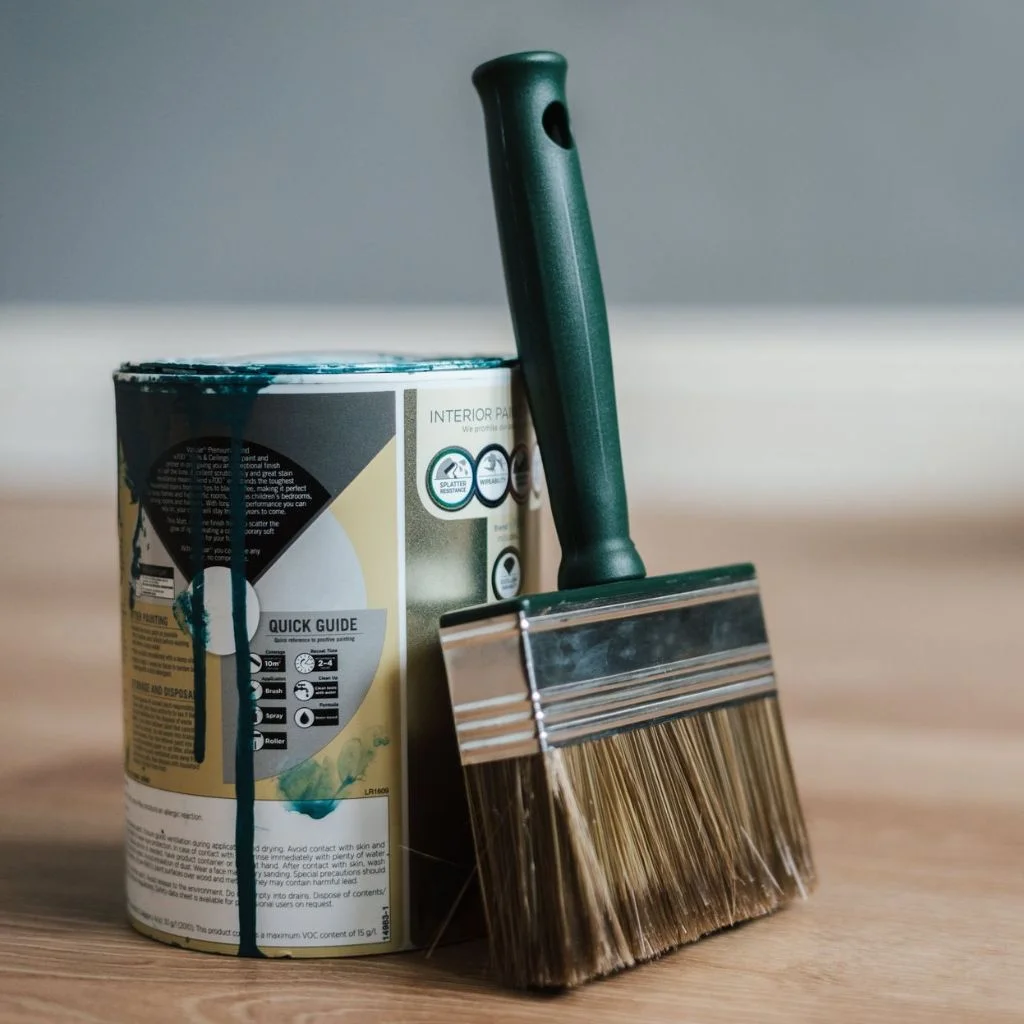
This is the step that separates a paint job that lasts from one that chips at the first knock. A general-purpose primer will not hold on to laminate, no matter how many coats you add.
Look specifically for a bonding primer labelled for laminate, melamine, or glossy surfaces. Apply it in thin, even coats with a foam roller, working in one direction to avoid streaking.
Leave it to dry fully according to the tin, which is usually a full day rather than a couple of hours. Rushing this stage is tempting, but a soft or tacky primer coat will telegraph straight through to your topcoat.
Choosing Paint Types That Suit Laminate Furniture
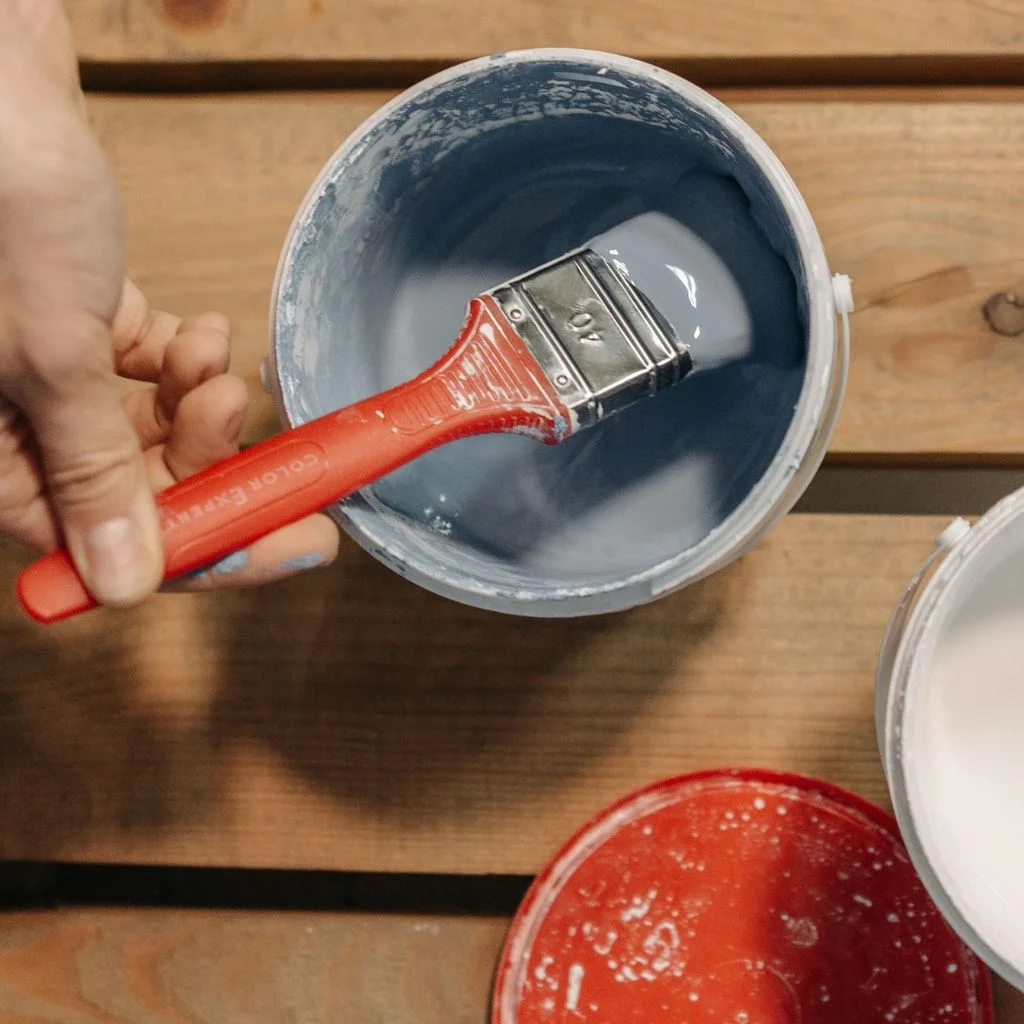
Not every paint sold for furniture is suited to a piece that gets handled daily. Bookcases take knocks, fingerprints, and the odd dragged book spine, so the finish needs to cope with that.
In my experience, a satin finish mineral paint gives the most forgiving result for a first timer, since it hides small roller marks while still wiping clean.
Chalk-style paints look lovely but usually need a wax or poly topcoat to survive real use, which adds an extra step. Paint and primer hybrids are a reasonable shortcut, though they still perform best over a proper bonding primer on laminate rather than on their own.
Whichever you choose, avoid flat or matte wall paint. It marks easily and has no real scrub resistance, which makes it a poor match for furniture that gets touched every day.
Applying Paint For A Smooth Professional Finish
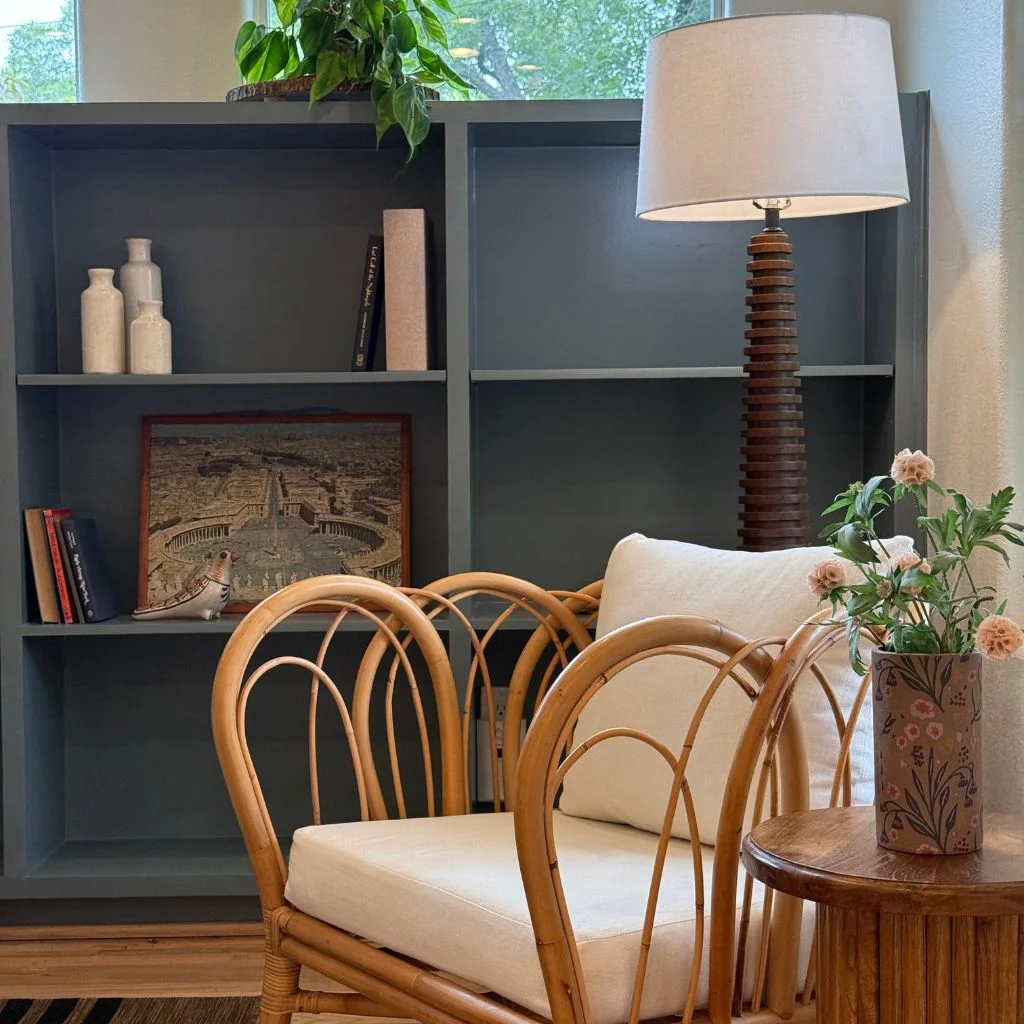
Thin coats beat thick ones every time when it comes to painting Billy bookcase panels. A heavy coat pools in corners, drips down edges, and takes far longer to cure properly.
Use a fine foam roller on the flat faces and an angled brush for edges, grooves, and the underside of shelves. Two to three thin coats, lightly sanded with fine-grit paper between each one, will always beat a single thick coat for a smooth, factory-style finish.
Let each coat dry to the touch before adding the next, and resist the urge to fix a missed spot mid-coat. Wait for it to dry, then touch it up on the next pass instead.
Mistakes That Ruin Most Billy Bookcase Paint Jobs
A friend of mine repainted her Billy bookcase in a lovely sage green, loaded it with books the same evening, and found paint stuck to the spines a week later. It’s a mistake I see constantly, and it comes down to a handful of repeatable causes.
• Skipping primer entirely because the paint tin claims it isn’t needed
• Painting in a humid bathroom or an unheated garage where moisture slows curing
• Reloading shelves with heavy books before the paint has fully cured, not just dried
• Using leftover wall paint instead of a product designed for furniture
Every one of these is easy to avoid once you know to look out for it, which is really the whole point of understanding the process before you start, rather than midway through.
Drying And Curing Before You Reload Your Shelves
Dry to the touch and fully cured are two different things, and mixing them up is where most damage happens. Most paints feel dry within a few hours, but the film underneath is still soft and vulnerable to pressure marks for much longer.
As a general rule, avoid loading heavy items back onto painted shelves for at least a week, and check your specific paint tin for its stated cure time since this varies by brand. Mineral paints tend to cure faster than oil-based products, but patience here protects the finish you’ve just spent a weekend building.
Styling Ideas Once Your Bookcase Is Finished
Once the paint has properly cured, a freshly painted Billy bookcase becomes a genuine style statement rather than flat-pack furniture. Pairing a deep colour like forest green or charcoal with brass or matte black hardware gives it an instantly custom look.
Lighter shades, such as soft sage or warm white, work well in smaller rooms where you want the piece to blend rather than stand out. Either way, styling with a mix of upright books, a few stacked horizontally, and one or two plants or ceramic pieces stops the shelves from looking too uniform.
Highly Recommended: Clever Ways to Paint Ikea Furniture for Custom Look.
Frequently Asked Questions
Do I need to remove doors or shelves before painting?
It’s worth removing loose shelves, pins, and any doors where possible. Painting flat, separated pieces gives a far smoother finish than trying to work around fixed hardware.
Can I paint a Billy bookcase without sanding first?
You can use a liquid deglosser as an alternative to sanding, but a light scuff sand combined with a bonding primer still gives the most reliable, long-lasting result.
What paint sheen lasts the longest on furniture?
Satin and semi-gloss finishes handle daily wear and wipe clean far better than flat or matte paint, which is why they’re generally recommended for shelving and other high-touch furniture.
How long before I can put books back on the shelves?
Plan on waiting at least a week before loading heavy books, even if the paint feels dry to the touch within a day. Full cure time is what actually protects the finish from pressure marks.