Most bedrooms feel finished on paper — good furniture, decent lighting, a rug in the right place — and yet something about the space still falls flat. Nine times out of ten, it is the curtains. Bohemian bedroom curtains fix more visual problems than almost any other single element: they soften harsh walls, introduce texture layering, and carry colour from floor to ceiling in a way no artwork can replicate. Whether you are starting from scratch or trying to rescue a bedroom that looks too polished, this guide covers the fabrics worth investing in, the colour combinations designers actually use, and the hanging tricks that make standard curtains look custom.
What Makes a Curtain Truly Bohemian
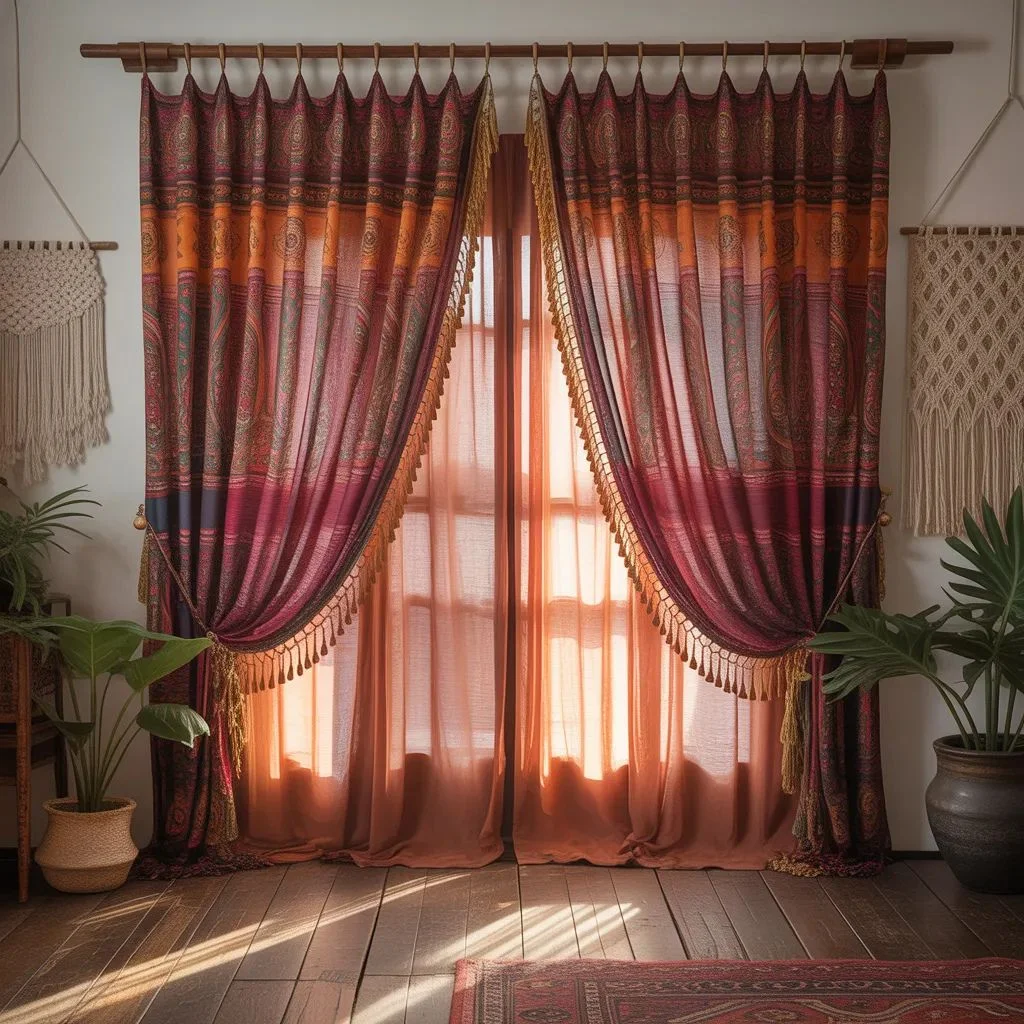
Boho is one of those aesthetic labels that gets stretched until it loses meaning. Slap fringe on a plain white panel and call it bohemian — that is the shortcut most people take. But authentic
bohemian bedroom curtains share three distinct qualities: intentional imperfection, material richness, and cultural texture. They look like they were collected over time, not ordered in a matching set from a big-box store.
The defining visual markers are natural fiber construction, visible weave or embroidery, muted or jewel-toned colours, and some form of movement — whether from a loose macrame weave, gauzy linen, or layered panels at different lengths. Boho curtains are not shy. They participate in the room.
Pro tip: If your curtains look like they belong in a hotel room, they are not boho. Bohemian style rewards specificity — a hand-block-printed cotton panel reads entirely differently from a mass-produced geometric print, even at the same price point.
Best Fabrics for Bohemian Bedroom Curtains
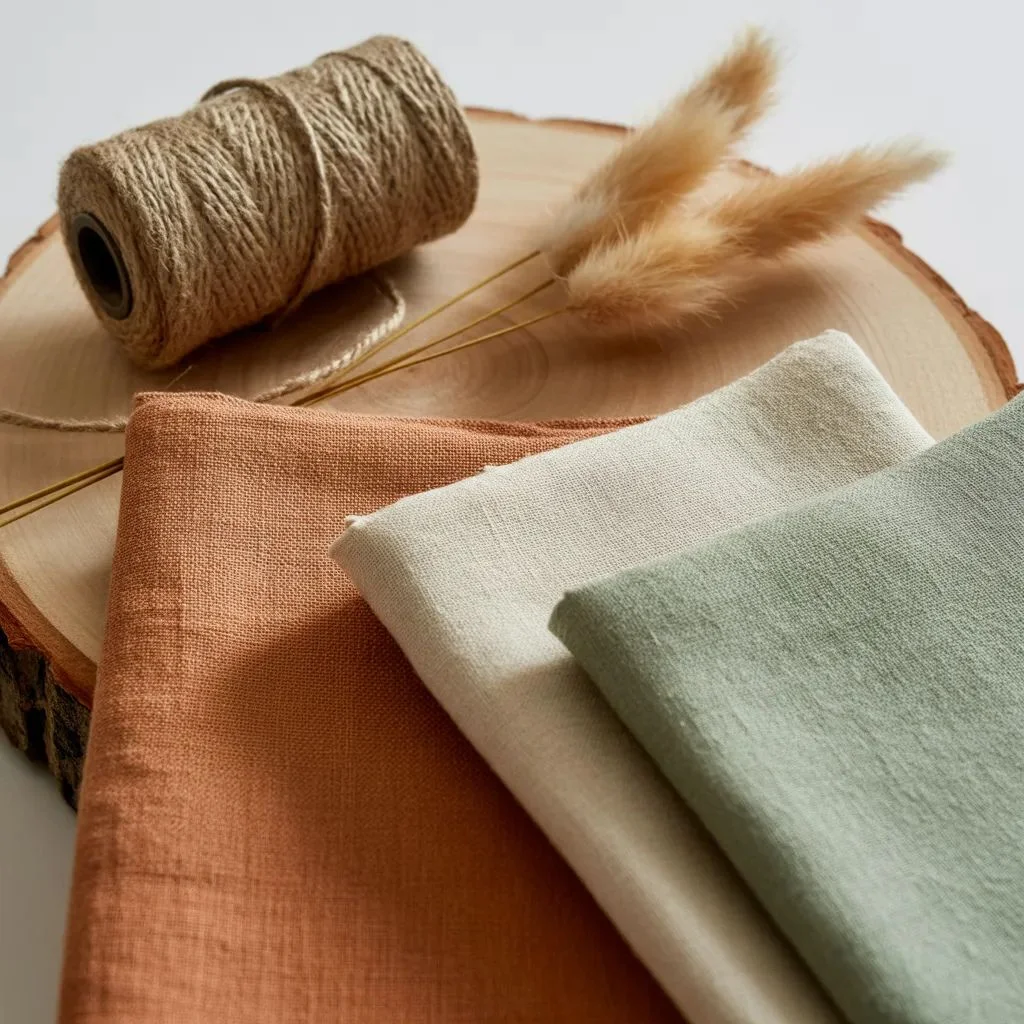
Fabric is the single most important decision in boho curtain shopping. Color and pattern matter, but the wrong fabric kills the look before it starts. Here are the materials worth choosing and the ones worth skipping.
Linen — The Workhorse of Boho Bedrooms
Linen is the easiest fabric to start with. It wrinkles beautifully, hangs with natural weight, and filters light in a way synthetic fabrics cannot replicate. Stonewashed linen in natural, oatmeal, or dusty terracotta is the most versatile option — it works with dark, moody palettes and bright, airy rooms equally well. Look for a fabric weight of at least 190–220 GSM for curtains that hang without looking limp.
Cotton Gauze and Cheesecloth — For Layering and Light
Semi-sheer cotton gauze is the layering fabric in a boho bedroom. Used as a base layer under heavier drapes or as a standalone curtain in a sun-drenched room, it creates that signature diffused-glow effect. Cheesecloth panels are affordable, dye beautifully for DIY projects, and move with any breeze — which is the visual language of boho done right.
Velvet — For the Moody, Maximalist Boho Look
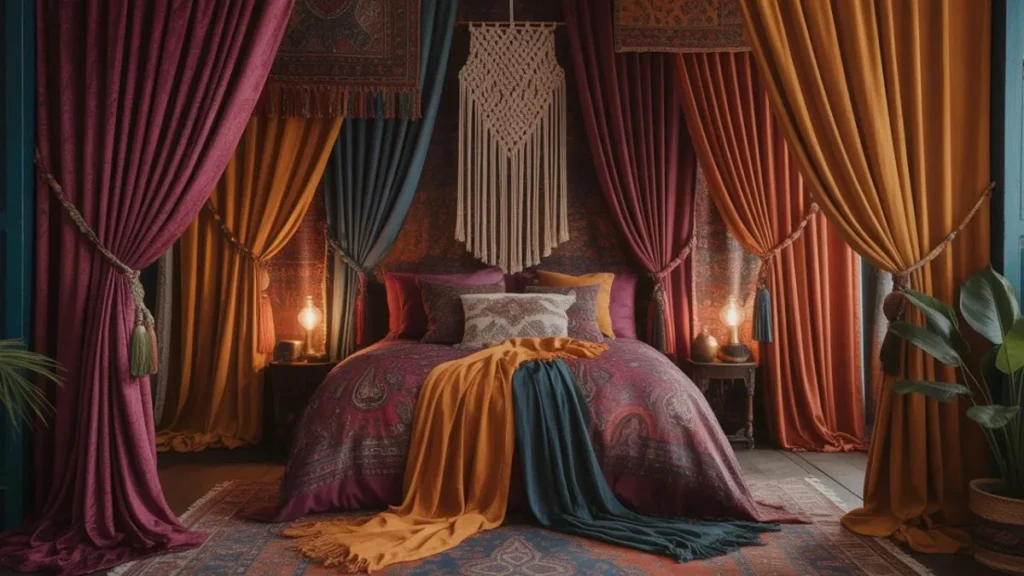
Velvet is often written off as too formal, but deep jewel-tone velvet — think midnight teal, aubergine, or burnt sienna — is one of the most effective boho choices for a bedroom. It absorbs light instead of reflecting it, creating that rich, cave-like warmth that defines maximalist boho spaces. Pair with natural wood rods and jute tiebacks to keep the look grounded.
Fabrics to Avoid
Polyester blackout curtains with heat-transfer prints, anything with a metallic sheen, and stiff structured panels with grommets. These are the materials that pull a boho bedroom back toward conventional — and undone fast.
Boho Colour Palettes Worth Living With
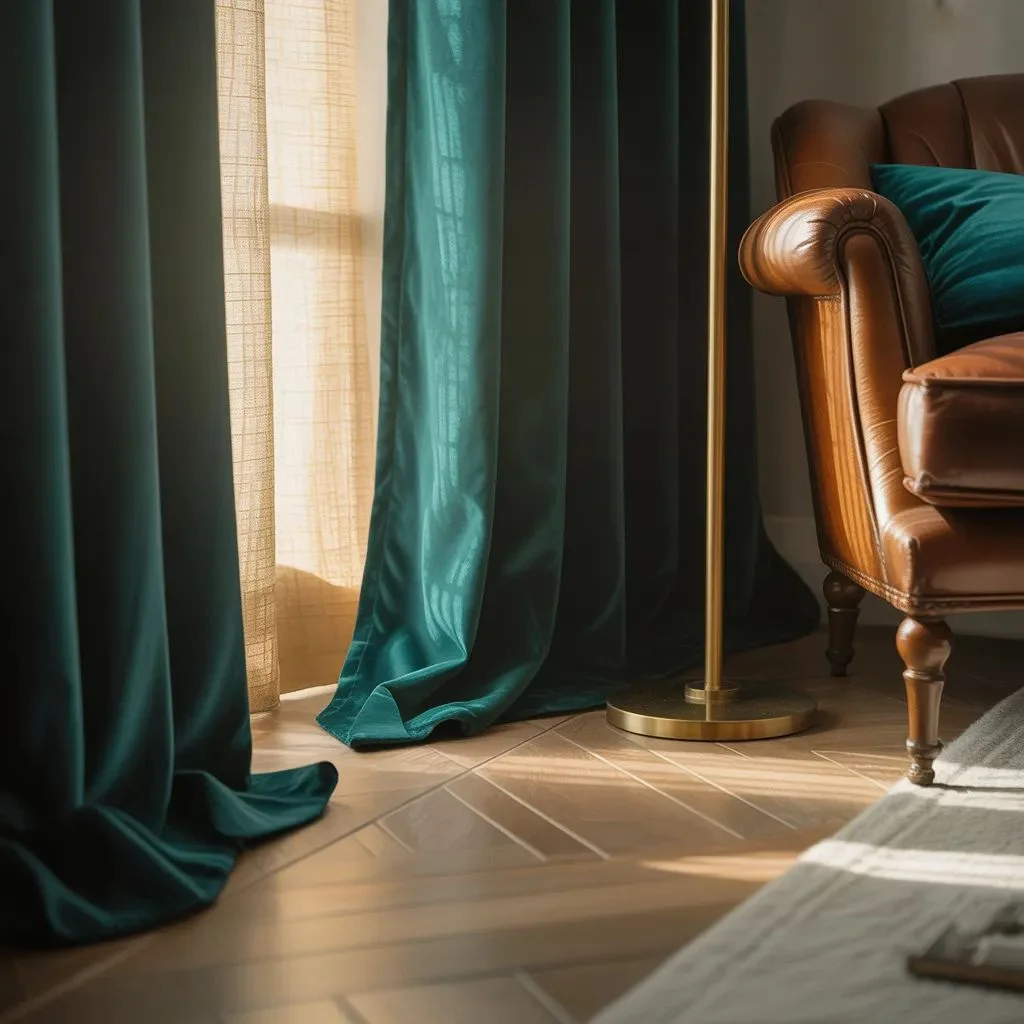
Colour in a boho bedroom is never chosen in isolation. The curtain color should anchor the room — pulling from the rug, the bedding, or the walls rather than clashing with all three. These are the palettes that hold up over time.
Warm Earth Tones — Terracotta, Rust, and Camel
The most popular boho palette for a reason. Terracotta linen curtains against white or cream walls create immediate warmth without closing the room in. Rust and camel work well in west-facing bedrooms where the afternoon light is already golden — the curtains amplify rather than fight it. Layer with cream gauze panels for dimension.
Jewel Tones — Emerald, Sapphire, and Deep Plum
Jewel tones in a bohemian bedroom work when balanced with plenty of natural texture — rattan furniture, woven baskets, exposed wood. Emerald velvet curtains in a room with warm wood floors and white walls read as rich and intentional, not theatrical. Deep plum pairs surprisingly well with warm brass hardware and aged leather accents.
Bleached Neutrals — Warm White, Sand, and Stone
For bedrooms where the walls and furniture are already carrying color, bleached natural curtains serve as visual breathing room. This is not minimalism — it is intentional restraint. Sand-coloured linen curtains with hand-knotted fringe or block-printed detail keep the boho spirit alive without adding more color to an already full room.
Patterns and Prints That Do Not Overwhelm
Pattern is where most people go wrong with bohemian bedroom curtains. The instinct is to go bold — large florals, busy ikat, or maximalist paisley. But at window scale, a large pattern becomes exhausting fast. The rule of thumb is to scale the pattern to the window size and anchor it with a solid in the same color family.
Block print: Small-scale geometric or floral block prints on natural cotton are the most versatile boho print. They read as artisanal from across the room but do not compete with other patterns in the space.
Ikat: Best used in muted versions — dusty blue on cream, warm brown on oatmeal. The blurred, hand-dyed quality of ikat is inherently boho; it just needs restraint in colour saturation to keep it liveable.
Embroidery: Curtains with hand-embroidered borders or scattered motifs bring the closest thing to artisan detail available at a retail price point. Even a small embroidered edge on an otherwise plain linen panel transforms the look entirely.
Hanging Tricks for a High-Impact Boho Look
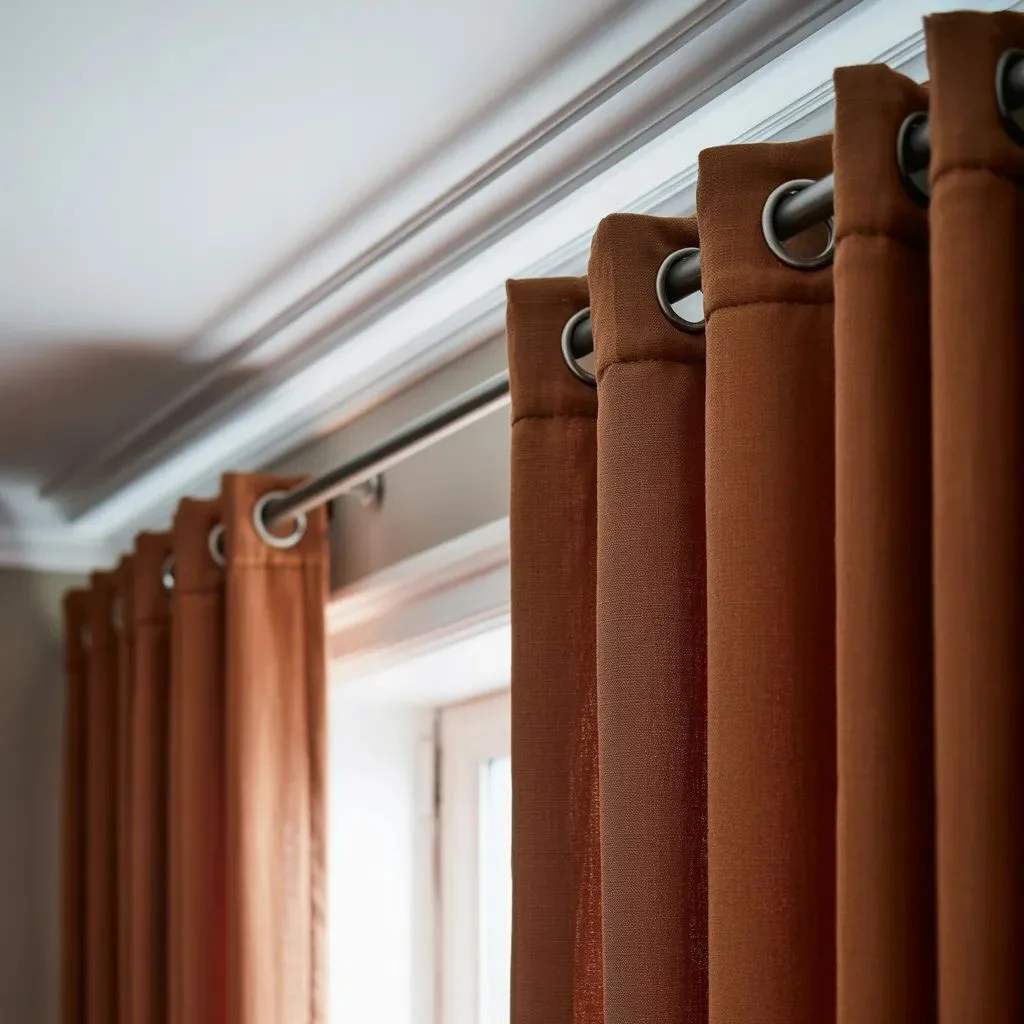
The panel itself is only half the story. Where and how you hang bohemian bedroom curtains determines whether they look considered or careless. These techniques make a measurable difference.
Hang High, Hang Wide
Mount the curtain rod 4–6 inches above the window frame, or as close to the ceiling as possible. Extend the rod 8–12 inches beyond each side of the window so the panels stack off the glass rather than over it. This creates the illusion of larger windows and fills the wall without blocking light.
Let Them Pool or Break at the Floor
In a boho bedroom, curtains should never hover awkwardly above the floor. Choose one of two looks: a clean break where fabric just grazes the floor, or a deliberate 2–3 inch pool on the floor for a more romantic, bohemian effect. The pooled look works especially well with linen and velvet in larger rooms.
Use Natural Rods and Rings
Brass, aged iron, and natural wood curtain rods are the hardware options most consistent with boho aesthetics. Black iron rods with ring clips work especially well with patterned panels — the hardware recedes visually and lets the fabric take center stage. Avoid chrome or polished nickel finishes, which read as too contemporary.
Layering Curtains the Right Way
Layering is the technique that separates a boho bedroom from a basic one. Done correctly, it adds depth, controls light, and makes a window feel like a design feature rather than a practical necessity. The standard approach: sheer inner layer + heavier outer layer, hung on separate rods or a double rod system.
The inner sheer should always be in a neutral — cream, white, or sand — so it diffuses light without adding colour. The outer panel carries the colour and texture story. Popular combinations include cream cheesecloth with rust linen, white gauze with deep emerald velvet, and natural jute with hand-block-printed cotton.
Important: Both layers should be floor-length. A sheer that stops short while the outer panel pools looks unfinished and undercuts the entire effect.
Macrame and Woven Panels — When to Use Them
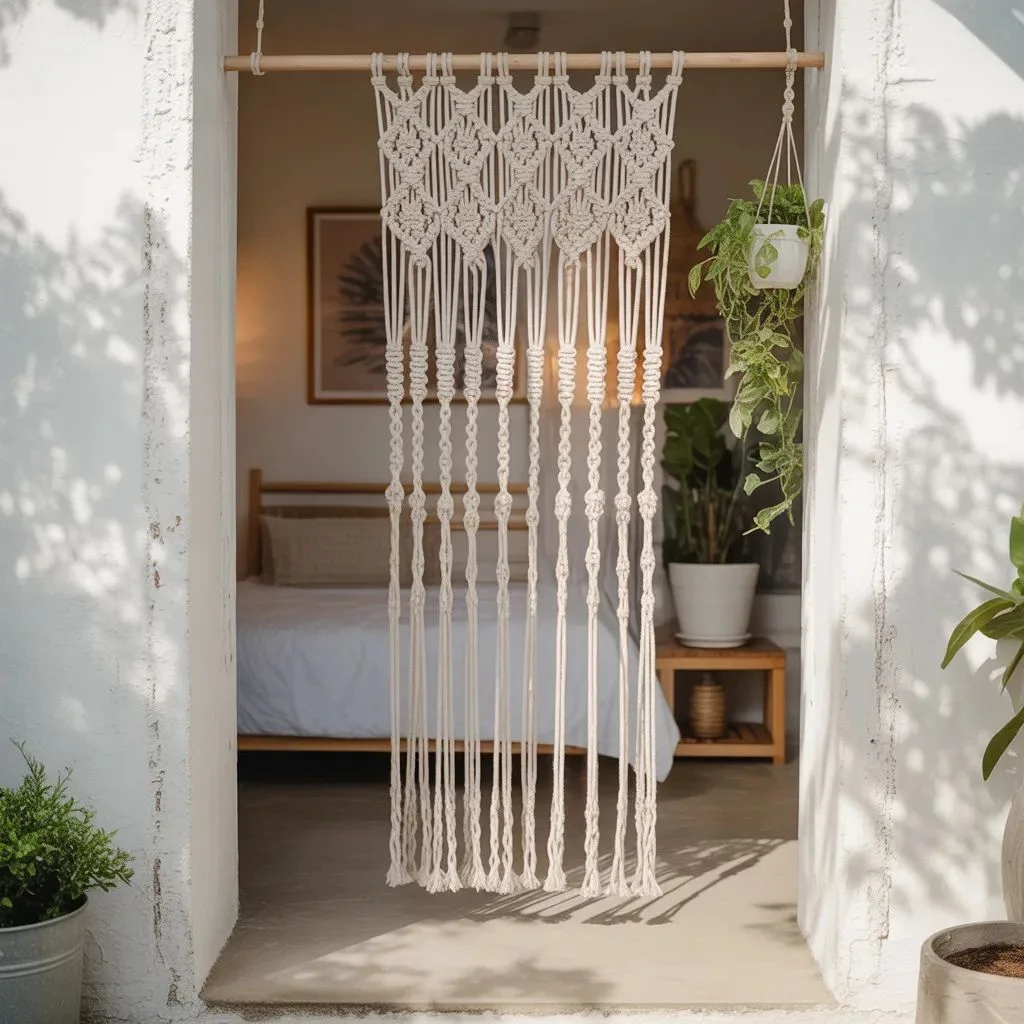
Macrame curtain panels are the most recognizable boho window treatment, but they are also the most misused. Because they are semi-transparent and heavily textured, macrame works best in specific conditions — not as a one-size-fits-all boho solution.
Best uses for macrame curtain panels:
- Doorway arches and passage openings where light control is not needed
- Room dividers in open-plan spaces
- Accent panel alongside solid linen curtains on a wide window
- Small bathroom or powder room windows where privacy is less critical
- Closet door covers in lieu of traditional doors
Avoid macrame as the sole window treatment in a bedroom where you need blackout or even partial light control — the open weave structure makes privacy impossible. Pair it with a solid panel behind it on a double rod to solve both problems.
Budget Boho vs. Investment Pieces
The price range for bohemian bedroom curtains is enormous — from under $20 per panel to several hundred dollars for hand-embroidered or hand-block-printed options. Knowing where to spend and where to save changes the outcome significantly.
Worth Spending More On
- Linen panels — quality linen hangs better and ages beautifully; cheap linen looks thin and pills quickly
- Hand-block-printed cotton — the artisanal quality justifies the price and does not read as mass-produced
- Velvet — fabric weight matters enormously; cheap velvet looks flat and synthetic from across the room
Where Budget Options Work Fine
- Sheer inner layers — cream gauze or cheesecloth from budget retailers works just as well as expensive versions
- Macrame panels — the technique does not inherently communicate price
- Plain linen panels DIY-dyed in terracotta or sage — dyeing budget linen produces results indistinguishable from expensive tinted versions
Common Mistakes to Avoid
Even well-chosen bohemian curtains can fail when the execution is off. These are the mistakes that appear most often — and how to correct them.
- Hanging curtains at window height: Mounts the curtain too low, shrinks the perceived ceiling height, and eliminates the dramatic floor-to-ceiling effect that makes boho spaces feel expansive.
- Matching curtains to the wall color: Creates a flat, one-dimensional look. Boho spaces thrive on contrast — choose a curtain that plays off the wall color rather than disappearing into it.
- Using a single standard-width panel per window: Panels should look full and gathered when closed. A standard 54-inch panel on a 40-inch window looks skimpy. Use panels 2–2.5x the window width for proper fullness.
- Ignoring the rod as a design element: A cheap polished brass rod undercuts even beautiful panels. The rod, rings, and brackets are visible elements — choose them with the same intention as the fabric.
- Mixing too many boho prints at window scale: Patterned curtains compete with patterned rugs, patterned throw pillows, and gallery walls. If the curtains carry a print, keep other textiles in solids or very subtle textures.
Where Fabric, Colour and Technique Finally Meet
A well-executed set of bohemian bedroom curtains does not announce itself. It makes the room feel warmer, more layered, and more personal — and most people could not tell you exactly why. That is the point. The fabric brings texture. The colour anchors the palette. The hanging height and layering do the structural work. And the details — the embroidery, the fringe, the hand-dyed imperfection — carry the cultural richness that makes boho a style rather than a trend.
Start with the fabric and the hanging technique before deciding on colour or pattern. Get those two elements right and the rest follows naturally. A stonewashed linen panel hung ceiling-to-floor, layered over cream gauze, on a weathered iron rod — that is the foundation of every great boho bedroom window, regardless of which colour direction you take it.
Editor Choice: Bohemian Living Room Curtains That Make Every Window Feel Like a Work of Art.