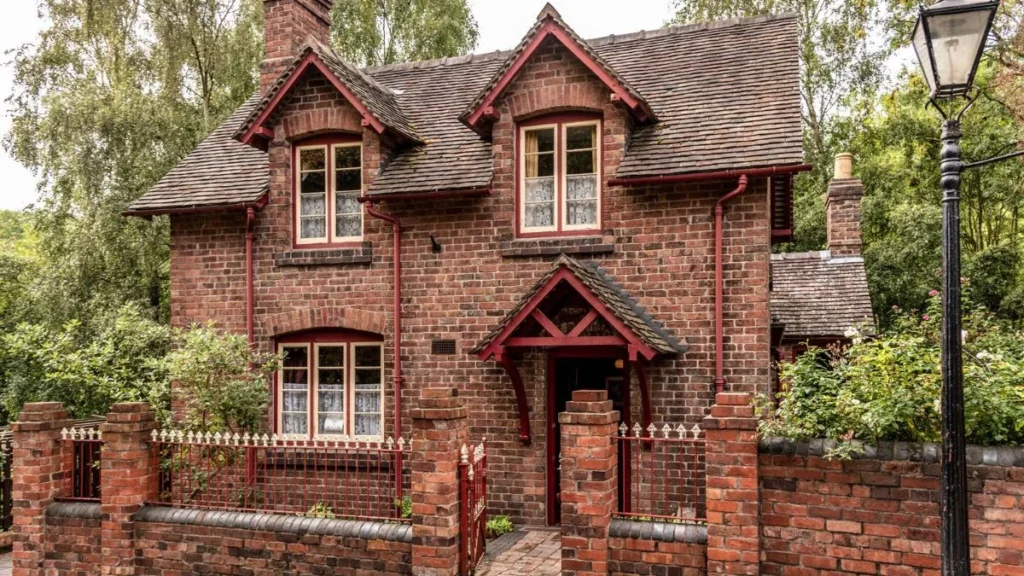
A brick fence is one of the few boundary features that gets better with age, and brick fence designs have quietly become the fastest way to make a front garden or backyard feel finished rather than fenced in. Where timber greys and vinyl chalks, brick holds its colour, its texture, and its quiet sense of permanence for decades.
The trouble is that most brick boundaries still look like an afterthought: a flat run of red brick with a gate bolted on. The brick fence designs below are built around pattern, tone, and proportion instead, so the wall reads as a deliberate part of the garden rather than a barrier at its edge.
Short Version
• Tone and finish (whitewash, charcoal, reclaimed) do more visual work than the brick pattern itself.
• Mixing two brick tones or a brick-and-timber combination breaks up a long run without losing structure.
• Curves, piers, and bond patterns like herringbone add craftsmanship without changing the footprint.
• Fence height and gate placement are the most common places these projects go wrong.
Whitewashed Brick Softens a Heavy Boundary Wall
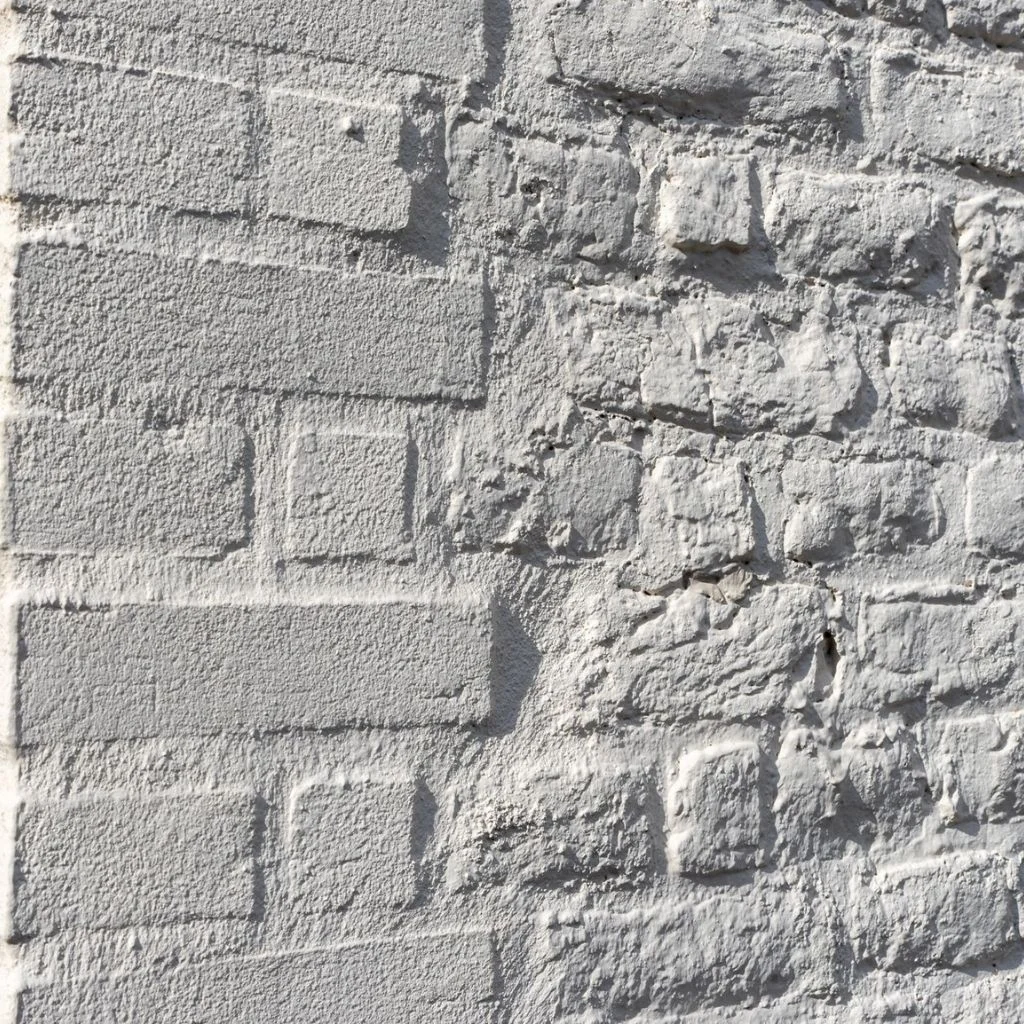
A limewash or whitewash finish is the single easiest way to lift a brick fence design without touching its structure. Rather than fully painting the brick, a limewash lets patches of the original colour and texture show through, so the wall keeps depth instead of looking flat and painted.
This works especially well on older red-brick boundaries that feel dated. The lime finish also lets the brick breathe, which matters in humid climates where a solid paint film can trap moisture and cause the surface to blister within a few seasons.
Californian Bungalow Pairs Raw Brick With Black Steel Gates
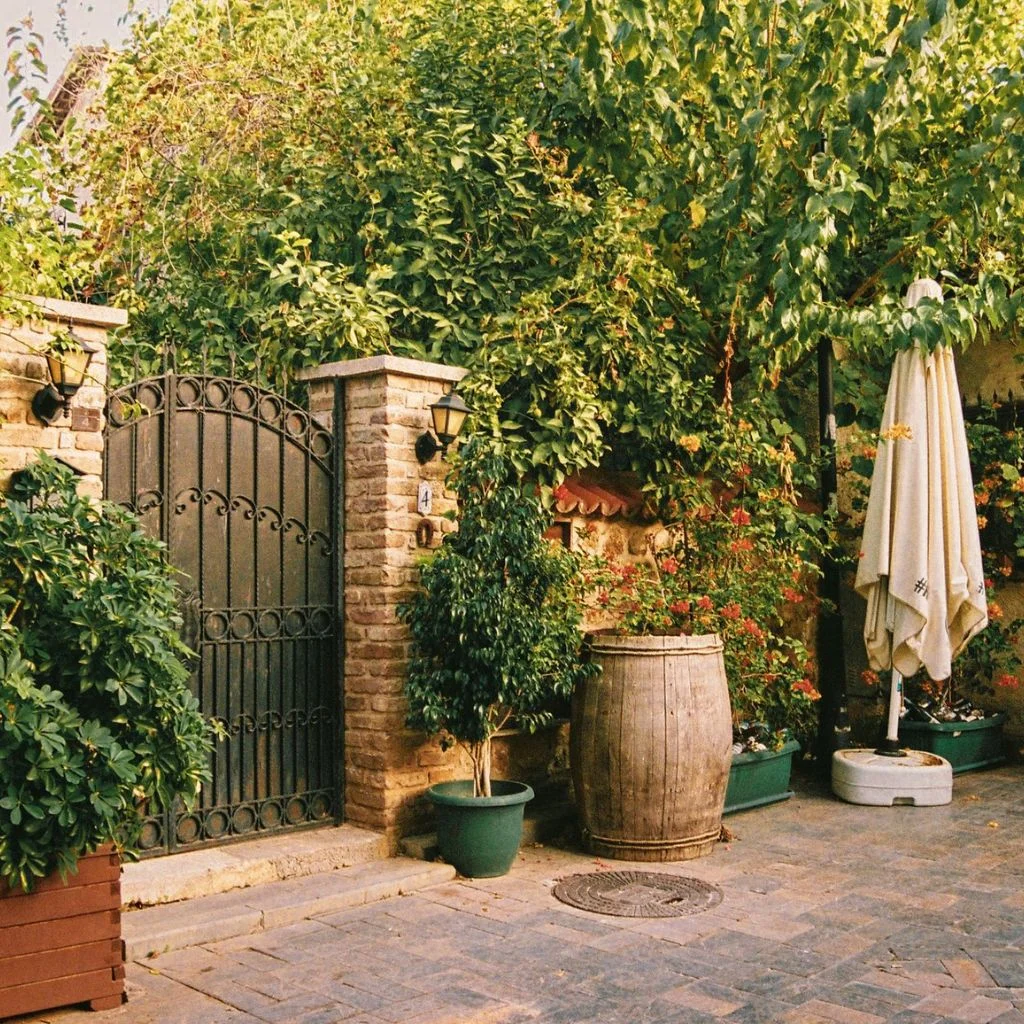
One of the more striking brick fence designs doing the rounds pairs an unfinished, raw-brick wall with black powder-coated steel gates and slim steel infill panels. The warmth of the brick and the coolness of black metal sit in deliberate contrast.
It suits single-storey homes with a strong horizontal roofline, where a matching horizontal steel pattern in the gate echoes the roof and keeps the whole frontage visually connected rather than competing.
Curved Brick Fences Bring Movement to a Straight Property Line
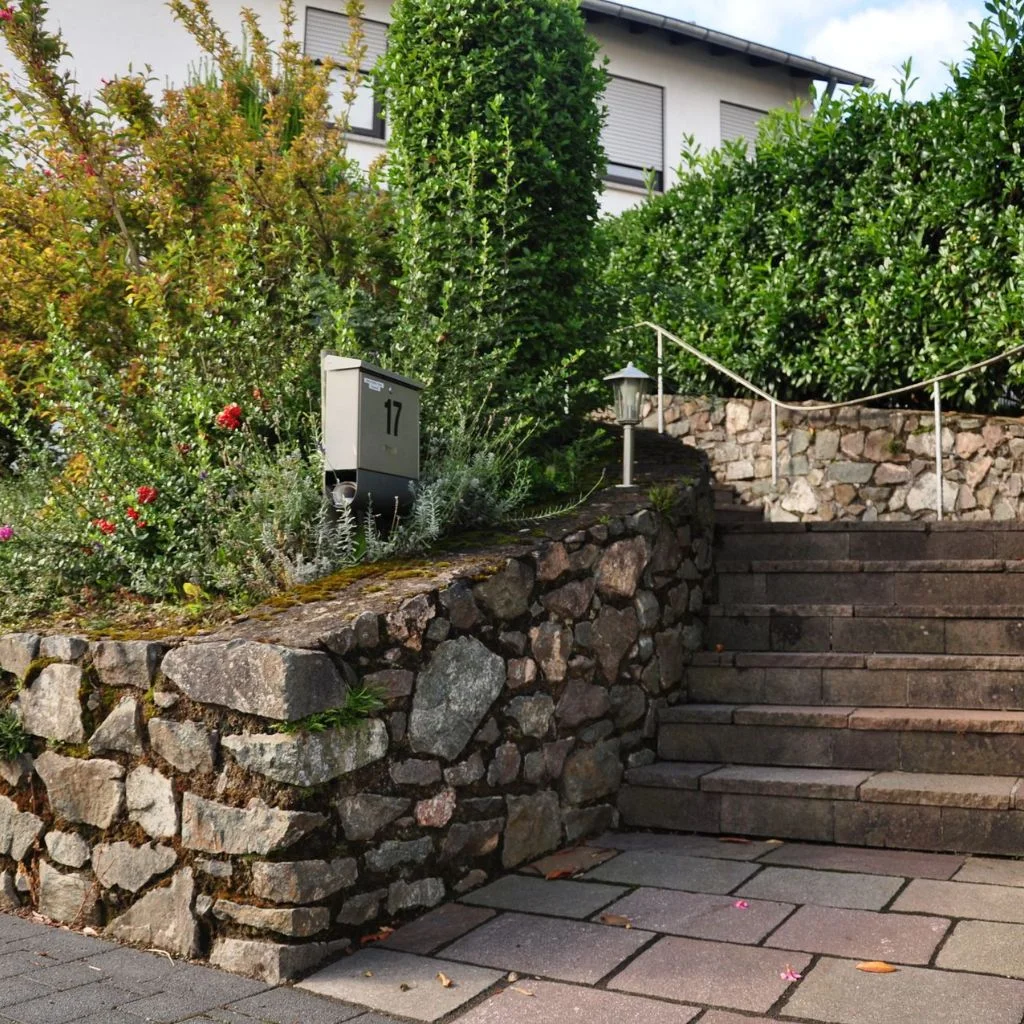
A gently curved brick fence softens a boundary that would otherwise run in one hard, straight line from the street to the side gate. Brick is one of the few fencing materials that curves cleanly without visible joins, because the small unit size follows a radius far better than panels or sheet materials.
Even a shallow curve around a garden bed or entry path changes how the whole frontage reads, guiding the eye instead of stopping it at a flat plane.
Two Brick Tones Layered for a Fence With Genuine Depth
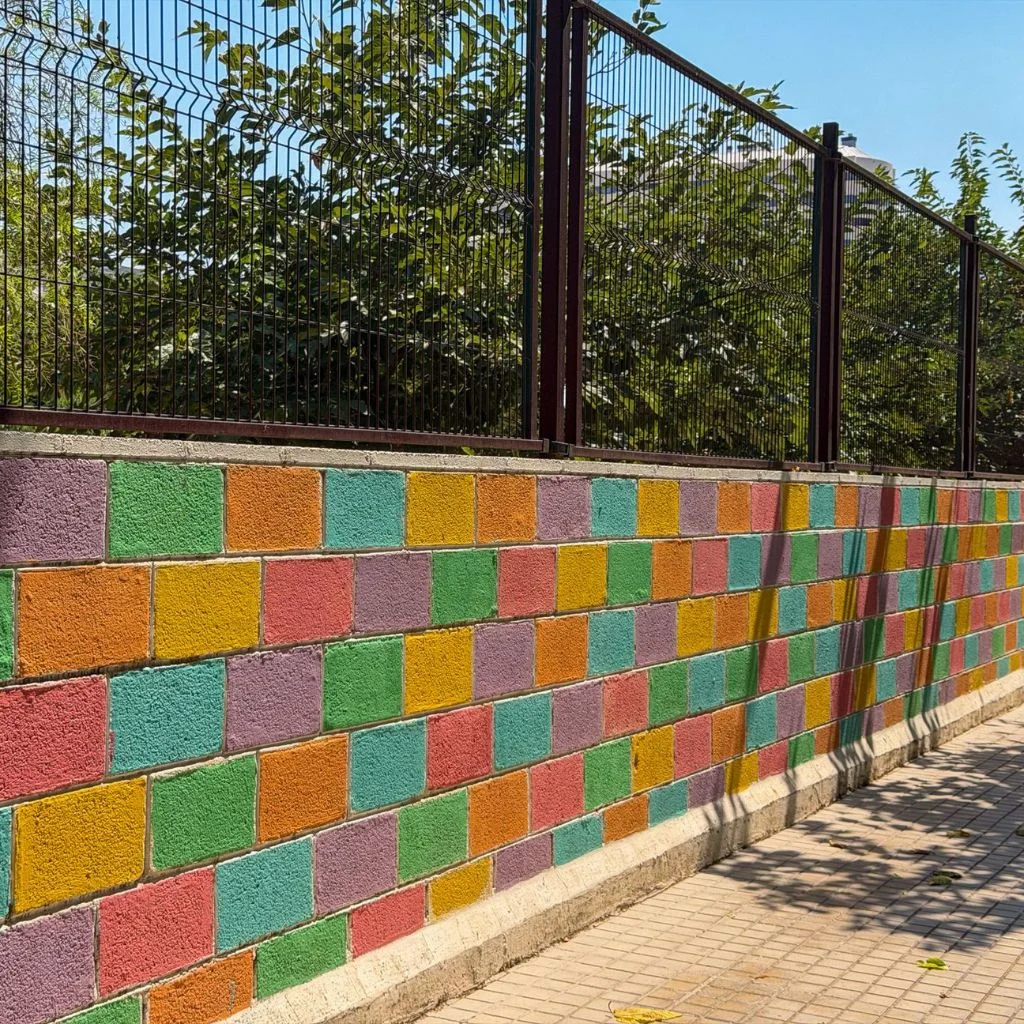
Combining two brick tones, a darker plinth beneath a lighter body, or an alternating stacked pattern, gives a brick fence design a sense of weight at the base and lightness above. It is a trick borrowed from architecture, where a heavier base grounds a structure visually.
This approach also hides ground-level splashback and staining far better than a single uniform tone, which matters most along a street-facing boundary that catches rain and dust.
Reclaimed Brick Gives New Builds an Old-World Presence

Reclaimed or salvaged brick carries a patina that new brick simply cannot fake, uneven firing marks, soft edges, the occasional chip. On an otherwise new build, a reclaimed-brick fence design signals that the property has more history and craftsmanship than its build date suggests.
It also tends to read as the most timeless option of any brick fence style here, since it is already showing the exact kind of weathering that other finishes are trying to imitate.
Coastal Cottage Uses Sand-Toned Brick to Blend Into the Dunes
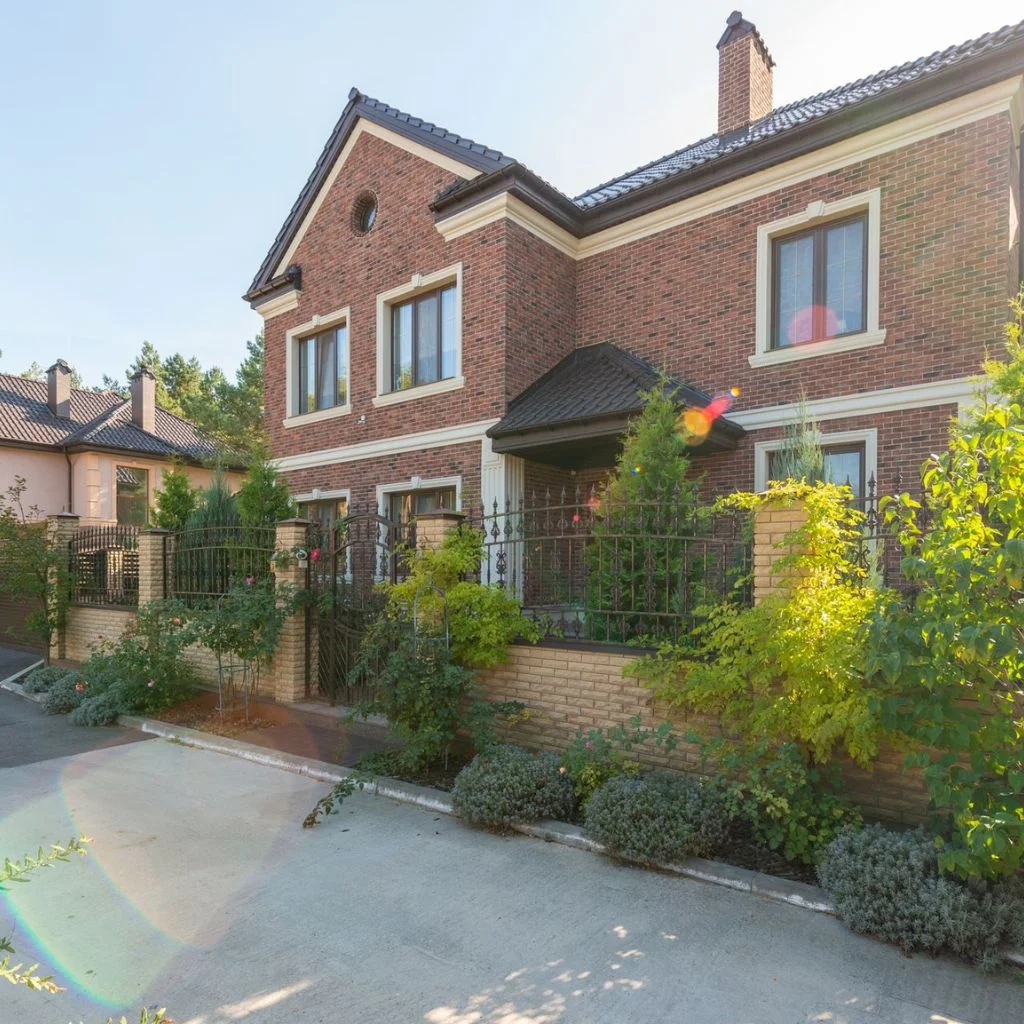
Along coastal properties, sand and driftwood-toned brick fence designs sit far more comfortably with the landscape than a stark white or deep red wall. The muted palette echoes dune grass and weathered timber rather than fighting them.
Pairing the brick with a timber picket gate or a simple rope-and-post detail keeps the coastal read intact without losing the durability a brick boundary offers over exposed timber fencing.
Brick Piers With Timber Infill Balance Warmth and Structure
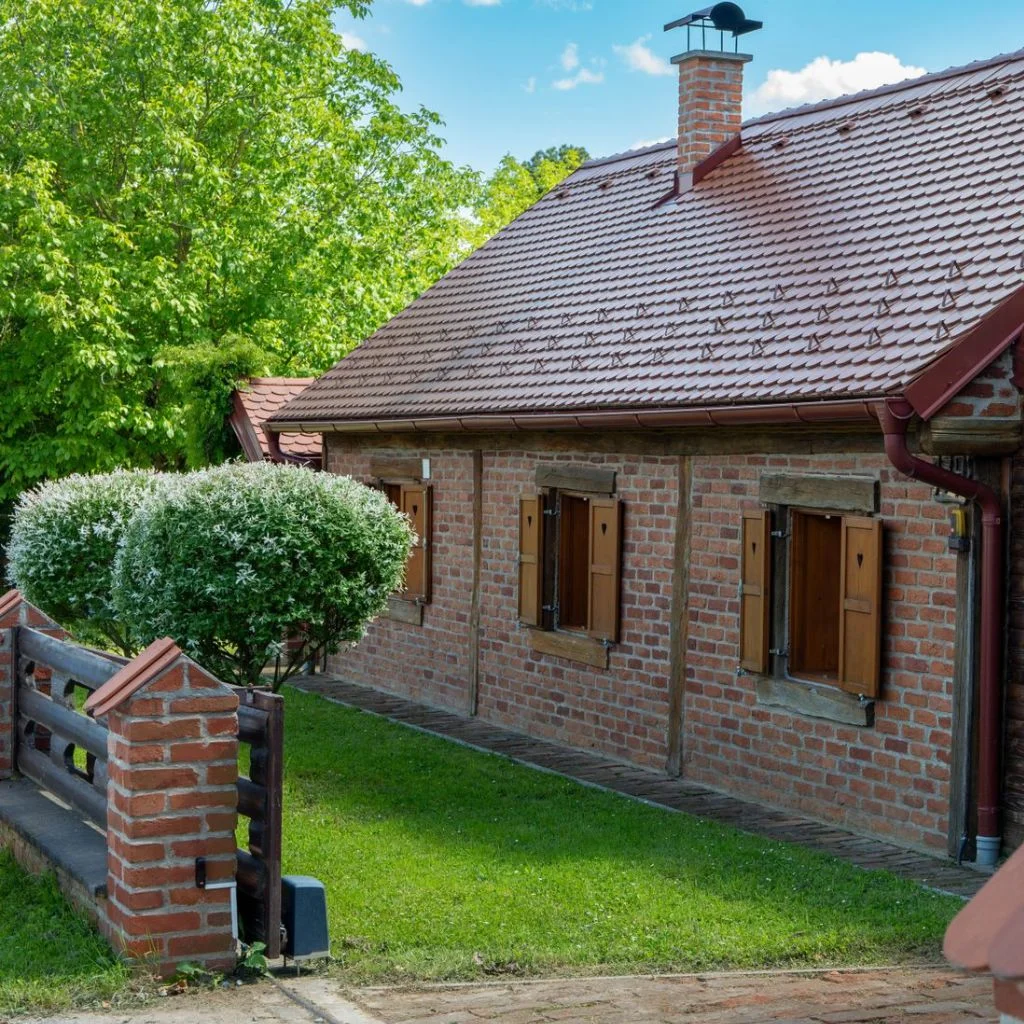
Rather than building a fence entirely from brick, spacing solid brick piers every two to three metres and filling between them with vertical timber slats keeps the structural presence of brick while softening the overall look with wood tone.
It is also a more budget-conscious brick fence design, since far less brick is needed than a full solid wall, while the piers still anchor the fence line and support the gate properly.
What Makes a Herringbone Brick Pattern Worth the Extra Labour

A herringbone-laid section within an otherwise standard running-bond fence turns a plain wall into something closer to a feature. The diagonal, interlocking pattern catches light differently through the day, giving the fence visual texture that a flat bond pattern cannot.
It costs more in bricklaying time, since each brick is cut and set at an angle, but used as a single accent panel rather than across the whole run, the extra labour stays contained while the visual payoff is felt across the entire fence.
Three Brick Bond Patterns That Instantly Upgrade a Plain Wall
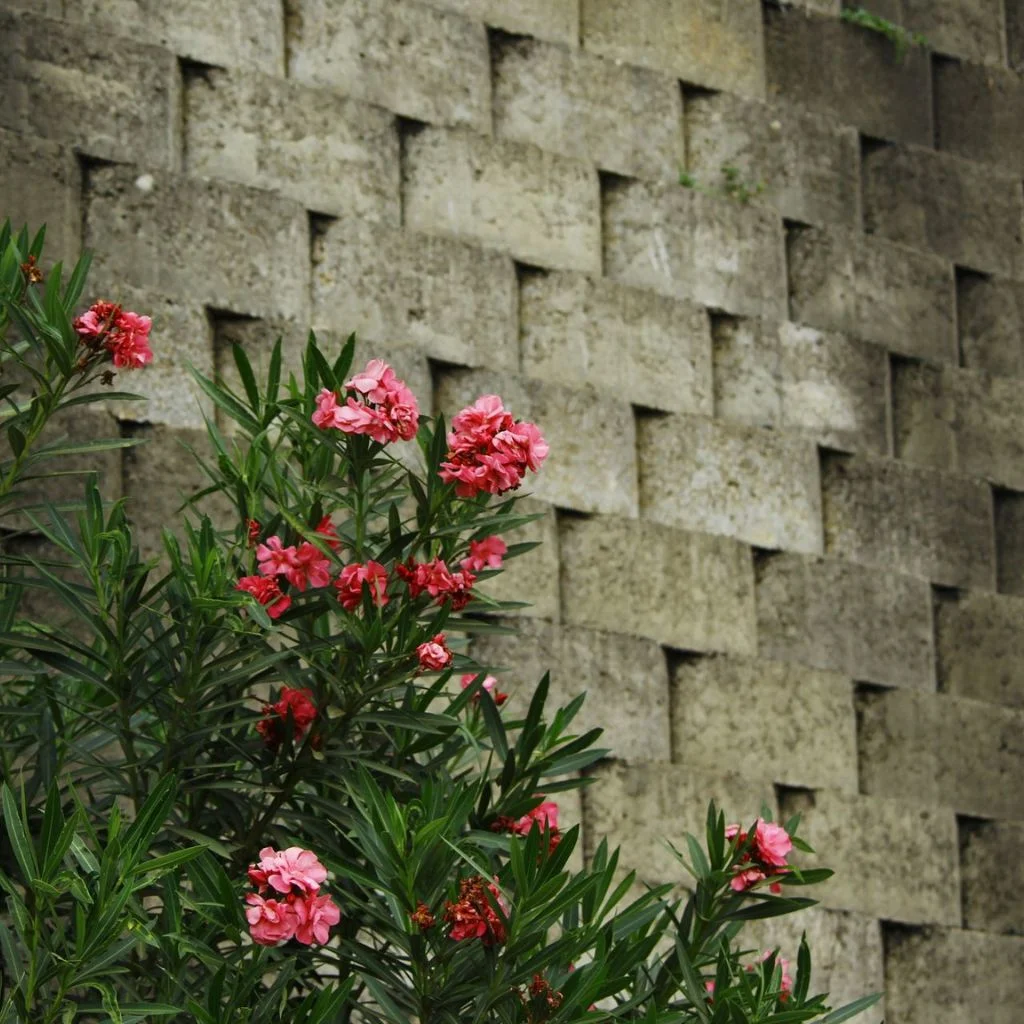
- Basketweave: bricks laid in alternating pairs for a woven look, good for low garden walls and pillars.
- Flemish bond: alternating header and stretcher bricks in each course, a traditional pattern that reads as more formal.
- Stack bond: bricks aligned in clean vertical columns, the most modern-looking of the three and best suited to minimalist facades.
Any of these three patterns can replace a standard running bond on a brick fence design without changing the brick itself, which makes them an easy upgrade on an otherwise simple boundary.
Charcoal Brick Creates a Moody, Modern Frontage

Dark charcoal or near-black brick has become one of the defining choices in contemporary brick fence designs, particularly alongside black window frames and dark cladding. The deep tone makes the fence recede visually at dusk, letting garden lighting and greenery take the focus instead.
It pairs especially well with brass or timber house numbers and letterboxes, since the warm accent stands out clearly against the dark brick rather than getting lost against a lighter wall.
Mistake Most Homeowners Make With Brick Fence Height
In our own experience helping readers plan garden boundaries, the most common regret is building a brick fence at one uniform height along the entire property line. A fence that steps down slightly near the entry, then rises again toward the side boundary, reads as intentional design rather than a straight defensive wall.
It is also worth checking local council height limits before laying the first course. Many areas cap front-boundary fences at around one metre and side or rear boundaries higher, and a brick wall is far more expensive to lower after the fact than a timber one.
Making the Boundary the Best Part of the Garden
The common thread across every one of these brick fence designs is restraint: one tone shift, one pattern change, one material pairing, rather than a wall trying to do everything at once. That single deliberate choice is usually what separates a fence that frames a garden from one that simply encloses it.
Start with whichever finish or pattern already suits the house’s existing materials, brick, timber, or render, and let that pairing guide the rest of the boundary before committing to a full run.
Recommended: 12 Fence Gate Designs That Instantly Improve Your Yard’s Curb Appeal.