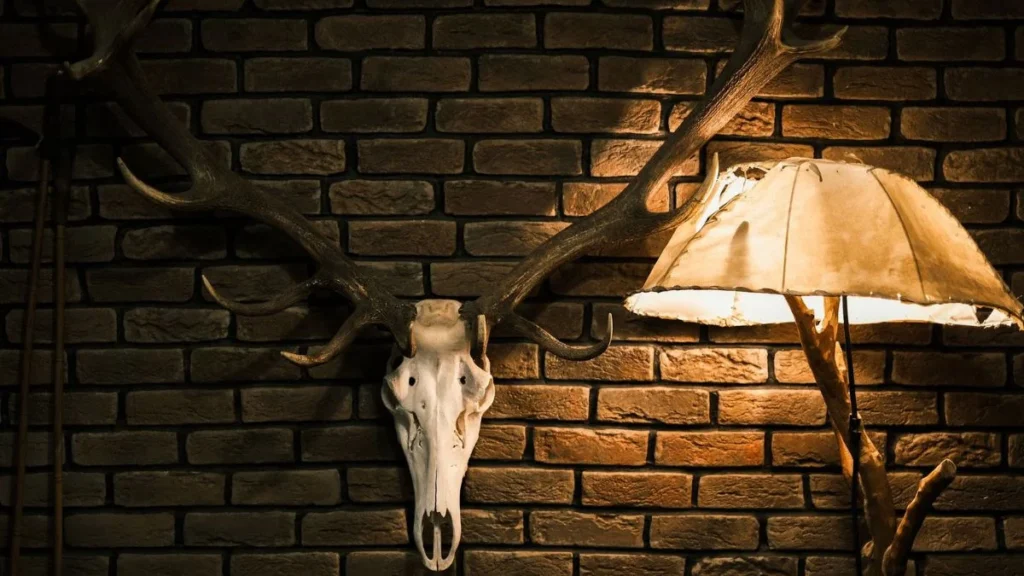
Walk into a mountain lodge and a farmhouse living room on the same afternoon, and the antler on their walls tells two completely different stories. European antler displays sit low and rounded against the wall, almost like a crown, while American style mounts stretch wide with a dramatic, open spread.
Choosing between them isn’t only about the animal behind it, it comes down to which silhouette actually suits your room. This guide breaks down what separates the two styles, where each one works best, and the small details most homeowners overlook before hanging one on a wall.
Defining Features of European Antler Mounts
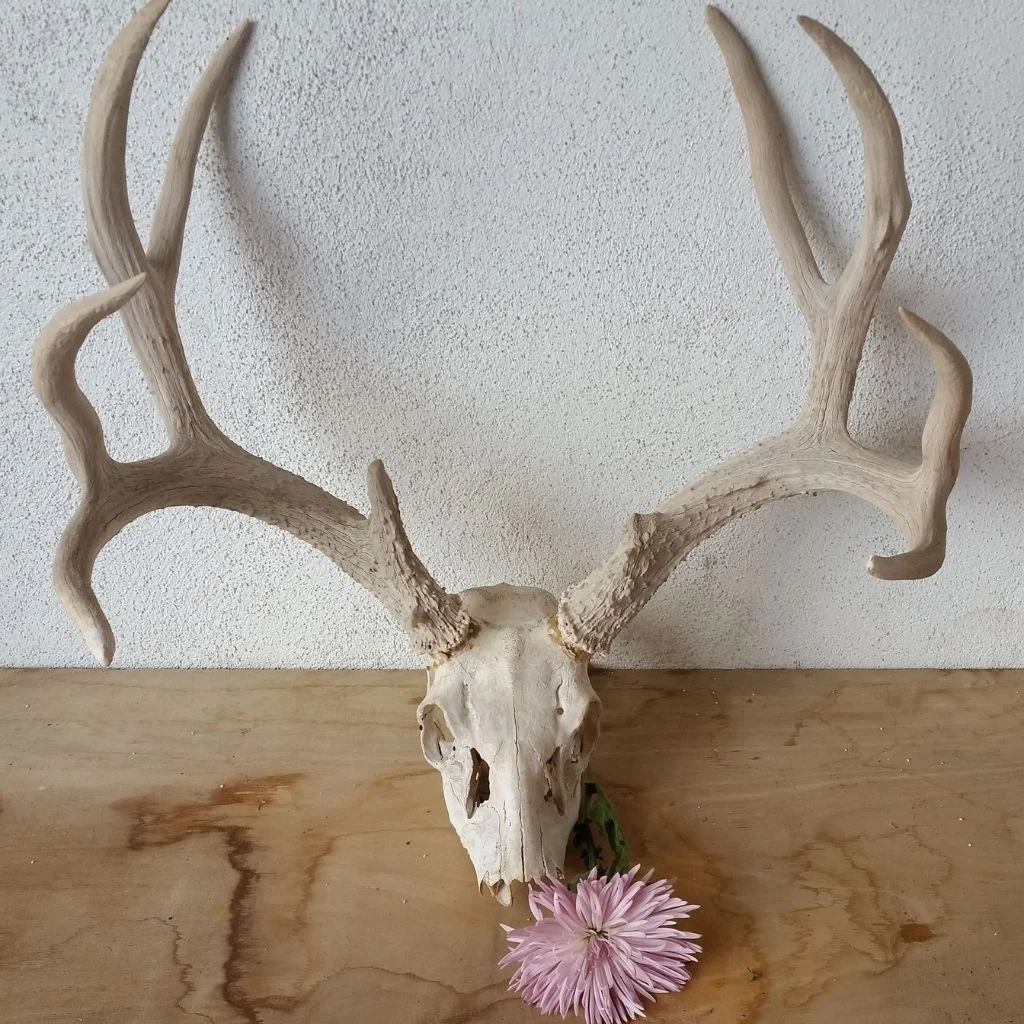
European antler displays are built around the skull plate itself rather than a full head or shoulder form. The skull is cleaned, bleached to a pale ivory tone, and mounted flush or on a small wooden shield.
This construction gives the style its signature rounded shape and lightweight profile. Because there’s no cape or shoulder involved, the mount sits closer to the wall and takes up far less visual space.
The finish also varies more than people expect. Some skull plates are left in a natural bone tone, others are whitened with a peroxide treatment, and a smaller group of homeowners prefer a darker, aged patina suited to a traditional study or library.
Mounting hardware is simple by comparison with a shoulder mount. Most skull plates attach through a small wooden or metal shield with a pre-drilled keyhole slot, so the piece hangs flat against the wall like a framed picture.
Why this works: the compact footprint of European antler displays suits hallways, stairwells, and smaller rooms where a bulkier mount would overwhelm the space.
Characteristics of American Style Antler Mounts
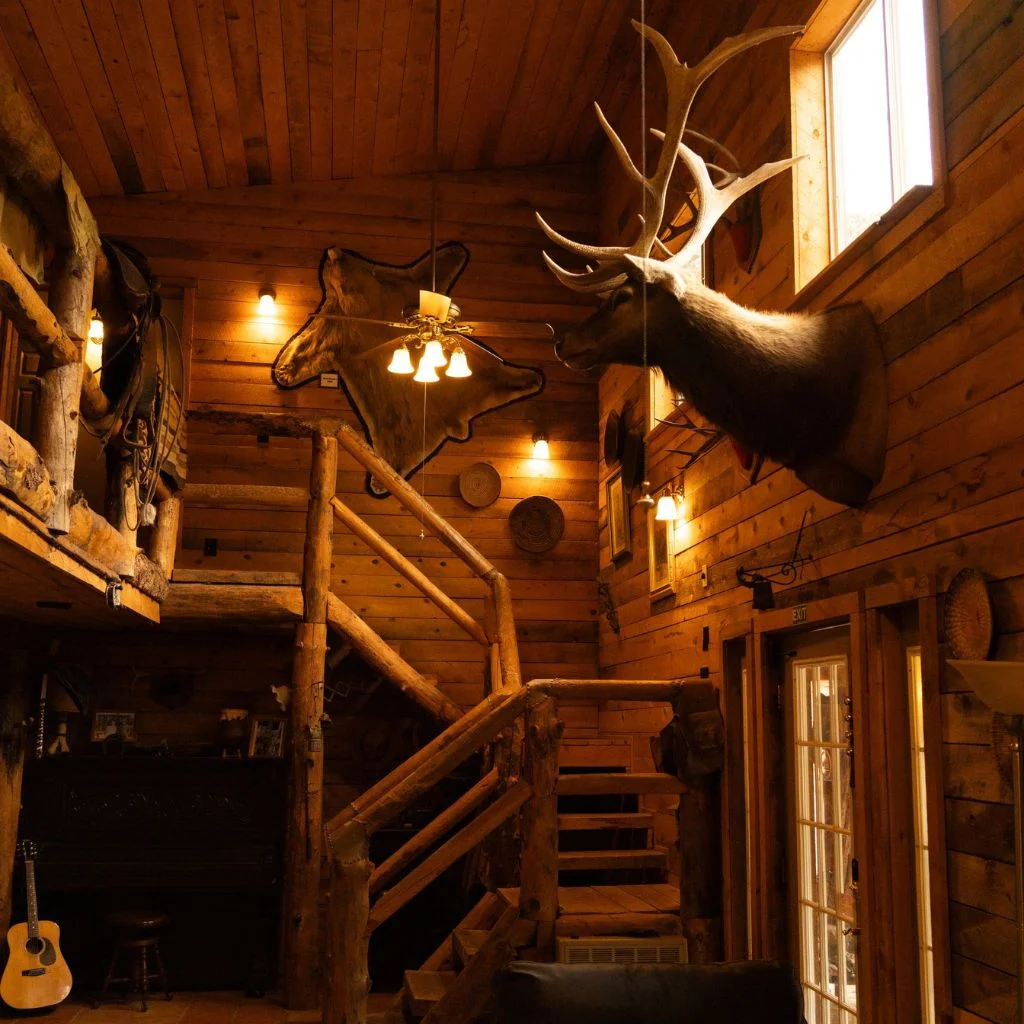
American style mounts, often called shoulder mounts, include the neck and shoulders of the animal along with a full-width rack. The finished piece projects several inches off the wall and commands attention as a statement piece.
Compared with European antler displays, the American version reads heavier and more traditional, closer to what you’d expect in a hunting lodge or den.
Taxidermists typically use a foam or wood manikin under the cape, then position the head and antlers at a slight turn so the mount has presence from more than one viewing angle. This extra sculpting is part of why the piece takes up more depth on the wall.
The trade-off is space. A shoulder mount needs a sturdy wall, higher ceilings, and enough clearance so it doesn’t crowd nearby furniture or doorways.
Colour and texture also differ. The cape retains its natural fur, so the finished mount brings in browns and greys alongside the antler itself, giving the wall more warmth than a pale skull plate on its own.
Key Differences That Affect Your Interior

Size is the first consideration. European antler displays rarely extend more than 18 to 24 inches wide, while American mounts can reach three feet or more depending on the rack.
Weight matters too for European antler displays: skull mounts are light enough for standard drywall anchors, but shoulder mounts often need a stud or a French cleat rated for heavier loads.
Depth off the wall changes how a room feels day to day. A skull mount sits within a couple of inches of the surface, so it rarely catches on clothing or gets bumped in a narrow hallway, while a shoulder mount needs a genuine buffer of open floor space in front of it.
Style is the final piece. The European look leans minimalist and works well alongside modern or Scandinavian-inspired decor, while the American mount pairs naturally with log cabin interiors, leather furniture, and heavier wood tones.
Lighting also plays a role. A pale skull mount reflects ambient light and can brighten a dim corner, while a full shoulder mount with its darker cape tends to absorb light and works best under a dedicated picture light or spotlight.
Choosing Based on Room Style and Size
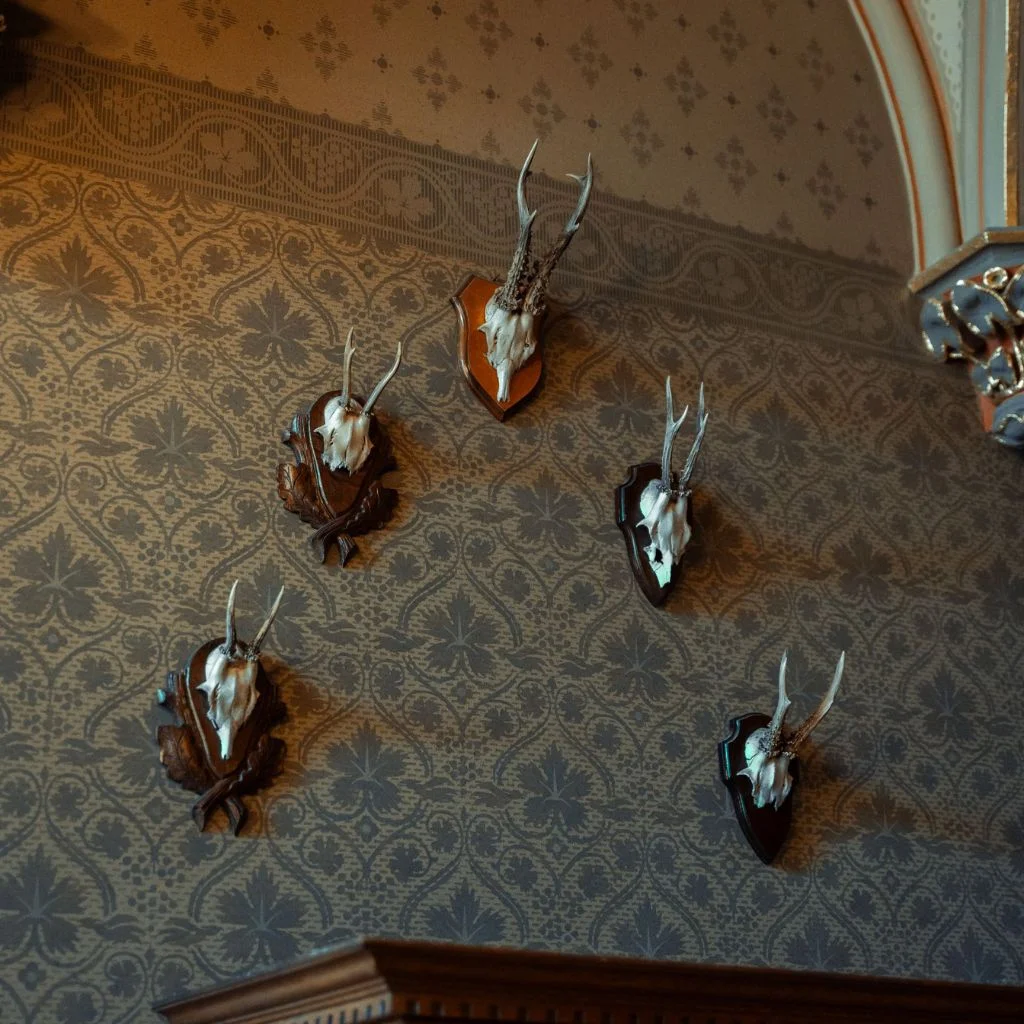
Small rooms, apartments, and shared walls generally favour European antler displays because the compact shape doesn’t compete with other decor for attention.
Larger living rooms, dens, or lodges with higher ceilings can handle the scale of an American shoulder mount as a natural focal point above a fireplace or staircase.
Ceiling height is a practical marker worth checking before committing to either style. Standard eight-foot ceilings tend to suit skull mounts far better, since a large shoulder mount can make the wall feel lower and more closed in.
A useful middle ground is grouping two or three small European mounts together in a cluster, which creates visual impact without the bulk of one oversized piece.
Renters and anyone who moves often also tend to prefer the smaller format, since it’s easier to patch a single anchor point than to repair the larger area a shoulder mount leaves behind.
Matching Antler Displays to Existing Decor Styles
A pale skull mount sits comfortably in a coastal, Scandinavian, or modern farmhouse room, where the light bone tone echoes whitewashed wood and neutral textiles already in the space.
A shoulder mount, by contrast, belongs with darker, richer palettes: leather armchairs, exposed timber beams, and wrought iron fixtures all support the heavier visual weight of a full American mount.
For a transitional room that sits between the two looks, a single small skull mount on a floating wood shelf, rather than hung flush, can bridge a rustic accent with an otherwise contemporary space.
Mounting and Installation Basics
Before drilling, check the wall type. Plasterboard holds a light skull mount well with a simple picture hook or plastic anchor, but a shoulder mount almost always needs to land on a stud or a dedicated heavy-duty anchor rated for its full weight.
Height matters as much as hardware. Measure from the floor to roughly eye level for a person standing across the room, rather than close to the wall, since that’s the distance most guests will actually view the piece from.
If you’re unsure about the wall’s load capacity, a stud finder and a short test with the mount’s actual bracket beforehand will save a repair job later.
A Common Mistake to Avoid With Antler Displays
One mistake shows up again and again: hanging a mount at standard picture height, roughly 57 inches to the centre. Antler pieces read better slightly higher, closer to eye level from a standing position across the room rather than up close.
Another frequent slip is mixing too many styles in one space, pairing a European skull mount next to a full shoulder mount can look cluttered. Homeowners who commit to European antler displays for a single wall, rather than mixing styles, tend to get the cleanest result.
Why this works: consistency in scale and placement lets each antler mount read as a deliberate design choice rather than an afterthought.
Cost and Sourcing Considerations
European antler displays are generally the more affordable option since they use less material and require less preparation work than a full shoulder mount.
Both styles can be sourced ethically through shed antler collectors, estate sales, and taxidermy suppliers who work with legally harvested animals. Vintage and antique markets are also a reliable source for pieces with real character.
A full shoulder mount usually involves more labour hours from a taxidermist, since the cape has to be tanned, fitted to a manikin, and posed, which is reflected in a noticeably higher price than a skull mount of similar quality.
For those who prefer not to use real antler, resin and synthetic replicas now closely mimic the texture and colour of the real thing at a lower price point, and they hold up well in humid rooms where real bone can be more sensitive.
Caring for Your Antler Display
Whether you choose European antler displays or the American version, upkeep stays simple. A soft brush or microfibre cloth removes dust, and the mount should stay out of direct sunlight, which can yellow the bone over time.
A light coat of mineral oil once or twice a year keeps the surface from drying out and helps preserve the natural sheen. Synthetic versions only need an occasional wipe down.
For a shoulder mount, it’s also worth checking the base and joints every so often, since fluctuating humidity can loosen the fittings that hold the cape to its manikin over several years.
Finding the Right Antler Story for Your Walls
Both styles bring warmth and character into a room, but they suit very different spaces. European antler displays work best where subtlety and scale matter, while American mounts suit larger rooms built around a bold, traditional look.
The right choice comes down to the size of your wall, the style of the room around it, and how much presence you want the piece to have.
Recommended Article: Farmhouse Charm Through Whitewashed Wood Walls.
Frequently Asked Questions
What is the difference between European and American antler mounts?
European mounts use only the cleaned skull plate for a compact, rounded shape, while American mounts include the shoulders and project further off the wall.
Are European antler displays more affordable than American style mounts?
Generally yes, since they require less material and preparation, making them a lower-cost option for most budgets.
Can I use antler displays without hunting the animal myself?
Yes. Shed antlers, estate sales, and taxidermy suppliers who source legally harvested animals are common ethical alternatives.
Do antler mounts need special wall anchors?
Skull mounts usually work with standard drywall anchors, but heavier shoulder mounts need a stud or a rated wall cleat.

