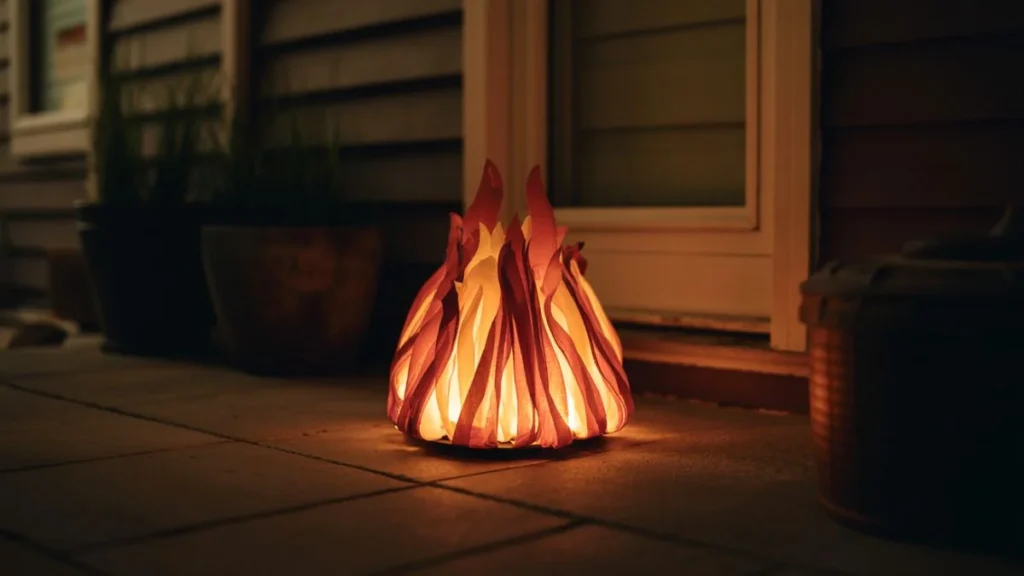
A flickering fire pit or a blazing barrel can turn a plain Halloween display into something guests remember long after the night ends. Building a realistic fake fire prop for Halloween takes only a handful of everyday materials and a free afternoon, yet the payoff looks like something pulled straight out of a haunted attraction.
This project works for porches, patios, cauldron setups, or a full haunted-house scene. Every method below is entirely flameless, so the display delivers the drama of fire without any real heat, sparks, or smoke risk.
Choosing Materials That Create Convincing Flames
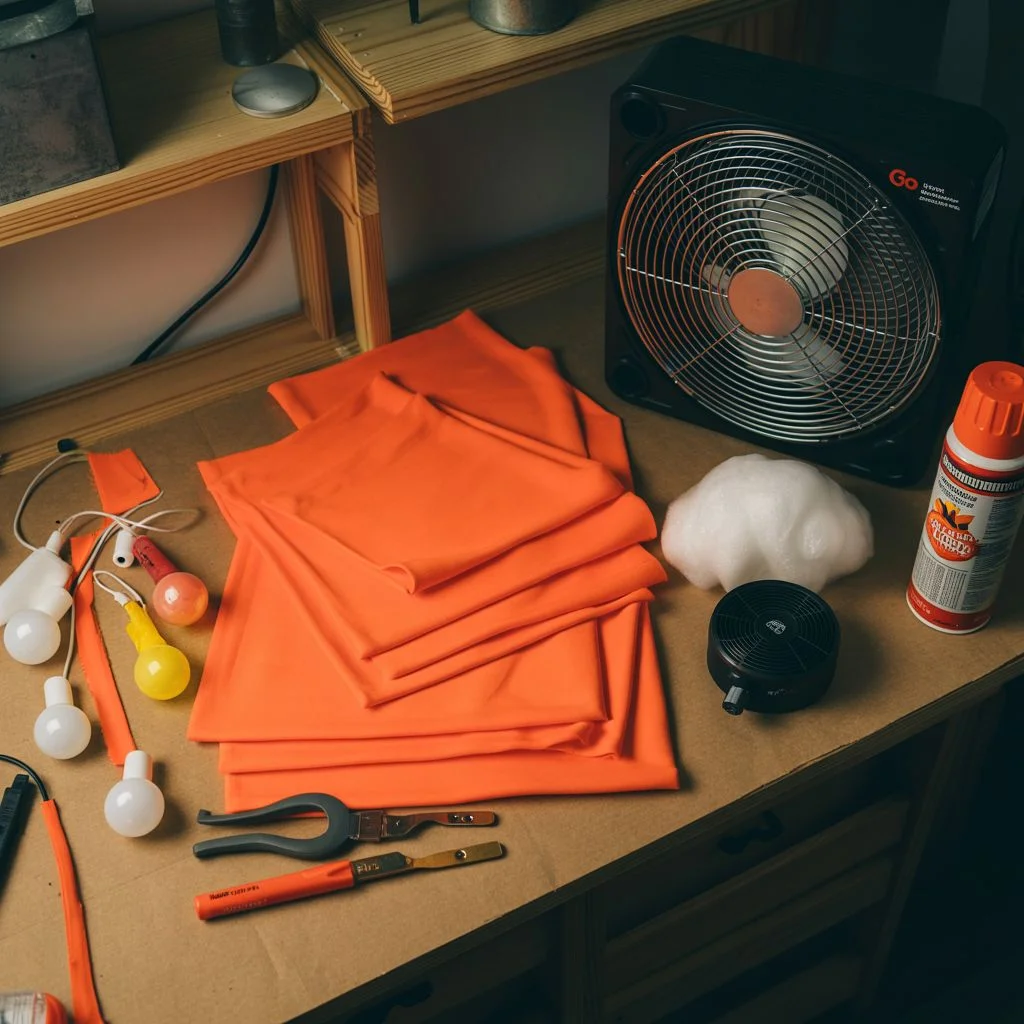
The right combination of materials is what separates a convincing fake fire prop from an obvious craft project. Fabric, light, and movement are the three ingredients that trick the eye into seeing flame rather than fabric.
Lightweight fabrics such as silk, chiffon, or sheer ribbon in orange and red catch air easily and mimic the flicker of a real flame. Colour-graded LED or coloured incandescent bulbs in red, orange, and yellow supply the warm glow that sells the illusion, while a small fan provides the constant motion static decorations can’t replicate.
Spray foam, plastic logs, and orange fairy lights are useful additions for anyone building a fire pit or cauldron-style fake fire prop rather than a tall flame effect. Choosing materials with this trio in mind means the finished project reads as fire from across the yard, not just up close.
A simple version of this project costs very little to put together, since most of what’s needed can be found at a hardware store or already sits in a garage. A box fan, a few metres of fabric, and a couple of coloured bulbs typically cover the entire materials list for a basic fake fire prop.
The Fan and Fabric Method for Flickering Flames
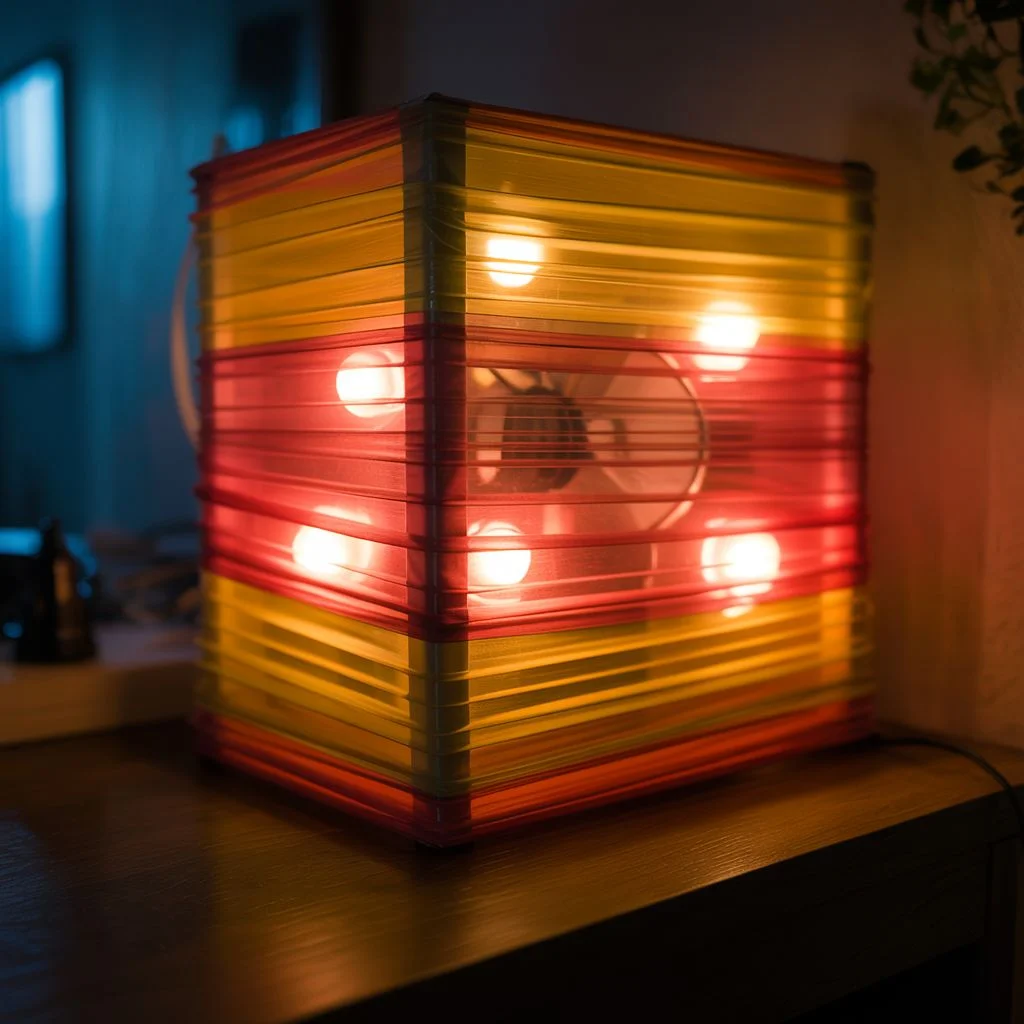
This is the classic approach used by haunted attractions and home decorators alike, and it remains the fastest way to build a convincing fake fire prop for Halloween.
Cut strips of lightweight fabric roughly 12 to 18 inches long and secure them around the rim of a box fan or clip-on fan using duct tape or a hot glue gun. Layer red, orange, and yellow strips together so the colours blend as the fabric moves.
Position two or three clamping work lights beneath or behind the fan, each fitted with a coloured bulb, and angle them upward through the fabric. The moving fabric catches and scatters the coloured light, creating a flame effect that reads as remarkably real once darkness falls. Running the fan on its lowest setting usually produces the gentlest, most natural flicker.
A second fan aimed at a slight angle to the first adds depth, since the two airstreams cross and cause the fabric strips to twist unevenly rather than swaying in one uniform direction. This small adjustment is often what separates a homemade look from one that could pass for an actual haunt prop.
Building a Faux Ember Bed With Spray Foam and Lights
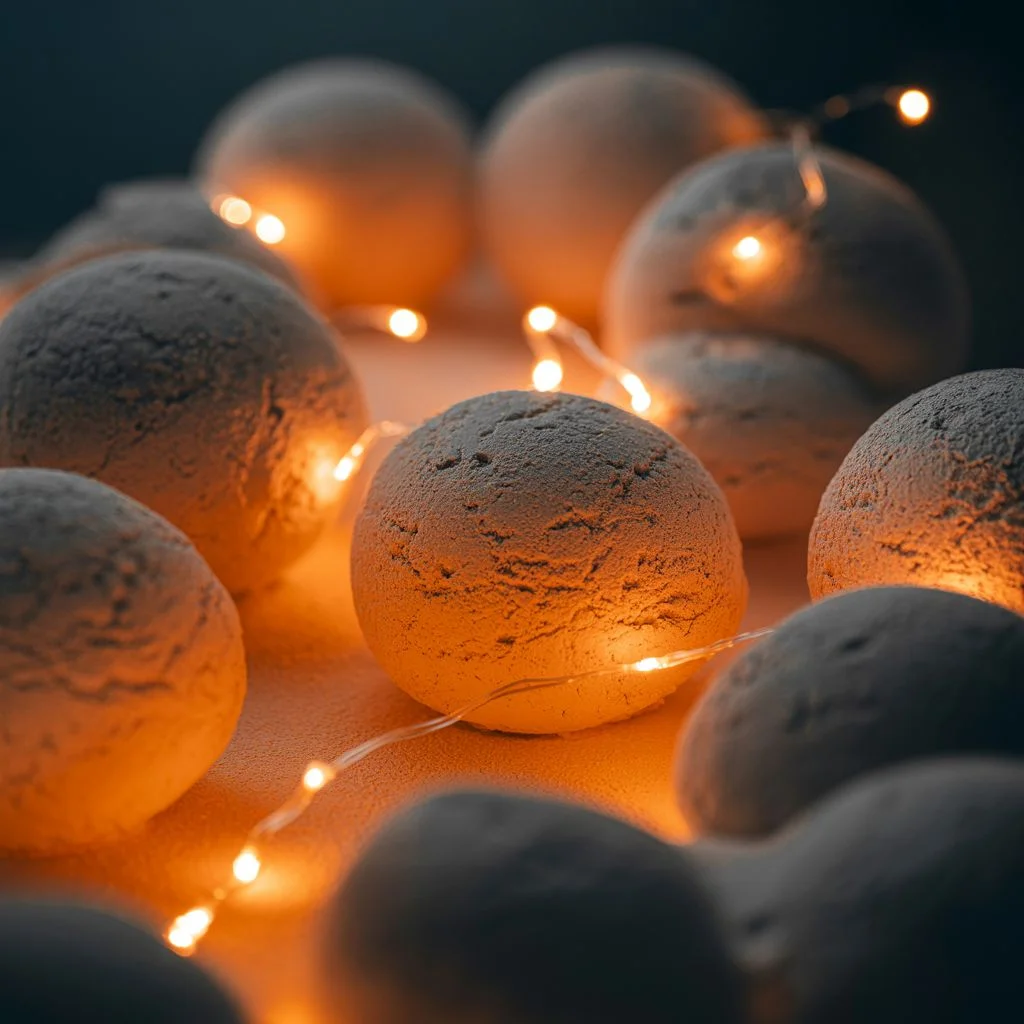
For a fire pit, cauldron, or fireplace-style display, a solid ember bed adds a layer of realism that a moving fan alone can’t provide.
Spray expanding foam into a shallow container or directly into your fire pit shape, then let it cure and harden for a few hours. Once set, tear and carve the surface into an irregular, coal-like texture, then paint it in charcoal grey, black, and burnt orange.
Tuck battery-powered orange fairy lights or flickering LED string lights into the crevices of the foam before it fully sets, so the bulbs sit recessed rather than resting on top. This faux ember bed pairs beautifully with the fan and fabric method above, giving the fake fire prop both a glowing base and moving flames rising above it.
A drybrushing technique, where a small amount of bright orange or yellow paint is lightly dragged across the raised texture of the foam, helps the ember bed catch ambient light even when the recessed bulbs are switched off during setup or daylight photos.
Layering Sound and Smoke for Extra Realism
Sound and atmosphere finish the effect once the visual side of the fake fire prop is built.
A short looped audio clip of crackling wood, played from a small speaker tucked near the base, adds a convincing layer that most guests won’t consciously notice, only feel. Battery-operated fog machines or bubble machines designed for cauldrons can add rising vapour without the mess of a full haze machine.
This step is optional, but it’s the detail that pushes a fire prop from a nice decoration into a display people stop to look twice at.
Adapting a Fake Fire Prop for Different Halloween Themes
A tall fan and fabric flame suits a witch’s cauldron or bonfire scene, while a low, wide ember bed works better tucked into a fireplace, hearth, or fire pit display. Both versions can be scaled down for a tabletop centrepiece or built up for a full front-yard haunt.
For a cosy autumn porch look, pair a small ember bed with pumpkins and dried corn stalks rather than tall flames, which reads as warm and seasonal rather than eerie. For a haunted house entrance, the tall fan and fabric version paired with fog and crackling sound effects creates a far more dramatic first impression for arriving guests.
Positioning Your Fire Prop for Maximum Impact
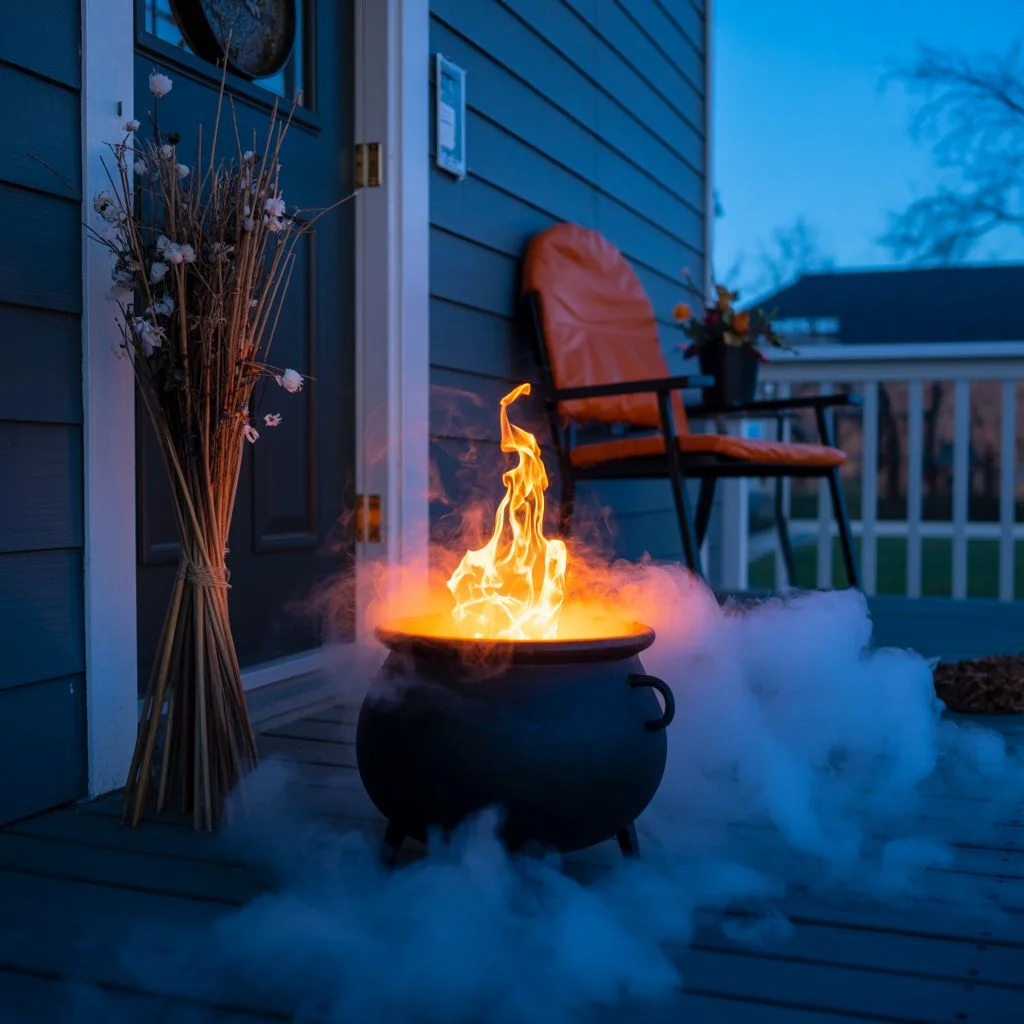
Where a fake fire prop sits matters just as much as how it’s built.
Corners, doorways, and the base of stairs create natural shadow that amplifies the flicker effect, while open, brightly lit spaces tend to flatten it. Keeping the prop slightly below eye level, the way a real fire pit or barrel fire would sit, also helps sell the illusion.
Pairing the prop with dry ice fog, plastic bones, or a witch’s cauldron nearby gives the display context and makes the fire read as part of a scene rather than a standalone gadget.
Common Mistake to Avoid When Building Fake Fire Props
The most common mistake is running the fan at full speed. A fast-moving fan makes the fabric flap in a way that looks obviously mechanical rather than flame-like, which undoes most of the illusion this project is built around.
Slowing the fan down, choosing a variable-speed model, or adding a diffuser such as a loose mesh screen in front of the blades all soften the motion into something far closer to real fire. Testing the setup in the dark before the big night, rather than in daylight, also helps catch anything that still looks artificial.
Groupings of two or three props at slightly different heights, rather than one single fire feature, also encourage a slower walk-through and give a display more presence without adding much extra build time.
Safety Considerations for Electric Fire Props
Every component in this build is flameless, but a few precautions keep the display safe for a busy trick-or-treat night.
Keep all wiring away from foot traffic, use outdoor-rated extension cords for anything set up outside, and avoid leaving fans or lights running unattended overnight. Battery-powered lights are the safer option anywhere trick-or-treaters or pets might brush against the prop.
A quick check of any local fire code or homeowners’ association guidance is worth doing before a large display goes up, since some areas restrict fog machines or open extension cord runs near shared walkways.
Your Halloween Glow Without the Burn
A well-built fake fire prop brings genuine drama to a Halloween display without any of the risk that comes with real flame. Starting with fabric, light, and motion, then layering in an ember bed, sound, or smoke where it suits the scene, turns a simple porch or patio into something guests will talk about.
Once the basics click, the same techniques scale up or down for anything from a small cauldron accent to a full haunted-attraction centrepiece.
Ready to bring your Halloween display to life? Browse more DIY Halloween decor ideas.
Recommended: Spooky Halloween Archway Ideas for a Show Stopping Entrance.
Fake Fire Prop Questions Answered
What materials work best for a fake fire prop?
Lightweight fabric, a small fan, and coloured bulbs in red, orange, and yellow form the core of almost every fake fire prop. Spray foam and fairy lights are worth adding for fire pit or cauldron builds.
Can a fake fire prop be made without a fan?
Yes. A static version using layered fabric and coloured lights alone still reads well from a distance, though a small computer fan adds movement that makes the flicker far more convincing.
Is a fake fire prop safe to leave outdoors?
It can be, provided outdoor-rated cords are used, wiring stays dry and out of foot traffic, and the display isn’t left running unattended overnight. Battery-powered lights reduce the risk further.
How long does a fake fire prop take to build?
Most versions come together in an afternoon. The fan and fabric method takes under an hour, while a spray foam ember bed needs a few extra hours to cure before painting.
Do fake fire props work for daytime Halloween events?
They read less dramatically in daylight, since the coloured lights compete with sunlight, but the moving fabric and textured ember bed still add visible motion and shape to a display even before dusk.