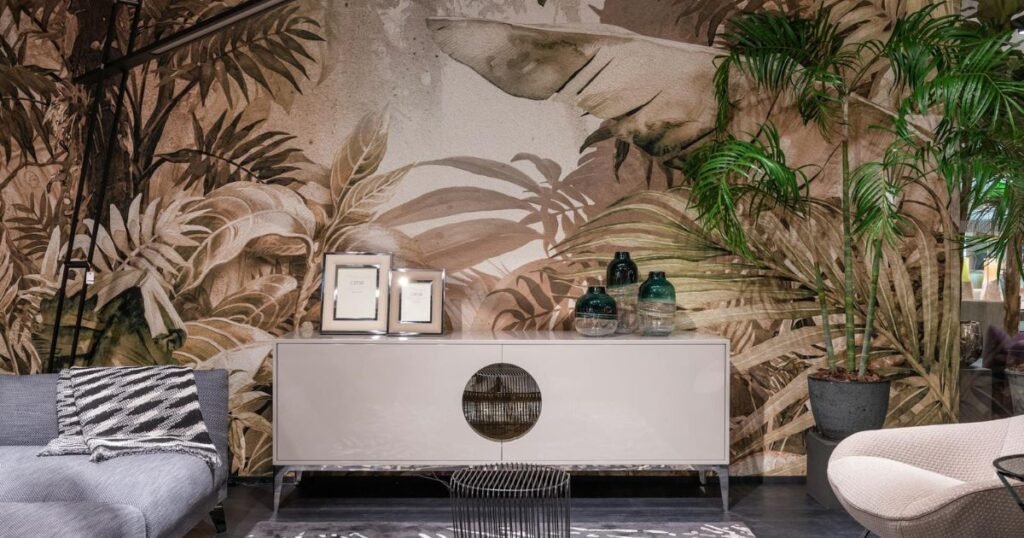
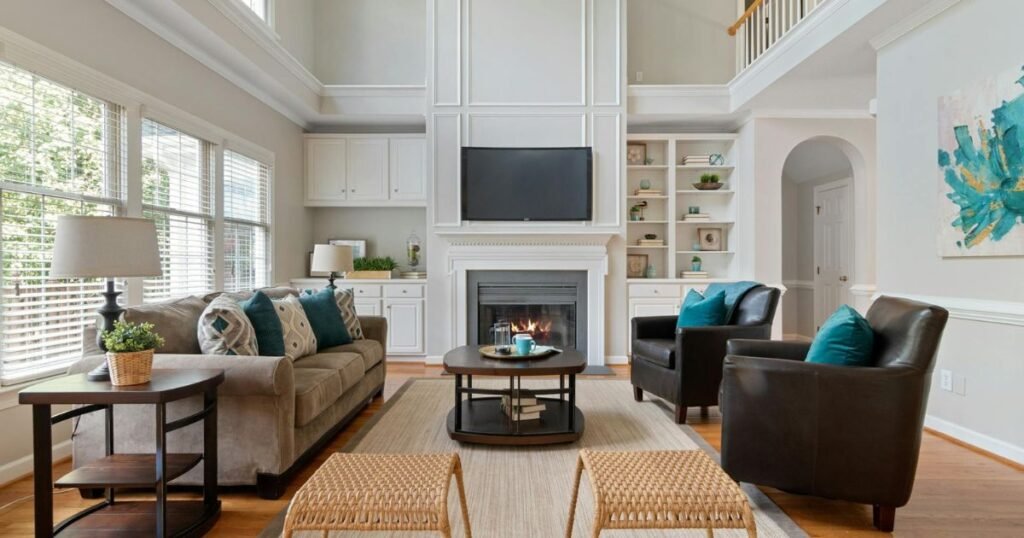
Interior design is moving beyond clean lines and neutral palettes. People now want spaces that feel alive, emotional, and connected to the planet—without giving up modern comfort. That’s where Forestpunk Interior Design steps in. This emerging style blends raw forest elements with futuristic and industrial influences, creating interiors that feel both ancient and forward-looking.
Instead of choosing between nature and technology, forestpunk brings them together. Think mossy textures paired with steel, reclaimed wood mixed with smart lighting, and plant-filled rooms enhanced by modern materials. It’s a design approach that feels grounded, sustainable, and bold at the same time.
In this guide, you’ll discover how to shape a forestpunk-inspired home using materials, colors, lighting, furniture, and smart details—while keeping everything practical and livable.
What Is Forestpunk Interior Design?
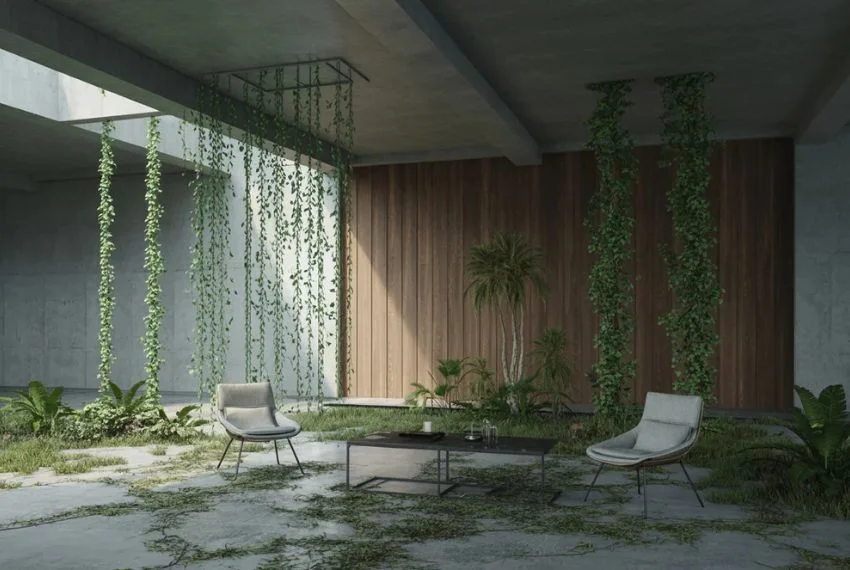
At its core, Forestpunk Interior Design is about contrast and balance. It combines the organic beauty of forests with the raw, edgy feel of neo-tech and industrial design. The style takes inspiration from nature reclaiming modern spaces—roots wrapping around concrete, vines climbing steel frames, and soft greenery softening hard edges.
Unlike traditional eco interiors, forestpunk doesn’t aim for perfection or polish. It embraces rough textures, visible materials, and a slightly rebellious aesthetic. You’ll often see unfinished wood, oxidized metals, stone surfaces, and layered greenery living alongside LED lighting, smart home features, and sculptural furniture.
The result feels immersive—almost like stepping into a futuristic cabin hidden deep in the woods.
Natural Materials That Ground the Space
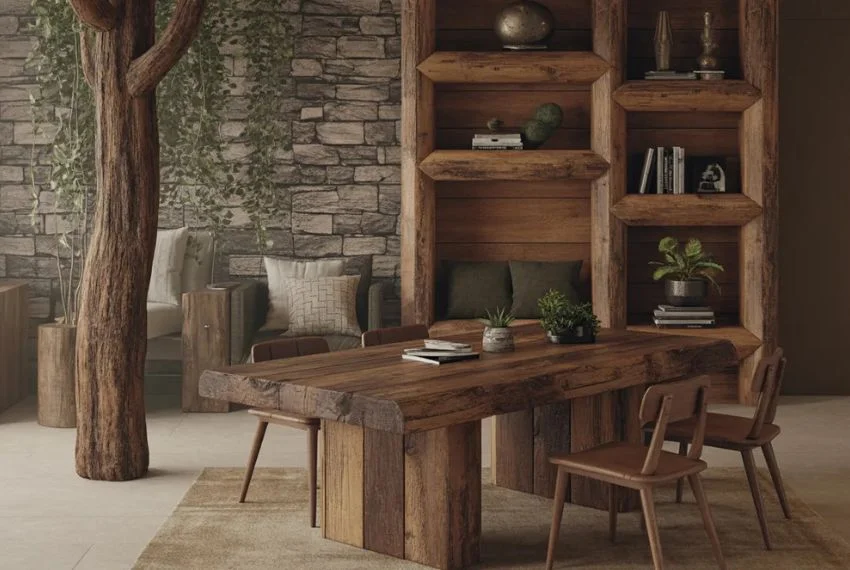
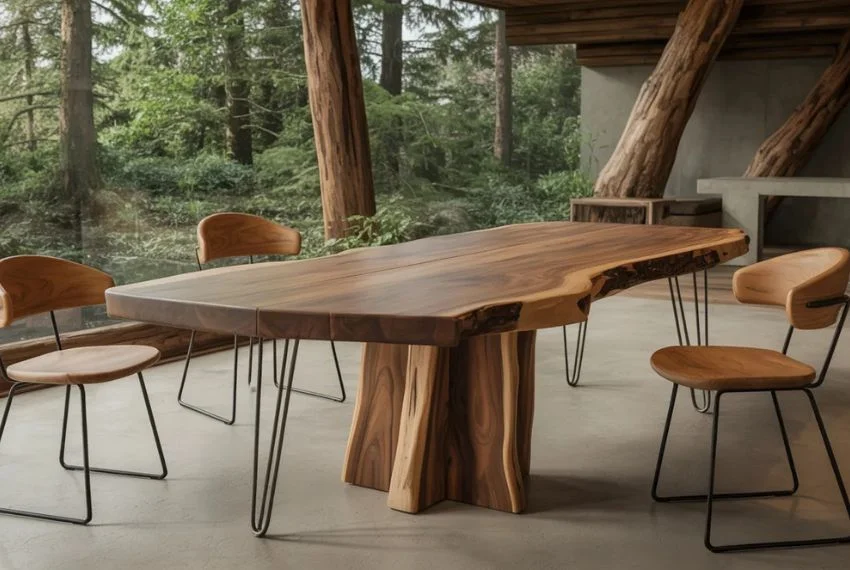
Natural materials form the backbone of any forestpunk interior. Wood is essential, especially in its raw or reclaimed form. Weathered planks, live-edge tables, and rough beams bring warmth and history into the room.
Stone is another key element. Slate, concrete, or textured stone walls help anchor the space and add an earthy weight. These materials pair beautifully with industrial finishes, giving the room depth and character.
Leather, wool, jute, and linen work well for upholstery and soft furnishings. They introduce tactile comfort without feeling too refined. In Forestpunk Interior Design, imperfections are welcome—they make the space feel lived-in and authentic.
Neo-Tech Touches That Add a Futuristic Edge
What separates forestpunk from rustic or woodland styles is its embrace of modern technology. Neo-tech elements add contrast and keep the look from feeling dated.
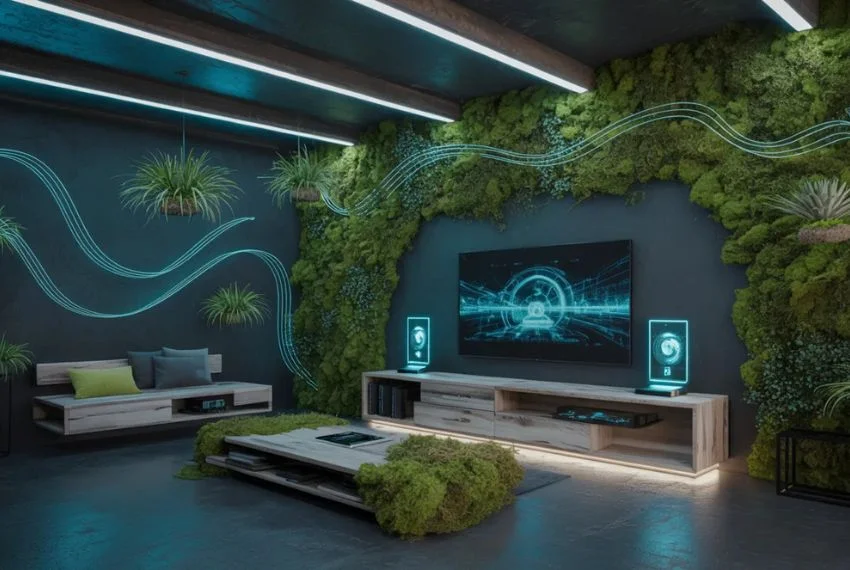
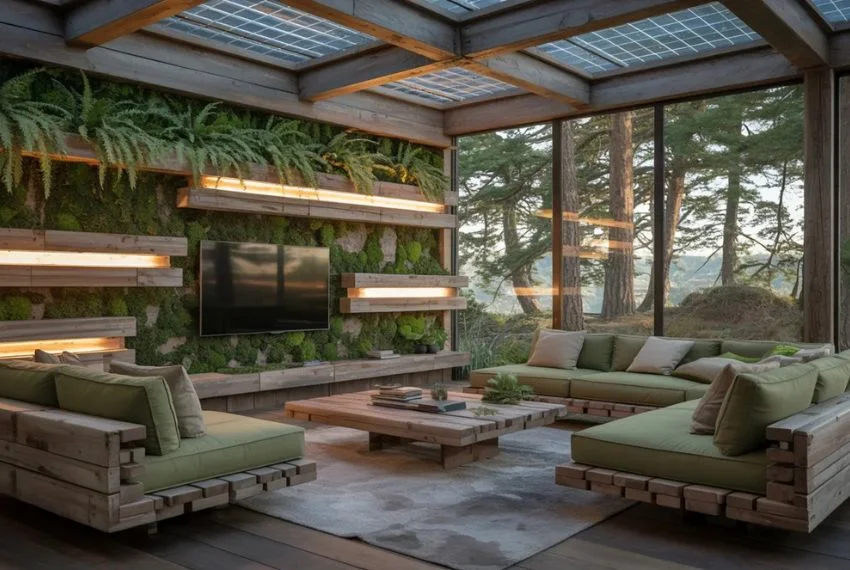
Smart lighting systems are a great place to start. Use adjustable LEDs to create moody, forest-like lighting at night and brighter tones during the day. Hidden light strips behind shelves or under furniture can mimic the glow of fireflies or moonlight.
Metal accents—especially steel, iron, and brushed aluminium—bring in that futuristic edge. Think exposed hardware, industrial shelving, or minimalist metal frames. In Forestpunk Interior Design, technology doesn’t dominate the space; it quietly enhances it.
Colour Palettes Inspired by the Forest
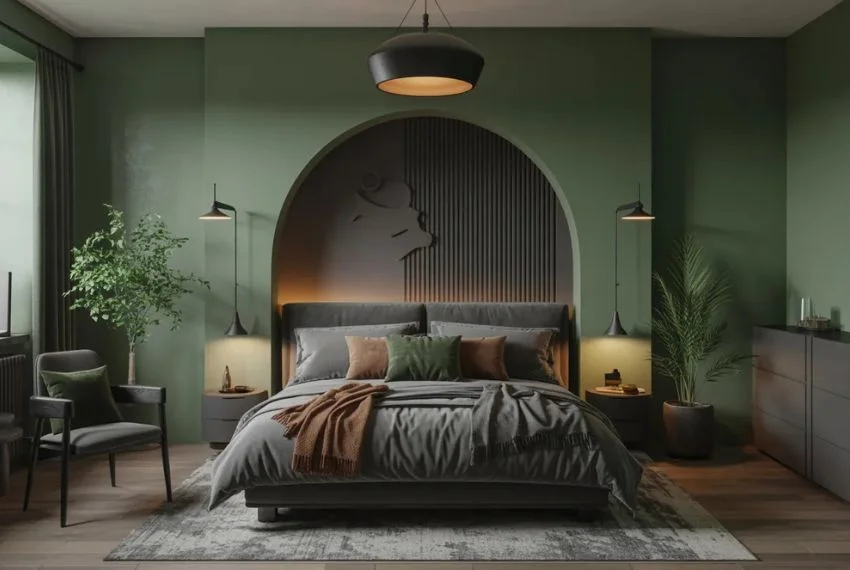
Forestpunk color schemes are pulled straight from nature. Deep greens, mossy tones, bark browns, charcoal grays, and muted earth shades dominate the base palette.
To keep the space from feeling too dark, balance these tones with soft neutrals like warm beige, clay, or foggy white. Metallic accents—copper, bronze, or matte black—add depth and visual interest.
You don’t need bright colors here. The beauty of Forestpunk Interior Design lies in subtle variation, layered tones, and natural contrast rather than bold pops.
Layered Lighting for a Woodland Atmosphere
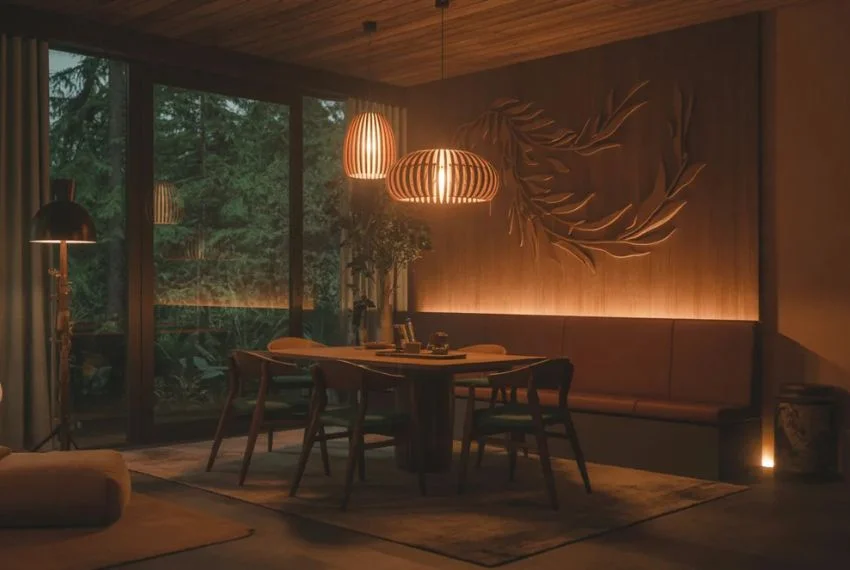
Lighting plays a huge role in creating the forestpunk mood. Harsh overhead lights can kill the vibe, so aim for layered and indirect lighting instead.
Use floor lamps, wall sconces, pendant lights, and hidden LEDs to create depth. Warm light temperatures work best, especially when paired with natural materials. Lantern-style fixtures or industrial pendants fit the aesthetic perfectly.
Natural light is just as important. Keep windows open and unobstructed when possible. Sheer curtains or textured glass allow daylight in while maintaining privacy. Thoughtful lighting helps Forestpunk Interior Design feel cozy rather than cold.
Furniture That Feels Organic Yet Modern
Forestpunk furniture blends sculptural shapes with practical comfort. Look for pieces made from solid wood, metal, or mixed materials. Low-profile seating, chunky tables, and modular designs work well.
Avoid overly polished or ornate furniture. Instead, choose items with clean lines and visible textures. A rough wood coffee table paired with a sleek metal sofa frame captures the forestpunk contrast beautifully.
Custom or handmade furniture fits this style especially well. In Forestpunk Interior Design, furniture should feel intentional, sturdy, and slightly unconventional.
Bringing the Forest Indoors with Plants
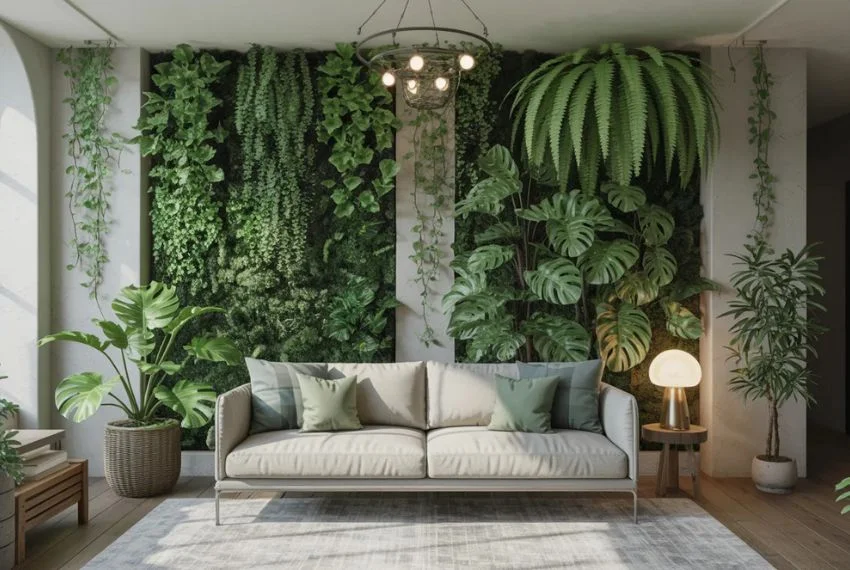
Plants are not decoration here—they’re part of the architecture. Large leafy plants, trailing vines, moss walls, and hanging greenery help blur the line between indoors and outdoors.
Choose plants that thrive indoors, like monstera, ferns, pothos, snake plants, or rubber plants. Mixing plant sizes creates a layered, immersive feel.
Vertical gardens or wall-mounted planters are especially effective in forestpunk spaces. They add life without taking up floor space and reinforce the idea of nature reclaiming modern interiors—a core theme of Forestpunk Interior Design.
Textures and Layers That Add Depth
Texture is what makes forestpunk spaces feel rich and complete. Smooth surfaces alone won’t do the job. Combine rough wood, matte metal, woven fabrics, and stone finishes to create contrast.
Layer rugs, throws, and cushions in natural fibres to soften the space. Exposed walls—brick, concrete, or plaster—add raw character without extra decoration.
These layered textures help Forestpunk Interior Design feel immersive, tactile, and visually interesting, even with a limited colour palette.
Sustainable Choices That Support the Style
Sustainability isn’t optional in forestpunk—it’s part of the philosophy. Reclaimed wood, recycled metals, vintage furniture, and eco-friendly finishes align perfectly with the look.
Energy-efficient lighting, smart climate control, and low-VOC paints support both environmental responsibility and modern comfort. Choosing quality materials that last also reduces waste over time.
By making thoughtful choices, Forestpunk Interior Design becomes more than an aesthetic—it becomes a lifestyle rooted in respect for nature and the future.
Styling Tips to Pull Everything Together
To avoid visual clutter, keep styling intentional. Every item should feel purposeful, whether it’s a sculptural lamp, a piece of driftwood, or a handmade ceramic vase.
Mix old and new for balance. A vintage chair can sit comfortably next to a modern shelving unit if the materials and colors connect. Negative space matters too—don’t overcrowd the room.
When styled thoughtfully, Forestpunk Interior Design feels calm, grounded, and quietly powerful.
Final Thoughts
Forestpunk is not just another interior trend—it’s a reflection of how people want to live moving forward. By combining nature’s raw beauty with modern technology, this style creates spaces that feel emotional, sustainable, and deeply personal.
Whether you start with materials, lighting, or plants, small changes can shift your home toward a forestpunk aesthetic. With balance and intention, Forestpunk Interior Design allows you to design a space that honours the past, embraces the future, and feels alive every day.
Also Rea About How to Design a Witchy Backyard That Feels Mysterious and Peaceful.
FAQs
Is forestpunk suitable for small homes?
Yes. Vertical greenery, smart lighting, and minimal furniture make the style work well even in compact spaces.
Can forestpunk work in apartments?
Absolutely. Focus on textures, plants, and lighting rather than structural changes.
Is forestpunk expensive to create?
Not necessarily. Reclaimed materials, second-hand furniture, and DIY elements can keep costs low.How is forestpunk different from biophilic design?
Biophilic design focuses mainly on nature connection, while forestpunk adds a futuristic, industrial edge.