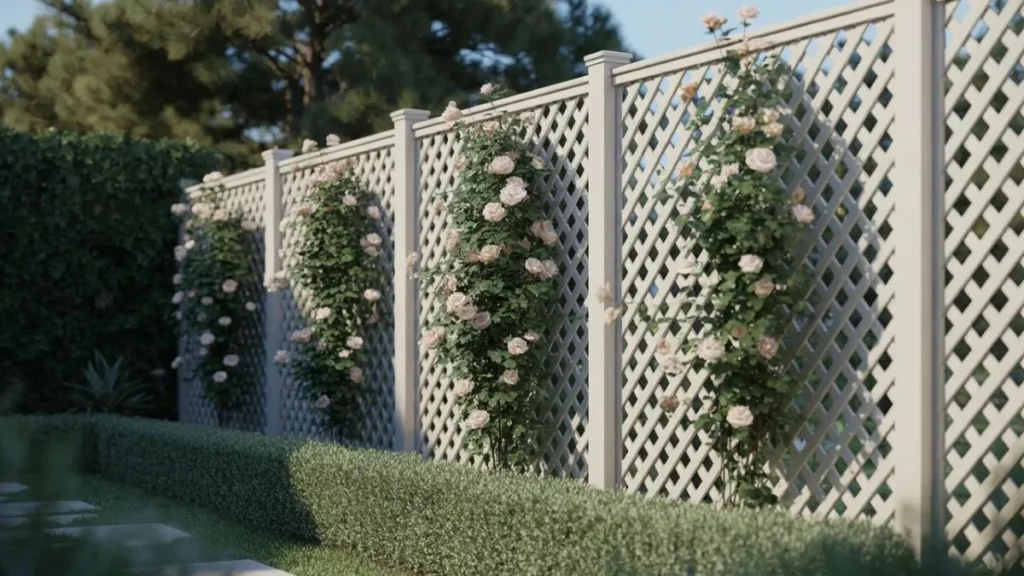
Your backyard deserves a boundary that works for it. A lattice fence is one of the most versatile, budget-friendly choices you can make — and in 2026, designers are using it in ways that feel anything but ordinary.
Whether you have a tiny courtyard or a sprawling suburban lot, the right lattice fence can add privacy, beauty, and serious curb appeal without blowing your renovation budget. Here’s everything you need to know to pick the perfect style for your space.
What Makes a Lattice Fence Worth It
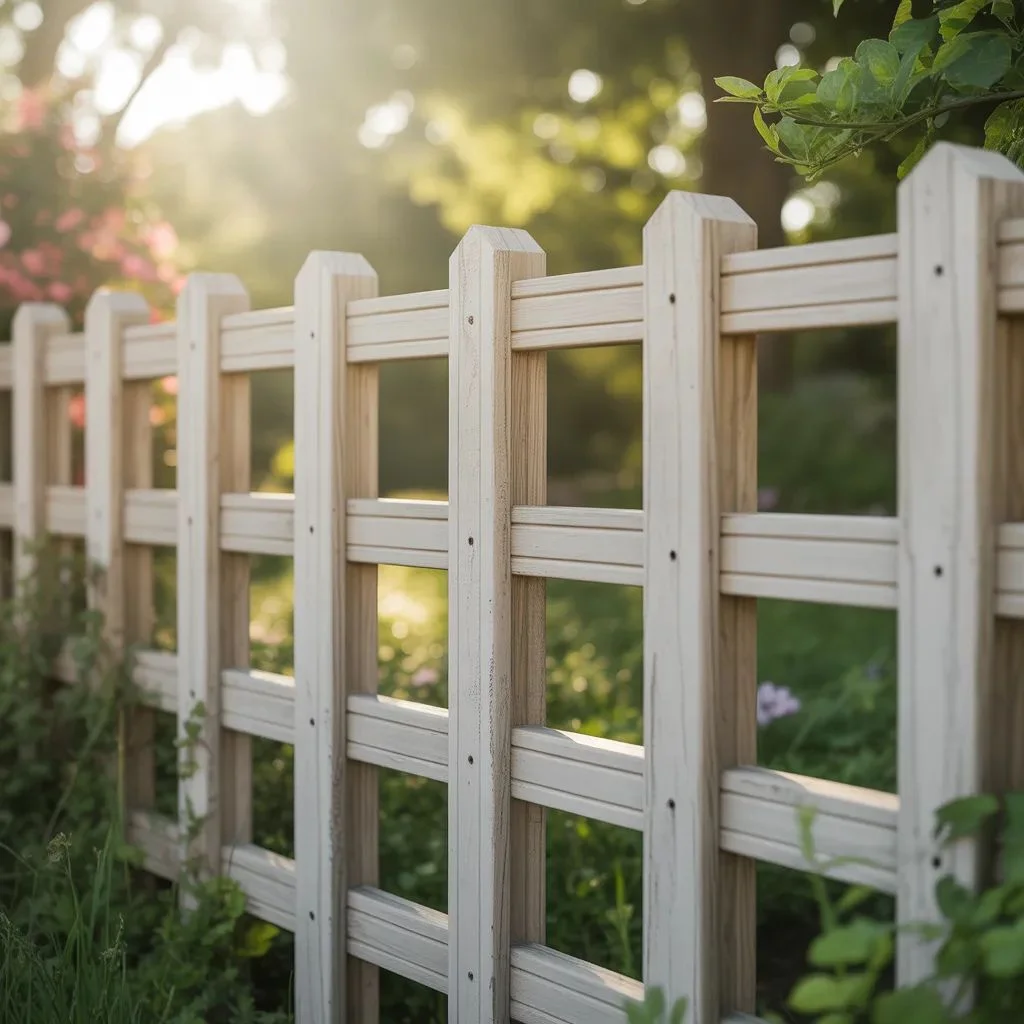
Not every fence does double duty. A well-chosen lattice fence manages to create privacy, add structure, and look genuinely beautiful — all at the same time. That’s a rare combination.
The open grid pattern of a lattice fence lets light and air flow through, which means your yard never feels boxed in. You get the boundary you need without the closed-off, high-wall feel that some solid fences create. For smaller yards especially, this breathability makes a huge visual difference.
From a cost standpoint, lattice fence panels are among the most accessible fencing materials available. Basic wood panels start at a fraction of the price of solid privacy fencing, and the DIY installation is genuinely manageable for most homeowners with a free weekend.
Key benefits of a lattice fence:
- Privacy with airflow — partial screening without the tunnel effect
- Plant support — natural trellis for climbing roses, jasmine, or ivy
- Budget-friendly — wood lattice panels from $20–$60 per 4×8 sheet
- Versatile styling — works in cottage, modern, and contemporary gardens alike
- Easy to customize — paint, stain, or combine with solid panels
Classic Wood Lattice Fence Ideas
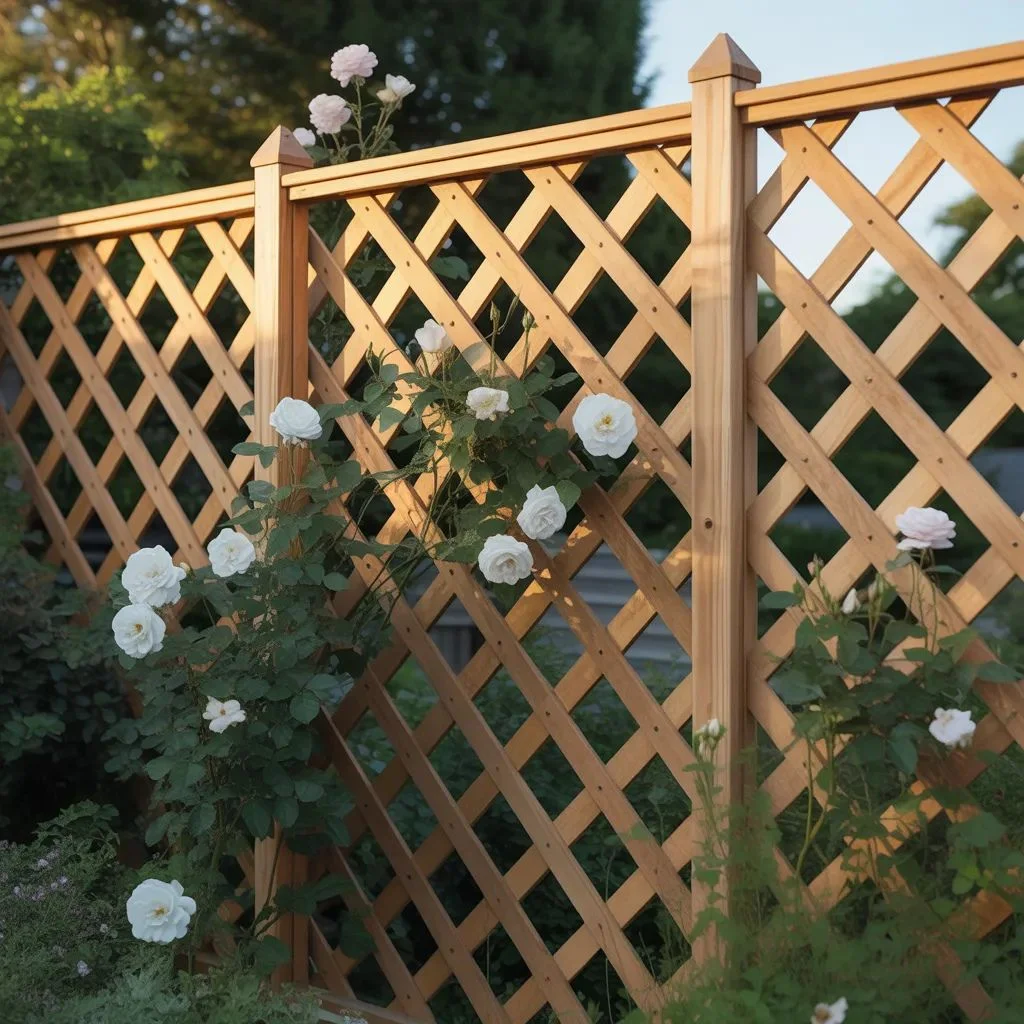
Wood remains the most popular material for a lattice fence, and the reasons are straightforward: it’s natural, warm, easy to work with, and takes paint or stain beautifully. The classic diagonal-grid pattern — two sets of thin wood strips crossing at 45-degree angles — is what most people picture when they hear “lattice fence.”
Cedar and redwood are the top choices for outdoor lattice because they resist rot and insects naturally. Pressure-treated pine is a budget-friendly alternative that’s widely available at home improvement stores.
For a traditional cottage garden feel, paint your wood lattice fence in classic white and let climbing roses or sweet peas do the rest. For a more contemporary look, try a deep charcoal or forest green stain that blends with the greenery and reads as intentional, not accidental.
One popular option is the lattice fence topper — a solid wood fence with a lattice panel running along the top third. This gives you full privacy at eye level while adding decorative detail and height without a solid wall of wood.
Vinyl Lattice Fence: Low Maintenance, High Style
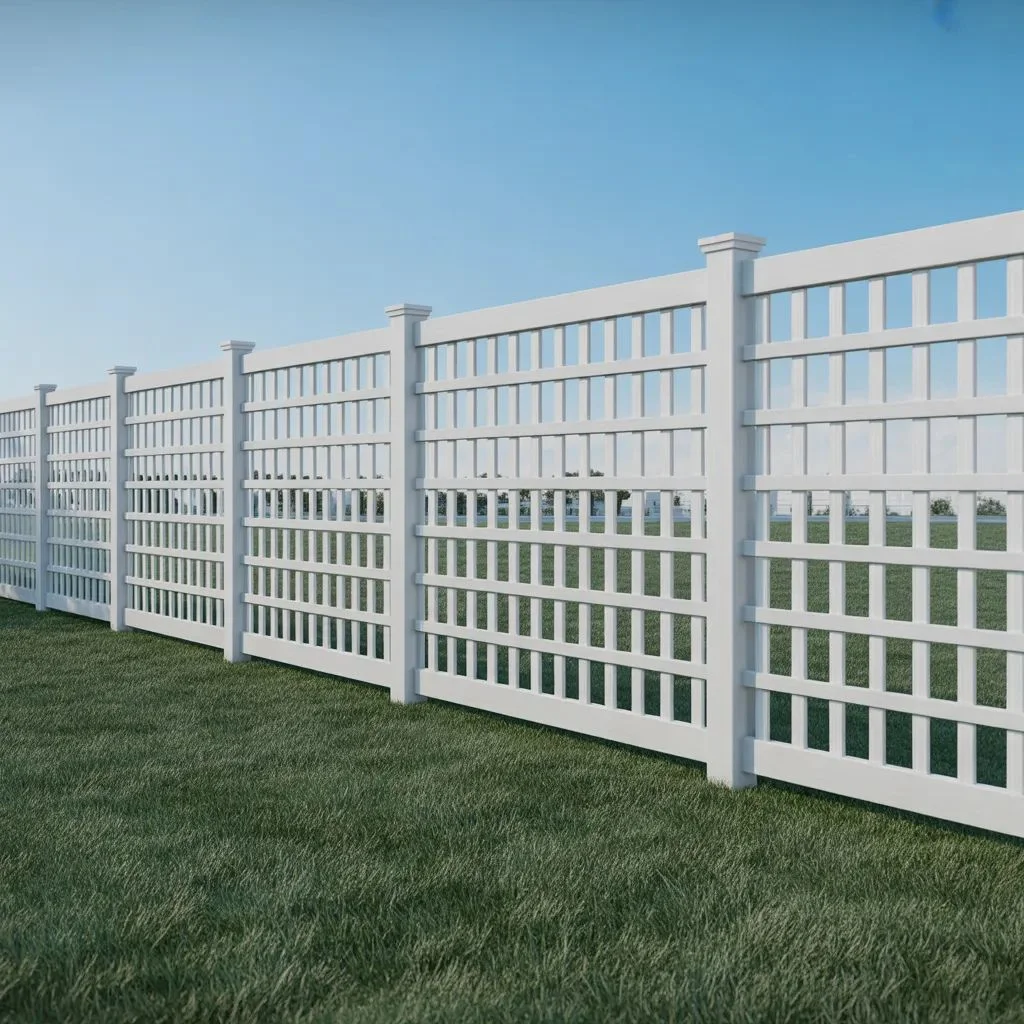
If the idea of repainting every few years makes you wince, a vinyl lattice fence is your answer. Vinyl panels hold their color, resist moisture, and require almost zero upkeep beyond an occasional rinse with a garden hose.
Modern vinyl lattice comes in far more than basic white. You’ll find it in tan, grey, black, and even woodgrain-textured finishes that are nearly indistinguishable from real timber at a glance. This makes it a practical choice for homeowners who want the look of wood without the ongoing maintenance commitment.
The trade-off is that vinyl lattice fence panels tend to feel less substantial than wood — they’re lighter, which makes installation easier, but they can also look slightly plastic in strong sunlight if you choose a cheaper grade. Opting for thicker-gauge vinyl from a reputable manufacturer solves this.
Vinyl is also worth considering if you’re in a coastal climate or a region with high humidity, where wood can warp and crack more quickly. The initial investment is slightly higher than wood, but you’ll spend less on maintenance over the long run.
Privacy Lattice Fence Designs That Actually Work
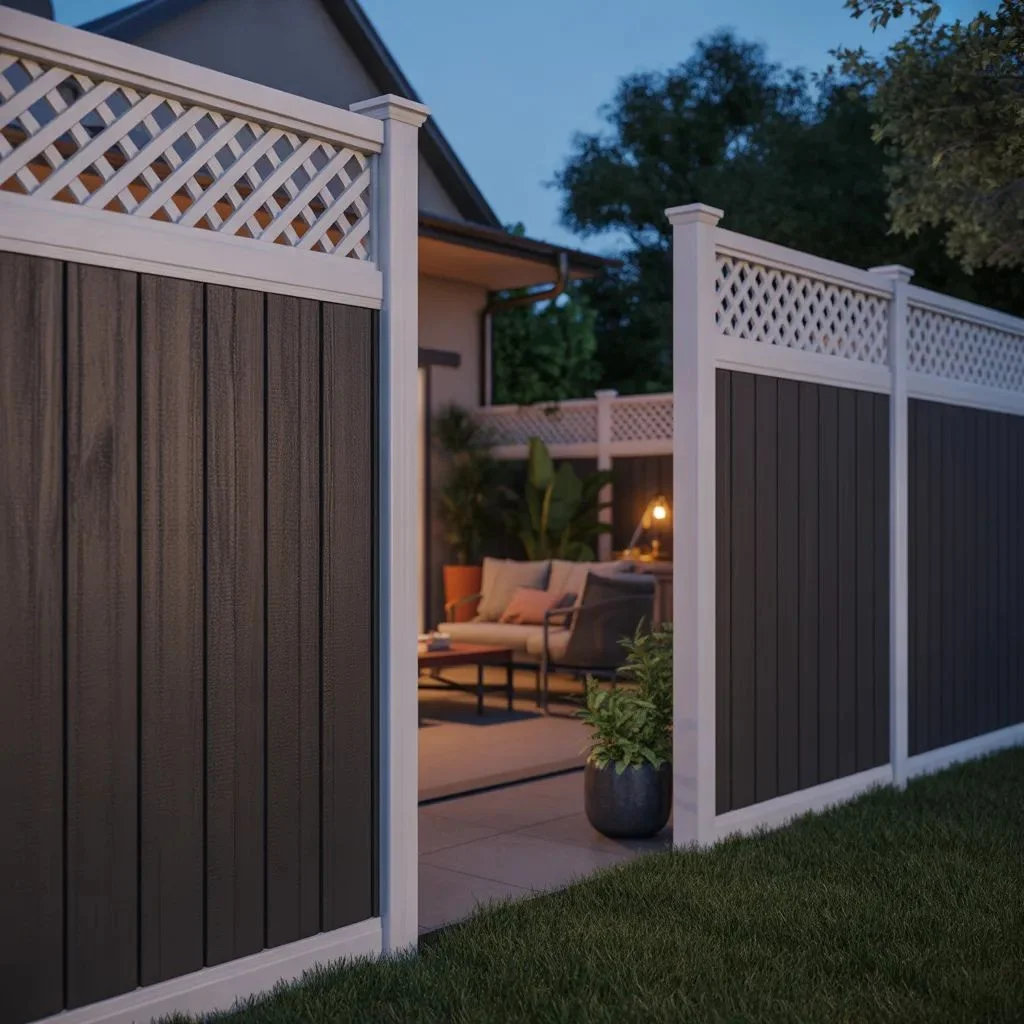
Standard lattice has open gaps — great for airflow, but not ideal if privacy is your primary goal. The good news is that a privacy lattice fence design is very achievable with a few smart adjustments.
The most popular approach is the hybrid design: solid panels on the lower two-thirds of the fence for true privacy where it matters most, with lattice running across the top section to let in light and prevent the fence from feeling like a wall. This combo is showing up everywhere in 2026 backyard design and works brilliantly for garden rooms, pool enclosures, and outdoor dining areas.
Another option is to use a smaller-grid lattice fence panel — the tighter the grid, the less visibility through it. Pair a small-square lattice fence with fast-growing climbing plants, and within one season you’ll have a genuinely dense green screen.
For maximum privacy without sacrificing style, consider a decorative lattice fence in a diagonal pattern with 1-inch spacing. At a slight angle, this grid reads as nearly opaque from most viewing positions while maintaining airflow.
DIY Lattice Fence Ideas for Any Budget
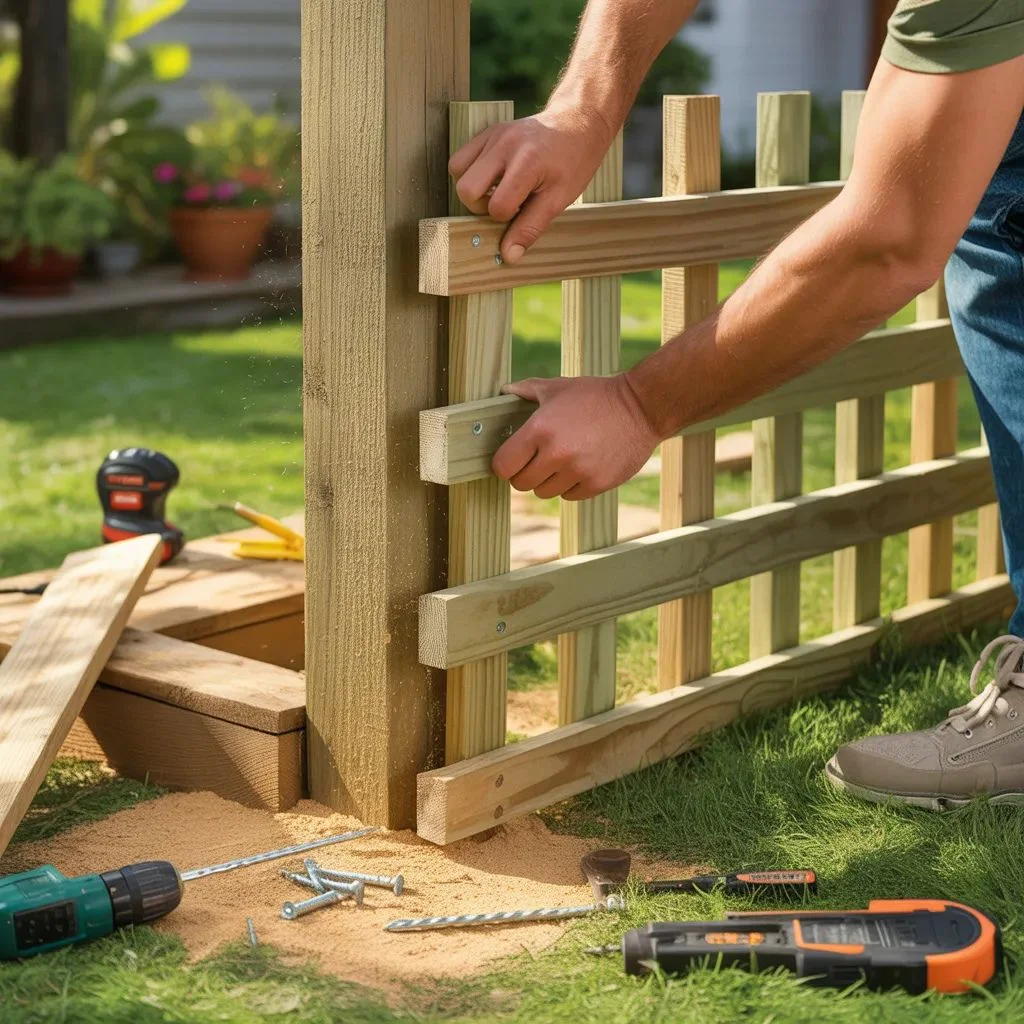
A DIY lattice fence is one of the most beginner-friendly fencing projects you can take on. Pre-made lattice panels from home improvement stores are designed to be cut to size, painted, and attached to basic timber posts — and the process doesn’t require specialist tools.
For the most budget-conscious approach, pick up standard 4×8 wood lattice panels and pressure-treated 4×4 posts. Space your posts 8 feet apart to match the panels, set them in concrete, and use wooden frame rails to mount the lattice cleanly between them. Total cost for a 20-foot run can land under $200.
If you want something with more visual weight, build a frame from 2×4 lumber for each panel before installing. This gives your DIY lattice fence a furniture-quality look and makes it far more rigid in wind. Paint the frames a contrasting color from the lattice for a designer touch that looks anything but budget.
Lattice panels also work brilliantly as standalone garden screens — you don’t need a full perimeter fence. A single lattice panel anchored between two posts creates an instant focal point, an outdoor room divider, or a backdrop for container gardening.
Lattice Fence Toppers: The Detail That Changes Everything
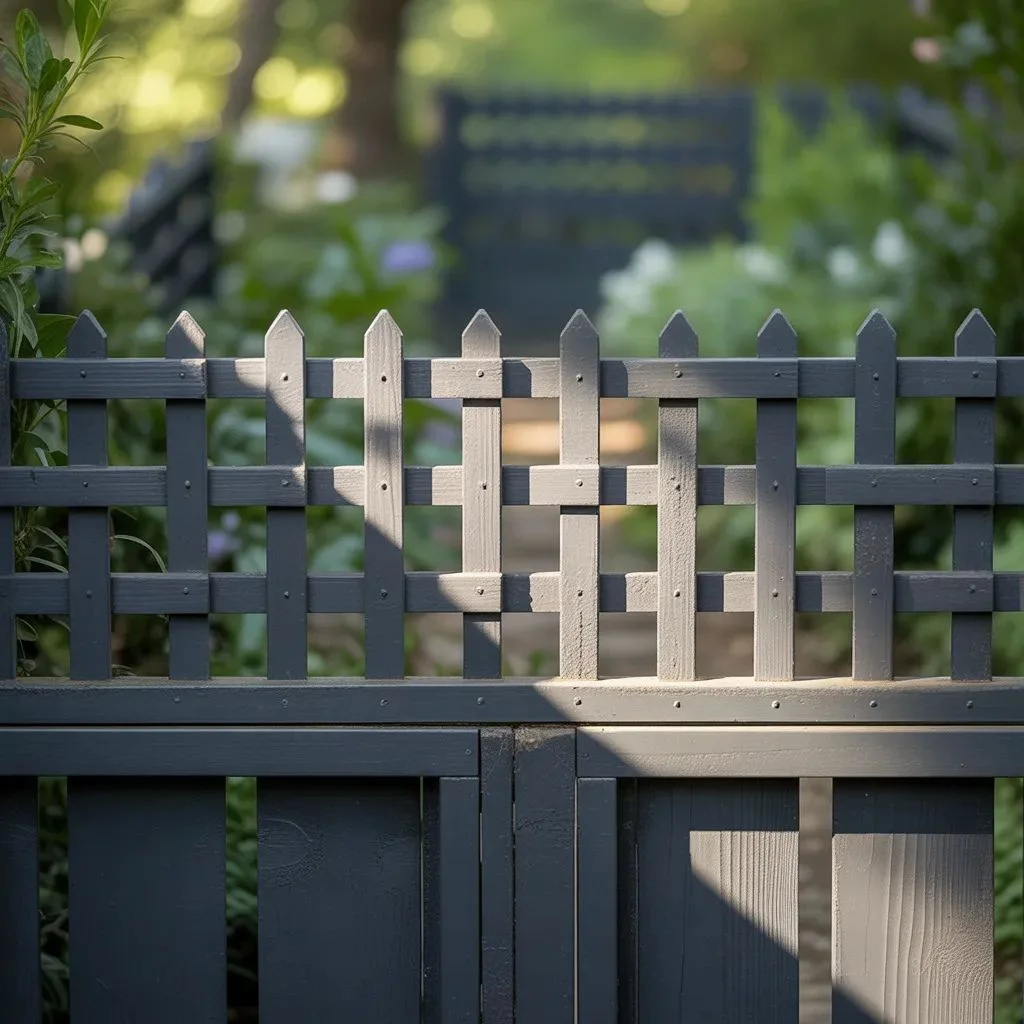
If you already have a solid wood or vinyl fence, adding a lattice fence topper is one of the highest-impact, lowest-effort upgrades you can make. It adds height (and therefore privacy), breaks up the monotony of a flat fence line, and introduces a decorative element that reads as custom and thoughtful.
Lattice toppers typically run 12–24 inches tall and are mounted directly to the top of your existing fence posts. Choose a material that matches your fence — white vinyl lattice on a white vinyl fence, or cedar lattice on a cedar fence — for a seamless built-in look.
For something with more personality, go for a contrasting colour. A charcoal lattice topper on a natural wood fence is a particularly strong combination right now, pulling the look toward the kind of mixed-material aesthetic that defines 2026 outdoor design trends.
Lattice toppers are also the ideal support structure for climbing plants on a lattice fence — more on that next. The plants grow up and over the top, creating a natural living canopy that looks like it took years of planning.
Lattice Fence With Climbing Plants
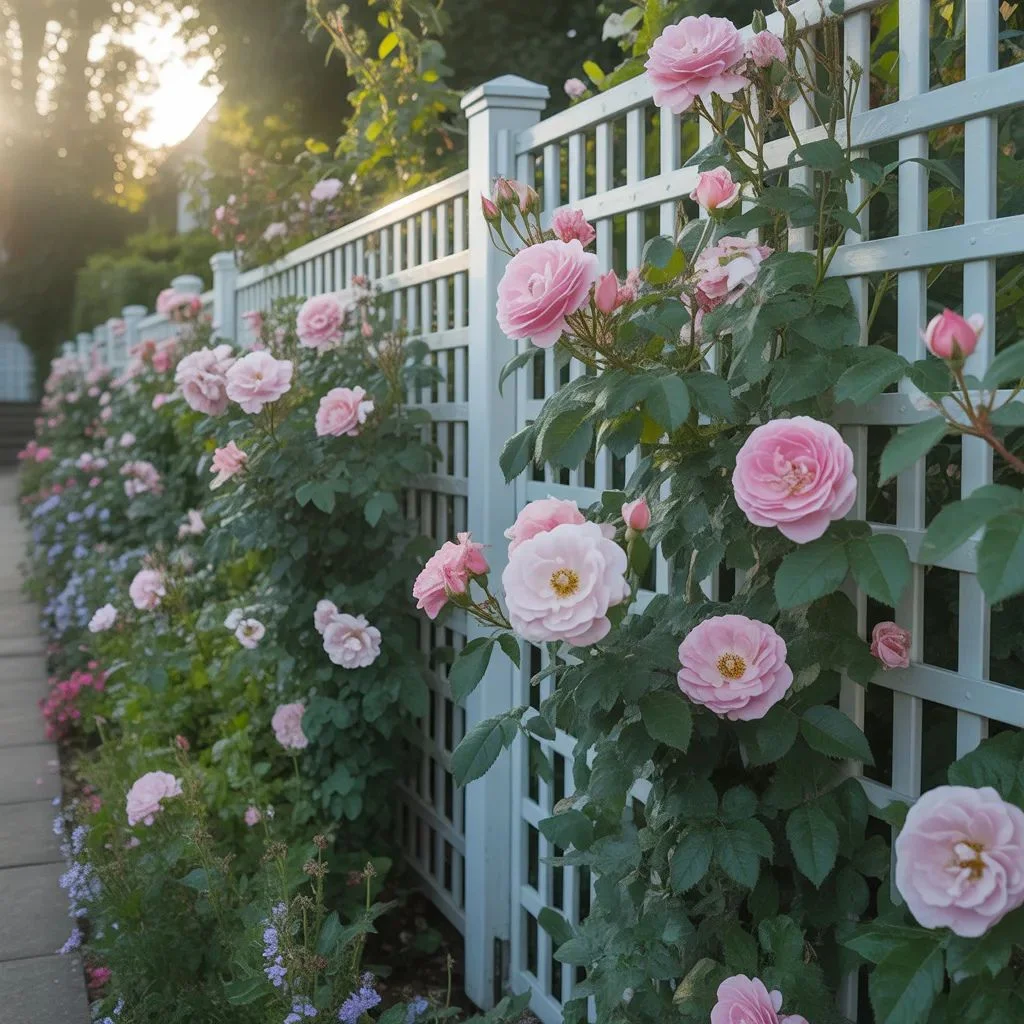
Few things in outdoor design are more rewarding than a lattice fence with climbing plants in full bloom. The structure and the plants become one thing — a living wall that changes with the seasons and only gets better with time.
The most popular climbers for a garden lattice fence include climbing roses, jasmine, wisteria, clematis, and ivy. Each has different growth habits and maintenance needs, so it’s worth choosing based on your climate and how much time you want to spend managing the growth.
Climbing roses are the classic choice — they’re beautiful, fragrant, and the canes attach naturally to the lattice grid. Jasmine grows fast and smells extraordinary. Wisteria is spectacular but vigorous, so make sure your fence is built solidly enough to support mature growth, which can get heavy.
For a purely practical green screen, fast-growing annual vines like morning glory or black-eyed Susan vine will cover a lattice fence panel completely within a single growing season, giving you a dense, colorful screen without a long-term commitment.
Modern and Decorative Lattice Fence Styles
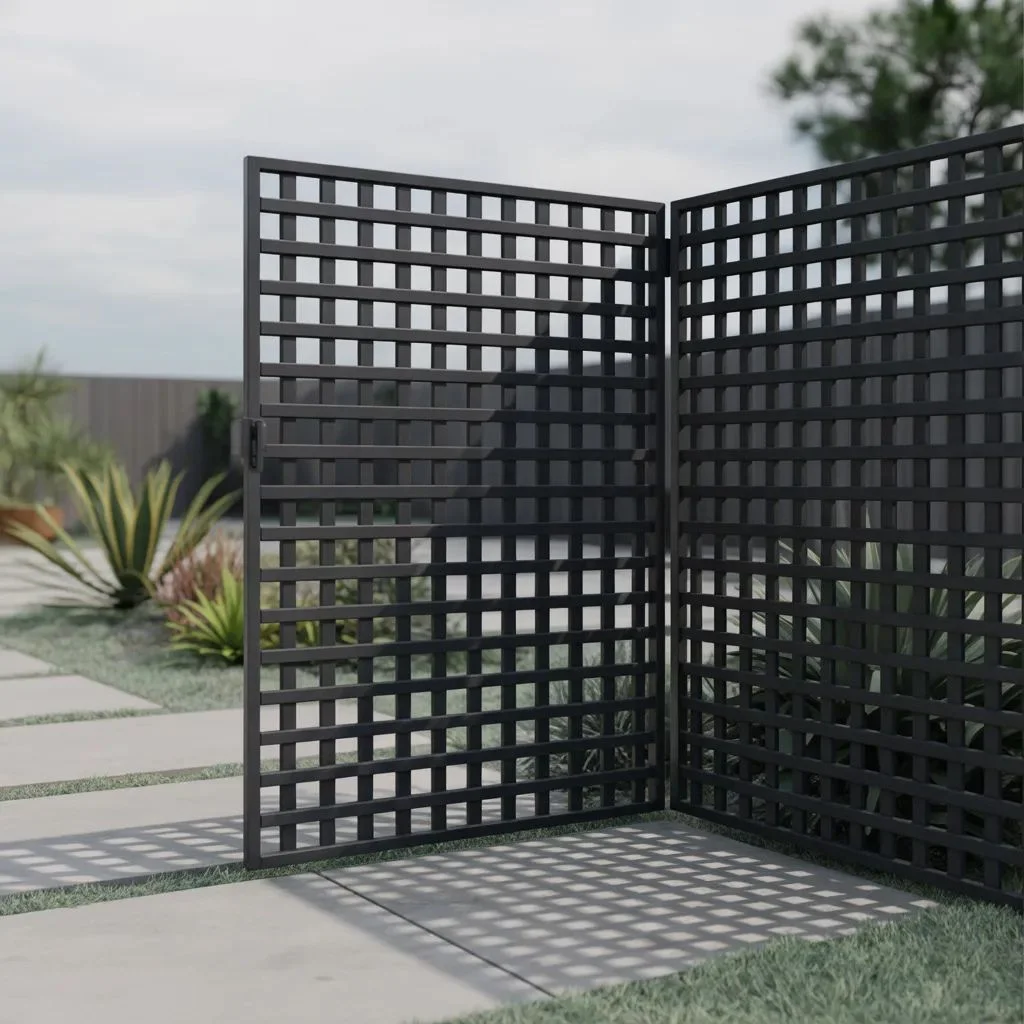
The traditional diagonal-grid lattice fence is just the starting point. In 2026, homeowners and designers are experimenting with lattice in ways that feel genuinely fresh.
Square-grid lattice — where the strips run horizontally and vertically rather than diagonally — has a more contemporary, architectural feel. It reads as cleaner and more modern, and it pairs particularly well with minimalist landscaping, concrete planters, and homes with a Scandinavian or Japanese-influenced aesthetic.
Metal lattice is another direction worth considering. A powder-coated steel lattice panel brings a refined, industrial edge to outdoor spaces. It’s heavier and more expensive than wood or vinyl, but the durability is exceptional — metal lattice won’t warp, crack, or need repainting for decades.
For the most striking look, try a decorative lattice fence with a painted geometric pattern. Use two-tone colouring — painting alternating sections in complementary colours — or mount the lattice at an angle as a design feature rather than a boundary. These are the kinds of details that make a yard feel professionally designed.
How to Choose the Right Lattice Fence for Your Yard
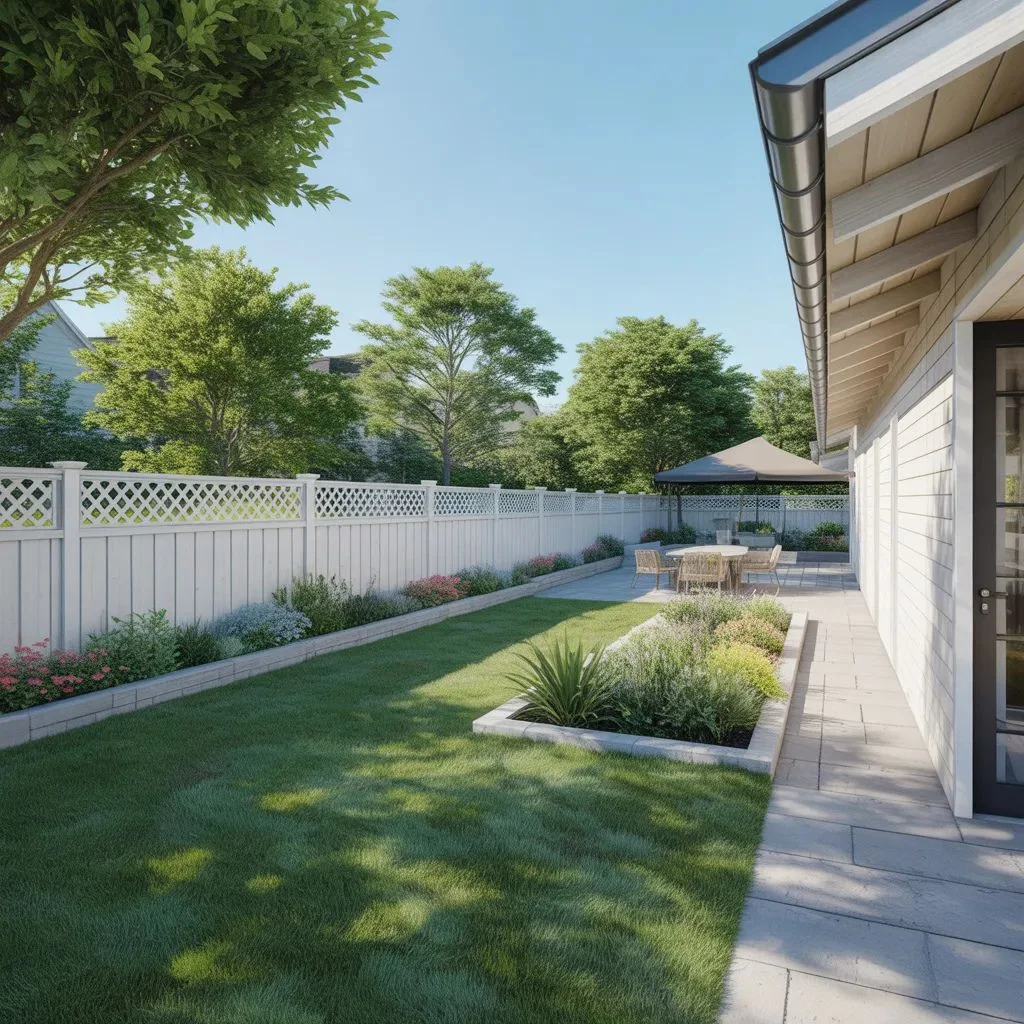
Picking the right lattice fence comes down to four things: your primary goal, your budget, your maintenance tolerance, and the style of your home. Let’s break that down simply.
If privacy is the priority: Go for a hybrid design with solid lower panels and a lattice topper or use small-grid lattice with dense climbing plants. Add height — taller fences screen more without requiring solid construction.
If budget is tight: Wood lattice panels and basic pressure-treated posts are your best friend. A 20-foot DIY lattice fence can come in under $200 in materials.
If low maintenance matters most: Choose vinyl lattice fence panels. They hold colour, resist moisture, and need almost no upkeep.
If you want something that looks custom: Look at metal lattice, mixed-material designs (solid wood with metal lattice overlay), or painted geometric patterns. These take more budget but look genuinely distinctive.
And finally — match your fence to your house. A white diamond-grid lattice fence suits a cottage or traditional home beautifully. A square-grid or metal design suits modern architecture better. When the fence and the house speak the same visual language, the whole property feels more intentional.
Recommended: DIY Lattice Screen Ideas That Add Privacy Without Losing Style.