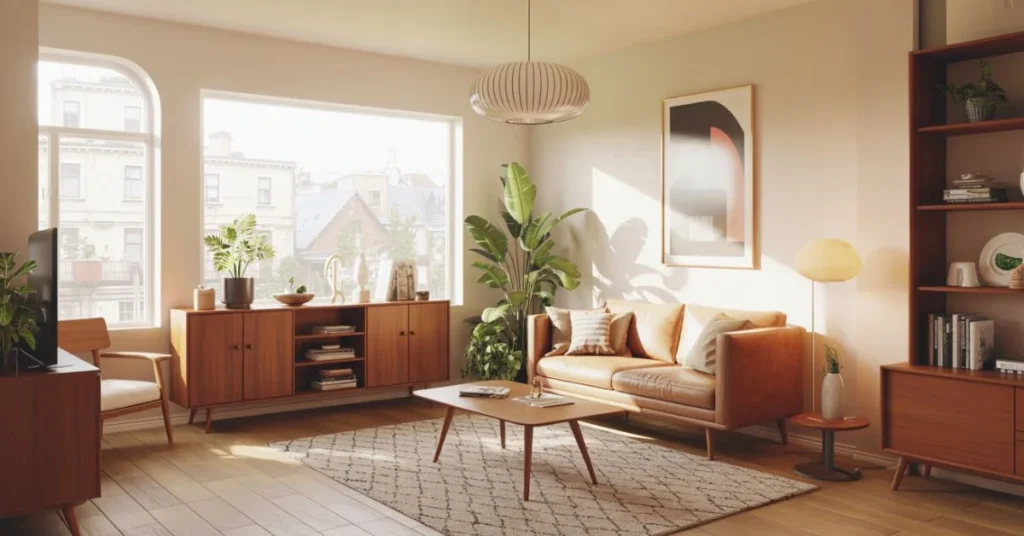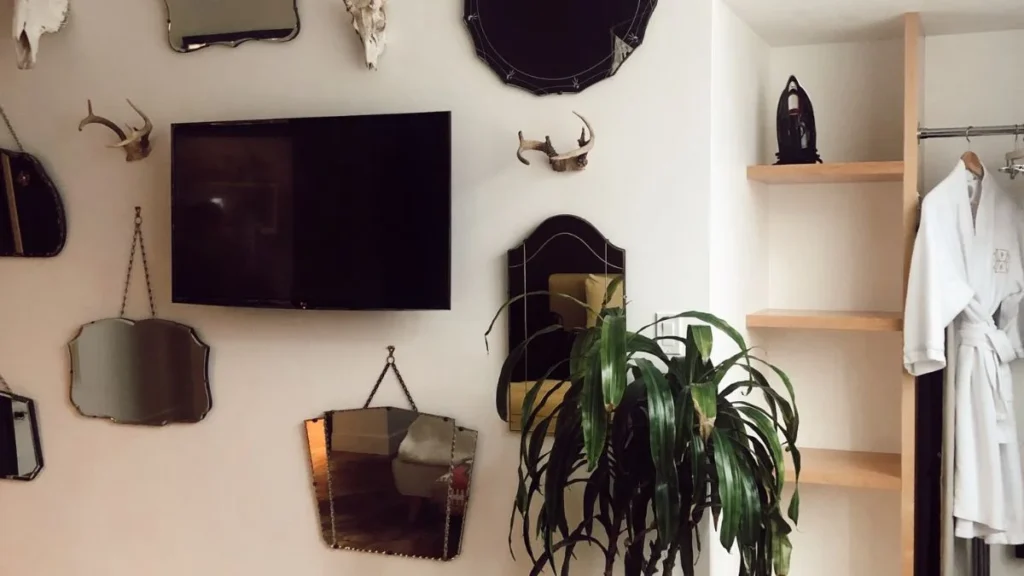
A gallery wall built entirely from mirrors and frames turns a blank stretch of wall into the most talked-about corner of the room. Among the many Ikea mirror wall ideas worth trying, mixing mirrors with picture frames is the one that delivers the most personality for the least effort. It borrows the depth and light of mirrors while keeping the warmth of framed prints, so the finished wall never feels flat or overly staged.
This approach works just as well in a narrow hallway as it does in a spacious living room. The trick lies in choosing pieces that complement each other rather than compete, then arranging them with enough breathing room that the wall reads as curated rather than cluttered. The pairing of glass and frame is what separates this from a standard mirror display, and it is the detail most people miss on a first attempt.
Quick Wins Before You Pick Up a Hammer
- Anchor the wall with one statement mirror, then build outward with smaller frames.
- Mix shapes and finishes but repeat one detail, such as a metal tone, to tie the whole wall together.
- Leave equal gaps between pieces so the arrangement has room to breathe.
- Test the layout on the floor or with paper templates before a single hole is drilled.
Building a Gallery Wall Around One Statement Mirror
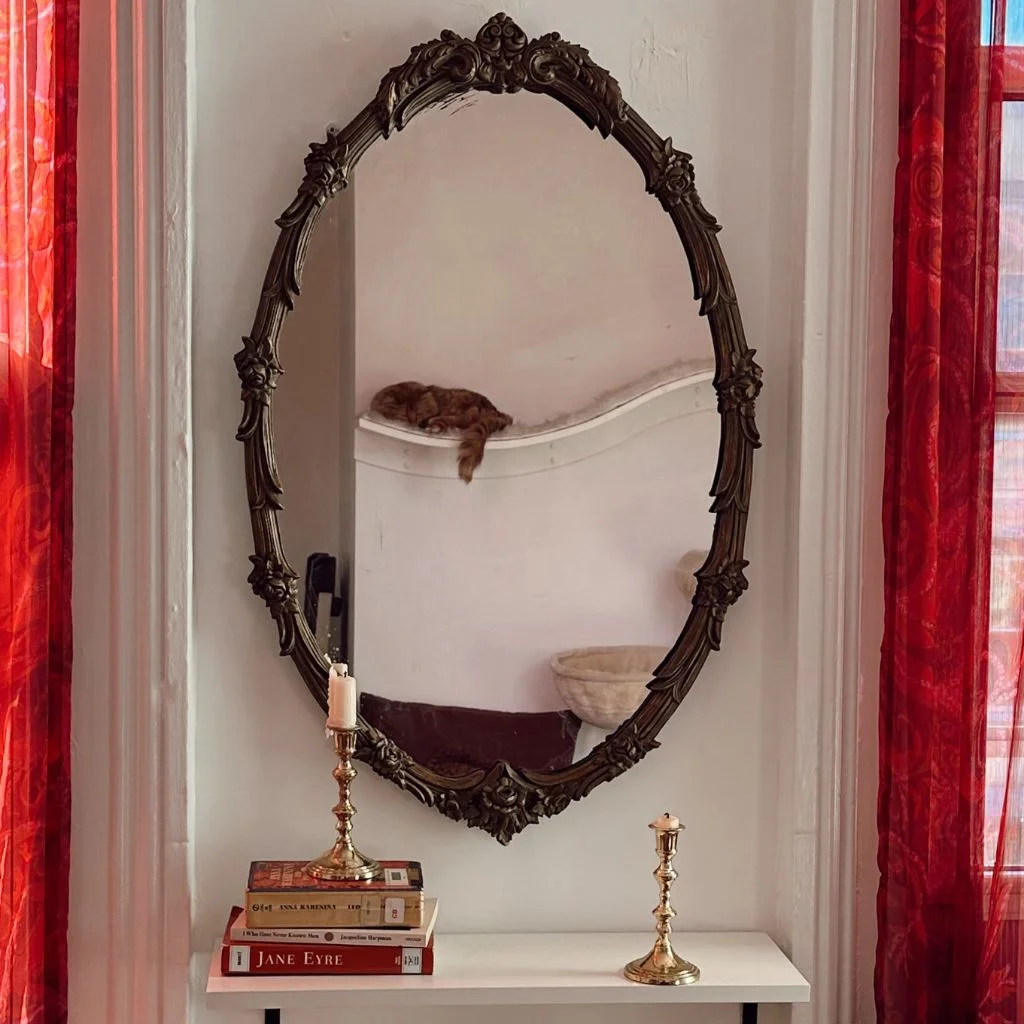
Every strong mirror wall starts with a single dominant piece that sets the scale for everything around it. A large arched or round mirror, the kind Ikea keeps in steady rotation, works well because its shape already reads as a focal point rather than a filler item.
Position the anchor mirror slightly off-centre rather than dead in the middle of the wall. This one adjustment is what separates a homemade-looking display from the kind of Ikea mirror wall ideas interior stylists use, because it gives the surrounding frames somewhere natural to flow toward.
Once the anchor is hung, everything else on the wall should sit lower in visual weight. Smaller mirrors and frames become supporting characters, which keeps the eye moving instead of pulling it in three directions at once.
Measure the anchor piece against the full width of the wall before committing to a spot. A mirror that takes up more than half the available width tends to crowd out the frame cluster, so leaving at least a third of the wall free for the supporting pieces keeps the whole layout balanced.
Layering Ikea Frames Around the Anchor Piece
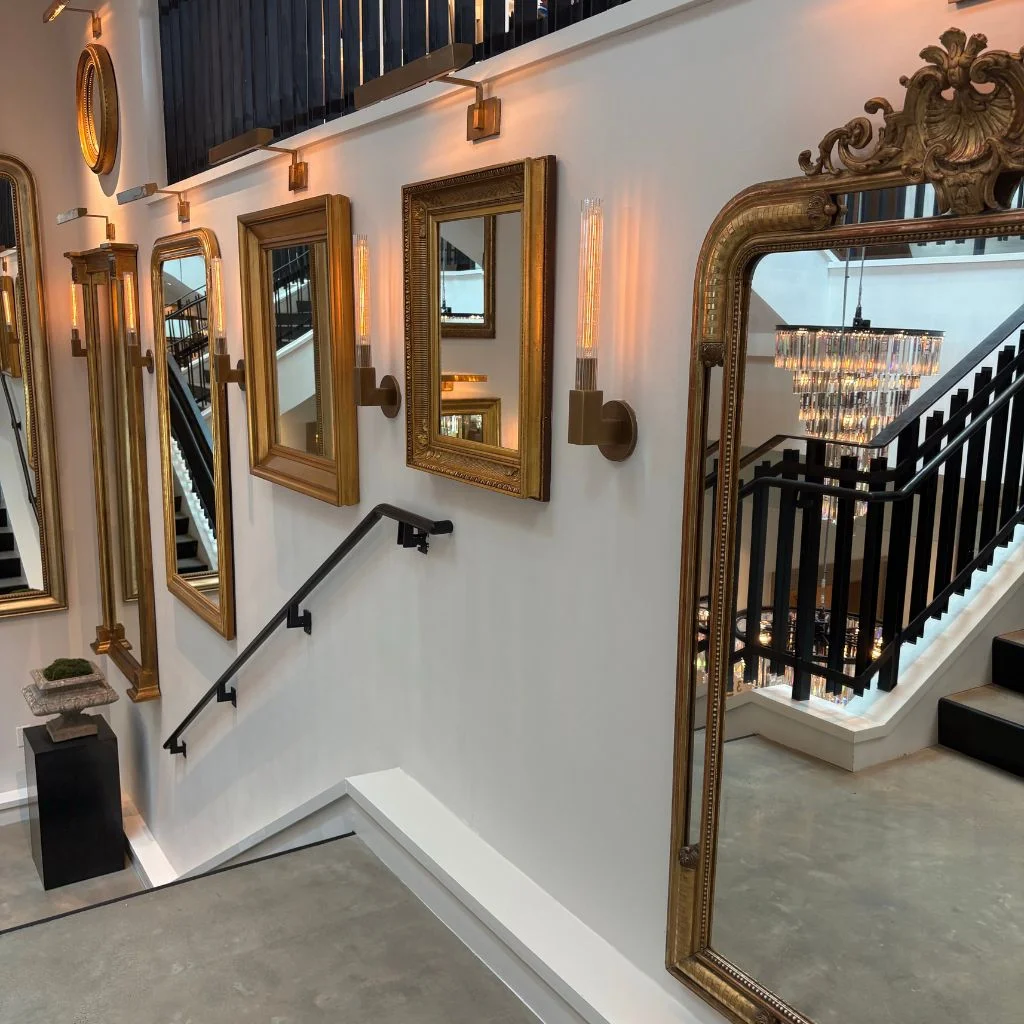
Frames do the quiet work of adding colour, texture, and personal history to a wall that would otherwise be all glass and reflection. Simple black or oak frames from Ikea’s regular frame lines are ideal here, since their plain edges do not fight with the mirrors for attention.
Group frames in twos or threes rather than scattering them evenly across the wall. Clusters read as intentional, while single frames dropped between mirrors can look like an afterthought.
Mix in one or two brass or gold-toned frames if the rest of the room leans warm. A touch of a second metal tone keeps the wall from looking like a single matching set, which is often the flattest version of Ikea mirror wall ideas available.
Vary what sits inside the frames as well as the frames themselves. A pressed botanical print, a black-and-white photograph, and a plain colour block card create more visual interest than three similar prints in three different frames, even though the frame styling stays consistent.
Balancing Shapes Sizes and Finishes
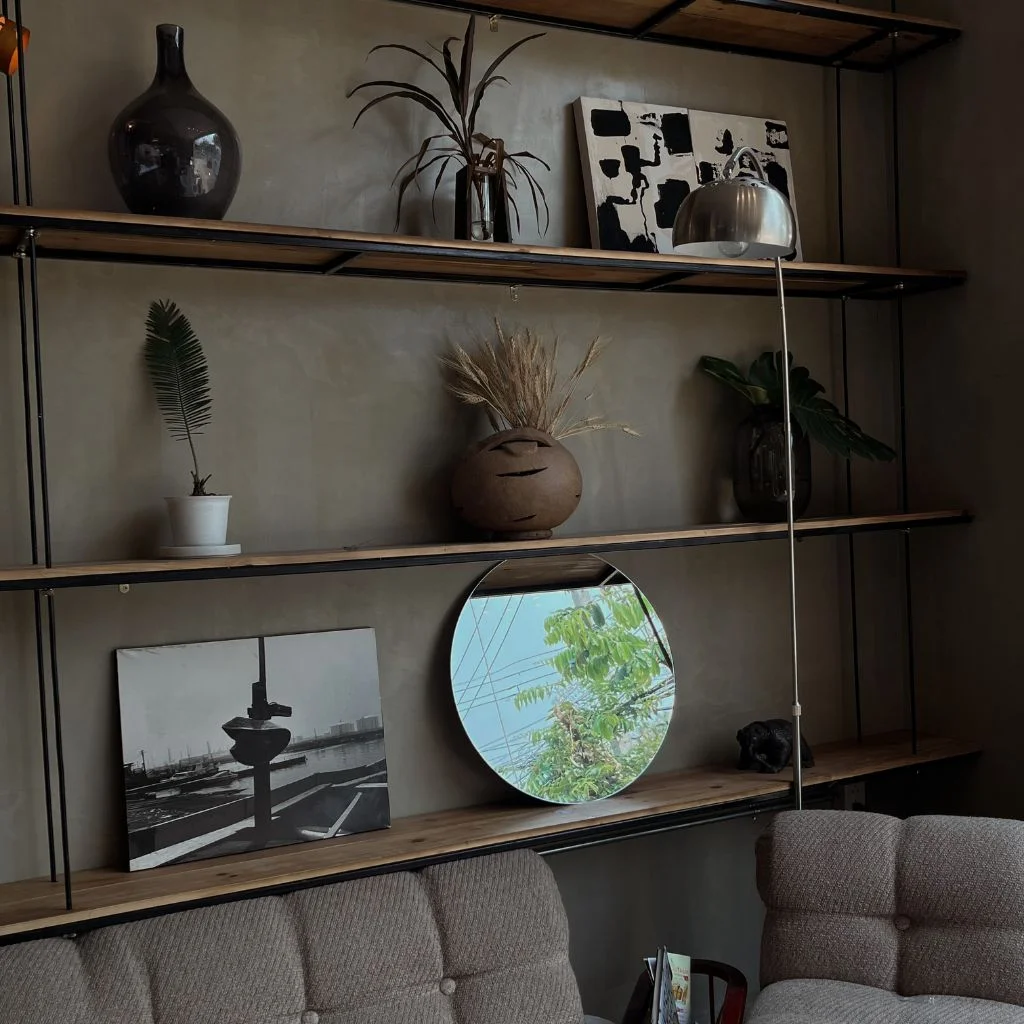
A mirror wall stays interesting when no two neighbouring pieces are identical in shape. Pair a round mirror with a rectangular frame, or set an arched mirror beside a square print, so the eye has contrast to travel across.
Keep a rough ratio of one mirror for every two or three frames. This keeps reflections from overwhelming the room while still giving the wall the light-bouncing benefit that made mirrors the starting point.
Finish consistency matters more than shape variety. Choose two finishes maximum, such as matte black paired with natural oak, and repeat them across the wall so the mix feels edited rather than random.
Why this works: repetition of a single finish acts as a visual anchor the same way a colour palette does in a painting, letting the eye register the wall as one composed grouping rather than a random collection of items bought at different times.
Choosing a Wall Colour That Lets the Mirrors Pop
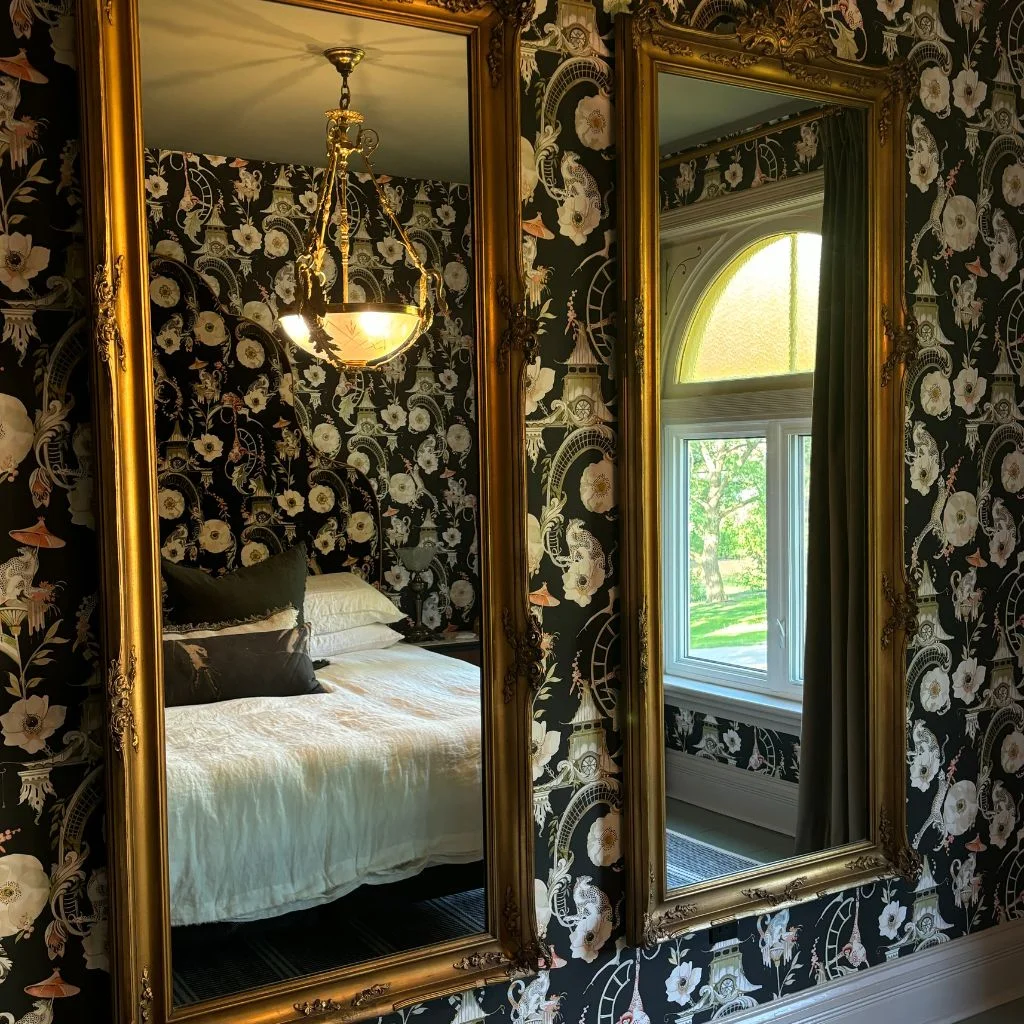
Reflective surfaces behave differently depending on what sits behind them, so wall colour deserves as much thought as the pieces themselves. A soft neutral, warm white, or pale sage backdrop lets both the glass and the frames stand forward without competing with a busy paint finish.
Darker walls, such as charcoal or deep green, make the mirror sections read almost like windows, since the contrast between the wall and the reflected light is much stronger. This version of Ikea mirror wall ideas suits rooms that already lean moody or have strong natural light to bounce around.
Whatever the base colour, avoid heavily patterned wallpaper directly behind the cluster. Pattern and reflection fighting for attention is one of the fastest ways to make an otherwise well-planned wall feel busy.
Common Mistakes That Make a Gallery Wall Look Cluttered
The most frequent misstep is overcrowding the wall to use every piece on hand. A gallery wall needs negative space as much as it needs objects and skipping that gap is the fastest way to turn good Ikea mirror wall ideas into visual noise.
Another common mistake is ignoring the furniture beneath the wall. A mirror hung too high above a console table looks disconnected, while one hung at eye level from a nearby armchair usually anchors the whole grouping.
Uneven spacing is the third trap. Gaps that vary from two inches to eight inches across the same wall make the layout look accidental rather than planned, even when the individual pieces are well chosen.
A less obvious mistake is forgetting how the mirrors will reflect the opposite side of the room. A cluster that mostly reflects a cluttered shelf or an open door can undo the effort put into the wall itself, so it is worth checking the reflection from a seated position before finalising the layout.
A Hallway Transformation That Proves the Formula Works
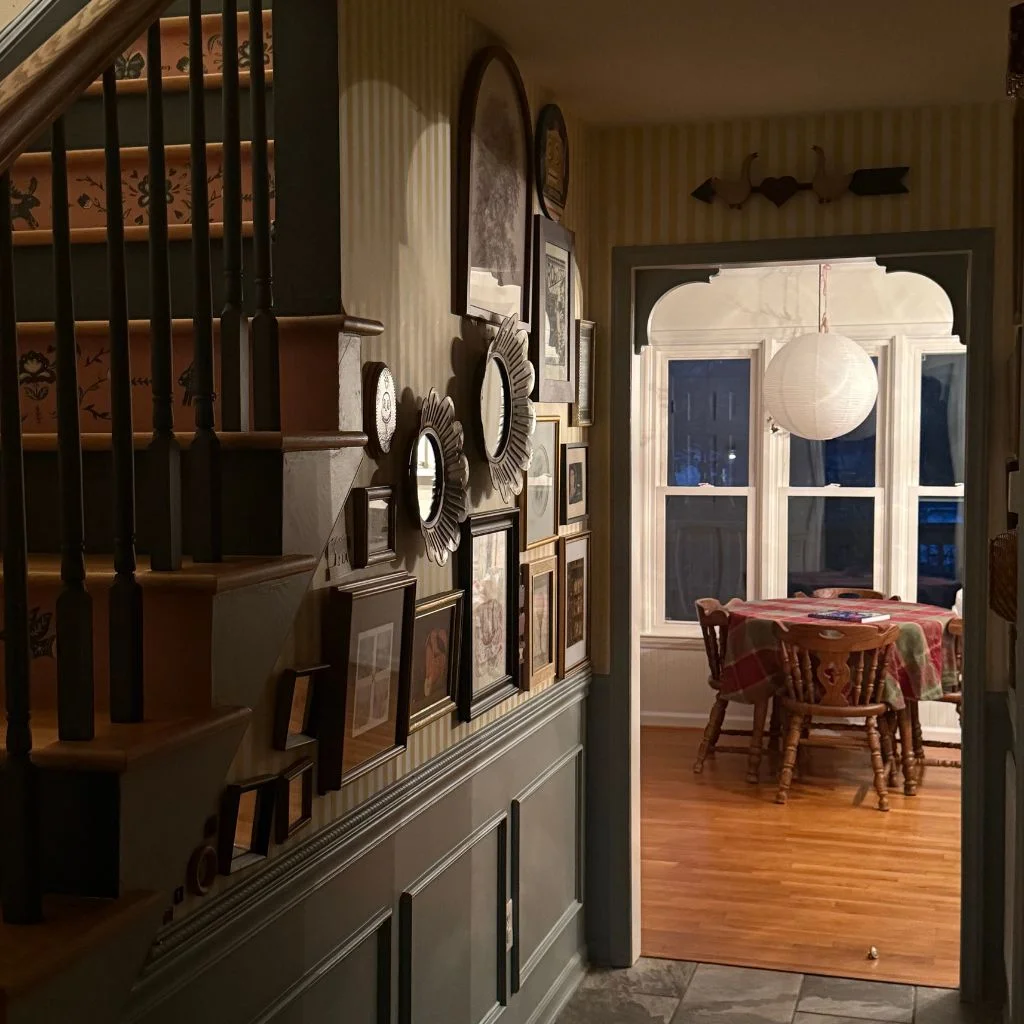
A narrow entry hallway is one of the best places to test this layout, since the tight space makes both mistakes and successes obvious immediately. Swapping a single plain mirror for a cluster of three small Ikea frames and one round mirror made the same hallway feel noticeably wider within an afternoon.
The reason this works comes down to light bounce and scale. Multiple smaller reflective surfaces scatter light across more of the wall than one large mirror alone, while the framed pieces break up the glass so the hallway does not feel like a corridor of mirrors.
This is one of the few Ikea mirror wall ideas that costs very little to test, since it can be built almost entirely from pieces already sitting in a cupboard, with only one or two new mirrors added to complete the set.
Styling the Wall Room by Room
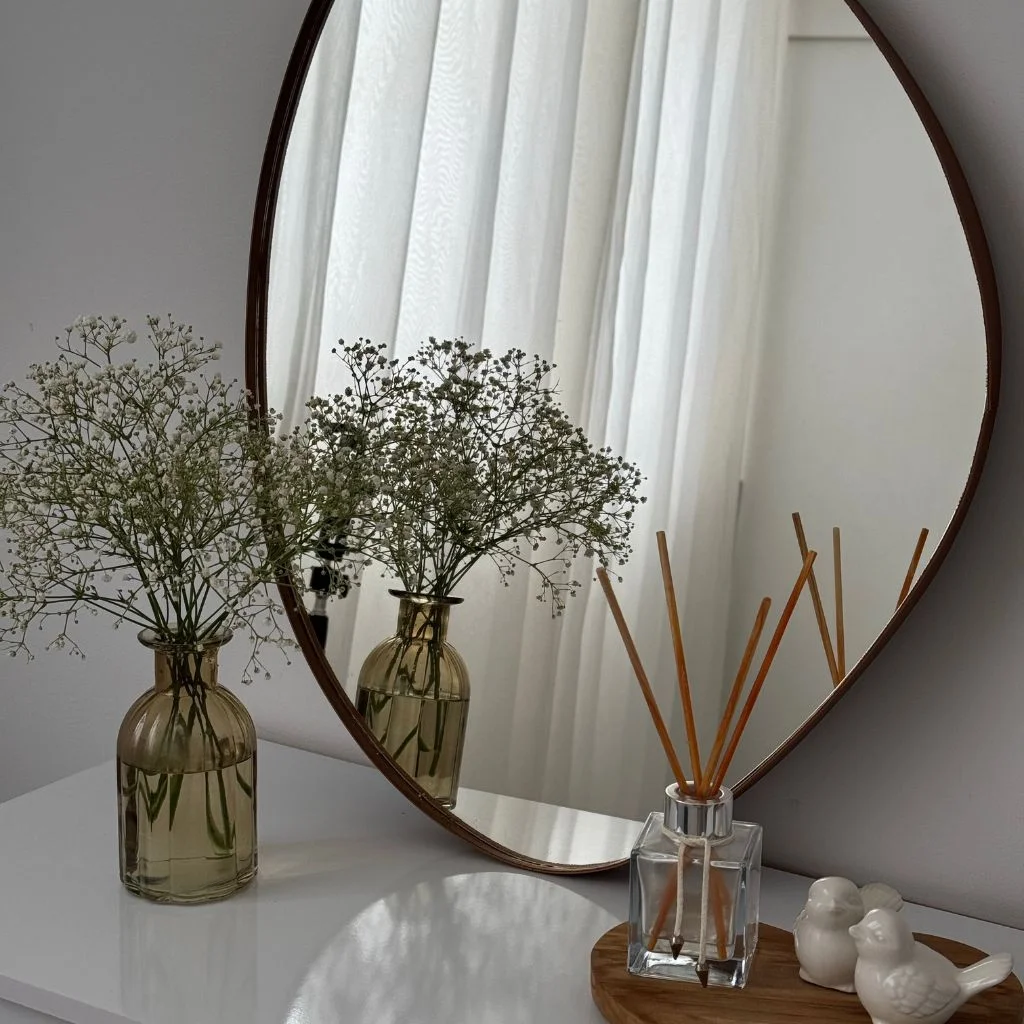
In a living room, keep the anchor mirror above a sofa or console and let the frame cluster spread toward the nearest armchair, so the wall feels connected to the seating rather than floating above it.
In a bedroom, position the arrangement beside rather than above the bed. A wall of mirrors directly over a headboard can feel unsettling to sleep under, while a side wall still catches morning light beautifully.
In a small entryway, scale everything down. A medium mirror with two or three petite frames does the same visual trick as a large living room arrangement, just at a size that suits a tighter footprint.
A home office benefits from the same approach placed to one side of the desk rather than directly behind the screen used for video calls, since a wall full of mirrors behind a camera can create distracting reflections on a call.
Across every room, the sizing rule stays the same: scale the whole cluster to roughly two-thirds the width of the furniture it sits above. This single ratio is behind most of the well-proportioned Ikea mirror wall ideas that photograph well, regardless of the specific room they sit in.
Small Details That Finish the Cluster
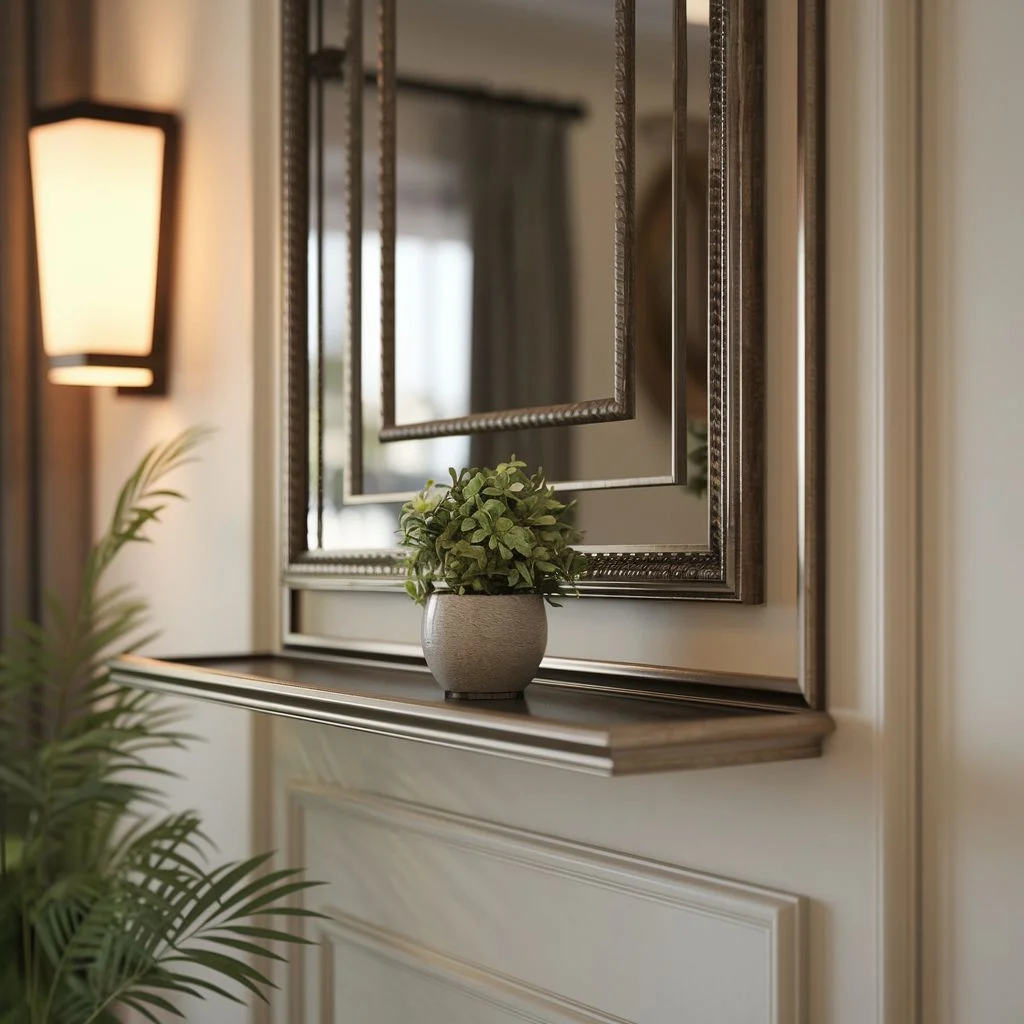
Hanging hardware is worth checking before the pieces go up, since mismatched picture wire and D-rings on different mirrors and frames can throw off the spacing calculations made on paper. Standardising the hanging point on each piece, even if it means adding a hook, keeps the final layout consistent with the plan.
A slim picture ledge tucked beneath the cluster gives a spot for a small plant or a stack of postcards, softening the wall further without adding another mirror or frame to the count. It also makes future rearranging easier, since pieces can lean on the ledge rather than needing a fresh nail hole.
Lighting placed to one side, such as a plug-in wall sconce, adds a warm glow across the glass in the evening. This small addition turns a daytime-only display into one of the more versatile Ikea mirror wall ideas for rooms that get heavy evening use.
Ikea Pieces Worth Seeking Out
Ikea’s frame ranges are reliable because they are restocked consistently and come in the plain black, white, and oak finishes that make mixing easy. Look for simple frame families in a few different sizes so the cluster has natural variation built in.
For the mirror itself, round and arched styles tend to photograph and style better than plain rectangles, since their softer edges balance the straight lines of the surrounding frames. Keep an eye out for lightweight options if the wall is plasterboard, since they are far easier to hang without extra reinforcement.
Buying frames in a single trip and mirrors separately, closer to when the layout is finalised, usually gives the best results, since the mirror size can then be chosen to fit the exact gap left by the frame cluster. Sticking to one or two product families across the whole wall, rather than mixing pieces from several different ranges, keeps this among the more affordable Ikea mirror wall ideas to put together over a single weekend.
Your Wall, Reimagined
A curated mirror and frame wall is one of the few upgrades that changes how a whole room feels without touching a single piece of furniture. Starting with one anchor mirror, building outward with clustered frames, and leaving deliberate gaps between pieces turns a basic idea into a wall worth photographing.
Of the countless Ikea mirror wall ideas circulating online, this mixed approach ages the best, since it can be added to or rearranged as new pieces come along, rather than locking the wall into one fixed, matching look.
Save this layout and start with just one mirror and three frames this weekend — the rest of the wall can grow from there.
Recommended Reading: Ikea Bed Hacks For Extra Storage And Style.