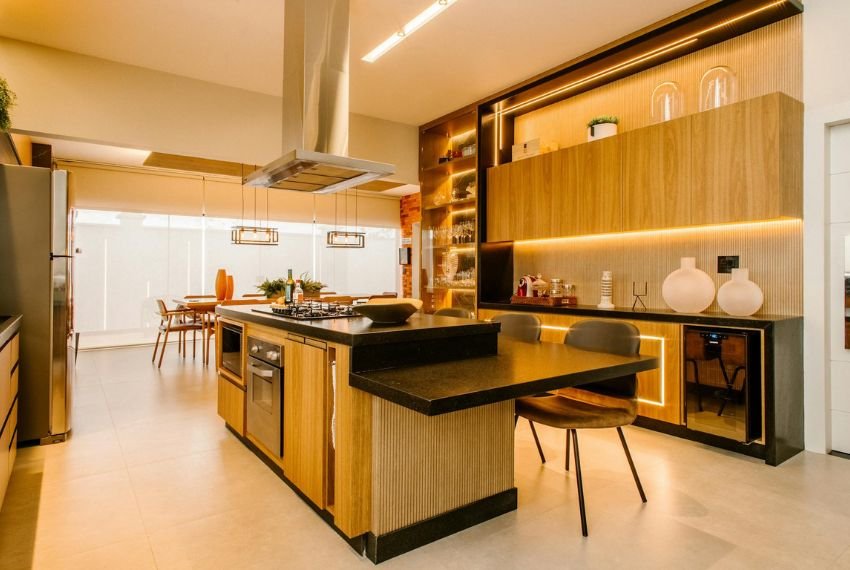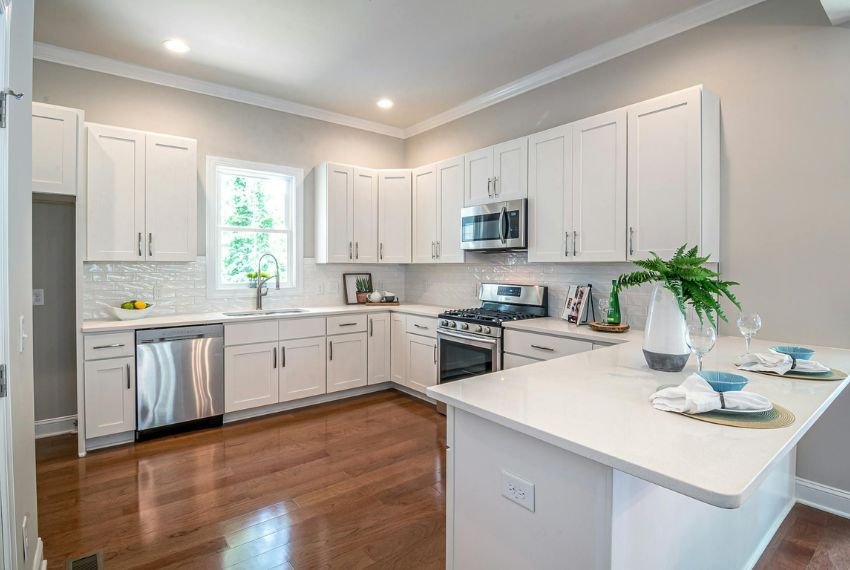
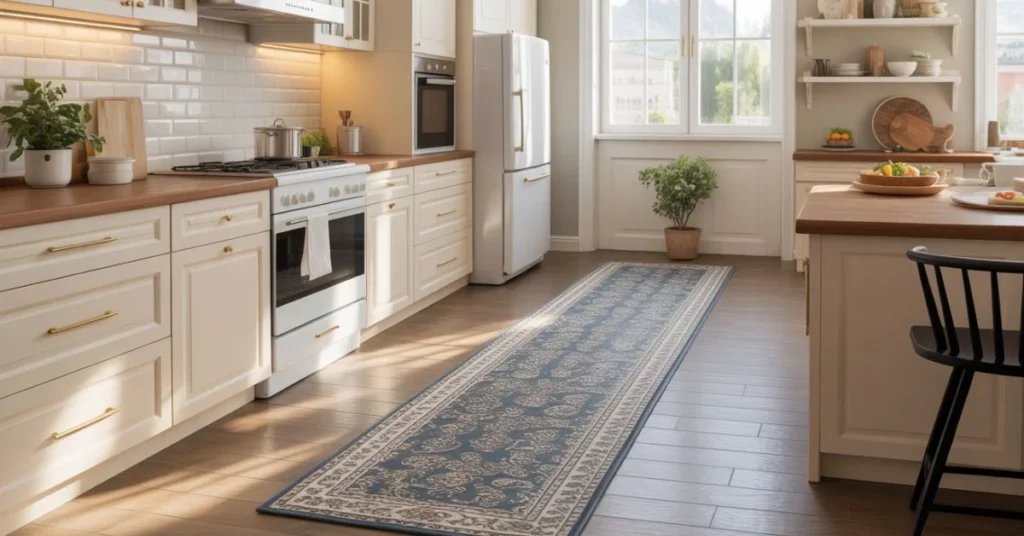
A kitchen is the heart of every home, but it’s also one of the busiest spaces. Spills, foot traffic, and slippery floors can create hazards, especially during cooking or entertaining. This is where Kitchen Runner Rugs come in—not only do they add style and warmth, but they also increase safety. Choosing the right non-slip rug can make a world of difference for comfort and accident prevention.
Why You Need Non-Slip Kitchen Runner Rugs
Slippery floors are a common source of accidents in kitchens. Even a quick splash of water or oil can cause slips. Non-slip Kitchen Runner Rugs have a special backing that grips the floor, keeping the rug in place. They provide a safer surface for cooking, washing dishes, and moving around, especially in high-traffic areas.
Beyond safety, these rugs protect floors from spills, stains, and scratches. They also reduce fatigue when standing for long periods, making daily kitchen tasks more comfortable. Investing in a durable, non-slip rug is practical, stylish, and essential for every home.
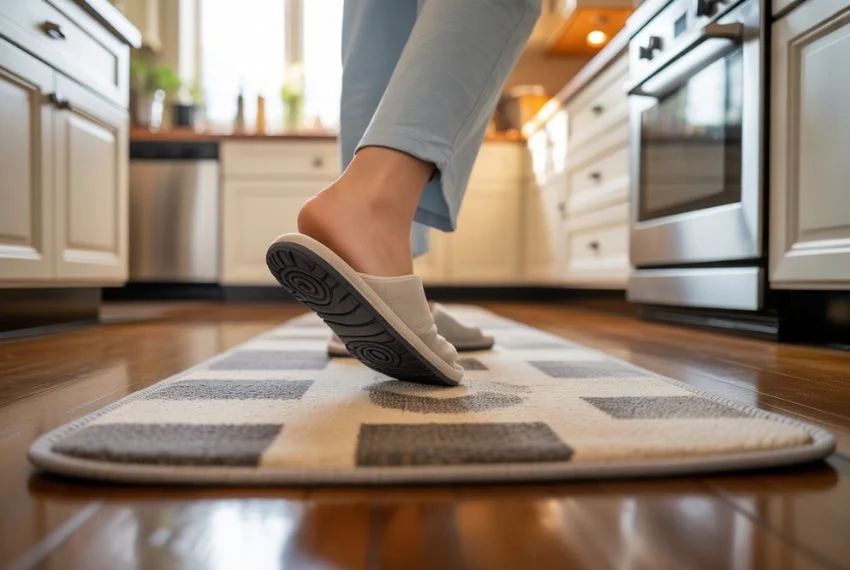
Choosing the Right Material for Kitchen Runner Rugs
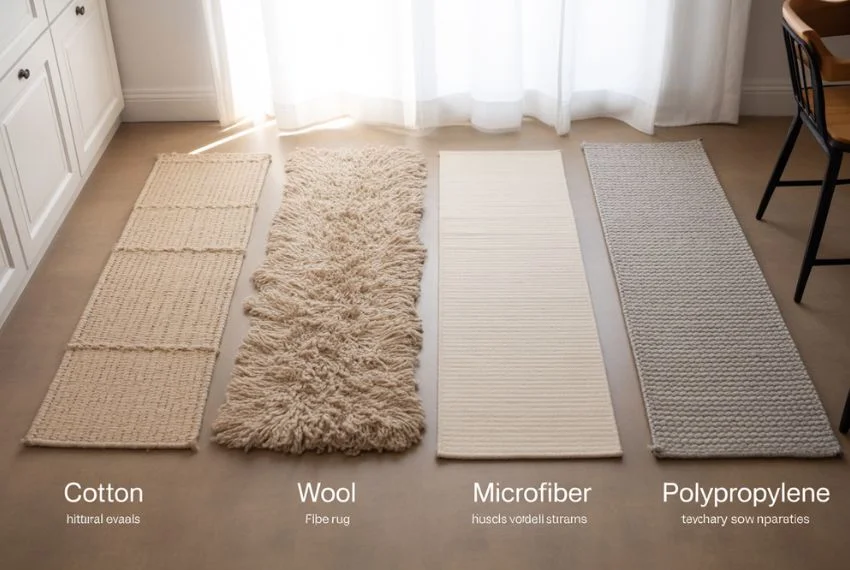
The material of your Kitchen Runner Rugs affects durability, cleaning, and comfort. Common options include:
- Cotton: Soft, easy to wash, and comes in many patterns.
- Polypropylene: Highly durable, stain-resistant, and ideal for heavy traffic.
- Wool: Luxurious and naturally resistant to dirt but may require professional cleaning.
- Microfiber: Quick-drying, easy to clean, and very soft underfoot.
For kitchens, synthetic fibers with non-slip backing often work best. They handle spills, can be cleaned easily, and last for years.
Sizes and Shapes That Fit Every Kitchen
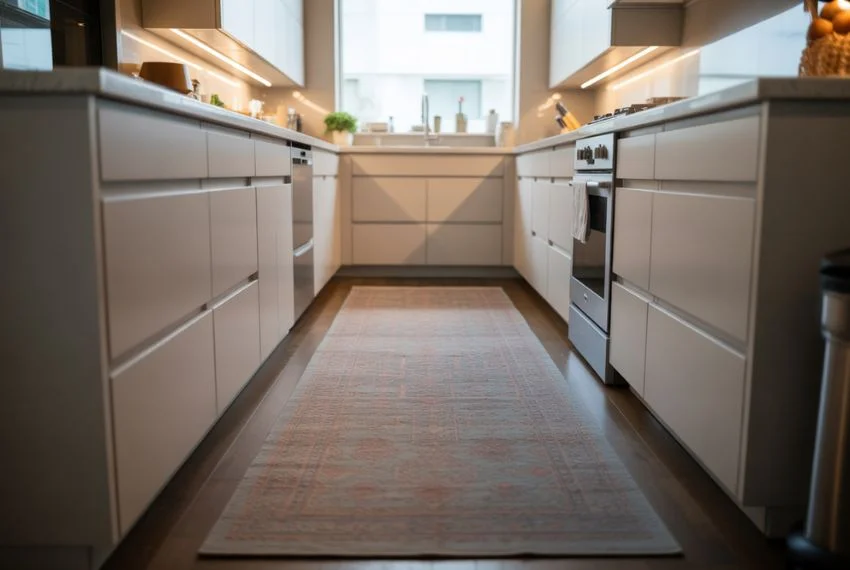
Kitchen Runner Rugs are typically long and narrow, designed to fit galley kitchens, islands, and work zones. When selecting the right size:
- Measure the walkway to ensure the rug doesn’t block doors or cabinets.
- Leave a few inches of floor visible around edges for a balanced look.
- Consider layering smaller rugs if your kitchen is unusually long or L-shaped.
Choosing the right shape ensures your rug is both functional and visually appealing.
Styles and Designs for Modern Kitchens
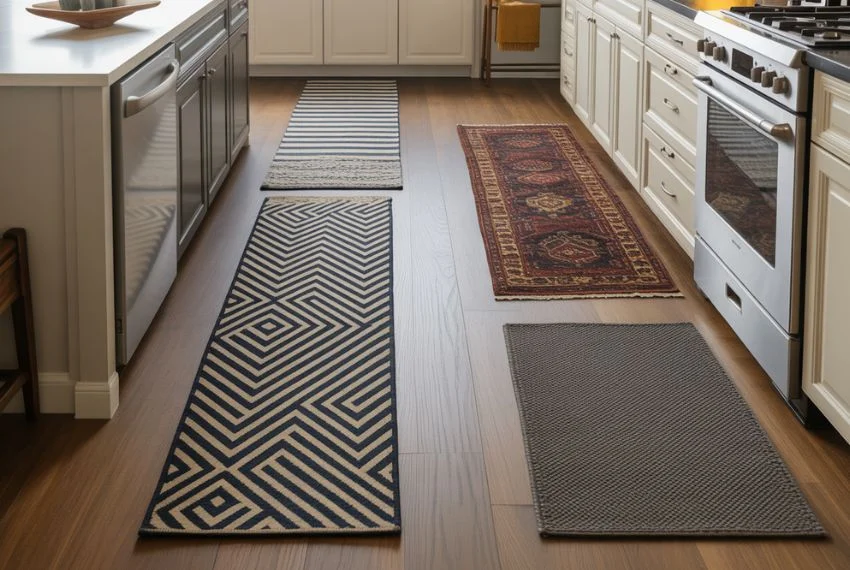
Today’s Kitchen Runner Rugs come in countless designs, from bold patterns to subtle neutrals. Popular styles include:
- Geometric patterns for contemporary kitchens.
- Farmhouse-inspired stripes or checks.
- Traditional oriental designs for a classic touch.
- Minimalist solid colors for a clean, modern look.
Select a rug that complements your kitchen’s color palette and overall décor while still emphasizing safety and practicality.
Maintenance Tips for Longevity
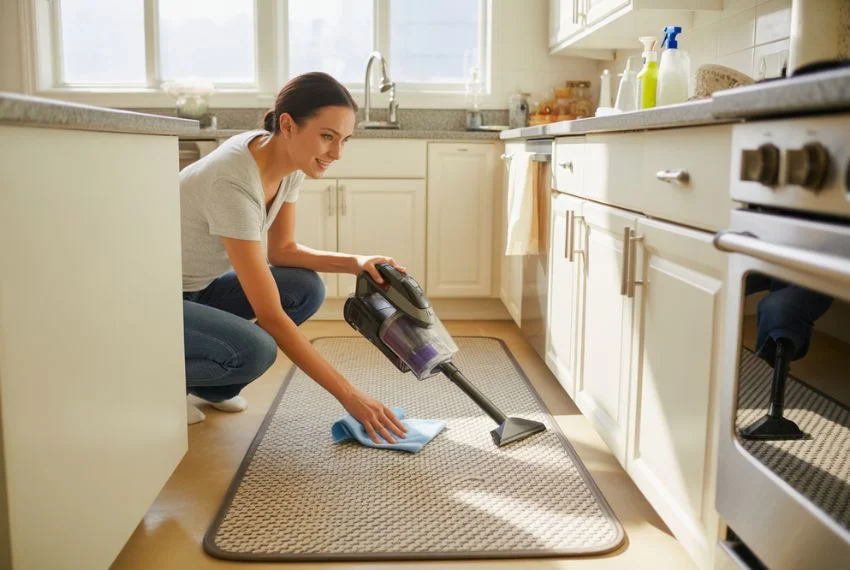
Non-slip Kitchen Runner Rugs are practical, but proper maintenance extends their lifespan:
- Vacuum regularly to remove crumbs and debris.
- Spot clean spills immediately to prevent stains.
- Machine wash or hand wash depending on material.
- Check non-slip backing periodically to ensure it still grips the floor.
- Rotate rugs to even out wear in high-traffic zones.
With these tips, your kitchen runner rug stays functional and stylish for years.
Final Note
Non-slip Kitchen Runner Rugs combine safety, comfort, and style in one essential kitchen accessory. From preventing slips to adding a touch of elegance, these rugs are practical for every home. Whether you have a small galley kitchen or a spacious culinary area, investing in the right runner rug ensures both safety and aesthetic appeal.
Also Read About Essential Guide to a Fully Stocked Capsule Kitchen for Every Home.
FAQs About Kitchen Runner Rugs
Q1: Are all kitchen runner rugs non-slip?
No, not all Kitchen Runner Rugs have non-slip backing. Always check the product description or add a rug pad for safety.
Q2: Can I machine wash kitchen runner rugs?
Some materials, like cotton or microfiber, are machine washable. Synthetic rugs often require spot cleaning.
Q3: How long should a kitchen runner rug be?
Measure your kitchen walkway. Typically, a runner rug should leave a few inches of floor visible on all sides for balance.
Q4: Do non-slip rugs work on all floors?
Yes, but effectiveness varies. Hard surfaces like tile, wood, or laminate work best. Use a rug pad on uneven surfaces.