Most beautifully decorated homes have one thing in common — and it is not an unlimited budget. It is knowing which organic modern home decor rules to follow and, more importantly, which ones to break. The style sits at a rare intersection: raw, natural, grounded — yet clean, intentional, and quietly sophisticated.
Designers who specialise in this aesthetic rarely write the formula down. They speak in vague terms like “warmth” and “balance” while charging premium rates for results that look completely effortless. This article pulls back the curtain. From the materials worth investing into the styling moves that separate a cohesive space from a cluttered one, here is everything the professionals quietly keep to themselves.
What Organic Modern Home Decor Actually Means
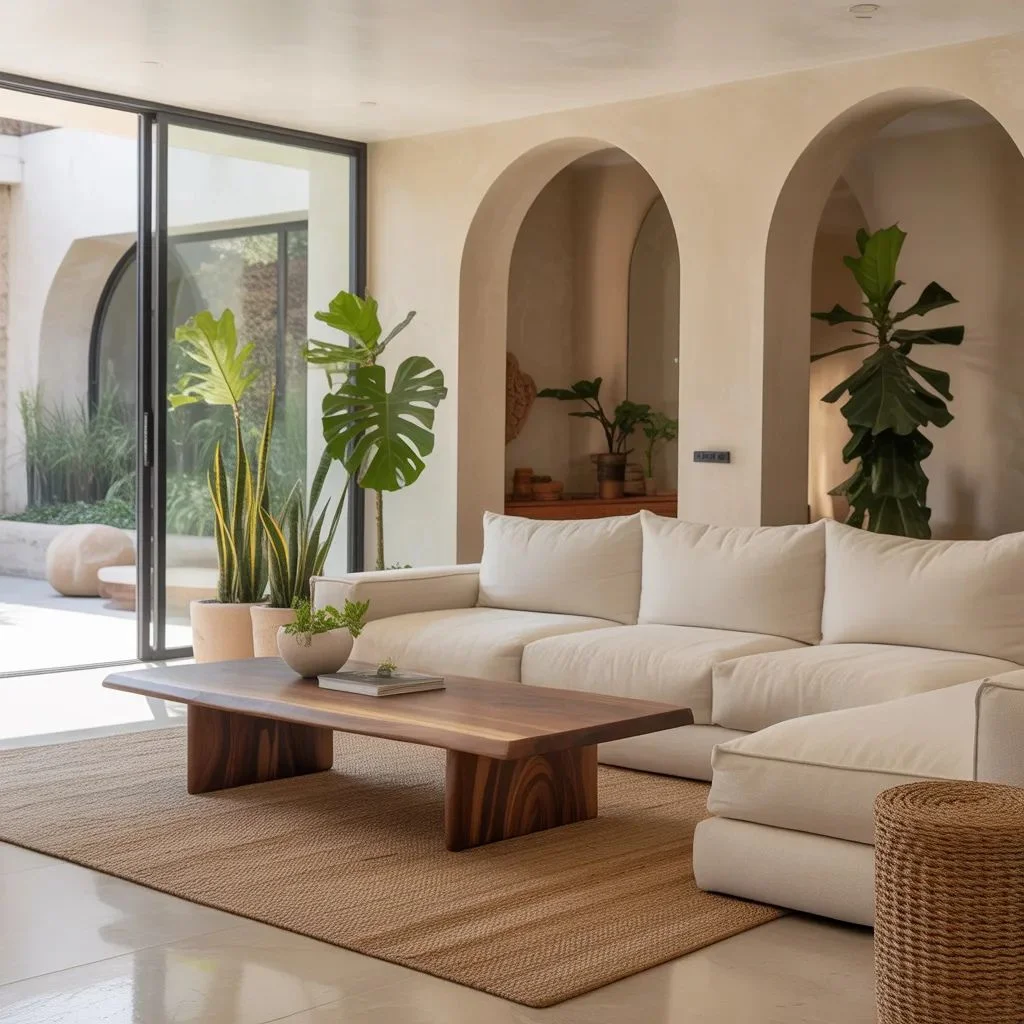
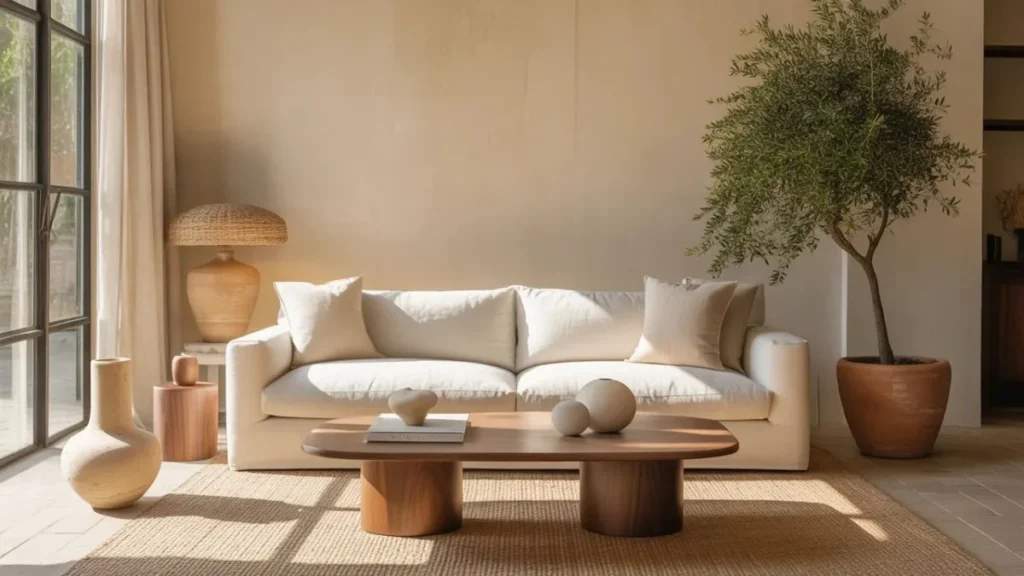
Organic modern home decor is not a single look — it is a philosophy. It combines the warmth and imperfection of natural materials with the restraint and intentionality of modern design. Think warm white walls next to a chunky linen sofa. A sculptural ceramic vase on a walnut console. A woven jute rug anchoring furniture with clean, minimal lines.
What it is not: cold, stark minimalism — or rustic farmhouse with shiplap everywhere. Organic modern sits firmly in between. It keeps the clean architecture of contemporary interiors but injects soul through handcrafted objects, raw textures, and a palette borrowed from earth and stone.
Start With the Right Neutral Palette
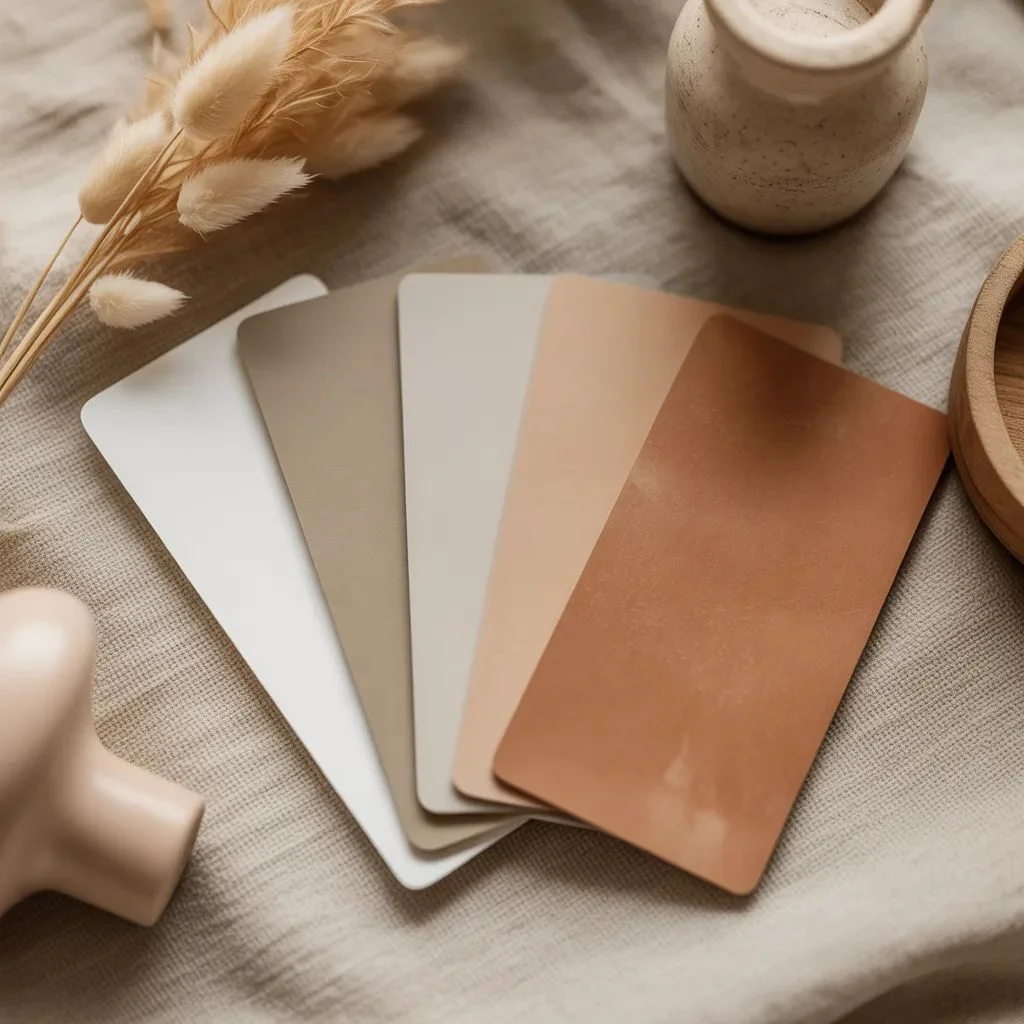
Colour is where most people go wrong first. They reach for stark white and wonder why the room feels cold. In organic modern decor, neutrals are warm, never icy. Think greige, oat, warm taupe, sandy beige, and terracotta at its most muted.
The secret designers use is a tonal layering approach. Rather than picking one neutral and repeating it everywhere, they stack three to five tones from the same warm family — each slightly different in depth. A warm white wall, a sand-coloured sofa, a camel throw, and a dark mocha accent cushion. Nothing clashes, yet the room has genuine depth and dimension.
Avoid cool greys, bright whites, and any blue-toned neutrals unless they appear in very small doses as contrast. The warmth of the palette is non-negotiable — it is what makes this style feel liveable rather than clinical.
Layer Natural Textures Strategically
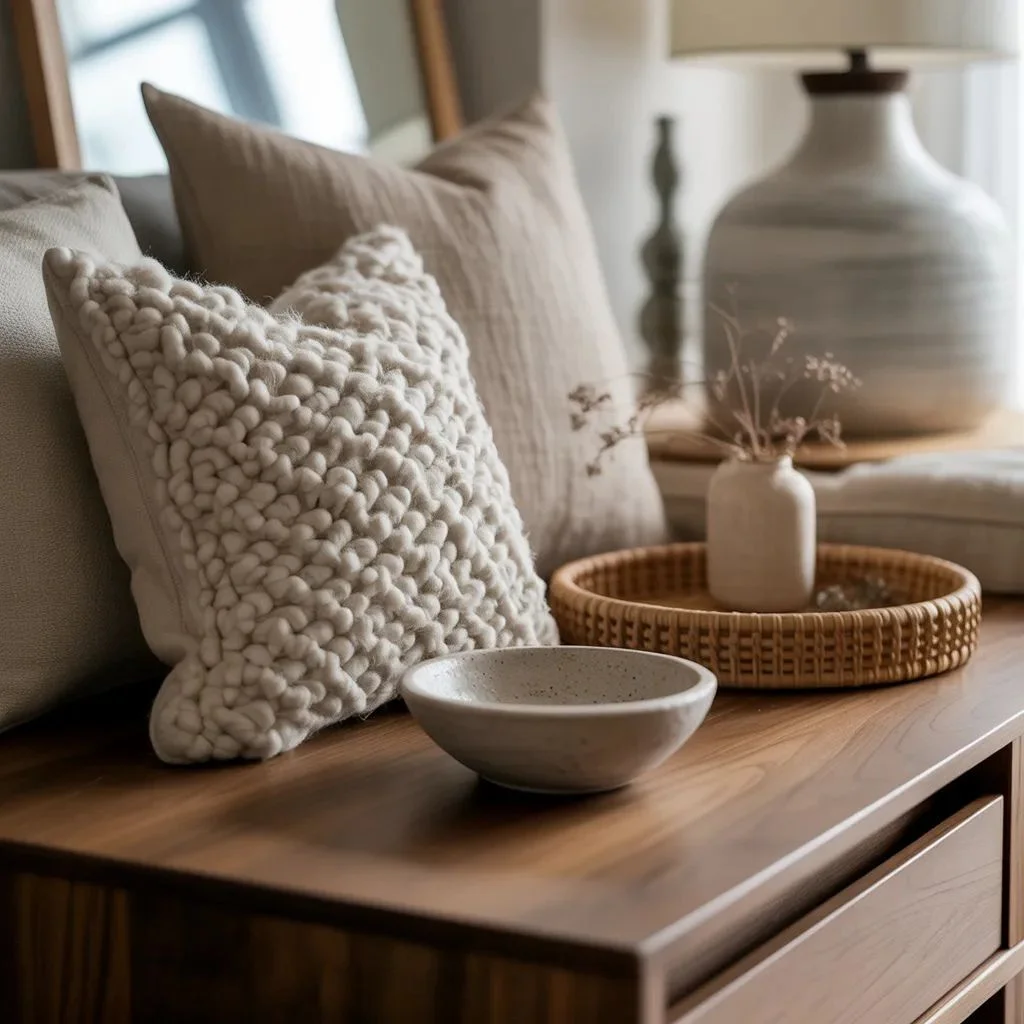
Texture is the backbone of organic modern styling — and the single most underused tool in most homes. In a tonal palette where colour contrast is deliberately low, texture provides the visual interest that keeps a room from feeling flat.
The approach that works is called tactile contrast: placing materials next to each other that feel completely different to the touch. Smooth polished concrete beside a chunky boucle cushion. Rough linen curtains against a sleek matte plaster wall. Weathered driftwood next to soft cashmere. Each pairing creates a quiet tension that makes the eye move around the room.
Materials worth prioritising in an organic modern space:
- Linen and boucle for upholstery and cushions
- Jute, sisal, and seagrass for rugs and baskets
- Rattan and bamboo for accent furniture and pendants
- Raw or oiled wood for tables and shelving
- Unglazed or matte ceramic for vessels and decorative objects
- Stone — marble, travertine, or limestone — for hard surfaces
Choose Furniture With Organic Shapes
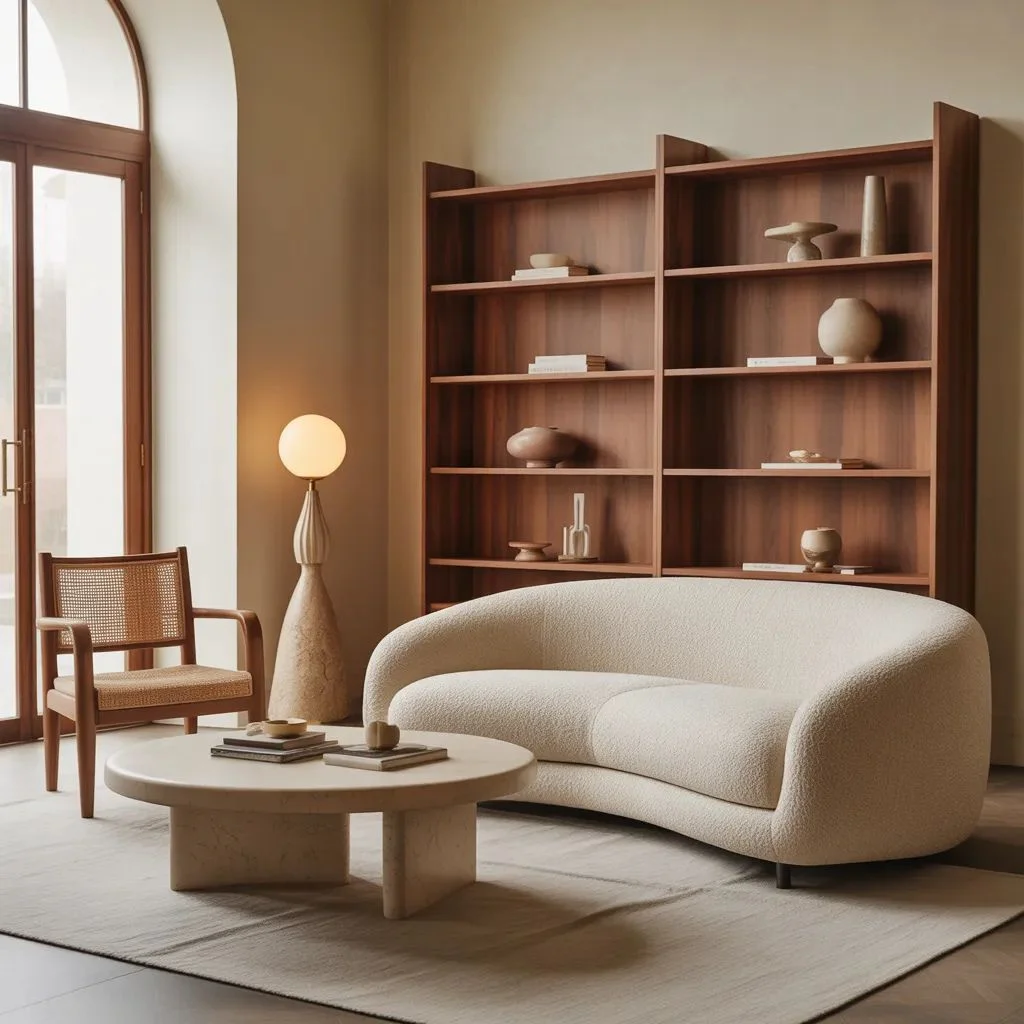
One of the defining signatures of organic modern home decor is furniture that takes its cues from nature. That means curved silhouettes instead of sharp corners, irregular edges instead of perfectly symmetrical lines, and legs that taper or angle rather than standing rigidly straight.
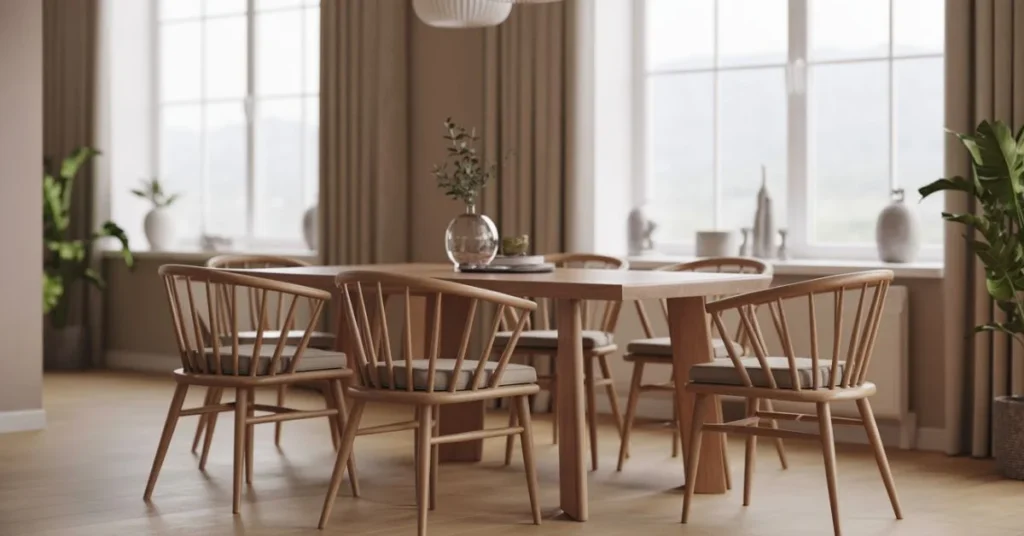
This does not mean every piece needs to be sculptural or unusual. Even a simple sofa benefits from slightly curved arms. A round coffee table immediately softens a room. A dining chair with a gently contoured back adds warmth without demanding attention. The key is avoiding anything that looks factory-perfect — the slight imperfection and handmade quality is exactly the point.
When shopping, look for pieces described as having live edges, solid wood construction, hand-formed finishes, or artisan-crafted details. These are not just marketing terms — they indicate the quality and character that makes organic modern furniture feel genuinely different from mass-produced alternatives.
Bring in Living Elements Intentionally
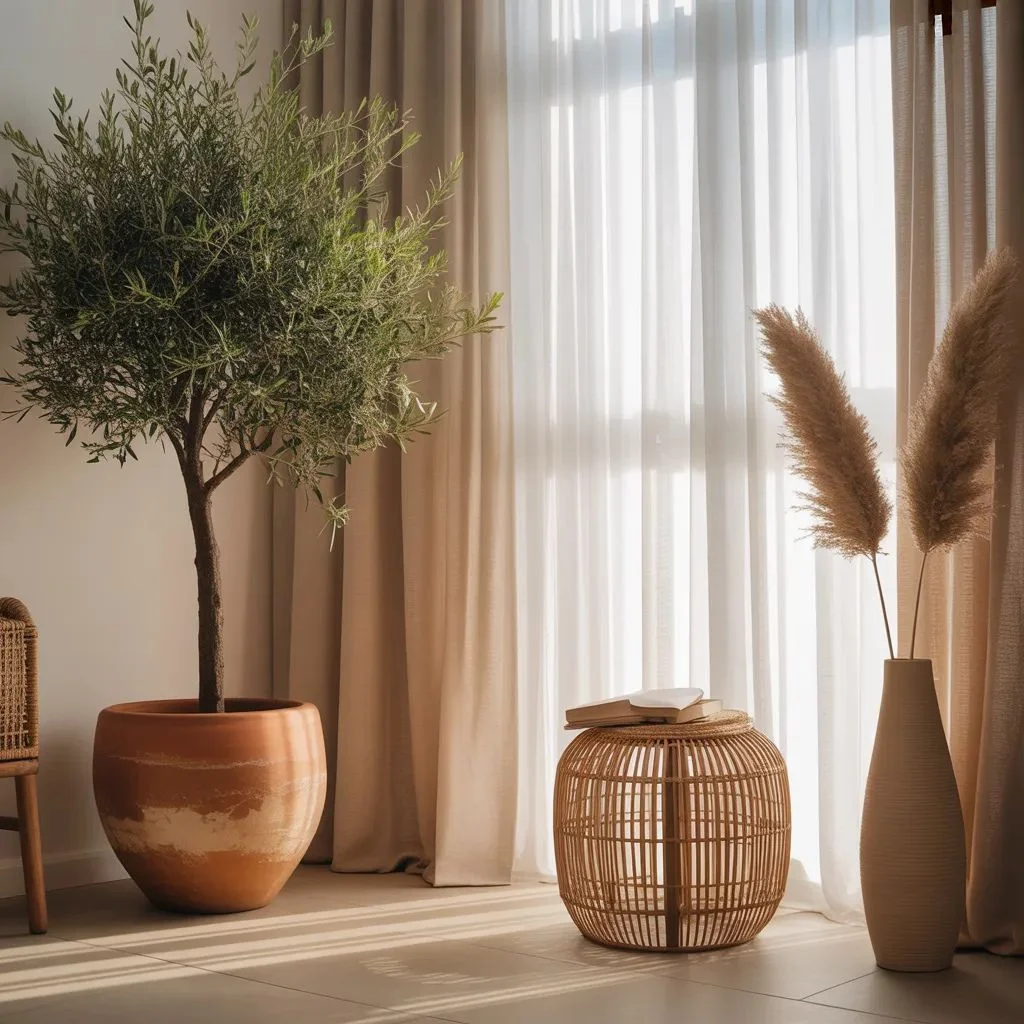
Plants are not optional in organic modern styling — they are structural. A well-placed fig tree in a terracotta pot, a trailing pothos on a high shelf, a cluster of sculptural cacti on a windowsill — each adds a layer of life and unpredictability that no decorative object can replicate.
The designer trick here is thinking of plants as furniture, not accessories. Larger specimens — olive trees, fiddle-leaf figs, snake plants — anchor corners and balance the visual weight of heavy upholstered pieces. Smaller plants and dried botanicals fill in gaps on shelves and tabletops without overwhelming the space.
Dried and preserved botanicals have earned a permanent place in organic modern interiors. Pampas grass, dried proteas, eucalyptus branches, and bleached palm leaves bring the same natural quality as fresh plants — with zero maintenance. Use them in oversized floor vases or as loose arrangements in ceramic pitchers.
Edit Ruthlessly — Less Is Always More
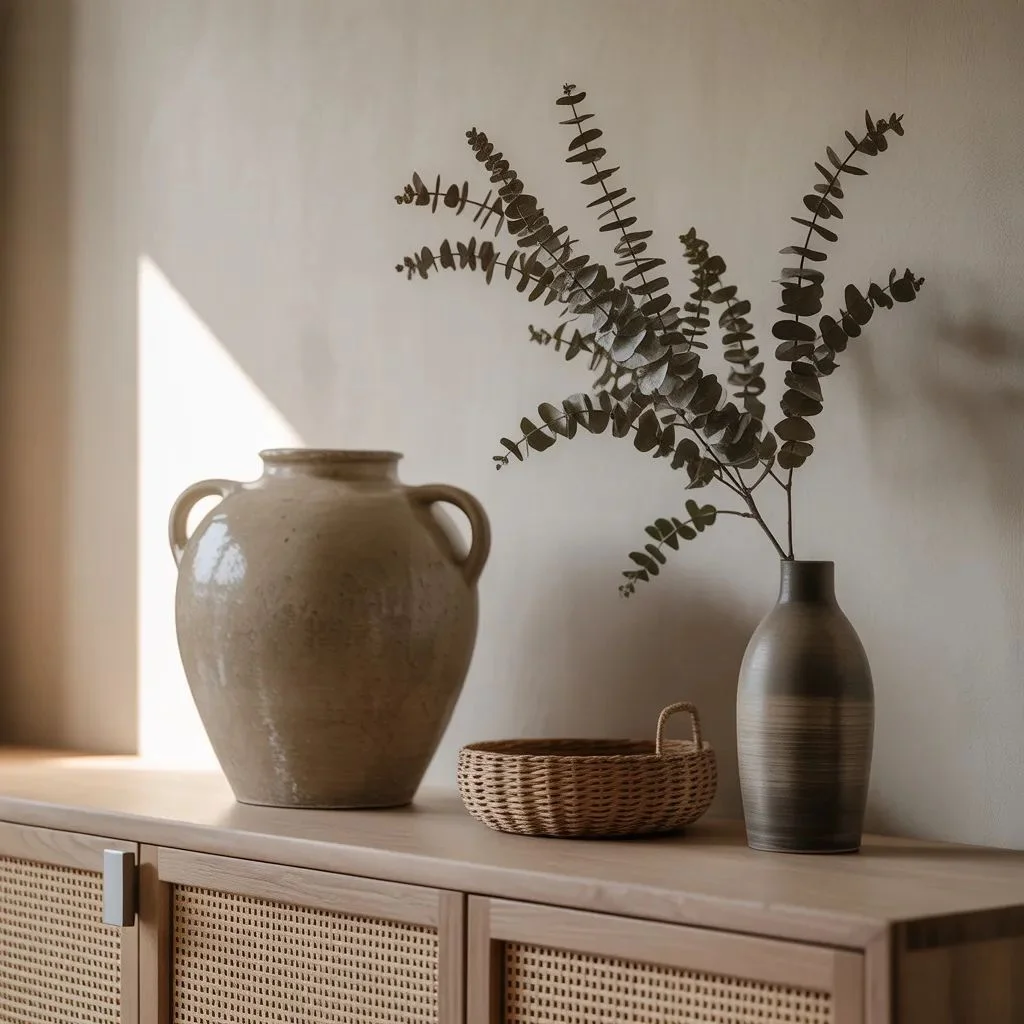
Organic modern styling is not about filling a room — it is about curating what stays in it. Every surface, shelf, and corner should have a reason to exist. The negative space between objects is just as important as the objects themselves; it allows each piece to breathe and be noticed.
The edit test designers use: stand in the room and identify the three things you notice first. If all three feel intentional and beautiful, the room is working. If one feels like visual noise — a pile of random books, a decorative item that does not belong, furniture pushed against every wall — it needs to go.
A common mistake is over-styling surfaces. A sideboard does not need seven objects on it. Three — in varying heights and materials — will always look more deliberate and more expensive than a crowded display.
Light It Like a Designer
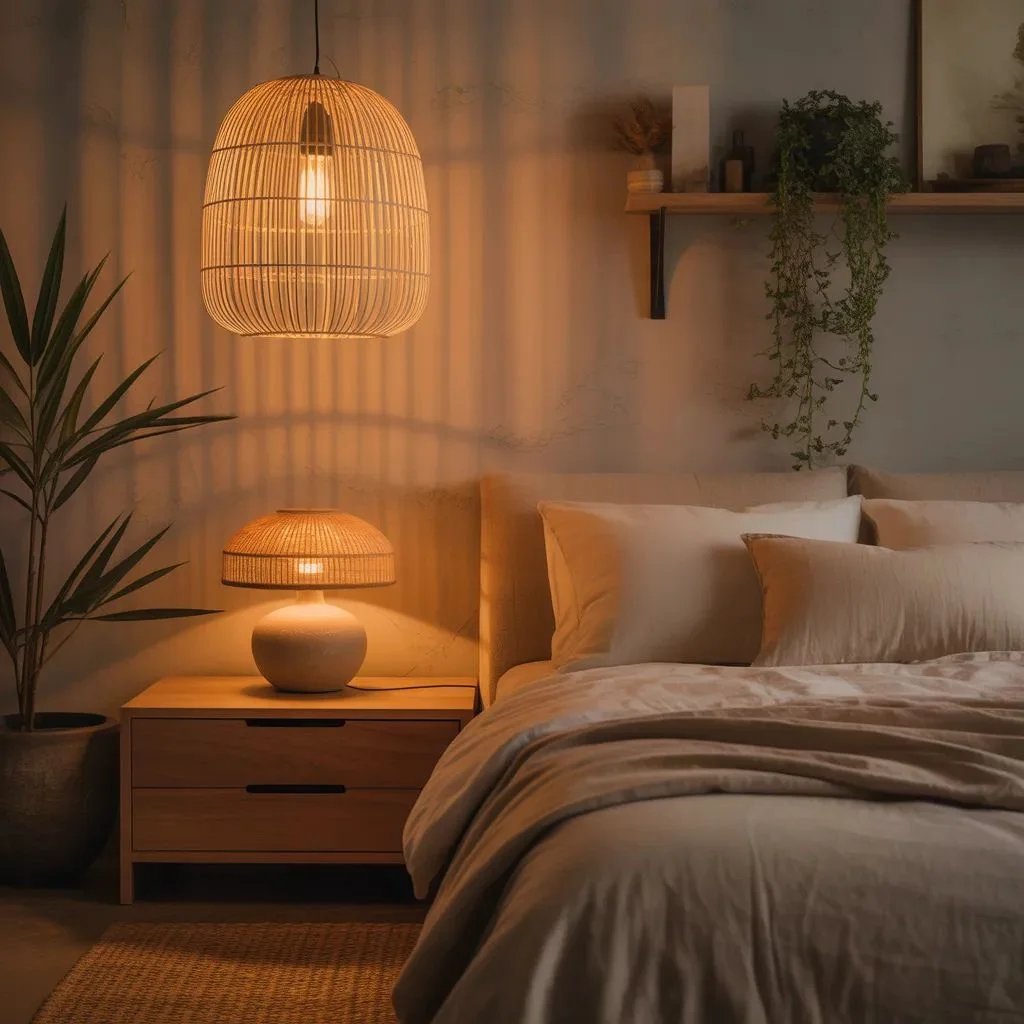
Lighting is the most underestimated element in any interior — and the one that most dramatically separates professionally designed spaces from self-decorated ones. In organic modern home decor, the goal is layered warmth, not harsh overhead brightness.
Every room needs three layers of light: ambient (general illumination), task (functional light for reading or working), and accent (decorative light that adds warmth and drama). Most people install only overhead lighting and wonder why the room feels flat at night.
For organic modern spaces, warm bulbs in the 2700K–3000K range are essential. Rattan or woven pendant lights, sculptural ceramic table lamps, and floor lamps with linen shades all serve double duty — functional and beautiful. Avoid anything metallic, chrome, or industrial in tone unless balanced carefully with warmer elements.
Mix Eras Without Creating Chaos
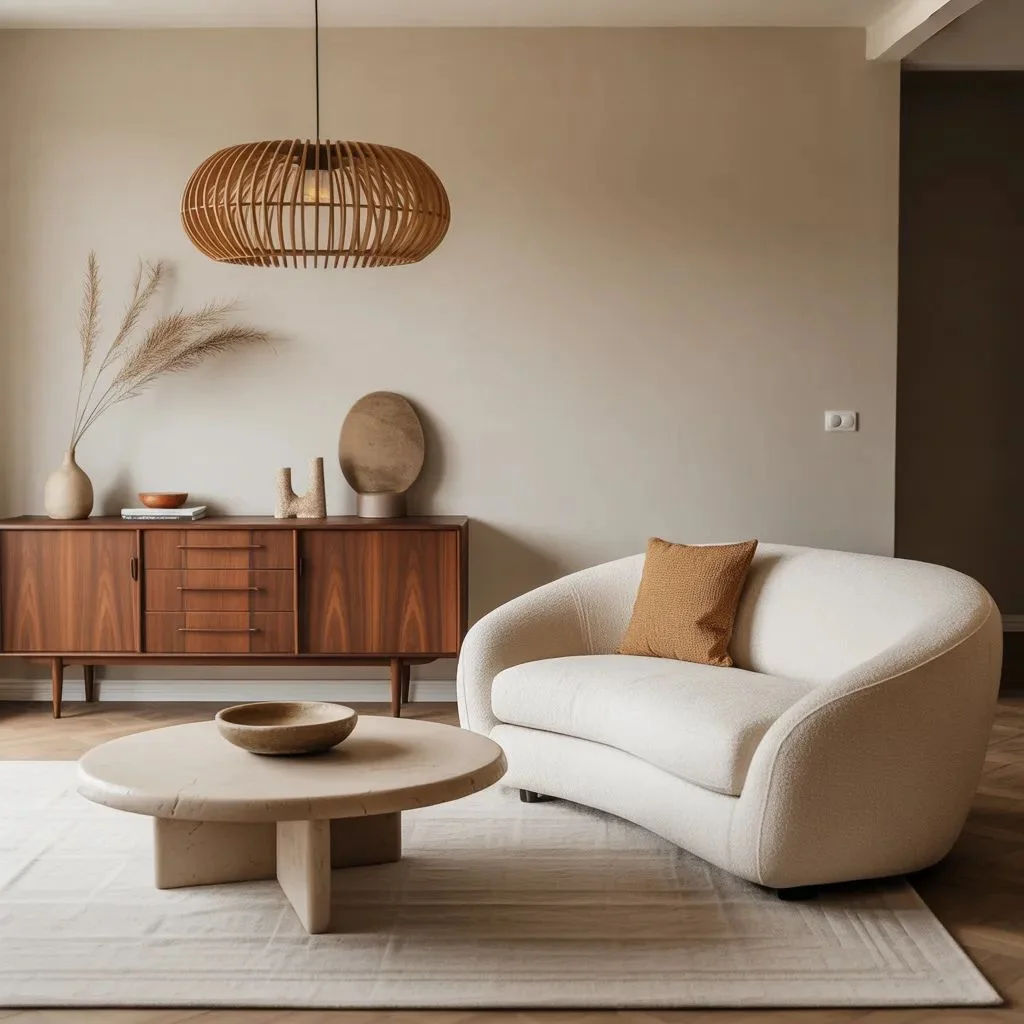
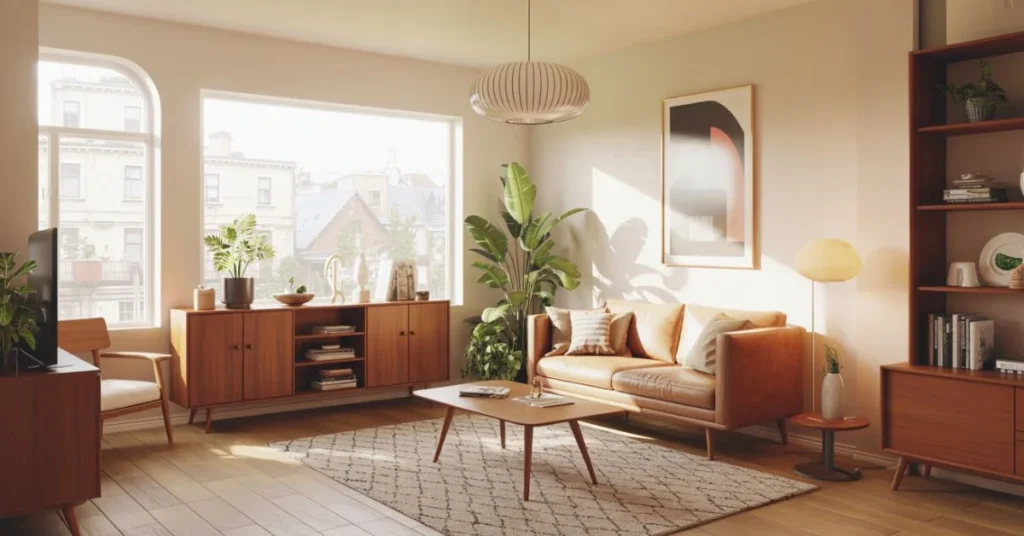
The best organic modern interiors rarely source everything from the same decade — or the same shop. A mid-century walnut credenza, a contemporary boucle sofa, a vintage ceramic from a flea market, and a handwoven basket from an artisan brand can all exist in the same room when they share a unifying material or tonal thread.
The rule is: mix freely, but always connect the pieces through material, colour, or scale. A vintage lamp works in a modern room if it shares the warm wood tones already present. An antique stool fits a contemporary bedroom if its patina echoes the raw texture of the linen curtains. The connection does not need to be obvious — it just needs to exist.
Anchor Every Room With One Statement Piece
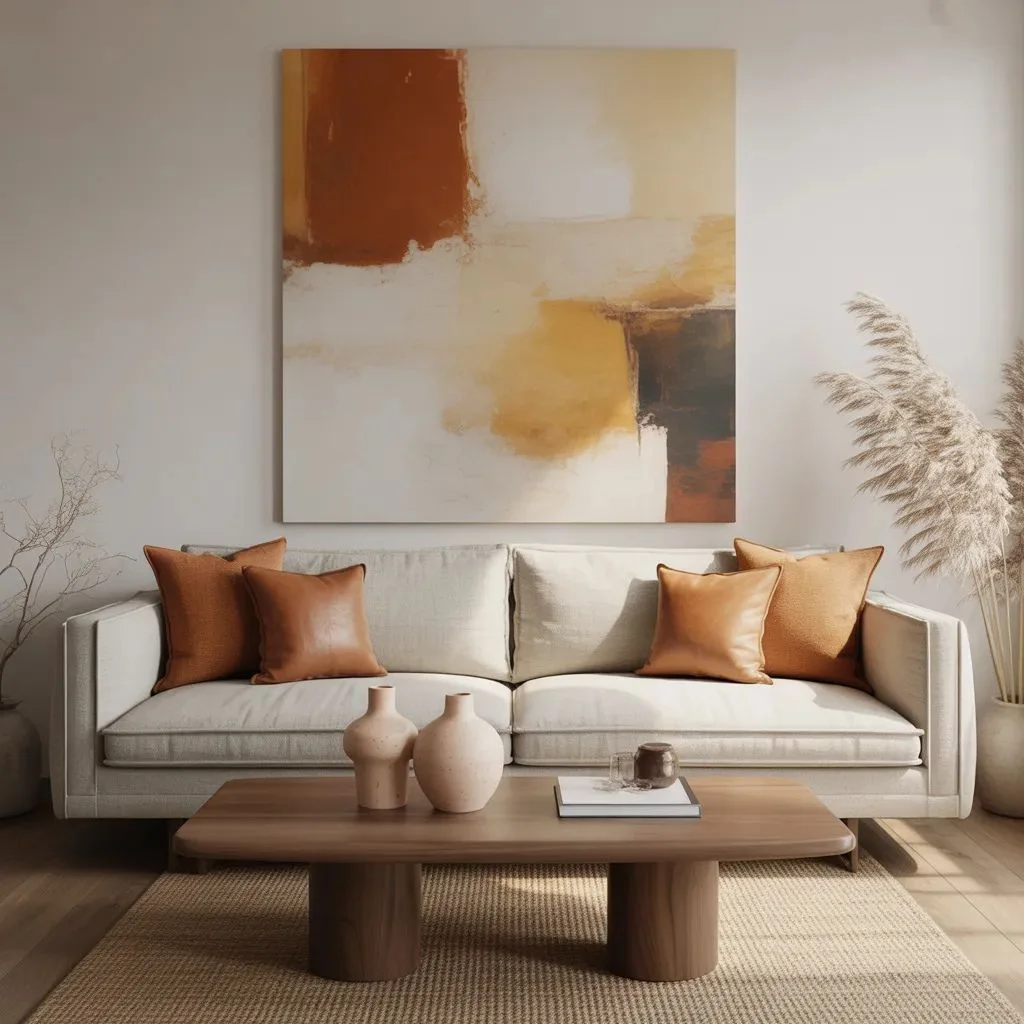
Every well-designed room has a hero. One piece that commands attention, sets the visual tone, and gives everything else something to reference. In organic modern home decor, that piece is usually oversized, sculptural, or deeply textural — and almost always unexpected.
It might be a large-format abstract painting in earthy ochres and terracotta. A floor-to-ceiling linen curtain panel that pools luxuriously at the base. An oversized woven macrame wall hanging. A live-edge dining table that is clearly the centrepiece of the room. The statement piece does not need to be expensive — it needs to be intentional and scale-appropriate.
Once the statement piece is in place, everything else becomes supporting cast. Keep the surrounding elements quieter — lower in height, simpler in form — so the hero can do its job without competition.
The Finishing Touches That Actually Matter
It is the smallest details that give a room its character — and designers know exactly which ones to reach for. In organic modern styling, the finishing touches are not trendy or showy. They are quiet, considered, and almost always natural.
Details worth adding:
- Linen or cotton throws with a visible weave, casually draped over a sofa arm
- Stacks of two to three books on a coffee table — spines facing the same direction
- A single candle in an unglazed ceramic or stone holder on a side table
- Natural fibre baskets for storage that also function as decor
- Stone or marble coasters that echo the tones in the room
- A small tray grouping objects together so they read as one intentional moment rather than scattered pieces
These finishing touches cost very little but elevate a room significantly. They signal that the space was thought through — and that is exactly the impression organic modern decor is designed to create.
Bringing It All Together
Creating a home that feels genuinely beautiful in the organic modern style is less about following a checklist and more about developing an eye for what belongs. It starts with a warm tonal palette, builds through layered natural textures, and comes together in the edit — the deliberate removal of anything that does not serve the room.
The secrets in this guide are not difficult to apply. They simply require slowing down, shopping with intention, and resisting the urge to fill every surface. Do that consistently, and the result will look like a designer spent months getting it right — because you did.
Recommended: Sage Green Bedroom Aesthetic That Interior Designers Keep Recommending Right Now.