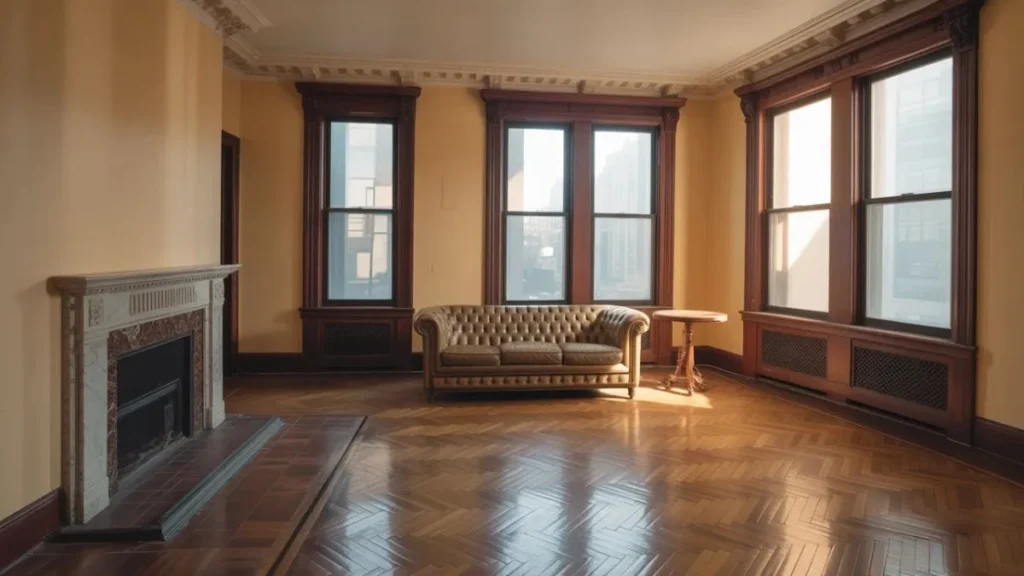
There is something unmistakably New York about stepping into a pre-war NYC apartment. The moment you walk through the door, you feel it — the thick plaster walls, the herringbone floors, the crown moulding that wraps every room like a picture frame. These apartments were built between roughly 1900 and 1939, and they were made to last. But living in one comes with a unique design challenge: how do you make a space that feels rooted in history also feel livable, stylish, and deeply yours?
Whether you have a cozy one-bedroom on the Upper West Side or a sprawling classic six in the West Village, decorating a pre-war NYC apartment is all about working with what the building already gave you. From soaring ceilings to quirky floor plans, every detail is an opportunity. Here is how to style every inch with intention.
What Makes a Pre-War NYC Apartment So Special
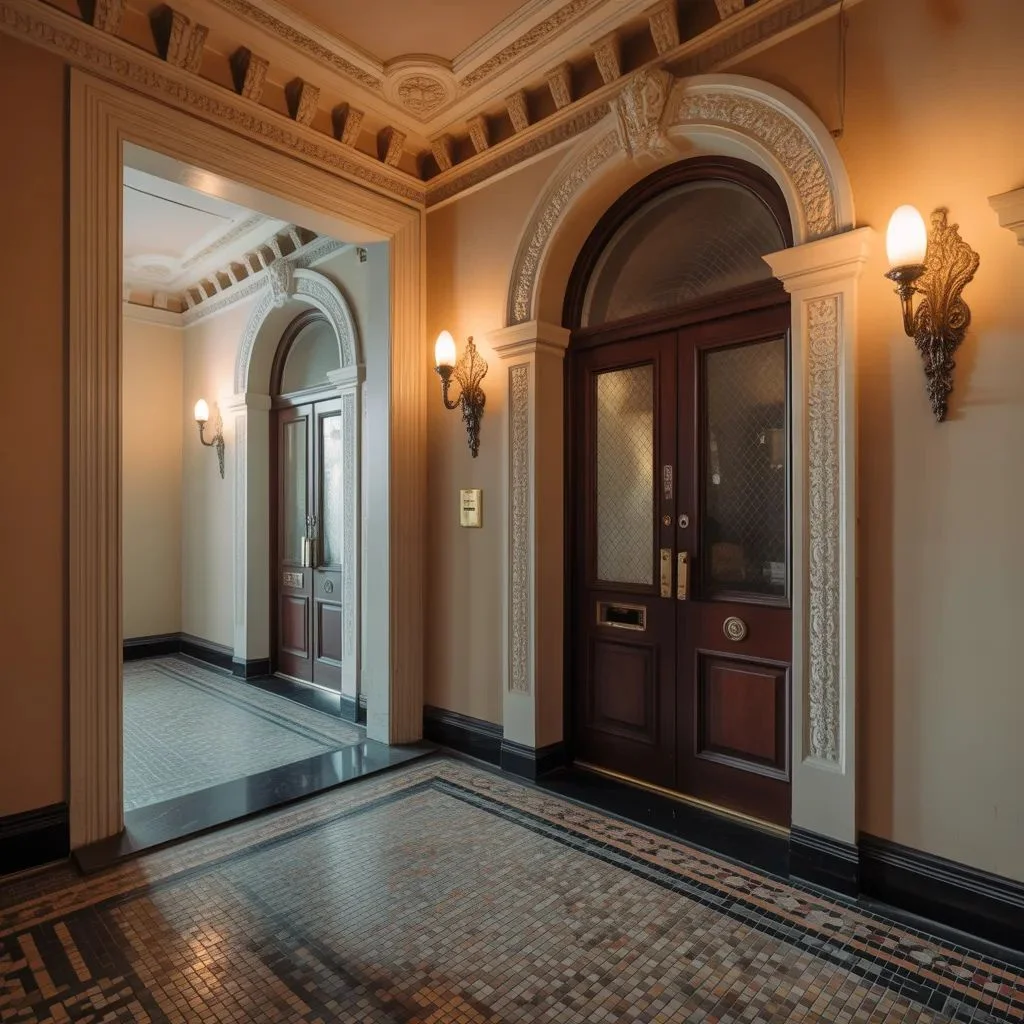
Before you start rearranging furniture, it helps to understand exactly what you are working with. A pre-war NYC apartment is defined by a set of architectural features that you simply will not find in a modern building.
High ceilings are one of the most prized features — many pre-war apartments have ceilings that measure nine to eleven feet. This vertical space opens up incredible decorating possibilities, from dramatic floor-to-ceiling drapery to tall bookshelves that double as storage and sculpture.
Then there are the crown moulding and decorative millwork. These intricate details were crafted by hand and signal a level of artisanship that modern construction rarely matches. Original hardwood floors — often laid in parquet or herringbone patterns — add warmth and texture underfoot.
Quirky layouts are also part of the package. Galley kitchens, long hallways, windowed bathrooms, separate dining rooms, and oversized closets are all common in pre-war builds. These spaces can feel tricky at first, but with the right approach, each one becomes a character-filled opportunity rather than a floor plan problem.
Start With the Ceilings: Let the Height Do the Work
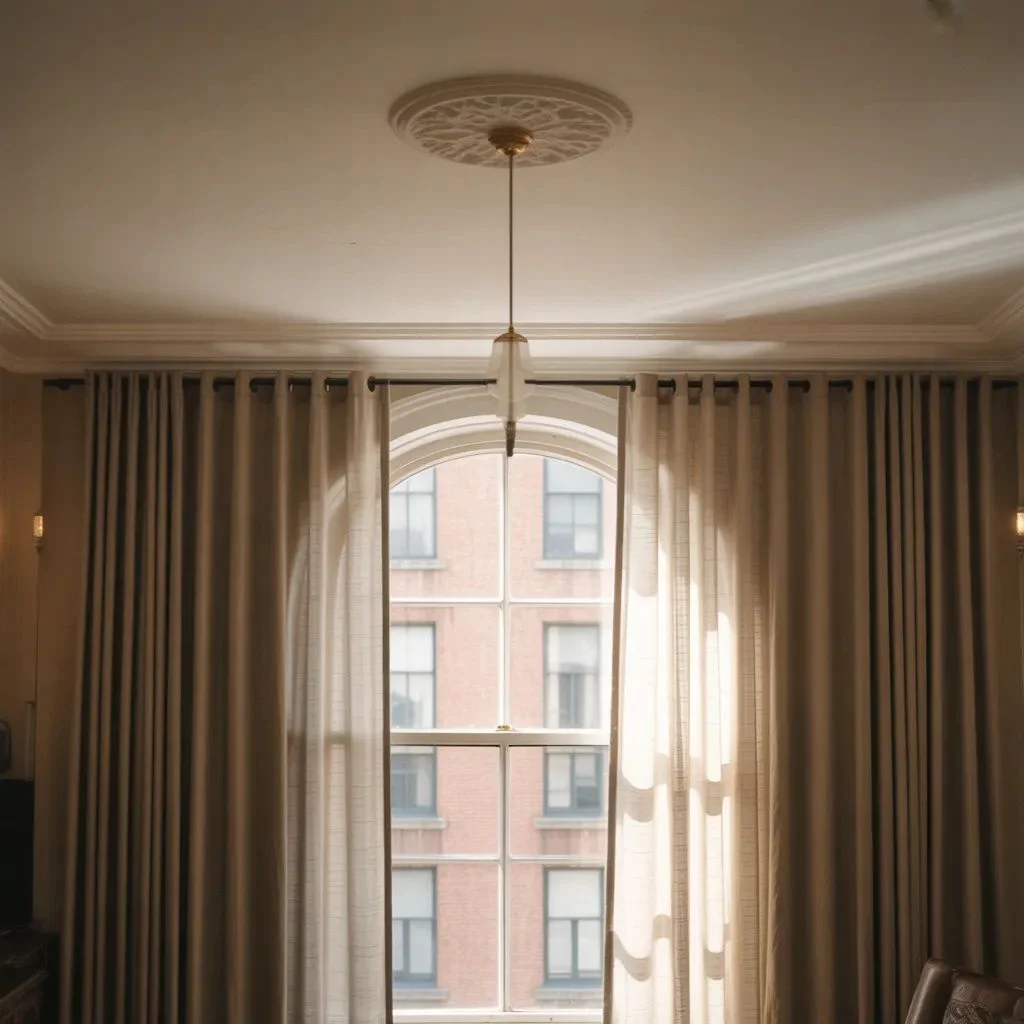
In any pre-war NYC apartment, the ceiling is not just an afterthought — it is a design element. Most design professionals agree always hang curtains as close to the ceiling as possible, regardless of where the window actually ends. This single trick makes any room feel taller, airier, and far more polished.
If your apartment has a ceiling medallion, let it guide your lighting choice. A vintage-style or antique brass pendant chandelier centered on a medallion is one of the quickest ways to honor the building’s original spirit. Even a simple drum shade hung from a medallion looks intentional and refined.
Tall bookshelves are another natural fit. Floating shelves or built-in units that rise from floor to ceiling draw the eye upward and give your vertical space a purpose. If you are decorating a living room in a pre-war NYC apartment, a floor-to-ceiling bookcase flanking a fireplace is practically a New York classic.
Do not paint the ceiling white by default. In a pre-war apartment, a warm off-white, pale blush, or even a moody deep hue on the ceiling can be genuinely striking — especially when it plays off the moulding detail above.
Work With the Moulding, Not Against It
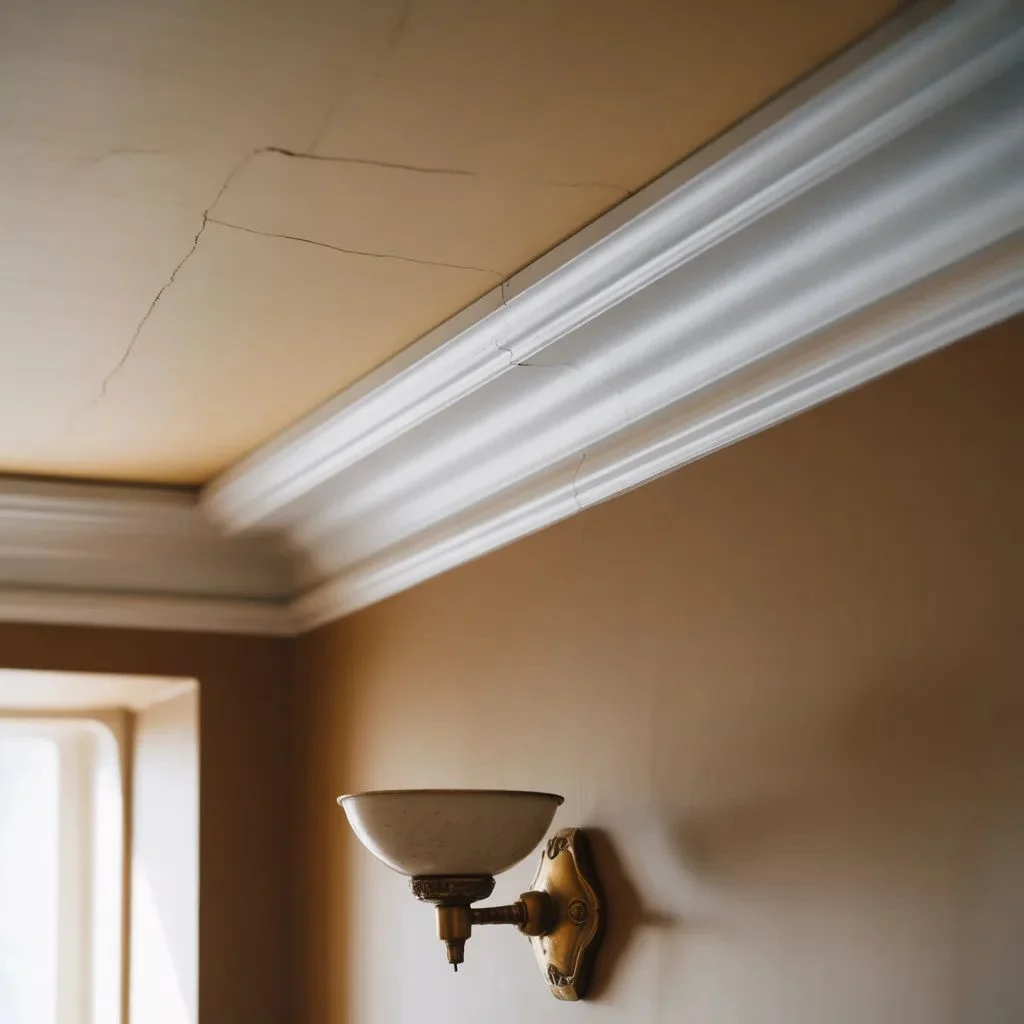
Crown moulding is one of the most defining characteristics of a pre-war NYC apartment. It frames a room like artwork and immediately signals that you are somewhere with real history. The biggest mistake people make is painting the moulding the same colour as the wall, which visually erases it entirely.
Keep the moulding white or a warm cream even when the walls go dark. This creates contrast that lets the architectural detail breathe and stand out. If your walls are already light, consider a slightly warmer or cooler tone on the moulding to create subtle separation.
Wall sconces are your best friend here. Positioned just below the moulding line, a pair of sconces in an antique bronze or unlacquered brass finish casts a gentle upward glow that accentuates the depth and texture of the plasterwork. It is a subtle effect that transforms a room from ordinary to genuinely atmospheric.
If your pre-war NYC apartment has original picture rail moulding — the narrow strip of moulding that runs around the room about a foot below the ceiling — use it. Hang artwork from picture rail hooks rather than drilling into your walls. It is historically accurate, renter-friendly, and allows you to move pieces around without a single patch job.
Furniture That Feels at Home in a Pre-War Space
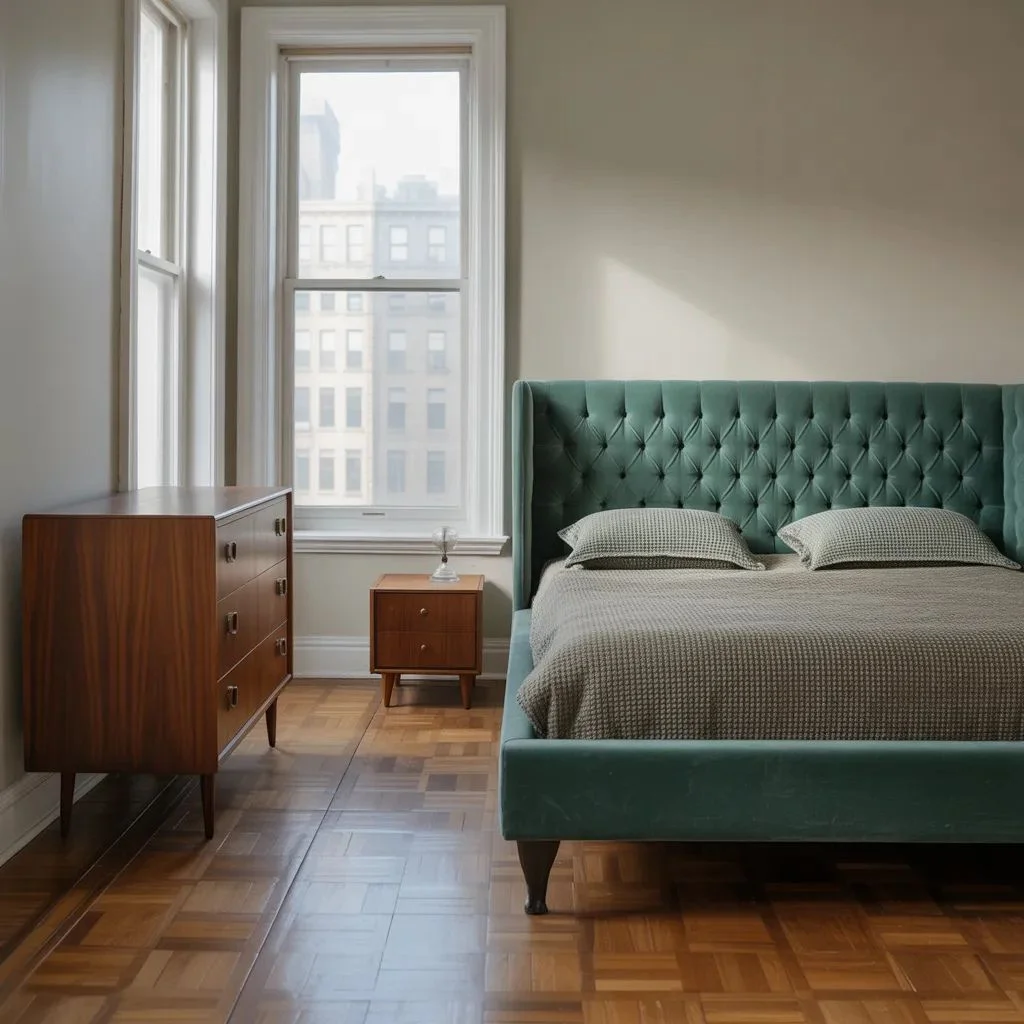
Furniture choice can make or break a pre-war NYC apartment. The architecture has such a strong point of view that pieces with no personality tend to look awkward and mismatched by comparison.
Mid-century modern and vintage-inspired pieces are a natural fit. Think: walnut credenzas, button-tufted sofas, curved armchairs in velvet or boucle, and tapered wooden legs that nod to the craftsmanship of the building itself. Mixing a few genuine vintage finds with contemporary comfort pieces gives a room a layered, lived-in feel that suits the pre-war aesthetic perfectly.
Choose furniture with a slim profile where space is tight. Sofas with track arms or Parsons-style legs take up less visual room than heavily rolled or skirted pieces. In a smaller pre-war bedroom, a platform bed with clean lines keeps the focus on the architectural details rather than the furniture itself.
Warm metals are a consistent thread throughout well-decorated pre-war apartments. Brass, bronze, and aged gold in lamp bases, cabinet hardware, and mirror frames tie the room together and echo the patina that a century-old building already carries. Avoid cold chrome finishes — they tend to read as clinical against warm plaster and hardwood.
Storage Solutions for Small Pre-War Floor Plans
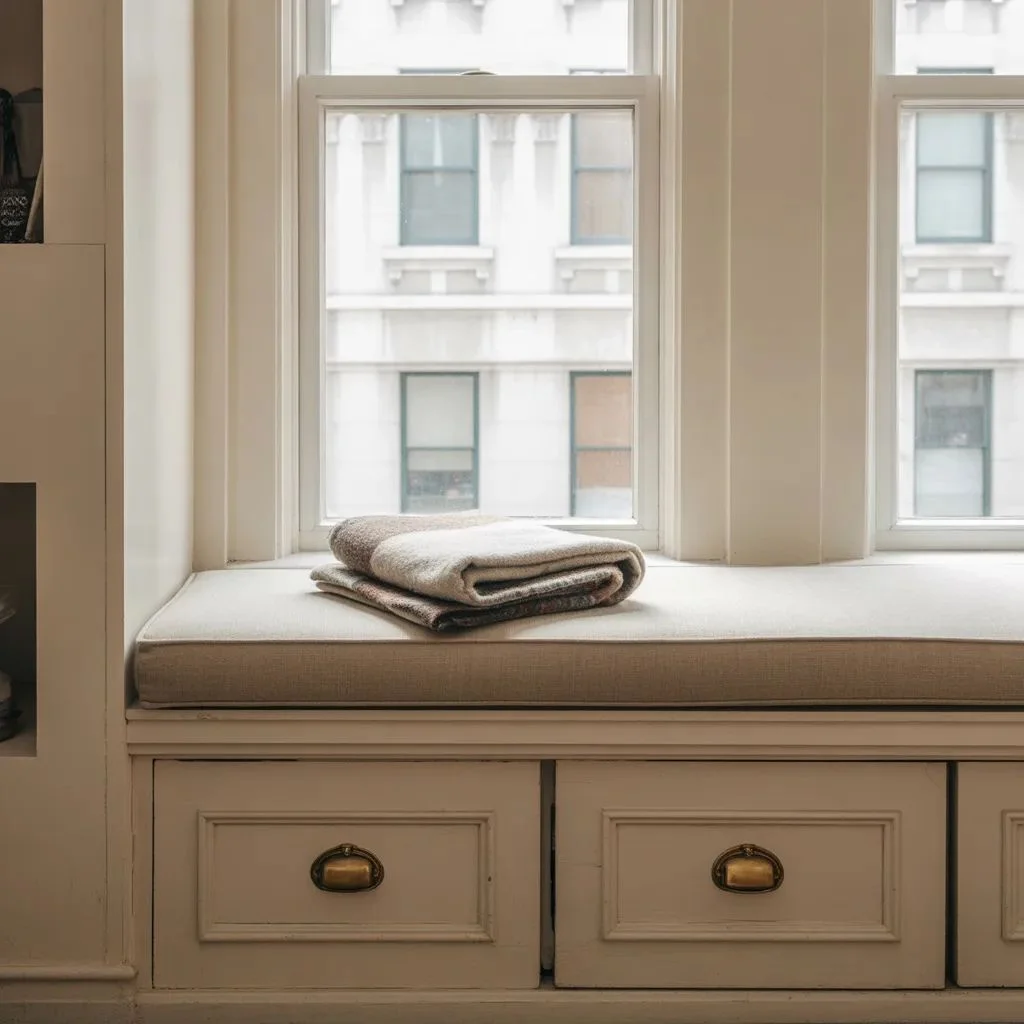
Pre-war floor plans are full of charm, but they were not designed with 21st-century clutter in mind. Clever storage is essential in a pre-war NYC apartment, especially in the kitchen, entry, and bedrooms.
Window seats with built-in storage below are one of the most practical and beautiful additions you can make. They take advantage of the deep window recesses common in pre-war construction and provide both seating and hidden storage without adding visual bulk.
In the kitchen, open shelving on the upper portion of the wall — especially in a galley kitchen — keeps the room feeling bright while putting everyday items on display. Use cohesive dishware and glassware to keep the shelves looking intentional rather than cluttered.
Hallways in pre-war apartments tend to be long and underutilized. A row of slim hooks with a narrow console table below, or a series of floating shelves staggered at different heights, turns a transitional space into a functioning, styled part of the home.
Finally, do not overlook the original closets. Many pre-war apartments have surprisingly deep closets that can be transformed with custom inserts, double hanging rods, and shelf dividers into genuinely efficient wardrobe systems without a single wall knocked down.
Paint Colours That Honor the Architecture
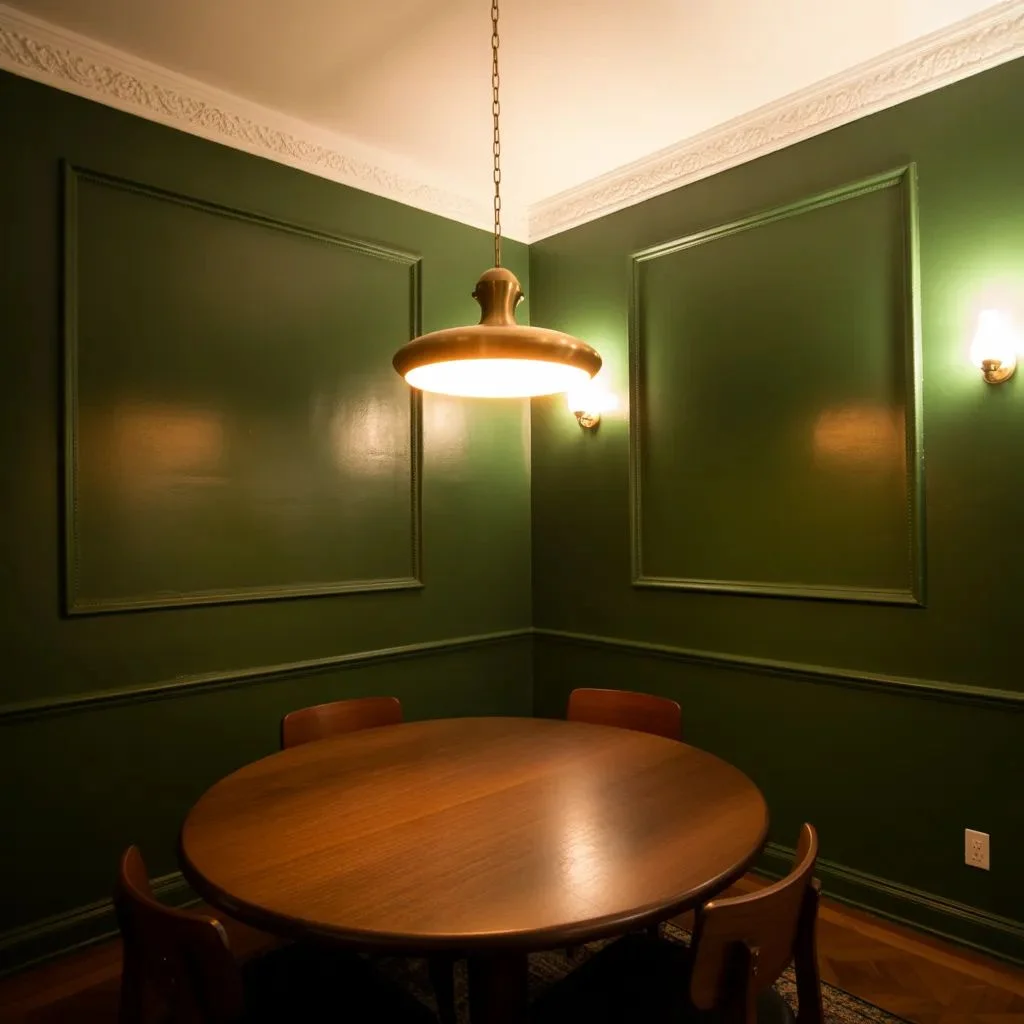
Colours plays a critical role in how a pre-war NYC apartment feels. The right palette can make your moulding pop, your ceilings soar, and your hardwood floors glow. The wrong one can make the whole space feel flat.
Warm neutrals and earthy tones are historically appropriate and consistently effective. Think: warm ivory, aged linen, terracotta, soft sage, and deep ochre. These shades complement the natural wood tones and aged plaster that define the pre-war aesthetic without competing with them.
For those who want something bolder, deep jewel tones — forest green, navy, burgundy, and rich plum — work beautifully in pre-war dining rooms, libraries, or bedrooms. The high ceilings absorb dark colour in a way that compact modern apartments simply cannot, and a moody painted room with white moulding reads as dramatic and intentional rather than heavy.
Always keep the moulding a crisp white or warm white. It is the architectural anchor of every room in a pre-war apartment, and it deserves to be seen clearly against whatever wall color surrounds it.
Lighting That Matches the Mood of a Pre-War Space
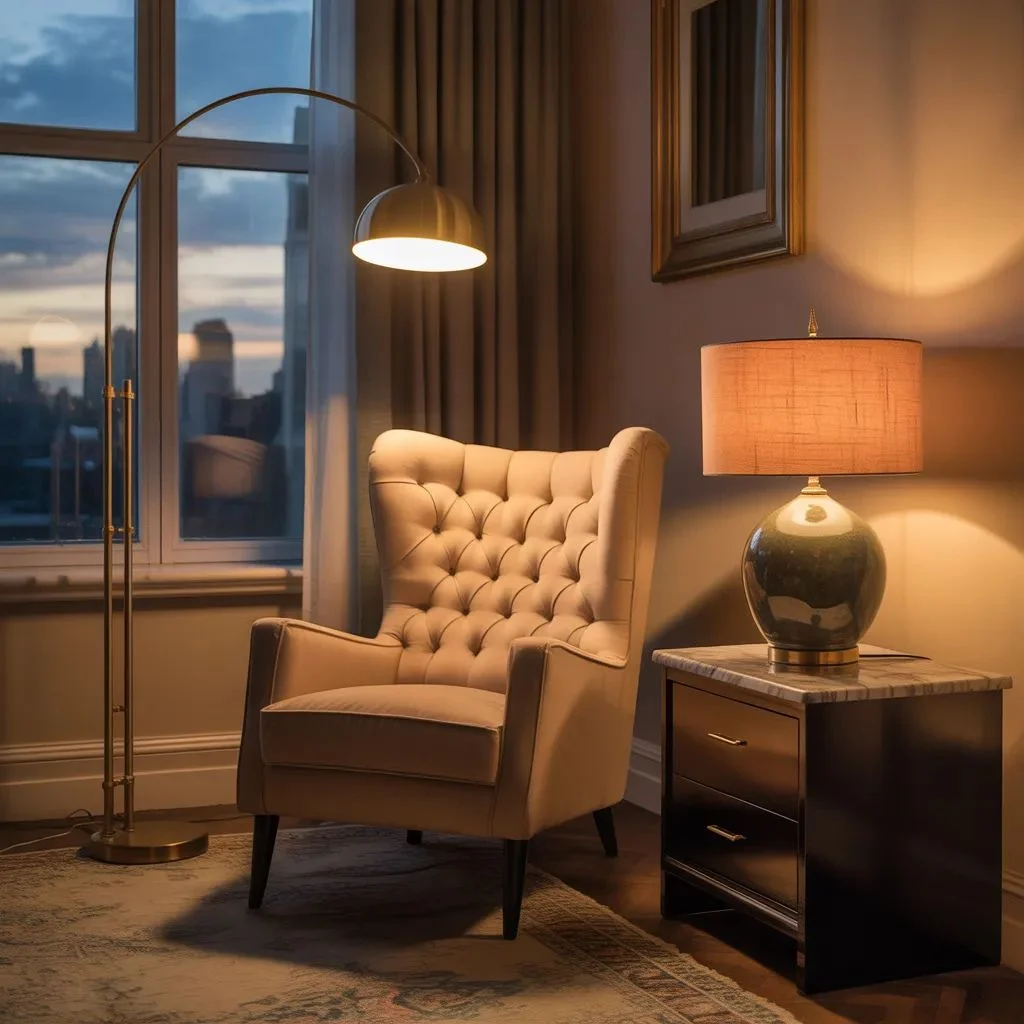
Lighting is where a pre-war NYC apartment can either feel magical or flat. Recessed lighting is the most common mistake — it erases the sense of height and warmth that makes pre-war spaces so special. Avoid it wherever possible.
Lean into layered ambient lighting instead. Combine ceiling fixtures with wall sconces, floor lamps, and table lamps to create pools of warm light throughout a room. This approach feels more intimate and historically accurate, and it allows you to adjust the mood depending on the time of day.
For ceiling fixtures in a pre-war NYC apartment, choose pieces with vintage-inspired shapes: schoolhouse pendants, globe chandeliers, lantern-style fixtures in aged brass or bronze. These styles complement the architectural era without feeling like a costume.
Always use warm-toned LED bulbs — 2700K to 3000K is the sweet spot. Cool white bulbs undercut the warmth of plaster walls and hardwood floors and can make even the most thoughtfully decorated pre-war room feel clinical.
The Finishing Details That Pull It All Together
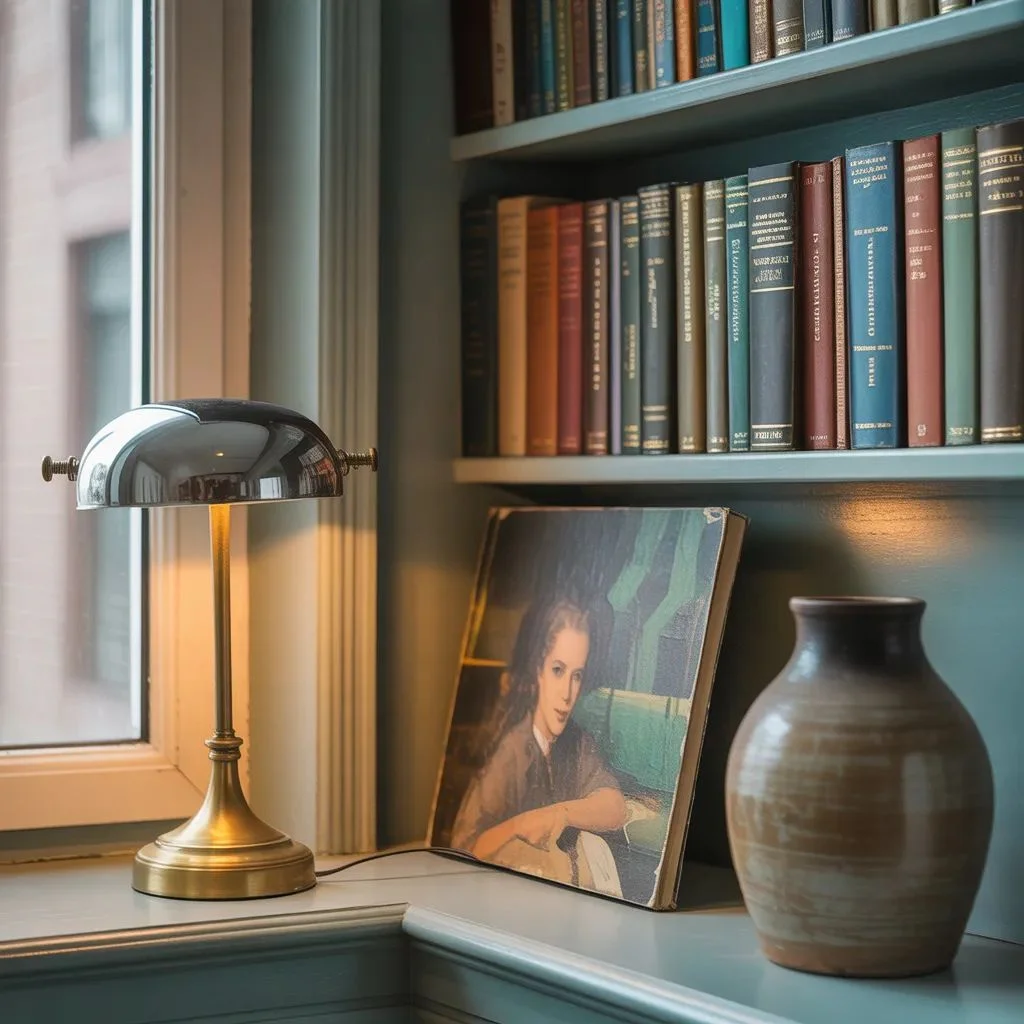
The bones of a pre-war NYC apartment do a lot of heavy lifting on their own. Your accessories just need to add warmth, personality, and a sense that someone thoughtful lives there.
Antique mirrors are one of the most effective finishing tools. Hung in a dark hallway or above a fireplace, a large mirror with an ornate frame reflects light, opens the space, and adds a sense of history without trying too hard.
Layer your textiles. In a pre-war apartment, thick area rugs — wool, jute, or vintage Persian styles — anchor furniture groupings and protect original floors. Layer a smaller accent rug on top for texture and colour depth.
Art should feel collected rather than curated. A gallery wall with a mix of vintage prints, black-and-white photographs, oil paintings, and original illustrations suits the layered personality of a pre-war NYC apartment far better than a single oversized canvas from a big-box store.
Plants finish the job. A large fiddle-leaf fig, a trailing pothos on a high shelf, or a cluster of smaller plants near a south-facing window brings life and colour into a space that, for all its character, can feel a little formal without something organic in the mix.
The Apartment New York Built for You
A pre-war NYC apartment is one of the rare living spaces where the building itself is the décor. Every original detail — from the crown moulding to the herringbone floors to the arched doorways — tells a story about the city and the era that produced it. Your job as a resident is not to compete with that history, but to continue it.
Work with the architecture. Honor the height, the moulding, and the warmth of those original materials. Bring in furniture and finishes that feel of-a-piece with the era, and layer in the personal touches that make a pre-war apartment feel unmistakably like home. There is no better canvas in the city — and very few apartments anywhere in the world that match the character of a well-styled pre-war NYC apartment.
Editors Pick: Bring the Alps Home: Ski Chalet Home Decor Ideas You’ll Actually Love.