A weathered fence board or an old barn plank rarely looks like decor at first glance, yet it is exactly the kind of material that gives a cottage its lived-in charm. Salvaged wood decor leans into imperfections rather than smoothing them away, and that single choice is what separates a genuinely cosy cottage look from a showroom farmhouse copy.
This guide moves room by room through salvaged wood ideas for a lived-in cottage feel, along with the one detail that keeps several mismatched pieces from looking cluttered rather than curated. Each idea works on its own, so there is no need to commit to a full-home overhaul to see the effect.
Cottage Look Salvaged Wood Checklist
- Aged grain, old paint flecks and worn edges do most of the cottage styling work.
- Small salvaged pieces suit signage and shelving, larger boards suit furniture.
- A single consistent wax or oil finish keeps mismatched wood tones cohesive.
- Kitchens, entryways and reading nooks respond especially well to salvaged wood touches.
Kitchen Corners Get a Salvaged Wood Update
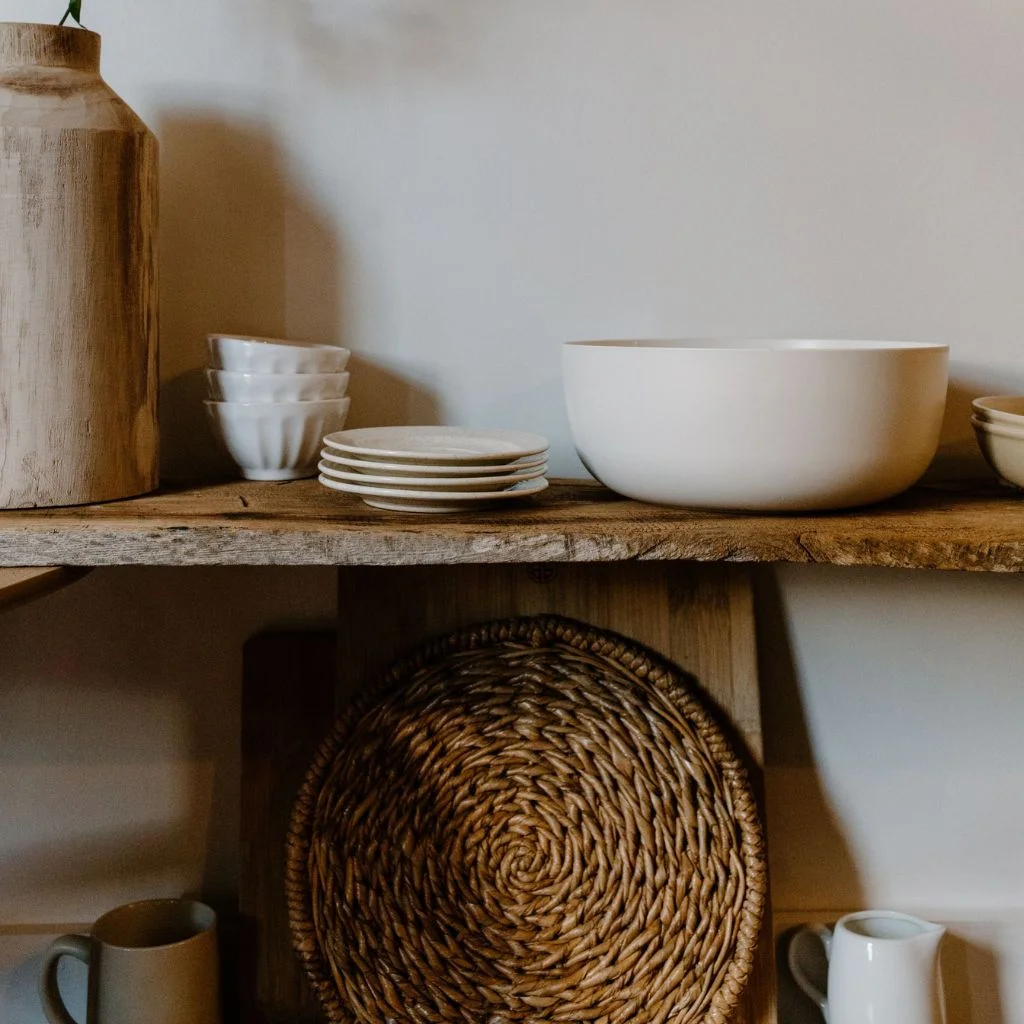
Photo Credit: Tara Winstead / Pexels
A kitchen is often the easiest place to introduce salvaged wood decor, since even a single open shelf changes the feel of the whole room. A salvaged plank shelf, left with its original saw marks and a light coat of oil, holds jars, mugs or a row of cookbooks above the counter.
A chopping board cut from an old barn beam, too characterful for everyday cutting but perfect propped against a backsplash, adds texture without taking up cupboard space. Salvaged wood spice shelves fitted into an awkward corner make use of a spot that would otherwise sit empty.
A row of salvaged crate fronts mounted below the shelf, left unpainted, adds another layer of texture and doubles as extra hidden storage for smaller kitchen items. Hanging a single salvaged wood utensil rail beside the stove keeps everyday tools close at hand while adding one more textured surface to the room.
Reading Nook Comes Together With Salvaged Wood and Soft Textiles

Photo Credit: Emre Can Acer / Pexels
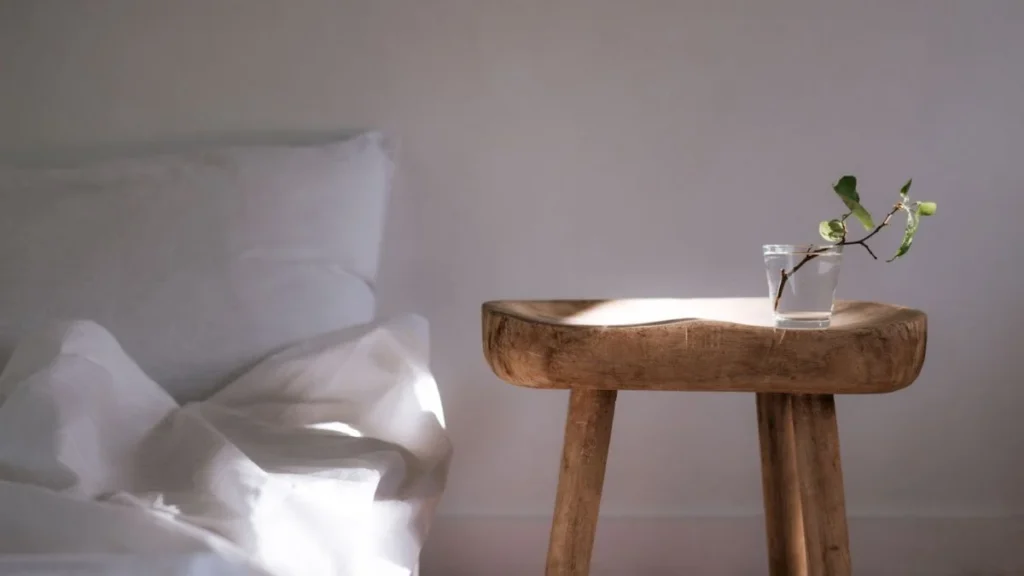
A quiet corner with a single armchair is often where a cottage feel comes together fastest. A salvaged wood side table, its top left rough and edges softened only slightly, holds a lamp and a stack of books within easy reach.
A small salvaged wood ladder shelf leaned against the wall behind the chair adds display space for a plant or a woven basket of blankets, finishing the nook without needing a full bookcase.
A thin salvaged wood windowsill shelf, fitted just below the glass, gives a reading nook somewhere to rest a cup of tea without needing an extra side table at all.
Four Small Salvaged Wood Touches for a Cosy Entryway
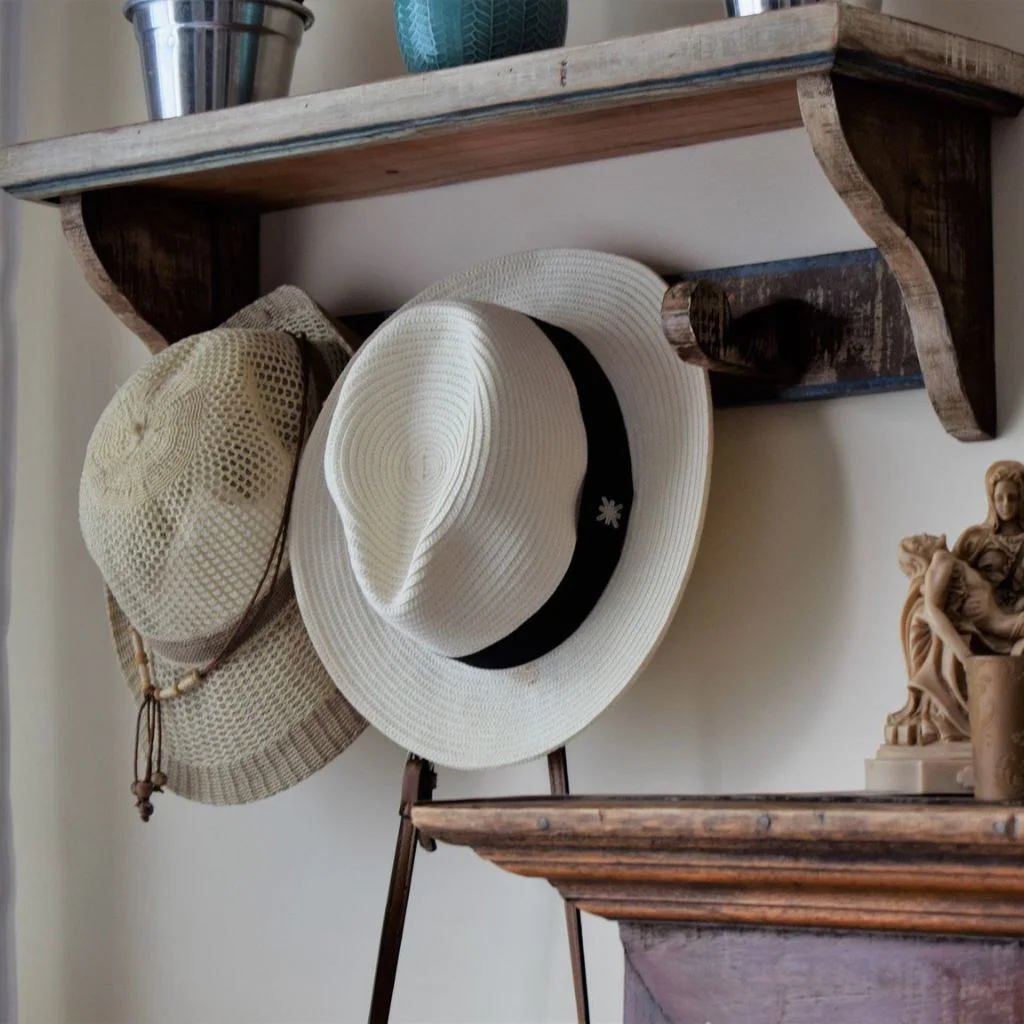
Photo Credit: Magali Guimarães / Pexels
An entryway sets the tone for the rest of a cottage-style home, and small salvaged pieces make a big difference here.
- A salvaged wood bench with a weathered grey finish for taking off shoes.
- A row of reclaimed pegs mounted on a single salvaged board for coats.
- A small salvaged wood shelf for keys and mail near the door.
- A framed salvaged wood mirror with a rough, unpainted edge.
None of these pieces need to match exactly, since the shared weathering across old timber ties them together far more naturally than a matched furniture set would. A small salvaged wood tray placed on the bench keeps umbrellas or gloves from cluttering the seat itself.
Living Room Shelving Built From Reclaimed Cottage Timber
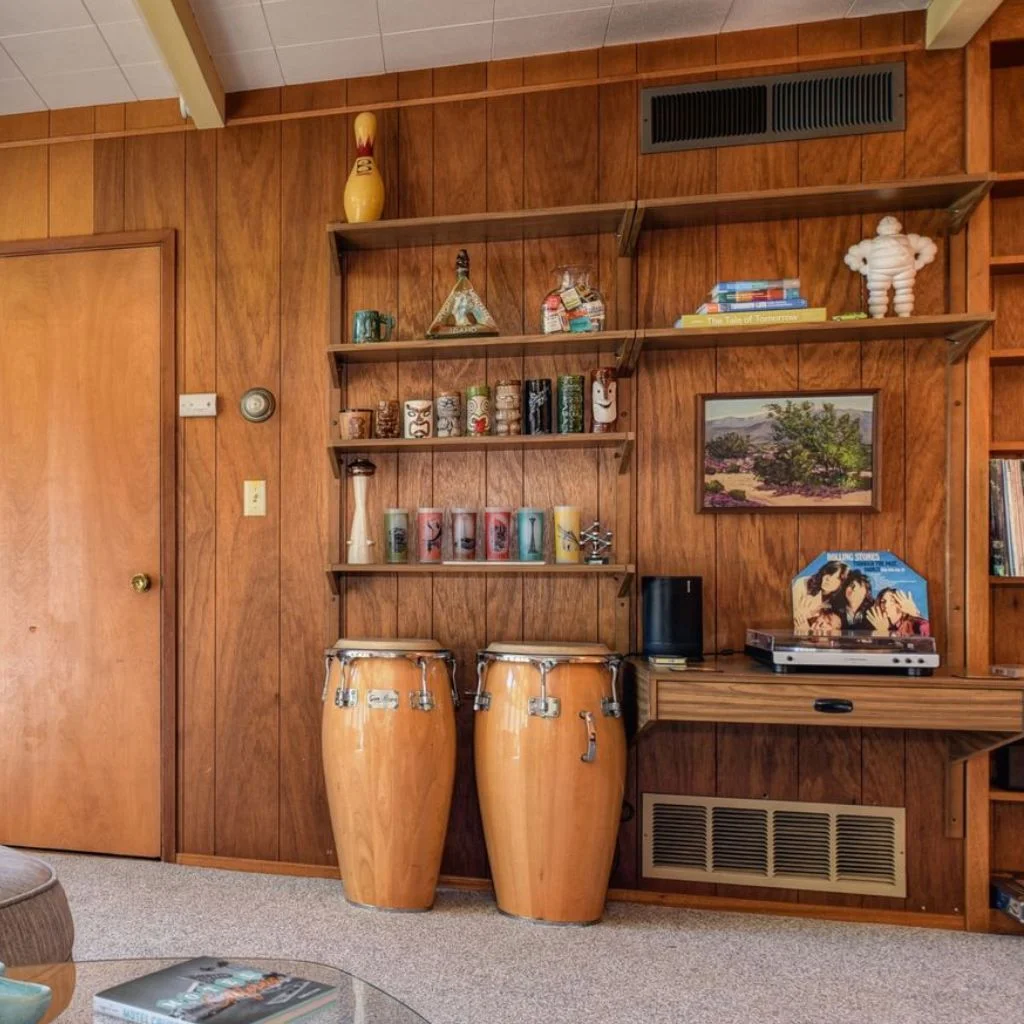
Photo Credit: Stephen Leonardi / Pexels
Open shelving is one of the most versatile ways to bring salvaged wood decor into a living room. A set of staggered shelves, cut from boards with visible knots and old nail holes, holds books, framed photos and small plants without feeling overly styled.
A salvaged wood mantel shelf above a fireplace, distressed lightly and finished with a matte wax, becomes the room’s natural focal point, while a low salvaged wood coffee table grounds the seating area with the same aged character.
A salvaged wood picture ledge running along one wall, styled with a small rotating collection of frames and plants, keeps the room’s display easy to refresh through the seasons. A pair of salvaged wood side tables, one taller than the other, adds flexible surface space around the sofa without introducing a second style into the room.
Rainy Garden Afternoon Inspires a Salvaged Wood Potting Bench

Photo Credit: Jan van der Wolf / Pexels
A wet afternoon spent tidying pots and seed trays is usually the moment a potting bench starts to feel necessary, and salvaged fence posts or old decking boards build one with plenty of character already built in.
A shelf underneath holds terracotta pots, while a row of reclaimed pegs above keeps small tools within reach. Left untreated or finished only with exterior oil, the bench weathers further with each season rather than needing to be protected from it.
A salvaged wood trug or shallow tray set on top gives the bench somewhere to collect cut flowers before they head indoors.
Bathroom Shelving Keeps the Cottage Feel Going Even in the Smallest Room
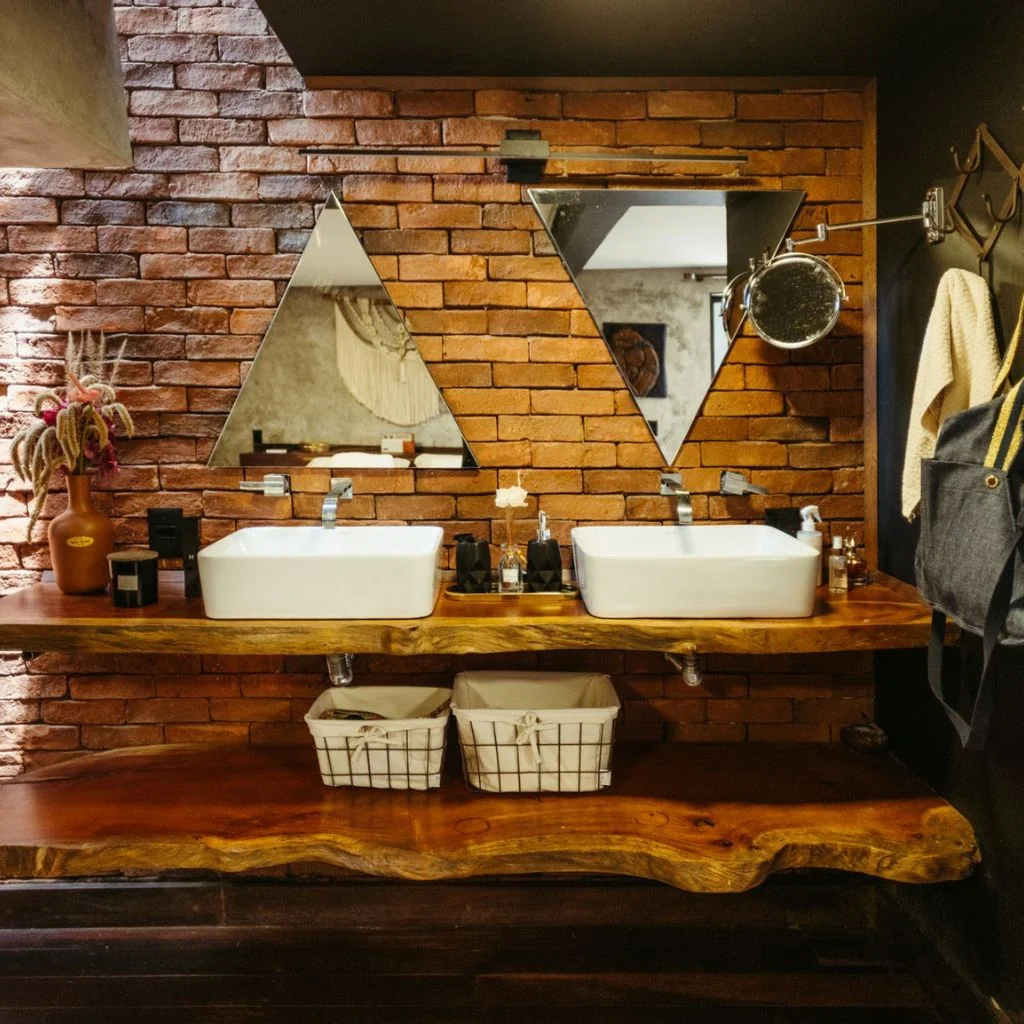
Photo Credit: Jonathan Borba / Pexels
Bathrooms rarely get the same styling attention as living spaces, yet a single salvaged wood shelf changes the mood of the smallest room in the house. A ladder-style shelf built from reclaimed boards holds towels and toiletries across two or three tiers.
Sealing the wood properly matters here more than in drier rooms, since bathroom humidity causes untreated salvaged timber to warp faster than it would elsewhere in a cottage. A small salvaged wood soap dish or toothbrush holder finishes the look on a smaller scale.
Bedroom Headboards and Nightstands With a Weathered Finish
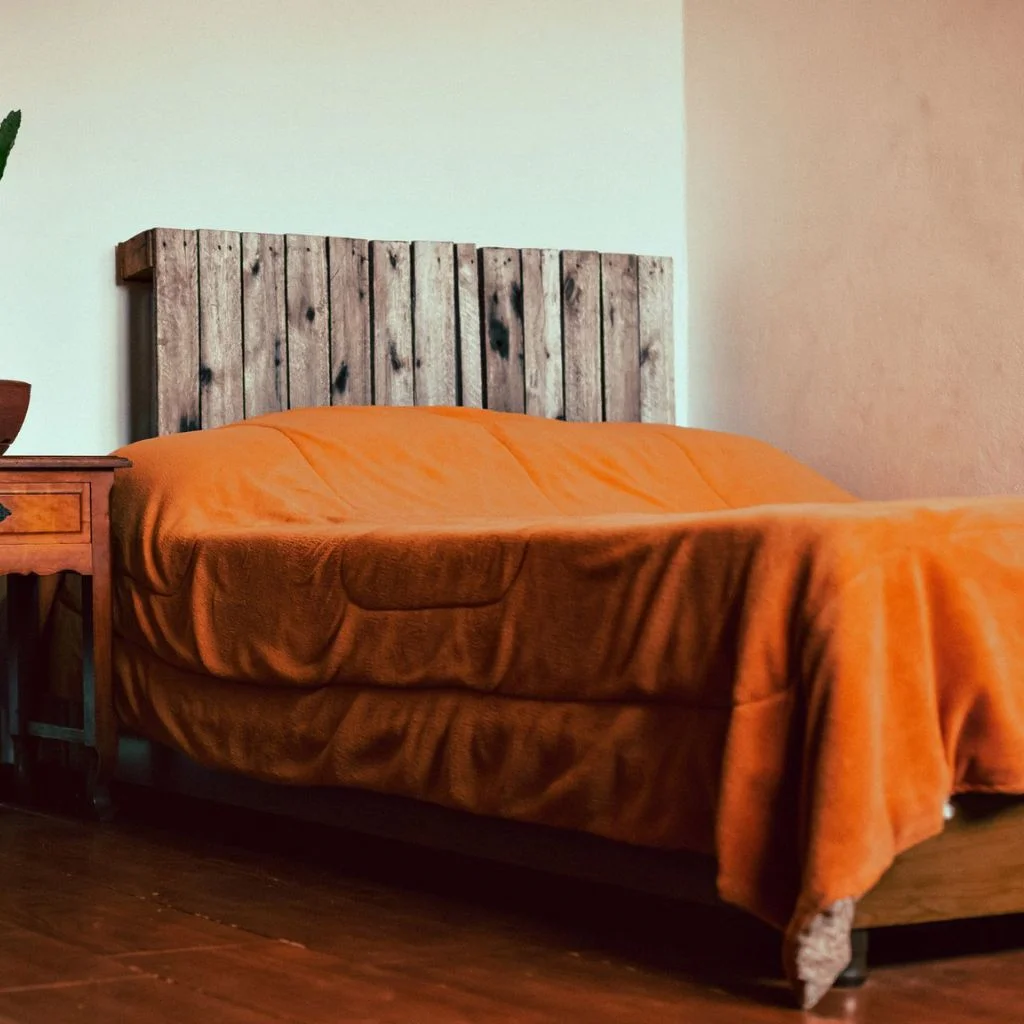
Photo Credit: Marcelo Chagas / Pexels
A headboard built from salvaged boards, fixed together with the natural variation in tone left visible, anchors a bedroom with the same lived-in feel found throughout the rest of the house. Old paint remnants or faded stain marks are worth keeping rather than sanding away.
Nightstands built from the same salvaged batch, even if slightly mismatched in height, continue the theme without requiring a matched furniture set. A slim salvaged wood shelf above the bed adds a final display spot without crowding the headboard itself.
Salvaged Wood Details That Tie a Cottage Look Together

Photo Credit: Berna / Pexels
A few small, repeated details across a home do more for a cohesive cottage look than any single large piece.
- Salvaged wood picture frames used consistently across every room.
- A single reclaimed wood tone repeated in at least two rooms.
- Small salvaged wood trays used for everyday items like keys or candles.
These repeated touches are what make a home feel considered rather than like a collection of unrelated projects, tying rooms together even when the furniture within them differs.
One Detail That Keeps a Salvaged Wood Cottage From Looking Cluttered
The detail that separates a curated cottage look from a cluttered one is restraint. Salvaged wood works best when it appears in select, considered spots, such as one shelf per room, rather than covering every surface.
Overusing it is the most common mistake, since a home built entirely from mismatched reclaimed timber starts to feel more like a workshop than a cottage. Balancing salvaged pieces against plain painted walls or simple textiles keeps the look from tipping into clutter, and leaving some surfaces empty gives the salvaged pieces room to stand out rather than compete.
Aged Grain and Old Paint Are What Give Salvaged Wood Its Cottage Charm
New wood, however carefully distressed, rarely matches the depth of colour and texture that comes from decades of genuine weathering. Salvaged timber carries that history already, from sun-faded tones to layers of old paint peeking through at the edges.
That authenticity is exactly why salvaged wood decor reads as lived-in rather than staged, and it is the quality worth protecting rather than sanding away during any of the projects above.
Bringing a Lived In Cottage Feel Into Every Room
From a kitchen shelf to a bedroom headboard, salvaged wood decor brings the same quiet, weathered charm into every part of a home without requiring a full renovation. The character comes from the material itself, so very little extra styling is needed once a piece is in place.
Choosing a few rooms to start with, rather than updating the whole home at once, is usually the easiest way to see how the look settles in before committing further.
Also Read About : Beginner Friendly Scrap Wood Projects for First Time DIYers.
Frequently Asked Questions
What makes wood look salvaged rather than new?
Genuine ageing, from sun exposure, old paint layers and worn edges, gives salvaged wood a depth of colour and texture that new timber cannot fully replicate through staining alone.
Does salvaged wood need to be treated before use indoors?
Yes, a light sand for splinters and a coat of oil, wax or sealant protects the wood and makes it safe for regular household use.
Can salvaged wood be mixed with new furniture?
Yes, one or two salvaged pieces often work best alongside simpler modern furniture, letting the reclaimed timber stand out rather than compete with other statement pieces.