Scottish Highland decor turns a modern house into a warm, storied retreat without tipping into costume drama. The look leans on rugged textures, deep heathery colours, and materials that feel pulled straight from the glen — tweed, wool, weathered wood, and stone. Many homeowners love the idea of Scottish Highland home decor ideas but worry the style will clash with clean-lined furniture and open-plan layouts. The truth is that Highland style blends into modern interiors easily once you focus on texture and colour rather than filling every corner with tartan and antlers.
Anyone who has visited a converted Highland farmhouse knows the feeling: a house that’s clearly been renovated with modern plumbing and clean floors yet still feels like it belongs to the hills outside. That balance, rather than a full period recreation, is what most people are after.
This guide breaks the look into manageable pieces, from fabric choices to the small heritage touches that give a room its character, so you can bring Highland warmth into a thoroughly modern home.
Tartan and Tweed Set the Tone
Fabric does most of the heavy lifting in Scottish Highland home decor ideas. Tartan throws, tweed cushions, and wool blankets introduce the pattern and warmth associated with the Highlands without requiring a full redesign.
A single tartan throw draped over a neutral sofa reads as intentional rather than overwhelming. Tweed cushions in muted heather or moss tones do the same job on an armchair. The trick is restraint: one or two statement fabric pieces per room, layered against plain upholstery, keep the pattern from taking over.
For window treatments, a heavyweight wool or herringbone curtain adds insulation and texture at once, which suits the practical, weather-aware spirit of Highland homes.
Natural Stone and Timber Ground the Space
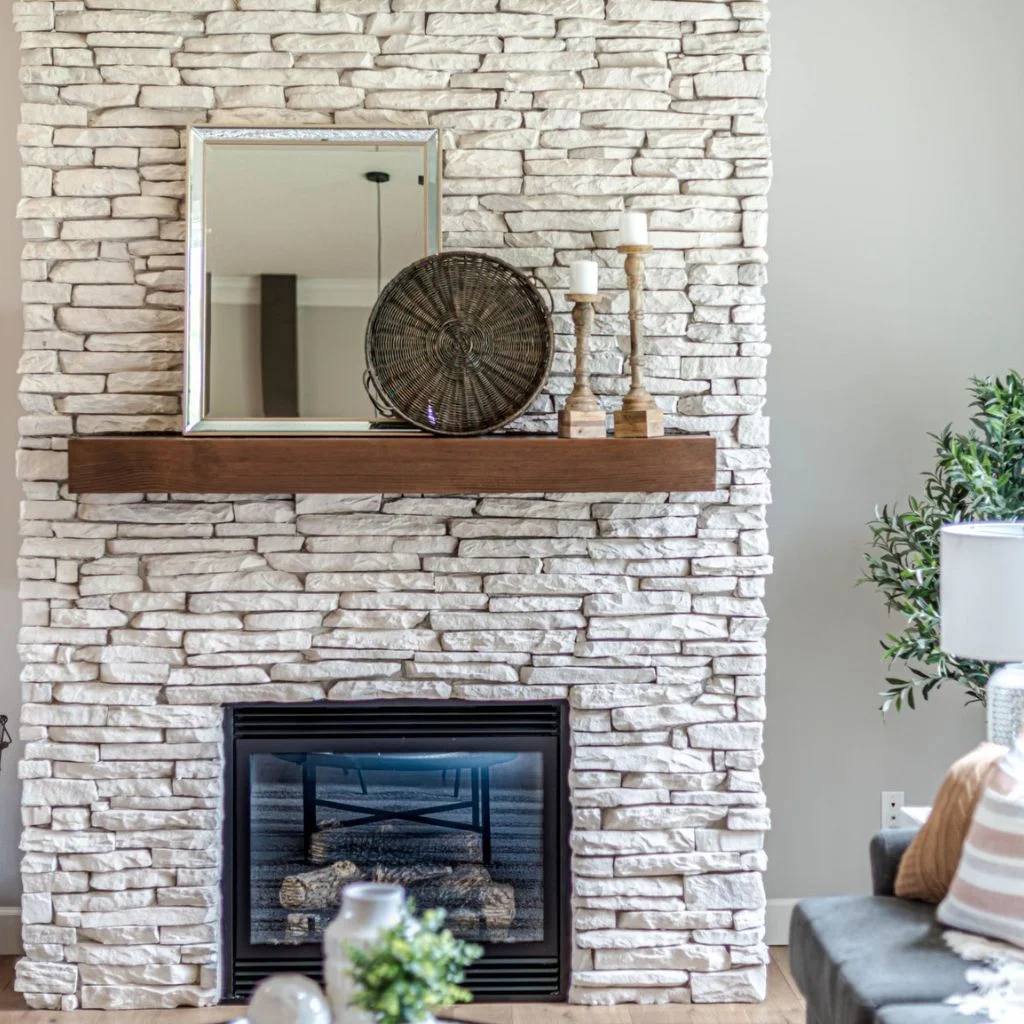
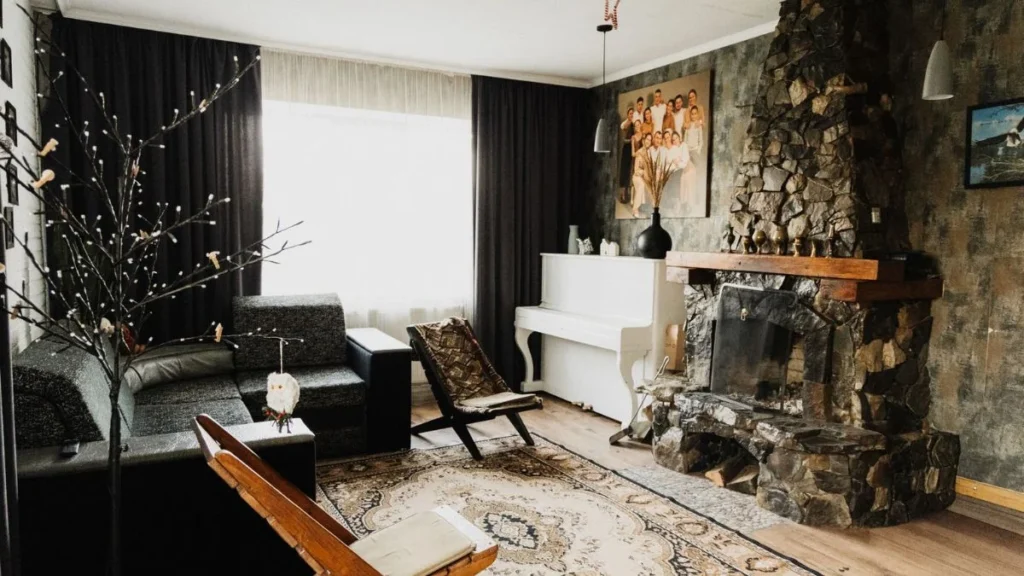
Highland interiors borrow heavily from the landscape itself. Exposed stone, whether a full feature wall or a smaller fireplace surround, brings the rugged outdoors inside and anchors a room instantly.
Reclaimed or rough-sawn timber works the same way. A weathered wood coffee table, open shelving, or ceiling beams reference old crofts and hunting lodges without needing structural changes to a modern build. Even a single timber mantel over a fireplace can shift a plain living room toward Highland territory.
Where full stone or timber isn’t practical, textured wallpaper or stone-effect panelling gives a similar impression at a fraction of the cost and effort. Even a single reclaimed wood shelf, styled with a few earthenware pots, does more for the Highland feel than a whole wall of matching flat-pack furniture.
Layered Textures Make a Room Feel Lived In
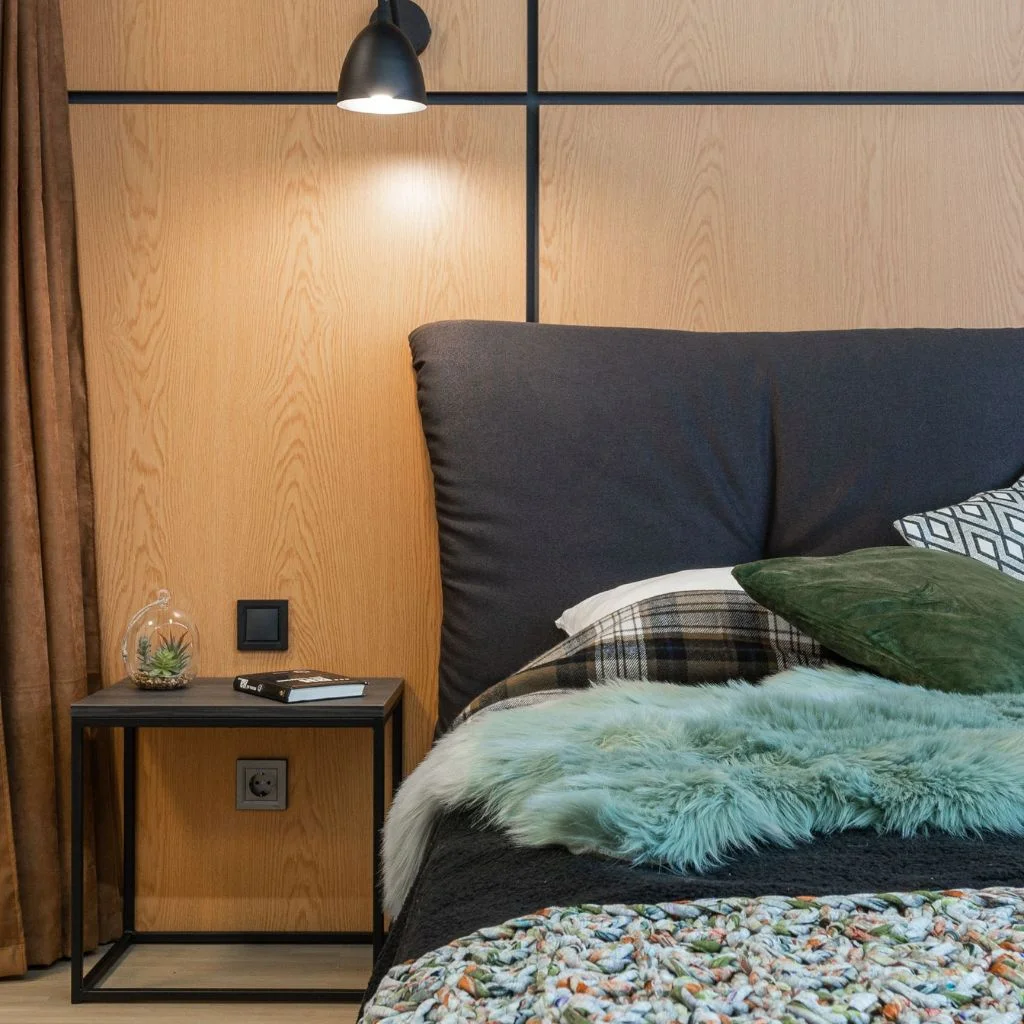
Highland decor rewards layering. Sheepskin throws over an armchair, a chunky knit blanket at the foot of the bed, and a wool rug underfoot all add depth that flat, single-material rooms lack.
Mixing textures also softens the starker edges of modern furniture. A sleek grey sofa feels considerably warmer with a faux-fur cushion and a woven wool throw draped across one arm. The goal is a room that looks collected over time, not one that was furnished from a single catalogue page.
Curtains, cushions, and rugs are the easiest places to experiment, since they can be swapped out without committing to anything permanent.
Muted Highland Colour Palette Works With Any Style
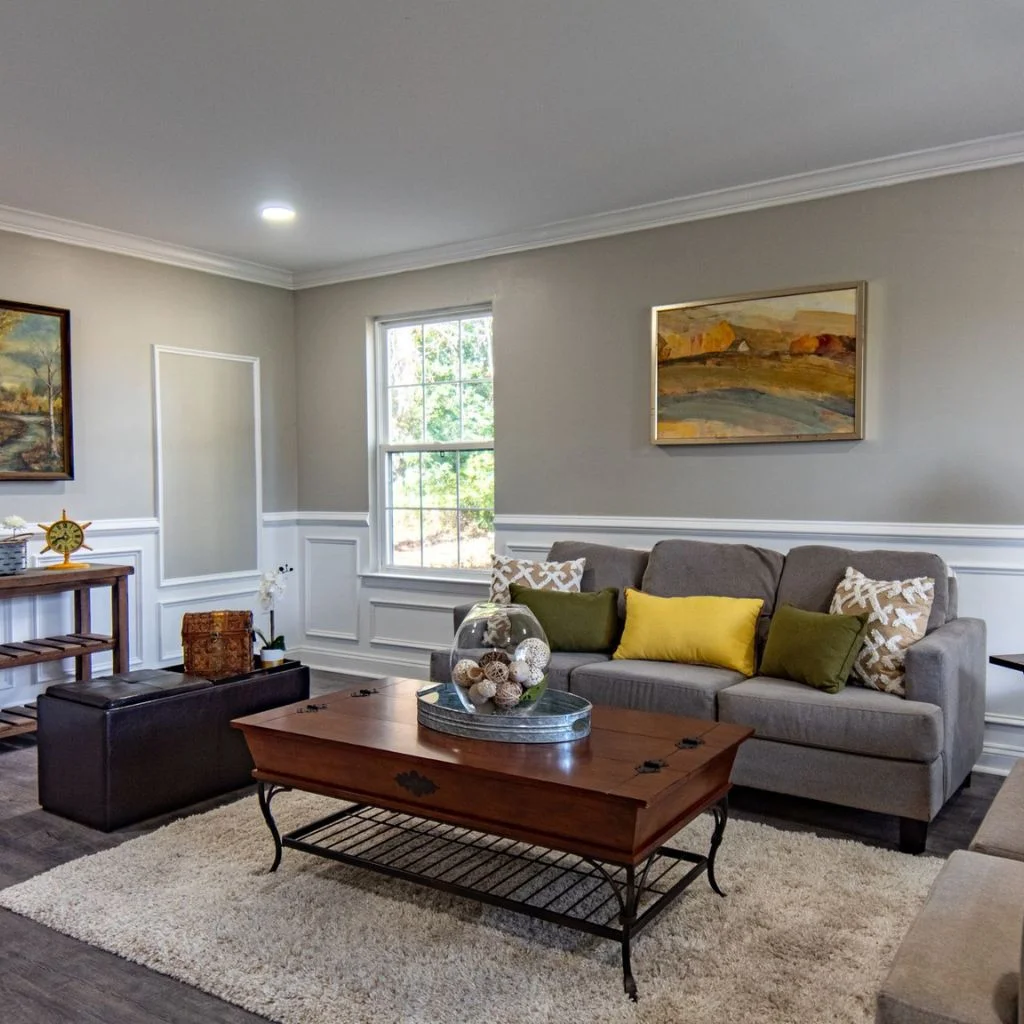
Highland colour schemes draw from heather, moss, loch water, and stone: deep purples, forest and olive greens, slate greys, and warm browns. These tones sit comfortably alongside the neutral palettes already common in modern homes, which makes this one of the simplest Scottish Highland home decor ideas to apply.
Walls can stay neutral while soft furnishings carry the Highland colours, or a single wall in deep heather or forest green can act as a feature without overwhelming a bright, open room. Metallic accents in aged brass or bronze pair well with these tones and add a further sense of heritage.
Avoid pairing too many bold shades at once. Two or three Highland tones, repeated across cushions, throws, and a rug, read as considered rather than cluttered.
Antlers and Heritage Pieces Add Character Without Overdoing It
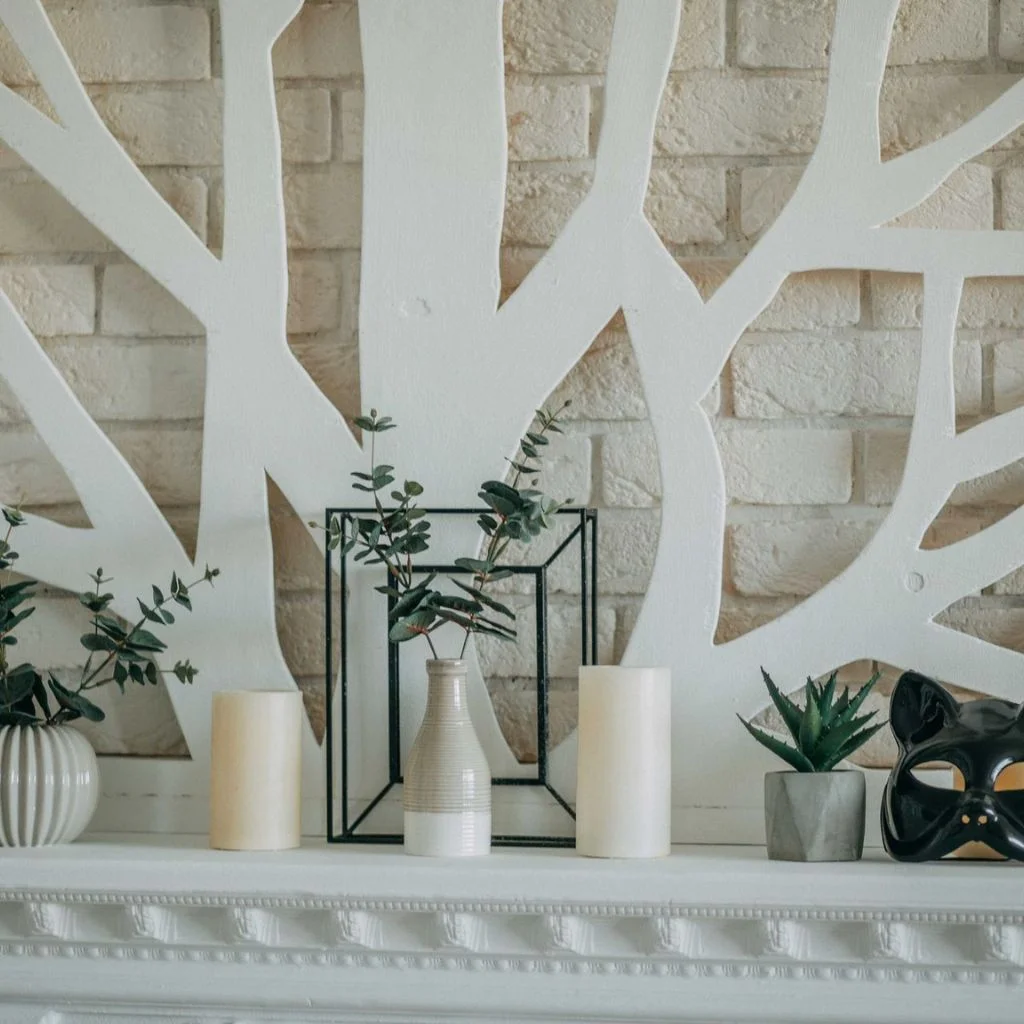
A few well-placed heritage objects do more for the Highland look than a room full of them. Faux antlers, a vintage map of Scotland, an old plaid travelling rug used as wall art, or a cast-iron lantern all suggest history without turning a living room into a hunting lodge replica.
Books, both for their content and their visual weight, work well too. A stack of well-worn hardbacks on a coffee table, ideally with a tartan bookmark or two, adds warmth cheaply.
Family photographs in simple dark wood frames, grouped together on a mantel or shelf, tie the personal into the heritage feel far better than mass-produced Highland ornaments ever could.
Lighting Choices Complete the Highland Mood
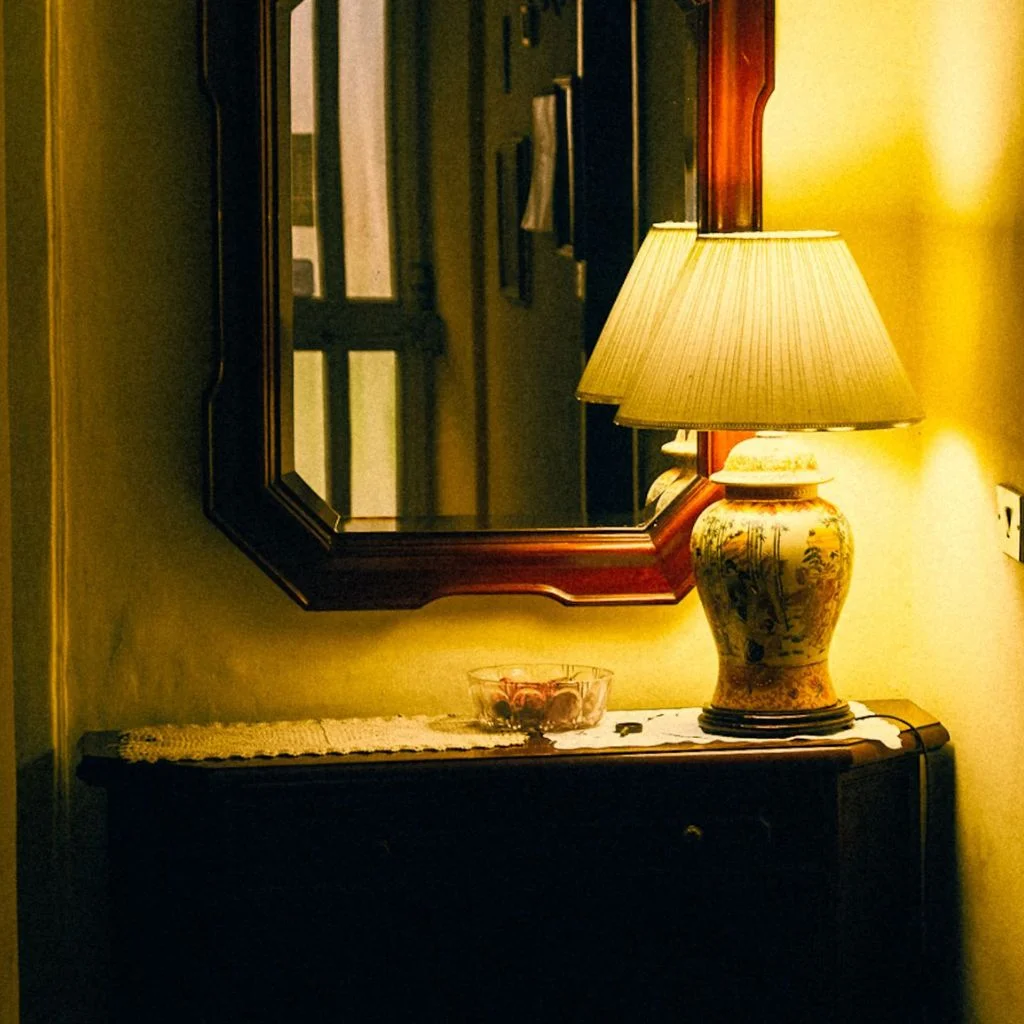
Highland interiors rely on low, warm light rather than bright overhead fixtures. Table lamps with fabric or amber-toned shades, a cluster of candles on a mantel, or a wrought-iron floor lamp all suit the mood far better than a single ceiling pendant on full brightness.
Warm white bulbs, somewhere around 2700K, make a noticeable difference on their own. Cool white lighting flattens the heather and moss tones that carry so much of the Highland palette, while warm light lets them glow rather than sit flat against the walls.
In the evenings, a room with two or three low light sources — a lamp in the corner, candles on a shelf, firelight if you have it — does more to sell the Highland feel than any single piece of furniture.
Common Mistakes That Turn Highland Decor Into a Theme Park
The most common mistake is treating Highland style as a costume rather than an influence. A room with tartan on every surface, antlers on every wall, and heather purple paint from floor to ceiling stops feeling like a home and starts feeling like a themed pub.
A second mistake is ignoring scale. Chunky knits and heavy wool suit a spacious living room but can swamp a small flat if used everywhere at once. In compact spaces, one or two textured pieces go further than a full wool-and-tartan overhaul.
The third mistake is forgetting modern furniture entirely. Highland decor works best as an accent layered onto a contemporary base, not as a replacement for it. Clean-lined sofas and simple cabinetry give the pattern and texture something to contrast against, which is what makes the style feel current rather than dated.
Small Highland Touches Work in Compact Modern Flats
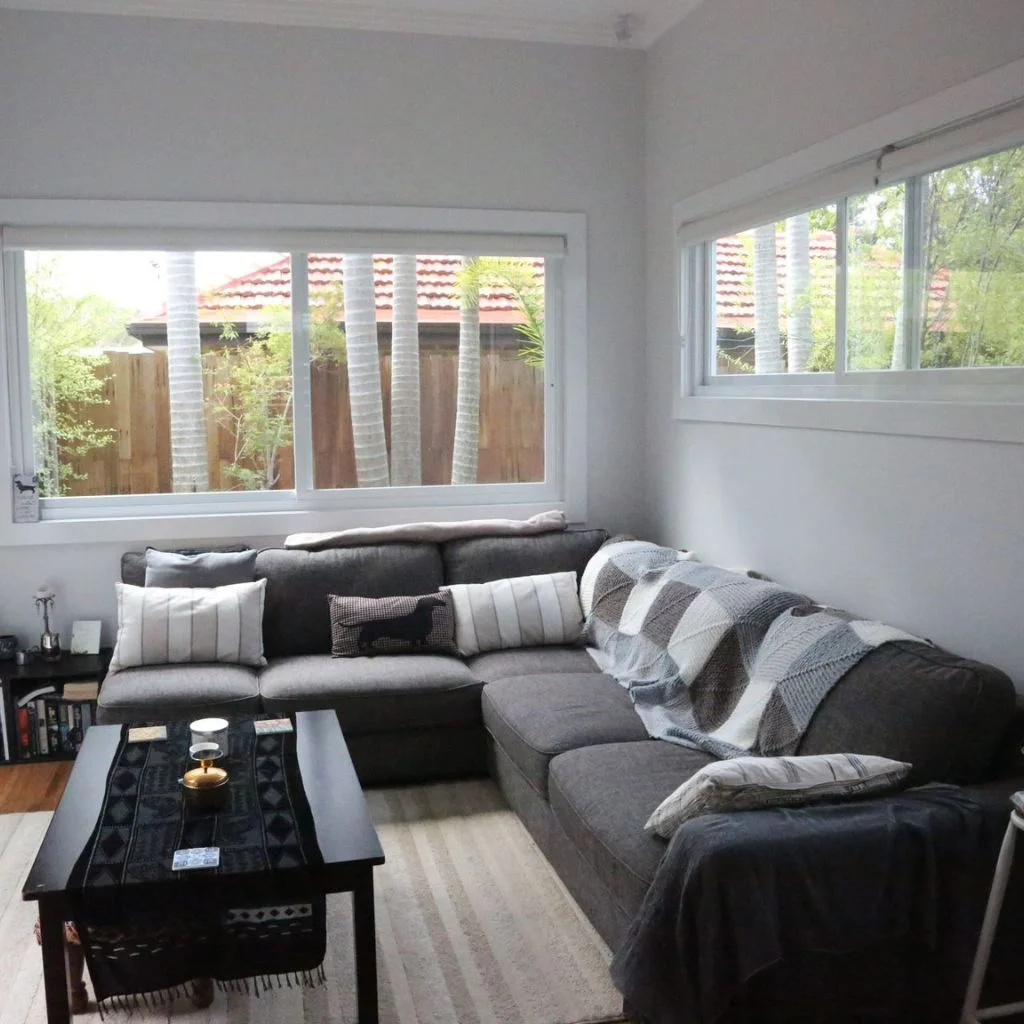
Scottish Highland home decor ideas don’t require a country cottage to work. In a small flat, a single tartan cushion, a wool throw, and a stack of hardback books can carry the whole look without crowding the space.
Bathrooms take well to Highland touches too — a chunky bath mat, a wooden soap dish, and a small framed print of the hills does the job without needing any structural changes. Kitchens can borrow the palette through tea towels, a tartan-lined bread bin, or open shelving holding earthenware in mossy tones.
Renters in particular benefit from this approach, since fabric, cushions, and small objects carry all the Highland character and can move with you to the next flat. Even a rented studio can carry the Highland mood convincingly through nothing more than textiles, a warm lamp, and a handful of well-chosen objects on a shelf.
Bringing the Glen Into Your Living Room
Highland style works best treated as an accent rather than an overhaul. A tartan throw here, a stone feature there, a muted heather wall in one room — these small, considered choices add up to a home that feels warm and rooted without losing its modern shape.
Start with one room and one or two elements: a throw, a colour, a single heritage piece. Once you see how it sits against your existing furniture, the rest of the house tends to follow naturally.
Editor Pick: Magnolia Living Room Colour Schemes That Never Go Out of Style.
Frequently Asked Questions
Does Scottish Highland decor work in a new-build home?
Yes. New-build homes with clean, neutral interiors are easier to layer Highland touches onto than period properties with existing period detail to work around. Fabric, colour, and a few heritage objects do most of the work.
How much tartan is too much?
As a rule of thumb, keep tartan to one or two pieces per room — a throw and a cushion, for example — rather than repeating the same pattern across curtains, upholstery, and rugs at once.
What colours pair best with Highland decor?
Heather purple, moss and forest green, slate grey, and warm brown form the core Highland palette. These tones sit well against the whites, greys, and soft neutrals common in modern interiors.
Is Highland style expensive to achieve?
Not necessarily. A few textiles, a tartan throw, and one or two heritage objects can shift a room’s mood considerably, and most of these pieces are inexpensive compared to structural changes like stone cladding or exposed beams.