Victorian gardens were designed to impress. During the 19th century, outdoor spaces became a reflection of taste, order, and creativity. These gardens were carefully planned, richly planted and filled with decorative details that made every corner feel intentional. Even today, Victorian Garden Ideas continue to inspire homeowners who want a garden that feels classic, romantic, and thoughtfully arranged.
What makes this style so appealing is its balance. Victorian gardens combine structure with softness, symmetry with abundance, and beauty with purpose. Neatly edged paths guide you through lush flower beds. Iron features add strength and detail. Focal points such as statues or birdbaths give the eye a place to rest. Every element works together rather than competing for attention.
Another reason this style still works is flexibility. You do not need a large estate or historic home to apply Victorian design principles. With the right layout, plant choices, and materials, these ideas can be adapted for modern backyards, small courtyards, and even front gardens.
Explore practical Victorian Garden Ideas that help you recreate old-world charm without making your space feel outdated. Each section focuses on a core design element that defined Victorian gardens and explains how to use it today in a way that feels natural and lasting.
Formal Garden Layouts with Symmetry
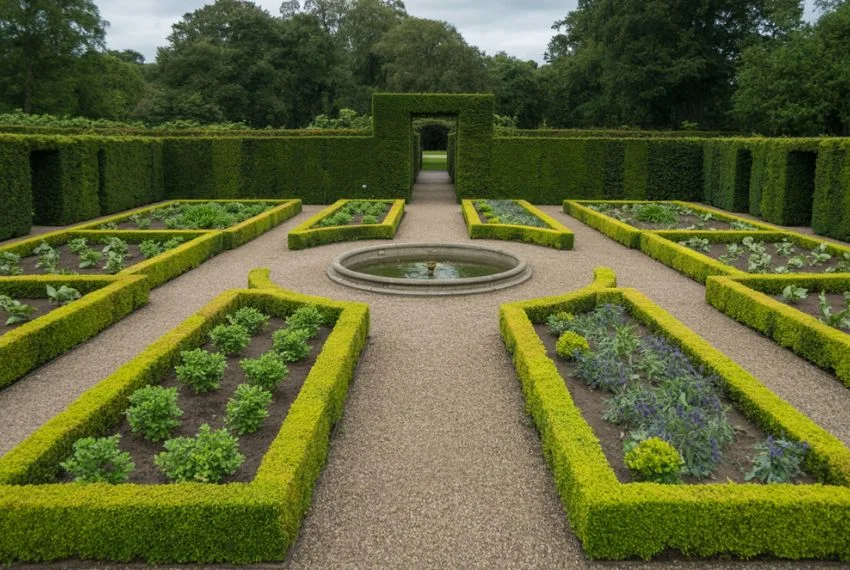
Structure was the foundation of Victorian garden design. Rather than random planting, gardens were laid out with clear shapes, straight lines, and visual balance. Symmetry gave the space a sense of order and calm, which was highly valued during the Victorian era.
A formal layout often begins with a central path or axis. From there, planting beds mirror each other on both sides. Boxwood hedges or low borders help define these shapes and keep the garden looking neat throughout the seasons. Even when plants are in full bloom, the structure underneath remains visible.
When applying these Victorian Garden Ideas, start small. A symmetrical front garden with matching beds on either side of a walkway can instantly set the tone. In larger spaces, you can extend this idea with repeating patterns, circular beds, or rectangular sections divided by paths.
Symmetry does not mean stiffness. Soft planting within structured beds keeps the garden welcoming. The key is balance rather than perfection, allowing nature to fill in the lines you create.
Lush Flower Beds Filled with Seasonal Blooms
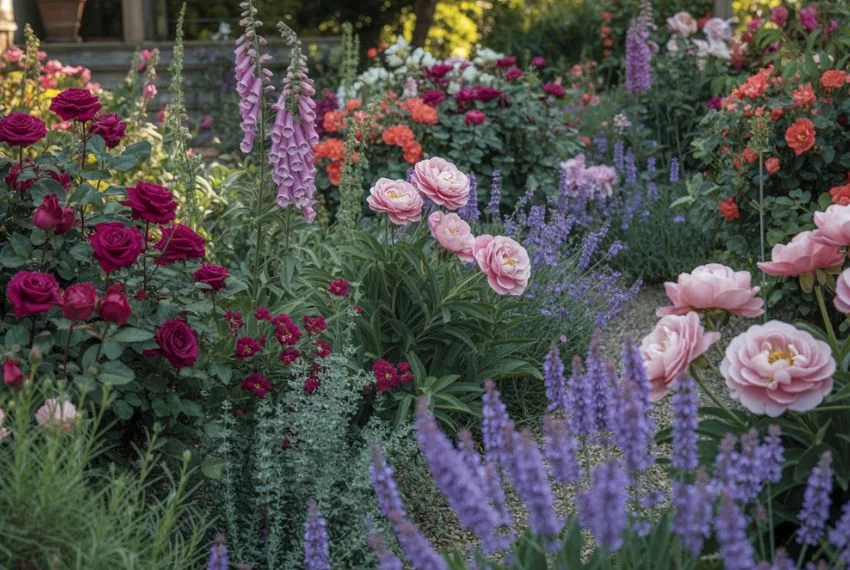
Victorian gardens were known for their rich planting. Flower beds were full, layered, and colourful, designed to showcase variety rather than minimalism. Popular plants included roses, peonies, foxgloves, delphiniums, and lavender, chosen for both beauty and fragrance.
These beds were often planted in layers. Taller plants stood at the back or centre, while medium and low-growing flowers filled the edges. This approach created depth and ensured that every plant could be seen and appreciated.
When using Victorian Garden Ideas today, focus on abundance without chaos. Choose a limited colour palette and repeat plant types across the garden to maintain unity. Seasonal planning is also important. Victorians carefully selected plants so something was always in bloom from spring through autumn.
Well-maintained flower beds bring life to the structure of the garden and soften hard edges like paths and borders.
Winding Pathways and Decorative Walkways
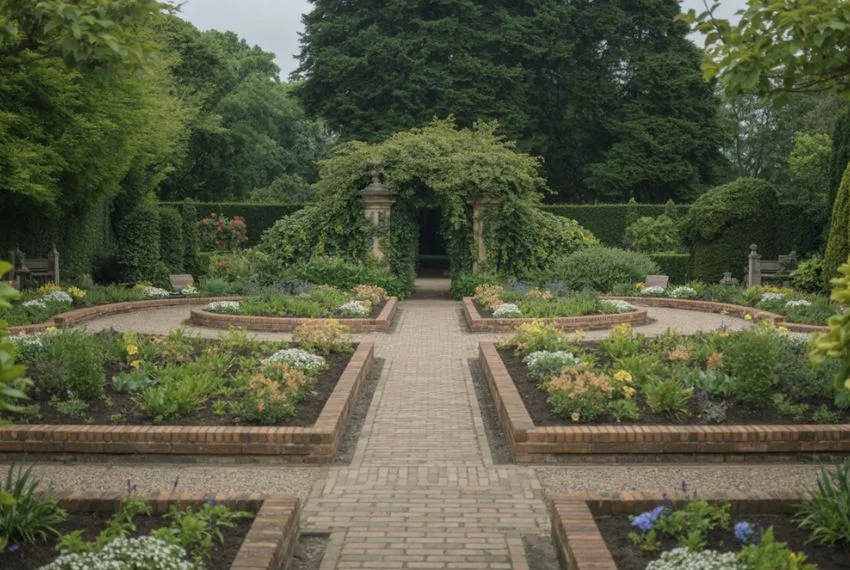
Paths played a major role in guiding movement through Victorian gardens. Gravel, brick, and stone were common materials, chosen for durability and appearance. Paths were not only practical but also decorative, framing the garden and connecting its features.
Straight paths were often used in formal areas, while gentle curves appeared in more relaxed sections. These curves helped slow the pace, encouraging visitors to enjoy the garden rather than rush through it.
As part of your Victorian Garden Ideas, consider how paths shape the experience of your space. A narrow brick path through flower beds can feel intimate, while wider gravel walkways suit open areas. Edging paths with low plants or iron borders adds definition and reinforces the classic look.
Well-designed walkways make a garden feel complete and intentional.
Cast Iron Features and Garden Furniture
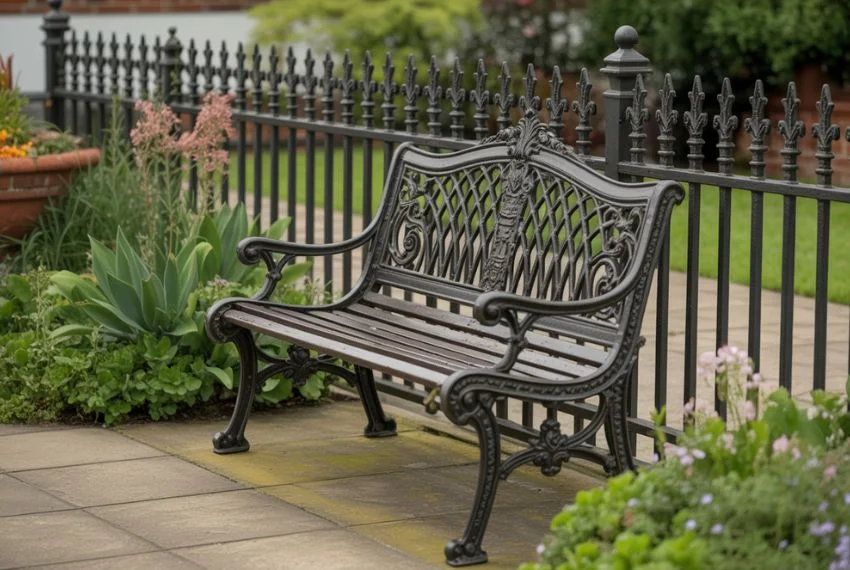
The Victorian era celebrated craftsmanship and cast iron became a popular material for outdoor use. Benches, fences, arches, and railings added both function and ornamentation to gardens.
Iron features were often detailed but not overpowering. Curved lines, floral motifs, and repeating patterns were common. These elements provided structure while blending naturally with plants.
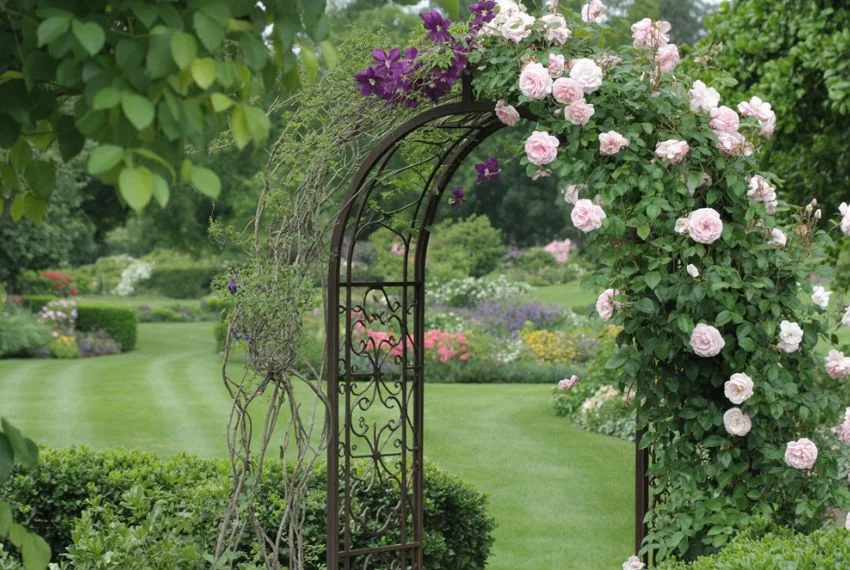
When incorporating this into your Victorian Garden Ideas, choose one or two iron features rather than filling the space. A simple bench beneath a tree or an iron arch covered in climbing roses can become a strong focal point without overwhelming the garden.
Cast iron ages beautifully and pairs well with greenery, making it a lasting investment for classic garden design.
Garden Focal Points and Decorative Ornaments
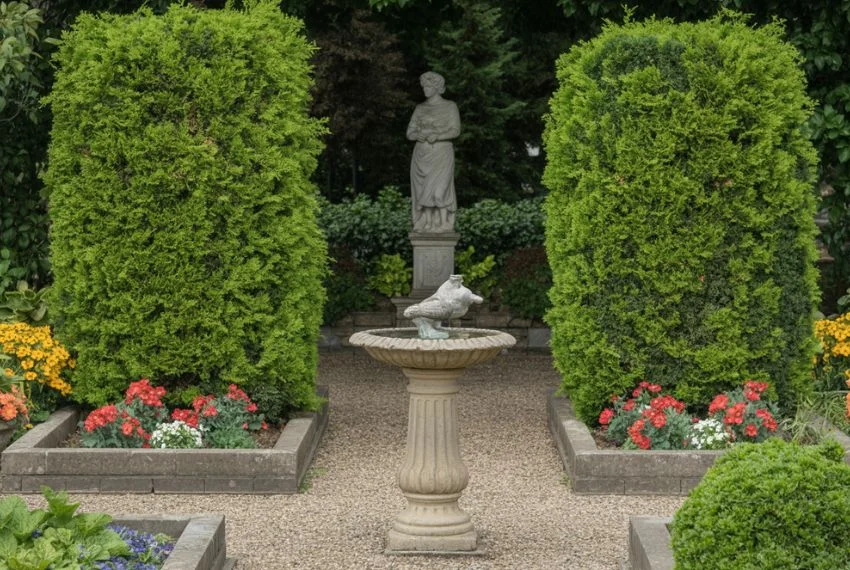
Victorian gardens often included focal points that drew attention and created moments of interest. Statues, fountains, sundials, and birdbaths were placed carefully rather than randomly.
These features were usually positioned at the end of a path, in the centre of a bed, or where paths intersected. Their role was to anchor the space visually and give the garden a sense of purpose.
Using Victorian Garden Ideas, select ornaments that suit the scale of your garden. Smaller spaces benefit from subtle features, while larger gardens can handle more prominent pieces. Stone and weathered finishes work especially well for an authentic look.
A well-placed focal point adds character without distracting from the overall design.
Climbing Plants and Vertical Interest
Vertical planting was an important part of Victorian garden design. Climbing plants softened walls, arches, and pergolas while adding height and texture to the garden.
Roses, clematis, ivy, and honeysuckle were commonly used. These plants brought fragrance and movement, making the garden feel alive from every angle.
As part of your Victorian Garden Ideas, look for vertical surfaces that can support climbers. Even a small trellis against a fence can make a big impact. Vertical planting also helps balance wide flower beds and keeps the garden from feeling flat.
This approach adds depth and elegance without taking up valuable ground space.
Enclosed Garden Spaces and Defined Borders
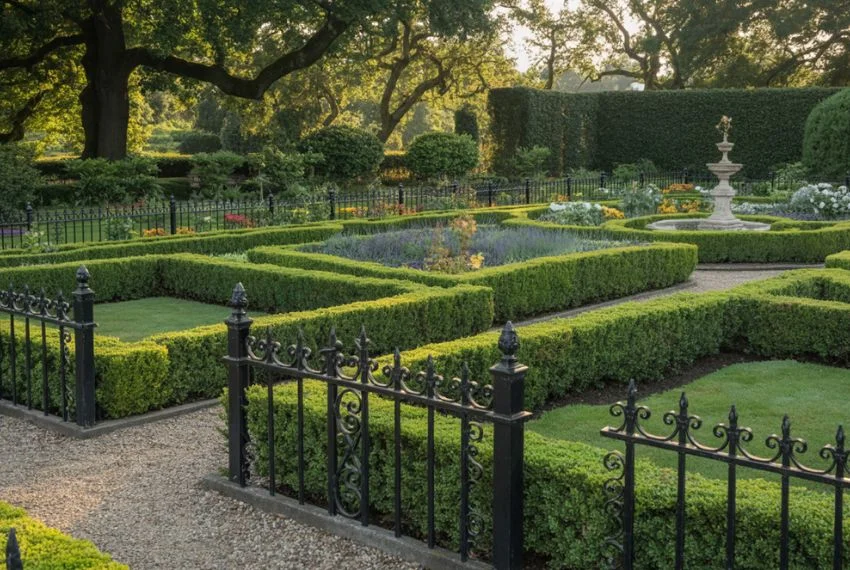
Victorian gardens often felt private and contained. Low walls, hedges, and iron fencing created clear boundaries without making the space feel closed off.
Defined borders helped separate different garden areas, such as flower sections, paths, or seating spaces. This made large gardens easier to navigate and small gardens feel more organized.
When applying Victorian Garden Ideas, focus on gentle enclosure. Low hedges or decorative fencing can frame your garden without blocking views. Borders also help keep planting tidy and reinforce the structured look that defines Victorian style.
Clear edges give the garden a polished and complete appearance.
Mixing Utility with Beauty
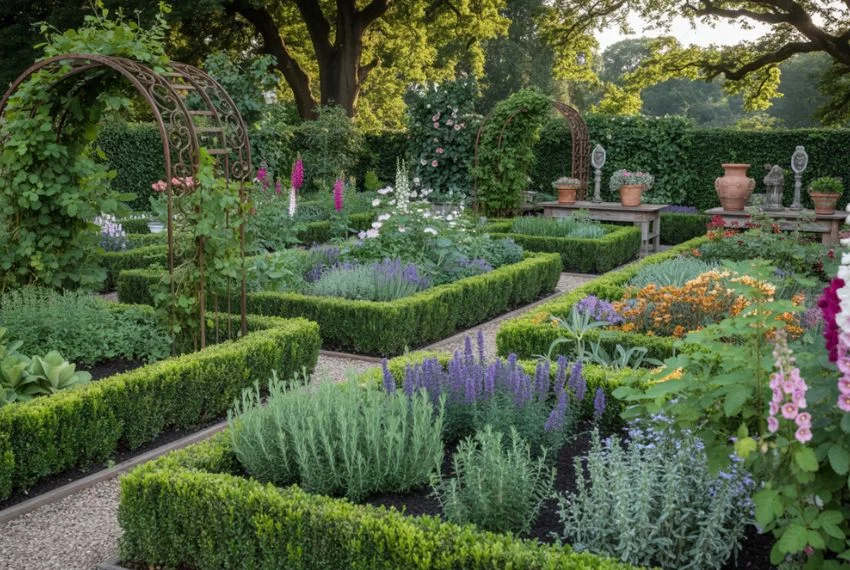
Victorian gardens were not purely decorative. Many included herb beds, vegetable plots, and cutting gardens, all arranged with the same care as ornamental areas.
Plants were chosen for usefulness as well as appearance. Herbs were neatly grouped, vegetables were planted in rows, and flowers were cut regularly for indoor displays.
This balance is one of the most practical Victorian Garden Ideas to adopt today. A small herb section or raised bed can blend seamlessly into a decorative garden when edged properly and planted thoughtfully.
Combining beauty with purpose makes the garden more enjoyable and easier to maintain over time.
Final Thoughts
Victorian gardens remain popular because they offer something many modern spaces lack intention. Every path, plant, and feature serves a purpose while contributing to a larger design.
By using structured layouts, layered planting, decorative details, and practical elements, Victorian Garden Ideas can be adapted to almost any outdoor space. You don’t need to copy the past exactly. Instead, take inspiration from its principles and apply them in a way that suits your home and lifestyle.
With careful planning and thoughtful choices, a Victorian-style garden can feel timeless, welcoming, and full of character for years to come.
Check also Antique Water Pump garden ideas for your garden.