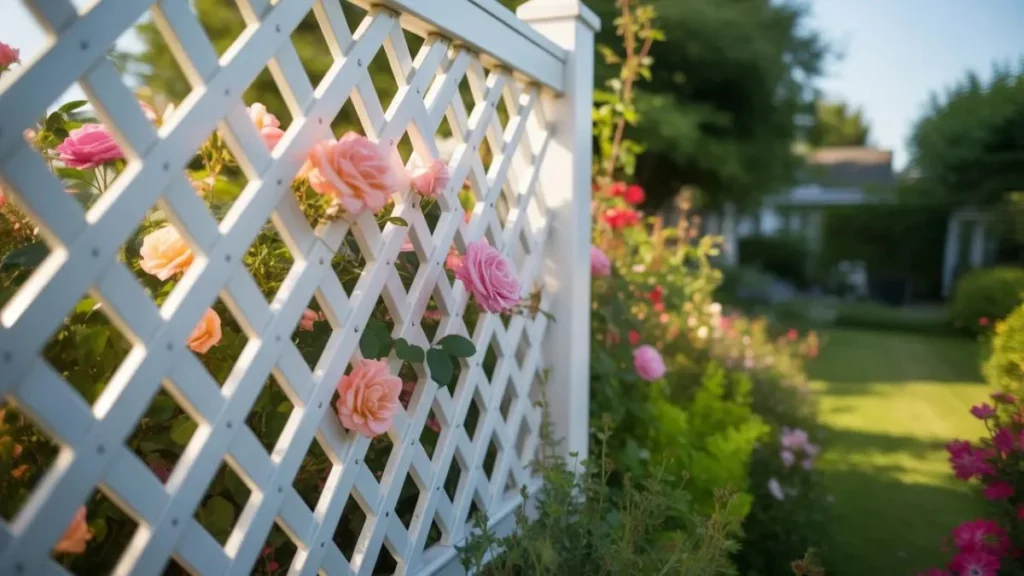
Most outdoor spaces look ordinary not because of bad design, but because the wrong materials are doing the job. If your fence feels flimsy, your deck edge looks unfinished, or your garden wall is a plain block of nothing — vinyl lattice panels are the fix you have been sleeping on. They bring structure, texture and real visual weight to outdoor spaces without asking much in return.
Whether you are building from scratch or upgrading what you already have, vinyl lattice panels work across fences, deck skirting and garden feature walls in ways that are genuinely practical and long-lasting. This guide covers every angle — types, uses, installation, styling and the questions most people search before they buy.
What Are Vinyl Lattice Panels
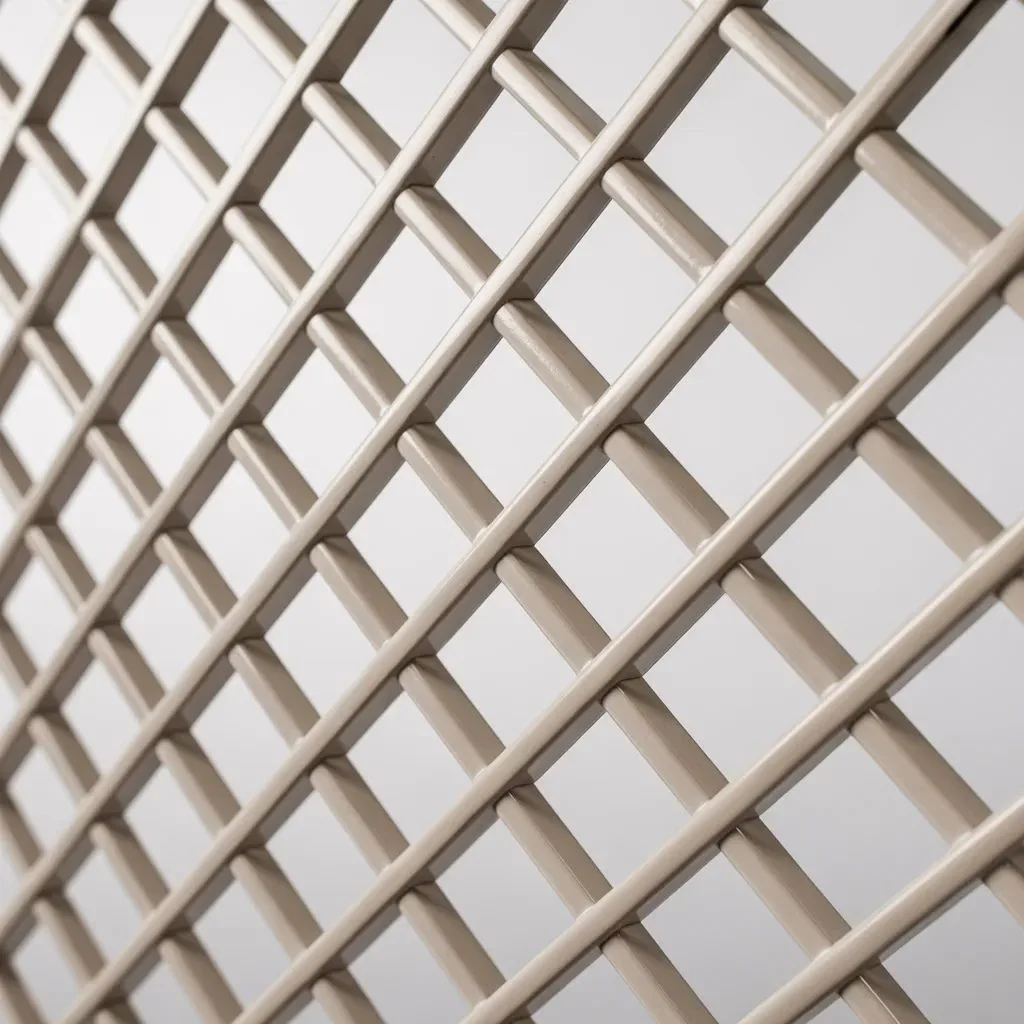
Vinyl lattice panels are interlaced grid-pattern sheets made from high-density polyethylene or PVC. They come in flat sheets — most commonly 4 ft x 8 ft — and are designed to be framed, mounted or inserted into existing structures around your outdoor spaces.
Unlike wood lattice, which warps, rots and splinters over time, vinyl lattice panels hold their shape and colour season after season. They do not need sanding, painting or staining. Once installed, the main thing you will ever do is rinse them down with a hose.
The grid openings vary by type — larger openings for decorative or trellis use, tighter openings for privacy screens. The look ranges from classic diamond patterns to square grids and more decorative designs, giving you real flexibility depending on the feel you are going for.
Types of Vinyl Lattice Panels and How They Differ
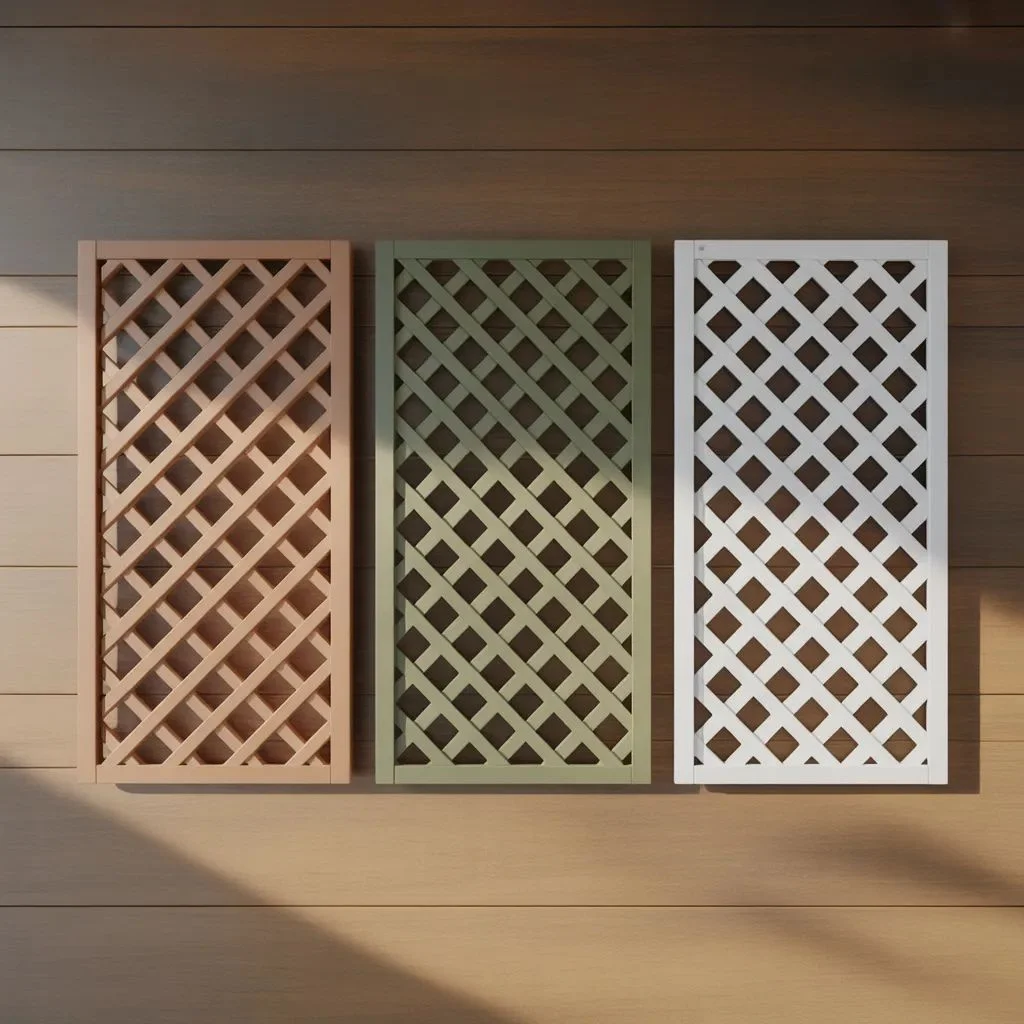
Choosing the right panel type is the first decision worth getting right. Each style has a different look and a different function.
Classic Diamond Lattice
The most widely recognised style. Diamond lattice panels feature diagonal crisscross strips forming a repeating diamond grid. They are the go-to for fence toppers, garden trellises and decorative accents. The openings are large enough to let air and light through freely, which keeps them looking airy rather than heavy.
Square Lattice
Square lattice uses a straight horizontal and vertical grid rather than diagonal. The result is a more modern, structured look that suits contemporary gardens and clean-lined architecture. Square vinyl lattice panels work well as wall accents or deck skirting where a geometric edge is the goal.
Privacy Lattice
Privacy lattice has a tighter diamond or square pattern with reduced gap spacing between strips. This means less visibility through the panel while still allowing airflow — a strong choice for pool enclosures, patio screens and fence panels where you want to block sightlines without the closed-in feel of a solid fence.
3D or DuraShell Lattice
Some premium vinyl lattice products, like DuraShell, use solid core slats that are chemically bonded together rather than injection-moulded in one flat sheet. These panels are thicker, stronger and do not expand and contract with temperature the way standard vinyl sheets do — making installation and long-term performance more predictable.
Vinyl Lattice Panels for Fences
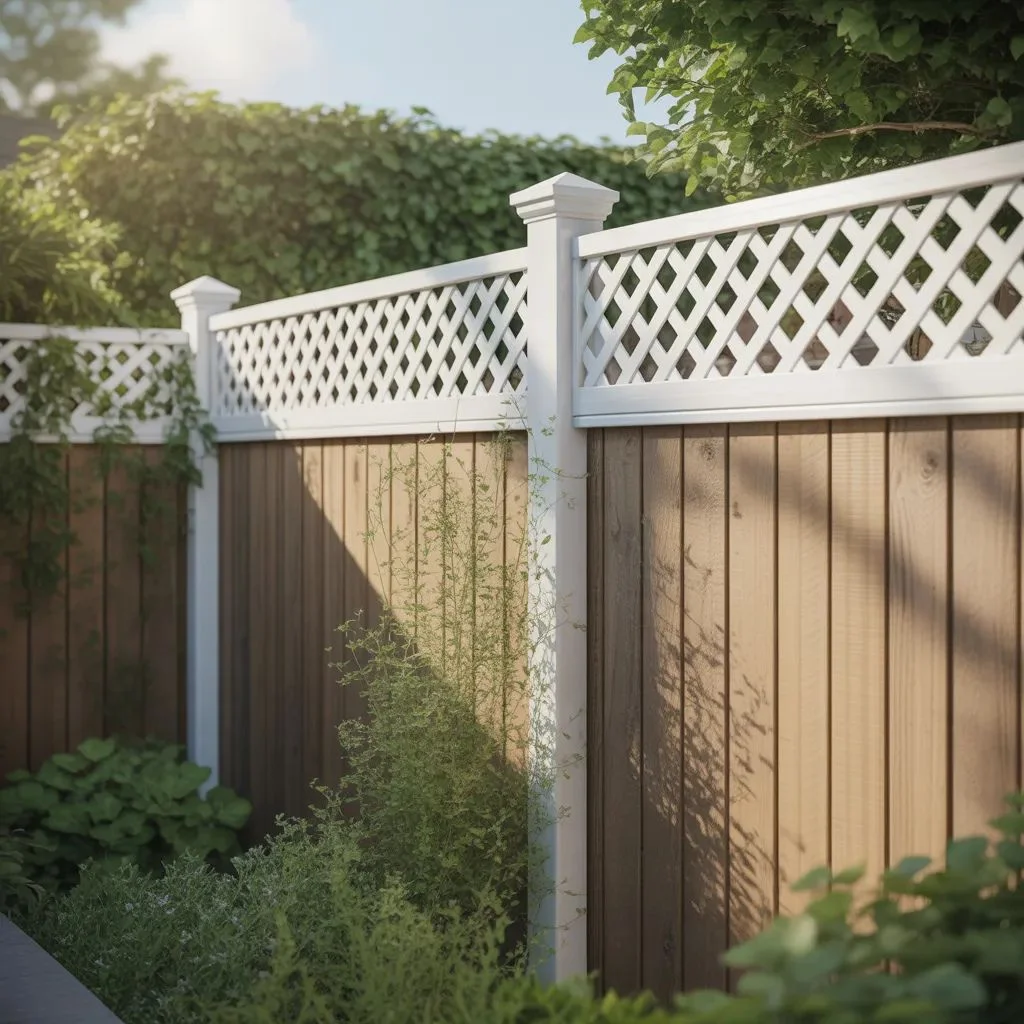
Vinyl lattice fence panels are one of the most popular outdoor applications, and for good reason. They allow you to add height to an existing fence without the weight or visual bulk of a solid panel extension. They also soften a perimeter that would otherwise look stark.
Adding Lattice Toppers to Existing Fences
Attaching a vinyl lattice panel to the top of an existing timber fence is a cost-effective way to gain extra privacy and height. The panel is secured into a frame of pressure-treated timber or U-channel moulding that slots over the fence top. This method works well on 6-foot privacy fences where a 1–2 foot lattice topper adds screening without making the garden feel boxed in.
Full Lattice Fence Panels
For a lighter, more decorative boundary — especially in front gardens or around a cottage-style landscape — full vinyl lattice fence panels mounted between posts create a charming, structured look. They define space clearly while keeping the setting open and garden-friendly. Climbing plants like clematis, jasmine or sweet peas will naturally grow through the openings over time, softening the structure even further.
Lattice as a Privacy Screen
A standalone vinyl lattice privacy screen between posts is a smart choice for separating a dining area from a neighbours’ sightline or creating a private corner on a terrace. Privacy diamond lattice panels in a neutral colour — white, clay or grey — give a clean, finished look that holds up through all four seasons.
Vinyl Lattice Panels for Decks
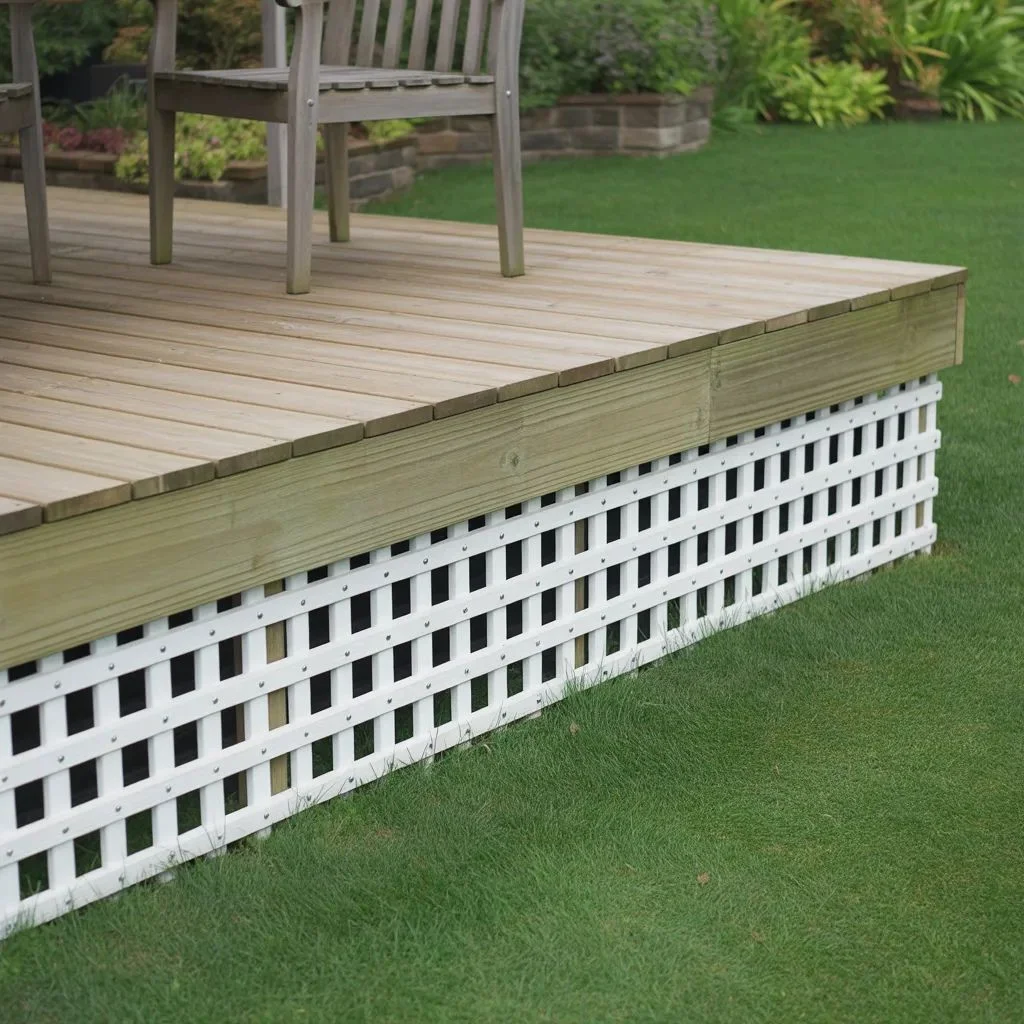
The gap beneath a raised deck is often an afterthought — and it shows. Exposed joists, dark voids and leftover clutter can make an otherwise well-built deck look unfinished. Vinyl lattice panels are the standard solution for deck skirting, and they work beautifully for good reason.
Under-Deck Skirting
Installing vinyl lattice panels as deck skirting closes off the underside of the deck while allowing ventilation — which is critical for preventing moisture build-up and protecting the structure from rot. Panels are secured into a frame of timber or aluminium trim along the base and top of the gap, cut to fit with a circular saw and a reversed fine-tooth blade for a clean edge.
For privacy under decks, a diamond privacy lattice with tighter spacing is the better choice. For a more decorative finish on a low-level deck, classic diamond or square lattice in white or natural tan keeps things tidy without over-engineering the look.
Deck Privacy Walls and Screens
Beyond skirting, vinyl lattice panels can frame the sides of an elevated deck to create a partial wall that shields the space from wind and outside views. Framed panels positioned at sitting or standing height make the deck feel like a proper outdoor room rather than an exposed platform. Adding climbing plants, wall-mounted lanterns or string lights along these panels layers the space with warmth and character.
Vinyl Lattice Panels for Garden Walls and Feature Accents
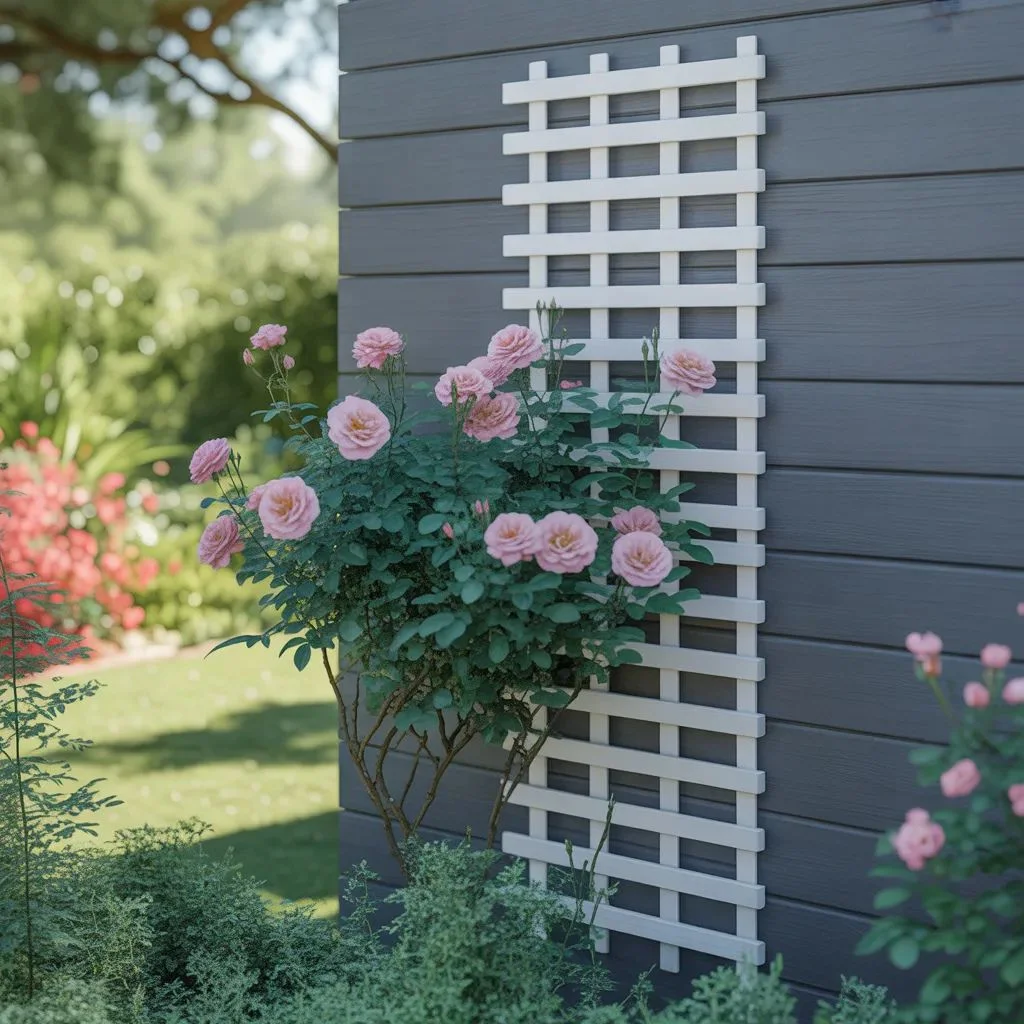
Garden walls do not have to be plain. Vinyl lattice panels mounted flat against a masonry or timber wall introduce texture and depth that transforms a background into a feature. Whether you attach them as a garden lattice trellis for climbing plants or use them purely as decorative wall panelling, the effect is far more polished than bare render or plain board.
Living Walls and Trellises
Mounting a vinyl garden lattice panel vertically against a wall or fence gives climbing plants a ready-made structure. Roses, jasmine, sweet peas and clematis all thread naturally through the openings as they grow. Over a season or two, the panel becomes almost invisible behind the foliage — creating the appearance of a lush living wall with very little effort on your part.
Secure the panel firmly so it does not flex with wind load, particularly once plants add weight. Use U-channel moulding around all four edges and fix to the wall through pre-drilled, oversized holes to allow for the natural expansion and contraction of the vinyl in heat and cold.
Outdoor Space Dividers
One of the most underused applications: vinyl lattice panels as freestanding zone dividers. A framed panel between two posts creates an instant visual boundary between a garden dining area and a play space, a potting area or a pool edge — without the permanence of a wall or the cost of a full fence run. In a small garden, this kind of zoning makes a real difference to how the space reads and feels.
Hiding Utilities
Unsightly air conditioning units, water butts, bins or gas canisters are a constant challenge in well-used gardens. A simple frame of vinyl lattice panels around these eyesores provides a clean visual screen while keeping enough airflow around units that need it. Far cheaper than a purpose-built box, and considerably more attractive.
Colours and Styles Worth Knowing
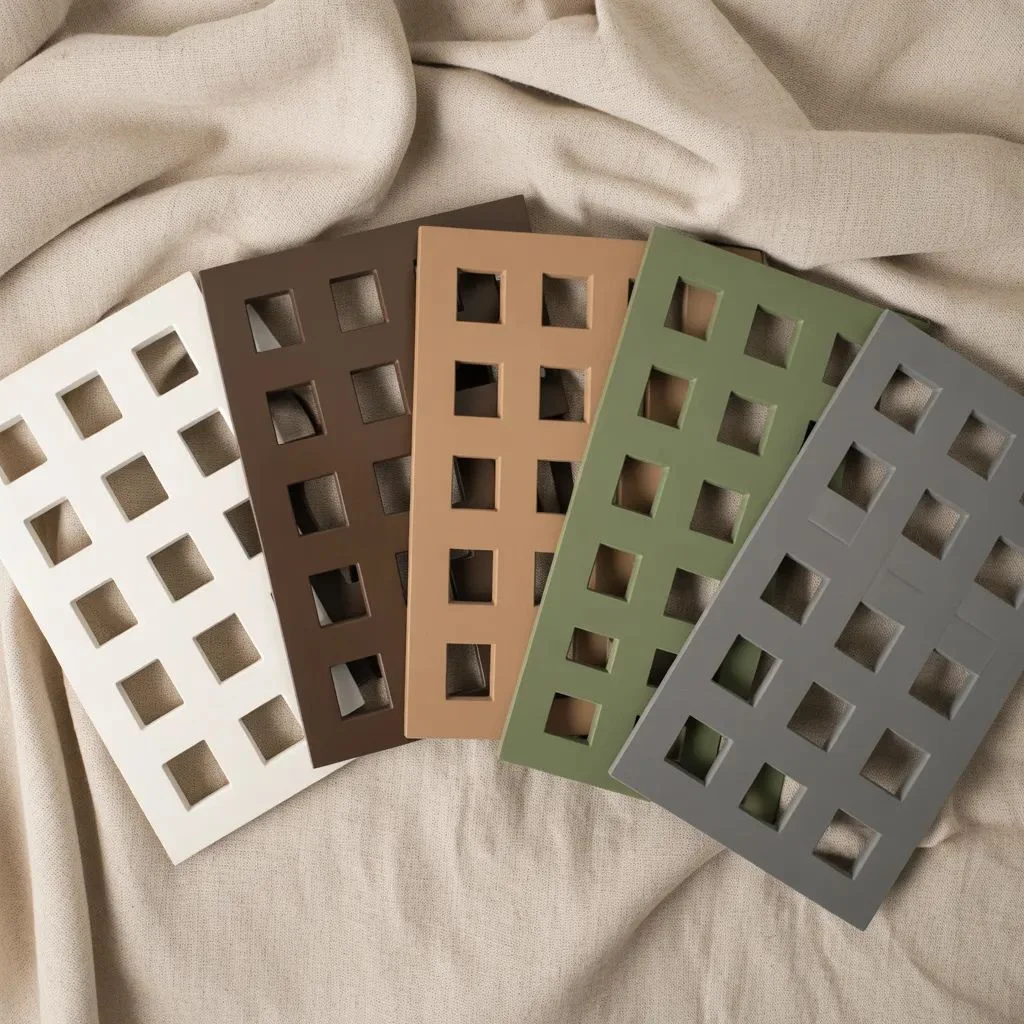
Colour choice shapes how your vinyl lattice panels read in the finished space. The right shade blends seamlessly with your home exterior; the wrong one fights it.
- White: The classic. Crisp, clean and universally complementary against green planting and natural timber. Works best on homes with white trim or light render.
- Clay or Tan: Softer than white and less stark in warm-light climates. Blends well with brick, sandstone and earthy garden palettes.
- Woodland Green: Designed to recede into garden settings. Particularly effective behind heavy planting where you want the lattice structure to disappear.
- Grey or Nantucket Grey: The contemporary choice. Works well in modern or Scandinavian-influenced outdoor spaces with clean lines and minimal planting.
- Espresso or Brazilian Walnut: For a richer, timber-like look without the maintenance. These darker tones pair well with cedar decking, dark composite materials and tropical-style gardens.
How to Install Vinyl Lattice Panels Correctly
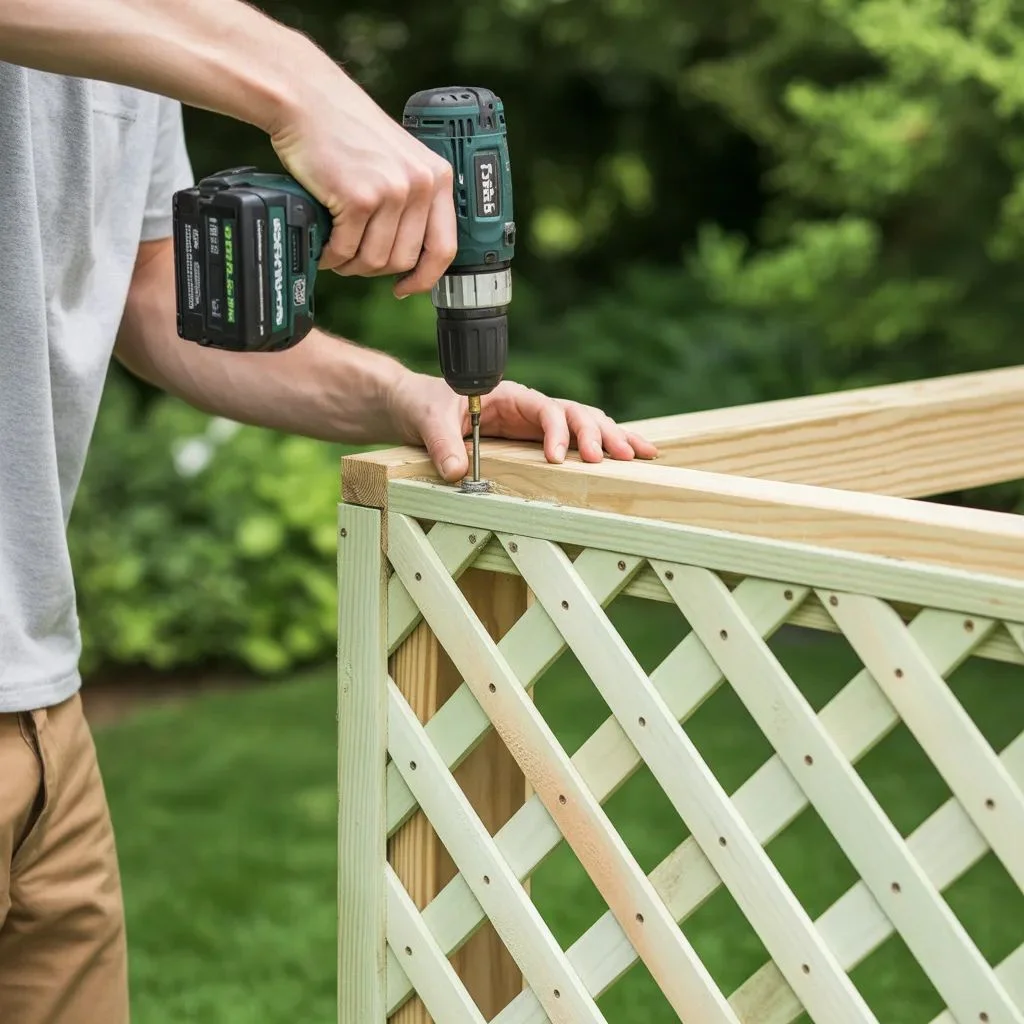
Getting the installation right matters — particularly with standard vinyl sheets, which expand and contract with temperature changes. These are the details that prevent cracking, buckling and early failure.
Tools You Will Need
- Circular saw with fine-tooth blade (reversed for cleaner vinyl cuts)
- Drill and driver
- Tape measure and pencil
- Spirit level
- U-channel or H-channel moulding (for framed installations)
- Stainless steel screws or staples
The Expansion Gap Rule
Standard vinyl lattice expands in heat and contracts in cold. If you fasten it too tightly, it will either warp or crack at the fixing points. Always pre-drill holes slightly larger than your fastener diameter and do not over-tighten screws. This allows the panel to move slightly within its frame as temperatures shift.
Mount from the top first — this is the manufacturer-recommended starting point, allowing the panel to hang and self-align before the sides and base are fixed. Space support points a maximum of every 4 feet for panels over 4 ft wide.
U-Channel and H-Channel Framing
The cleanest and most durable installation method is to frame the panel in U-channel moulding around all four edges. The panel slides into the channel, which holds it in place while concealing the cut edges. For panels that sit side by side, H-channel connects them at the join. Most vinyl lattice brands offer colour-matched channels, so the hardware blends with the panel.
Cutting Vinyl Lattice
Reverse the blade on your circular saw before cutting — the reversed teeth produce a much smoother cut through vinyl and reduce the risk of chipping or cracking the sheet. Support the full panel on sawhorses or a flat surface so it does not flex during the cut.
Vinyl Lattice vs Wood Lattice — The Honest Comparison
Both materials have a place in outdoor design, but the differences in performance are stark.
- Durability: Vinyl resists rot, insects, splitting and warping. Wood does not — it requires regular sealing, staining or painting to stay in good condition.
- Maintenance: Vinyl lattice needs no treatment. Wood needs attention every one to three years to maintain appearance and structural integrity.
- Weight: Vinyl is lighter, making it easier to handle and install solo.
- Cutting: Both cut with standard saws. Wood cuts more intuitively; vinyl requires the reversed-blade technique for clean edges.
- Appearance over time: Vinyl holds its colour. Wood greys and weathers — which some prefer, but it requires effort to manage deliberately.
- Cost: Vinyl costs more upfront. Over five to ten years, the absence of maintenance costs makes it the cheaper option in practice.
Your Garden, Finished Right
Vinyl lattice panels are one of the most versatile materials in outdoor design — genuinely useful across fences, deck skirting and garden walls, and genuinely low-effort to own once they are up. The range of patterns, colours and finishes available today means there is no reason to settle for the plain white diamond grid if it does not suit your space. Espresso, grey, woodland green and walnut-tone options give you the warmth of a natural material finish without any of the upkeep.
Pick the right type for the job, use proper channel framing, respect the expansion gap, and your vinyl lattice panels will look as good in ten years as they do on day one. That is the whole point of getting it done right.
Our Pick: Smart Trellis Ideas for Patios Backyards and Garden Walls.