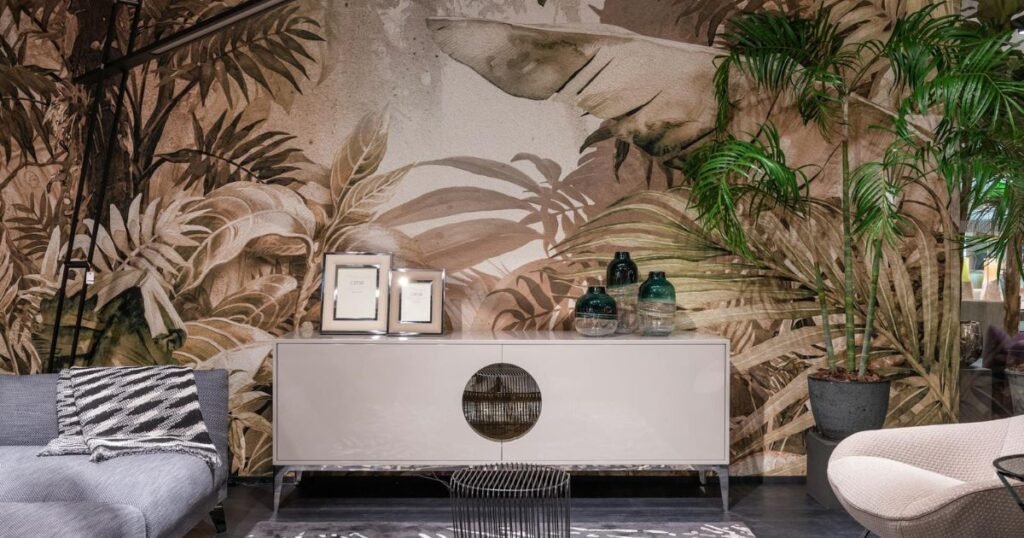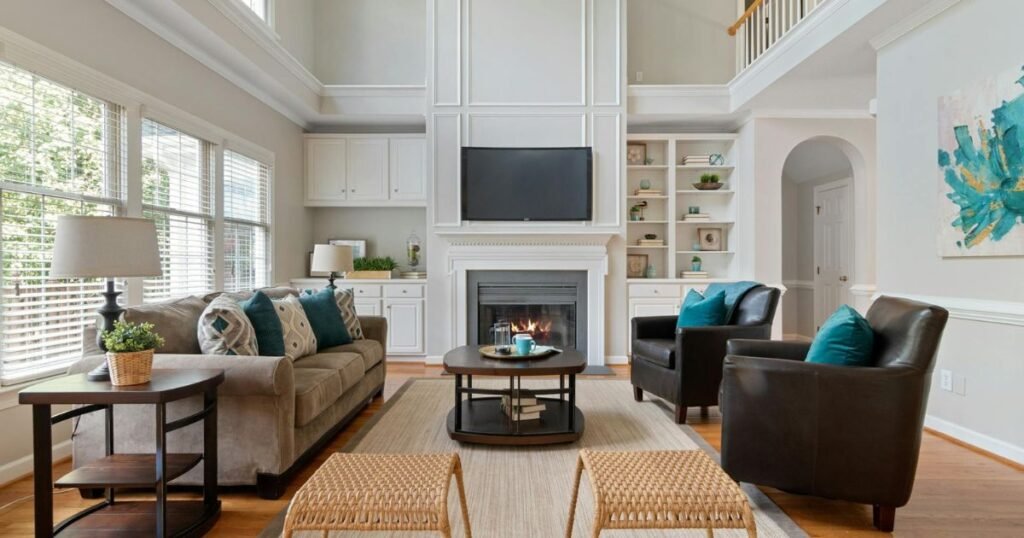

The way we design our homes is evolving, and biophilic design is at the forefront of this change. By connecting indoor spaces with nature, this design philosophy doesn’t just create visually stunning homes—it promotes mental health, physical well-being, and sustainability. With more people spending time indoors, incorporating elements of the natural world into our homes has become essential. In this article, we’ll explore why biophilic designs is more than a trend—it’s shaping the future of sustainable living.
What Is Biophilic Design?
Biophilic design is a concept that integrates natural elements, patterns, and materials into built environments. The goal is to strengthen the connection between humans and nature. Examples include natural light, greenery, water features, and organic textures. This approach isn’t just aesthetic—it has measurable benefits, from reducing stress to improving productivity.
Key principles of biophilic designs:
- Maximizing natural light
- Incorporating indoor plants
- Using natural textures like wood, stone, and clay
- Creating visual connections to outdoor landscapes
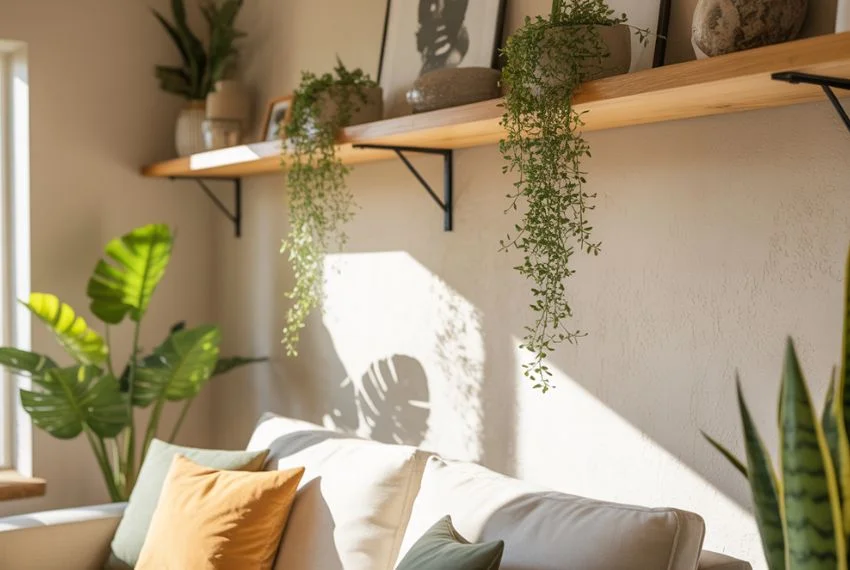
Health and Well-Being Benefits
Homes designed with biophilic designs in mind promote mental and physical wellness. Studies show that exposure to natural elements indoors can:
- Reduce stress and anxiety
- Improve focus and productivity
- Enhance creativity and mood
- Support better sleep patterns
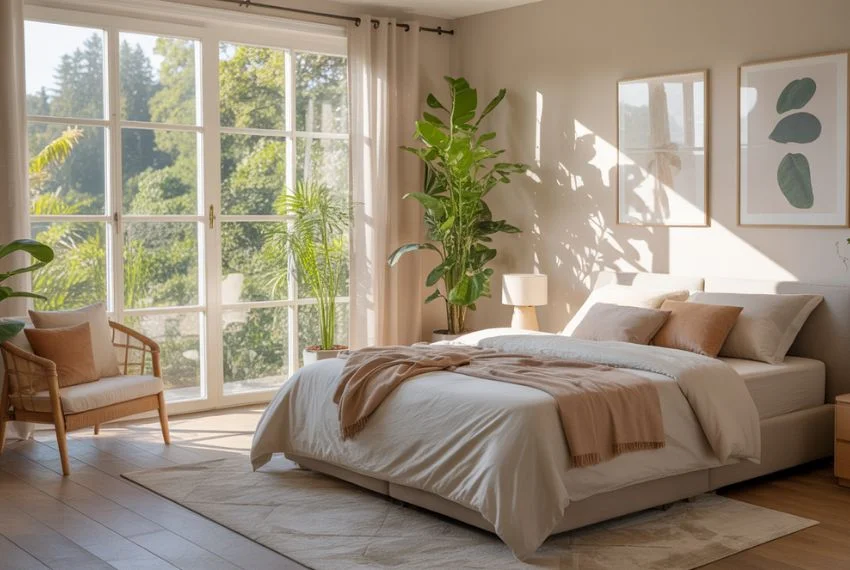
By mimicking the outdoors, biophilic design creates spaces that feel calming and restorative. Imagine waking up in a bedroom with sunlight filtering through natural fabrics and a view of greenery—it instantly improves your daily well-being.
Sustainability and Environmental Impact
One reason biophilic design is the future of home architecture is its sustainability. By integrating natural elements, homes can reduce energy consumption and promote eco-friendly living. For example:
- Strategically placed windows reduce the need for artificial lighting
- Natural ventilation reduces reliance on HVAC systems
- Using sustainable materials like bamboo, reclaimed wood, or cork lowers environmental impact
Incorporating water features, green walls, or indoor plants also helps purify the air, contributing to a healthier, more sustainable home environment.

Practical Ways to Implement Biophilic Design
Even small adjustments can bring the benefits of biophilic design into your home. Here are some ideas:
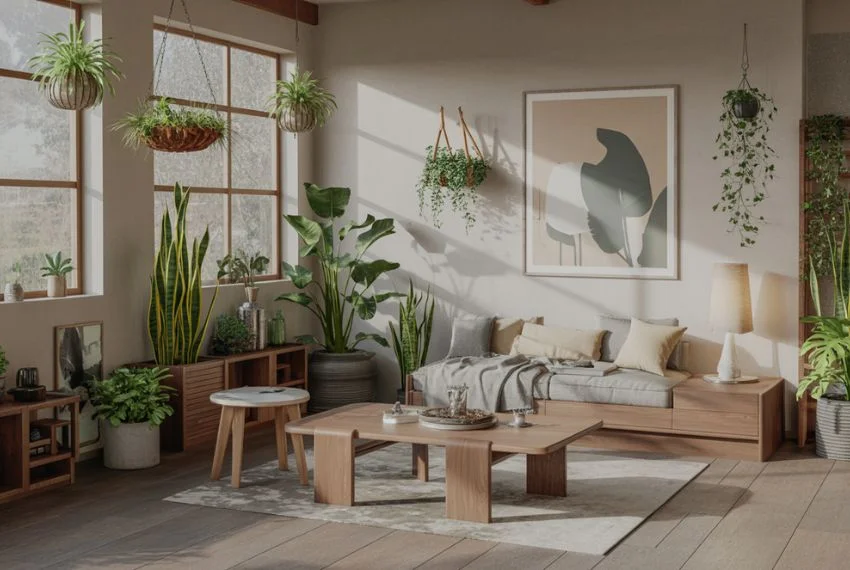
- Indoor Plants – Place potted plants, hanging gardens, or terrariums in living areas.
- Natural Materials – Use wood, stone, or bamboo for furniture, flooring, and décor.
- Water Features – Small indoor fountains or aquariums create a calming ambiance.
- Natural Light – Maximize sunlight through large windows or skylights.
- Outdoor Views – Ensure indoor spaces connect visually with gardens or landscapes.
These steps can transform ordinary rooms into spaces that feel connected to the natural world while promoting sustainability.
Biophilic Design Trends for 2026
The popularity of biophilic design continues to rise as homeowners prioritize wellness and sustainability. Current trends include:
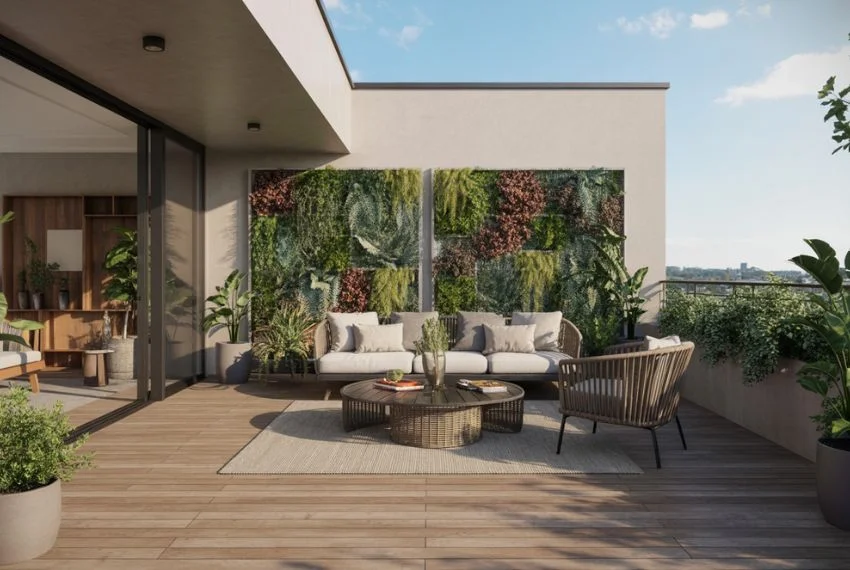
- Green walls and vertical gardens in urban homes
- Earth-toned colour palettes inspired by forests and deserts
- Multifunctional spaces that combine indoor and outdoor living
- Minimalist designs with natural textures and soft organic shapes
By following these trends, biophilic designs ensures homes are stylish, modern, and eco-friendly.
Final Note
Biophilic design is more than a design choice—it’s a lifestyle that merges well-being, sustainability, and modern aesthetics. From enhancing mental health to reducing energy consumption, the benefits are clear. Homes designed with this philosophy are healthier, more beautiful, and future ready. As sustainability becomes a central focus in architecture, biophilic designs will continue to shape the homes of tomorrow.
Find out about Joyful Living Starts Here: Dopamine Decor Ideas for Modern Homes.
FAQs
Q1: Can I implement biophilic designs in a small apartment?
Yes! Indoor plants, natural materials, and maximizing light can bring biophilic design principles to any space.
Q2: Is biophilic designs expensive?
Not necessarily. Small adjustments like houseplants, wooden décor, and natural lighting can make a big impact without major costs.
Q3: Does biophilic design improve productivity?
Absolutely. Studies show that connecting with nature indoors boosts focus, creativity, and mood.
Q4: How do I start integrating biophilic designs at home?
Begin with simple elements like plants, natural textures, and optimizing natural light. Gradually expand with water features or green walls.
Q5: Can biophilic designs help with sustainability?
Yes, it promotes energy efficiency, reduces reliance on artificial systems, and encourages the use of eco-friendly materials.