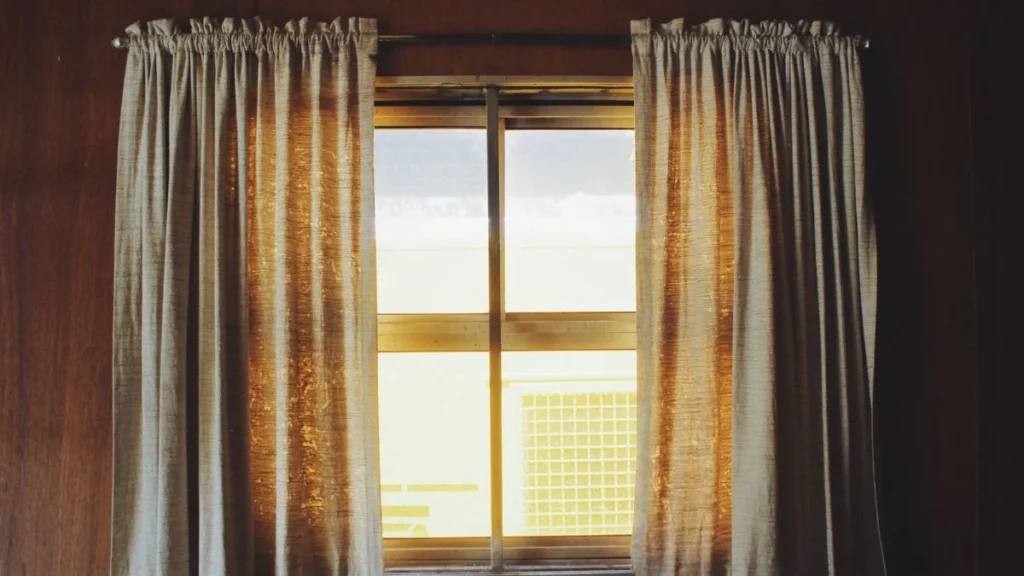
Small window curtain ideas usually promise more than they deliver — the same three photos of the same beige linen panel, recycled across a dozen blogs. Anyone who has stood in front of a narrow frame holding fabric swatches, unsure whether they are shrinking the window further or fixing it, knows the real struggle is not styling, it is finding a look that suits a small frame. That gap is what this list closes, with ten distinct styles built specifically for small windows, each suited to a different room and mood.
Quick Style
| Café curtains and sheer layers work best in kitchens and bathrooms where light matters most. |
| Floor-length panels and extra-wide rods are the two tricks that visually widen a narrow window. |
| Bold prints and ombre fabrics turn a small window into a room’s focal point instead of hiding it. |
| Neutral and textured layers suit minimalist or cosy spaces where the window should blend in, not stand out. |
Café Curtains Bring Cottage Charm To Kitchen Windows

Photo Credit: Haley Black / Pexels
Café curtains cover only the bottom half of the window, leaving the top open to natural light. This half-covered look works particularly well over kitchen sinks, where a full-length curtain would just get in the way of dishes and daily life. The style pairs naturally with cottage, farmhouse, or coastal kitchens — think gingham, ticking stripe, or a simple cotton in a soft sage or butter yellow.
Because the fabric sits low on the frame, even a tiny window ends up looking intentional rather than under-dressed. Many small kitchen windows sit directly above a countertop, and a café curtain respects that space instead of fighting it. Rooms with plenty of natural charm already — exposed brick, open shelving, vintage hardware — tend to suit this look best, since the curtain becomes one more layer of texture rather than the main event.
Floor-Length Panels Trick The Eye Into Seeing Height
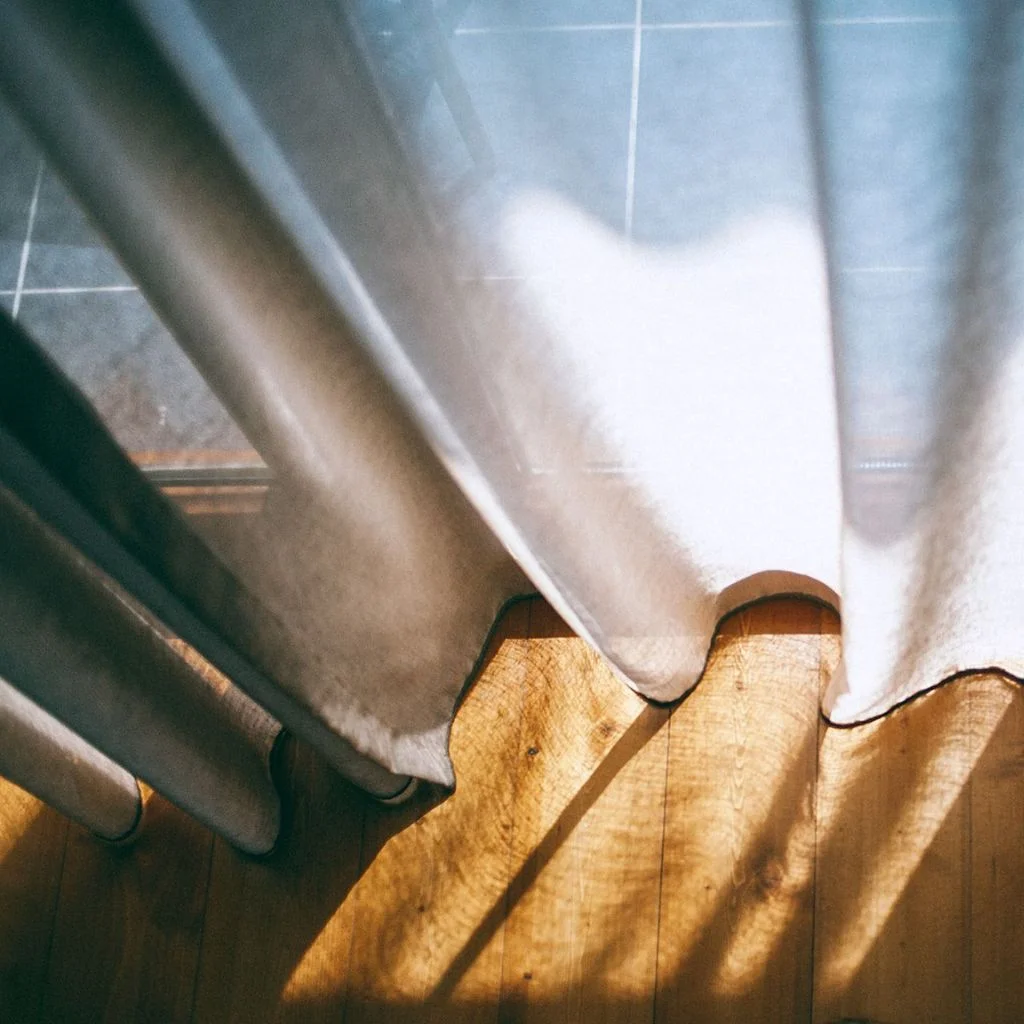
Photo Credit : Maria Orlova / Pexels
Hanging curtains from ceiling to floor is one of the oldest tricks in a stylist’s playbook, and it works just as well on small windows as large ones — arguably better. The panels do not need to match the width of the glass; letting them fall well below the frame draws the eye downward and makes the whole wall feel taller.
This look suits living rooms and bedrooms where the ceiling height is the room’s best asset and the window size is not. Rooms with lower ceilings benefit the most from this illusion, since the vertical line created by long panels distracts from a compact window rather than drawing attention to it. Linen or a lightweight cotton blend in a single soft colour keeps the effect clean rather than heavy.
Sheer Layers Keep Small Kitchens Bright And Airy
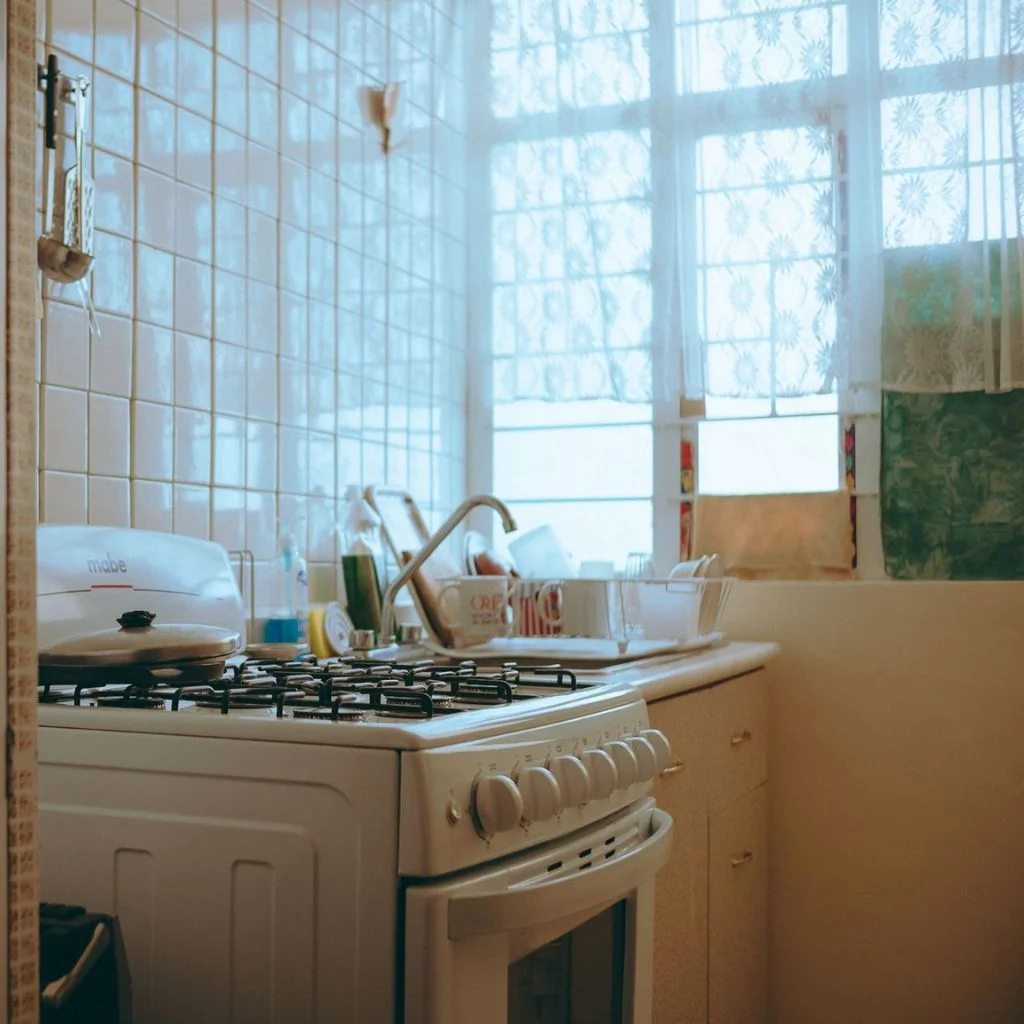
Photo Credit: Ricardo E. Díaz Vega / Pexels
Sheer fabric filters light without blocking it, which matters most in small kitchens and bathrooms where every bit of natural brightness counts. A single layer of voile or muslin softens the view without turning the room dim, and because sheers are lightweight, they never visually shrink a window the way a heavy fabric can.
This style suits bright, airy kitchens with white or pale cabinetry, where the goal is a soft, diffused glow rather than full privacy. Coastal and Scandinavian interiors lean on this look constantly, pairing sheer panels with natural wood tones and plenty of white. Bathrooms with small frosted or high windows also benefit, since sheers add a decorative layer without fighting the privacy the glass already provides.
Bold Print Turns One Window Into A Focal Point
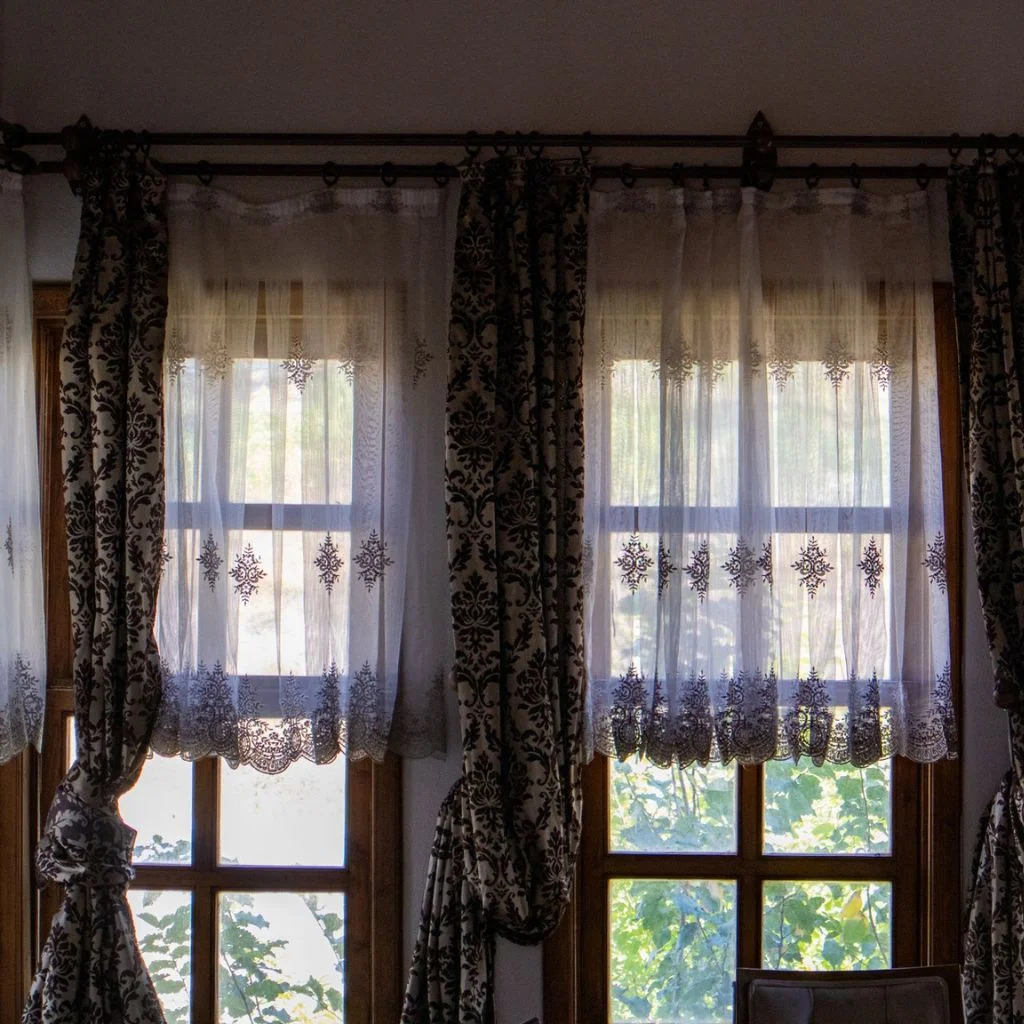
Photo Credit: Zülfü Demir / Pexels
Most advice around small windows pushes towards plain, neutral fabric, on the theory that pattern will overwhelm a compact frame. The opposite is often true. A confident print — botanical, geometric, or a strong stripe — gives a small window a reason to be noticed instead of blending into the wall.
This works especially well in rooms that are otherwise fairly plain, such as a neutral-walled bedroom or a home office with simple furniture, where the window becomes the one statement piece in an otherwise calm space. The key is restraint elsewhere in the room, letting one bold textile carry the visual interest rather than competing with patterned rugs or busy artwork.
Roman Shades With Slim Side Panels Balance Function And Style
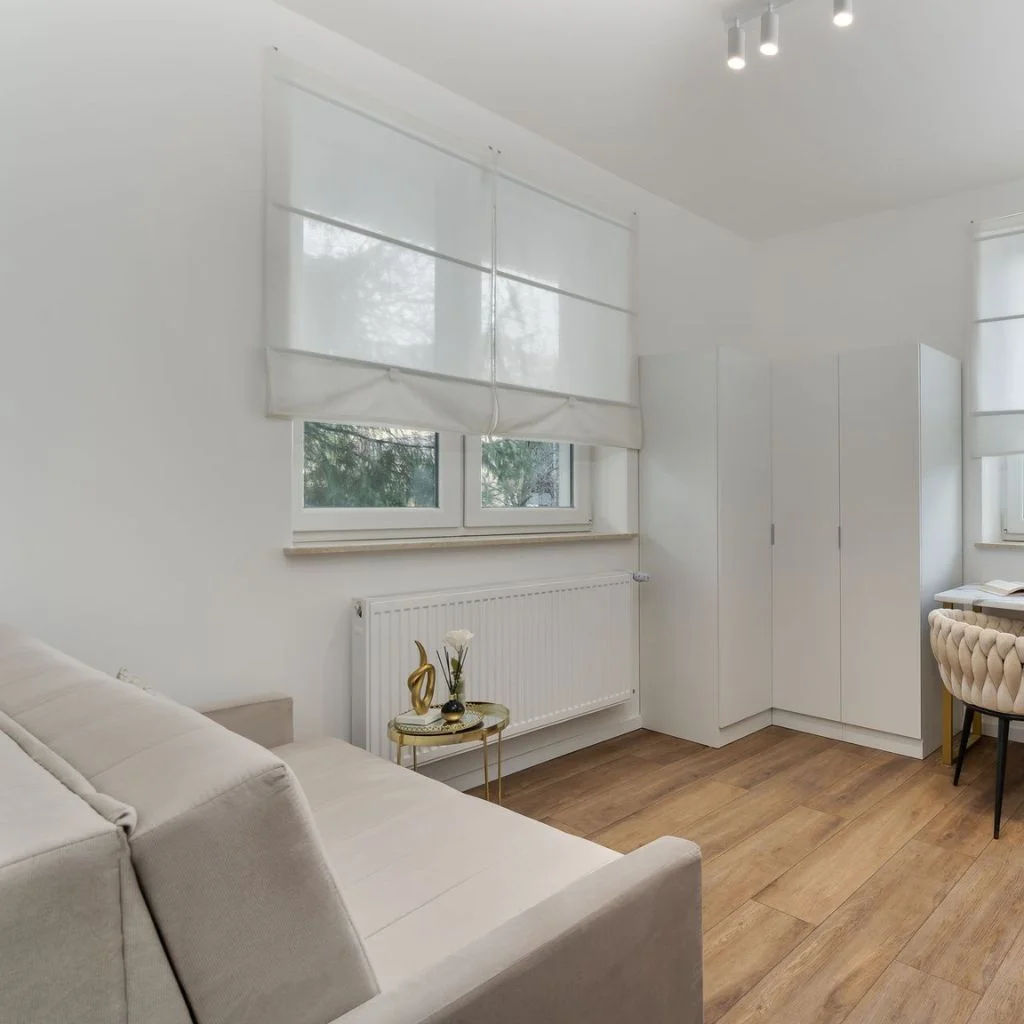
Photo credit: Mateusz Pielech / Pexels
Roman shades sit flat against the glass and take up almost no visual space, which makes them a natural fit for small windows that cannot spare much room on either side. Adding a slim curtain panel on just one side, rather than a full pair, softens the look without crowding the frame.
This combination suits bedrooms and home offices where light control matters throughout the day, and where a full curtain set would feel heavy against a small pane. Because the shade handles the practical job of blocking light, the side panel is free to focus purely on mood — a warm rust or deep green panel can add real character to an otherwise functional window.
Ombre Fabric Adds Quiet Drama Without Overwhelming The Frame
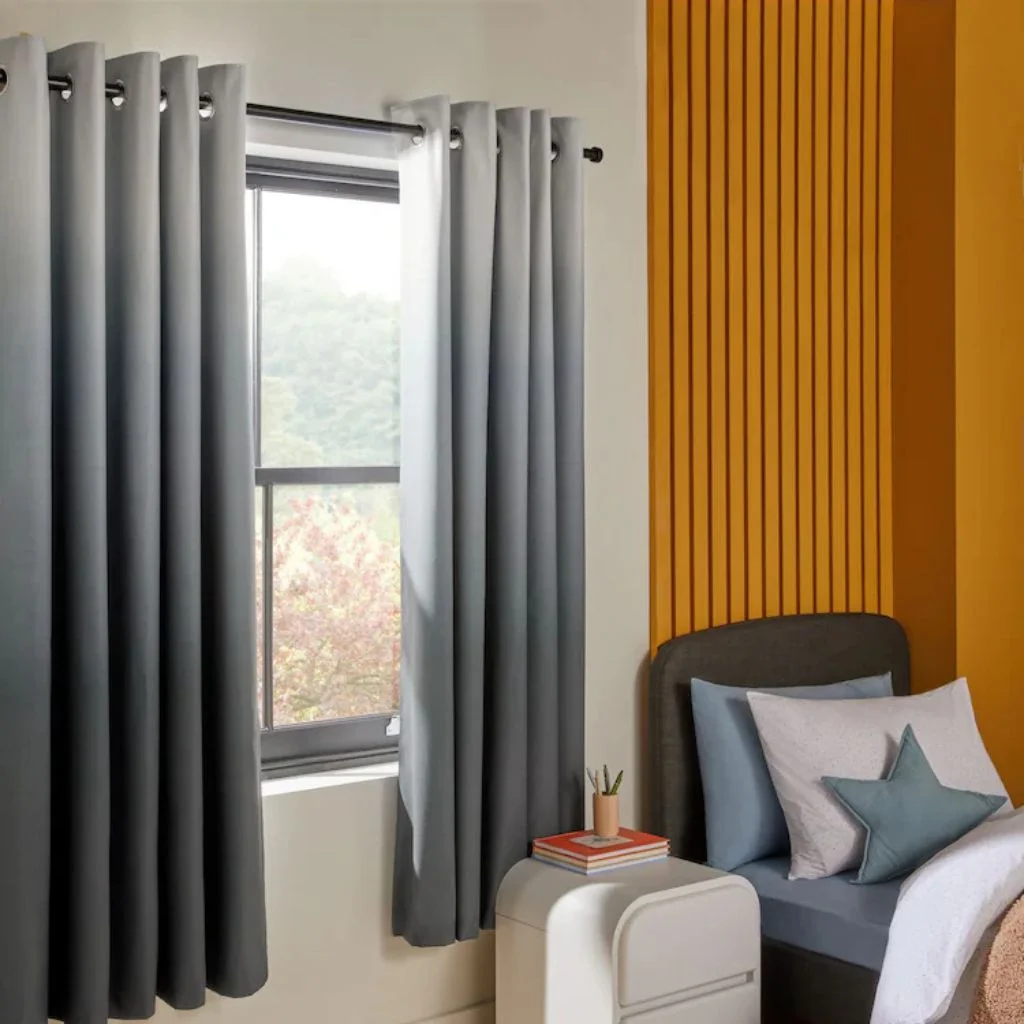
Photo credit: nextdirect
Ombre curtains shift gradually from one shade to another along the length of the fabric, usually deepest at the top or bottom. On a small window, this gradual colour shift adds visual interest without the boldness of a full print, making it a middle ground between plain and patterned.
Sunset tones — soft peach fading to deep terracotta — suit bohemian and warm-toned bedrooms, while a pale grey fading to charcoal fits more contemporary spaces. Because the effect is subtle rather than graphic, ombre curtains rarely compete with other patterns in the room, which makes them a safer choice for anyone nervous about committing to a bold print.
Extra-Wide Rods Create An Illusion Of Width
Mounting curtains on a rod that extends well past both edges of the window frame is one of the simplest ways to make a small window read as larger than it is. When curtains are pushed to the sides rather than covering part of the glass, the window itself appears wider, even though its actual size has not changed.
This works in almost any room but makes the biggest difference in living rooms and bedrooms where the window is the wall’s main feature. Combined with floor-length panels, wide rod placement is often the single biggest factor separating a small window that looks styled from one that looks apologised for.
Ruffled Curtains Suit Romantic Bedroom Corner
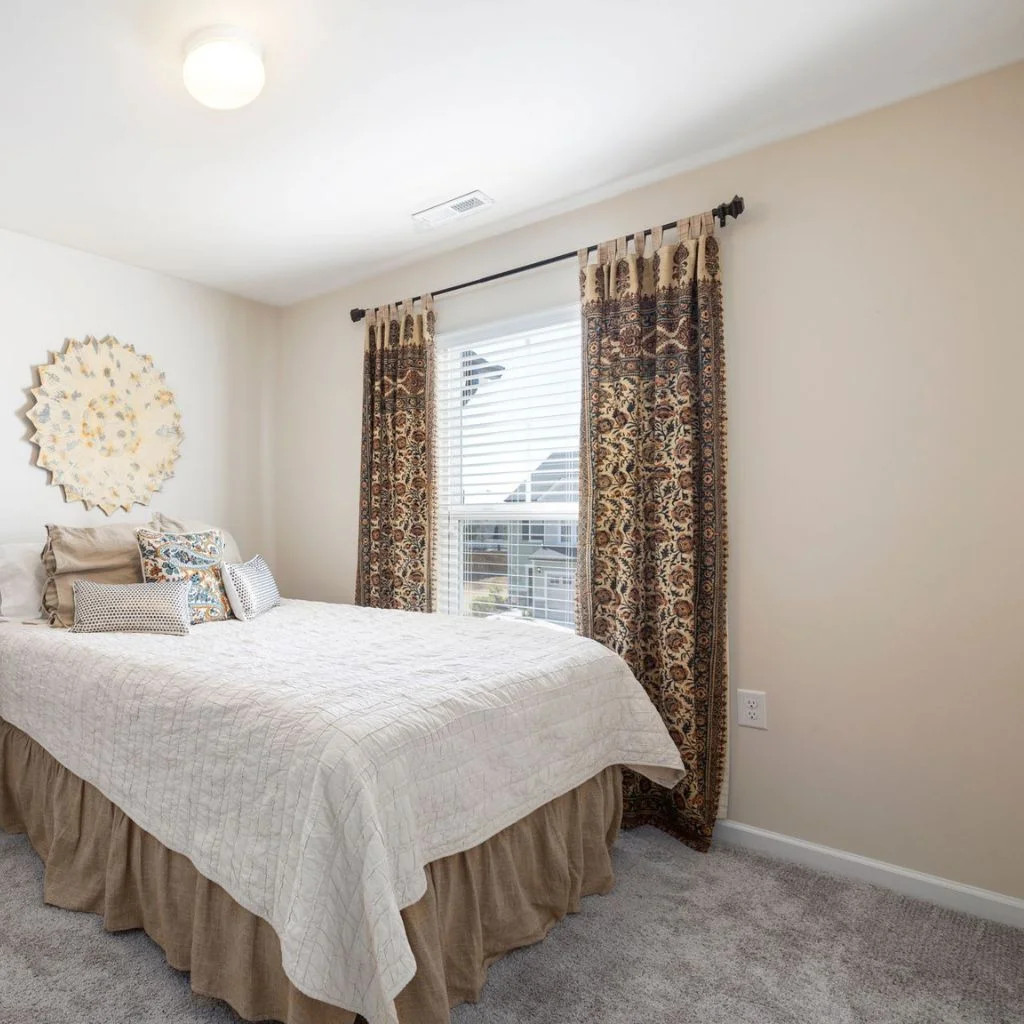
Photo Credit: Curtis Adams / Pexels
Ruffled or gathered curtains bring a softer, more traditional feel to a small window, especially in bedrooms or reading nooks with a romantic or vintage lean. The extra fabric volume adds texture without needing a large window to work — a compact frame often suits a ruffled curtain better than a large one, since the detail stays visible rather than getting lost across a wide expanse.
Pale pink, cream, or soft floral fabrics lean into a cottagecore or shabby chic mood, while a heavier linen ruffle in a neutral tone suits a more grown-up traditional bedroom. Small windows in older homes, with their slightly uneven frames and character, often suit this softer, less structured style more than a sharp modern line.
Solid Neutral Panels
Not every small window needs to be a focal point and in a genuinely minimalist room, a single solid-colour panel often does more for the space than a bold pattern would. White, oatmeal, or soft grey fabric in a clean, structured hang keeps the window from adding visual noise to a room built around calm, uncluttered lines.
This style suits Japandi, modern, and minimalist interiors where every element earns its place, and a curtain’s job is to disappear into the wall rather than draw the eye. The quality of the fabric matters more here than in busier styles — a slightly textured linen in a neutral tone reads as intentional, while a flat, cheap fabric can look like an afterthought.
Build A Cosy Reading Nook
Combining two different textures on one small window — a woven wood blind under a soft linen panel, for example — creates depth that a single fabric cannot achieve on its own. This layered approach suits reading nooks, window seats, and small bedrooms where the goal is warmth and cosiness rather than a sharp, styled look.
Chunky knit textures, wool, and natural fibres like jute or rattan all lend themselves to this treatment, especially in autumn and winter-leaning colour palettes. A layered small window often becomes the cosiest corner in the house, not despite its size but because of it.
Style That Fits Your Room
Ten different looks, and the thread running through all of them is the same: a small window does not need less styling than a large one, it needs styling suited to its size. Floor-length panels and extra-wide rods solve the proportion problem. Café curtains and sheers solve the light problem. Bold prints, ombre fabric, and layered textures solve the personality problem.
The mistake most small window curtain ideas make is offering one generic fix for every room, when the right choice really depends on whether the window sits over a kitchen sink, inside a reading nook, or beside a bed. Picking a style from this list that matches the room’s existing mood — rather than the window’s measurements — is usually the difference between a curtain that looks chosen and one that looks left over from moving day.
Our Pick: Curtains With Blinds Ideas for Living Rooms and Bedrooms.