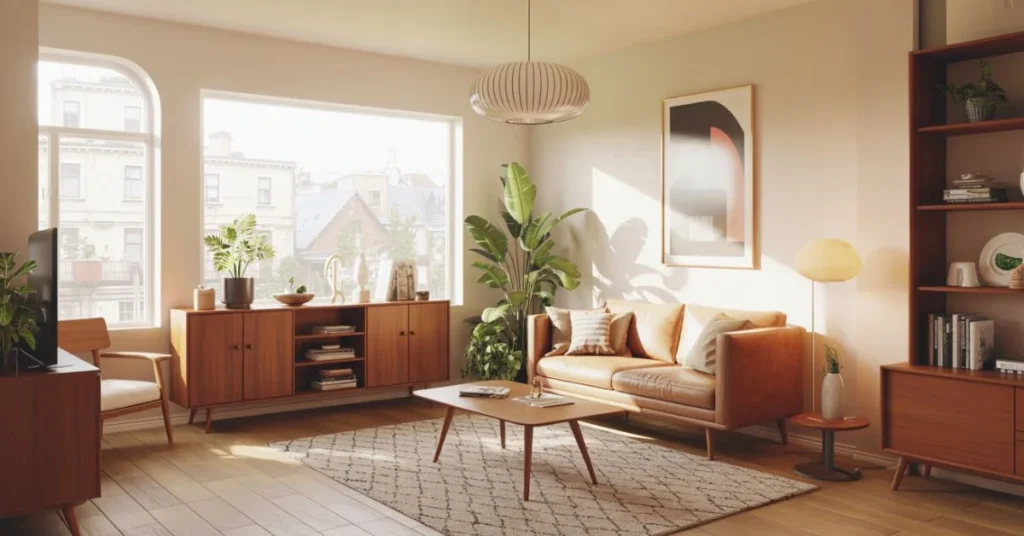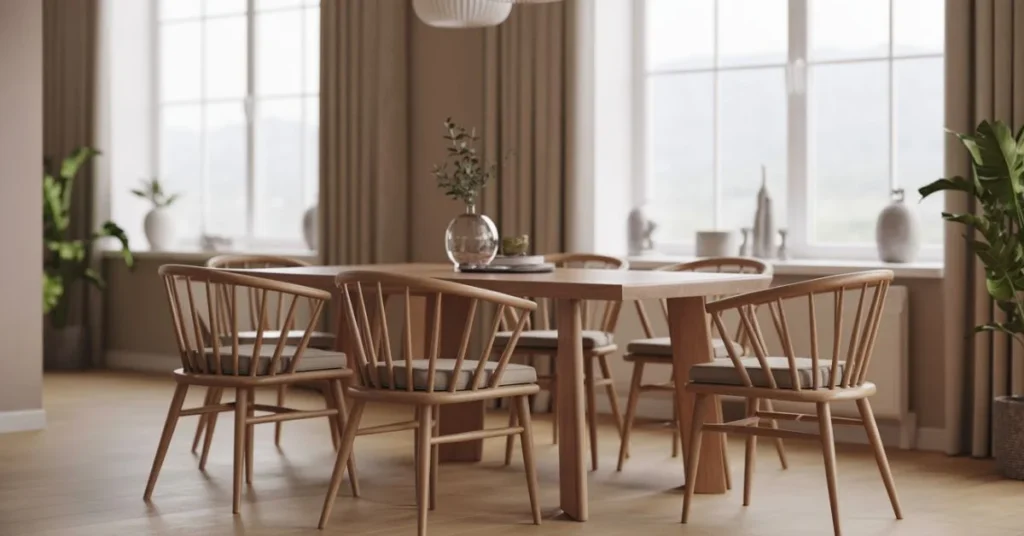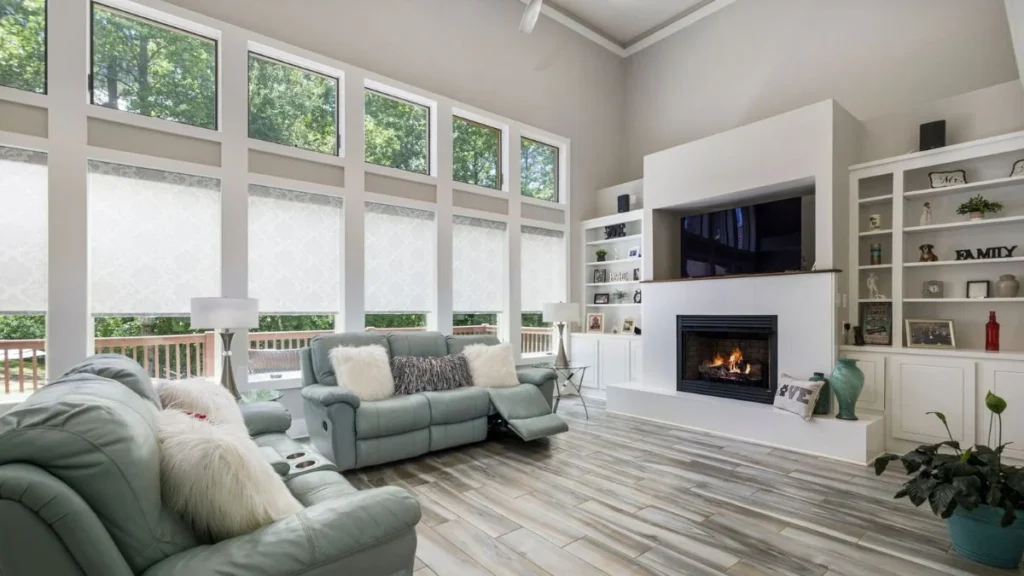
Get privacy without curtains and bare windows stop feeling exposed and start looking intentional. Frosted films, woven shades, leafy screens and slatted timber all handle the job, and each one brings texture and personality that fabric panels rarely match.
Curtains are not the only route to a cosy, private room. Plenty of homeowners and renters want clear glass, bright daylight and blocked sightlines, all at once, and the nine window looks below deliver exactly that.
Every idea includes a quick reason it works, so you can match a look to your street, your budget and your style.
Get Privacy Without Curtains Thanks to Frosted Window Film
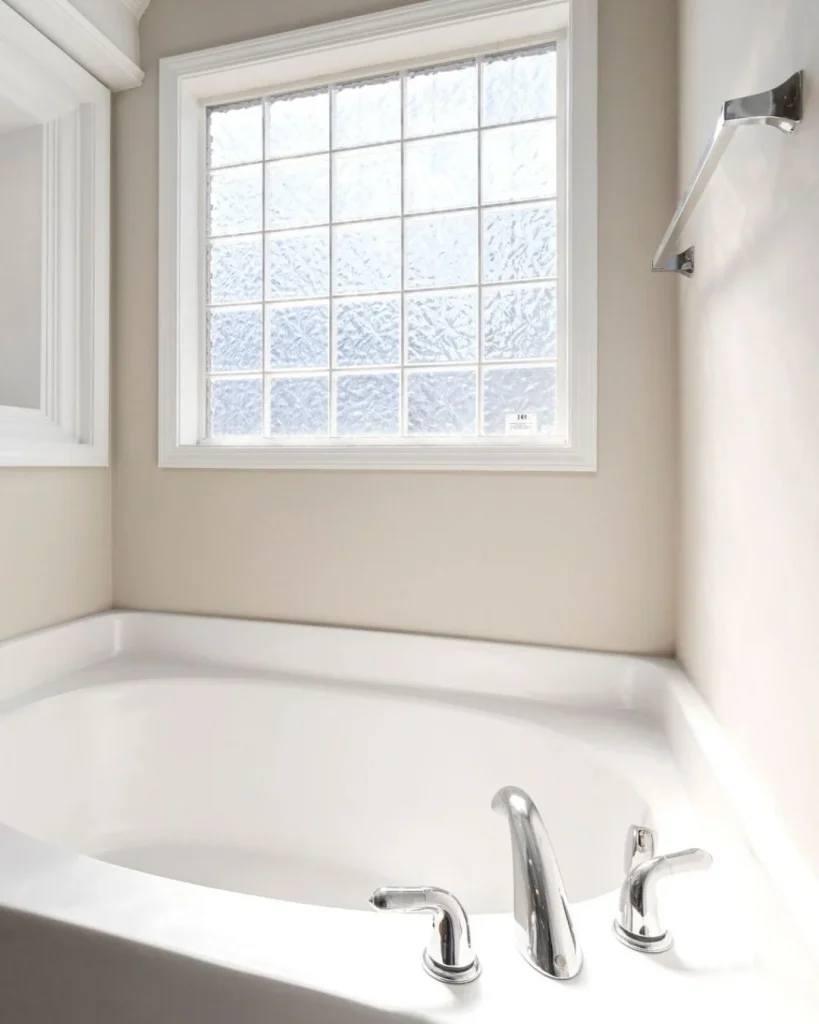
Photo Credit: Curtis Adams
Frosted window film is the quickest way to get privacy without curtains, and it suits bathroom panes, front door glass and slim side windows. Its fine grain scatters the view from outside while daylight still floods in.
Choose a plain frosted finish for a clean, spa-like feel, or pick etched stripes, pebbled glass or faux stained glass for extra character. Static cling versions stay in place without glue, so renters can peel them away later without sticky marks.
Why this works: textured film breaks up faces and shapes, so passers-by see a soft glow instead of a clear room. Daytime privacy is stronger than night-time privacy, because bright indoor lighting can reveal silhouettes after dark.
Styling tip: apply film to the lower two thirds of the pane and leave the top clear, so the room keeps its sky view and stays bright.
Woven Bamboo Shades With Earthy Warmth
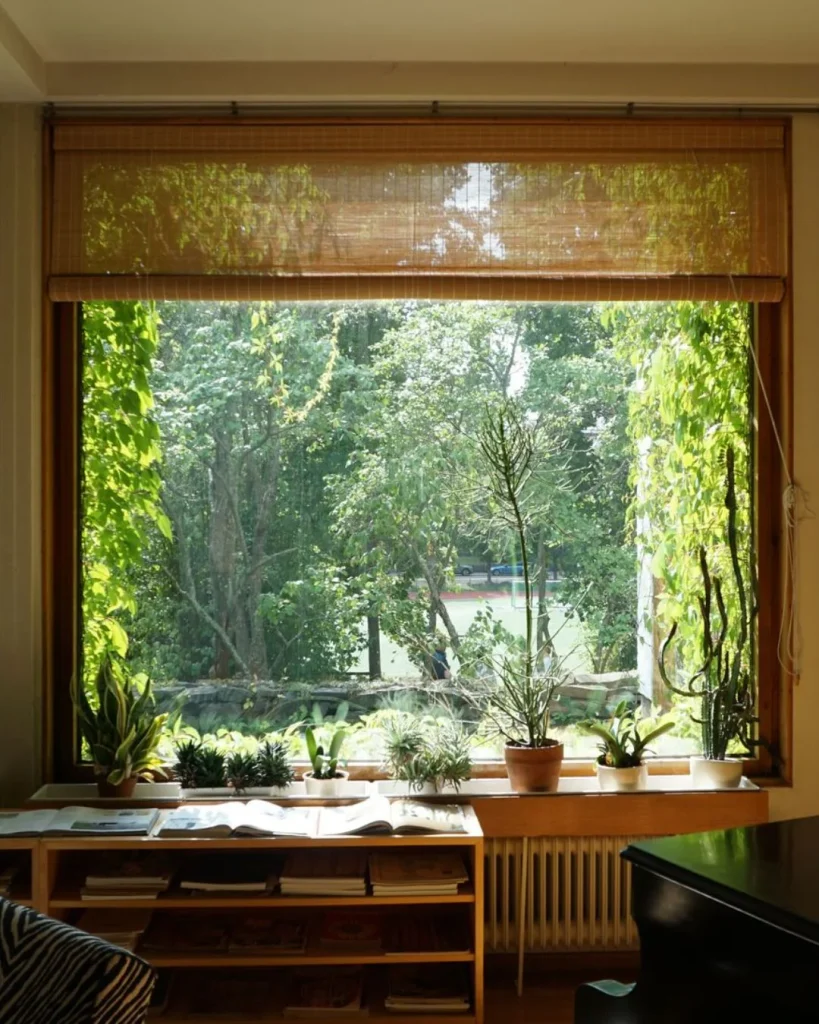
Photo Credit: Yao L
Woven bamboo shades soften bare glass with natural texture and quietly filter the view. Sunlight glows through the weave by day, and the pattern gives boho, coastal and Japandi rooms an instant layer of warmth.
Lined versions add extra opacity for bedrooms, while unlined ones suit living rooms that crave brightness. Mounting them inside the window frame keeps the look tailored, whereas wider outside mounts make small windows feel taller.
Why this works: natural fibres diffuse light and blur sightlines, so privacy looks styled rather than hidden. It is our editorial pick for anyone who wants to get privacy without curtains yet still craves softness.
Pair it with a chunky jute rug, linen cushions and a rattan pendant to carry the same natural palette across the room.
When Neighbours Sit Close, Shutters Step In
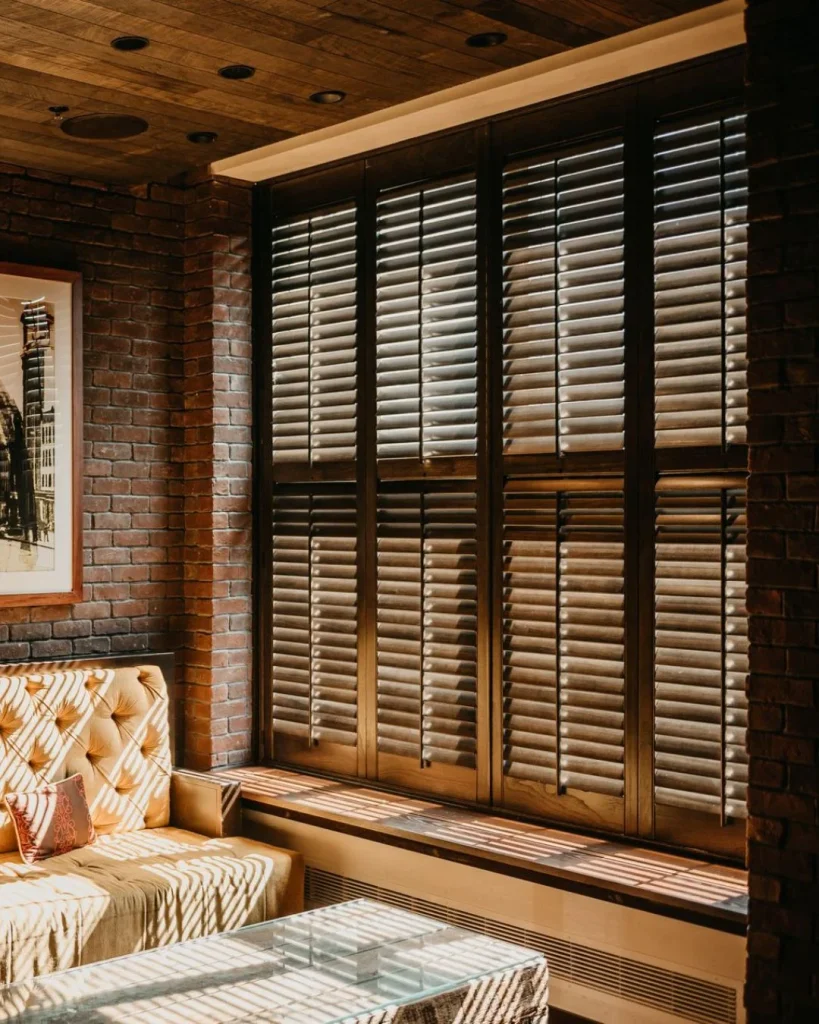
Photo Credit: Hemanth Nirujogi
Picture a ground floor flat with a bus stop outside and neighbouring windows only a few metres away. Plantation shutters solve that scenario with adjustable louvres that tilt open for light and closed for full seclusion.
Café style shutters cover only the lower half of the window, which keeps eye-level privacy while the upper glass stays clear. White or soft grey finishes suit traditional and farmhouse homes, and natural timber tones lean cosy and Scandinavian.
Why this works: solid panels form a real barrier, and louvres let you fine tune the angle hour by hour. Shutters cost more upfront than film or shades, yet they add architectural character and feel like part of the house.
Best for: period homes, ground floor rooms and bay windows, where custom panels can follow every angle of the frame.
Top Down Bottom Up Shades Keep Sky Views Intact
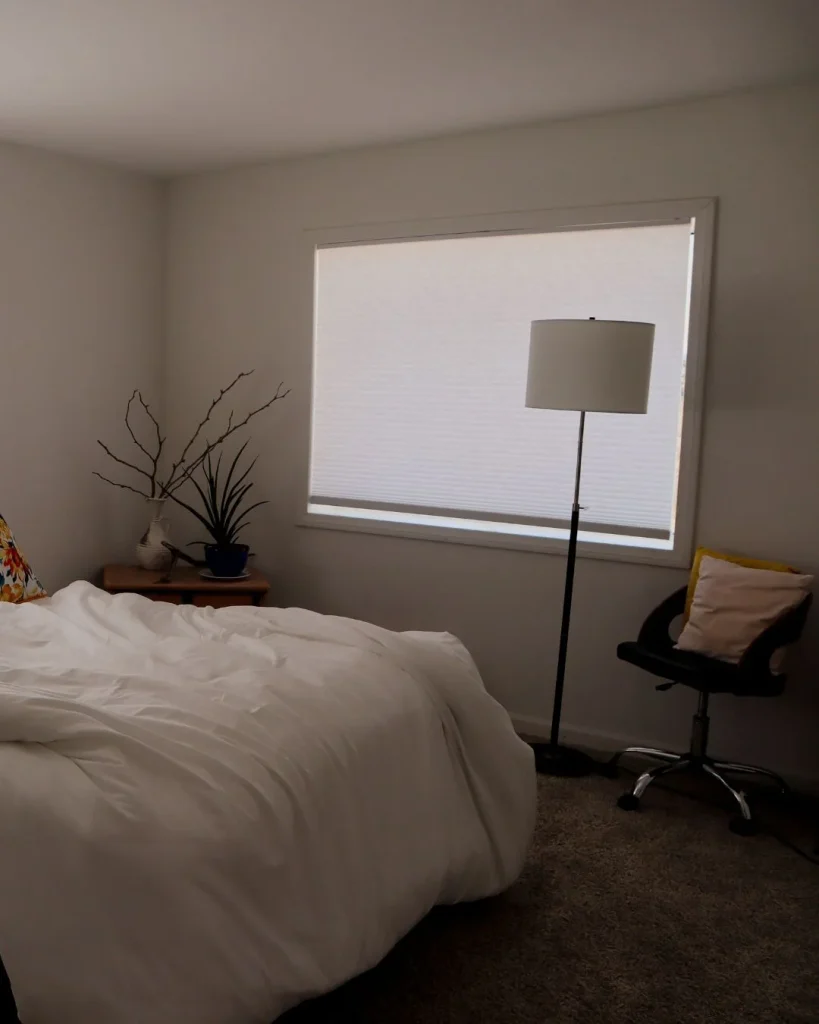
Photo Credit: Gela delrose
Top down bottom up shades open from either direction, so you can lower the top rail to reveal sky and treetops while the lower half stays covered. Living rooms on busy streets benefit most, because you get privacy without curtains and the outdoor view survives.
Cellular versions add honeycomb pockets that soften noise and slow heat loss, which makes chilly bedrooms feel calmer. Neutral linen tones blend into the wall, whereas deeper charcoal or sage shades create a moodier frame.
Why this works: most passers-by look straight ahead at eye level, so covering that band delivers the privacy you need. Daylight still enters through the top, which keeps rooms brighter than fully lowered blinds ever could.
Room ideas: try them in bedrooms, nurseries and home offices, where you want daylight at the ceiling line without a view straight in.
Leafy Living Screens
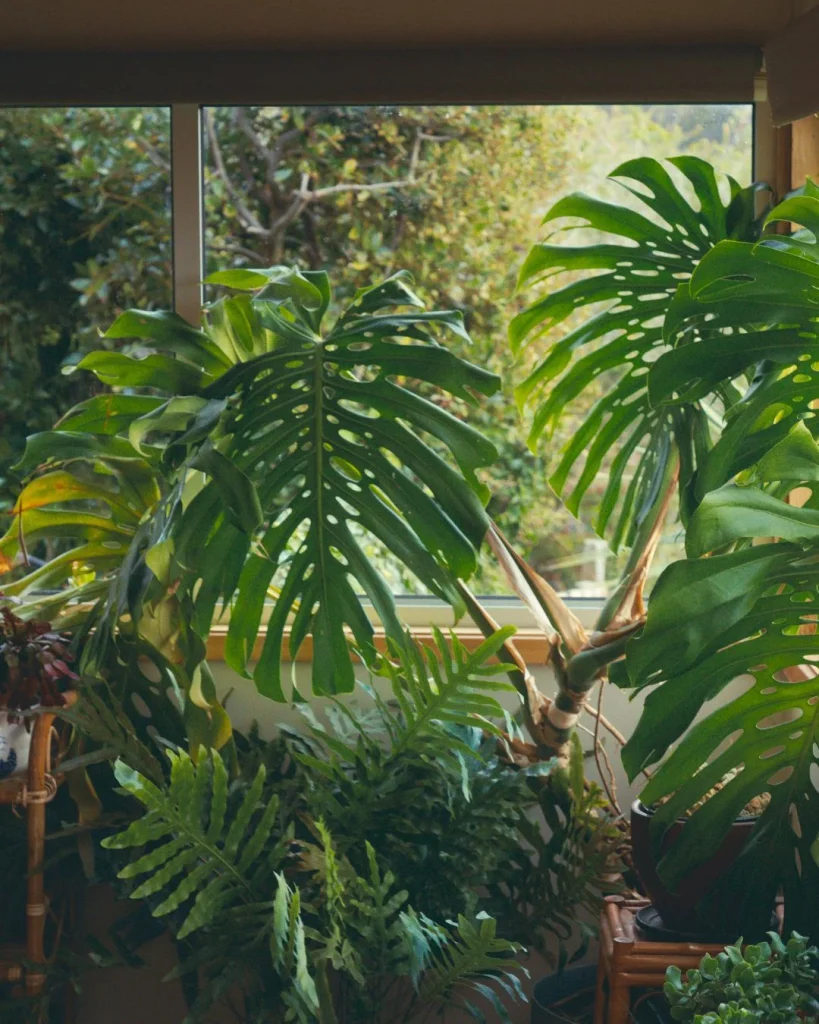
Photo Credit: Khanh Dang
Plants create living privacy screens on deep sills and window shelves. Trailing pothos, tall rubber plants and feathery ferns layer green over glass and break up sightlines with every leaf.
Build height with a slim plant stand, then hang a planter from a ceiling hook for a curtain of trailing vines. Mixing leaf shapes looks richer than repeating one plant, and glossy foliage bounces light around the room.
Why this works: overlapping leaves scatter the view naturally while adding calming colour. Match each plant to your window’s light, since shady sills suit snake plants better than ferns.
Plants alone rarely give total seclusion, so add film to the lower panes if you want to get privacy without curtains at every hour.
Try this: group three pots of different heights on a wide sill, then let one trailing plant spill over the edge for a soft, layered silhouette.
Can Reeded Glass Film Really Blur a View?

Photo Credit: Luk Sauvage
Reeded and fluted glass film copies the vertical ribbing of designer glass doors, and yes, it blurs outlines convincingly. Shapes stretch into soft vertical streaks, so people outside notice colour and movement rather than detail.
Ribbed texture suits contemporary kitchens, hallways and home office windows, and it pairs beautifully with black frames or oak furniture. Wide reeding looks chunky and artistic, while fine reeding reads subtle and elegant.
Why this works: the ridges bend light, and that distortion hides faces best when people stand a few steps back from the glass. Desks pressed right against the window reveal more, so leave a little breathing room.
Style it with ribbed ceramics, fluted lamps and matte black hardware so the texture repeats around the room instead of standing alone.
Slatted Timber Blinds for Adjustable Calm
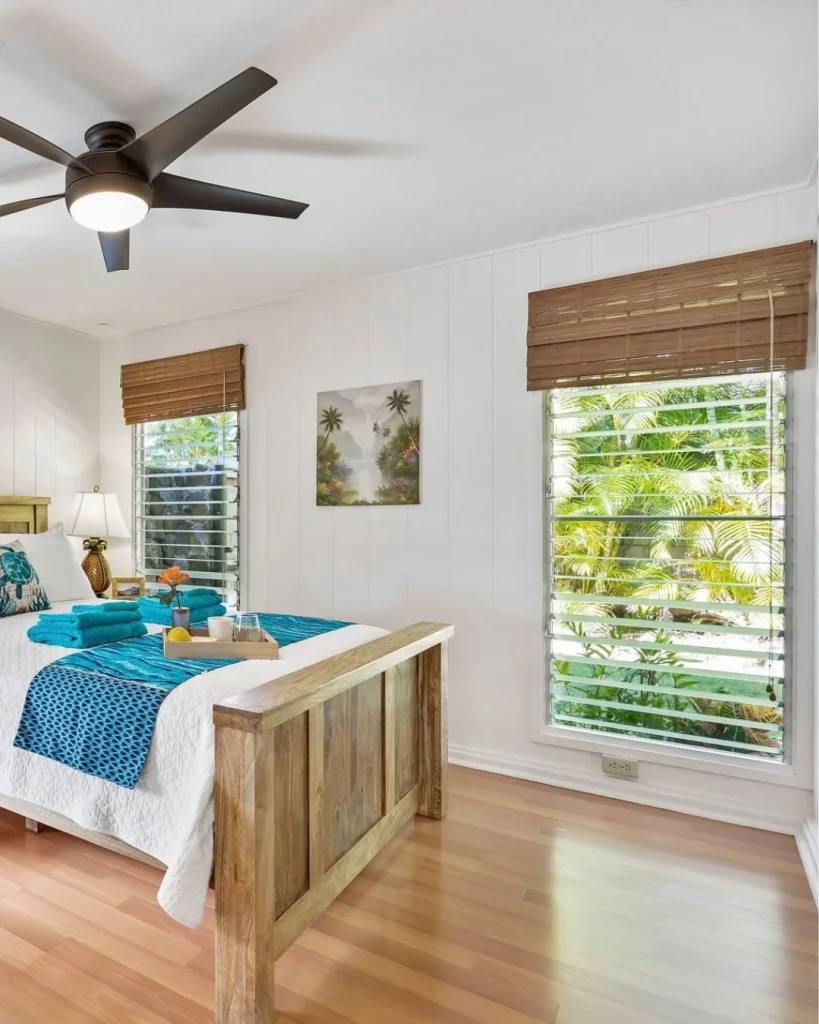
Photo Credit: Jason Boyd
Slatted timber blinds turn privacy into a daily dial. Tilt the slats closed for full cover, angle them upwards to bounce daylight across the ceiling, or raise them completely on quiet evenings.
Warm oak and walnut tones pair well with mid century furniture, whereas painted white slats look crisp in farmhouse kitchens. Faux wood versions cope with steamy bathrooms and busy kitchens without warping.
Why this works: angled slats block the line of sight from outside yet still let light bounce inward. That flexibility makes them a dependable way to get privacy without curtains in street facing rooms.
Colour idea: paint slatted blinds in sage, warm white or deep navy to match the wall, which makes the window feel calm rather than busy.
Glass Shelves Dressed With Colour

Photo Credit: 🇻🇳🇻🇳Nguyễn Tiến Thịnh 🇻🇳🇻🇳
Floating glass shelves fitted across a window frame turn the pane into a display. Coloured bottles, ribbed vases, tiny terrariums and sun catchers fill the view and cast tinted patterns across the floor.
Group items in odd numbers, mix heights and stay within two or three colours for a curated finish. Amber and green glass feels vintage and cottage-like, while clear and white pieces read light and modern.
Why this works: layered objects fill the visual field, so eyes stop at the display instead of travelling into the room. Treat this idea as a partial screen for kitchen windows and stair landings rather than a full block.
Light effect: morning sun through coloured glass paints the floor in amber, green and blush tones, which feels magical in a breakfast nook.
Privacy Starts Outside With Trellis and Tall Planters
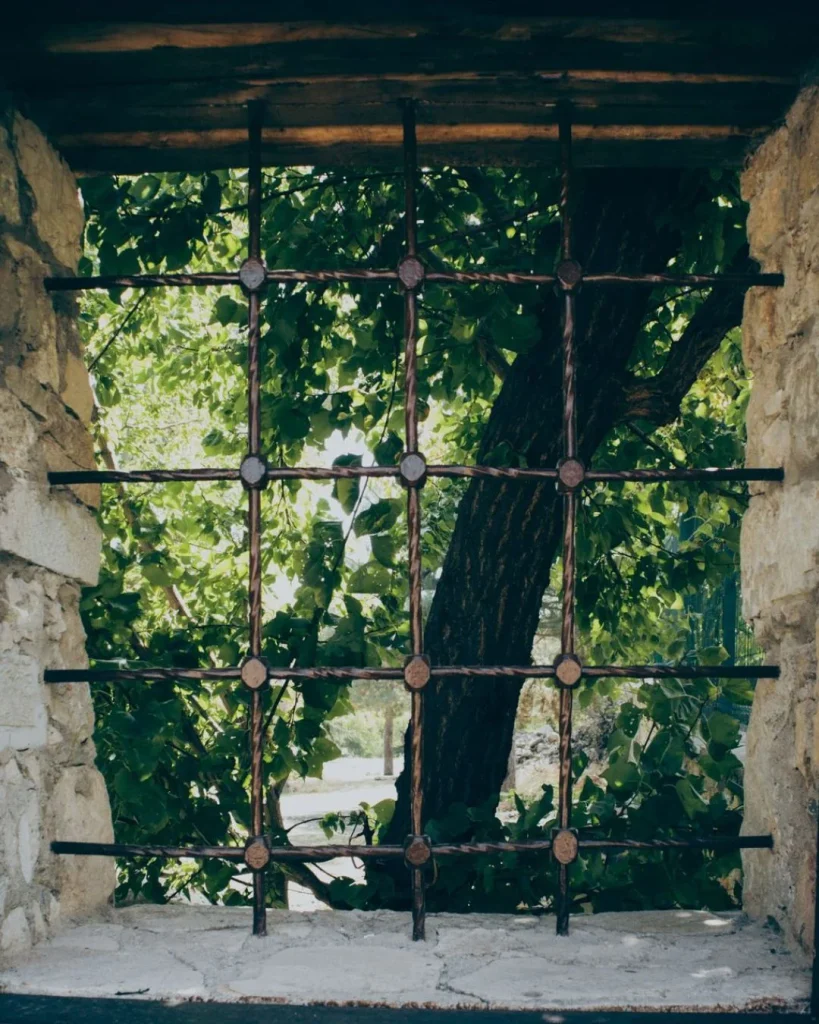
Photo Credit: Zülfü Demir📸
Sometimes the smartest fix stands outside the glass. Slatted fence panels, trellis screens and tall planters stop sightlines before they reach the window, and they double as garden decor.
Train jasmine or clematis up a timber trellis for scented cover, or line a path with ornamental grasses that sway in the breeze. Bamboo screening works well on balconies where drilling is not allowed.
Why this works: blocking the view at source keeps windows clear and rooms full of daylight. Outdoor layers also help ground floor homes get privacy without curtains while the interior stays clean and uncluttered.
Balcony version: clip slim bamboo rolls or willow screening to railings, then add two tall planters at each end for height and greenery.
Smart Pairings for Round the Clock Privacy
Layering two ideas covers the gaps each one leaves behind. Frosted film plus slatted blinds gives bathrooms and bedrooms privacy at noon and at midnight, because the film handles daylight and the slats handle lamplight.
Living rooms suit woven shades with a leafy sill, which blends softness with green texture. Ground floor kitchens shine with reeded film on the lower panes and glass shelves above, so sightlines break at both eye level and head height.
Why this works: each layer solves a different problem, such as night-time reflection, eye-level sightlines or harsh sun. Two modest changes usually look more polished than one heavy, expensive fix.
Budget note: start with film, since it costs least, then add blinds or shades in the rooms that face the street.
4 Slip Ups Worth Dodging
Even great window ideas lose impact when small details go wrong. These four slip ups appear again and again in ground floor homes and rented flats.
Forgetting Night Time Views
Daytime privacy fades once indoor lights come on, because glass works like a window in reverse after dark. Layer film with shades or shutters in bedrooms and living rooms so evenings feel as private as afternoons.
Covering Only Part of the Sightline
Measure eye level from the pavement and from neighbouring windows, then treat that band first. Standing outside at dusk to check takes two minutes and saves plenty of trial and error.
Picking Looks That Fight Your Style
Heavy dark shutters can overwhelm a tiny cottage window, while flimsy film can feel cold in a warm boho space. Match texture and tone to your furniture, and privacy will feel designed rather than bolted on.
Skipping Careful Measurements
Blinds that hang too narrow leave light gaps at the edges, and shades set too high reveal the sill. Measure the window twice and add a few centimetres of overlap for a polished, properly fitted finish.
Bare Glass, Beautifully Private
You can get privacy without curtains and still keep rooms bright, layered and full of personality. Film, shades, shutters, plants and outdoor screens all prove that bare windows can become genuine design features with a little planning.
Start with one idea that suits your street and budget, live with it for a week, then layer a second look on top. Small changes add up quickly, and your rooms will feel calmer, brighter and completely yours.
Our Pick: Small Window Curtain Ideas That Solve Your Biggest Styling Struggle.