
Creating a farm pond design that balances beauty and function can transform any rural property. Whether your goal is irrigation, livestock water supply, aquaculture, or simply enhancing your landscape, a well-planned pond can add both value and charm. In this article, we’ll explore practical tips and creative ideas to help you plan a farm pond design that looks stunning and works efficiently.
Choosing the Right Location
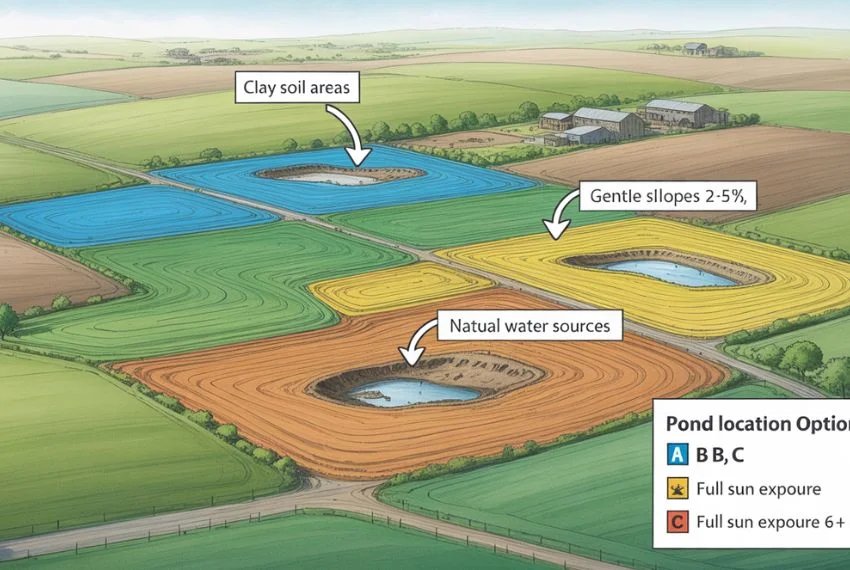
The first step in a successful farm pond design is choosing the ideal location. The soil type, slope, and proximity to water sources are key factors. For instance, clay-heavy soil is excellent for retaining water, while sandy soil may require additional lining. Positioning your pond to capture runoff or rainfall naturally reduces the need for pumps.
Sunlight exposure is another consideration. Some sunlight encourages healthy aquatic plants, while shaded areas can help control algae growth. Avoid areas prone to erosion or flooding. A thoughtful location ensures that your farm pond design is both practical and easy to maintain.
Selecting Pond Shape and Size
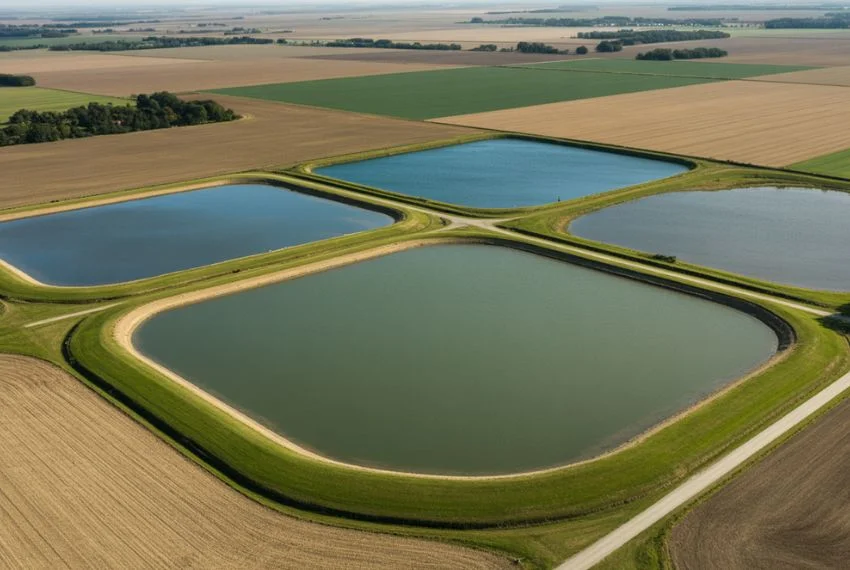
The shape and size of your pond directly impact its appearance and usability. Rectangular or square ponds are often used for irrigation or fish farming, while irregular shapes blend more naturally with the landscape. Circular ponds are visually appealing and work well for small gardens or livestock access.
Size should reflect your goals. A larger pond stores more water for irrigation or aquaculture, while a smaller pond can serve as a decorative feature. Incorporating gentle slopes along the edges ensures safety for livestock and prevents soil erosion. A well-planned farm pond design balances capacity, aesthetics, and ease of access.
Incorporating Landscaping Features
A farm pond design is not just about water—it’s about creating a picturesque environment. Surround your pond with native plants, grasses, and shrubs. Flowering plants along the banks add colour, while trees provide shade and reduce evaporation.
Consider adding natural elements like rocks or driftwood for a rustic touch. Floating plants like water lilies or lotus enhance the pond’s beauty while supporting aquatic life. Proper landscaping also strengthens pond banks and prevents erosion, making your farm pond design more sustainable.

Adding Functional Features
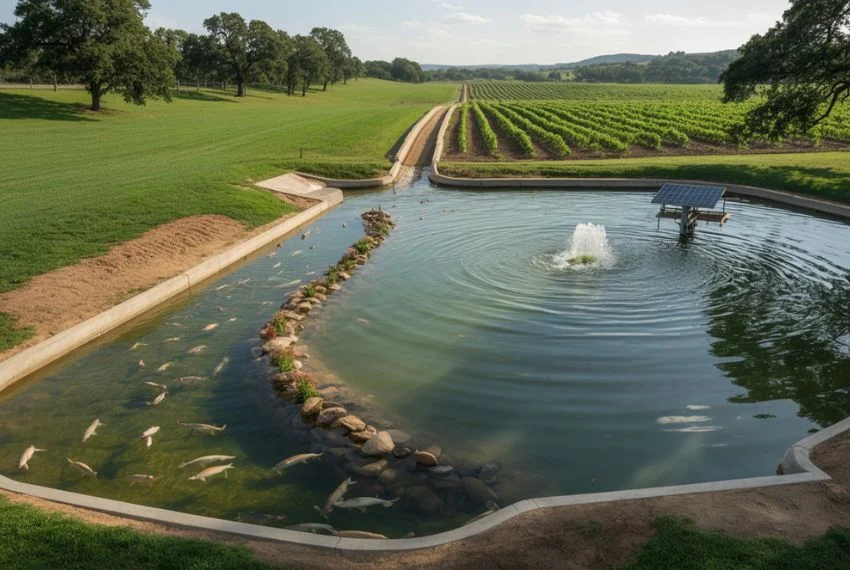
A practical farm pond design integrates features that serve specific purposes. Irrigation channels or pipelines can distribute water to nearby crops efficiently. For livestock, create gentle access points and shaded areas to keep animals safe and comfortable.
If you plan to stock fish, include sections with proper aeration and circulation. Small water pumps or waterfalls can improve water quality while adding a calming visual element. Combining functionality with aesthetics ensures your farm pond design is as useful as it is beautiful.
Eco-Friendly Considerations
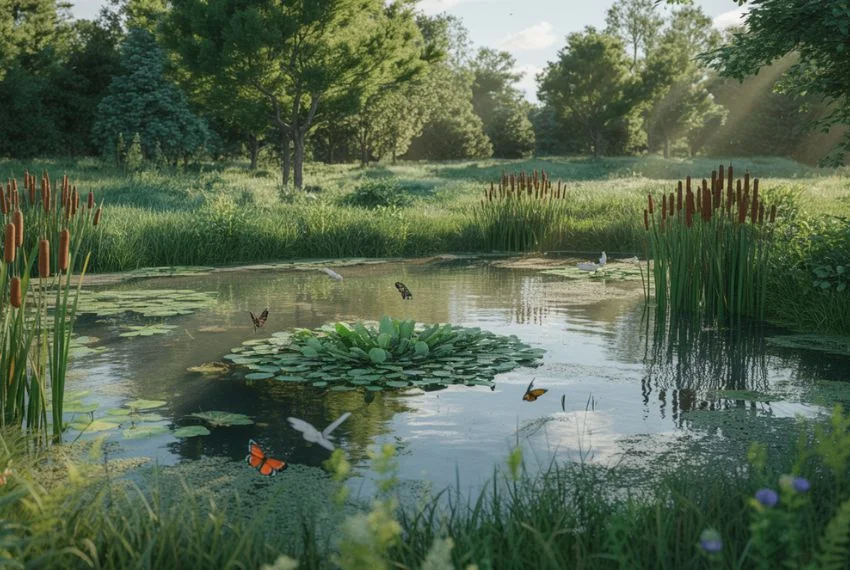
Sustainable practices enhance the long-term success of any farm pond design. Use rainwater harvesting to fill the pond and consider natural filtration through plants like cattails or reeds. Native vegetation reduces maintenance and supports local wildlife.
Eco-friendly designs help prevent water pollution, improve soil quality, and encourage birds, frogs, and beneficial insects to thrive around your pond. A thoughtfully designed pond becomes a mini ecosystem, showing how a farm pond design can blend sustainability with charm.
Maintenance Tips
Regular maintenance is crucial for keeping your farm pond design functional and attractive. Remove debris, control algae growth, and inspect pond banks periodically. Monitor water levels, especially during dry seasons, to ensure the pond remains effective for irrigation or livestock.
Aeration and water circulation help prevent stagnation, while occasional dredging maintains depth and water quality. By dedicating time to care, your farm pond design will remain a long-lasting, scenic feature of your property.

Final Note
A successful farm pond design combines beauty with practicality. From careful location selection to landscaping, functional features, and sustainable practices, every element contributes to a scenic and useful pond. By planning thoughtfully and maintaining your pond, you can enjoy a charming water feature that supports both your land and lifestyle.
Also Read How you Turn Old Wine Barrels into Gorgeous Garden Planters.
FAQs
Q1: What is the ideal size for a farm pond?
A: The ideal size depends on your needs—small ponds for aesthetics, medium for livestock, and large for irrigation or aquaculture.
Q2: Which plants are best for pond landscaping?
A: Native grasses, flowering shrubs, water lilies, cattails, and lotus are excellent choices.
Q3: Can a farm pond be used for fish farming?
A: Yes, with proper depth, aeration, and circulation, farm ponds are ideal for fish farming.
Q4: How often should a pond be maintained?
A: Regular maintenance is recommended at least monthly, with seasonal checks for water levels, algae, and erosion.

