A balcony without privacy feels like a stage, not a retreat. Every neighbour’s window becomes an audience, and even a quiet cup of tea can start to feel exposed. The right balcony fence ideas solve this problem without turning your outdoor space into a dark, boxed-in corner.
Instead of choosing between full coverage and full light, you can pick a screen that filters both at once. This guide walks through the fencing styles, materials, and placement tricks that keep prying eyes out while still letting the sun in.
Finding The Balance Between Privacy And Light
Most people assume privacy means solid walls, but solid panels block airflow and cast heavy shadows over small balconies. On a north-facing or already shaded balcony, a full solid screen can turn a bright morning spot into a dim corner within a single season.
A better approach is partial screening — using gaps, textures, or translucency to soften the view rather than erase it completely. This lets you keep the balcony usable for plants, seating, and daylight while still cutting off the sightlines that make the space feel exposed.
Balcony fence ideas built around this principle tend to use slats, mesh, or patterned panels instead of flat boards. The goal is a screen that reads as private from eye level but still lets daylight spill through at an angle, so the balcony never feels like a sealed box.
Slatted Screens That Filter Sun While Blocking Views
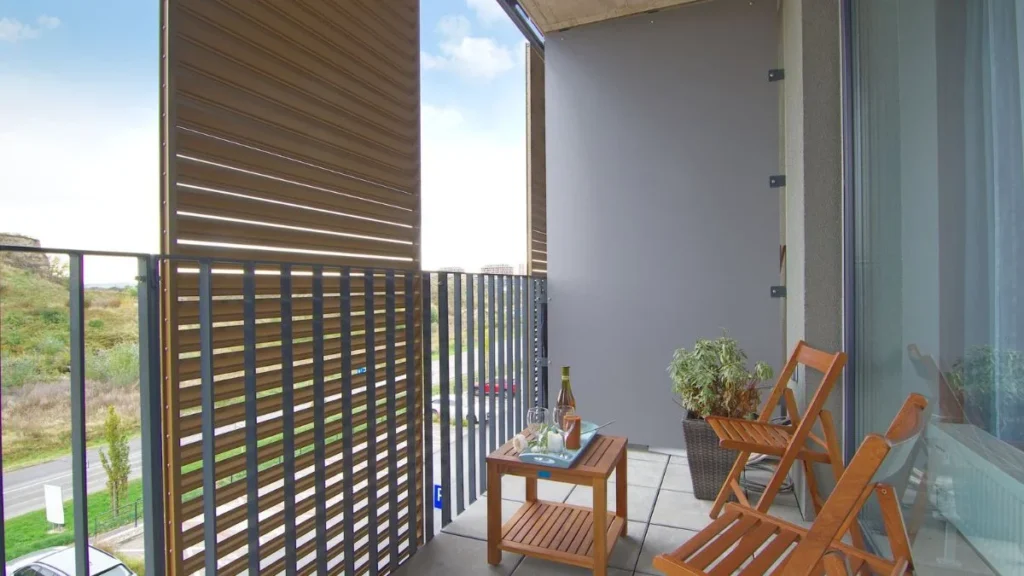
Vertical slatted panels are one of the most reliable balcony fence ideas for city apartments, and they remain popular because they strike a genuine middle ground. Spaced timber or composite slats block direct sightlines from neighbouring buildings while still letting light pass between each gap throughout the day.
Angled slats work even better than straight ones for this purpose. Set at a slight tilt, they stop anyone from seeing straight through at eye level while sunlight still filters in from above, which matters most on balconies that get limited direct sun.
Cedar and thermally treated pine both hold up well against weather without needing constant upkeep, and composite slats go a step further by resisting warping entirely. If your balcony faces a busy street, spacing the slats closer together improves privacy without needing to go fully solid.
Frosted And Reeded Glass Panels For A Modern Look
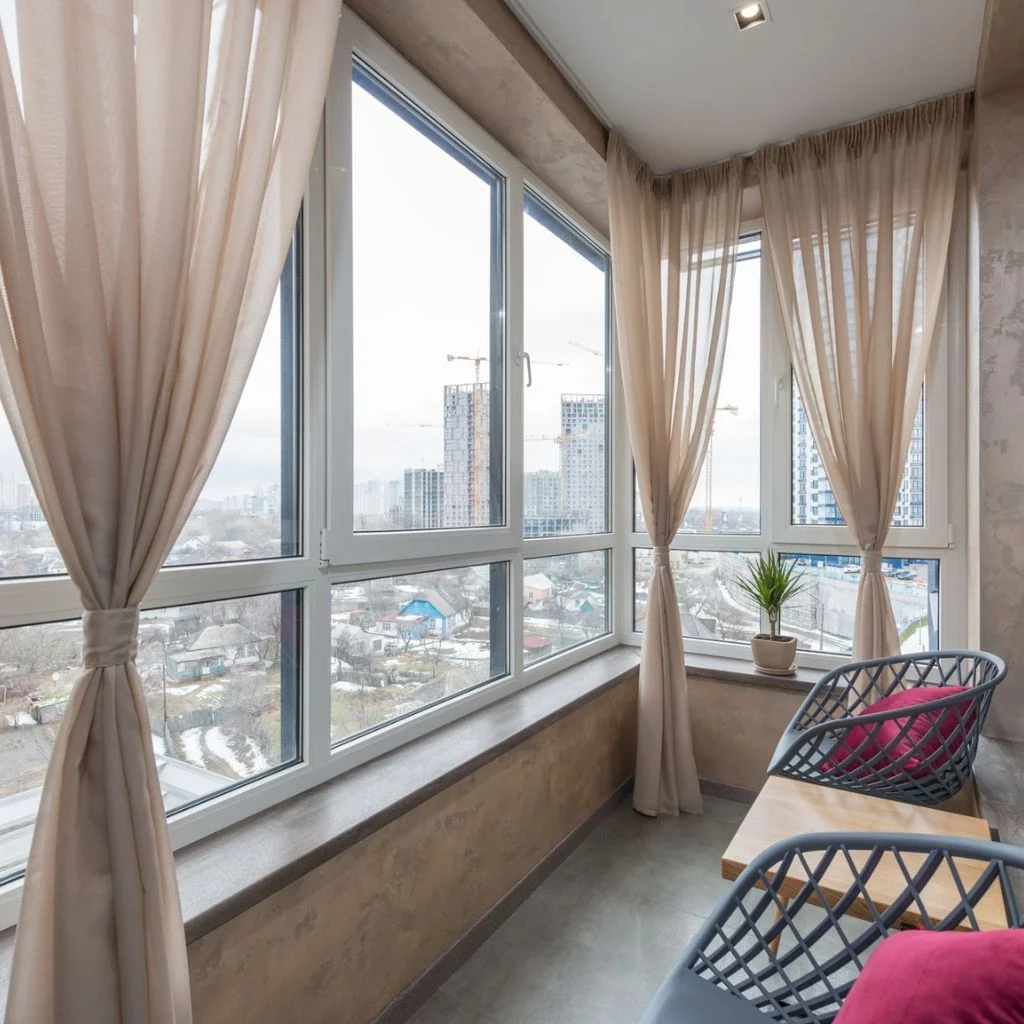
Glass panels feel like an unusual choice for a fence, but frosted or reeded glass has become a favourite among modern balcony fence ideas, particularly in newer apartment builds.
The ribbed texture scatters light instead of blocking it, so the balcony stays bright while shapes beyond the glass blur into soft outlines rather than clear detail.
This option suits balconies with high wind exposure, since solid glass panels also cut draughts that fabric or slatted screens cannot fully block. Reeded glass adds a decorative, almost architectural quality that timber screens do not offer.
Pair it with a slim aluminium or black-framed border for a look that feels closer to considered architecture than a bolt-on screen. Glass does need occasional cleaning to stay clear, but it rarely needs the sealing or staining that timber requires over time.
Living Walls And Trellis Planting For Natural Cover
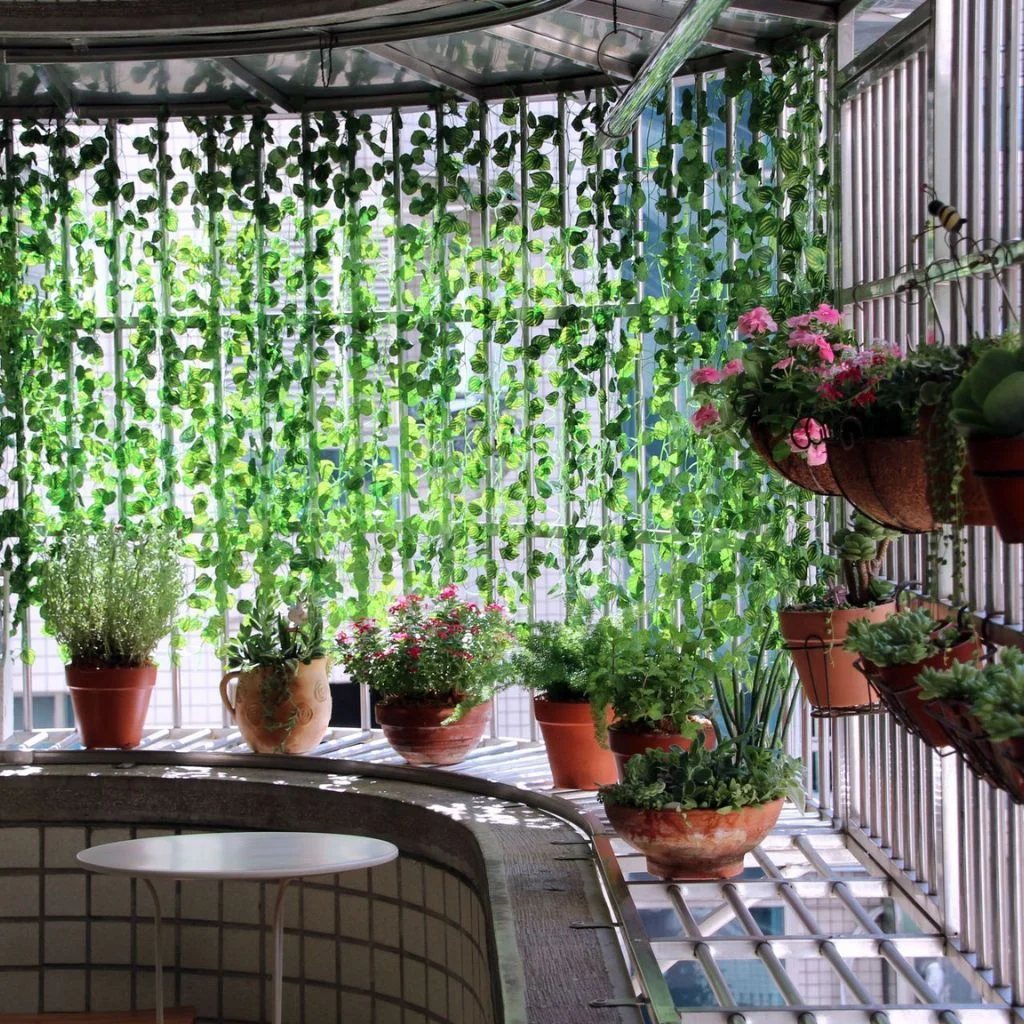
A trellis dressed with climbing plants is one of the few balcony fence ideas that improves with time rather than wearing down. Star jasmine, clematis, and ivy fill in gradually, creating a leafy screen that moves and breathes rather than sitting flat and static against the railing.
Planted screens naturally let dappled light through the leaves, so the space never feels shut off the way a solid fence can. As the foliage thickens over a season or two, the privacy improves without any further work beyond regular watering and the odd trim.
Choose evergreen varieties such as star jasmine if year-round privacy matters most to you, or deciduous climbers if you prefer more light in winter and denser cover through summer. A lightweight trellis frame keeps the setup manageable even on a rented balcony, since most attach with clips rather than permanent fixings.
Woven Bamboo And Rattan Panels For Warmth
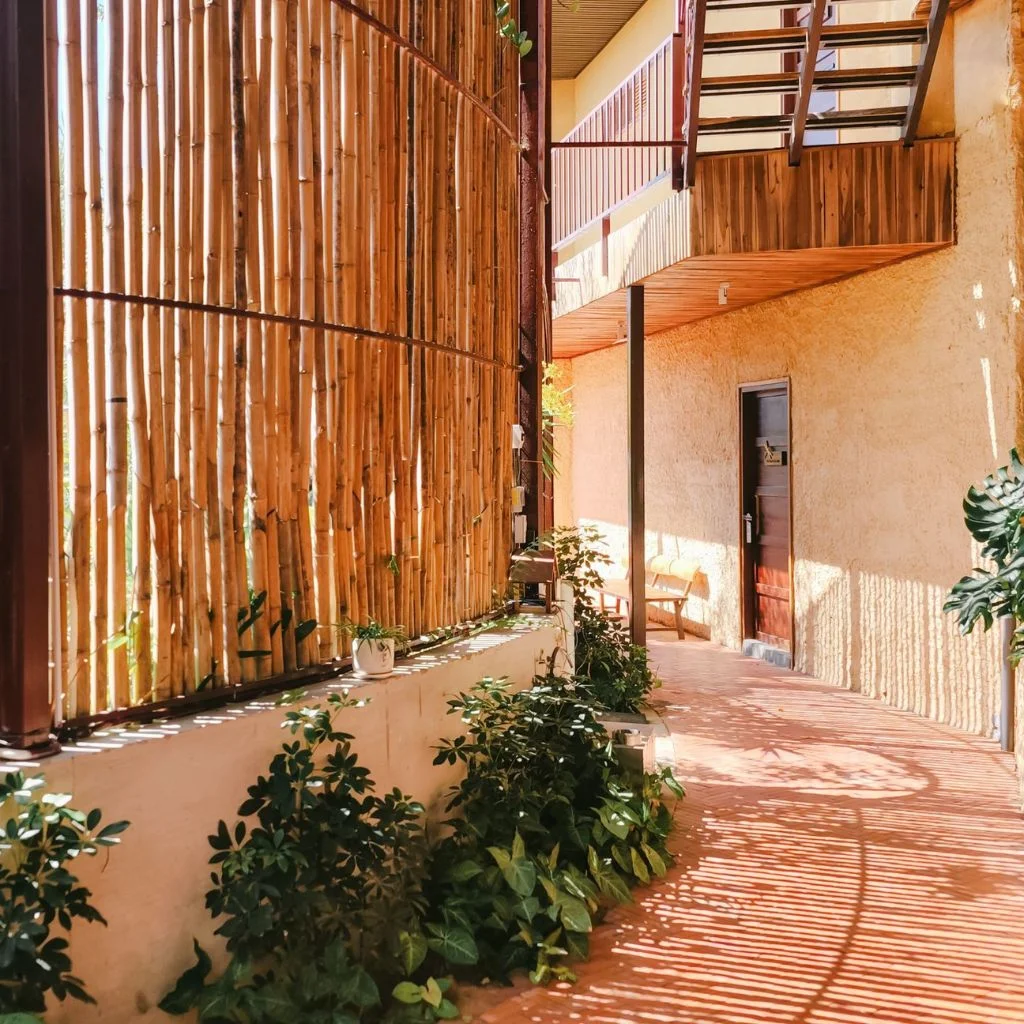
Woven bamboo rolls or rattan panels bring texture and warmth that timber slats sometimes lack, and they tend to soften a balcony’s overall look almost immediately. The tight weave blocks most direct views while tiny gaps between the fibres still let soft light through, giving the balcony a warm, dappled glow rather than deep shade.
These panels attach easily to existing railings with cable ties or hooks, making them one of the simplest balcony fence ideas for renters who cannot drill into structures or make permanent changes. They are lightweight, affordable, and easy to replace if weather wears them down after a couple of seasons.
Rattan panels in particular pair well with rounded furniture and layered textiles, if you are leaning into a relaxed, coastal, or boho balcony style rather than a sharper, modern one.
Perforated Metal Screens For Contemporary Balconies
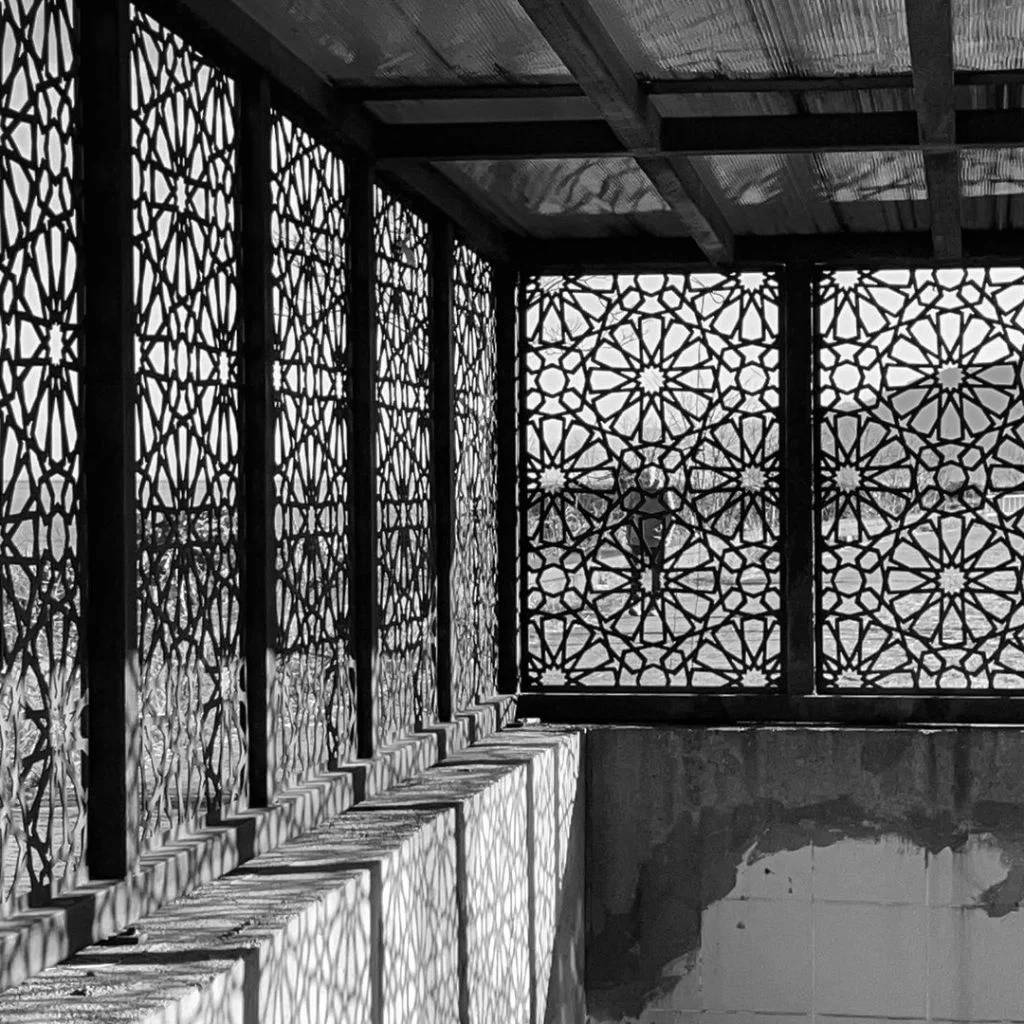
Laser-cut or perforated metal panels suit balconies with a sleeker, architectural style, and they hold up especially well in exposed or coastal locations. The pattern of holes or cut-outs blocks a clear line of sight while still allowing air and light to pass through evenly across the whole panel, which helps prevent the damp build-up that solid panels can trap behind them.
Powder-coated steel and aluminium resist rust and hold their finish for years, which makes this one of the lower-maintenance balcony fence ideas on this list. A single wipe-down each season is usually enough to keep them looking sharp.
Geometric or floral cut patterns also cast decorative shadows on the floor as the sun moves through the day, adding a detail that plain slats or glass cannot replicate. This makes perforated metal a strong choice if you want privacy and visual interest from the same panel.
Sheer Outdoor Curtains And Fabric Panels
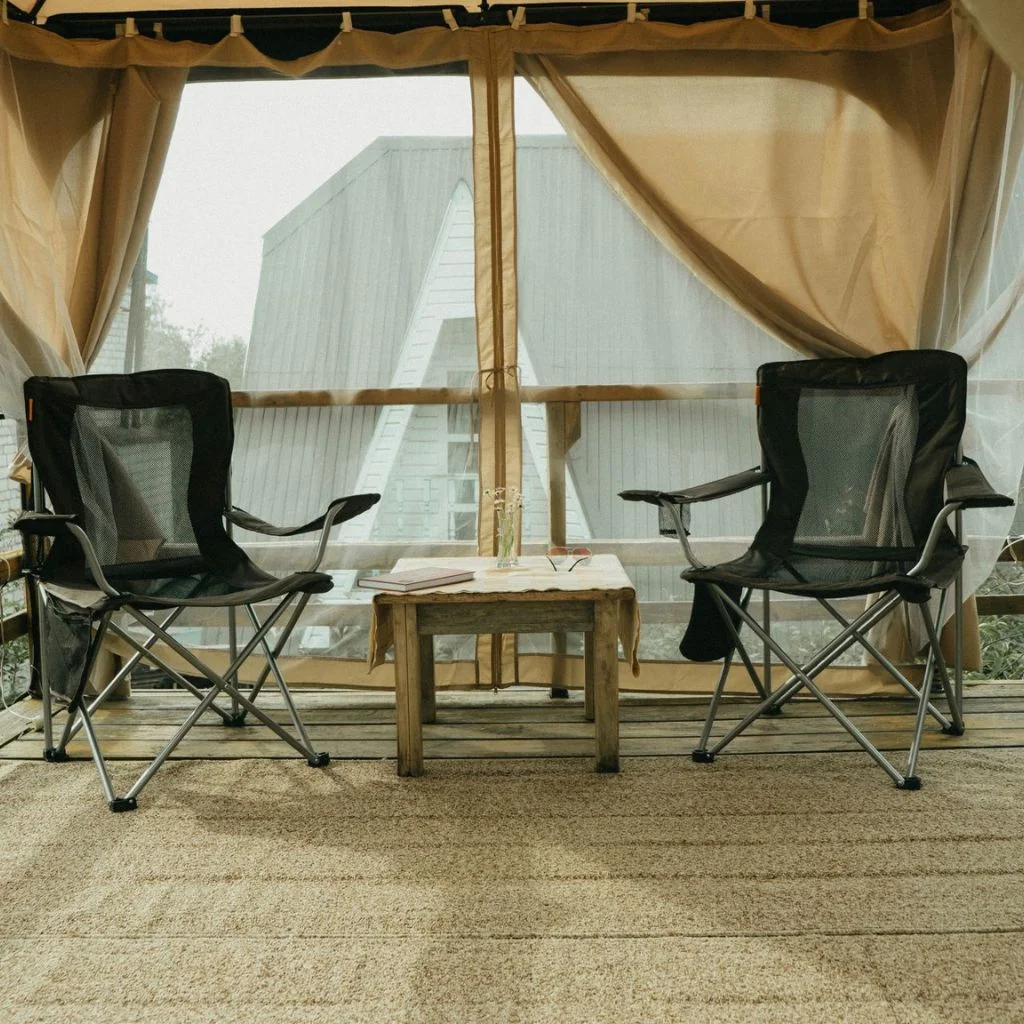
Outdoor-rated sheer curtains offer a softer, more flexible form of privacy than any fixed panel can provide. Hung from a simple rod or tension wire, they can be drawn closed when you want full cover and pulled back when you want an open view and more light streaming through.
This is one of the few balcony fence ideas that adapts through the day rather than staying fixed in one state, which suits balconies used at different times for different purposes, from a private morning coffee to an open evening dinner. Choose UV-resistant, quick-drying fabric so the panels do not fade or hold moisture after rain.
Layering sheer curtains in front of a slatted or trellis screen also works well, giving you a base level of permanent privacy with an adjustable layer on top for moments you want more coverage.
Colour And Finish Choices That Affect Light
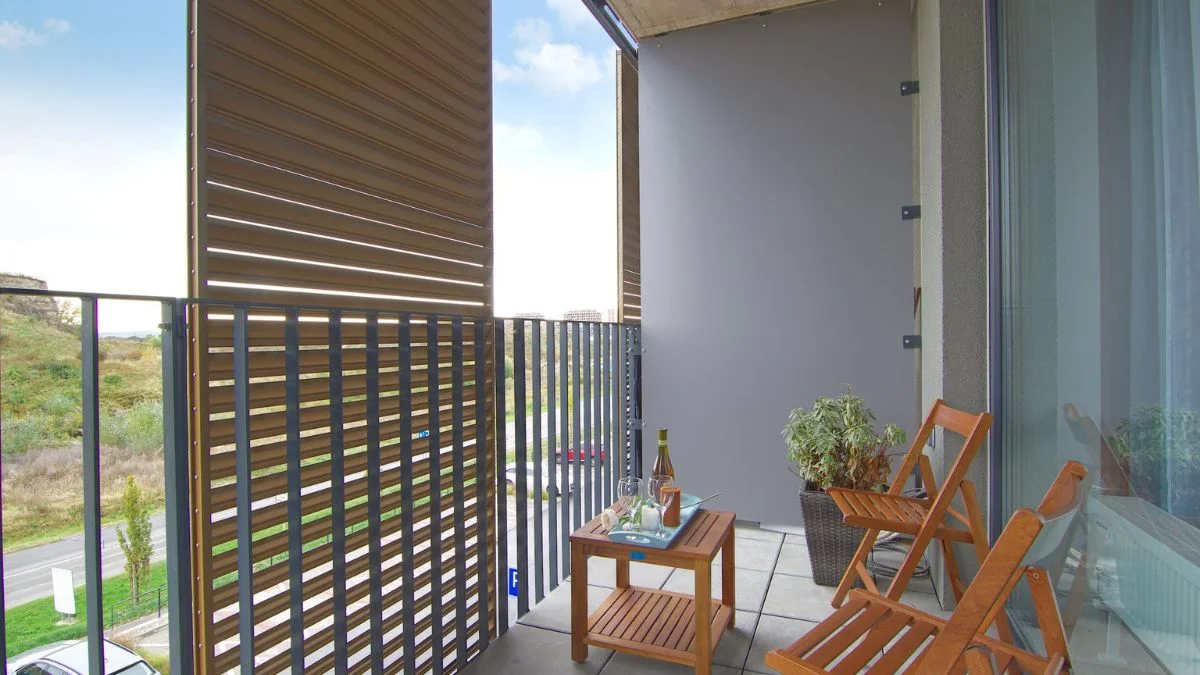
The colour of your chosen screen changes how much light actually reaches the balcony floor, even with an identical material and gap pattern. Lighter finishes such as pale grey, whitewashed timber or natural bamboo reflect more daylight back into the space, which helps a shaded balcony feel brighter through the day.
Darker finishes absorb more light and can make a small, already dim balcony feel noticeably smaller, even though they often photograph well and suit a moodier aesthetic. If your balcony already gets plenty of direct sun, a darker screen can help cut glare without sacrificing much brightness overall.
Matte finishes also diffuse light more gently than glossy ones, which tend to bounce harsh reflections around a tight space rather than softening them. If you are testing a colour choice before committing, a small painted or stained sample panel left in place for a few days will show you exactly how it behaves at different times of day.
Warm-toned finishes, such as honey oak or terracotta, tend to suit balconies used mainly in the evening, since they hold a soft glow even as natural light fades. Cooler tones like grey or black work better on balconies that get strong midday sun, where a warmer finish can start to feel visually heavy.
Positioning And Height Considerations
Where a screen sits matters as much as what it is made from. Placing panels at seated eye level, roughly 1.2 to 1.5 metres high, blocks the sightlines that actually matter without shading the entire balcony floor or making the space feel enclosed from above.
Full-height screens make more sense for balconies overlooked from above, such as apartments facing a taller building across the street, where a lower screen would not solve the actual privacy problem. For ground-floor or side-facing balconies, a lower screen paired with tall planters often gives enough privacy while keeping the space open and bright overall.
It is also worth checking your building’s guidelines before fixing anything permanent to a shared railing, since some managed buildings restrict height or attachment methods even for lightweight screens.
Corner placement is another detail worth planning around. Screening just the corner facing a neighbour’s window, rather than the entire railing, often solves the actual privacy issue while leaving the rest of the balcony open to light and views you want to keep.
A Common Mistake Worth Avoiding
The mistake I see most often is choosing a fully solid panel for a small balcony because it feels like the safest option for privacy. In practice, it usually makes the space feel smaller, darker, and more closed off than intended, and it can also trap moisture behind the panel, leading to damp or mildew over time.
A screen with even small gaps, whether from slats, mesh, glass texture, or foliage, almost always feels more comfortable to sit in day to day than one that shuts the view out completely. Testing a single panel or a temporary curtain before committing to a full installation is a simple way to avoid this mistake.
Bringing It All Together
Privacy and light do not have to compete on a small balcony. Slats, glass, greenery, weave, metal, and fabric each solve the problem in a different way, so the right choice comes down to your style, your budget, and how much upkeep you want to take on.
Start with one section of railing, test how it feels at different times of day, and expand from there once you know what suits the space.
Recommended Reading: Transform Your Space With African Safari Decor Themes.
Frequently Asked Questions
Do balcony privacy screens need planning permission?
In most cases, a screen attached to your own railing does not need planning permission, though rules vary by building, council, and country. Always check with your landlord, building management, or local authority before installing anything permanent.
What is the most weatherproof material for a balcony fence?
Powder-coated aluminium and treated composite slats tend to last the longest, since they resist rust, rot, and fading better than untreated wood or basic fabric panels left exposed to the elements.
Can I install a balcony fence without drilling?
Yes. Woven panels, tension-wire curtains, and freestanding planter screens can all be secured with clips, ties, or weighted bases, making them suitable for rented properties where permanent fixings are not allowed.
How much privacy do slatted screens provide?
Angled slats block direct eye-level sightlines almost completely while still allowing light through the gaps, offering a good middle ground between an open railing and a solid wall.
How long does it take for a trellis planting screen to provide real privacy?
Fast-growing climbers such as star jasmine or clematis usually give noticeable coverage within one full growing season, with denser privacy building up over the following year as the plant matures.