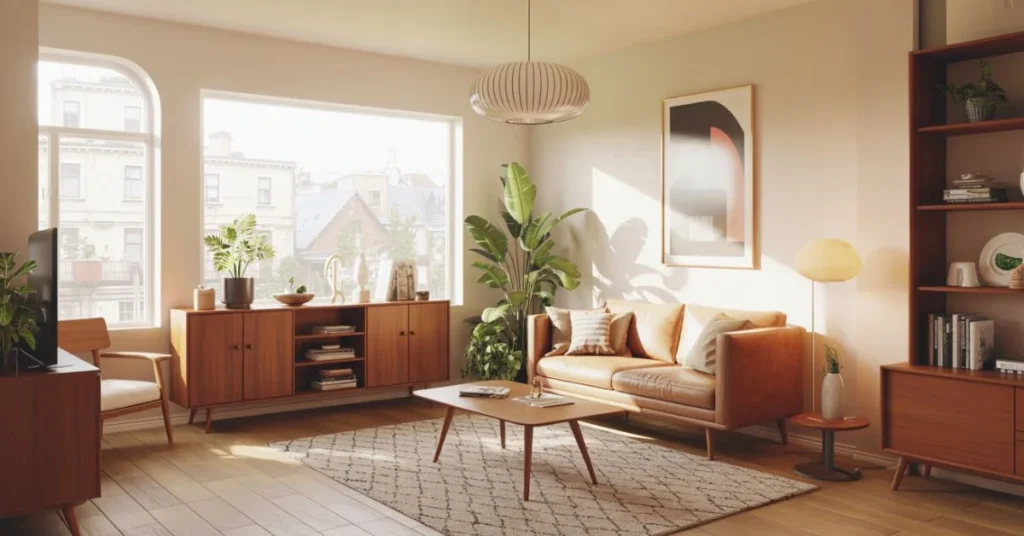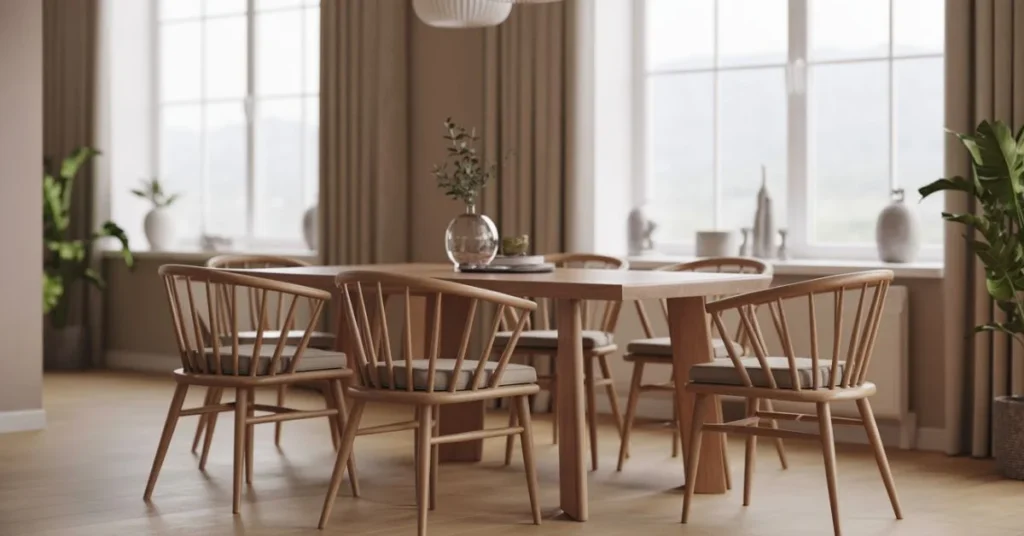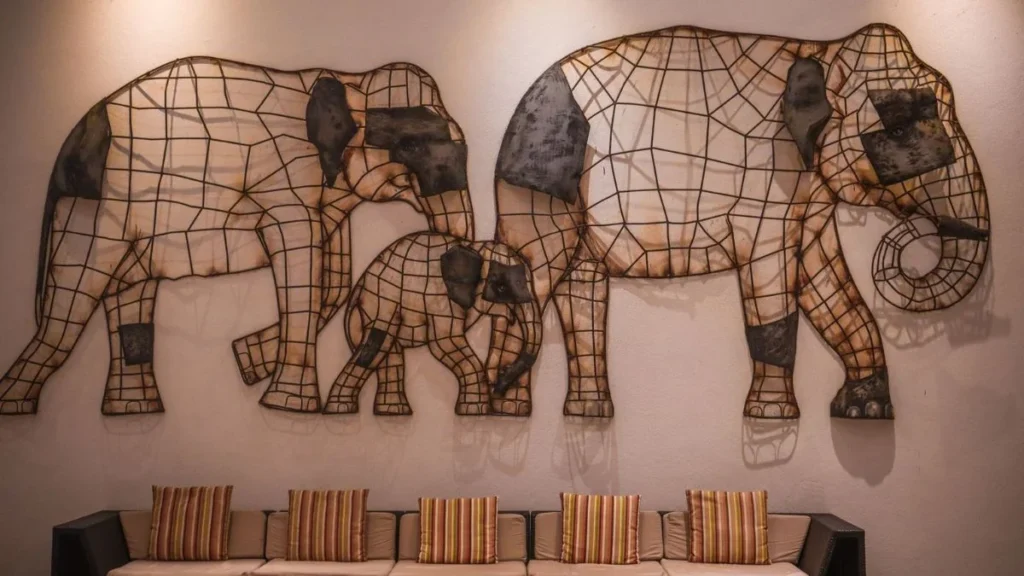
Picture a living room where woven rattan chairs sit beneath a canopy of botanical prints and every surface tells a story of open plains and golden sunsets.
African Safari Decor turns ordinary rooms into spaces that feel adventurous, grounded and genuinely alive.
This design style pulls from the colours, textures, and shapes of the African wilderness, blending them into a look that works in flats, houses and everything between.
This guide walks through the elements that build authentic African safari decor, from colour choices to furniture and lighting, so you can shape a room that feels intentional rather than themed.
Quick Wins Before You Start
- Ground the room in warm neutrals like sand, rust, and olive before adding any pattern.
- Mix natural materials such as rattan, wood, and jute for authentic texture.
- Use animal print and wildlife art as accents, not the entire scheme.
- Layer lighting and greenery last to soften and finish the look.
What Makes African Safari Decor Different
African safari decor draws its identity from savannah landscapes, wildlife and handcrafted goods found across East and Southern Africa. Unlike generic jungle or tropical themes, it stays close to earth tones, natural fibres, and open, breathable space.
This is why the look works so well: it borrows restraint from its landscape. Wide skies, dry grass, and weathered wood keep rooms styled with African Safari Decor feeling calm rather than cluttered, even when several patterns are in play.
The style also carries genuine craftsmanship. Hand-woven baskets, carved wood, and block-printed textiles give a room depth that mass-produced decor rarely matches.
A useful way to think about it: safari style is less about a single object and more about a mood. A room can lean fully into the theme with furniture, art, and pattern, or borrow just a handful of elements to add warmth to an existing scheme.
Start With A Warm Earthy Colour Palette
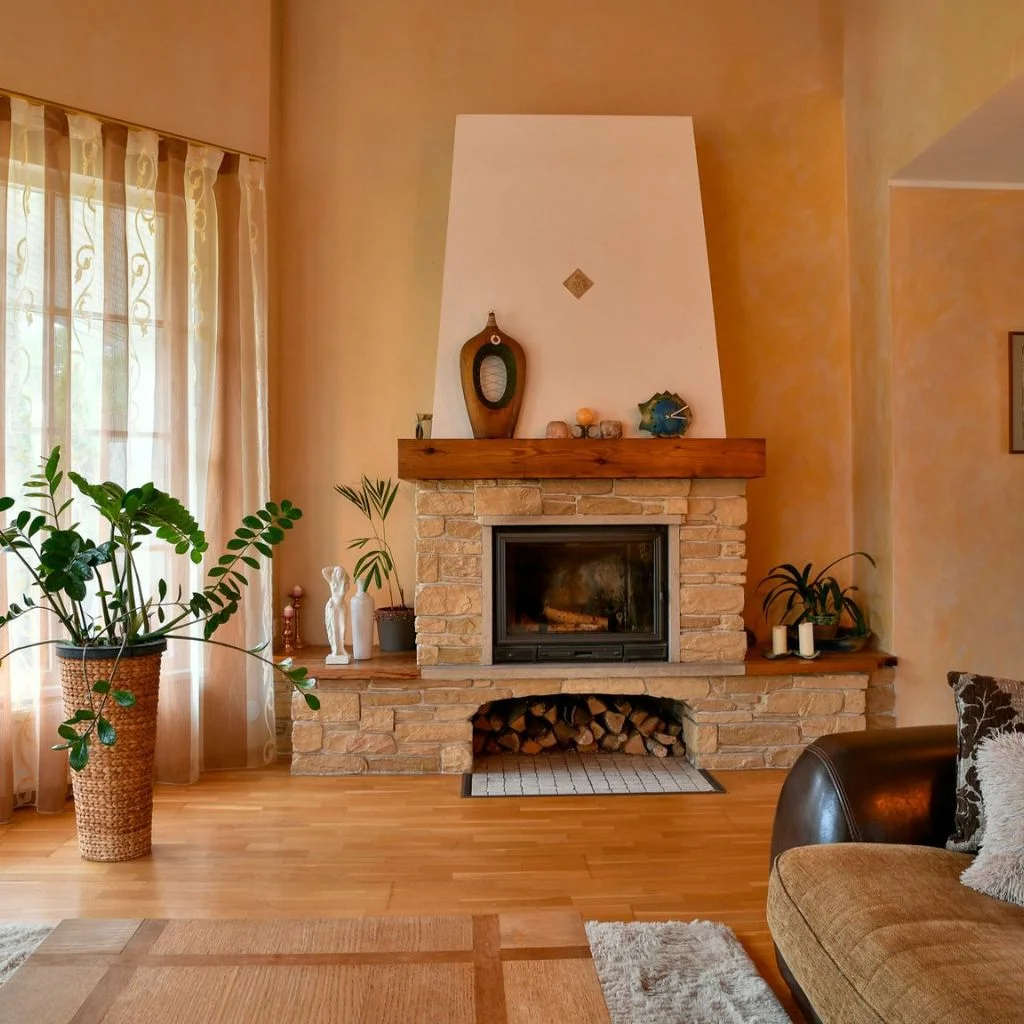
Every strong scheme built around African Safari Decor begins with colour. Sand beige, terracotta, warm rust, and olive green form the backbone, echoing dry grass and sun-baked earth.
Keep walls in a soft neutral such as warm white or light sand, then let furniture and textiles carry the richer tones. This stops the room from feeling heavy.
Deep charcoal or espresso brown works well for grounding pieces like a coffee table or media unit. A single richer accent, such as burnt orange cushions, adds energy without overwhelming the base palette.
For renters or anyone hesitant to repaint, this palette can arrive entirely through soft furnishings. Swapping in terracotta cushion covers, a sand coloured throw and one olive green accent chair can shift a neutral room toward this look within an afternoon.
Bring In Natural Textures and Materials
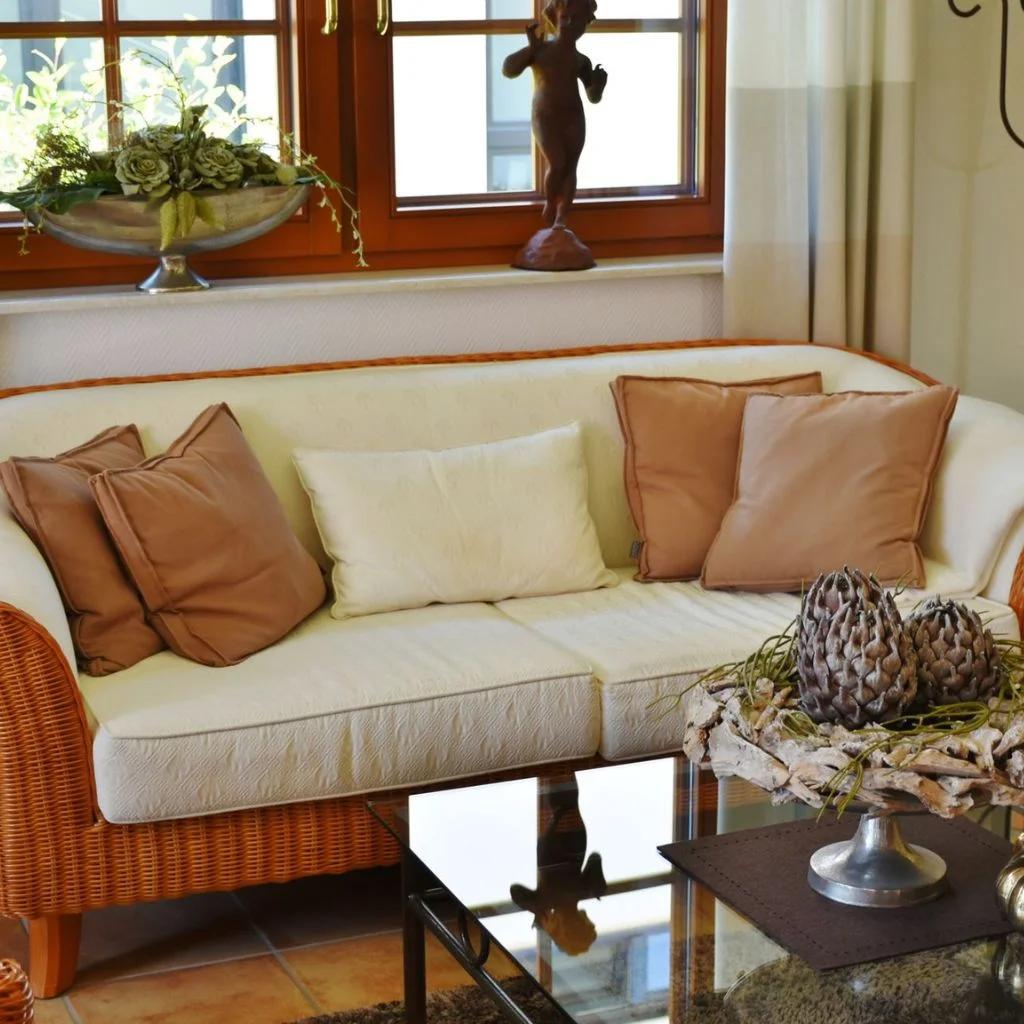
Texture carries as much weight as colour in this style. Jute rugs, linen upholstery, leather seating, and raw or reclaimed wood all read as authentic rather than costume-like.
Layering matters here: combine a smooth leather armchair with a rough jute rug and a woven throw so the eye moves across different surfaces instead of resting on one flat finish.
Avoid glossy, synthetic materials wherever possible. They tend to clash with the handcrafted feel that makes this decor style believable.
Mixing wood tones is also acceptable in this style, unlike many other interior schemes. A pale oak floor, a dark walnut side table and a honey toned rattan chair can sit together comfortably because the natural variation echoes the layered textures found outdoors.
Add Animal Print Accents The Right Way
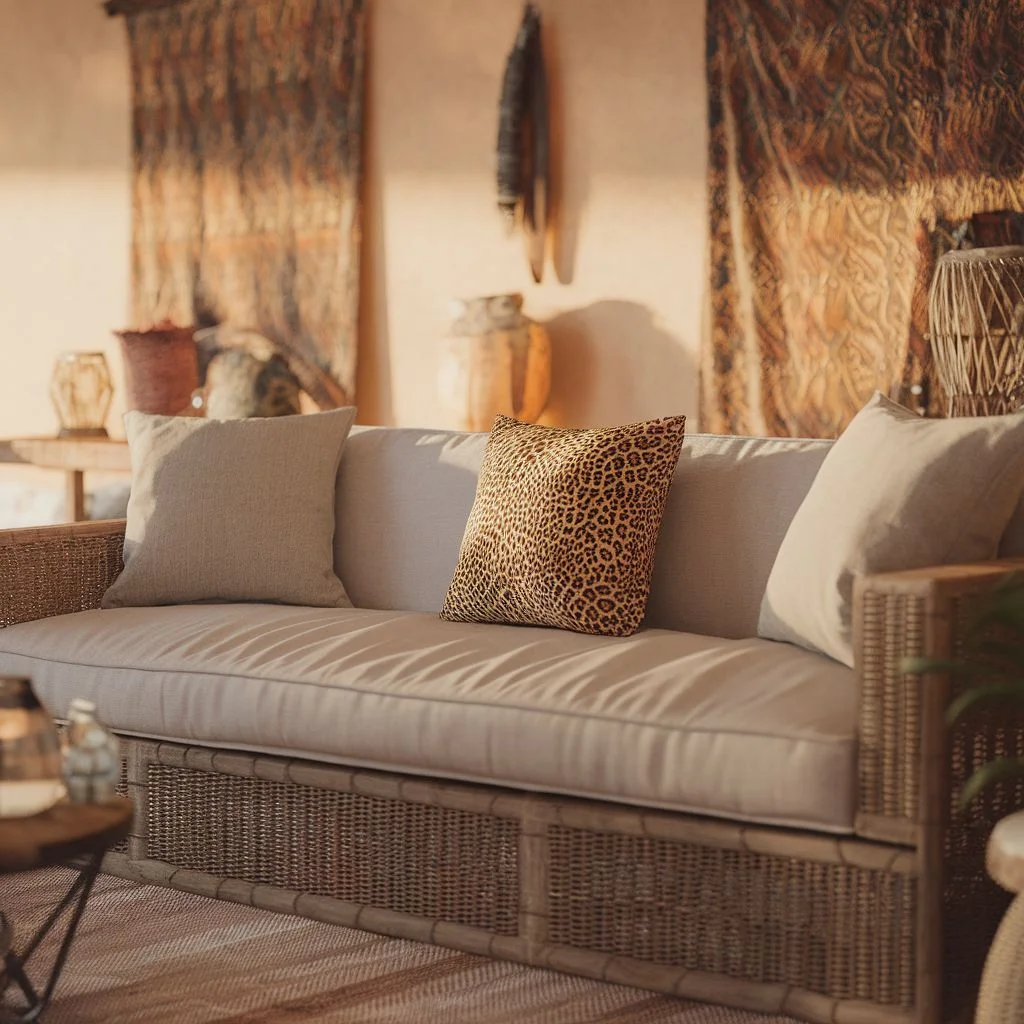
Zebra, leopard, and giraffe prints are signature elements of African safari decor, but they work best in small, controlled doses.
A single animal print cushion, throw, or accent rug reads as a considered choice. Covering every surface in print tends to push a room from styled into costume territory.
Pair one print with plain, textured neighbours, like a leopard print cushion against a plain linen sofa, so the pattern has room to stand out.
A patterned lampshade, a stair runner or the back of a single dining chair are other low commitment ways to bring in print without it dominating the room’s overall feel.
Choose Wildlife Inspired Wall Art
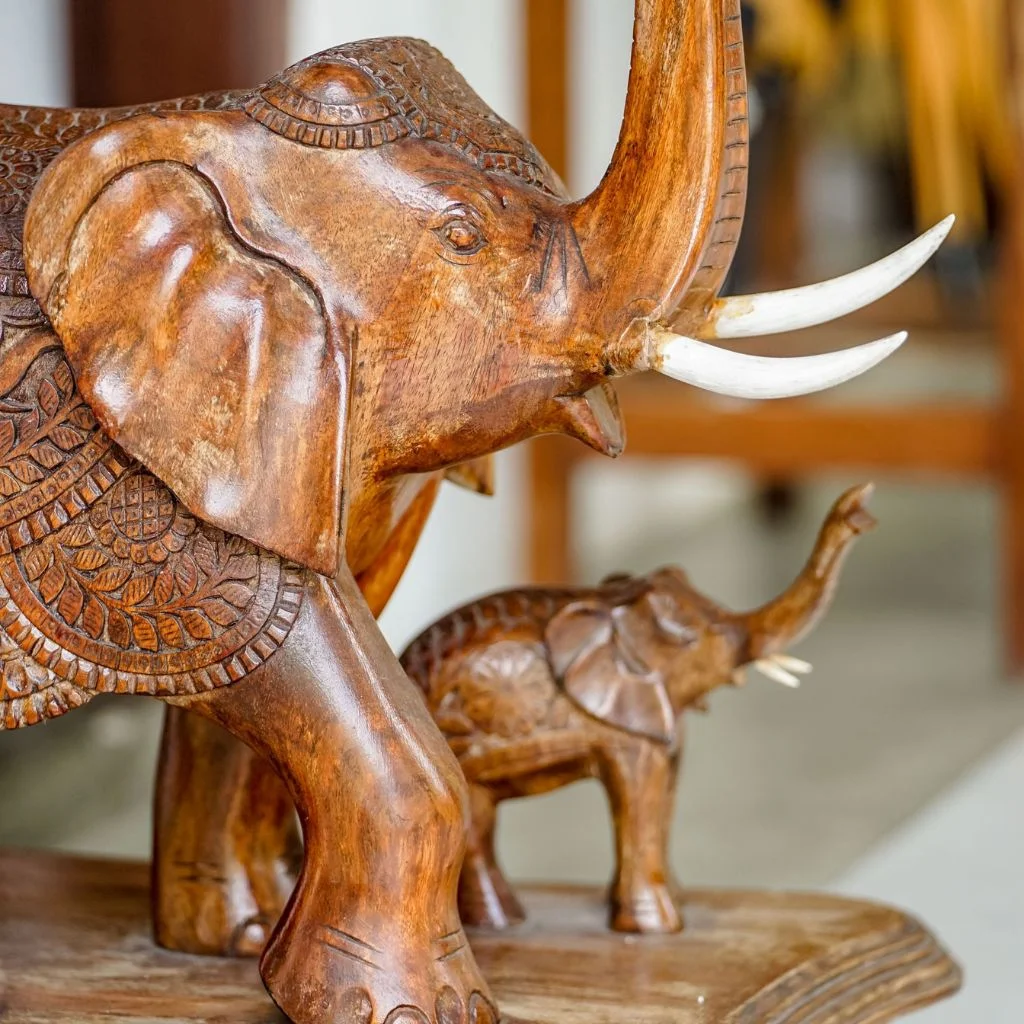
Wall art is one of the fastest ways to set the tone. Black and white photography of elephants, lions, or giraffes brings a gallery feel without leaning too playful.
Group three to five prints in matching frames for a gallery wall or choose one oversized statement piece above a sofa or bed for a simpler, more editorial look.
Line drawings and sketch-style wildlife art suit smaller spaces, where a bold photograph might feel too dominant.
Framing choices matter too. Thin black or natural wood frames keep the art feeling current, while ornate gold frames can pull the look toward a more traditional style than the rest of the room.
Furnish With Rattan and Wicker Pieces
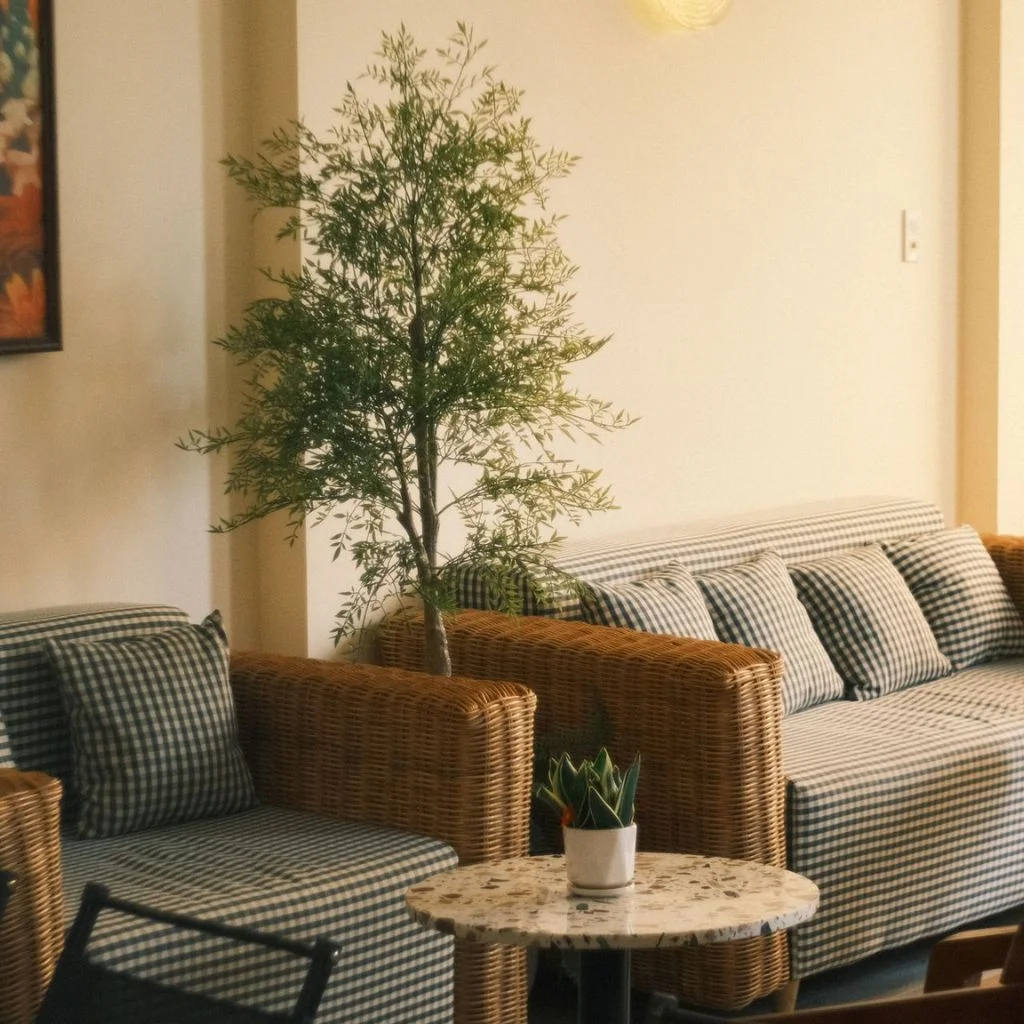
Furniture is where African safari decor becomes liveable rather than purely decorative. Rattan armchairs, wicker side tables, and woven storage baskets are staples of the look.
Rattan pendant lights and headboards work particularly well because they add texture at eye level, filling the room without taking up floor space.
If a full furniture change is not realistic, start with one anchor piece, such as a rattan accent chair, and build the rest of the room’s texture around it.
Woven baskets deserve a special mention here. Beyond storage, stacked baskets of different sizes make an easy, low cost styling moment beside a sofa or at the foot of a bed.
Layer Botanical and Leaf Prints Throughout
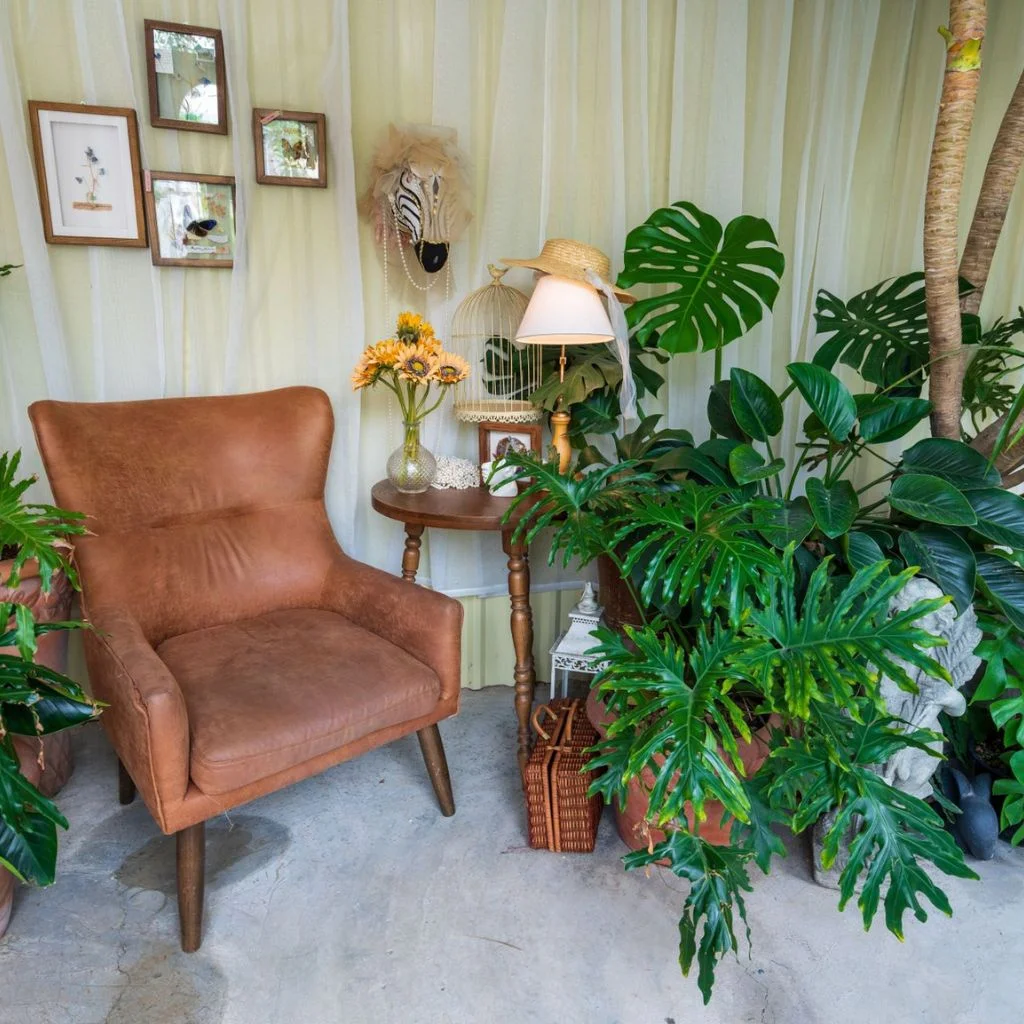
Palm leaf, monstera and acacia motifs bring the outdoors in and soften the more structural, earthy elements of the room.
Use botanical prints on cushions, curtains, or a feature wallpaper to add movement, then balance them with plain furniture so the pattern does not compete with animal print or wall art.
A few real or faux plants, such as a fiddle leaf fig or areca palm, reinforce the theme without adding more printed pattern to the room.
Wallpaper is worth considering for a single feature wall if a full botanical scheme feels too bold across an entire room. It contains the pattern to one area while still making a strong first impression.
Add Statement Lighting for Safari Warmth
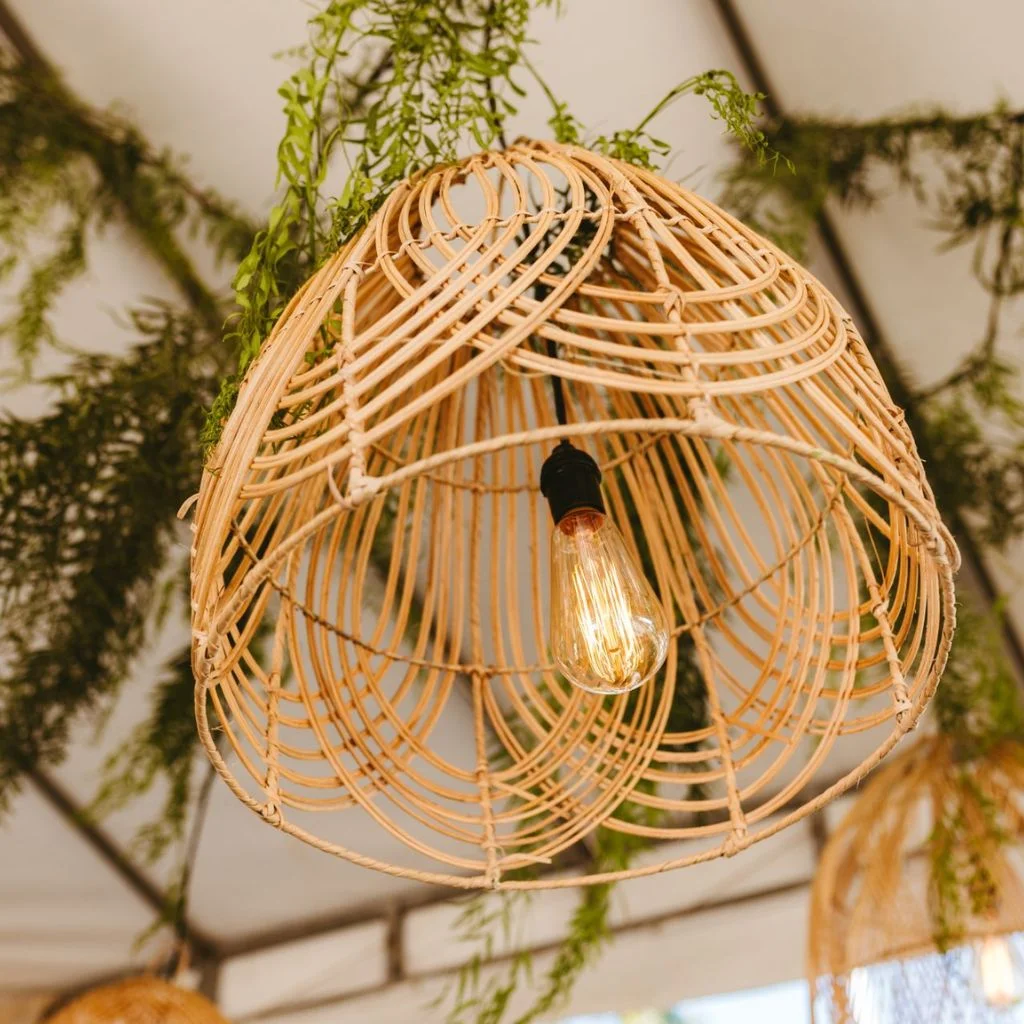
Lighting finishes the look. Rattan or rope pendant shades cast warm, dappled light that echoes the dry, golden tones of the savannah.
Choose warm white bulbs over cool white for anything in this scheme. Cool lighting flattens earthy colours and makes the whole room feel less inviting.
Table lamps with woven or ceramic bases, alongside a few flickering candles or lanterns, add layers of light that suit evenings especially well.
Dimmer switches are a small investment that pay off in this style. Being able to lower the light in the evening makes the warm palette feel even more inviting than fixed, bright lighting.
Budget Friendly Ways To Get The Look
A full room refresh is not necessary to bring African safari decor into a home. Small, affordable swaps can shift the mood of a room within a weekend.
Start with cushion covers, a throw, and a single framed print, all of which cost far less than new furniture and can be changed again later if tastes shift.
Second-hand shops and marketplace listings are worth checking for rattan and wicker pieces specifically. These materials age well, so a slightly worn chair often just needs a clean rather than a full restoration.
Spray painting an existing lamp base in a warm bronze or terracotta shade or swapping a plain white lampshade for a rattan one, are both low cost ways to shift the lighting toward this look without buying new fixtures.
Common Mistakes To Avoid With Safari Decor
One habit worth watching for: overloading a room with animal print on every cushion, rug, and curtain at once. It reads as costume rather than considered decor, so one or two print pieces per room is usually enough.
Another common misstep is mixing safari decor with unrelated themes, such as coastal or heavy Scandinavian minimalism, without a clear plan. The styles can work together, but only with a shared colour thread running through both.
Cool-toned lighting is a quieter mistake that still does real damage. It drains the warmth out of terracotta and olive tones, so the room can end up feeling flat rather than inviting.
A third mistake worth naming: choosing furniture purely for the theme and ignoring comfort. A rattan chair that looks perfect but is uncomfortable to sit in tends to end up as a display piece rather than something the room gets used for.
Room By Room Safari Styling Ideas
Living Room
Anchor the space with a linen sofa in sand or taupe, add a rattan coffee table, and layer in one bold animal print cushion alongside a botanical throw.
A jute rug beneath the seating area ties the furniture together, while a rattan pendant light overhead finishes the room without adding more floor clutter.
Bedroom
A rattan headboard, warm terracotta bedding, and a single wildlife photograph above the bed create a restful take on African Safari Decor without overwhelming a space meant for rest.
Keep bedside tables simple, with a small woven basket for magazines or a stack of books, so the calmer, more restful side of this style comes through.
Bathroom
Woven baskets for towels, a jute bath mat and one framed botanical print bring the theme in without risking water damage to more delicate materials.
A wooden stool or ladder shelf adds storage while keeping the natural material palette consistent with the rest of the home.
Home Office
A leather desk chair, a carved wood desk accessory tray, and a small gallery of black and white wildlife prints keep the space grounded and focused.
A woven storage basket beside the desk gives cables and paperwork somewhere to disappear to, keeping the surface clear while staying true to the theme.
Your Space, Your Own Wild Escape
African safari decor rewards a considered approach far more than an all-at-once overhaul. Start with colour and texture, add one or two statement pieces, and let pattern and lighting finish the room.
Whether it is a single accent chair or a full room refresh, this style turns everyday spaces into something that feels warm, textured, and genuinely lived in.
Start with one room, one colour palette, and one statement piece, then build outward as the look comes together.
Given how forgiving the palette and materials are, this is one of the easier design styles to build gradually, so there is no need to rush every element into place at once.
Our Pick: Window Bench Seating Ideas To Steal From Designer Homes.