Cramped living room does not have to mean a cramped media setup. These clever Ikea TV unit hacks turn budget-friendly Besta, Lack and Kallax frames into space-saving furniture that looks custom-built.
Whether the layout is a narrow flat or an awkward alcove, small living rooms respond brilliantly to the right modifications. This guide walks through eight practical ideas, from corner-fitting frames to hidden cable systems, that make the most of every square foot without sacrificing style.
Quick Wins Before You Start
- Floating and wall-mounted Besta frames free up visible floor space in tight rooms.
- Corner configurations and slim Lack shelves suit awkward layouts better than standard consoles.
- Cable management add-ons such as Kabelduo keep small rooms looking uncluttered.
- Painted or panelled fronts turn flat-pack pieces into custom-look furniture on a modest budget.
Floating Besta Units for Visual Space
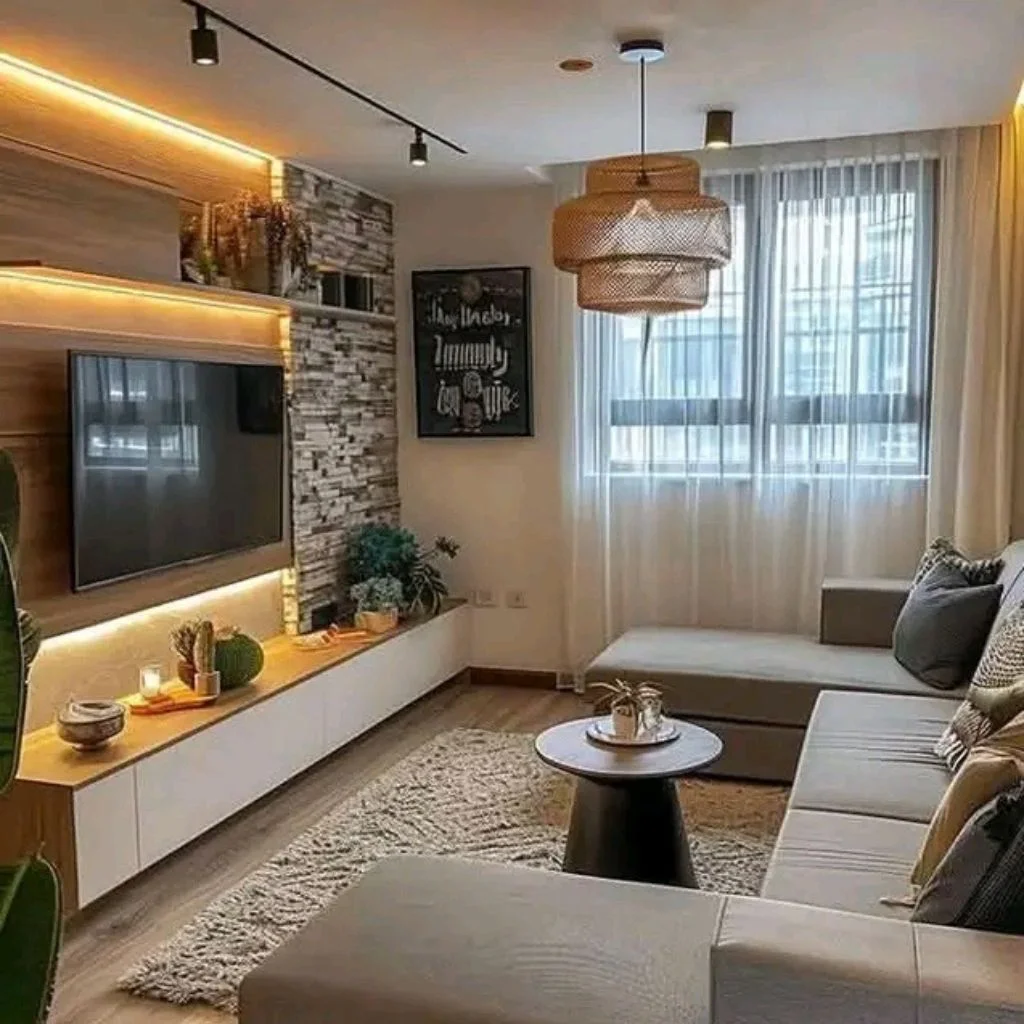
Wall-mounted Besta frames are among the most popular Ikea TV unit hacks for small rooms because they lift storage off the floor entirely. Floating the unit exposes the skirting board and creates a strip of visible flooring that tricks the eye into reading the room as larger.
Fit the frame with the legs removed and use the wall-mounting bracket sold separately, since Besta frames are not designed to hang without it. Keep the unit narrower than the sofa opposite so the wall does not feel top-heavy.
Why this works
Floating furniture reduces the amount of visual weight sitting on the floor, which is the single biggest factor in how cramped a small room feels.
A one-bedroom flat with a metre-wide alcove is a good test case: a floor-standing console fills most of the gap and leaves no room to walk past comfortably, while a floating frame set fifteen centimetres above the skirting keeps that same alcove passable.
Check the wall type before drilling. Stud walls need cavity fixings rated for the combined weight of the unit and everything stored inside it, while solid brick or block walls take standard wall plugs. Overloading a lightweight bracket is the most common reason a floating Besta frame eventually sags at the front edge.
Corner Ikea TV Unit Hacks for Tight Layouts
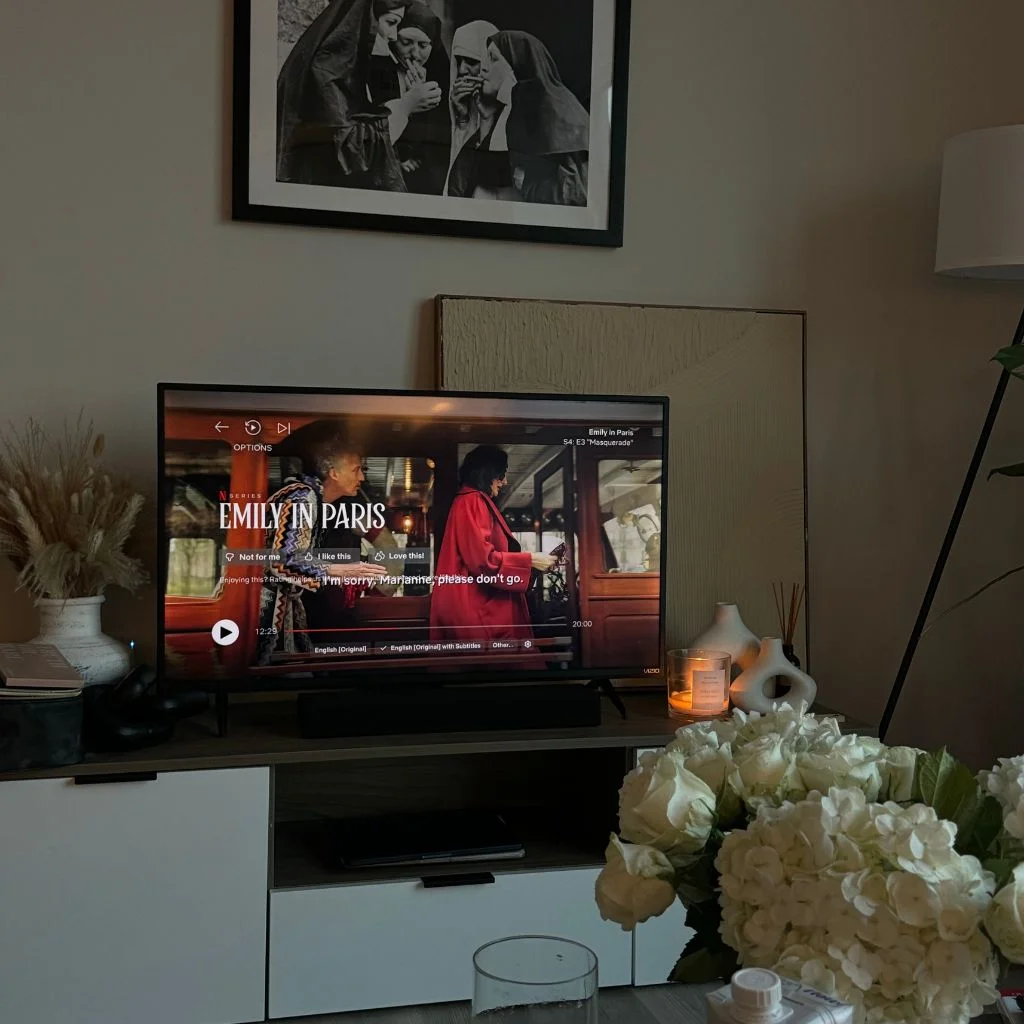
Corners are often wasted space in boxy flats, and turning one into a media zone is a smart Ikea TV unit hack for rooms without a straight wall run to spare. Angling two Besta or Kallax units into an L-shape lets the screen sit diagonally, freeing the two adjacent walls for a sofa and doorway.
Leave at least ten centimetres between the back of the unit and each wall for ventilation, since games consoles and soundbars generate more heat than expected in an enclosed corner.
This layout works particularly well in Victorian conversions and box rooms, where a chimney breast or bay window already breaks the wall into awkward sections.
Screen viewing angle needs a second look in a corner set-up. Sit in the two or three spots where people watch television, not just the sofa’s centre cushion, and angle the frame so the screen faces that average sightline rather than dead-on to the wall.
A corner unit also frees up the long wall for a full-height bookcase or a console table by the entrance, which is often the better use of the room’s one uninterrupted stretch of wall.
Hiding Wires with Kabelduo and Cable Boxes
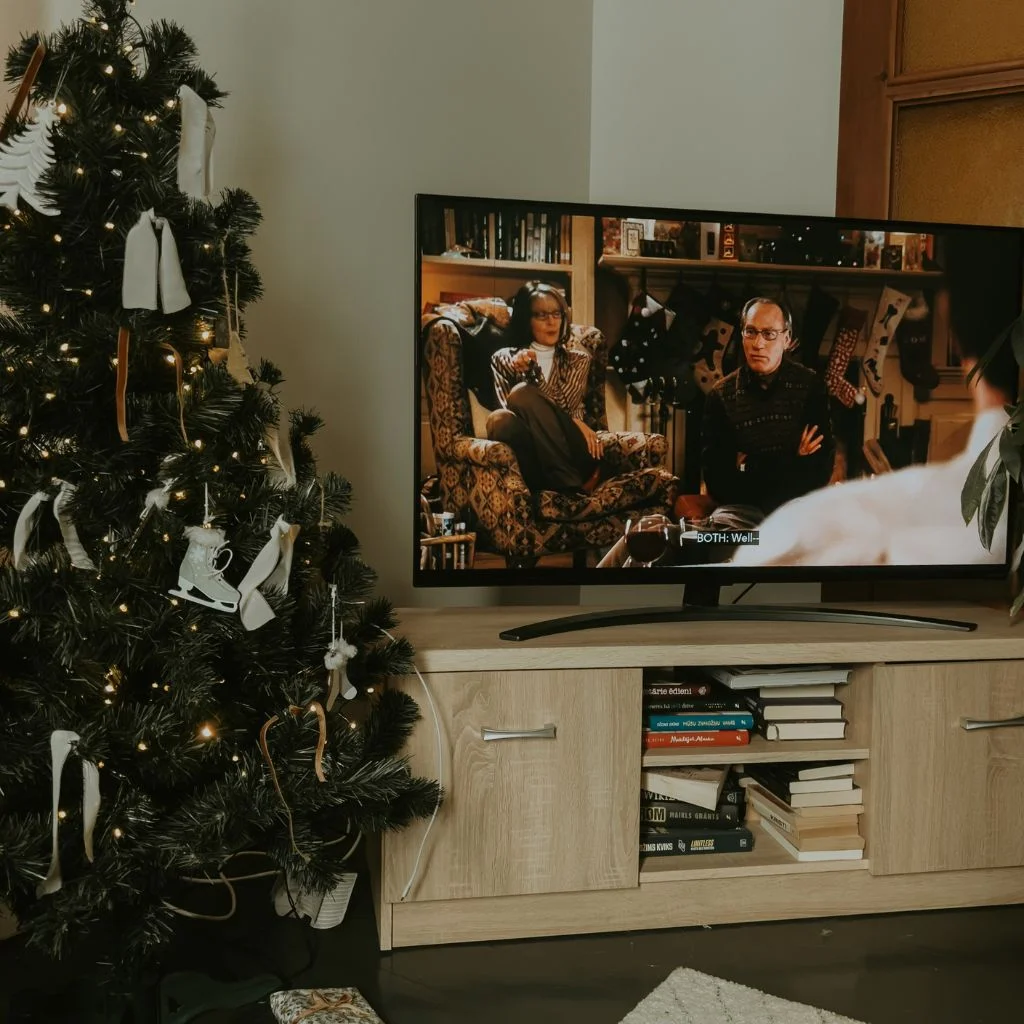
Visible cables are the fastest way to make a small room look untidy, so wire management deserves its own place among these Ikea TV unit hacks rather than being an afterthought.
The Kabelduo cable channel, sold in white and black, clips to the back or underside of a Besta or Lack unit and hides the entire cable run to the wall socket.
For units without a channel option, a simple cable box behind the frame keeps power strips and adapters out of sight. Colour-matching the box to the skirting board makes it disappear entirely.
Common mistake
Routing cables along the floor in front of the unit rather than behind it draws the eye downward and shortens the room visually.
Group cables by function before fitting the channel: power leads on one side, HDMI and aerial leads on the other. This makes it far quicker to trace a fault later without unclipping the entire run, which matters more in a small room where the unit sits close to a well-used sofa or doorway.
If the socket sits lower than the unit, a slim in-wall cable pass-through kit routes leads through the wall itself rather than down the side of the frame, which is worth the extra step for a genuinely gallery-clean finish.
The Lack Hack for a Minimalist Console
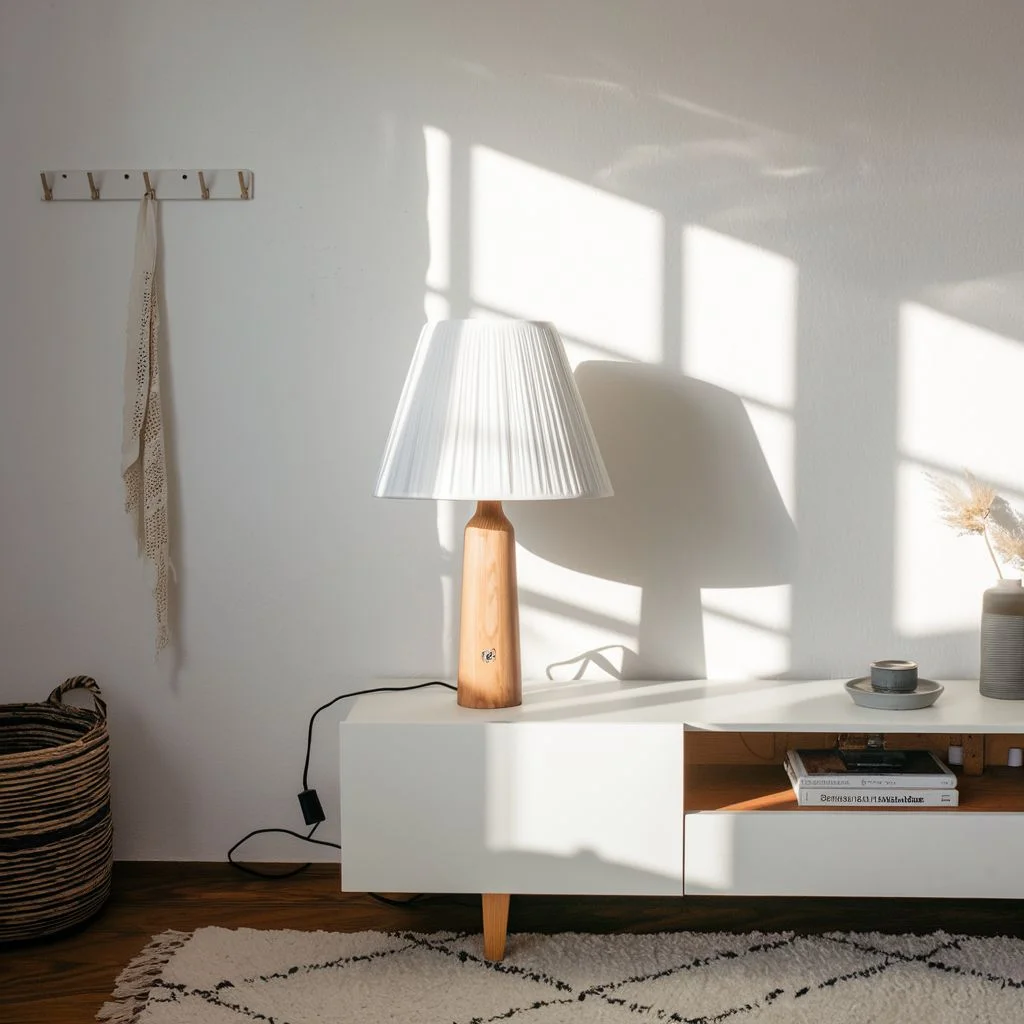
The Lack side table, turned on its side or paired in twos, is one of the cheapest Ikea TV unit hacks available and suits studio flats where a bulky console would overwhelm the space.
Add slim castors to the underside for easy cleaning behind the unit, since dust builds up quickly in small rooms with limited airflow.
Pair two Lack tables side by side for a wider screen without adding depth, keeping the footprint shallow enough to walk past comfortably.
Because the table has no back panel, cables can run straight down the rear leg without any extra channel or box, which keeps the whole build closer to the price of the table itself. A soundbar sits neatly on the shelf below, provided the shelf is rated for its weight.
This hack suits renters especially well, since two Lack tables can be moved and reused elsewhere the moment a bigger flat comes along, unlike a fitted media wall that only ever fits the room it was built for.
Multi-Functional Storage Behind the Screen
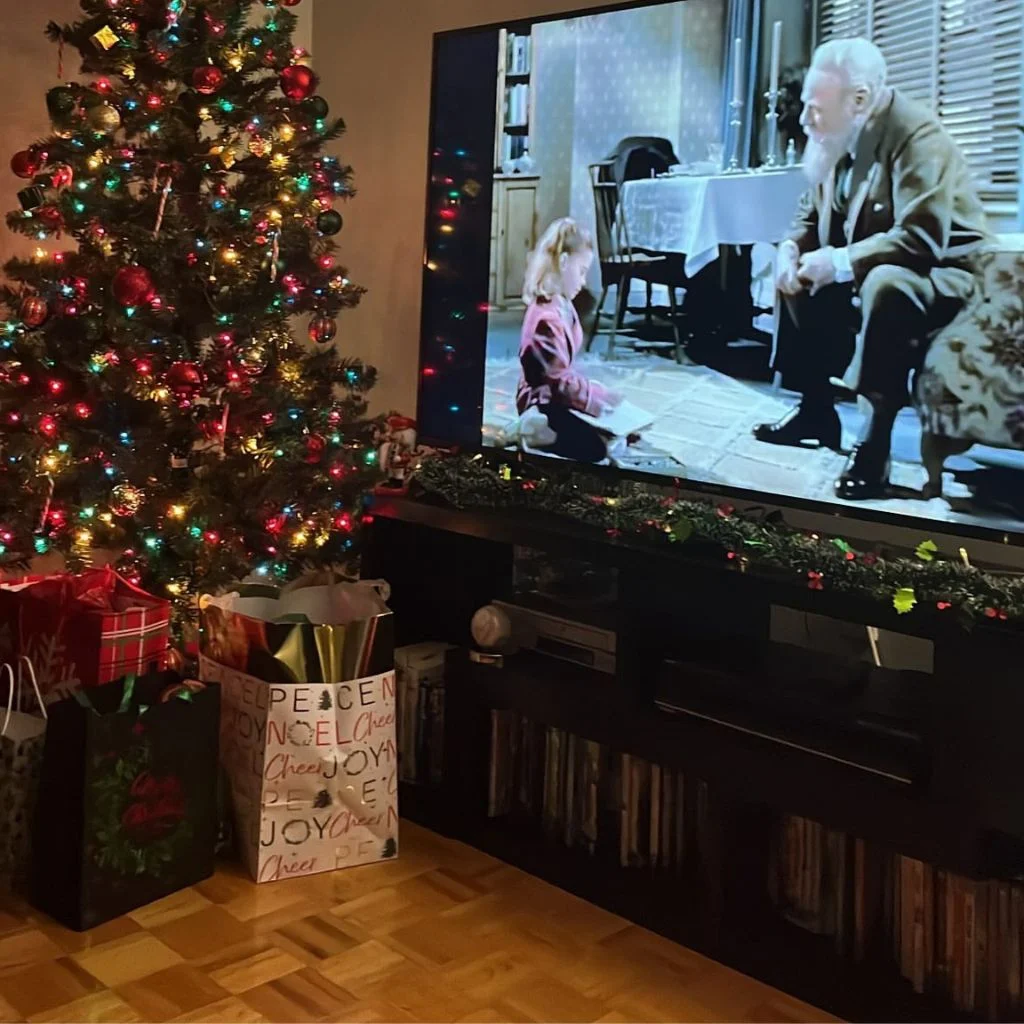
Small living rooms rarely have room for a separate media console and a sideboard, so the best solutions double up on function.
Fitting Besta drawers behind the screen turns the unit into hidden storage for remotes, board games, and paperwork that would otherwise clutter open shelving.
Why this works
Closed storage reduces visual clutter far more effectively than open shelving in rooms under fifteen square metres, where every object competes for attention.
Line one drawer with a soft insert and use it purely for cables, spare batteries, and the remote controls that otherwise migrate under sofa cushions. Keeping a single dedicated drawer for these small items is the difference between a tidy console and one that slowly fills with loose odds and ends.
Push-to-open fronts are worth the small extra cost in a tight room, since a swinging door needs clearance, the room may not have if the unit sits close to a walking path.
Painted and Panelled Besta Fronts
Flat-pack furniture reads as flat-pack until the fronts are changed, which is why painting or panelling has become one of the most requested small-room upgrades among renters and homeowners alike.
Adding MDF panel strips in a grid pattern to plain Besta doors, then painting the whole unit a single colour, gives it the look of custom cabinetry at a fraction of the cost.
Choose a colour close to the wall behind it if the goal is to make the unit recede, or a contrasting shade if it should act as a feature wall. Sand and prime laminate fronts before painting, since standard emulsion will not adhere to the factory finish without this step.
A satin or eggshell finish holds up better than matt emulsion on a surface that gets opened and closed daily, and it wipes clean far more easily around a television that inevitably collects fingerprints and dust.
Swapping the standard handles for slim brass or matt black pulls or removing them entirely in favour of push-catches, finishes the look and is usually the detail that makes guests assume the piece was bought rather than adapted.
Under-Stairs Ikea TV Unit Hacks
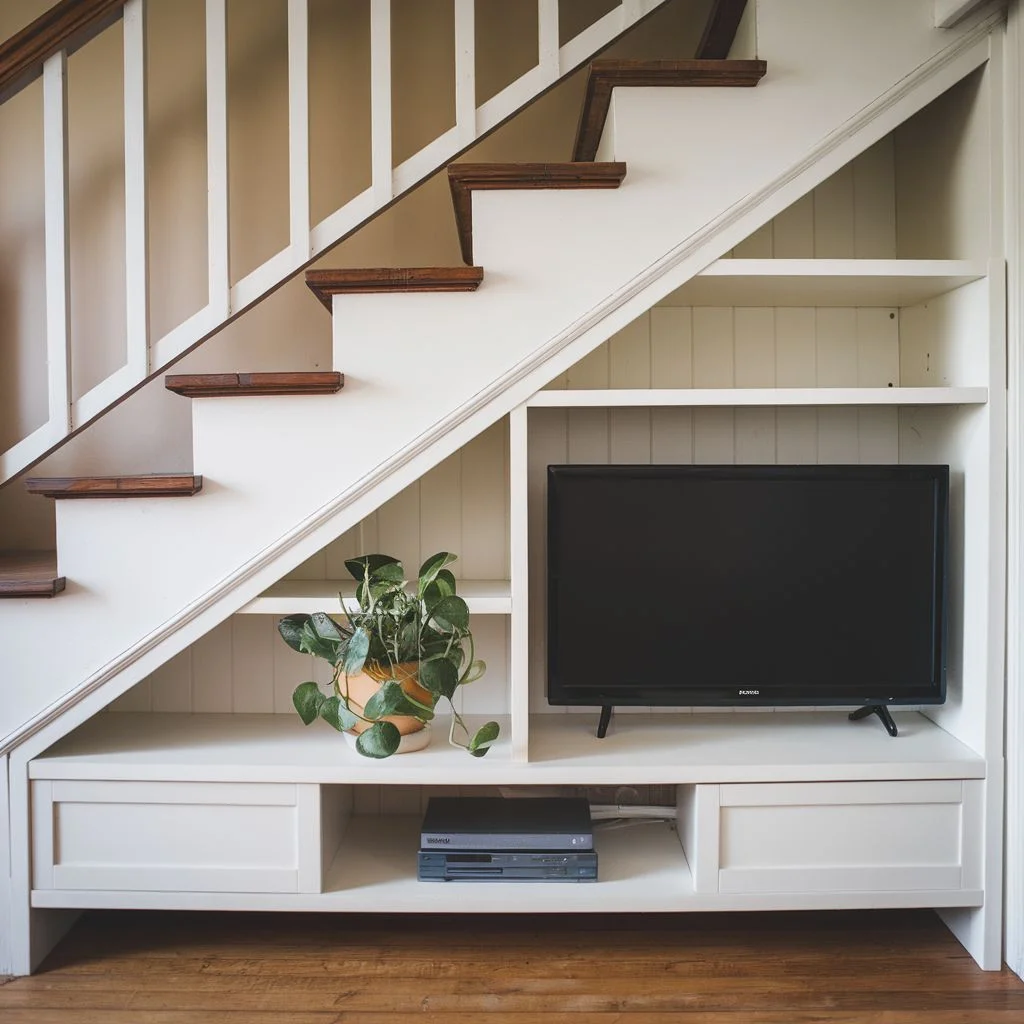
Homes with a staircase in the living room often waste the triangular space beneath it, and fitting a custom-cut Besta or Metod carcass into that footprint is one of the more advanced Ikea TV unit hacks worth the extra measuring.
Because the space narrows toward one end, units usually need trimming or a bespoke top panel to follow the slope. This approach suits terraced houses and converted flats where the stair void would otherwise become a dumping ground for shoes and coats.
Measure the lowest point of the slope before ordering frames, since even a few centimetres of miscalculation will leave a gap that looks unfinished.
A false back panel, cut to follow the stair line and painted to match the unit, closes off the gap above the frame far more neatly than leaving the sloped ceiling exposed. It also stops dust settling in the awkward triangular void that is otherwise almost impossible to clean.
Ventilation matters more here than in any other layout on this list, since the enclosed stair void traps heat from the television and any connected equipment. A small vent or gap left at the top of the false panel prevents overheating over a full evening of use.
Media Wall Combos Using Pax Frames
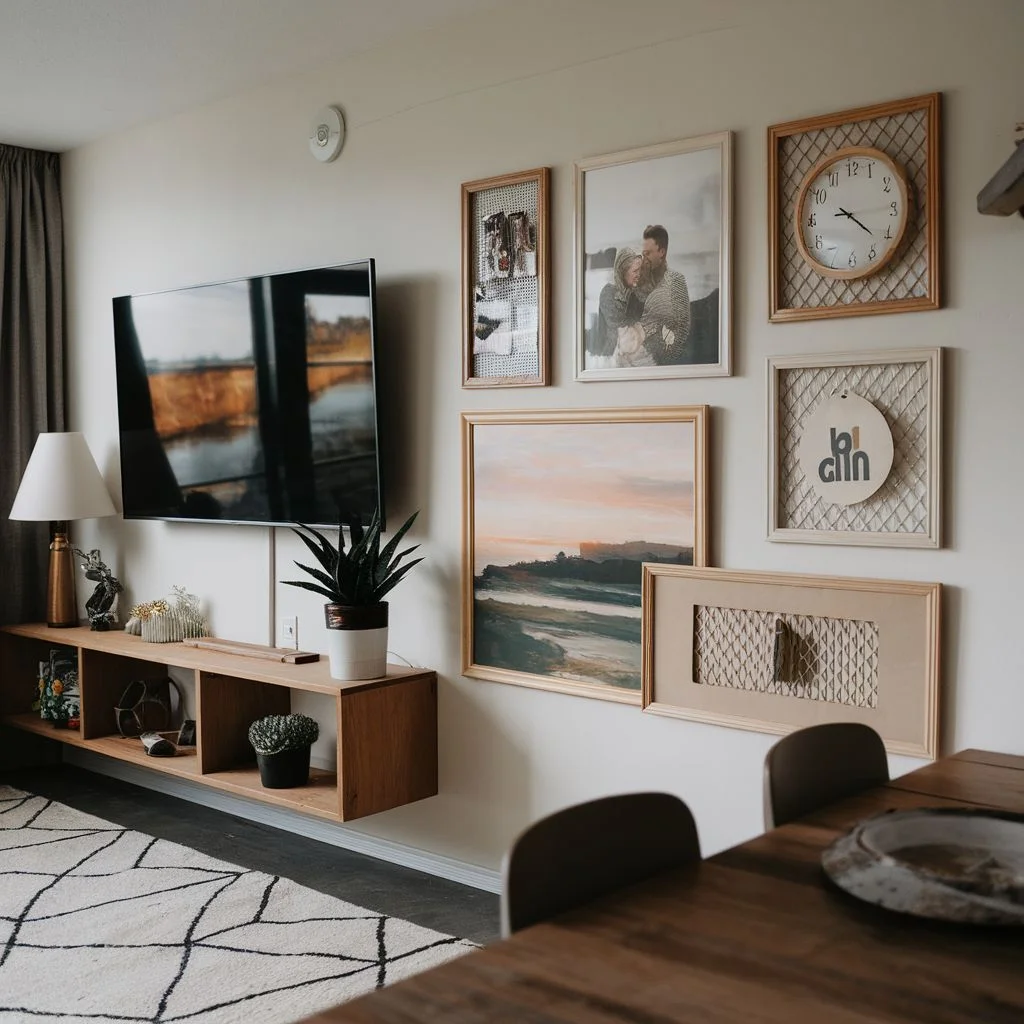
For a fuller built-in look, combining Pax wardrobe frames with a central Besta or Kallax section creates a floor-to-ceiling media wall that suits slightly larger small rooms, such as those in new-build flats.
The wardrobe sections either side of the screen provide deep storage, while the central unit stays shallow enough for the television and soundbar. This is a bigger project than the other ideas on this list, but it replaces a separate wardrobe and TV unit entirely, which is a genuine space saving in one-bedroom flats.
Why this works
Consolidating two furniture functions into one wall frees up an entire other wall in the room for a reading chair or desk.
Matching the wardrobe and console fronts in the same finish, rather than leaving one in raw laminate, is what makes the wall read as a single built piece of furniture rather than two separate Ikea purchases pushed together.
This build suits a family living room where toy storage, coats and media equipment all compete for the same wall. Splitting the Pax sections into a mix of hanging rail and shelving lets one wardrobe handle outerwear while the other takes board games and blankets.
The Mistake Most Small Rooms Make
The most common error is choosing a unit sized for the television alone rather than for the room. A console that fits the screen perfectly often looks undersized against a full wall, leaving awkward gaps of bare wall on either side.
As a rule, the unit should span at least two-thirds of the wall it sits against, even if that means adding extra open shelving rather than more screen-adjacent storage.
The second most common mistake is matching the unit height to the sofa arm rather than to seated eye level. A console that sits too high forces the neck upward during long viewing sessions, while one that sits too low gets lost behind the coffee table.
Small Room, Big Impact
Small living rooms respond well to considered flat-pack changes rather than expensive built-ins. These Ikea TV unit hacks, from floating frames to under-stairs builds, prove that clever configuration and finish work matter more than square footage. Start with the lowest-cost changes, such as cable management and painted fronts, before committing to a full media wall.
Editor Choice: Mixing Ikea Mirrors and Frames for a Curated Gallery Wall.