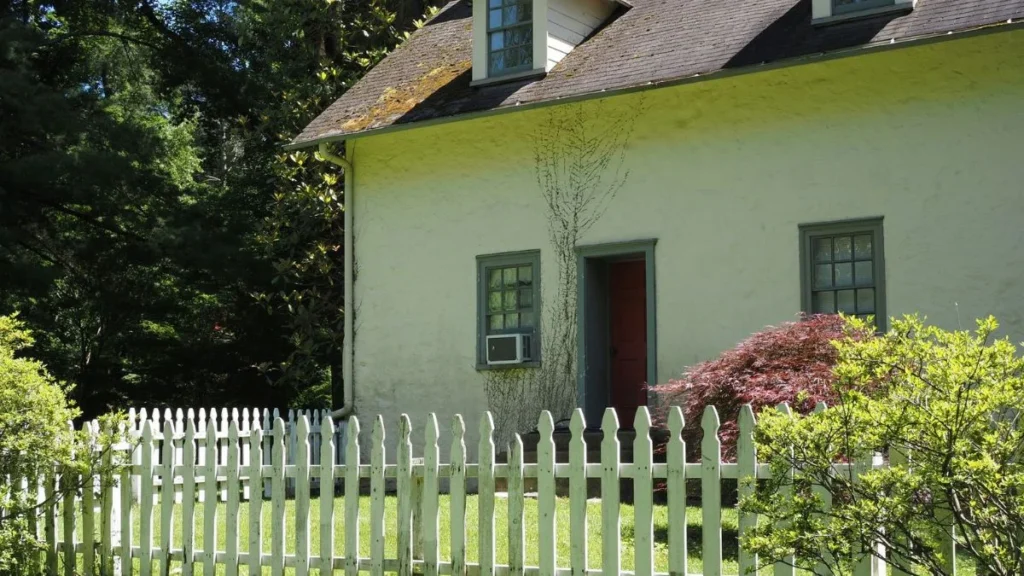
A low fence can do more for a garden than height ever could. The best 3 foot fence ideas turn a simple boundary line into a design feature, framing flower beds, softening a driveway edge, and adding personality without blocking a single ray of sunshine.
Whether the goal is a cottage-style border, a sleek modern edge, or something that doubles as a plant support, there is a low fence style to suit almost every home. This guide walks through practical, good-looking 3 foot fence ideas for gardens, front paths, and side boundaries, along with a few mistakes worth avoiding along the way.
Quick Look Before You Build
- Picket, slat, willow, metal, and mixed-material styles all work well at 3 feet.
- Painted timber is the easiest way to add colour without overwhelming a small garden.
- Living fences using low hedges suit anyone wanting a softer, greener boundary.
- Getting the spacing and post depth right matters more than the material chosen.
The Appeal Of A 3 Foot Boundary Fence
A fence at this height sits at a friendly, welcoming scale. It marks a boundary clearly enough to matter, without cutting off light, views, or airflow between neighbouring plots.
For front gardens especially, 3 foot fence ideas work well because they keep the house visible from the street while still defining where private space begins. This balance is part of why the style has stayed popular in cottage and suburban gardens for generations.
Lower fences also cost less to build and maintain than taller alternatives, since they use less material and need less bracing. That makes them a practical starting point for anyone updating a boundary on a modest budget.
Classic Picket Style 3 Foot Fence Ideas
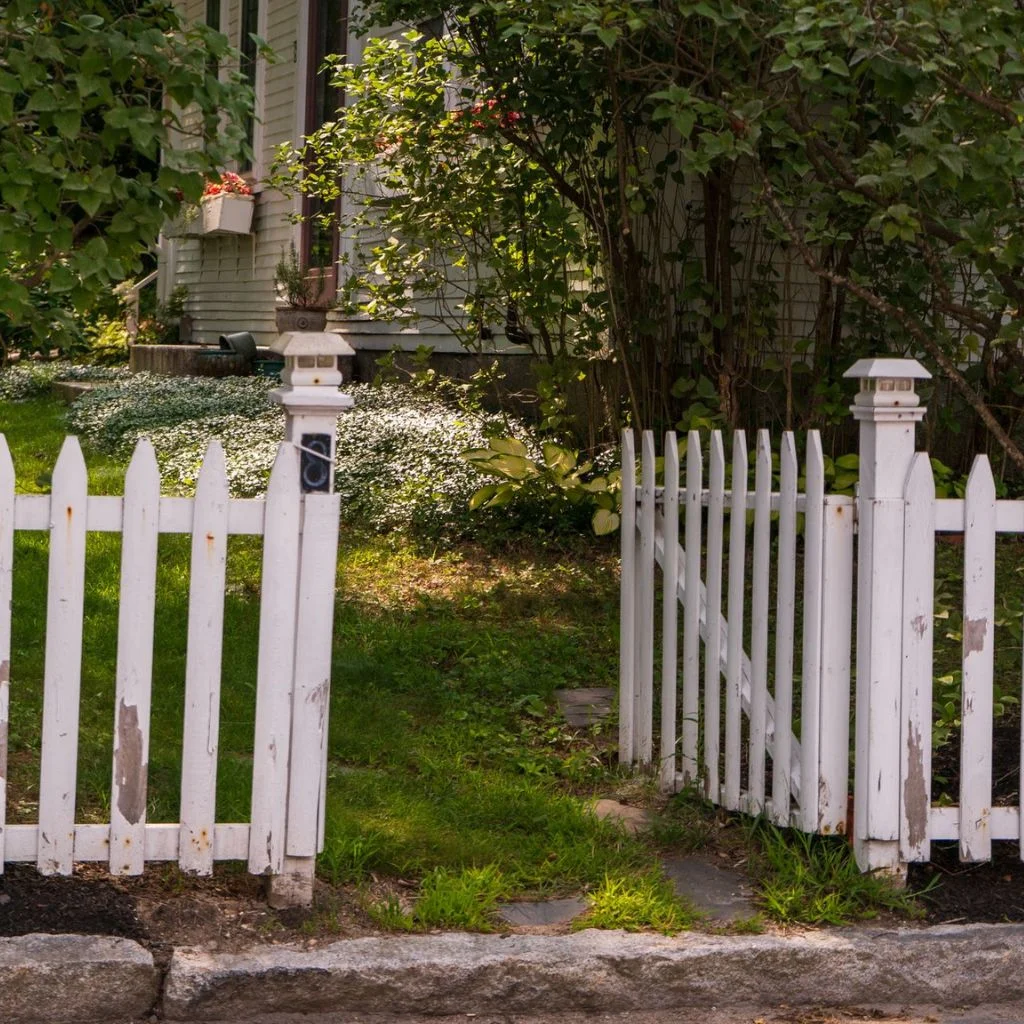
Picket fencing remains one of the most recognisable 3 foot fence ideas, and for good reason. The evenly spaced vertical boards create a rhythm that suits both period cottages and newer builds.
Rounded picket tops feel soft and traditional, while flat-topped or dog-eared boards read as slightly more contemporary. Either version works well painted in a crisp white or a heritage colour like sage or slate blue.
This style works particularly well along a front path, where the gaps between pickets let planting spill through without hiding it completely.
Modern Horizontal Slat Fence Designs
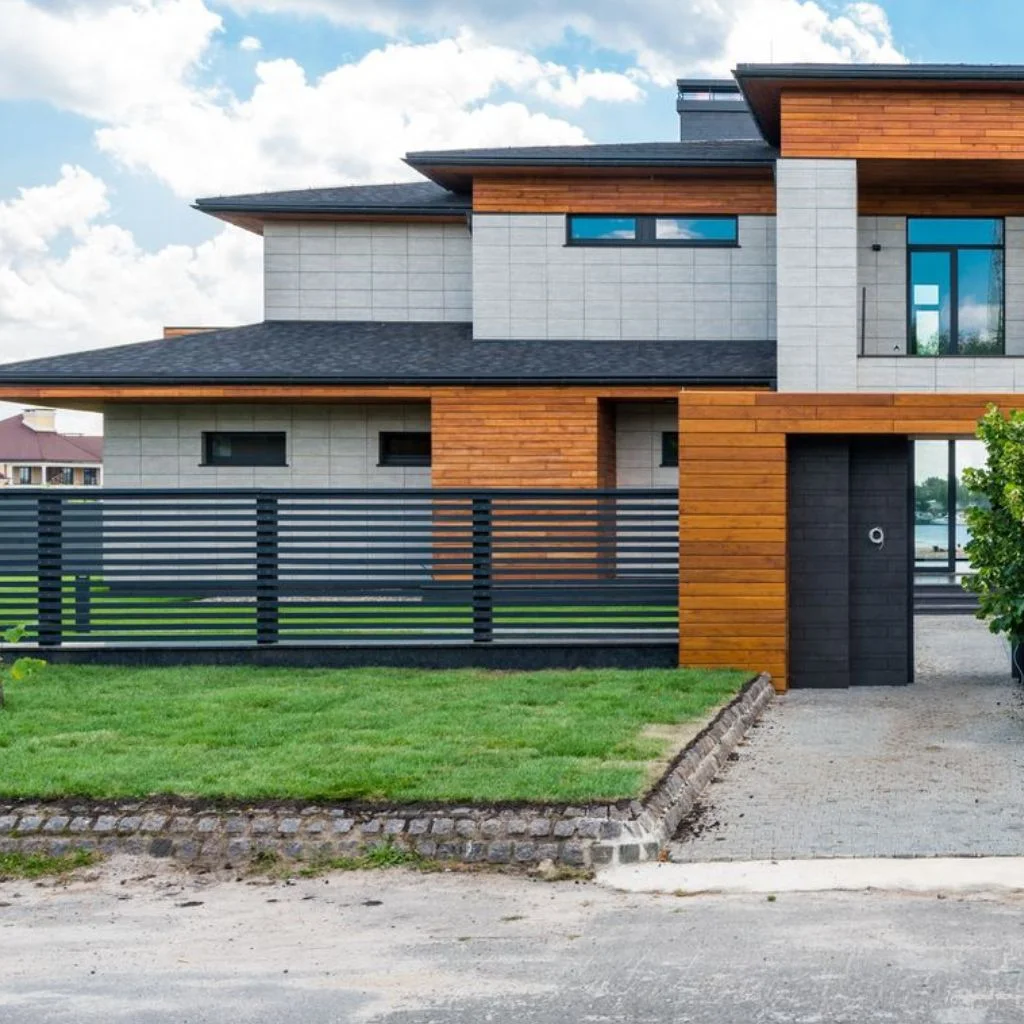
Horizontal slats bring a cleaner, more architectural feel to a low boundary. Wide, flat boards fixed with visible gaps create a linear pattern that pairs naturally with contemporary render or brick.
Because the slats run sideways rather than up and down, this style can make a narrow side garden feel a little wider. It also shows off natural wood grain more than a painted picket fence would.
Cedar or thermally treated timber holds up well in this design, ageing to a soft silver-grey if left unfinished, which suits a minimalist planting scheme.
Woven Willow And Wattle Fencing Ideas
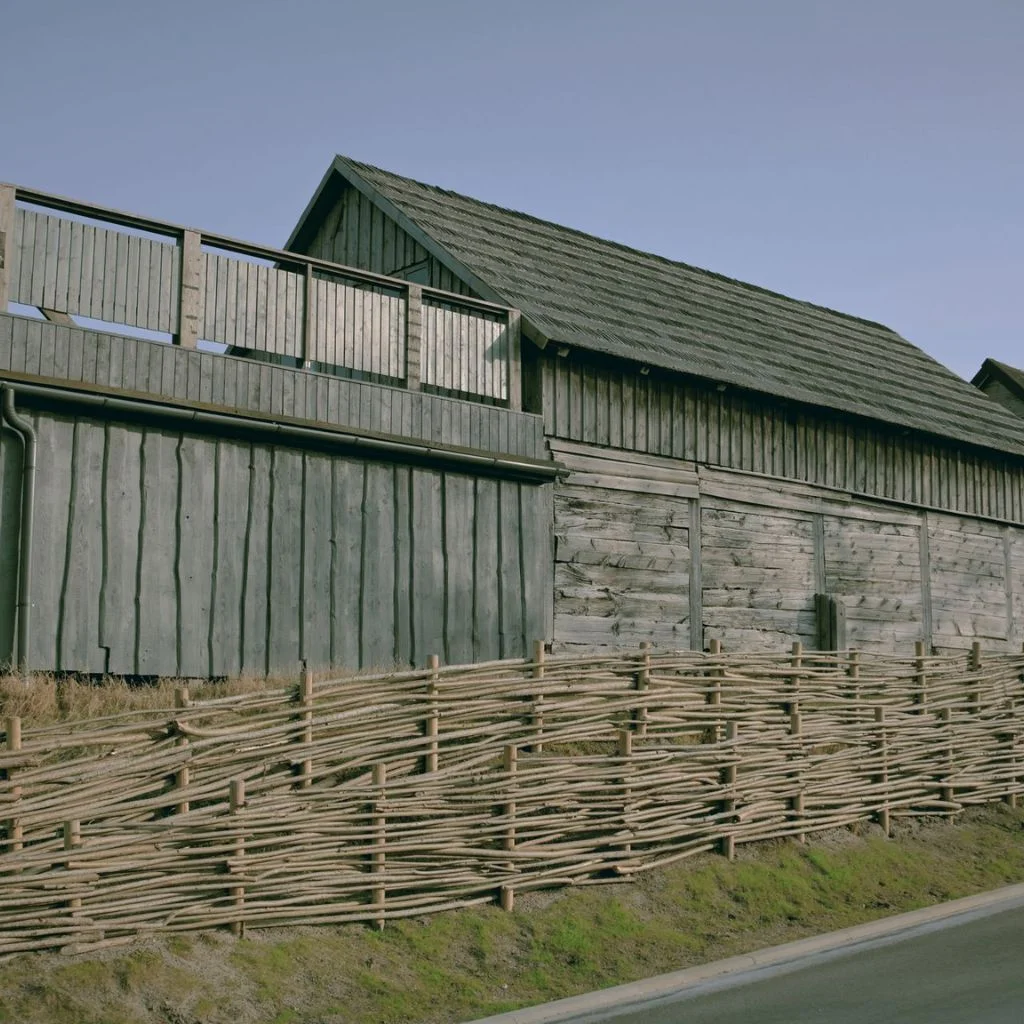
Woven willow and hazel hurdles bring a rustic, handmade texture that few other 3 foot fence ideas can match. The tightly woven branches create natural screening while still letting light filter through the gaps.
This style suits informal, wildlife-friendly gardens especially well, blending into planting rather than standing out against it. It also breaks down naturally over time, which some gardeners prefer for sustainability reasons.
Wattle panels are usually sold in fixed-width sections, so measuring the boundary carefully before ordering avoids awkward gaps at the end of a run.
Painted Timber Fences For A Pop Of Colour
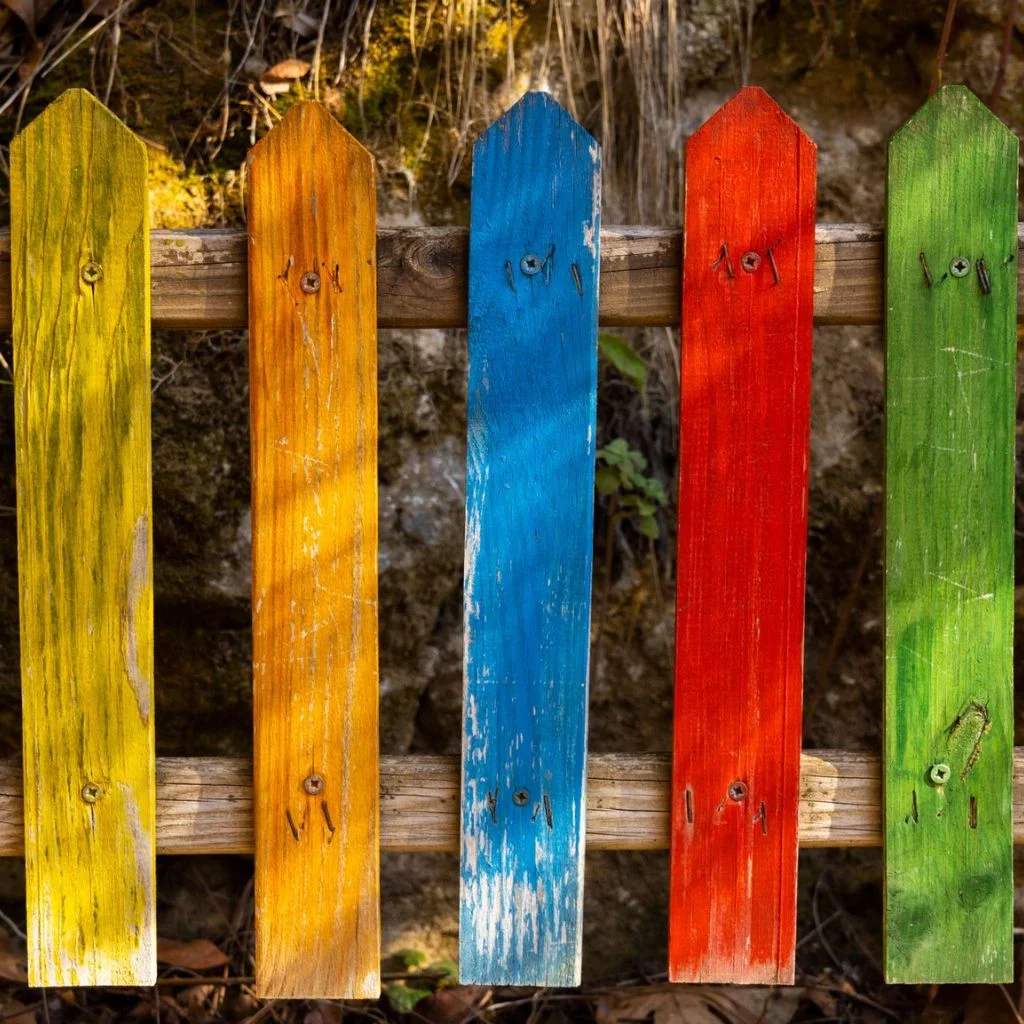
Colour is one of the simplest ways to make a low fence feel intentional rather than incidental. A muted green, charcoal, or terracotta finish can tie a boundary fence into the rest of the garden’s colour scheme.
Darker shades tend to recede visually, making them a good choice for smaller gardens where the fence should not compete with planting. Lighter, brighter colours work better as a deliberate feature along a path or patio edge.
Whichever shade is chosen, exterior wood paint formulated for fencing will hold its colour and resist flaking far longer than standard masonry paint.
Low Metal And Wrought Iron Style Options
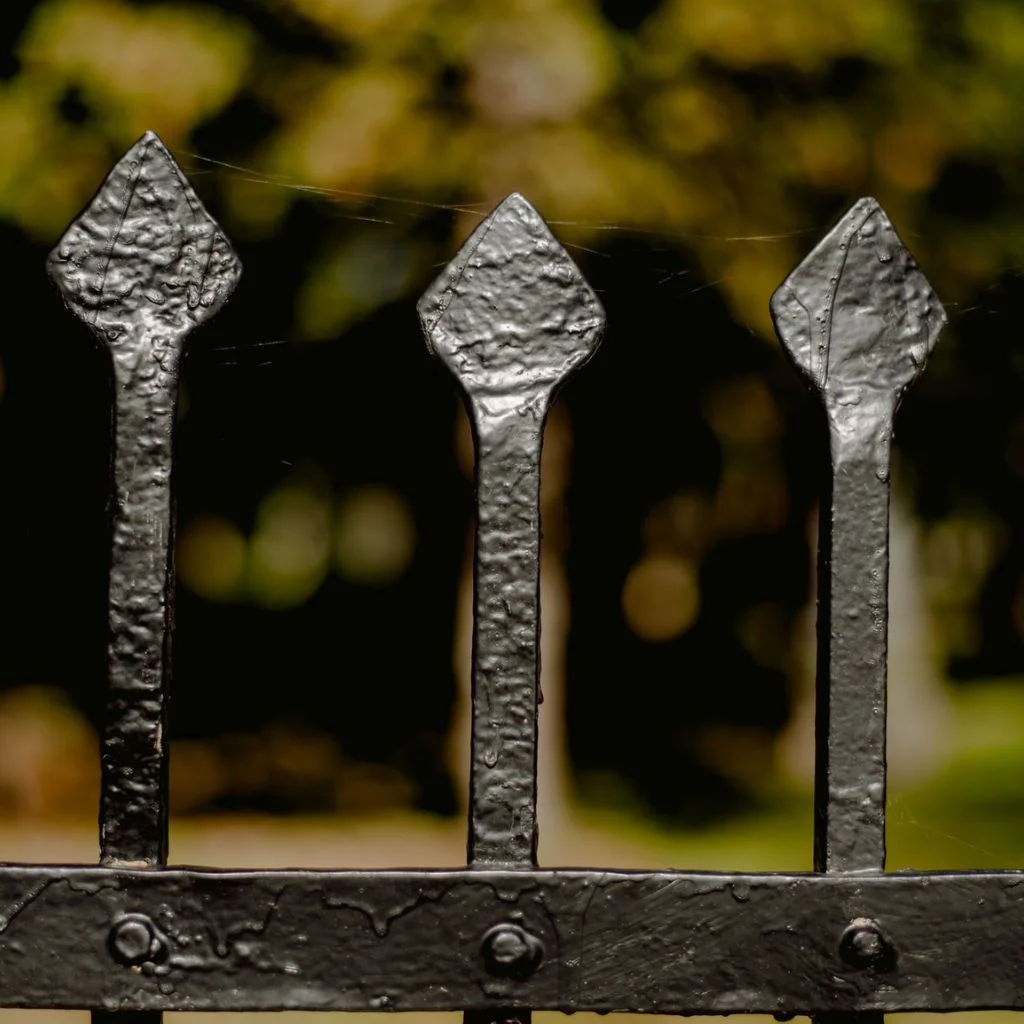
Metal panels and railings offer a more formal, long-lasting alternative among 3 foot fence ideas. Powder-coated steel in black or bronze suits period properties, while simple galvanised mesh panels work well for a more utilitarian boundary.
Because metal fencing is typically slimmer than timber, it tends to disappear visually against greenery, letting planting take centre stage. This makes it a good option for anyone who wants a boundary marker without a heavy visual footprint.
Metal does need occasional rust checks at joints and fixings, particularly in coastal or damp climates, so a yearly inspection is worth building into garden maintenance.
Mixed Material Fences For Textural Interest
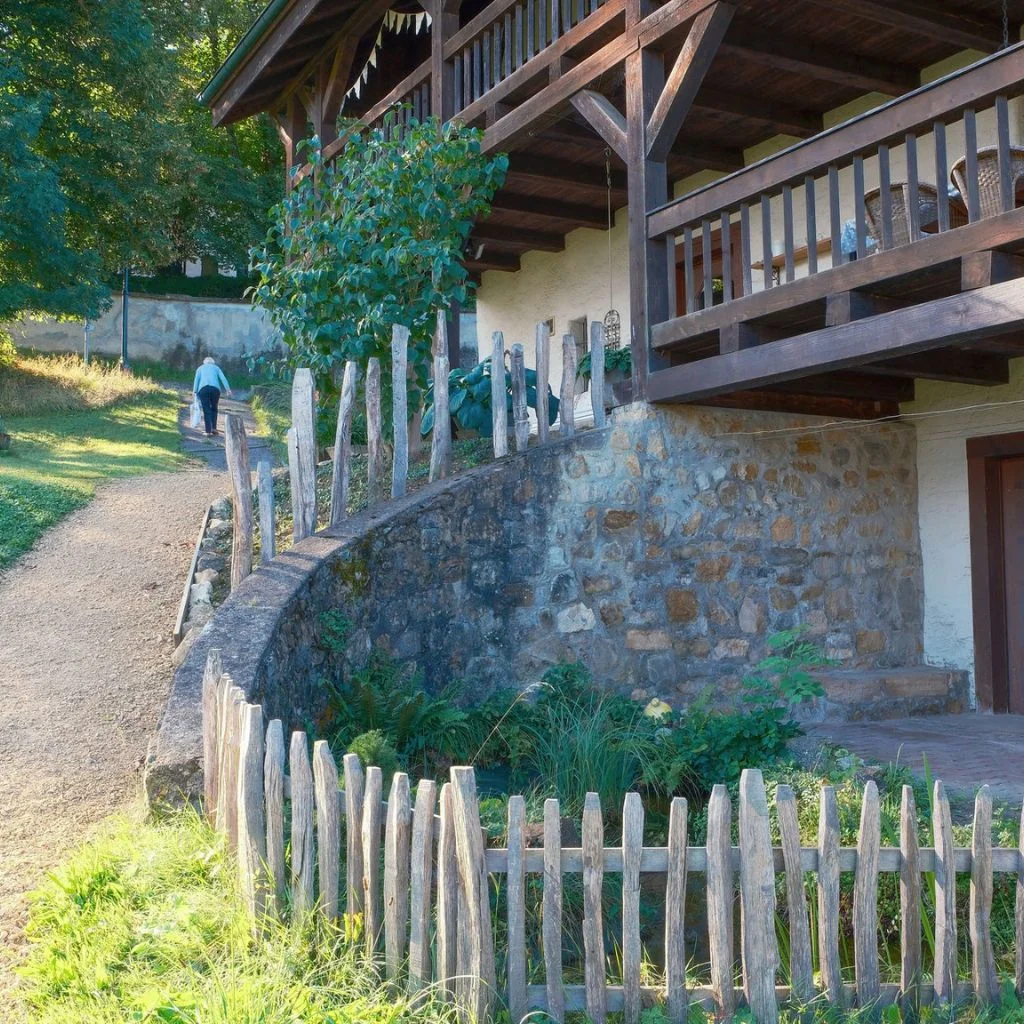
Combining materials, such as timber posts with metal infill panels, or a low brick plinth topped with painted rails, adds depth that a single-material fence cannot achieve on its own.
This approach also spreads the workload: brick or stone at the base handles ground contact and moisture, while a lighter material above keeps the overall fence from feeling heavy.
Mixed material 3 foot fence ideas tend to suit larger properties or long boundary runs, where a bit of variation keeps the eye interested along the length of the fence.
Living Fences Using Low Hedges And Planting
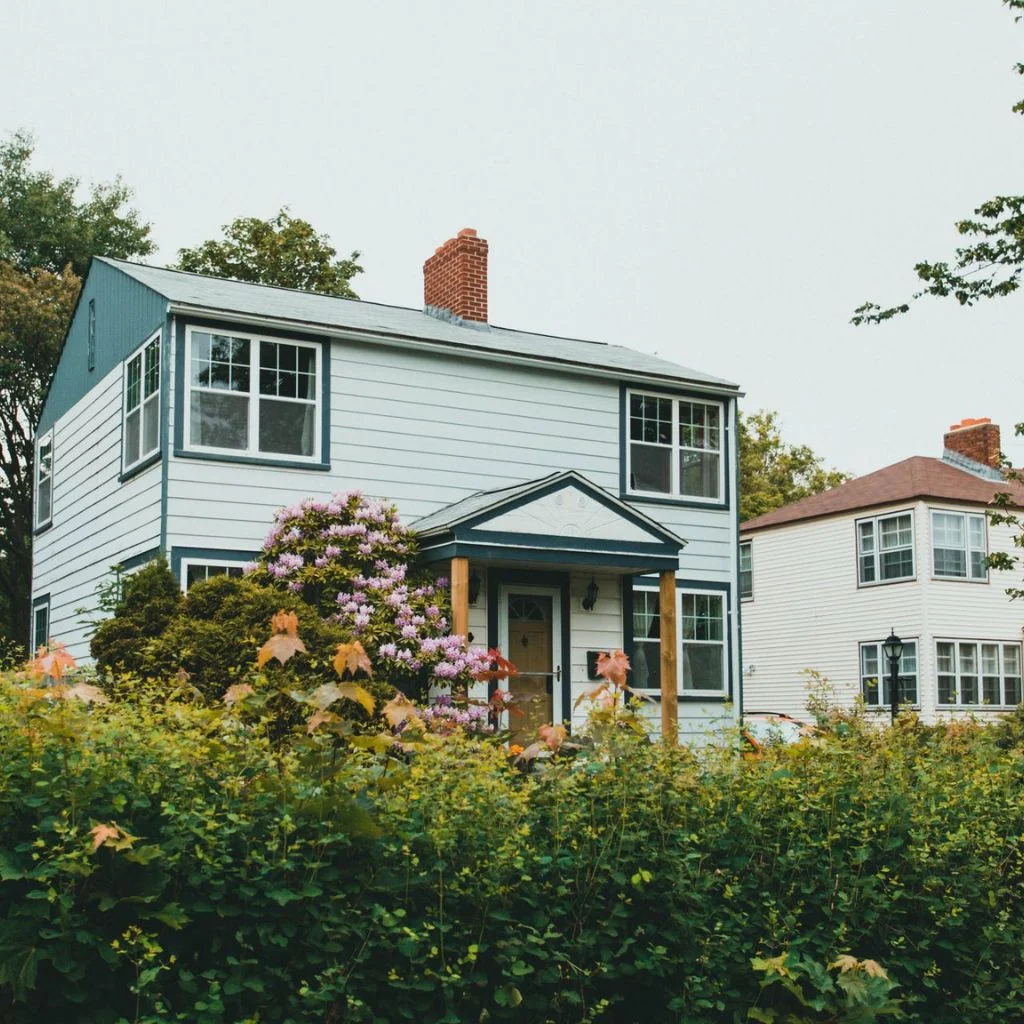
A clipped box, privet, or lavender hedge kept at knee-to-waist height can act as a boundary in its own right, or soften a timber or metal fence planted just in front of it.
Living boundaries take longer to establish than built fencing, but they offer a texture and seasonal change that no fixed material can match. Many gardeners combine a simple post-and-rail fence with hedging planted alongside it, getting structure immediately while the hedge fills in.
This combined approach is one of the more forgiving 3 foot fence ideas for anyone still deciding on a final look.
Common Mistakes To Avoid With Low Boundary Fences
One mistake seen often in smaller gardens is choosing a fence style that is too visually busy for the space available. A highly patterned panel or bright multi-colour scheme can overwhelm a small plot rather than defining it neatly.
Skimping on post depth is another common issue. A 3 foot fence still needs posts set at least 450 to 600mm into the ground with proper concrete footings, or it will lean within a year or two regardless of how attractive the panels are.
It is also worth checking local boundary height rules before installing anything, since some areas have specific guidance for front garden fences even at low heights.
Matching Style And Height To Your Own Garden
The most successful boundary fences tend to echo something already present nearby, whether that is a matching gate, a similar tone to the front door, or a material used elsewhere on the house.
Measuring the full run of the boundary and sketching it out, even roughly, before choosing panels helps avoid awkward half-sections at corners or gates.
A short consultation with a local fencing supplier can also clarify which of these 3 foot fence ideas will hold up best against a specific soil type or exposure level.
Bringing Your 3 Foot Fence Ideas To Life
The right low fence comes down to matching material and style to how the space is used, whether that is framing a cottage garden path, tidying up a side return, or simply marking where one garden ends and the next begins.
With so many 3 foot fence ideas to choose from, from painted picket to woven willow and mixed material designs, there is room to reflect a home’s character without ever needing extra height to do it.
Editor Choice: Ways to Add Shiplap Walls to Your Farmhouse Home.